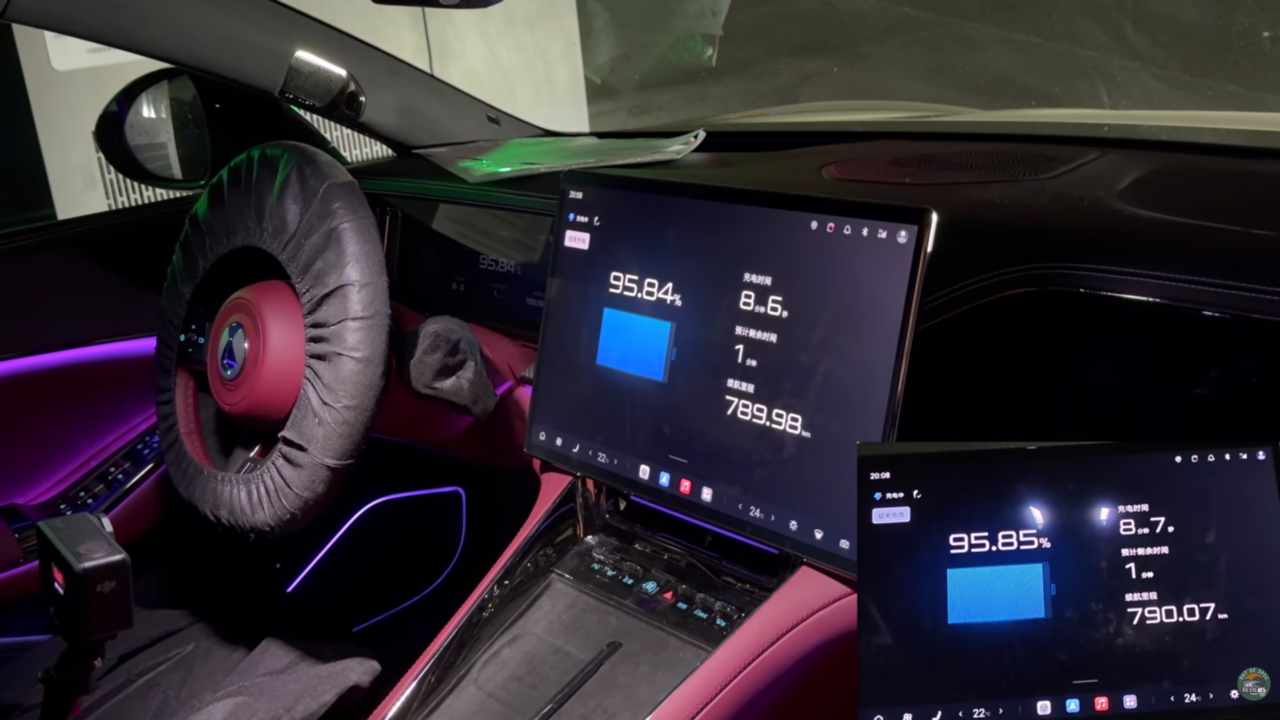

Chinese automaker BYD stunned the electric vehicle industry in March when it unveiled its 1,500-kW “Flash Charging” system, promising charging times that rival a gasoline fill-up. The company claimed compatible vehicles could move from 10% to 70% battery charge in just five minutes and reach 97% in nine minutes.
Now, only weeks after public demonstrations began, one of the first major concerns surrounding the technology is emerging into full view: heat. A recent livestream covered by CarNewsChina showed battery temperatures reportedly climbing to 168 degrees Farenheit during ultra-fast charging sessions.
That figure immediately ignited debate online, especially among engineers and EV owners familiar with the relationship between lithium-ion heat buildup, thermal runaway, and fire risk. The concern is not theoretical. Battery fires have shaped the modern history of consumer electronics and electric vehicles for nearly two decades.
The EV Industry’s Oldest Enemy: Heat
Every leap in charging speed has carried the same engineering penalty. Faster charging means higher current flow, and higher current flow creates heat.
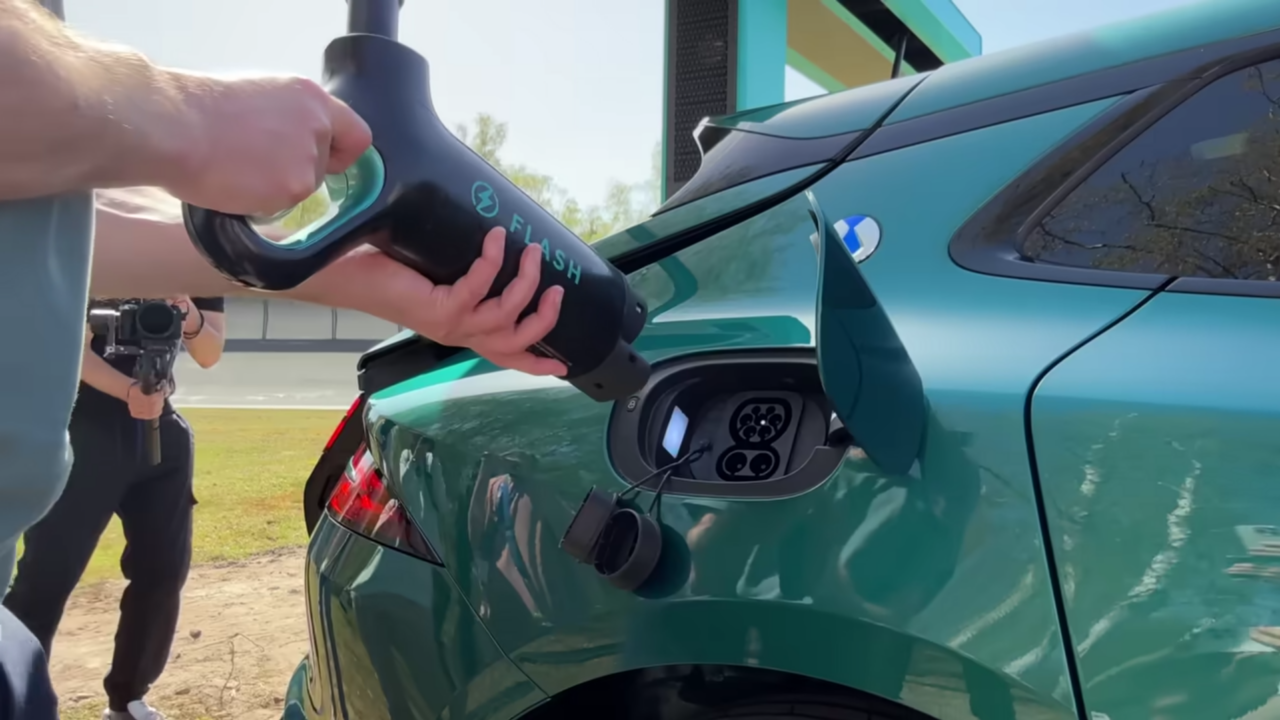
That equation has haunted lithium-ion technology since the earliest smartphone battery failures. It later surfaced in the automotive sector during several high-profile EV incidents, including recalls affecting models from General Motors, Hyundai Motor Company, and others over the past decade.
Thermal runaway remains the nightmare scenario. Once a lithium-ion cell reaches critical temperature thresholds, chemical reactions inside the pack can become self-sustaining. In severe cases, fires become extremely difficult to extinguish because the battery itself generates oxygen and heat internally.
BYD insists its second-generation Blade Battery is designed specifically to withstand extreme stress. The company says the battery passed nail penetration tests while charging and survived thermal diffusion testing involving multiple simultaneous short circuits.
Yet physics remains stubborn. Charging at a 10C rate, which BYD’s system effectively approaches, pushes lithium-ion chemistry into territory few automakers have attempted in mass-market production vehicles. Most current fast-charging EVs operate far below that level in order to preserve battery longevity and temperature stability.
Why 168 Degrees Fahrenheit?
A temperature of 168 degrees Fahrenheit (76°C) is not automatically catastrophic for a modern EV battery pack. Many systems are engineered with buffers and cooling safeguards that allow temporary operation at elevated temperatures.
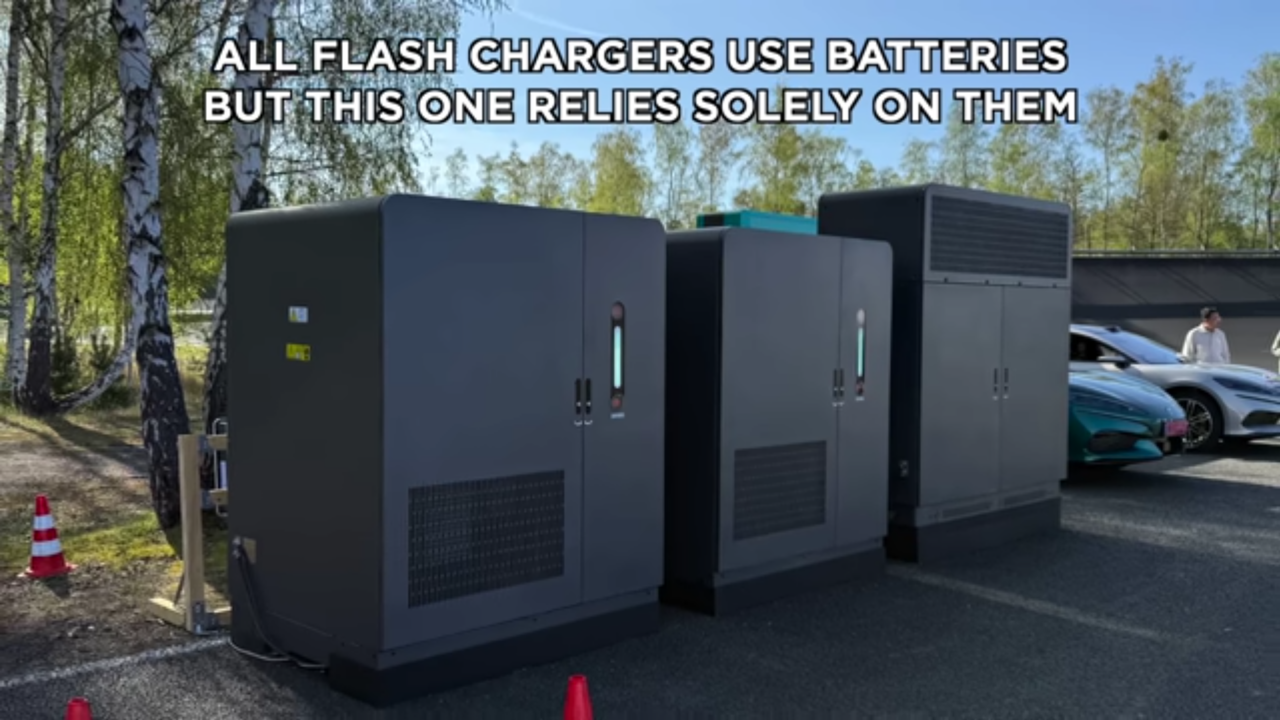
The issue is cumulative stress. Repeated exposure to high temperatures accelerates electrolyte degradation, increases internal resistance, and can amplify microscopic defects inside cells over time. In practical terms, sustained ultra-fast charging may increase long-term wear even if catastrophic failure never occurs.
Fire risk also becomes more concerning in real-world environments rather than controlled demonstrations. Charging stations exposed to summer heat, damaged battery packs, aging cooling systems, or manufacturing inconsistencies introduce variables that laboratory tests cannot fully simulate.
The significance is that BYD is not experimenting with a niche halo product. The company plans to deploy more than 20,000 Flash Charging stations across China by the end of 2026. That scale changes the stakes dramatically.
A single overheating incident involving a megawatt-class charger would attract global scrutiny. This is especially true as governments and insurers already monitor EV fire trends with growing attention.
The Industry May Be Moving Faster Than Battery Science
The race toward gasoline-equivalent charging times has become one of the EV industry’s defining obsessions. Carmakers understand that charging anxiety remains one of the biggest obstacles preventing some consumers from switching away from internal combustion vehicles.
BYD’s breakthrough was supposed to represent a turning point. Instead, the early temperature controversy highlights a broader issue facing the entire sector: charging infrastructure is advancing faster than long-term battery durability data.
Manufacturers can simulate years of use in testing environments, but there is no substitute for millions of real-world charging cycles spread across different climates, driving habits, and maintenance conditions. That is the “crack” now appearing in BYD’s bold promise.
The technology works. The speeds are real. But the thermal cost may prove far larger than early marketing presentations suggested.
For an industry chasing five-minute charging as the next great milestone, the question is no longer whether it can be achieved. The question is whether it can be achieved safely over the lifespan consumers actually expect from their vehicles.
Sources: CarNewsChina