The 1990s gave us plenty of great cars, but only a small handful still feel genuinely forward-looking when you judge them by modern standards. That is a much tougher test than simple nostalgia. A car can be beautiful, fast, rare, or culturally important and still feel locked to its era the moment you study the engineering.
The seven cars below are different. They introduced ideas that still define how we talk about efficiency, safety, lightweight construction, electric driving, digital information, and usable performance today.
What Still Feels New When A Car Is Three Decades Old?
This list is not about the most famous cars of the 1990s or the most expensive ones. It is about cars that still feel conceptually modern because their core ideas survived, whether that means hybrid efficiency, electric architecture, lightweight engineering, advanced aerodynamics, digital data displays, or driver assistance that is now normal in new cars.
I favored models that were truly ahead of their time, not just very good by period standards. I also wanted variety, because the future did not arrive from one direction alone in that decade. Some of these cars chased comfort, some chased speed, and some quietly predicted the way millions of people drive now. Which one feels most familiar to today’s world when you look at it with fresh eyes?
Acura NSX
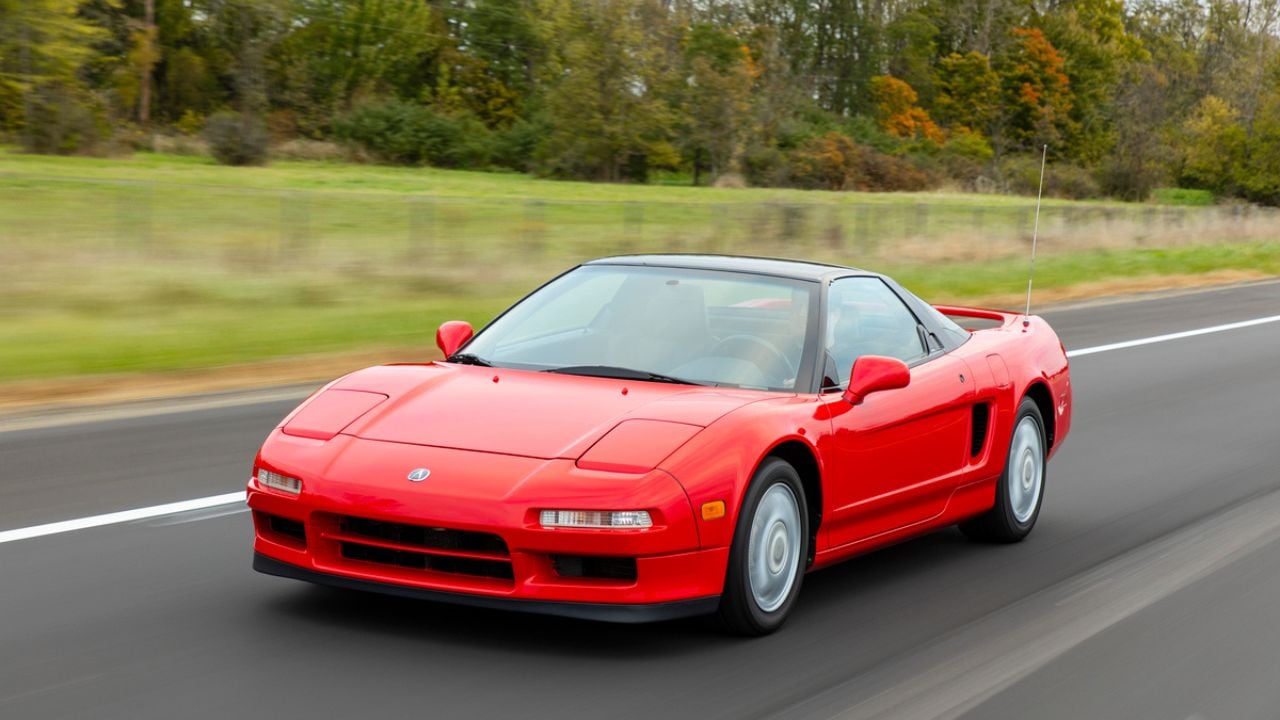
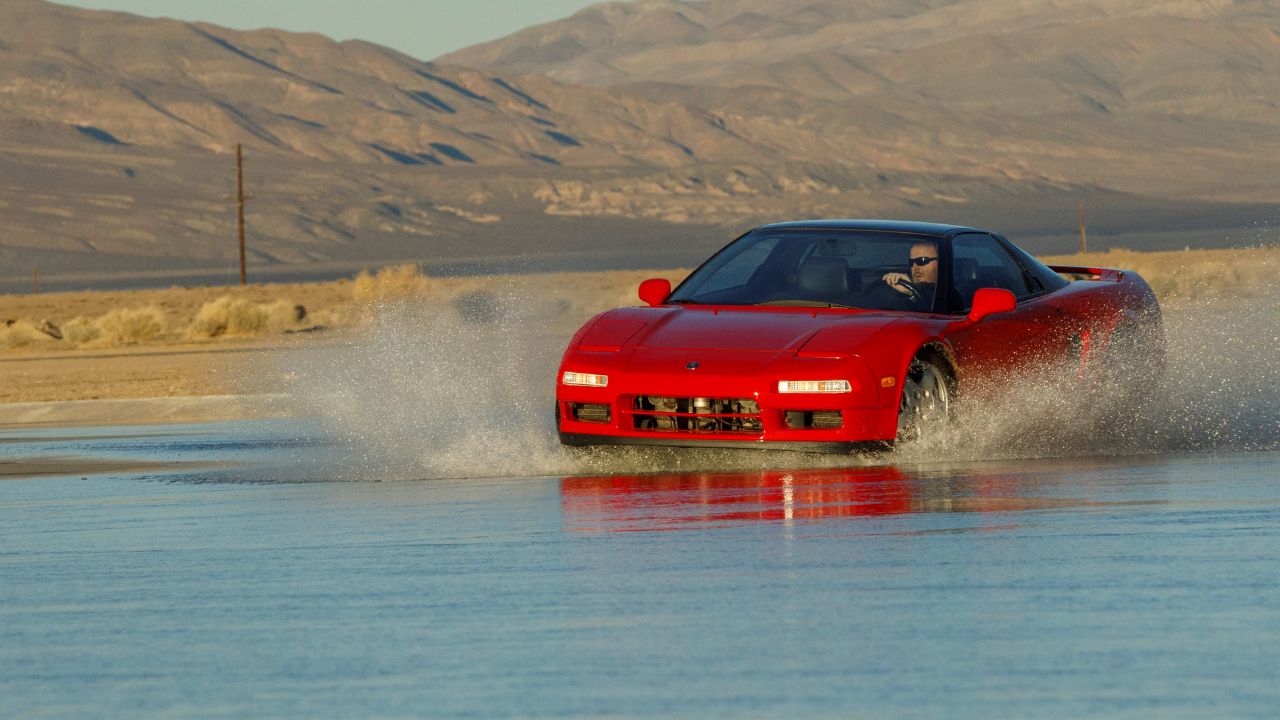
The original Acura NSX still feels startlingly modern because it attacked the supercar problem from the same angle many brands still chase now. Honda launched it as the first production car with an all-aluminum chassis and body, which was a huge statement in 1990, and it paired that lightweight thinking with visibility, ergonomics, and drivability that made exotic performance feel much less intimidating. That is the part that still lands today.
Plenty of fast cars came before it, but the NSX treated usability as a form of engineering ambition rather than as an afterthought. Its mid-engine layout, high-revving V6, clean sightlines, and low-stress personality created a blueprint for the kind of performance car people still admire now: something quick, precise, and genuinely livable.
Readers often talk about the NSX as a legend, but the more revealing point is this: it still feels like a car designed by people who understood where the best performance cars were headed.
Toyota Prius
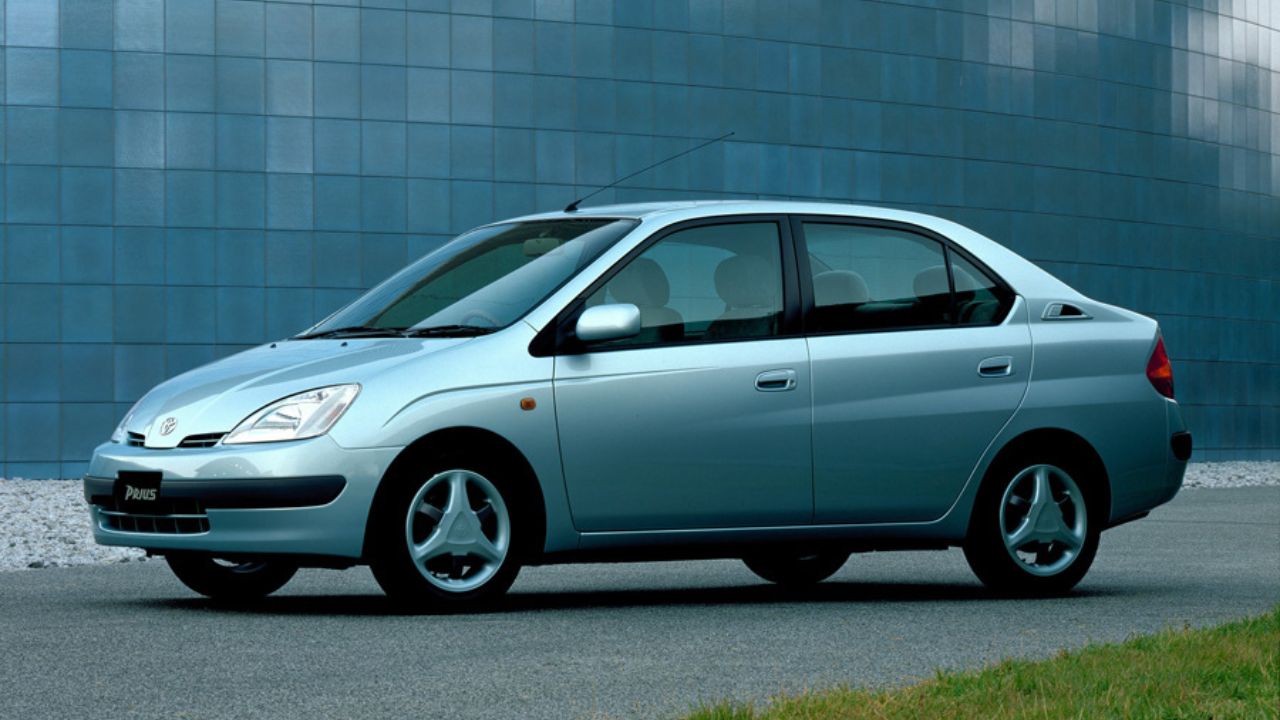
The first Prius belongs here because its ideas are no longer unusual. They are normal. Toyota launched the first-generation Prius in 1997 as the world’s first mass-produced hybrid passenger car, and its Toyota Hybrid System already used principles that now define modern electrified driving: engine shutoff at a stop, regenerative braking, aerodynamic attention, low rolling resistance tires, and a powertrain that blended gasoline and electric power for efficiency. That is why the Prius still feels advanced when you look past the shape and the decade.
It was not simply a weird eco experiment that happened to work. It was the beginning of a way of thinking that ended up changing the global market. Even today, car companies still sell efficiency as a mix of software, aerodynamics, energy recovery, and smarter use of electric assistance.
The first Prius was already speaking that language in the 1990s. That makes it more than important. It makes it oddly current.
GM EV1
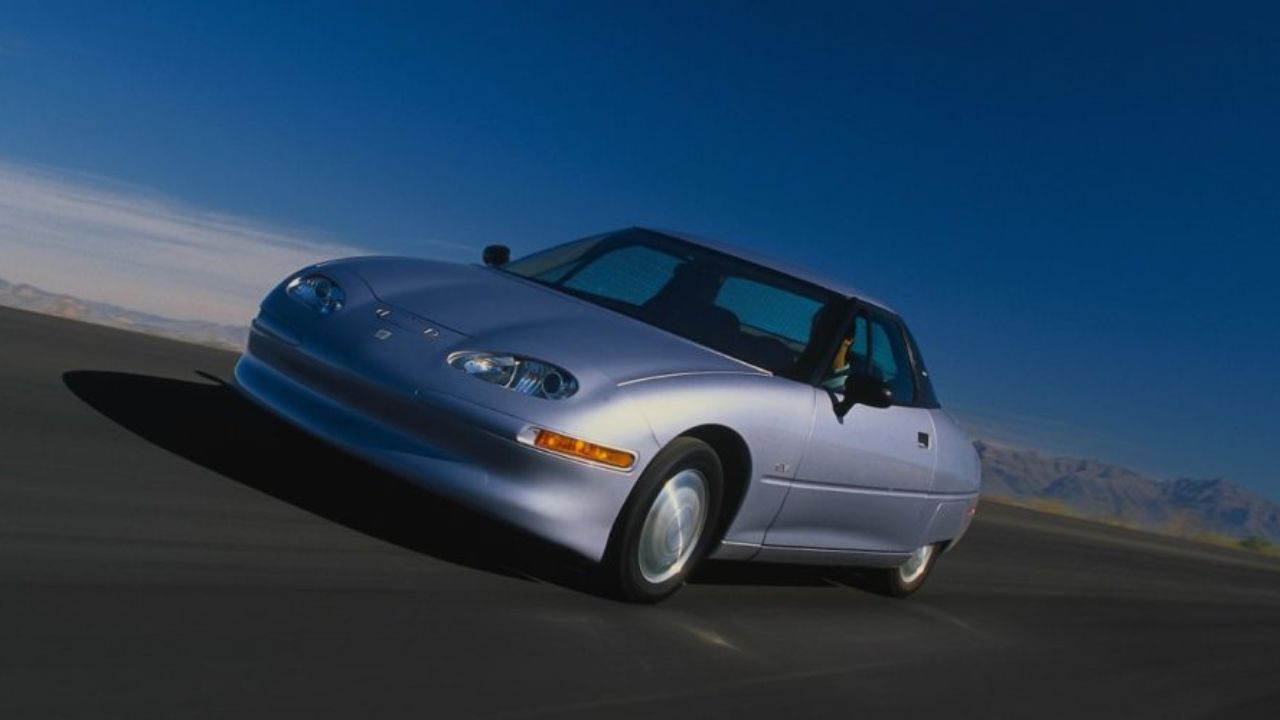
The GM EV1 still feels advanced today because so many of its big ideas sound like modern EV talking points. GM says the EV1 was the first modern mass-produced, purpose-built electric vehicle from a major automaker, and the company also notes that it pioneered a heat pump for climate control; blended regenerative and friction braking; by-wire controls for key driver inputs; and obsessive aerodynamic work.
Read that list again, and it almost sounds like a launch summary for a current electric car. That is what makes the EV1 so fascinating. It was not simply early. It was conceptually early in the right ways. The car treated efficiency as a whole vehicle discipline rather than just a battery problem, and that mindset is exactly what still separates serious EV engineering from half measures now.
The EV1 was limited, controversial, and short-lived, but the ideas inside it were never the joke. In many ways, they were the real future hiding in plain sight.
Mitsubishi 3000GT VR-4

The Mitsubishi 3000GT VR-4, sold as the GTO in Japan, still feels advanced because it came to the 1990s sports car fight with a ridiculous amount of technology for its time.
Mitsubishi’s own history notes that the car combined a twin-turbo V6 with full-time all-wheel drive, electronically controlled suspension, four-wheel steering, and an active aero system that automatically adjusted a front venturi cover and rear spoiler at speed. That is an outrageous feature list even now for a car that arrived in 1990. More importantly, it shows how engineers of that era were already experimenting with the same question performance brands still ask today: How do you use electronics and active systems to make a fast road car more stable, more adaptable, and more complete?
The 3000GT VR-4 was heavier and more complicated than the purist heroes of its era, but that complexity is exactly why it fits this headline. It felt like tomorrow’s sports coupe dropped into the wrong decade.
Audi A8
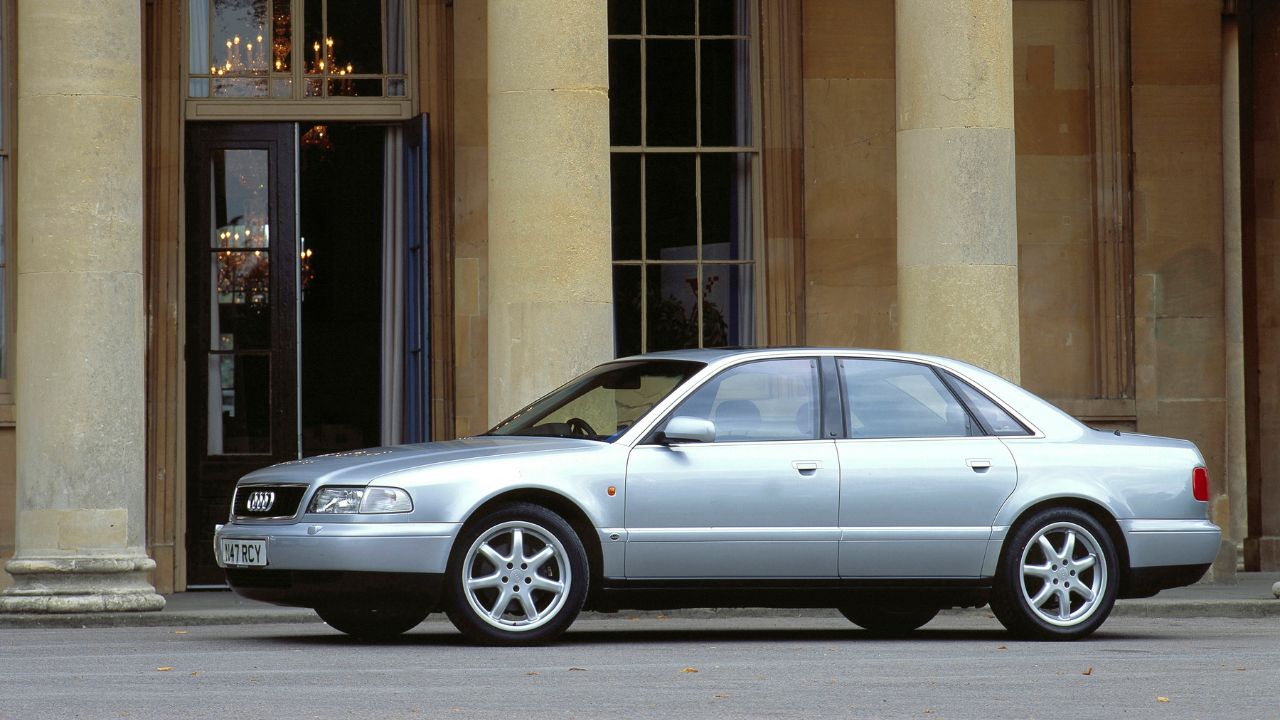
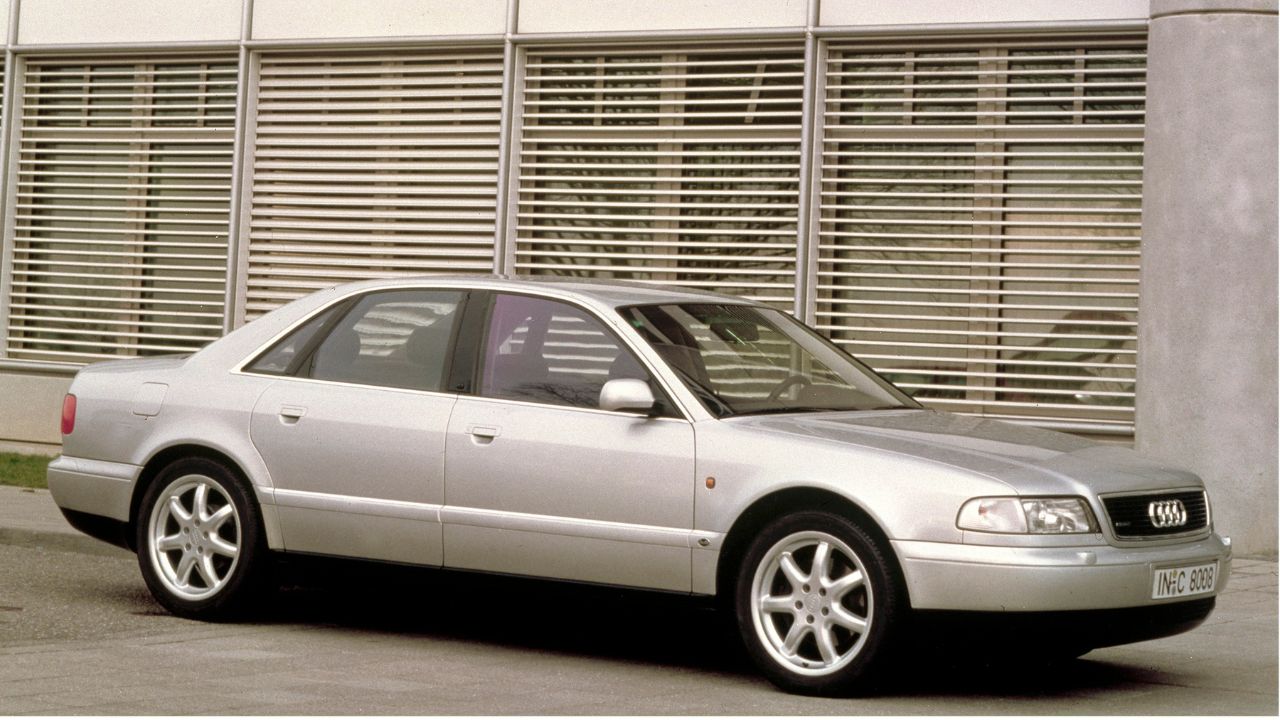
The first Audi A8 feels advanced today because it bet early on something the industry still treats as a big deal: meaningful lightweight construction in a luxury car. When Audi launched the A8 in 1994, it marked the brand’s entry into the luxury class and pioneered the Audi Space Frame, a body made entirely of aluminum.
That was not a decorative engineering trick. It was a serious statement about efficiency, rigidity, and the idea that a large premium sedan did not have to carry unnecessary mass just because it was expensive. Modern luxury cars still talk endlessly about mixed materials, weight savings, and smarter body construction, which is exactly why the first A8 feels so prescient now.
It looked clean, understated, and intelligent when new, and time has only helped that impression. This was not the loudest luxury car of the decade. It was one of the smartest, and its core philosophy still sounds like the sort of thing a brand would brag about in 2026.
Mercedes-Benz S-Class
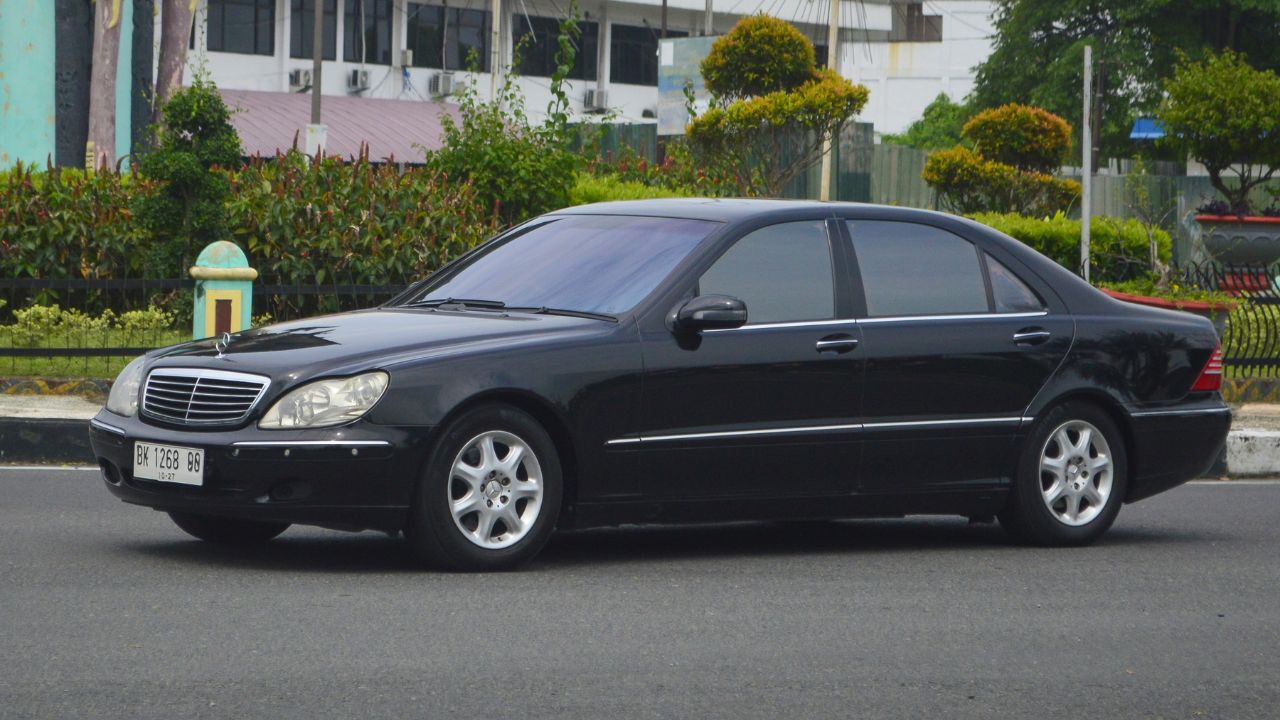
The late 1990s Mercedes-Benz S-Class fits this headline because it brought two ideas into mainstream luxury consciousness that still define high-end cars now. Mercedes introduced the AIRMATIC suspension system to the S-Class in 1998, and Mercedes-Benz says DISTRONIC also debuted that same year as special equipment in the S-Class of the 220 model series.
Today, air suspension and adaptive cruise control are familiar premium features, and in some segments they are almost expected. In the late 1990s, that combination pointed to an entirely different future for big luxury sedans, one where comfort and safety were not just about soft seats and thick doors but about predictive technology and electronically managed ride control. That is why this car still feels ahead of its time. It was already starting to move luxury away from passive opulence and toward active intelligence.
When modern buyers talk about driver assistance and suspension tech making a car feel expensive, they are still following a path the S-Class helped draw decades ago.
McLaren F1
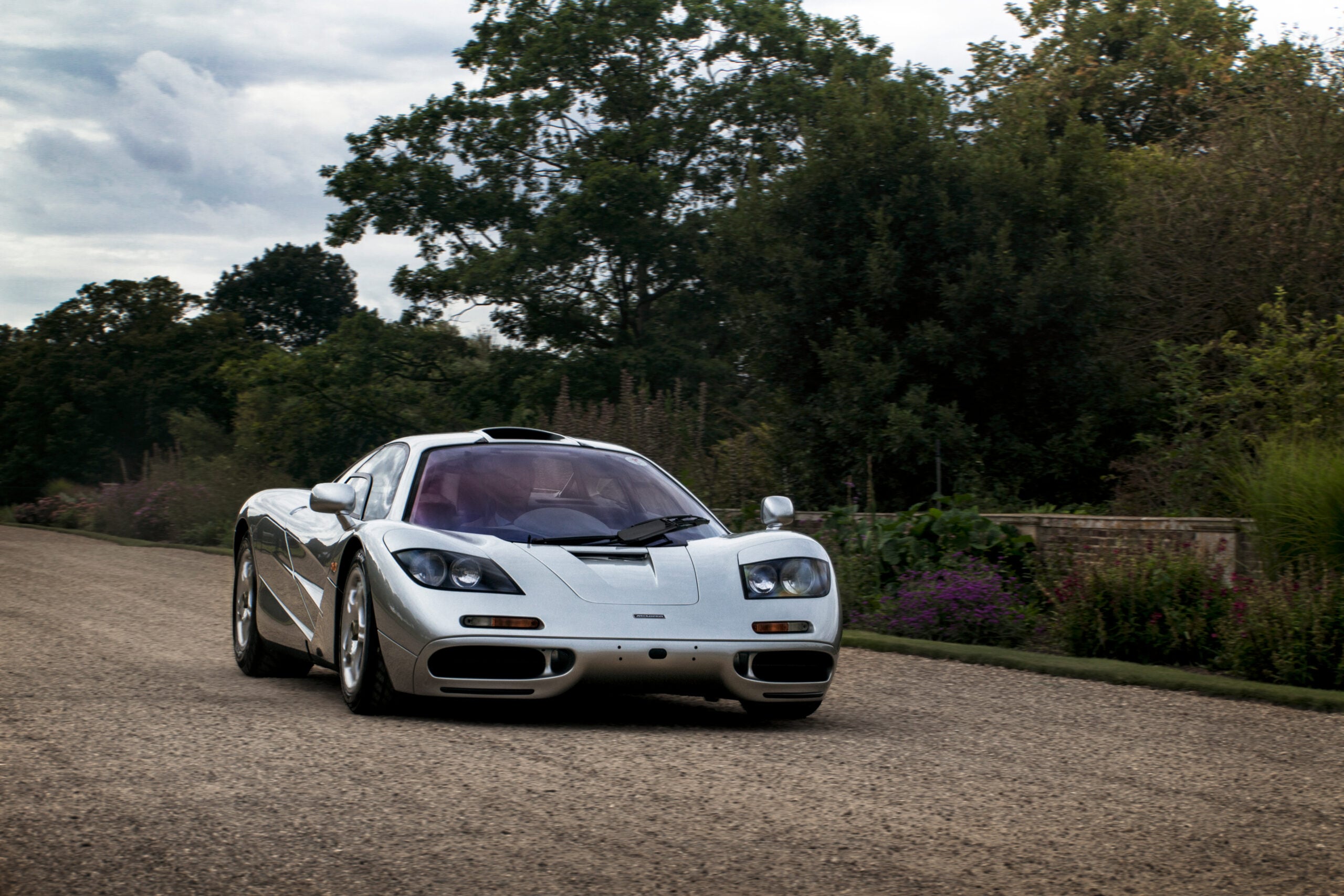
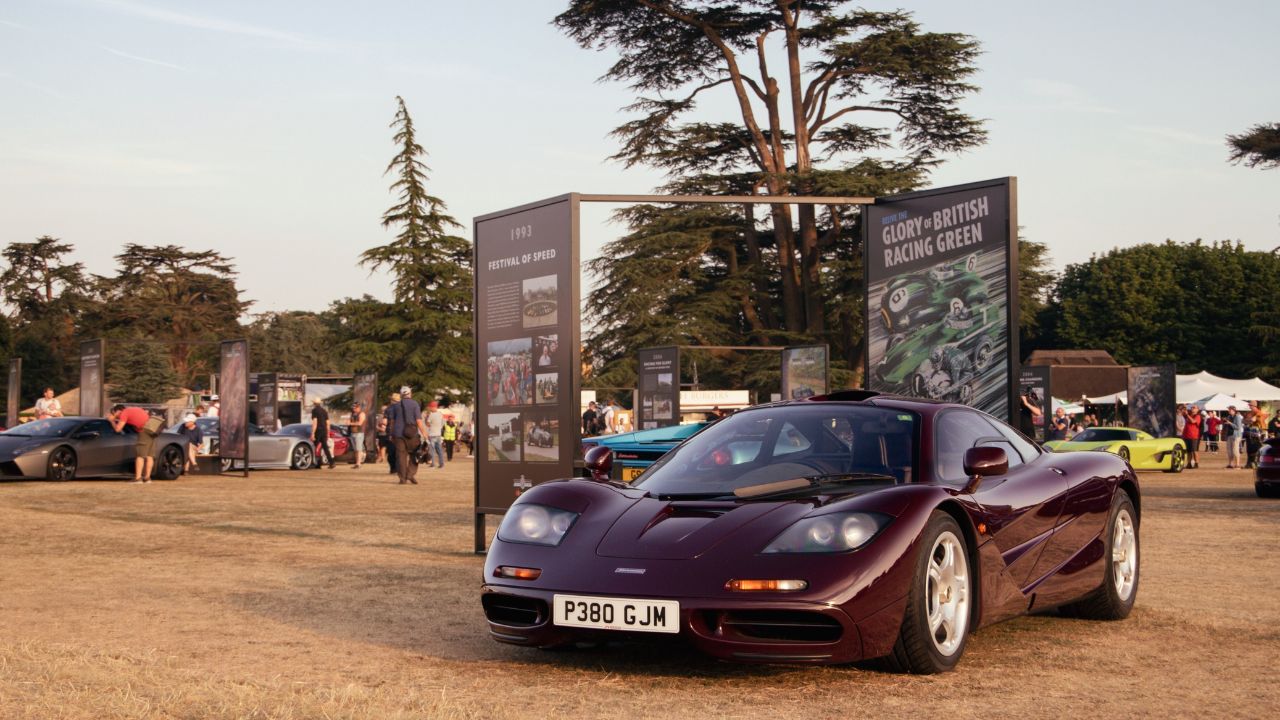
The McLaren F1 still feels advanced because it solved the supercar challenge with principles that remain almost impossible to outgrow. McLaren says it was the first road car built around a lightweight carbon fiber monocoque, and even today the company frames it as a masterwork of engineering rather than simply an old halo car. That distinction matters.
The F1 did not feel futuristic only because it was fast. It felt futuristic because it chased low weight, central driving position, uncompromised packaging, and engineering purity with a level of seriousness that still sounds contemporary. Modern exotic cars are full of software, hybrid systems, and active aero, yet the F1 keeps its authority because its vision was so clean.
It understood that “advanced” does not always mean more layers, more complexity, or more gimmicks. Sometimes it means stripping the idea down until only the smartest decisions remain. That is why the F1 still feels less like a relic and more like a standard the industry keeps circling back toward.
Which ’90s Idea Still Feels The Most Like The Future?
That is the real charm of this group. They do not all feel advanced for the same reason. The NSX saw a smarter supercar, the A8 saw lighter luxury, the Prius saw everyday electrification, the EV1 saw the electric future itself, the 3000GT VR-4 saw active performance tech, the S-Class saw intelligent comfort, and the McLaren F1 saw engineering purity as the ultimate innovation.
That is also why this topic still works so well. The best old cars do more than age gracefully. They reveal how the future actually arrived. Sometimes it came loudly, sometimes it came awkwardly, and sometimes it showed up in a shape people did not fully appreciate until years later. Looking at these seven cars now, the fun question is not which one was best. It is the one I saw today most clearly.