Remember when you could walk into practically any dealership and drive off with a rumbling V8? Those days now feel like a distant memory.
The shift toward efficiency has transformed our roads, with turbocharged four-cylinders and electric motors taking center stage. But here’s the thing: the V8 isn’t extinct yet. A select group of vehicles sold in the U.S. still carries the torch in 2026, proving that there’s still a place for eight cylinders of thundering glory.
These survivors represent something special. They’re the last holdouts in an era that’s rapidly moving past them. So let’s celebrate the models keeping the V8 dream alive.
Chevrolet Corvette Stingray, Z06, and E-Ray

America’s sports car continues its V8 tradition with three distinct flavors of performance.
The base Stingray packs a 6.2-liter V8 rated at 490 horsepower, or 495 horsepower with the optional performance exhaust, which is plenty to remind you why mid-engine layouts are so addictive. The Z06 takes things to another level entirely with its hand-assembled 5.5-liter flat-plane unit that screams to 8,600 rpm and cranks out 670 horsepower; it’s one of the most thrilling naturally aspirated engines ever bolted into a production car. Then there’s the E-Ray, which pairs that 6.2-liter with electric assistance for all-wheel drive and 655 combined horsepower.
Chevrolet has managed to create three genuinely different driving experiences while keeping the V8 soul intact. The C8 generation proves you can innovate without abandoning what makes enthusiasts’ hearts race.
Ford F-150 and F-150 Raptor R

Ford’s bestselling truck keeps the V8 option alive for buyers who want traditional power delivery.
The standard 5.0-liter produces a solid 400 horsepower and can tow up to about 12,800 pounds when properly equipped. But the real headline here is the Raptor R, which stuffs a supercharged 5.2-liter under the hood for an outrageous 720 horsepower and 640 lb-ft of twist. This truck was built for wide-open desert running with its long-travel suspension and massive 37-inch tires. You can option these trucks with interiors that rival luxury sedans, complete with premium leather and real wood accents.
The F-150’s continued V8 availability shows that plenty of truck buyers still value that classic, linear power characteristic.
Cadillac CT5-V Blackwing
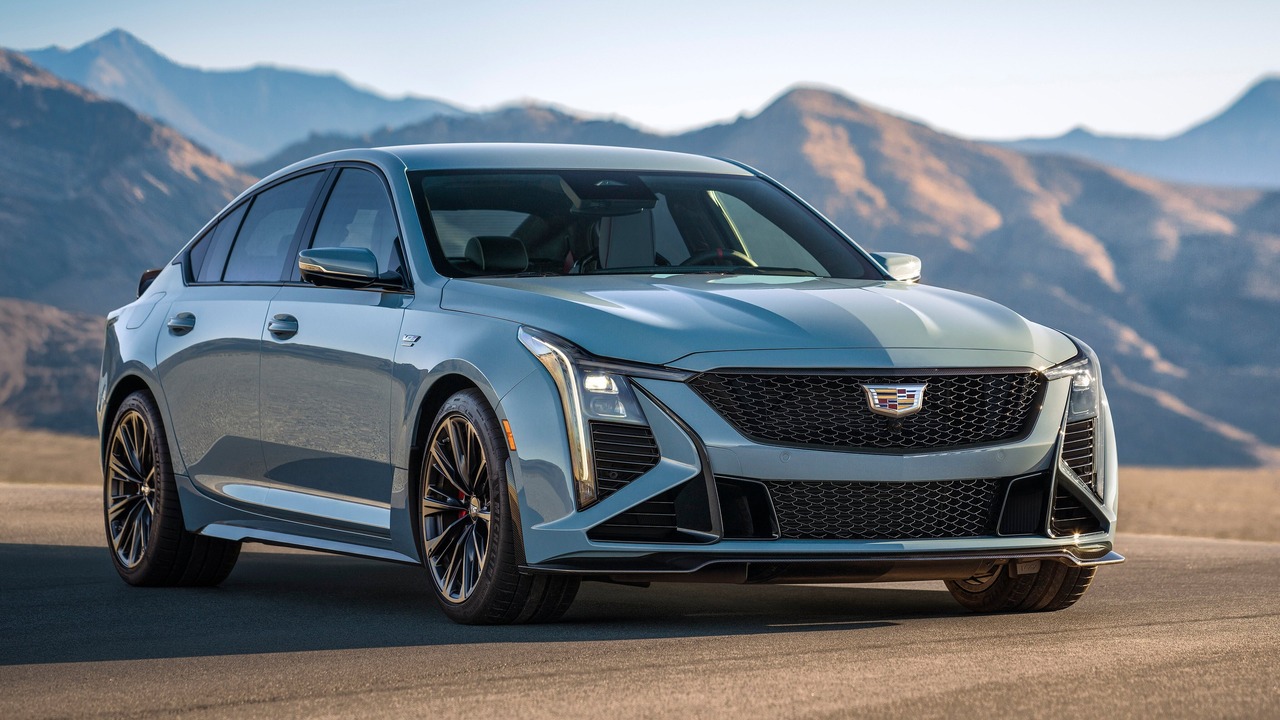
If you’re searching for a proper sports sedan with a manual transmission and a supercharged V8, this is your only option.
The CT5-V Blackwing earned its legendary status by combining 668 horsepower from a hand-built 6.2-liter engine with the choice of rowing your own gears through a six-speed manual. Cadillac updated it recently with a more aggressive look and a massive 33-inch curved display that brings serious tech into the cabin. The magnetic ride control and Brembo brakes give it legitimate track capability, while the luxury appointments ensure it’s comfortable enough for daily driving.
This sedan represents everything we’re losing as the automotive world electrifies: it can hit 200 mph yet still pamper you in leather on the drive home. It’s Cadillac’s love letter to the combustion era, written on paper and laminated.
Chevrolet Silverado and GMC Sierra
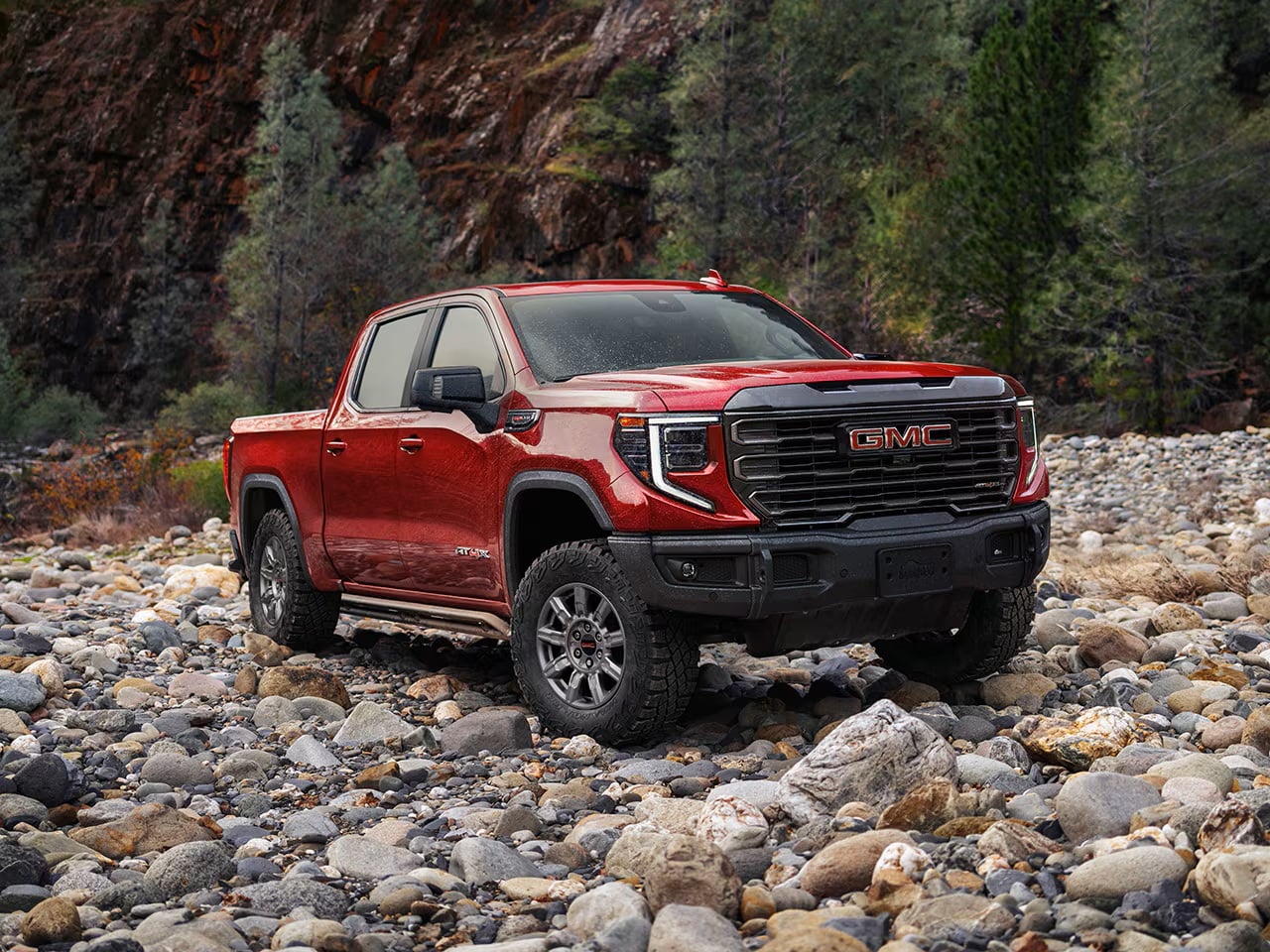
GM’s full-size truck twins keep the V8 tradition alive with proven powertrains that have been refined over decades.
The 6.2-liter EcoTec3 delivers 420 horsepower and 460 lb-ft of torque, paired with a smooth 10-speed automatic that makes the most of all that power. There’s also a smaller 5.3-liter available for those who want V8 character with slightly better efficiency.
These trucks can haul up to 13,300 pounds, making them genuinely capable workhorses. Inside, you’ll find massive touchscreens and premium materials that make these trucks feel special.
GM has resisted the urge to abandon the V8 in its trucks because, frankly, buyers still want them, and they remain highly profitable.
Ford Mustang GT and Dark Horse

Ford’s pony car has featured V8 power since 1964, and that tradition continues strong into 2026.
The current generation uses an updated 5.0-liter Coyote engine producing 480 horsepower in GT trim and 500 in the track-focused Dark Horse. What makes the Mustang special is that it’s the only affordable, rear-wheel-drive sports coupe still offering a naturally aspirated V8.
Sure, Ford offers a turbocharged four-cylinder version, but nothing matches the sound and fury of the V8 models. With Dodge stepping away from V8 muscle cars (at least for now), the Mustang stands alone in its segment.
It’s proof that emotion still matters in car buying, even as efficiency regulations tighten everywhere else.
Dodge Durango

Dodge went all-in on V8 power for the Durango, actually dropping the V6 option entirely.
The lineup starts with a 5.7-liter making 360 horsepower, then jumps to a 6.4-liter 392 Hemi with 475 horsepower in R/T trim. At the peak sits the SRT Hellcat with its supercharged 6.2-liter pumping out an absurd 710 horsepower—yes, in a three-row family SUV.
Available all-wheel drive and up to 8,700 pounds of towing capacity make it genuinely practical despite all that power. The Durango’s platform may be aging, but that’s actually part of its appeal for buyers who want old-school muscle wrapped in modern SUV utility.
It is one of the only three-row SUVs on the market where every trim comes with eight cylinders.
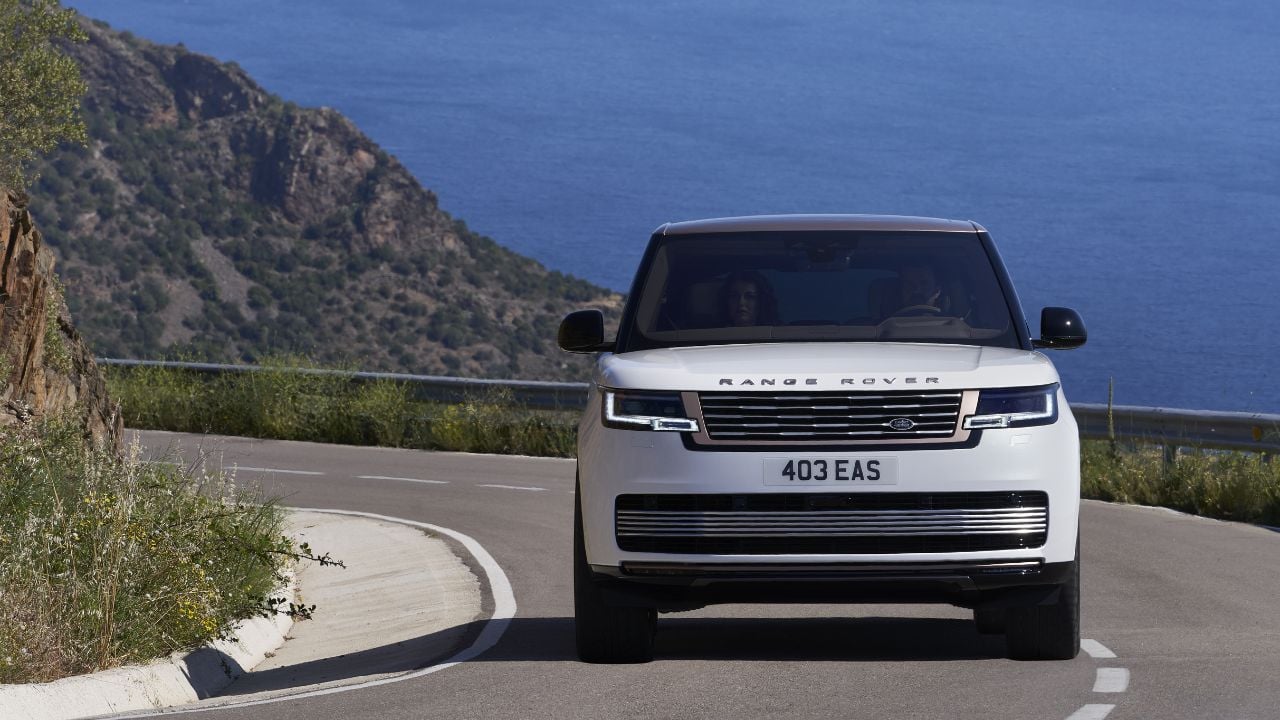
Land Rover Range Rover SV and Range Rover Sport SV

Land Rover’s flagship luxury SUVs switched to BMW’s 4.4-liter twin-turbo V8, and the result is impressive.
The Range Rover SV and Range Rover Sport SV both produce 626 horsepower, with the Sport hitting 60 mph in just 3.6 seconds. These new engines meet stricter emissions standards while delivering the effortless torque that Range Rover buyers expect.
The combination of British luxury craftsmanship with German engineering creates SUVs that can conquer trails and then pull up to the valet with equal confidence. As Land Rover moves toward electrification across its lineup, these SV models prove there’s still demand for V8 thunder wrapped in supreme comfort.
They represent a bridge between the combustion past and the electrified future.
Conclusion

The V8 landscape in 2026 tells an interesting story about where automotive priorities have shifted. These remaining models cluster around specific niches: high-performance sports cars, luxury flagships, and heavy-duty trucks.
The era of affordable V8 sedans and mainstream SUVs has definitively ended, replaced by more efficient powertrains that meet modern regulations. What’s fascinating is how the survivors represent excellence in their respective categories; none of these are compromise vehicles. Each one offers something genuinely special, whether that’s track capability, towing capacity, or pure luxury.
The V8 may be fading from showrooms, but the examples that remain prove why this engine configuration captured our imagination in the first place.