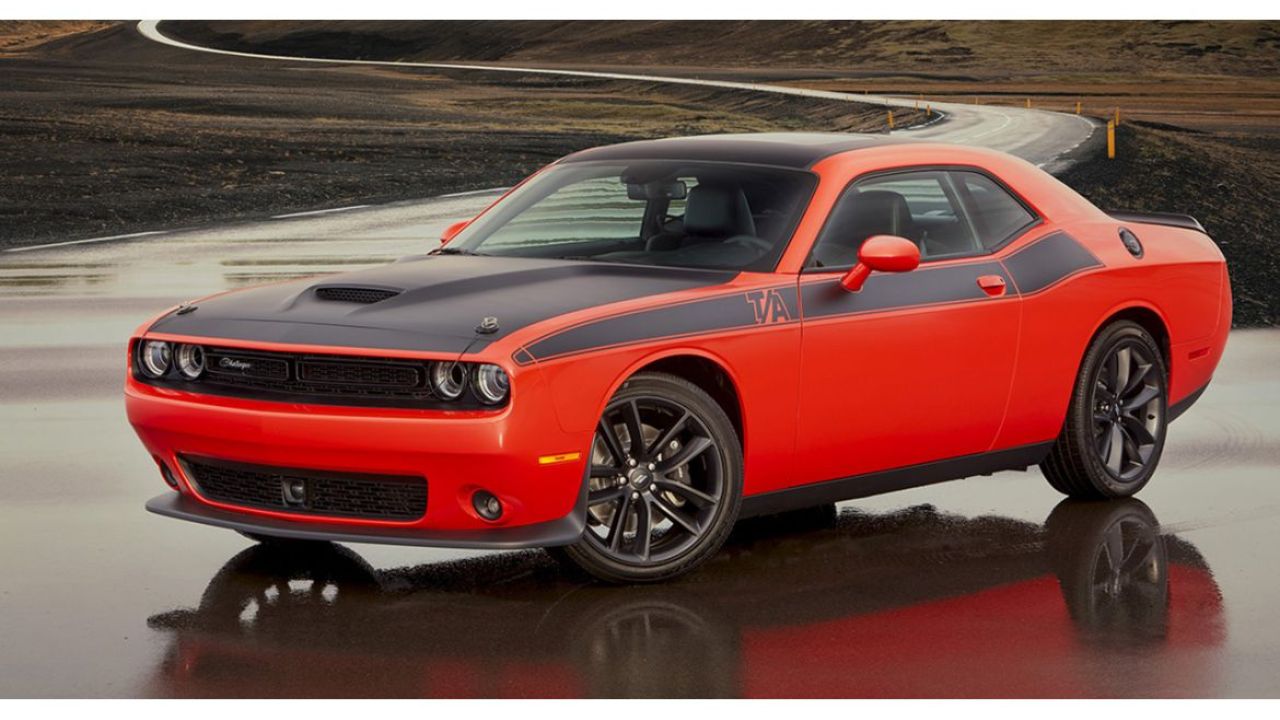
Dodge has built some of the most memorable muscle cars and performance vehicles in American automotive history. From tire-shredding V8s to practical family haulers with surprising attitude, the brand has always known how to deliver excitement.
While today’s Dodge lineup continues the performance tradition (somewhat), there’s something special about those discontinued models that still make enthusiasts turn their heads at car shows. The automotive landscape keeps evolving, and with it comes the possibility that some of these legends might find new life in a modern form.
Whether you’re a diehard Mopar fan or just appreciate vehicles with character, these are the Dodge models we’d love to see roar back onto dealer lots. Let’s take a look at the classics that deserve another shot at greatness.
Dodge Viper

The Viper was more than a sports car, it was automotive insanity wrapped in fiberglass and painted in colors that could be seen from space.
When production ended in 2017, it left a V10-shaped hole in the hearts of enthusiasts everywhere. This was a car that never apologized for being excessive, with over 600 horsepower in its final form and a reputation for minimal electronic safety nets in its earlier generations, before traction control became standard starting with the 2013 redesign.
The raw, unfiltered driving experience made it a purist’s dream and a track day weapon that could humble cars costing twice as much. In an era of turbocharged everything and electric futures, bringing back the Viper would be Dodge’s ultimate statement that pure, gas-powered thrills still matter.
A new generation with modern safety tech, but that same untamed spirit would sell out faster than you can say “side pipes.”
Dodge Magnum
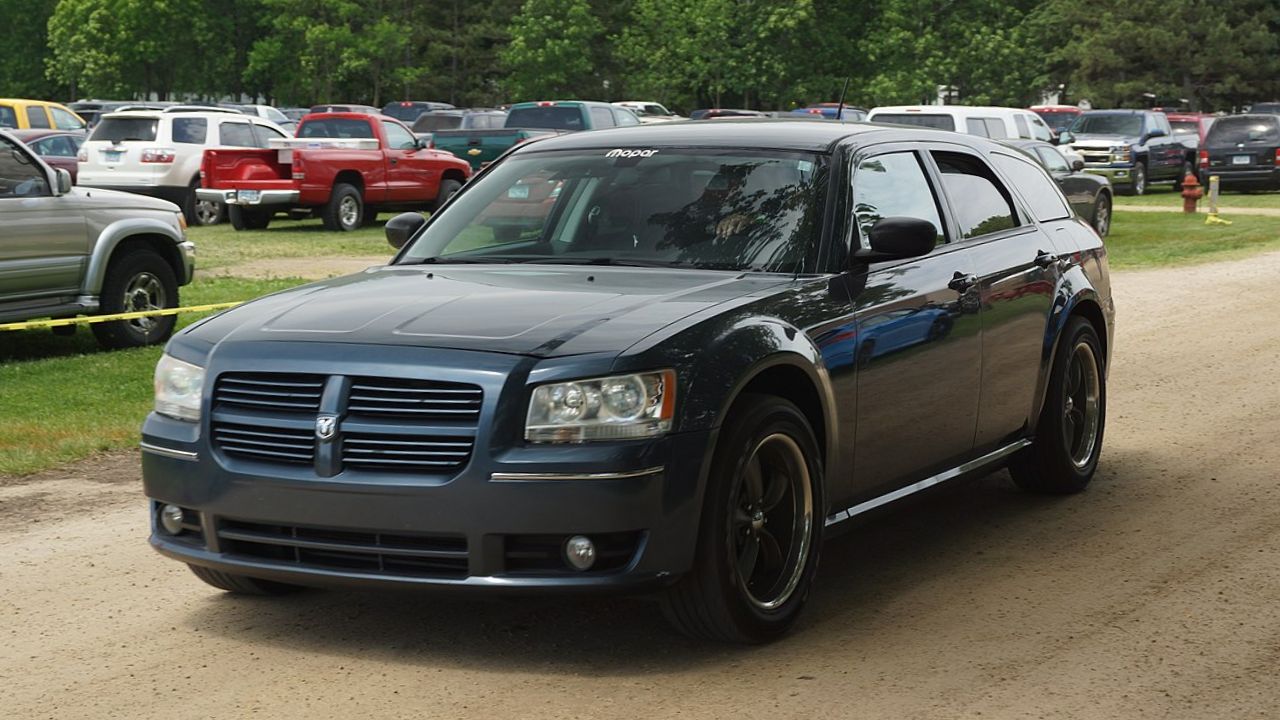
Station wagons aren’t supposed to be cool, but somehow, Dodge made it work with the Magnum.
This long-roof muscle car proved that practicality and performance could coexist without compromise, especially when you stuffed a 425-horsepower Hemi V8 under the hood of the SRT8 version. You could haul kids, cargo, and embarrass sports cars at stoplights — all in the same weekend. The Magnum’s aggressive stance and bold styling made it look like it was doing 100 mph while parked, which is exactly what a performance wagon should do.
Today’s crossover-obsessed market could use a dose of this kind of versatility, especially since enthusiasts are still holding onto their old Magnums like treasure. Bring it back with a Hellcat engine option, and watch the used market for the originals go absolutely wild.
Dodge Dart (Classic)

Not the forgettable economy car from the 2010s, but the original Dart that dominated American roads from 1960 to 1976.
These compact legends were the foundation for countless drag strip builds and weekend cruisers that still populate car shows today. The beauty of the classic Dart was its simplicity: lightweight body, plenty of engine bay space, and enough aftermarket support to build anything from a grocery getter to a quarter-mile monster. A modern interpretation that captured that same spirit of affordable performance and modification potential would be a home run. Think about a rear-wheel-drive sport compact that actually rewards driver involvement instead of isolating you from the road.
Dodge could own a segment that’s currently dominated by imports, and do it with American V8 thunder.
Dodge Rampage

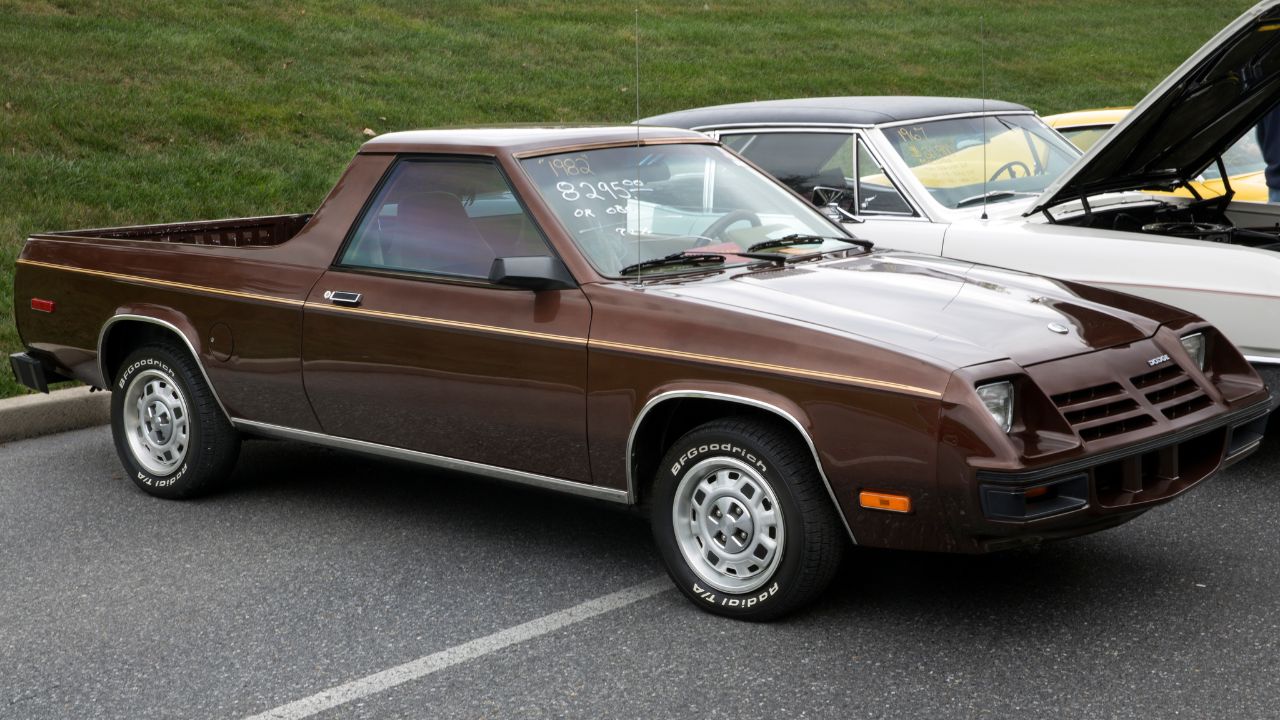
Before compact trucks became trendy again, Dodge had the Rampage, a front-wheel-drive mini truck based on the Omni platform that ran from 1982 to 1984.
Sure, it wasn’t powerful or particularly exciting, but it represented something we desperately need today: a small, efficient truck for people who don’t need to tow a house. The original weighed about 2,300 pounds and was rated around 21 mpg city and 29 mpg highway, making it perfect for city dwellers and weekend warriors alike. A modern Rampage built on current small-vehicle architecture could be the perfect answer to expensive full-size trucks and bland crossovers.
Throw in a turbocharged four-cylinder, some retro styling cues, and actual usability, and you’d have something unique in today’s market. Sometimes the best ideas are the ones we’ve already forgotten about.
Dodge Challenger T/A
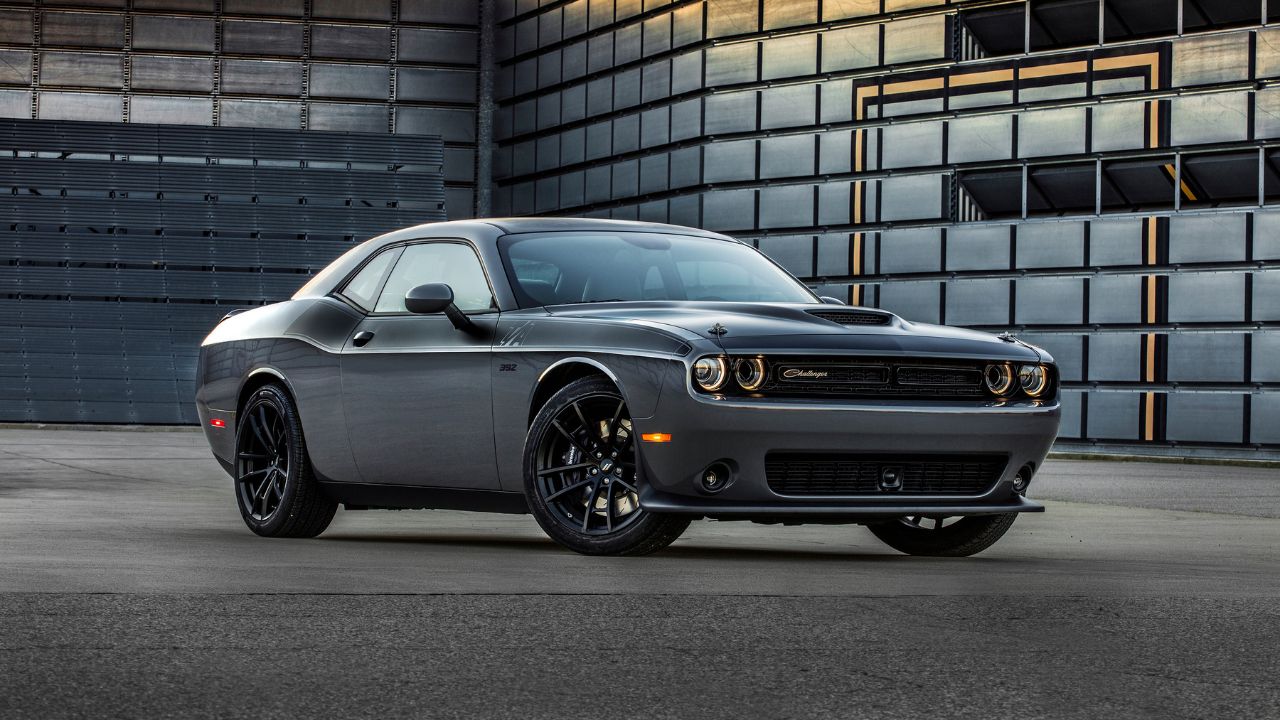
Yes, the modern Challenger ended production in 2023, but the T/A variant deserves its own spotlight for what it brought to the table.
Originally a limited-production model from 1970, the Trans Am-inspired Challenger featured distinctive side exhaust, a rear spoiler, and enough attitude to back up its racing-bred credentials. Only 2,399 were built that first year, making originals incredibly valuable today.
Dodge brought back the T/A name briefly in 2017, but it deserves to be a permanent fixture in the lineup with its unique blend of vintage racing aesthetics and modern performance. The combination of heritage graphics, functional aerodynamics, and track-focused suspension made it a statement rather than just a trim level.
A dedicated T/A model that sits between the R/T and Hellcat variants would give enthusiasts another reason to visit Dodge showrooms.
Dodge Diplomat

Hear me out on this one: the Diplomat represents an era when rear-wheel-drive sedans were the default, not the exception.
Built from 1977 to 1989, these mid-size cruisers served as police cars, taxis, and family sedans across America. The appeal wasn’t flashy performance but honest capability: unibody construction, a torquey available V8, and enough room to seat six adults comfortably.
In today’s world of complicated electronics and expensive repairs, there’s something attractive about a straightforward sedan that prioritizes comfort and durability. A modern Diplomat could compete with the Charger as a more traditional, formal alternative for buyers who want presence without aggression.
Think of it as the automotive equivalent of a tailored suit, understated but undeniably confident.
Dodge Daytona

The wedge-shaped, turbocharged Daytona of the 1980s and 1990s proved that front-wheel-drive sport coupes could be genuinely fun.
With available turbo power and surprisingly sharp handling, the Daytona was the working enthusiast’s ticket to affordable performance. Carroll Shelby even got involved, creating variants that could genuinely embarrass more expensive machinery in a straight line. The nameplate carried weight too, borrowed from NASCAR’s most famous superspeedway and Dodge’s outrageous winged warrior from 1969.
A modern Daytona coupe positioned as a more accessible performance option than the Challenger could attract younger buyers to the brand. Give it sharp styling, a potent turbocharged engine, and a manual transmission option, and you’d have a cult classic in the making.
Dodge Power Wagon (Classic)

Long before Ram became its own brand, Dodge built the Power Wagon, a civilian version of military trucks that defined rugged capability from 1945 through 1980.
These utilitarian bruisers featured four-wheel drive, high ground clearance, and enough torque to pull stumps or haul whatever you needed across impossible terrain. The originals have become collector’s items, with well-restored examples commanding serious money at auctions.
While Ram currently offers a Power Wagon variant, bringing back a dedicated Dodge version with retro styling cues would differentiate it in the crowded truck market. Think of it as an American answer to vehicles like the Land Rover Defender: vintage looks with modern capability and reliability underneath.
There’s definitely room in the market for a truck that values character over chrome.
Dodge Stealth

The result of Dodge’s partnership with Mitsubishi, the Stealth brought Japanese engineering with American branding from 1991 to 1996.
Twin-turbo models packed 300 horsepower and all-wheel drive, making them formidable performers that could hang with the best sports cars of the era. The pop-up headlights and aggressive bodywork gave it a distinctly 1990s appeal that’s aged surprisingly well.
What made the Stealth special was its blend of everyday usability and serious performance potential, comfortable enough for daily driving but capable of high-11-second quarter miles with simple modifications. A modern interpretation could fill the gap between affordable sports cars and expensive supercars, offering turbocharged punch with Dodge attitude.
The timing might be perfect as ’90s nostalgia reaches peak levels among car buyers.
Dodge Omni GLH
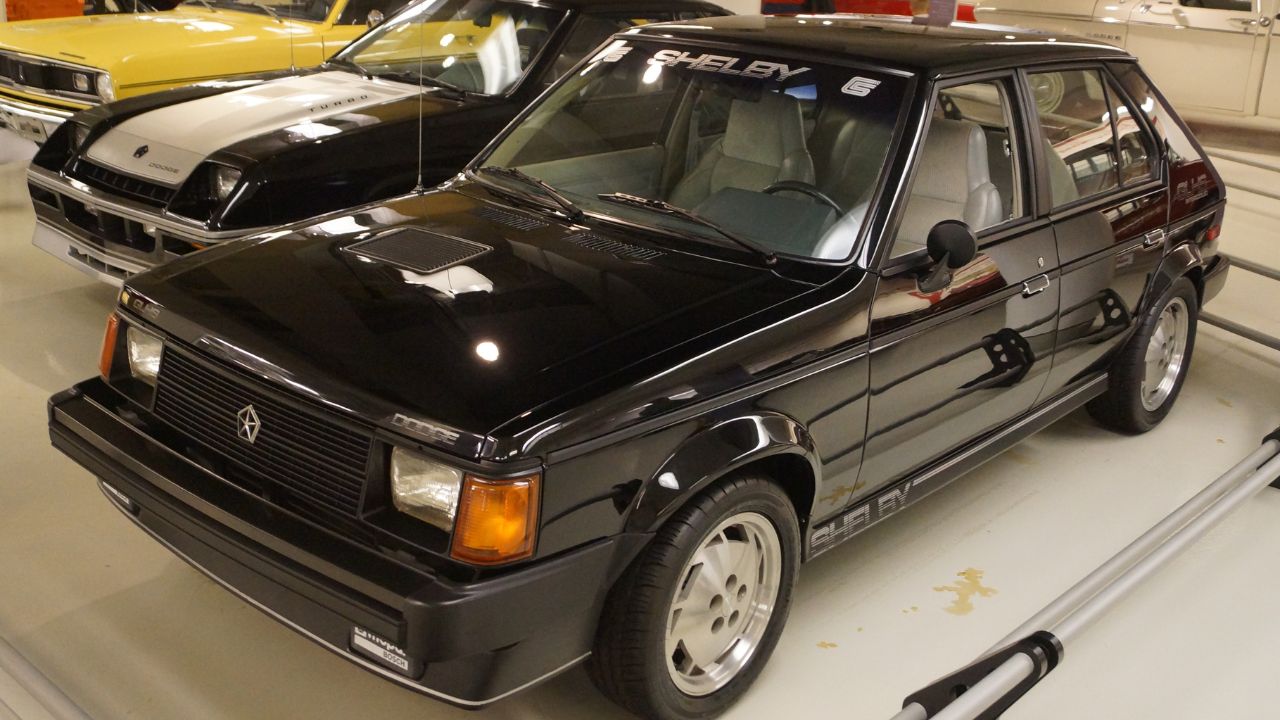
“Goes Like Hell”, sometimes the best marketing is just telling the truth.
The Omni GLH started as a basic economy hatchback but became a legitimate performance machine thanks to Carroll Shelby’s magic touch in the mid-1980s. With turbocharged power pushing 175 horsepower (serious numbers in a 2,200-pound car), these front-wheel-drive rockets embarrassed muscle cars and imports alike.
The GLH proved that you didn’t need a V8 or exotic engineering to have serious fun on backroads and autocross courses. Today’s hot hatch market is dominated by European and Asian brands, leaving room for an American interpretation with Dodge’s particular brand of irreverence.
A modern GLH based on affordable platform architecture with a high-output turbo engine would bring enthusiast credibility to a practical package that most people could actually afford.
Dodge Dakota Sport Convertible
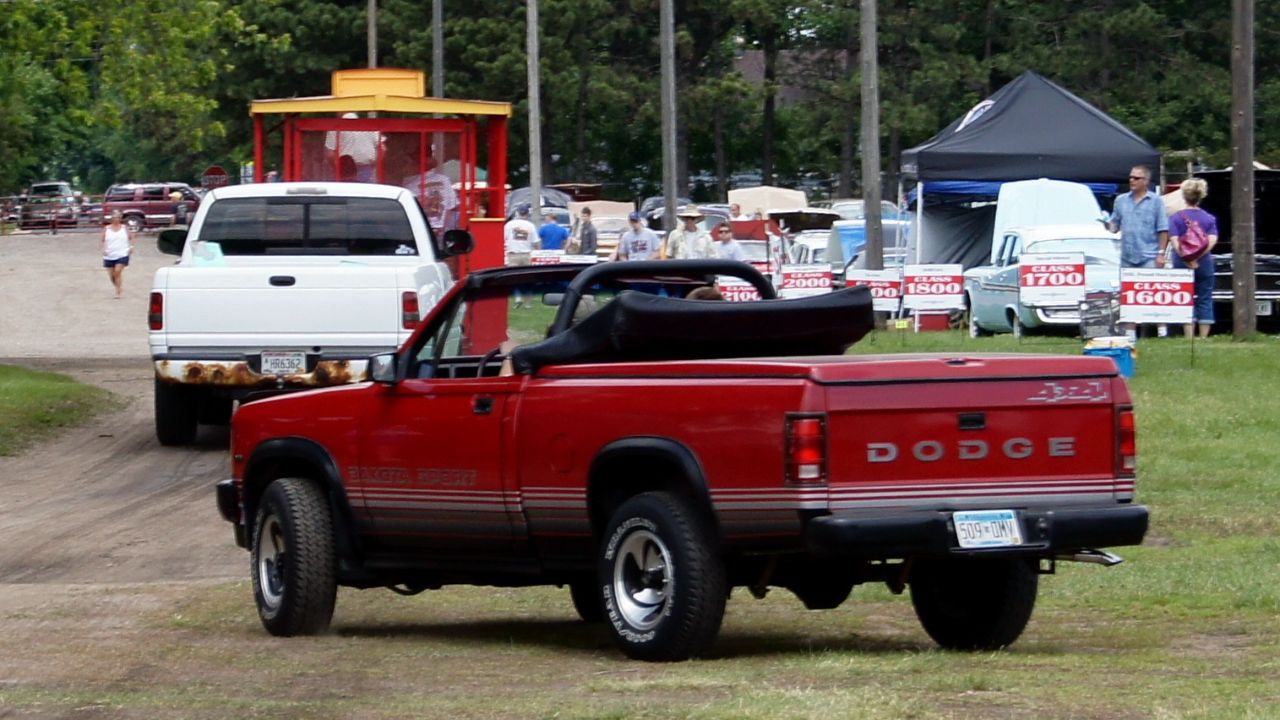
From 1989 to 1991, Dodge offered something wonderfully absurd: a convertible pickup truck.
Based on the Dodge Dakota and converted by American Sunroof Corporation, these roofless trucks combined utility with open-air freedom in a way that made absolutely no practical sense yet somehow felt entirely right. Production was limited to 2,842 for 1989, 909 for 1990, and just 8 for 1991, making them rare sights today and increasingly collectible among truck enthusiasts.
The appeal was simple, you got truck capability with the fun factor of a convertible, perfect for beach trips, parades, or just making a statement. In an era where truck prices have skyrocketed and differentiation matters more than ever, a modern convertible truck could capture attention like few other vehicles.
Sure, it’s a niche product, but Dodge has never been afraid of serving niche markets when those niches appreciate performance and personality.
Dodge Coronet Super Bee
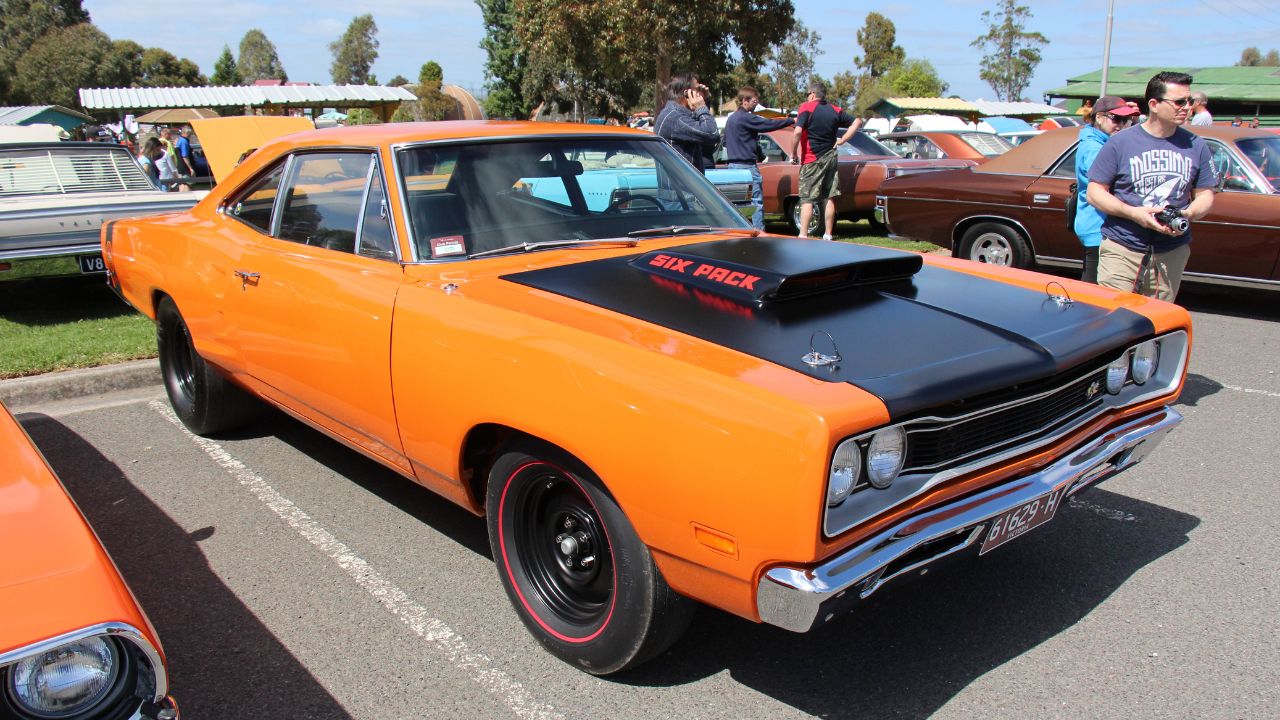
The Super Bee offered muscle car performance without the premium price tag, making high-horsepower thrills accessible to regular working folks from 1968 to 1971.
Built on the Coronet platform from 1968 through 1970, then moved to the Charger line for 1971, the Super Bee stripped away luxury features in favor of pure performance, featuring big-block V8 engines and bold graphics that announced its intentions from a block away. The cartoon bee logo became iconic among Mopar enthusiasts, representing affordable speed with a sense of humor.
Today’s performance market could use more vehicles that prioritize driving excitement over loaded option sheets and luxury features. A modern Super Bee positioned as a budget-conscious muscle car with serious power and heritage-inspired styling would attract buyers who want substance over status. Sometimes the best approach is keeping things simple, loud, and fast.
Conclusion
Looking back at these discontinued Dodge models reminds us that great cars come in all shapes and sizes, from brutal sports cars to practical wagons with a twist. Each of these vehicles contributed something unique to Dodge’s legacy, whether through raw performance, innovative thinking, or just pure personality that’s hard to find in today’s market.
The automotive industry continues to evolve, and while we can’t predict what Dodge will build next, there’s clearly appetite for vehicles that prioritize driving excitement and character. Some of these models could return with electric powertrains while others might make more sense with modern turbocharged engines, but the spirit could remain intact. Until then, we’ll keep watching Barrett-Jackson auctions and browsing classified ads, hoping to catch a glimpse of these legends.
The beauty of being a car enthusiast is that hope for the next great machine never really dies, it just gets a fresh coat of paint and waits for the right moment to return.