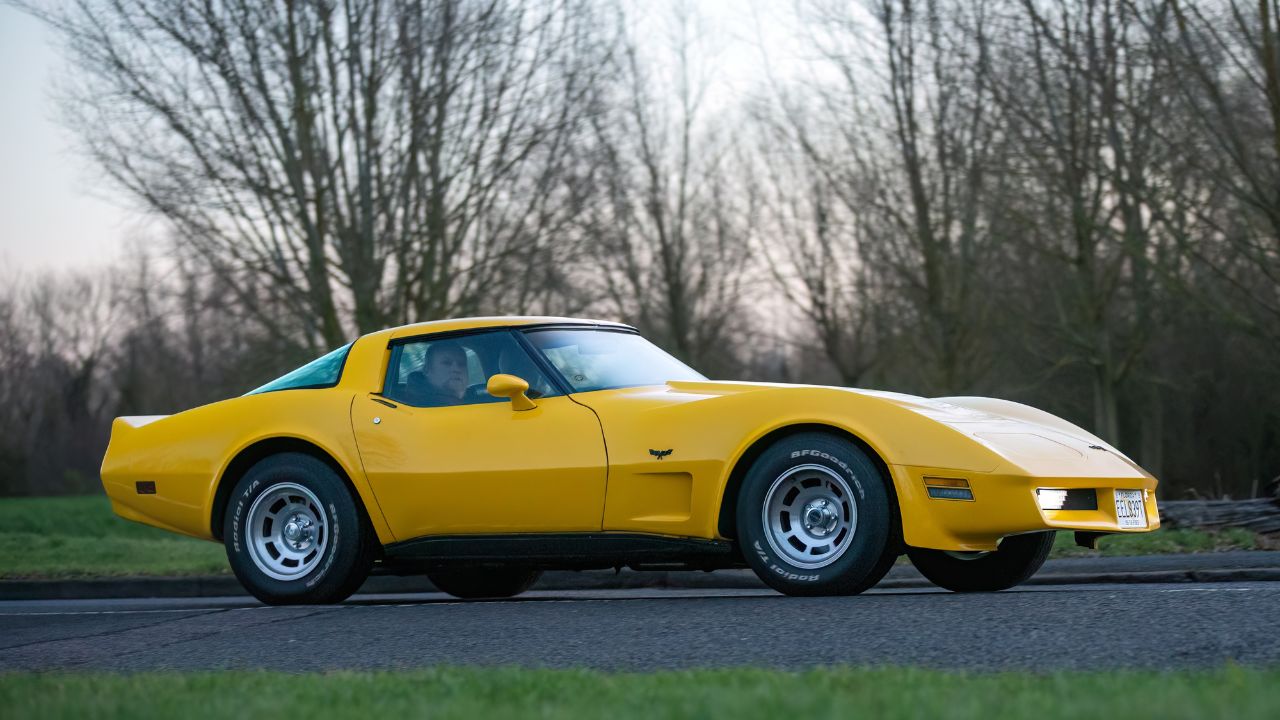
Every generation has its forbidden fruit, and for teenagers in the ’70s and ’80s, it came with a V8 engine and a reputation. These were the cars that made parents nervous and insurance agents wince.
They were powerful, affordable, and practically begging to be driven too fast. Whether it was the raw horsepower, the sketchy handling, or just the fact that every high school parking lot had one doing burnouts, these machines earned their dangerous reputations honestly.
For those of us who remember, these cars were tickets to trouble that somehow made the ride worthwhile.
Plymouth Hemi ‘Cuda
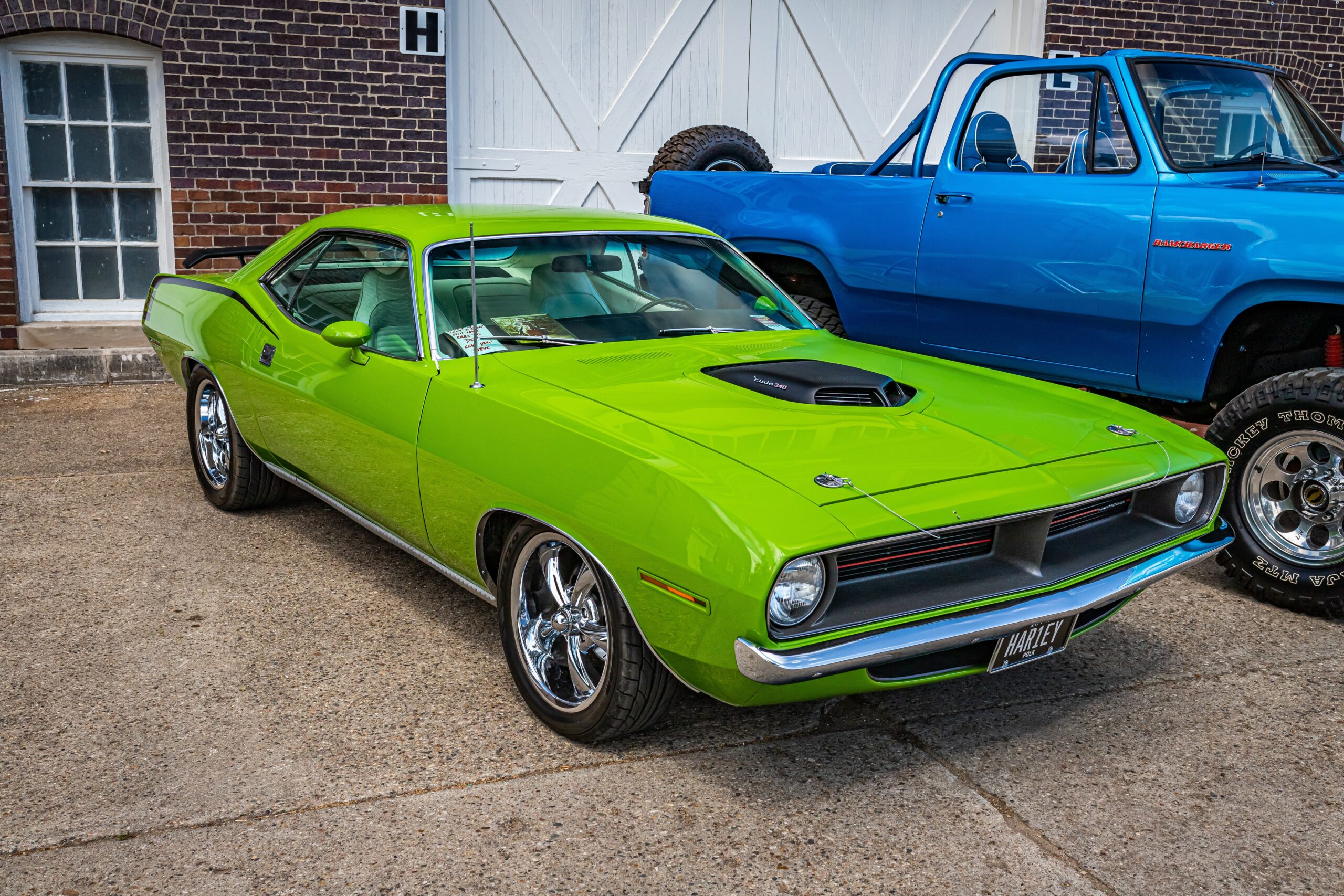
The Hemi ‘Cuda represented everything parents feared about muscle cars distilled into one gorgeous package. With 425 horsepower from its legendary 426 Hemi V8, this Plymouth could hit 60 mph in under 6 seconds — serious numbers even today.
The problem wasn’t just the power, though; it was putting that much grunt through a live rear axle with bias-ply tires and drum brakes. Add in the fact that these were surprisingly affordable on the used market by the late ’70s, and you had a recipe for disaster in inexperienced hands.
The ‘Cuda’s combination of brutal acceleration and primitive safety features made it exactly the kind of car that turned suburban driveways into parent-teen battlegrounds.
Chevrolet Corvette
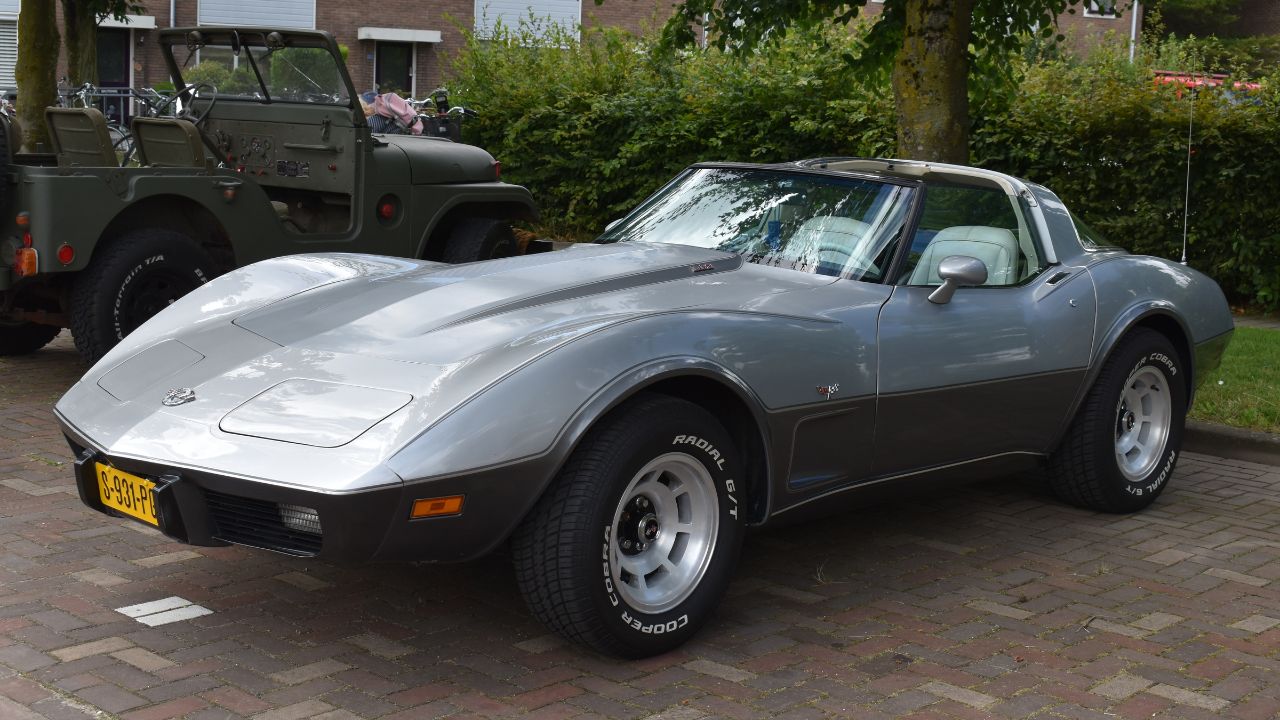
The ’78 Corvette marked the 25th anniversary of America’s sports car, but it also represented something more concerning to parents: attainable performance for young drivers. While the 220-horsepower L82 engine wasn’t as monstrous as earlier years, the ‘Vette’s low-slung styling and tail-happy handling made it feel faster than it was.
The fastback design was iconic, but the visibility was terrible, and the heavy front end paired with a relatively light rear made for tricky handling in the rain. Insurance companies knew what they were dealing with, charging premiums that reflected the car’s appeal to speed-hungry drivers.
For parents, seeing their kid pull up in a used Corvette was like watching a disaster movie in slow motion.
Pontiac Fiero

The Fiero seemed like the perfect compromise — an affordable, mid-engined sports car that looked exotic but came with a Pontiac badge. What could go wrong? Well, plenty, as it turned out.
Early models had a concerning tendency to catch fire due to engine problems, earning the car a reputation that parents couldn’t ignore. The mid-engine layout also meant that when things went sideways — literally — inexperienced drivers were in for a surprise. Despite producing only 92-140 horsepower depending on the engine, the Fiero’s low weight and unfamiliar handling dynamics made it more dangerous than the numbers suggested.
It was the kind of car that seemed sensible until your parents read the recall notices. The good news? That bad reputation has made them a good deal now!
Buick Grand National

On paper, the Grand National looked like a safe choice — after all, it was a Buick, not a Camaro. But underneath that conservative exterior lurked a turbocharged 3.8-liter V6 producing 245 horsepower and a tire-shredding 355 lb-ft of torque.
The all-black styling might have been subtle, but the performance was anything but, with 0-60 times in the high 5-second range. What made it particularly dangerous was the sudden turbo surge that could catch drivers off guard, especially in the rain.
Parents who thought they were agreeing to a “sensible” Buick were in for a shock when they discovered their kid had basically bought a drag racer in a business suit.
Chevrolet Camaro IROC-Z

The IROC-Z became the poster child for ’80s excess and teenage speeding tickets. Named after the International Race of Champions series, the IROC came with up to 215 horsepower from its fuel-injected 5.0-liter V8 and handling that was actually pretty decent for the era.
The problem was that everyone knew what an IROC meant: it practically screamed “I go fast in parking lots.” The T-tops encouraged open-air driving at questionable speeds, and the digital dashboard made you feel like you were piloting a fighter jet.
For parents, the IROC’s reputation preceded it, and no amount of promising to “drive carefully” could overcome the fact that these cars were designed for racing enthusiasts.
Ford Mustang with the 5.0
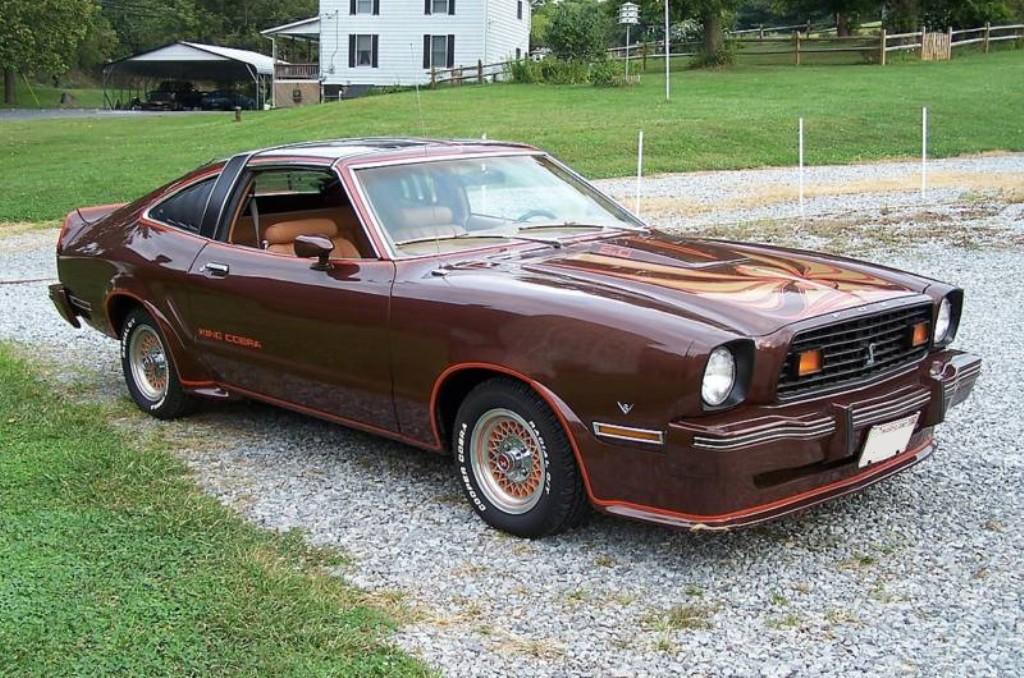
The late ’70s weren’t kind to muscle cars (or the pony variety), but the Mustang’s 5.0-liter V8 kept the flame alive with 140 horsepower — not much, but enough to get into trouble. What made these Mustangs particularly worrisome was their affordability and the ease with which they could be modified. A few hundred dollars in parts could double the power, turning a modest cruiser into a legitimately quick machine.
The Fox-body platform that debuted in 1979 was light and rear-wheel-drive, meaning plenty of potential for dramatic oversteer exits from parking lots. Parents knew that buying a kid a 5.0 Mustang was like handing them a blank canvas that would inevitably be painted with speeding tickets.
Chevrolet Chevelle SS 454

The Chevelle SS with the LS6 454 engine was one of the most powerful muscle cars ever built, pumping out 450 horsepower and 500 lb-ft of torque. These numbers were barely contained by 1970s technology — think bias-ply tires, manual drums brakes, and suspension designed more for comfort than control.
The Chevelle could run the quarter-mile in the low 13-second range right off the showroom floor, which was supercar territory for the time. By the early ’80s, these were depreciated enough that ambitious teenagers could afford them, which is when the real trouble started.
Parents rightfully worried that this much power in a car with such primitive safety features was a lawsuit waiting to happen.
Datsun 280ZX Turbo

The 280ZX Turbo brought Japanese turbocharged performance to American shores with 180 horsepower; not earth-shattering, but enough to surprise unsuspecting drivers. The turbo lag was significant, meaning smooth power delivery required skill and patience, two things teenagers weren’t exactly known for.
The independent rear suspension and long hood made the Z-car feel sophisticated, but the turbo’s sudden boost could overwhelm the rear tires without warning. Insurance costs reflected the car’s sporty nature, and parents worried about both the speed and the repair bills on an imported sports car.
The 280ZX was proof that you didn’t need American V8 power to get into trouble; Japanese forced induction worked just fine.
Ford Mustang 5.0 LX
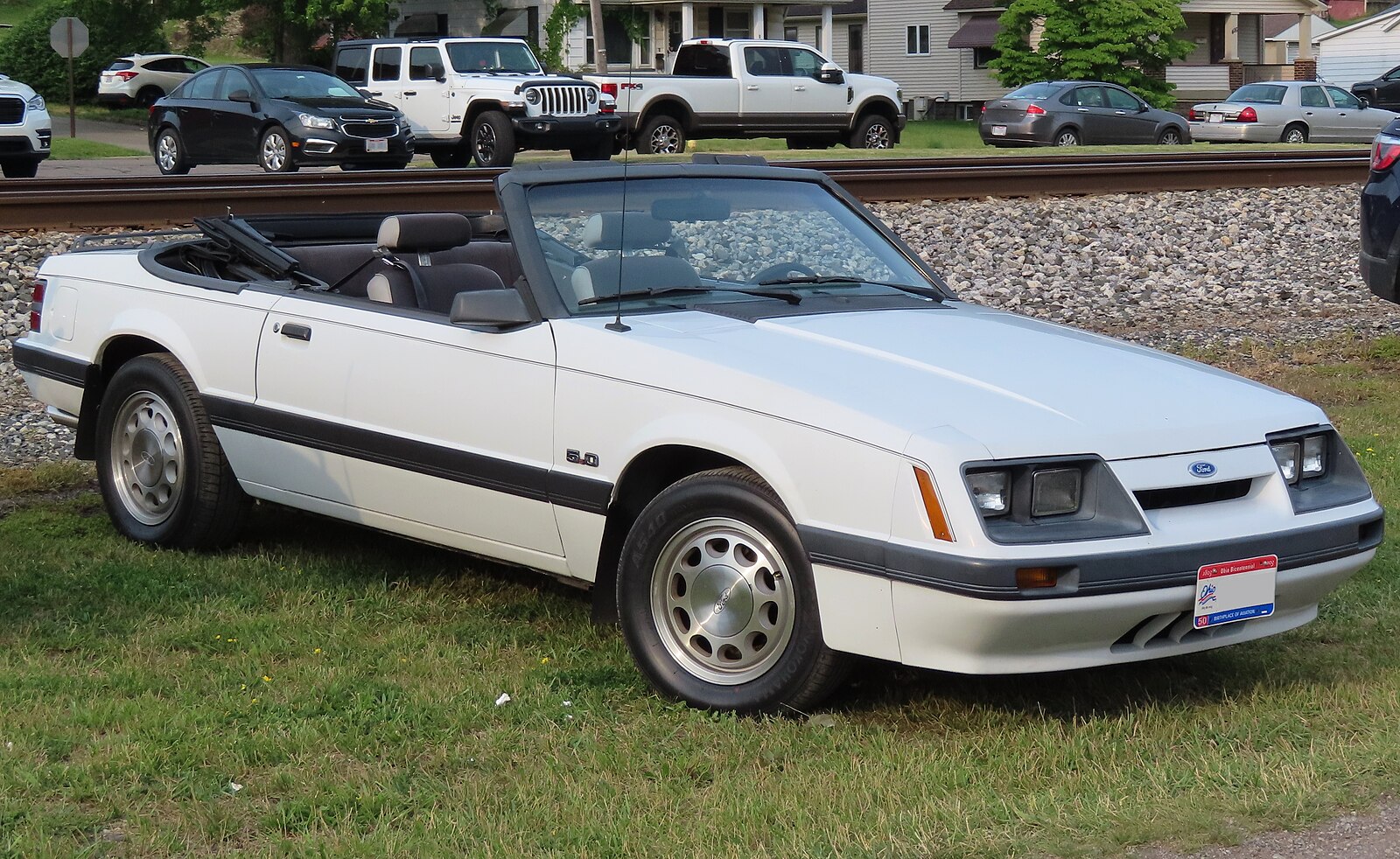
The Mustang 5.0 LX represented the rebirth of affordable American performance, packing 225 horsepower into a lightweight package that could embarrass cars costing twice as much. The “LX” designation meant no flashy ground effects or spoilers, making it a sleeper that could surprise unsuspecting street racers.
With a 5-speed manual transmission and street prices that eventually dropped into teenager territory, the Fox-body 5.0 became the weapon of choice for a generation of speed enthusiasts. The simple pushrod V8 was incredibly easy to modify, and parents knew that “stock” would last about as long as a New Year’s resolution.
This was the car that launched a thousand grudge races and even more insurance claims.
Pontiac Trans Am SD-455

The Trans Am Super Duty was Pontiac’s last gasp of pre-emissions muscle, offering 290 horsepower in an era when everything else was being strangled by regulations. The massive 455 cubic-inch engine and iconic Firebird hood decal made it instantly recognizable, which was exactly the problem for worried parents.
With a 0-60 time around 6.5 seconds, the SD-455 was genuinely fast, but the handling was pure ’70s American — great in a straight line, exciting in the corners. The Trans Am’s outlaw image, especially after Smokey and the Bandit, made it the car every parent feared would show up in their driveway.
By the ’80s, these were affordable enough to tempt teenagers who had no business piloting 300+ lb-ft of torque through a live rear axle.
Merkur XR4Ti

Ford’s attempt to bring European sophistication to America resulted in the oddly-named Merkur XR4Ti, a turbocharged sports sedan with 175 horsepower and distinctive biplane rear spoiler. The turbo four-cylinder offered a different kind of performance than American V8s, with boost building suddenly and handling that rewarded skill over brute force.
What made parents nervous wasn’t just the turbo lag and rear-wheel-drive layout, but the car’s rarity meant parts and repairs were expensive. The XR4Ti attracted drivers who thought they were sophisticated enough to handle a European sport sedan, which sometimes led to harsh lessons in turbocharged dynamics.
It was the thinking person’s dangerous car, which somehow made parents even more nervous for the short time it was around.
Mazda RX-7
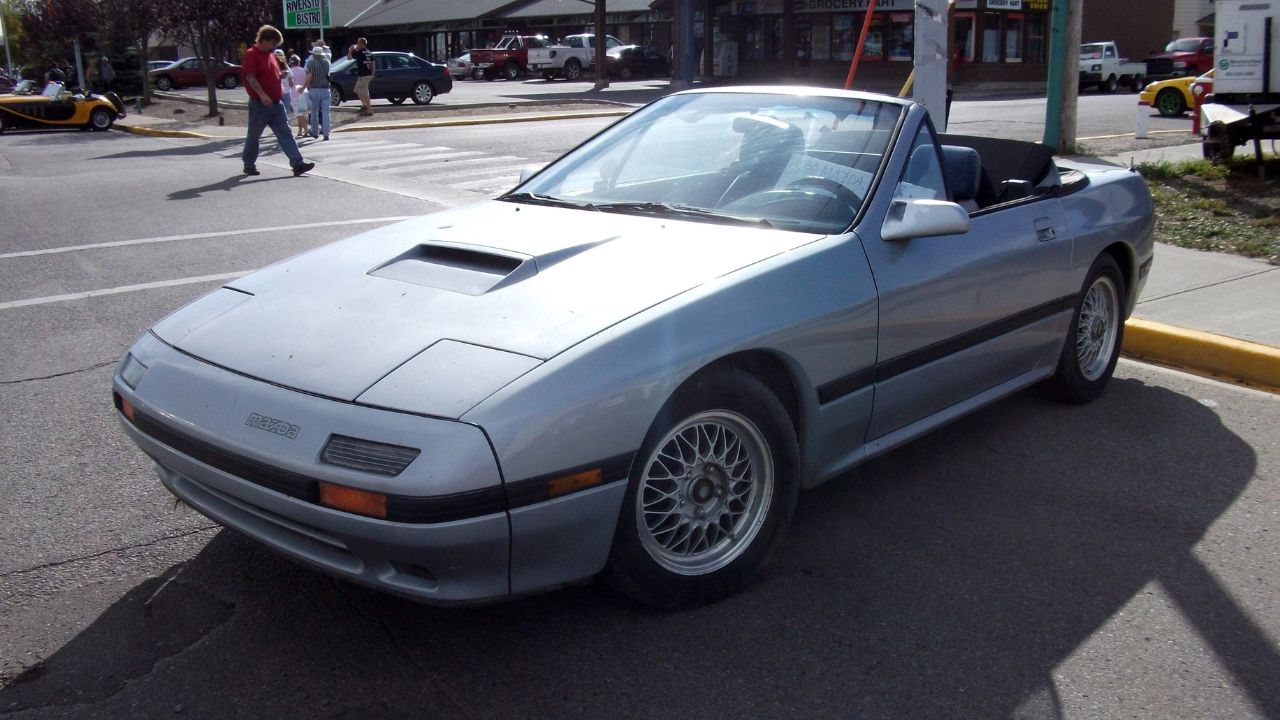
The second-generation RX-7 brought rotary power and near-perfect weight distribution to the sports car market, making it a favorite among driving enthusiasts. The turbocharged model pumped out 182 horsepower from its 1.3-liter rotary engine, but the real story was the chassis — balanced, responsive, and absolutely unforgiving of mistakes.
The light weight and rear-drive layout meant the RX-7 could change directions quickly, which was great on a track and potentially disastrous in inexperienced hands. Parents worried about both the performance and the rotary engine’s reputation for burning oil and requiring premium fuel.
The RX-7 was the kind of car that made teenage drivers think they were better than they actually were, right up until physics taught them otherwise.
Dodge Challenger R/T 440

The Challenger R/T with the 440 Six Pack engine represented Mopar muscle at its finest, delivering 390 horsepower through three two-barrel carburetors. The E-body platform was longer and heavier than other muscle cars, but that didn’t stop the 440 from launching hard enough to break traction at will.
With its distinctive styling and available Shaker hood scoop, the Challenger announced its intentions before you even turned the key. The problem for parents was that by the late ’70s and early ’80s, these were used car lot fodder, affordable enough for teenagers with summer job money and terrible judgment.
The combination of serious power, marginal brakes, and classic muscle car handling dynamics made the Challenger a legitimate concern for anyone who cared about their kid’s safety.
Conclusion
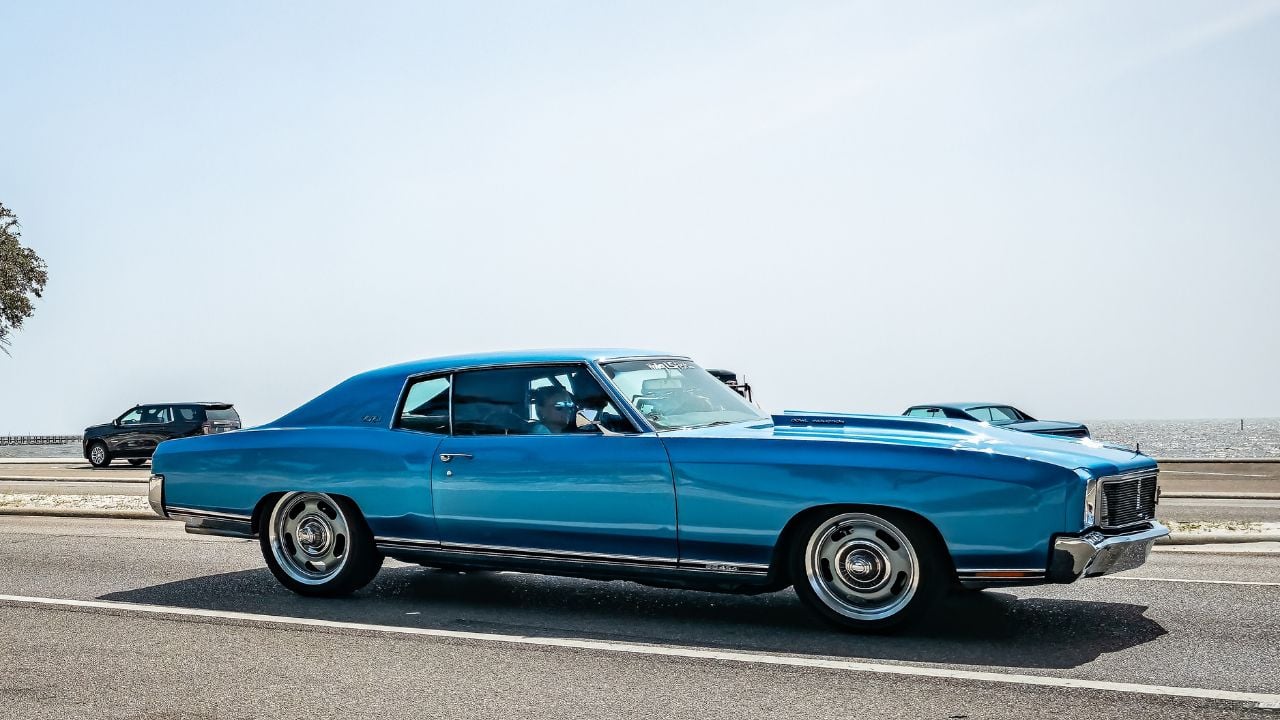
Looking back at these machines, it’s remarkable how many of them have become cherished classics worth far more than their original sticker prices. The cars that once terrorized parents and insurance agents are now carefully preserved in climate-controlled garages, their wild reputations transformed into nostalgic charm.
What made them dangerous then — the raw power, the challenging handling, the lack of electronic nannies — is exactly what makes them special today. These weren’t just cars that parents warned us about; they were the vehicles that taught an entire generation about respect, responsibility, and the real consequences of mashing the throttle at the wrong moment.
For those who survived their ownership, they remain not just automotive memories but genuine pieces of growing up.