
The automotive world is full of brilliant ideas that never quite caught on. Some cars were simply ahead of their time, while others fell victim to corporate politics or economic downturns. These forgotten gems often featured innovative designs or engineering solutions that wouldn’t become mainstream for decades.
Many of today’s automotive trends can trace their roots back to these pioneering vehicles that disappeared from showrooms far too early. Let’s take a look at some of the most interesting cars that deserved a longer life in production.
Tucker 48 (1948)

Preston Tucker’s ambitious sedan featured innovative safety features like a padded dashboard, pop-out windshield, and a third headlight that turned with the steering wheel. Only 51 were built, including the prototype, after the company ran out of money following an SEC investigation and a heavily publicized legal battle that derailed production.
The rear-mounted engine and sleek design were decades ahead of their time, making surviving examples incredibly valuable today.
AMC Eagle (1980-1988)

Long before SUVs dominated American roads, AMC created what was essentially the first crossover vehicle by lifting a regular passenger car and adding all-wheel drive. The Eagle offered car-like handling with light off-road capability, predicting the exact formula that would make Subaru famous.
Unfortunately, AMC’s financial struggles meant the innovative concept never got the marketing push it deserved.
Citroën SM (1970-1975)

This French grand tourer combined Citroën’s advanced hydraulic suspension with a Maserati V6 engine, creating one of the most technologically sophisticated cars of its era. The self-leveling suspension and variable-assist steering provided an otherworldly driving experience.
A combination of the 1973 oil crisis, Citroën’s 1974 bankruptcy and subsequent Peugeot takeover, and new U.S. regulations in 1974 that effectively shut the SM out of its key export market helped bring the program to an early end.
Pontiac Fiero (1984-1988)

GM’s first mid-engine production car was initially designed as an economy car with sports car styling but later evolved into a genuine performance machine. The plastic body panels over a steel space frame were revolutionary for corrosion resistance and repair costs.
Just as Pontiac figured out how to make it properly fast and reliable, GM pulled the plug due to slow sales and internal politics. But we’ll never forget it.
Saab 9000 Aero (1993-1997)
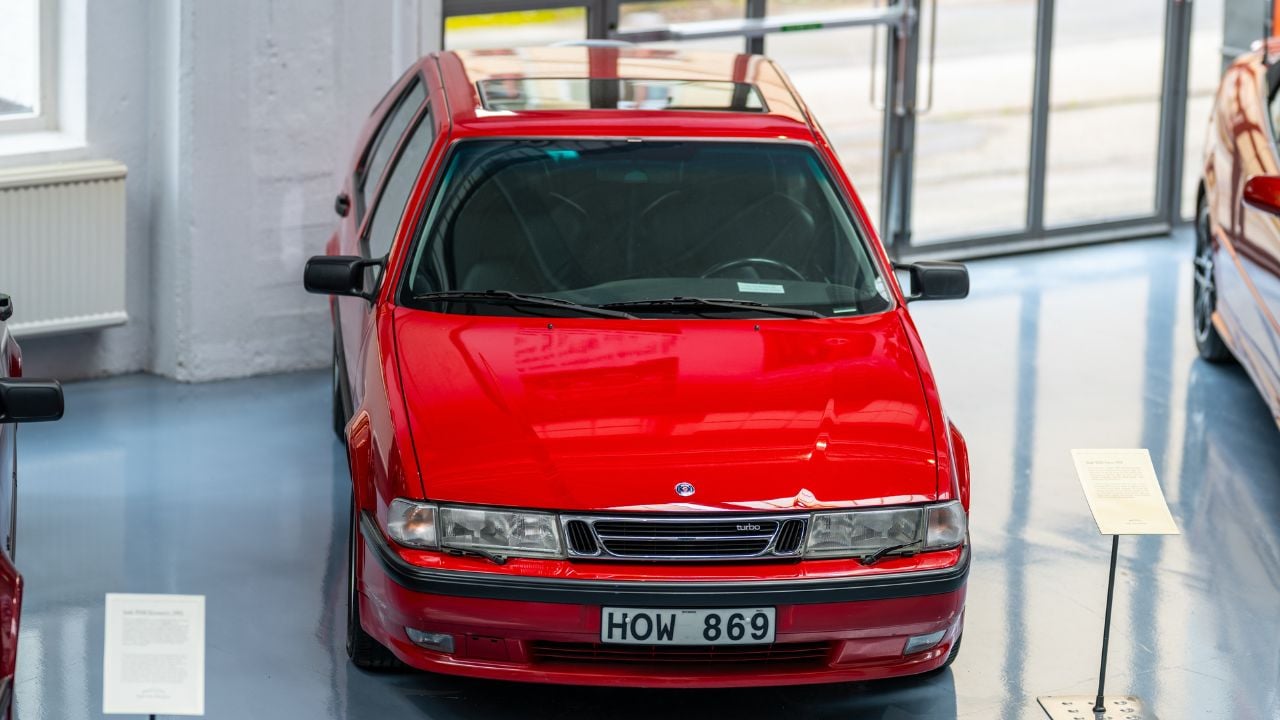
This Swedish beauty packed a turbocharged engine producing serious power while maintaining Saab’s reputation for safety and quirky design. The 9000 Aero was quick for its era, delivering strong turbocharged midrange performance while carrying four adults in comfort.
Saab’s financial troubles and GM’s corporate restructuring ended production just as the car was hitting its stride.
Merkur XR4Ti (1985-1989)

Ford’s attempt to bring European sophistication to American showrooms resulted in this turbocharged three-door hatchback based on the European Ford Sierra XR4i. The distinctive rear window spoiler and advanced suspension setup offered European handling dynamics.
American buyers weren’t ready for the brand, and Ford’s dealer network struggled to service the unusual imported technology.
Isuzu VehiCROSS (1999-2001)

This concept car that actually made it to production featured aggressive styling and genuine off-road capability in a compact package. The VehiCROSS pioneered the idea of a lifestyle SUV with a bold, futuristic design.
About 4,153 were sold in the United States, and roughly 5,958 were sold in total worldwide before Isuzu’s U.S. passenger vehicle business faded out.
Oldsmobile Aurora (1995-2003)

GM’s attempt to reinvent Oldsmobile resulted in this elegant sedan with a 4.0-liter DOHC V8 derived from Cadillac’s Northstar architecture and a sophisticated chassis. The Aurora featured some of the most advanced technology GM had to offer, wrapped in understated but distinctive styling.
Despite critical acclaim, it couldn’t overcome Oldsmobile’s aging brand image, and the entire division was discontinued shortly after.
Subaru SVX (sold as 1992-1997 models in the United States)

This unusual coupe featured a distinctive window-within-window glass design and a flat-six engine that provided smooth power delivery. Subaru’s all-wheel-drive system gave it year-round usability that most sports cars lacked.
Its four-speed automatic transmission limited its performance appeal for some drivers, and the high price put it out of reach for many Subaru buyers.
Mazda RX-8 (2003-2012)

One of the last rotary-powered sports cars, the RX-8 offered a unique driving experience with its high-revving, smooth power delivery before Mazda later brought a rotary back in the MX-30 e-Skyactiv R-EV as a range extender. Four doors and four seats made it more practical than traditional sports cars, while the 50/50 weight distribution provided excellent handling.
Fuel economy concerns and maintenance complexity ultimately doomed the rotary engine concept.
Saturn Ion Red Line (2004-2007)
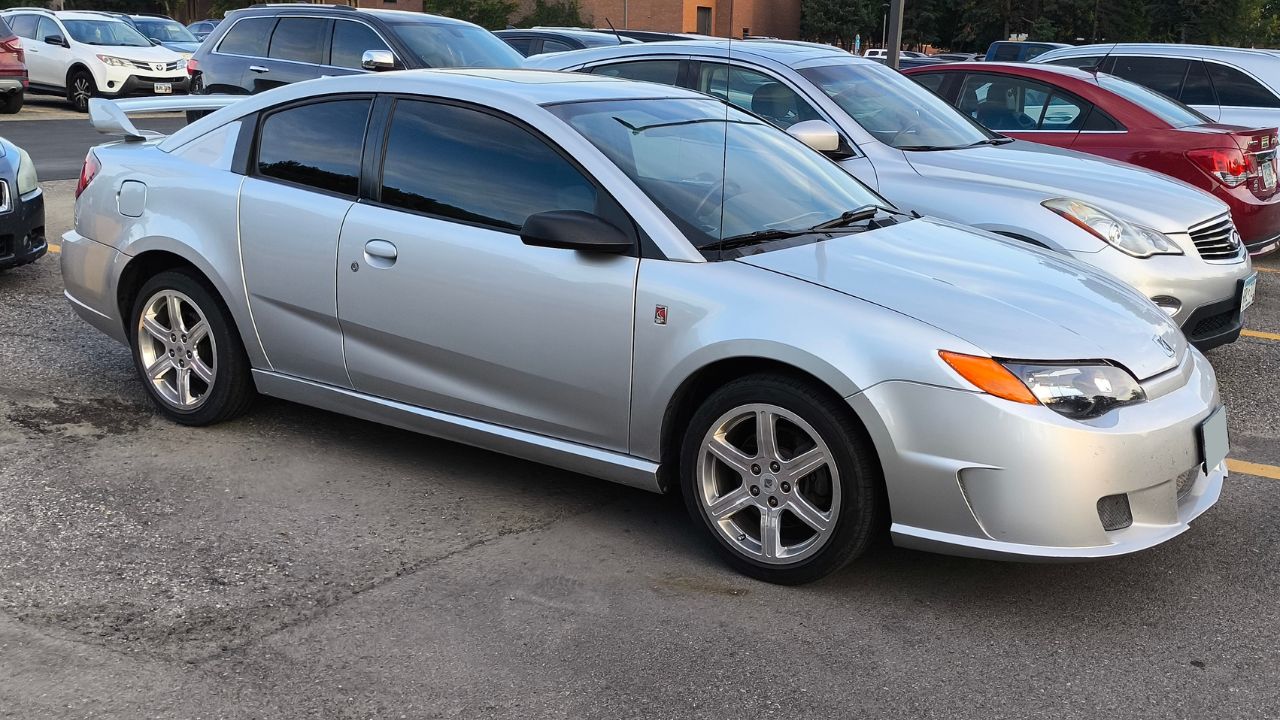
This coupe packed a supercharged engine that could genuinely embarrass much more expensive sports cars in a straight line. The Ion Red Line represented Saturn’s brief attempt at performance credibility with serious engineering underneath pedestrian styling.
GM’s decision to mainstream the Saturn brand eliminated these genuinely interesting enthusiast models.
Volkswagen Phaeton (2002-2016)

VW’s attempt at a luxury sedan used the Volkswagen Group D1 platform shared with the first-generation Bentley Continental GT and Flying Spur, offering flagship-level refinement at a fraction of the price. The W12 engine and advanced air suspension provided a supremely comfortable ride quality.
American buyers couldn’t accept paying luxury car prices for a Volkswagen badge, despite the car’s genuine luxury credentials.
Conclusion

These automotive casualties remind us that great engineering and innovative thinking don’t always translate to sales success. Many of these cars introduced ideas that would later become mainstream, proving they were simply born in the wrong era.
While we can’t bring them back, their influence lives on in today’s vehicles, and their rarity makes them increasingly appreciated by collectors who understand what the market missed the first time around.