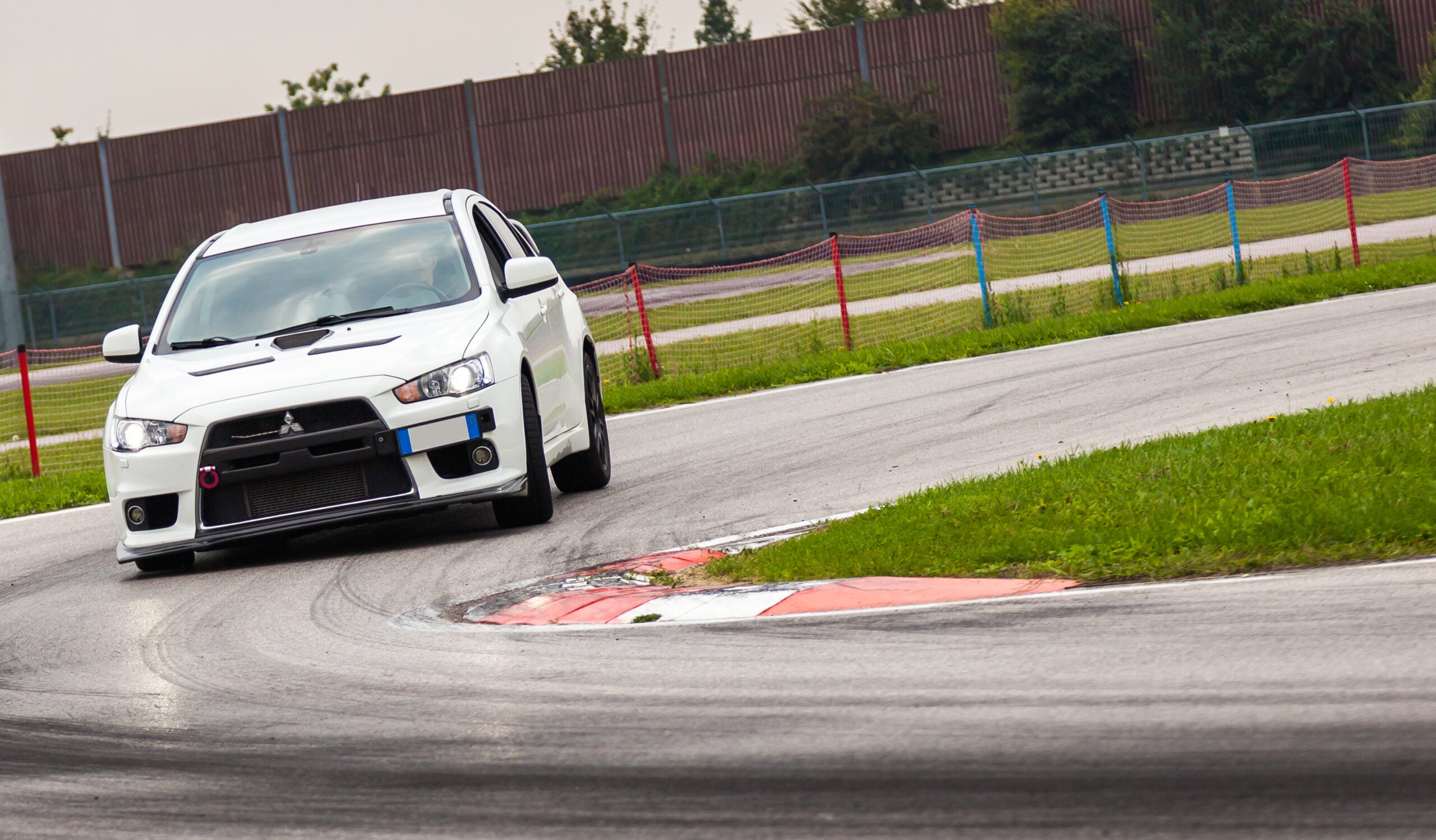
When it comes to building cars that blend precision engineering with raw speed, Japanese automakers have been writing the playbook for decades. From the legendary GT-R to modern hybrid supercars, these machines prove that you don’t need a European pedigree to dominate the quarter-mile or carve up a mountain road.
What makes Japanese sports cars special isn’t just their velocity, it’s how they deliver it with remarkable reliability and driving dynamics that feel almost telepathic. Today’s fastest Japanese sports cars represent the pinnacle of what happens when meticulous craftsmanship meets an obsession with performance.
Here’s a look at some of the most impressive speed demons to ever roll out of Japan.
Honda NSX (2022)
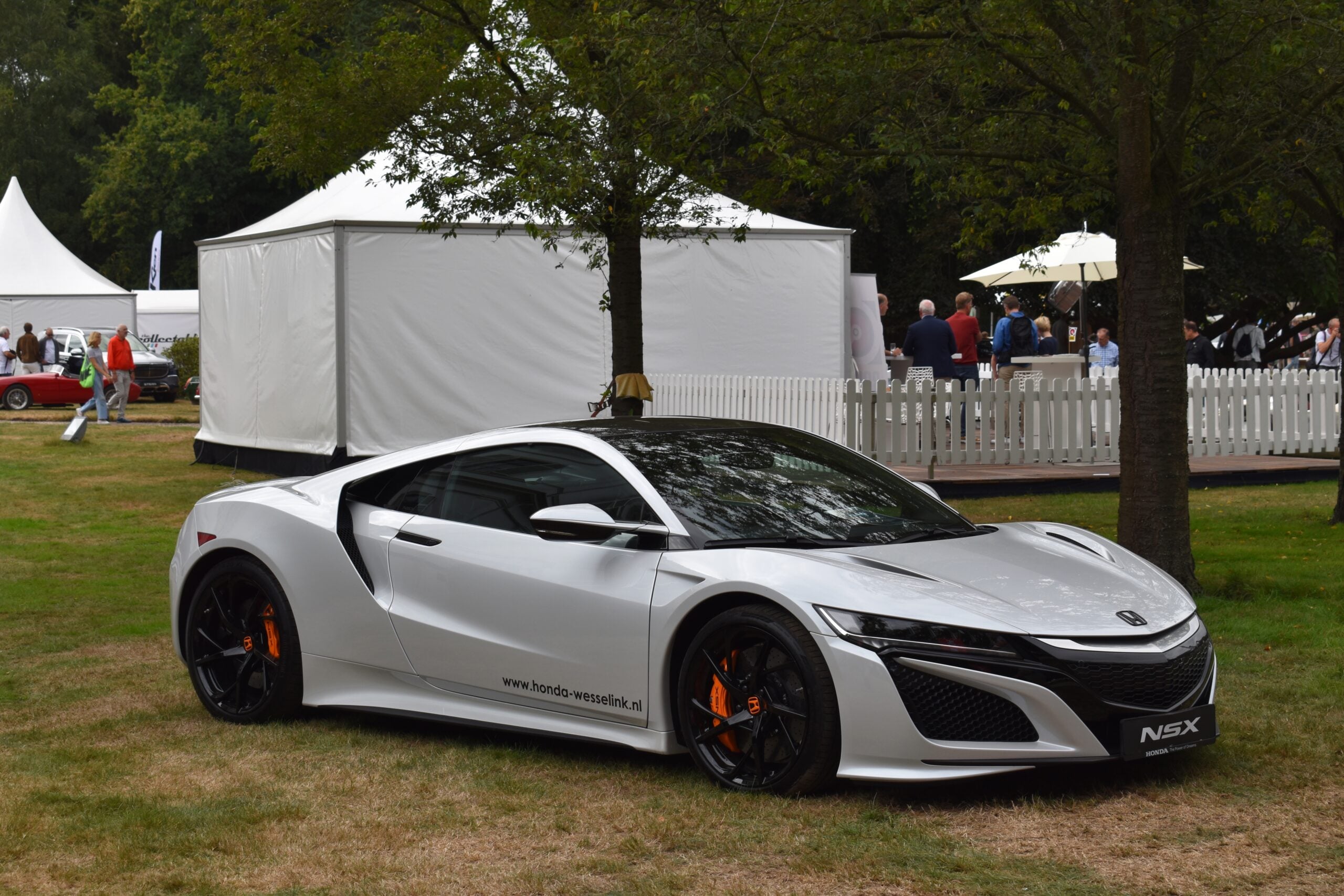
The second-generation NSX brought Honda back into the supercar game with a hybrid powertrain that’s all about sophisticated speed. Its 3.5-liter twin-turbo V6 combines with three electric motors to produce 573 horsepower, launching this technological marvel to 60 mph in just 2.7 seconds.
Top speed sits at 191 mph, which is genuinely supercar territory without the supercar attitude. The NSX manages to feel accessible and exotic at the same time, delivering hypercar acceleration wrapped in Honda’s reputation for build quality.
It’s the kind of car that makes you wonder why more supercars don’t come with this level of everyday usability.
Nissan GT-R Nismo (2024)
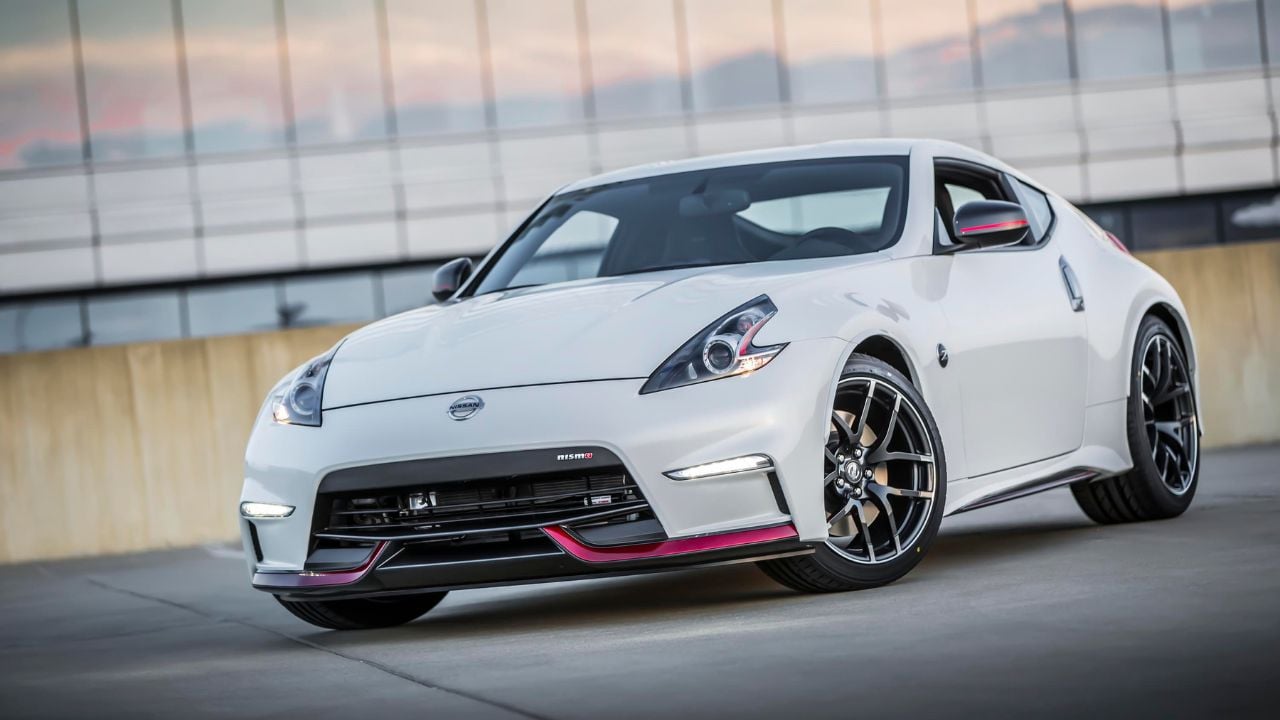
The GT-R has become legendary for a reason, and the Nismo variant takes everything great about Godzilla and turns it up several notches. With 600 horsepower from its hand-assembled 3.8-liter twin-turbo V6, it hits 60 mph in about 2.5 seconds and can reach a top speed of 196 mph.
The GT-R’s all-wheel-drive system launches it off the line with a ferocity that still catches people off guard, even after all these years. What’s remarkable is how this car has maintained its performance credibility for over 15 years through continuous refinement.
The Nismo version is essentially a track weapon that you can still drive to the grocery store, though your passengers might need a chiropractor afterward.
Lexus LFA (2012)
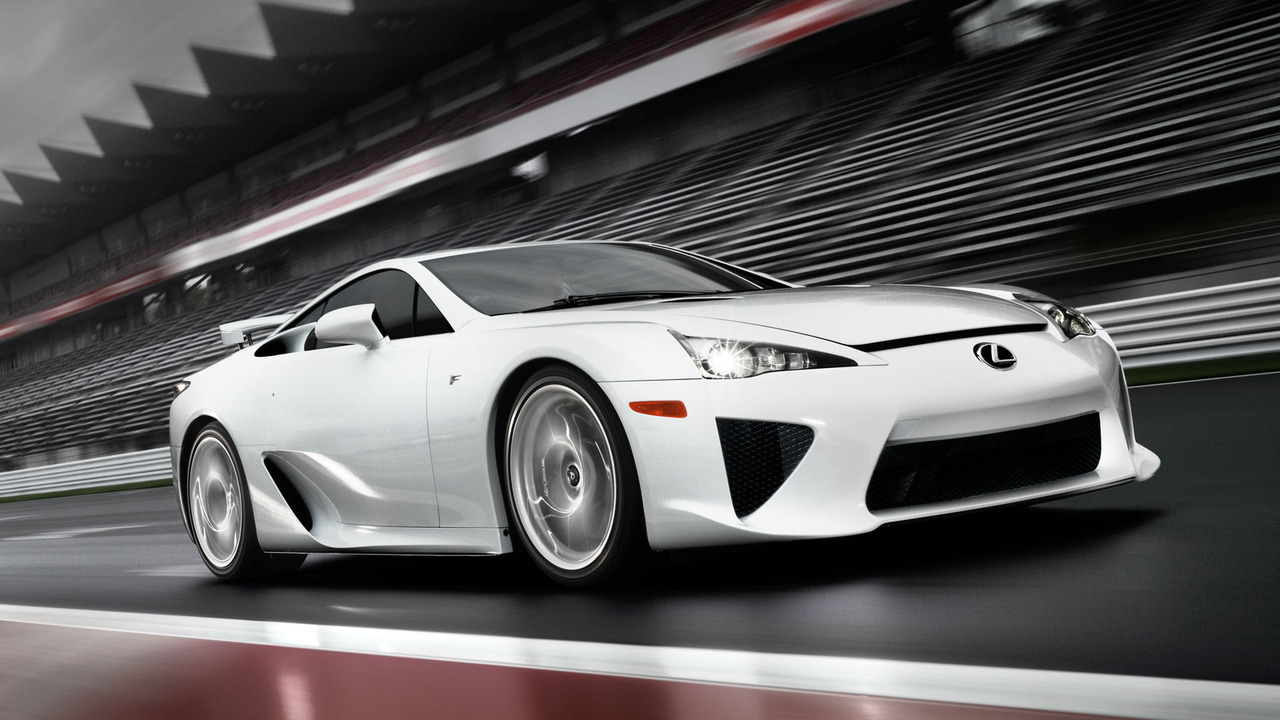
Even though production ended over a decade ago, the LFA remains one of the most special cars Japan has ever created. Its naturally aspirated 4.8-liter V10 screams to a 9,000 rpm redline, producing 552 horsepower and one of the greatest engine notes ever recorded.
The car reaches 60 mph in 3.6 seconds and tops out at 202 mph, but the numbers only tell part of the story. Lexus spent nearly a decade developing the LFA, and you can feel that obsessive attention to detail in every carbon fiber panel and precisely weighted control.
It’s a car that reminds us why some enthusiasts still prefer the analog experience of a naturally aspirated engine.
Toyota GR Supra (2024)

The modern Supra brought back a legendary nameplate with BMW’s help, and the result is a car that’s seriously quick right out of the box. The 3.0-liter turbocharged inline-six pumps out 382 horsepower, pushing the Supra to 60 mph in 3.9 seconds with a top speed of 155 mph.
What makes the Supra particularly appealing is its tuning potential, with the B58 engine responding beautifully to modifications. It’s lighter and more nimble than its predecessor, making it feel more like a scalpel than a sledgehammer on winding roads.
The collaboration with BMW gave Toyota a shortcut to world-class dynamics, and sometimes the smart play is the best play.
Nissan Z (2024)

The latest Z car proves that Nissan hasn’t forgotten how to build an engaging sports car at a more accessible price point. Its twin-turbocharged 3.0-liter V6 delivers 400 horsepower, good for a 0-60 mph time of around 4.5 seconds and a top speed of 155 mph.
The Z feels wonderfully old-school in its approach, with a naturally balanced chassis and steering that actually communicates what the front wheels are doing. It’s not trying to be a technological showcase or a numbers-obsessed monster, just a genuinely fun rear-wheel-drive coupe.
For enthusiasts who miss the days when sports cars were about the driving experience first, the Z is a welcome throwback.
Honda Civic Type R (2024)
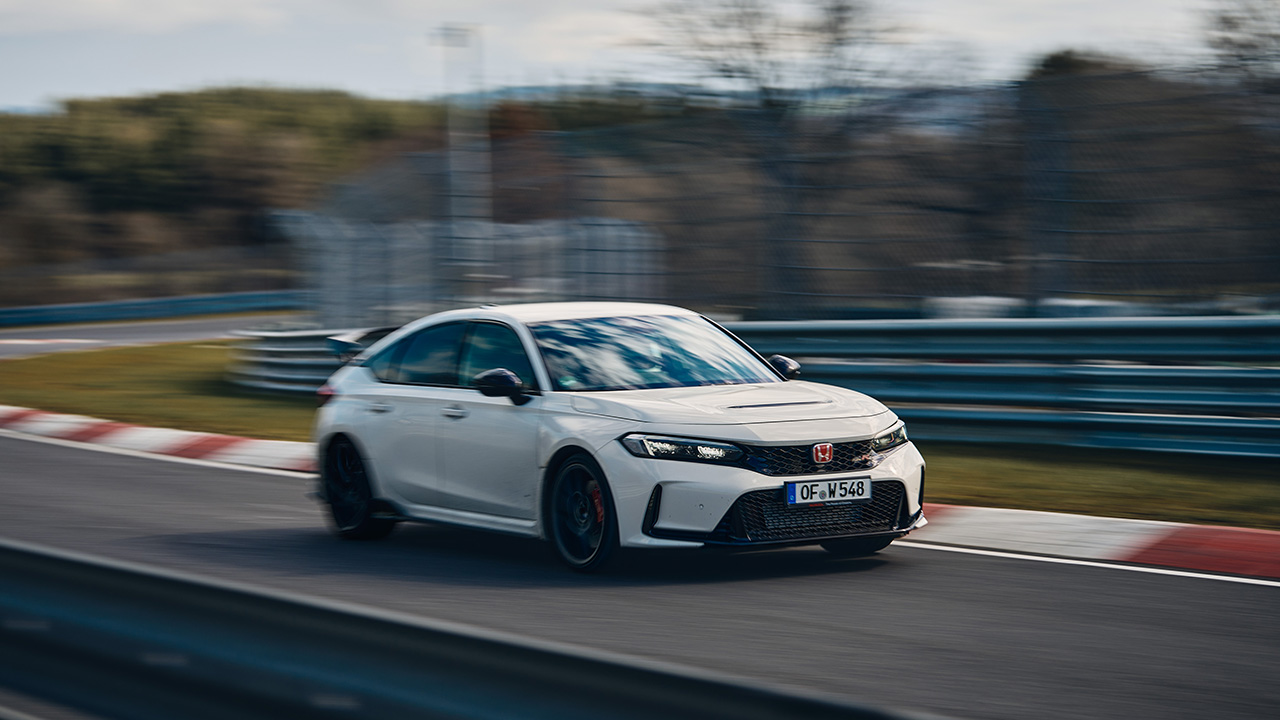
Don’t let the front-wheel-drive layout fool you, the Civic Type R is a legitimate speed machine that embarrasses cars twice its price on a twisty road. Honda’s 2.0-liter turbocharged four-cylinder produces 315 horsepower, propelling this hot hatch to 60 mph in 4.9 seconds with a top speed of 170 mph.
The Type R has always been about chassis balance and driver engagement, and the latest version perfects the formula with improved refinement. It’s practical enough for daily duties with its hatchback versatility, yet capable enough to set lap records at the Nürburgring.
This is what happens when engineers are given the freedom to chase perfection without compromise.
Mazda RX-7 FD (1992-2002)
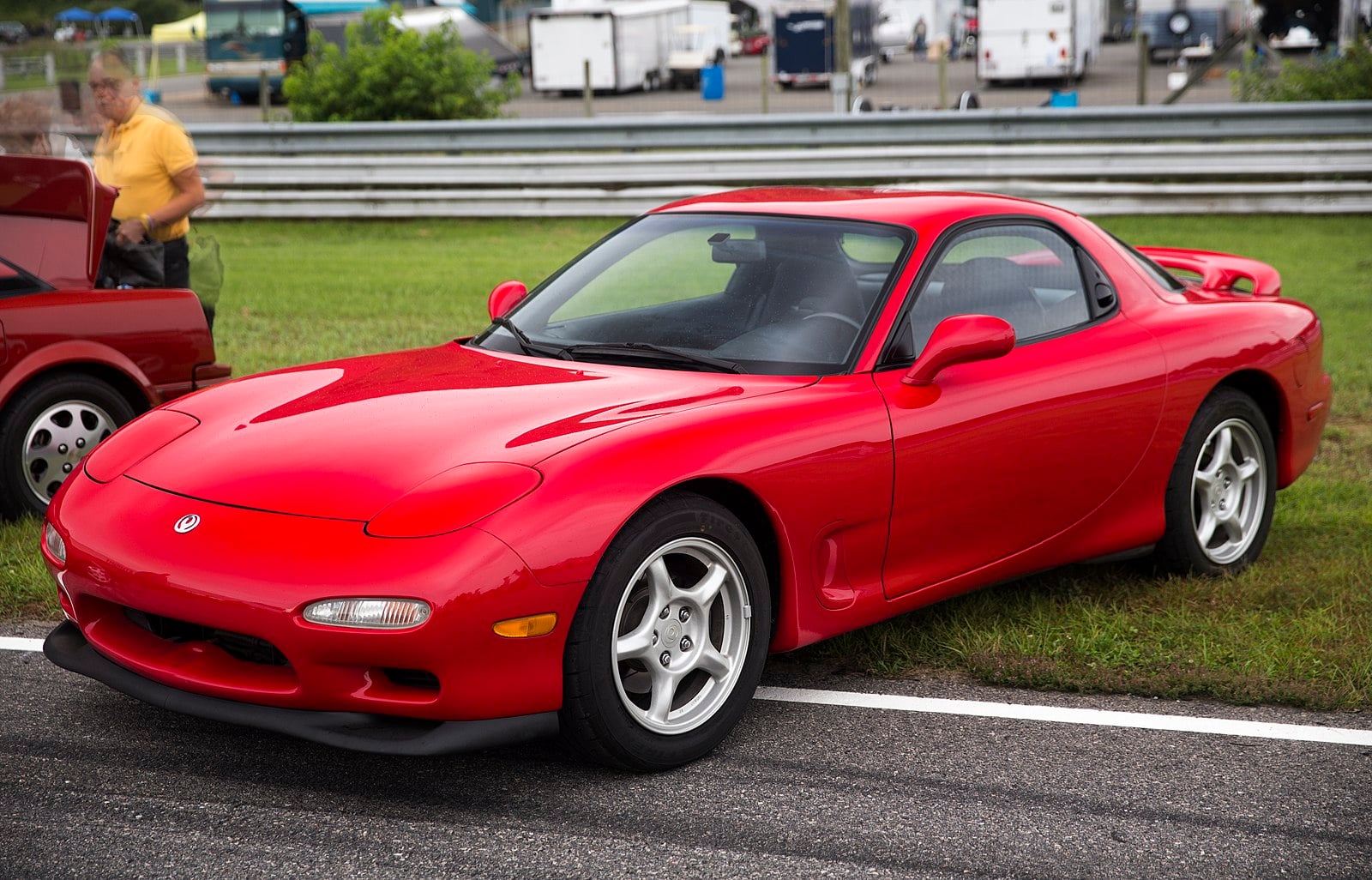
The third-generation RX-7 remains one of the most beautiful sports cars ever designed, and its rotary-powered performance still impresses today. The sequential twin-turbo 1.3-liter rotary engine produced up to 276 horsepower in its final form, achieving 0-60 mph in about 4.9 seconds with a top speed near 160 mph.
What made the FD special was its near-perfect weight distribution and handling balance that felt otherworldly. The rotary engine’s smooth power delivery and sky-high rev limit created a driving experience unlike anything else on the road.
While rotary reliability can be a concern, the FD3S proved that Mazda’s unconventional approach to engines could create something truly magical.
Acura Integra Type R (1997-2001)
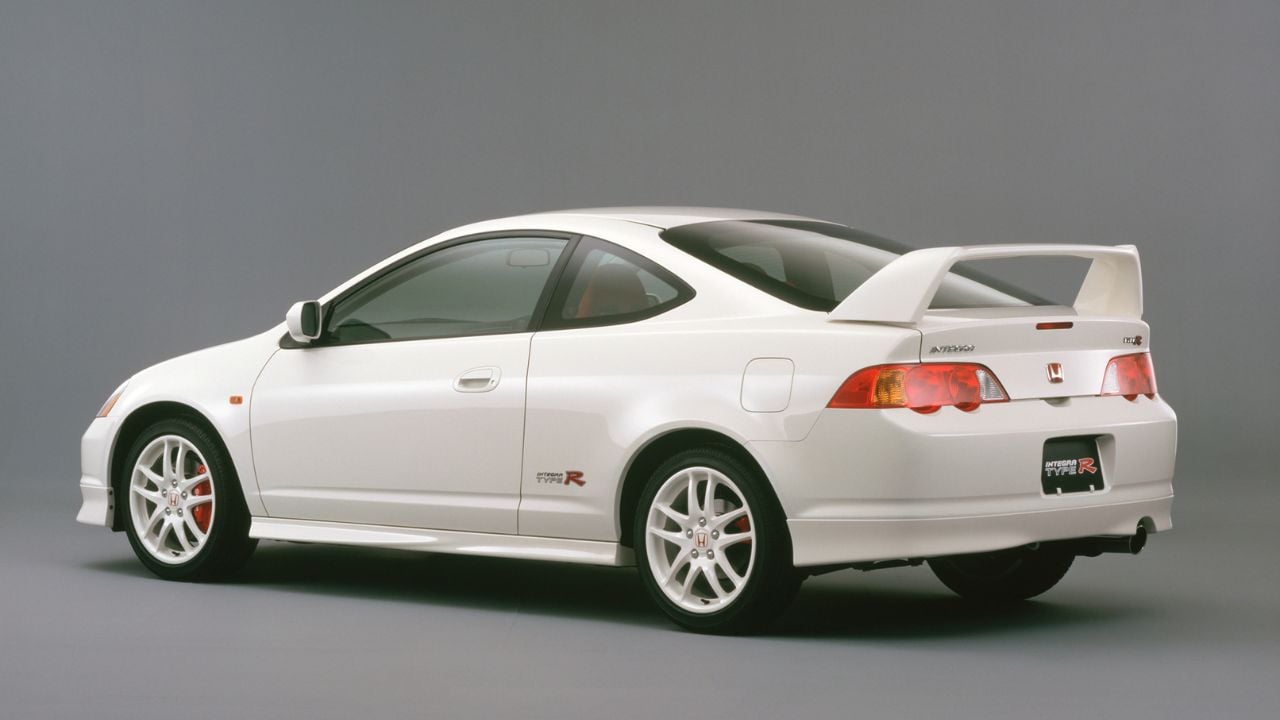
The original Integra Type R showed the world that naturally aspirated front-wheel-drive could be thrilling when executed with Honda’s trademark precision. Its 1.8-liter VTEC four-cylinder produced 195 horsepower, which doesn’t sound like much until you realize it only weighed about 2,600 pounds.
The car hit 60 mph in about 6.5 seconds with a top speed of 145 mph, but these numbers don’t capture the magic of VTEC engagement at 5,800 rpm. Everything about the Type R felt purposeful, from its close-ratio transmission to its perfectly weighted steering.
It proved that speed isn’t always about straight-line acceleration but about how a car responds to your inputs.
Subaru WRX STI (2004-2021)

The STI brought rally-bred performance to enthusiasts who wanted all-weather capability with their speed. Its turbocharged 2.5-liter flat-four produced up to 310 horsepower in later models, launching the car to 60 mph in about 4.5 seconds with a top speed of 155 mph.
The symmetrical all-wheel-drive system gave it traction that made it feel like it was cheating physics, especially in challenging conditions. The STI developed a cult following for good reason, offering legitimate performance at a price point that didn’t require a second mortgage.
While Subaru has moved away from the STI badge recently, its legacy as a giant-killer remains secure.
Mitsubishi Lancer Evolution X (2008-2016)
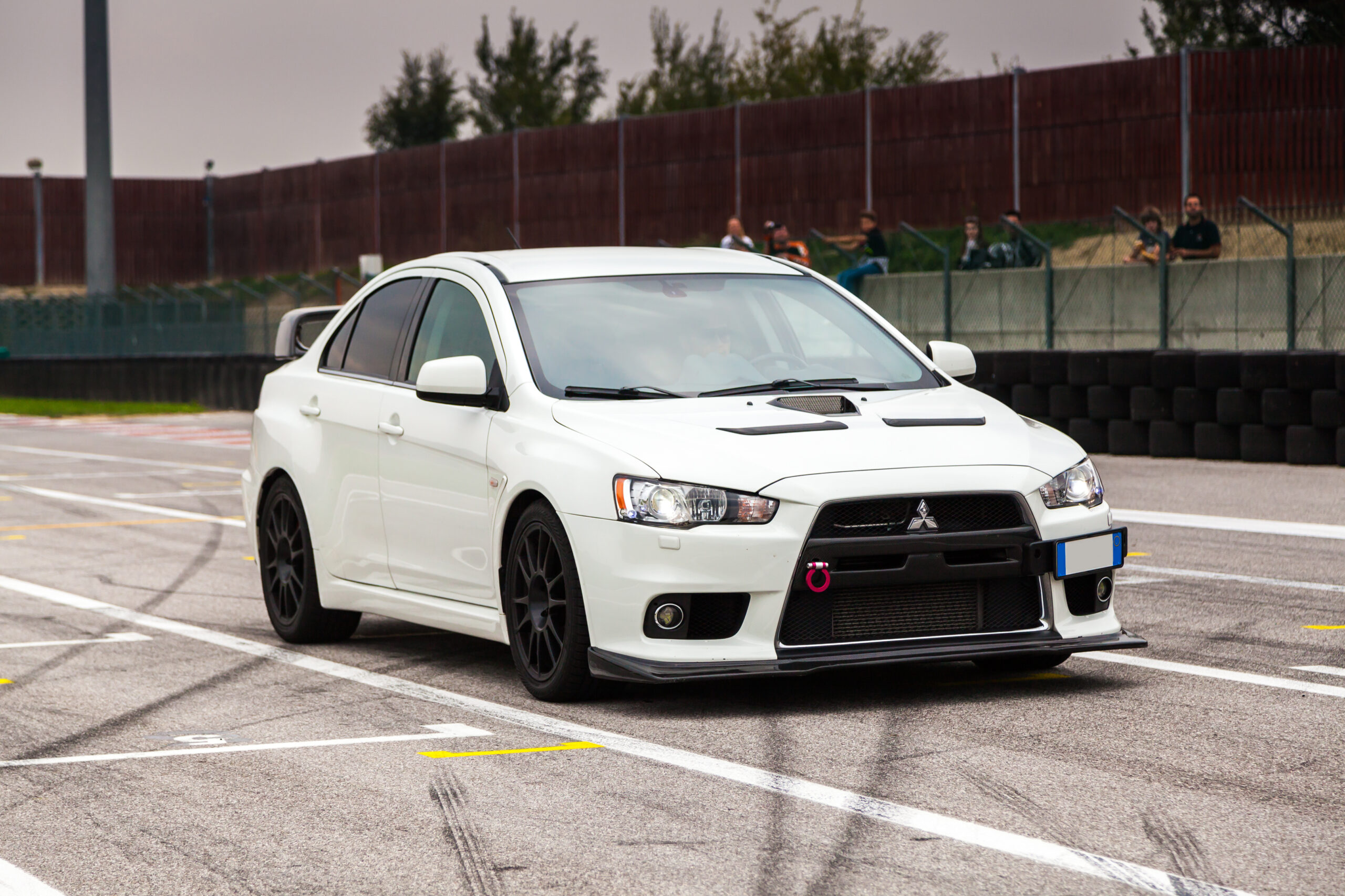
The final Evolution represented the peak of Mitsubishi’s rally-inspired performance sedans before the line ended. Its turbocharged 2.0-liter four-cylinder delivered 291 horsepower, pushing the Evo to 60 mph in about 4.4 seconds with a top speed around 155 mph.
The sophisticated all-wheel-drive system with active yaw control made it corner like it was on rails, regardless of road conditions. The Evo always felt more raw and aggressive than its Subaru rival, with reflexes that bordered on twitchy in the best possible way.
Its discontinuation left a hole in the market that still hasn’t been filled by anything quite as special.
Toyota MR2 Turbo (1991-1995)
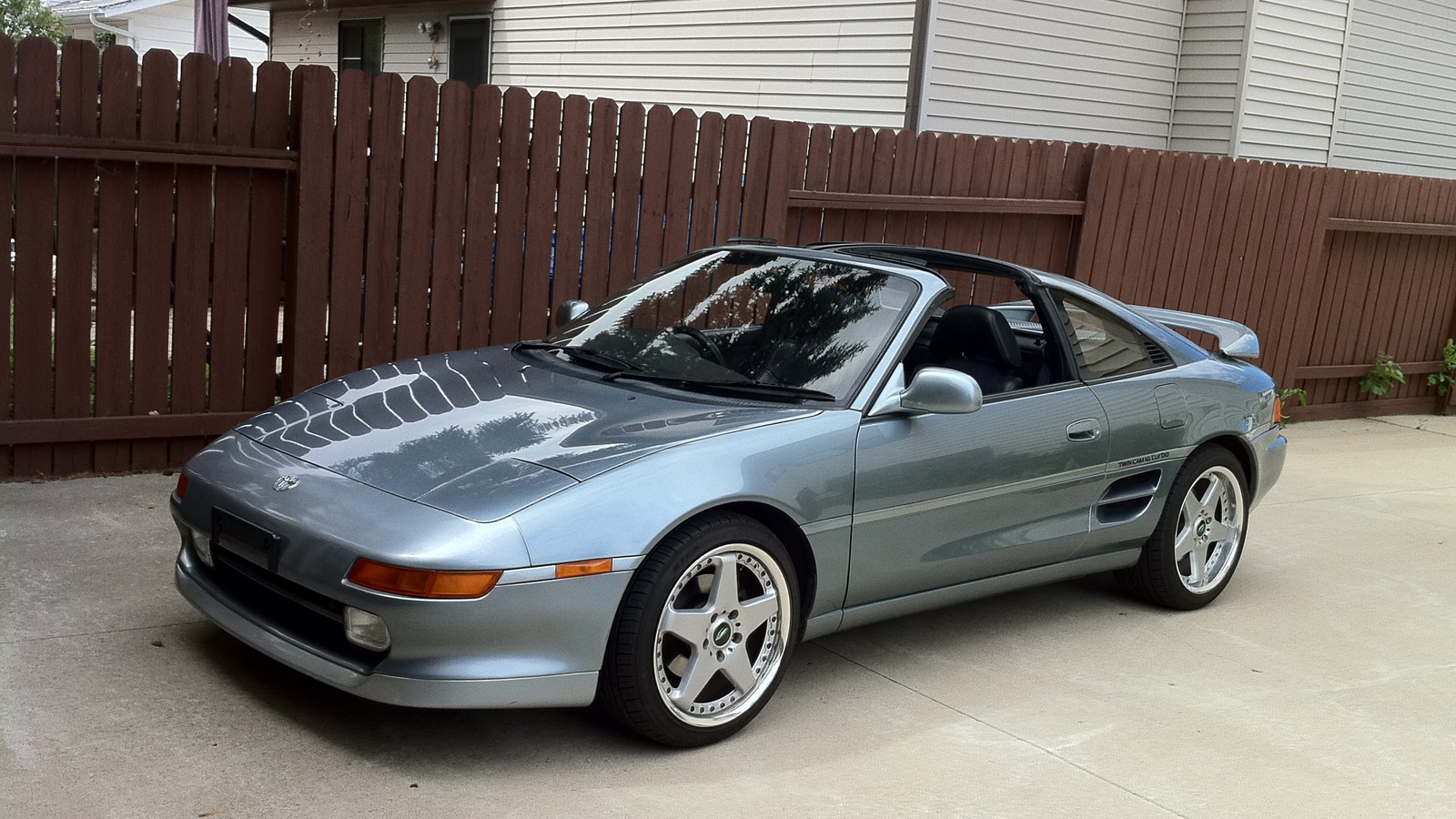
The second-generation MR2 Turbo proved that mid-engine layout wasn’t reserved for Italian exotics. Its turbocharged 2.0-liter four-cylinder produced 200 horsepower, which was plenty considering the car weighed just 2,900 pounds. Zero to 60 mph took about 5.8 seconds with a top speed of 140 mph, but the real magic was in how it rotated through corners with that mid-engine balance.
The MR2 rewarded skilled drivers with handling that felt telepathic while demanding respect from those who pushed too hard. It remains one of the most engaging affordable sports cars ever built, offering supercar dynamics at Honda Accord prices.
Nissan 300ZX Twin Turbo (1990-1996)

The Z32 300ZX Twin Turbo was Nissan’s grand touring masterpiece, blending sophisticated technology with genuine performance capability. Its twin-turbocharged 3.0-liter V6 produced 300 horsepower, achieving 0-60 mph in about 5.6 seconds with a top speed of 155 mph.
The car was packed with technology that seemed futuristic at the time, from four-wheel steering to adjustable suspension. It felt more like a Japanese interpretation of a European GT than a traditional sports car, prioritizing refinement alongside performance.
The 300ZX showed that Japanese automakers could compete in the luxury performance segment with style and substance.
Conclusion

Japanese sports cars have earned their reputation by consistently delivering performance that punches well above their price tags. These machines represent decades of engineering evolution, from the raw analog experience of the RX-7 to the hybrid sophistication of the NSX.
What ties them all together is an underlying philosophy that prioritizes driver engagement and mechanical excellence over just chasing numbers. Whether you’re drawn to turbocharged all-wheel-drive rally machines or naturally aspirated rear-wheel-drive purists, Japan has built something for every type of enthusiast.
The legacy of these speed machines continues to influence how we think about what makes a truly great sports car.