Range used to be the first objection in almost every electric car conversation. In 2026, it has become one of the strongest selling points, especially among American brands. The spread is now wide enough to change how people shop. At one end of this ranking, the Cadillac VISTIQ reaches 305 miles of EPA-estimated range. At the other, the Lucid Air stretches all the way to 512 miles in its longest-range form. That is no longer a niche gap. It is the difference between a practical family SUV and a genuine long-distance electric sedan.
That shift matters because buyers are no longer asking only whether an EV can fit into normal life. They are asking which one fits best. Road trip planning, home charging habits, winter confidence, family space, and highway comfort all become easier to judge once range rises into the 300- to 500-mile window. American brands have become especially interesting here because they now cover almost every format, from sleek sedans to three-row luxury SUVs and large adventure-ready crossovers.
This article ranks American-brand EV sedans and SUVs on sale in the U.S. market in 2026 by each model line’s highest officially published range figure. EPA estimates are used where available, while manufacturer estimates are used only where that is the official figure currently attached to the model. Pickups, niche halo off-road SUVs, and specialty performance coupes are excluded so the comparison stays focused on the sedans and SUVs most buyers are actually likely to cross-shop. The goal is simple: not just to identify who wins the numbers game, but to explain why those numbers matter in actual ownership.
Why This Ranking Matters More Than A Spec Sheet
A long-range EV is not automatically the best EV. That part is worth saying clearly. Bigger batteries add cost and weight, and the highest-range trim in a lineup is not always the one most buyers should choose. Still, range remains one of the easiest ways to understand how ambitious a model really is. It tells you how much engineering headroom the brand created, how efficient the platform is, and how much flexibility the car gives a driver who cannot or does not want to charge constantly.
That is also why this article uses model lines rather than every individual trim. A Lucid Air Grand Touring and an Air Pure serve different buyers, but they still reveal the broader capability of the Air platform. The same logic applies to Cadillac, Tesla, Rivian, and Chevrolet. What matters here is the strongest range case each model makes in 2026, then how that range fits the vehicle’s real role. A huge sedan should go very far. A compact crossover has a different job. A three-row SUV has another. The most useful comparison is not just which one wins, but how each one makes its range meaningful.
Lucid Air

Nothing else from an American brand goes farther in 2026 than the Lucid Air. In Grand Touring form, Lucid quotes up to 512 miles of EPA-estimated range, 819 horsepower, and a 0 to 60 mph time of 3.0 seconds. Even the lower trims remain serious long-range cars, with the Touring reaching 431 miles and the Pure still delivering up to 420. Those numbers matter because they show the Air is not relying on one miracle version to make its case. The entire model line has real distance built into it.
That is what makes the Air such an important reference point in 2026. It is not just the range leader. It is the clearest proof that an American luxury EV can combine long-distance usability, high-end performance, and a truly premium interior footprint in one sedan. Buyers looking at road-trip comfort, fewer charging stops, and a more polished alternative to the usual EV names still have a very clear benchmark here. The Air feels expensive because it is ambitious, and the range figure backs that up in a way almost nothing else can.
Cadillac Escalade IQ

Cadillac took the biggest name in its SUV lineup and turned it into one of the biggest range statements in the market. For 2026, the Escalade IQ carries a Cadillac-estimated 465 miles of range. That figure instantly places it near the very top of the American EV world, and it is especially striking because this is not a low-slung efficiency special. It is a large, high-luxury SUV with all the size, weight, and visual presence buyers expect from an Escalade.
That is why the Escalade IQ matters well beyond luxury branding. A vehicle this large is supposed to ask for compromise in range. Instead, Cadillac is using it to show how far a full-size premium EV can now go. For families, executives, and buyers who want real distance without giving up cargo room, seating, and the full Escalade experience, this model makes the practical case unusually well. It turns range from a technical talking point into something that directly supports how people actually use large SUVs.
Lucid Gravity
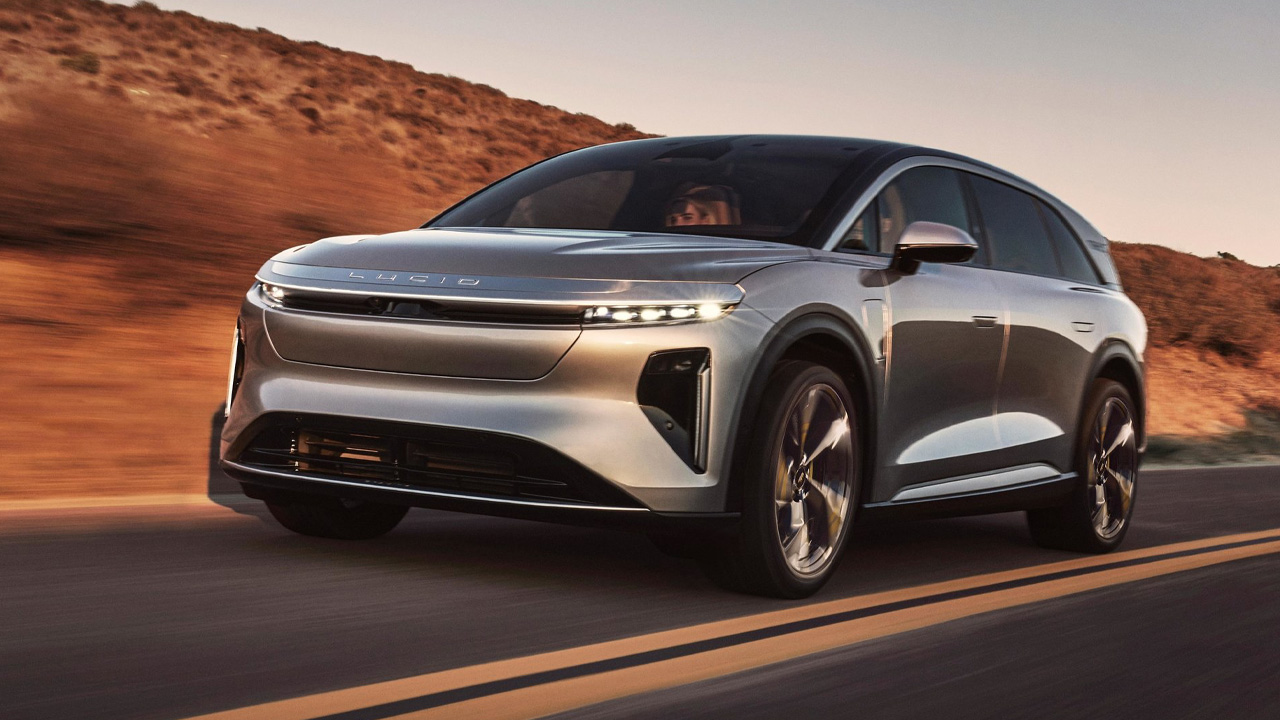
Lucid’s second appearance on this list says a lot about what the company is doing right. The Gravity reaches up to 450 miles of EPA-estimated range in Grand Touring two-row form, and even the three-row version still manages 437 miles on the same wheel setup. The Touring trim drops to 337 miles, which still remains highly competitive for a luxury electric SUV. Lucid also says the Gravity can add up to 200 miles in under 11 minutes and uses a 1000V architecture that supports very high-speed charging.
What makes the Gravity especially important is how broad its mission is. This is not a niche performance SUV chasing one headline number. It is meant to carry families, gear, and long-distance travel expectations, then do all of that with range that would have seemed unrealistic for an SUV only a few years ago. That makes the Gravity one of the most useful new American EVs in the market, not just one of the most impressive. It takes Lucid’s efficiency story out of the sedan world and proves the company can scale it into a much more demanding body style.
Tesla Model S
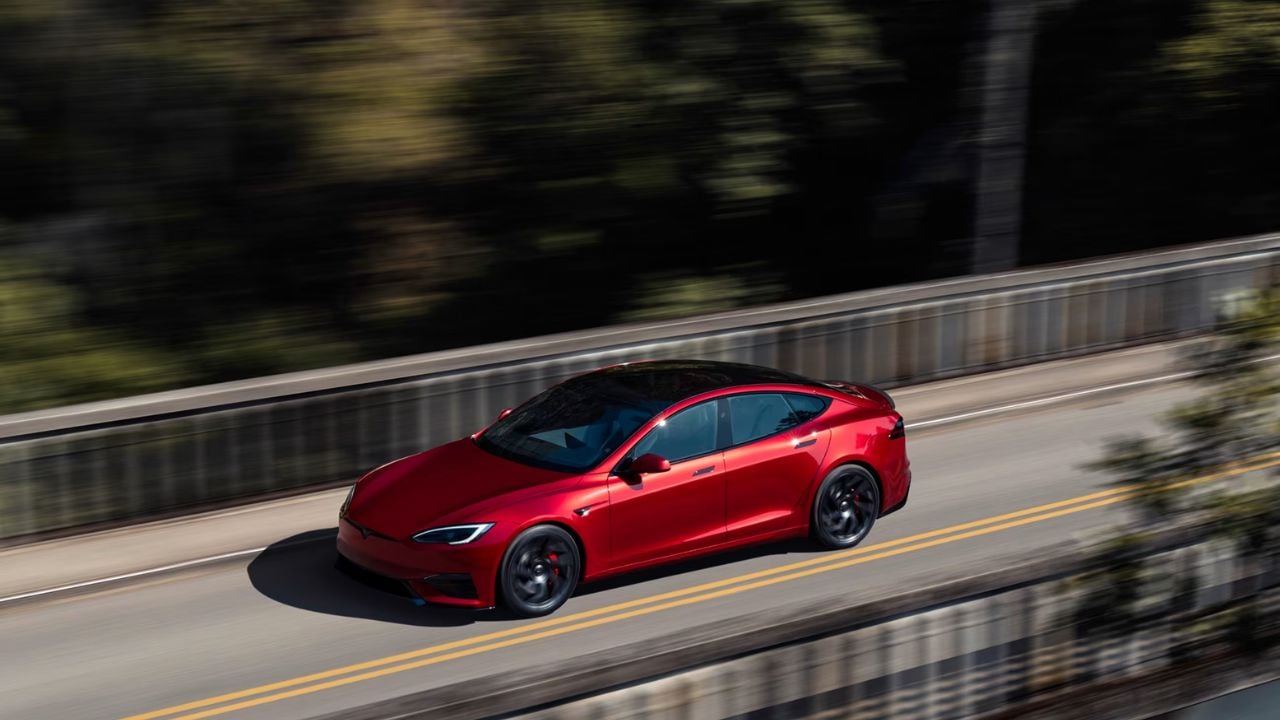
The Model S still matters because it remains Tesla’s clearest long-range sedan statement. The current dual-motor version is listed with 410 miles of EPA-estimated range, while the Plaid focuses more on speed with 335 miles. That split tells you exactly where the Model S now sits in the EV market. It is no longer the absolute range leader, but it remains one of the strongest all-around long-distance American EVs you can buy, especially for drivers who still want a traditional low sedan shape rather than an SUV.
Its relevance in 2026 comes from familiarity as much as numbers. The Model S has spent years training the market to expect serious electric range from an American performance luxury car, and 410 miles still gives it real standing in a crowded field. For buyers who prioritize a sleek body, strong acceleration, access to Tesla’s charging ecosystem, and long-distance convenience, the car continues to make practical sense. The segment around it is stronger now, but the Model S still feels like a major reference point rather than a leftover from an earlier EV era.
Rivian R1S

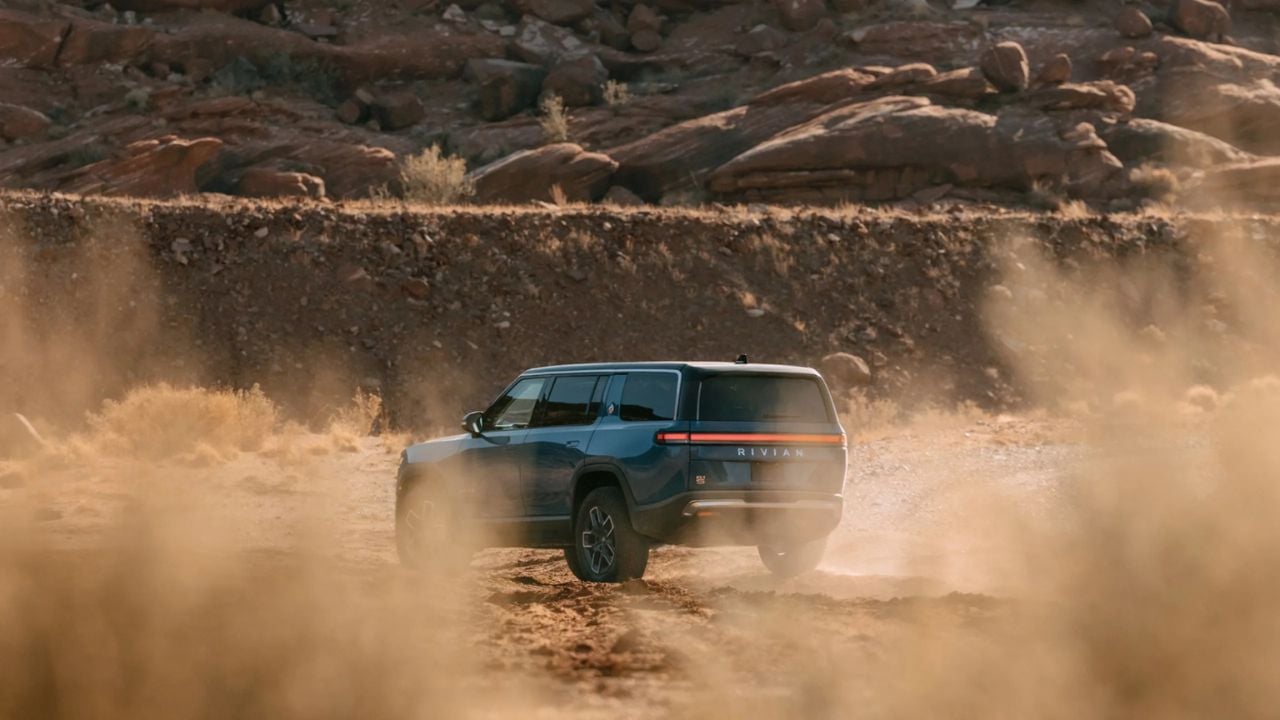
Rivian’s R1S shows that high range and real utility can still live together. Rivian’s current official R1S materials advertise up to 410 miles of EPA-estimated range in Dual Max battery form, while the newer Quad Max version is rated at 374 miles EPA-estimated. Those are large numbers in every sense, but the one that matters most here is the distance. A three-row, adventure-minded SUV is not supposed to sit this comfortably in the upper half of a range ranking.
That makes the R1S one of the most useful case studies in the article. It is not trying to be an efficiency specialist. It is a premium American electric SUV built around capability, space, and a very distinct brand identity, yet it still goes far enough to compete seriously with more road-focused alternatives. For buyers who want something that feels more outdoorsy and less traditional luxury than a Cadillac or Tesla, the R1S offers a genuinely different answer without giving away the most important part of the ownership equation. Long range only matters when the rest of the vehicle makes sense, and the R1S clearly does.
Tesla Model 3
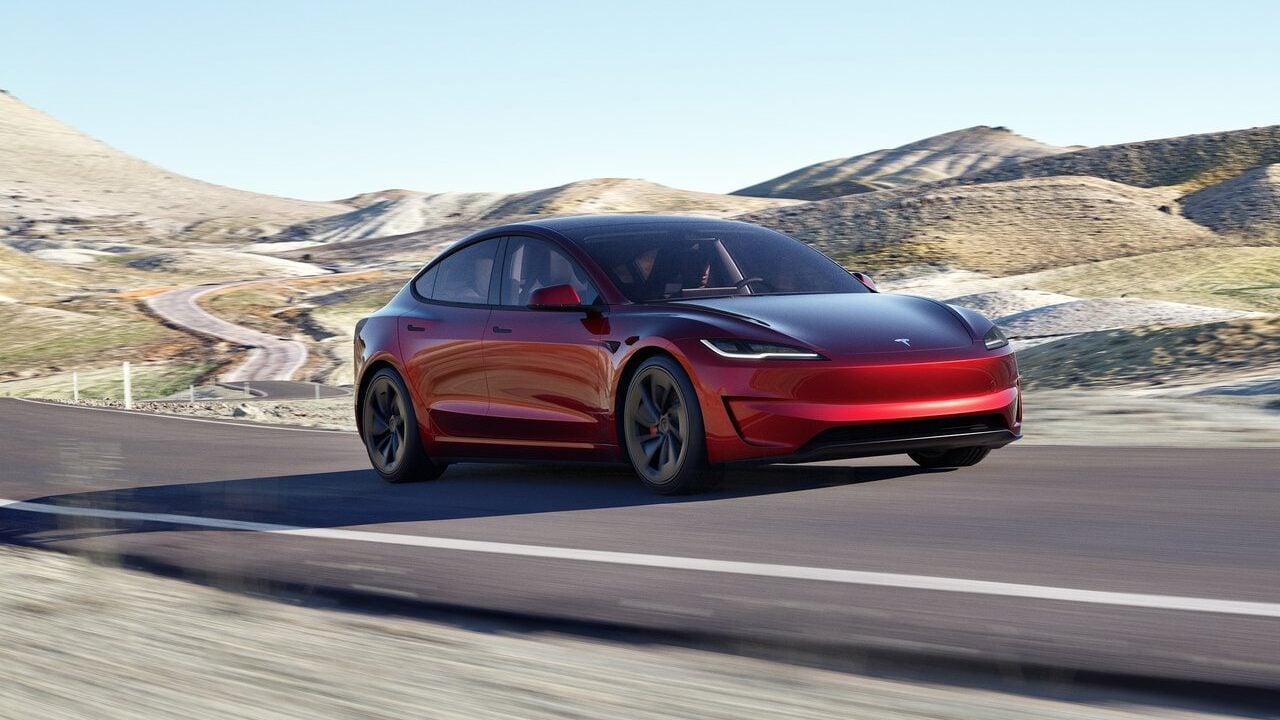
Tesla’s smallest sedan remains one of the strongest range values in the market. In Long Range Rear-Wheel Drive form, the Model 3 is listed at 363 miles of EPA-estimated range. That is a huge figure for a car in this size class, and it helps explain why the Model 3 continues to matter so much in mainstream EV shopping. It also means the car still outdistances several larger and more expensive electric crossovers, which is a very useful real-world detail for buyers trying to stretch every dollar and every charge stop.
The practical case is easy to understand. The Model 3 does not need flagship money or flagship size to travel meaningful distance, and that keeps it central to the American EV conversation. Buyers who want sedan efficiency, lower running costs, and a form factor that still feels easy in city traffic will understand its appeal immediately. The Model 3 remains one of the clearest reminders that range is not only about battery size. It is also about aerodynamics, weight, and platform efficiency, and Tesla still plays that game very well here.
Tesla Model Y
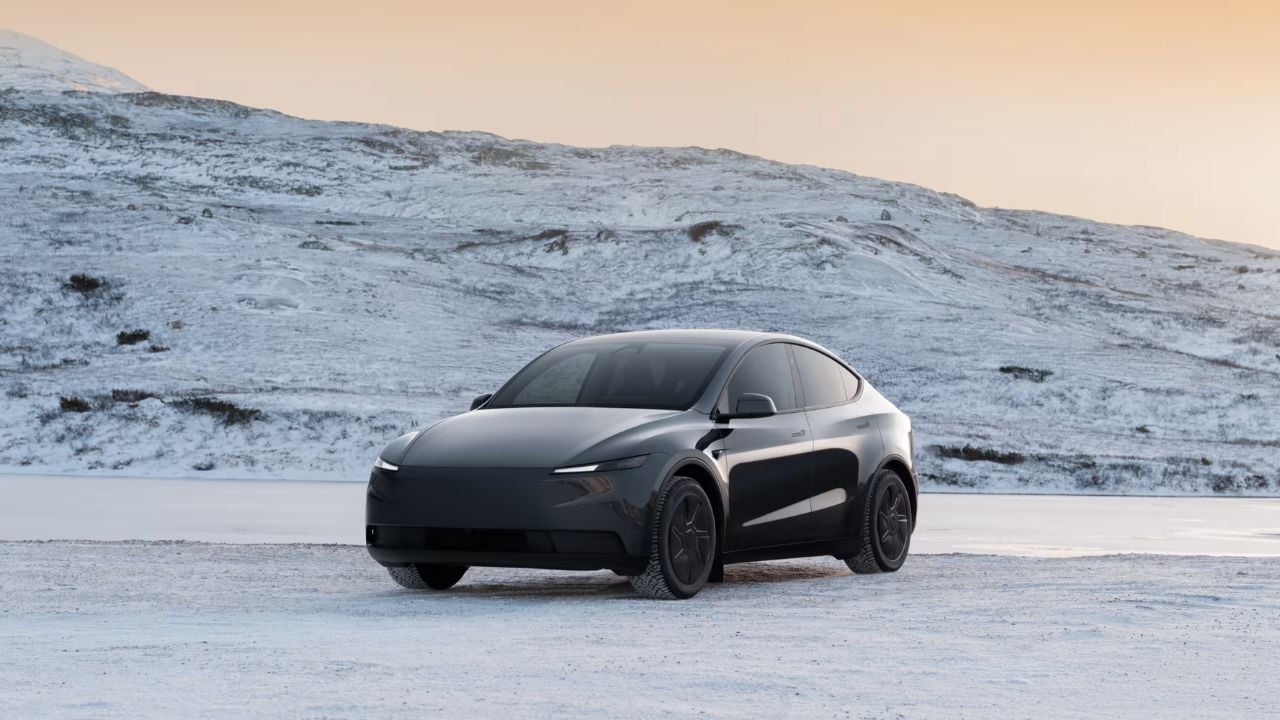
The Model Y has become one of the most important EVs in America because it brings range into a shape buyers already understand. In its current longest-range form, Tesla lists the Model Y Long Range Rear-Wheel Drive at 357 miles of EPA-estimated range. The Long Range All-Wheel Drive version is rated at 327 miles, while the standard Rear-Wheel Drive model is rated at 321 miles. Those figures are not the most dramatic in the market, but they are highly competitive for a midsize electric SUV that sits much closer to the mainstream than the luxury flagships above it.
That is what makes the Model Y so significant. It turns good range into something broadly usable rather than aspirational. Buyers get a higher seating position, real cargo space, and a shape that fits family life more naturally than a sedan, all without taking a major efficiency penalty. In practical terms, that makes the Model Y one of the easiest long-range EVs to recommend to a broad audience. It may not win the headline war against Lucid or Cadillac, but it continues to make one of the strongest real-world cases in the American market because the numbers and the format align so well.
Tesla Model X
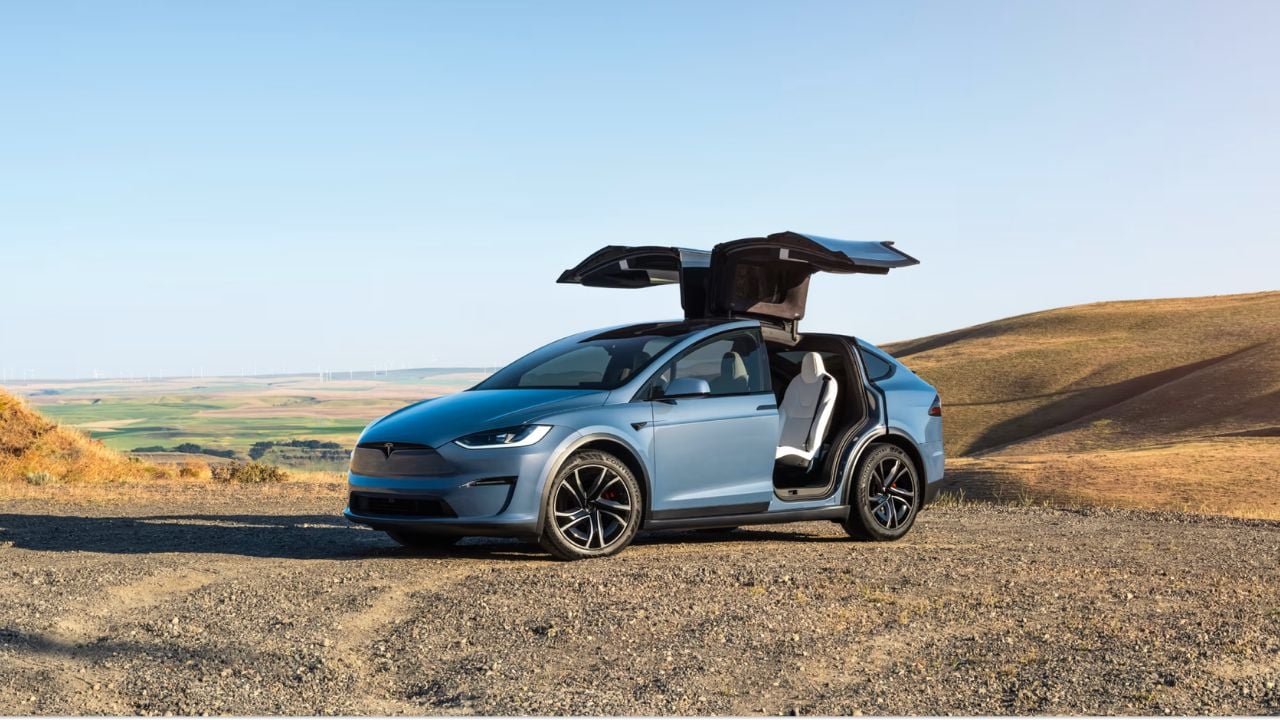
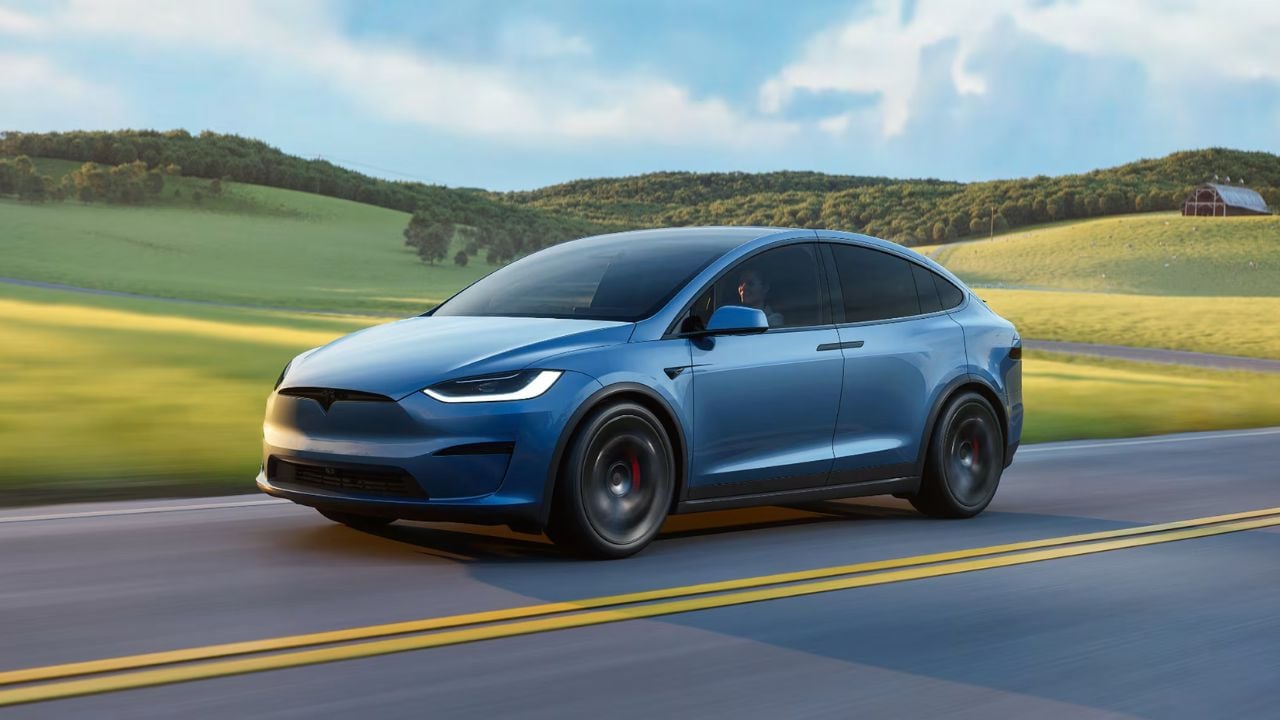
The Model X now occupies an unusual place in Tesla’s lineup. It is no longer the freshest or the cheapest option, but it still combines genuinely useful range with family-friendly packaging better than many rivals. The dual-motor version is currently listed at 352 miles of EPA-estimated range, while the tri-motor Plaid is rated at 335 miles. That gives the standard car a strong long-distance case without sacrificing the extra seating and cargo flexibility that make the Model X different from the Model S.
This is where the Model X still feels especially relevant. Buyers who want three-row or near-three-row practicality from an American EV with premium branding, real performance, and a familiar charging experience still have relatively few direct alternatives. The Model X is expensive, but it remains unusually broad in what it can do. It can carry more people, more luggage, and more daily family responsibility than the sedans in this list while still returning a range number that many electric crossovers would be happy to claim. That balance is the reason it continues to earn a place in conversations like this one.
Chevrolet Blazer EV

The Blazer EV belongs in this ranking because its best range figure lands well above several vehicles already in the article. Chevrolet lists the rear-wheel-drive RS at up to 334 miles of EPA-estimated range, which gives the Blazer EV a stronger long-distance case than the Cadillac LYRIQ, the Chevrolet Equinox EV, the Cadillac OPTIQ, and the Cadillac VISTIQ. That matters because the Blazer EV is not a tiny efficiency special. It is a midsize crossover with a more expressive shape, a larger footprint than the Equinox EV, and a much more style-led personality.
That makes the Blazer EV a useful middle-ground option in the American market. It sits below the six-figure luxury flagships and above the more budget-minded Equinox EV, while still delivering range that clears the psychological 300-mile line with room to spare. For buyers who want a more mainstream brand, a more dramatic crossover shape, and a genuinely strong road-trip number, the Blazer EV makes a better case than this article originally gave it credit for.
Cadillac LYRIQ
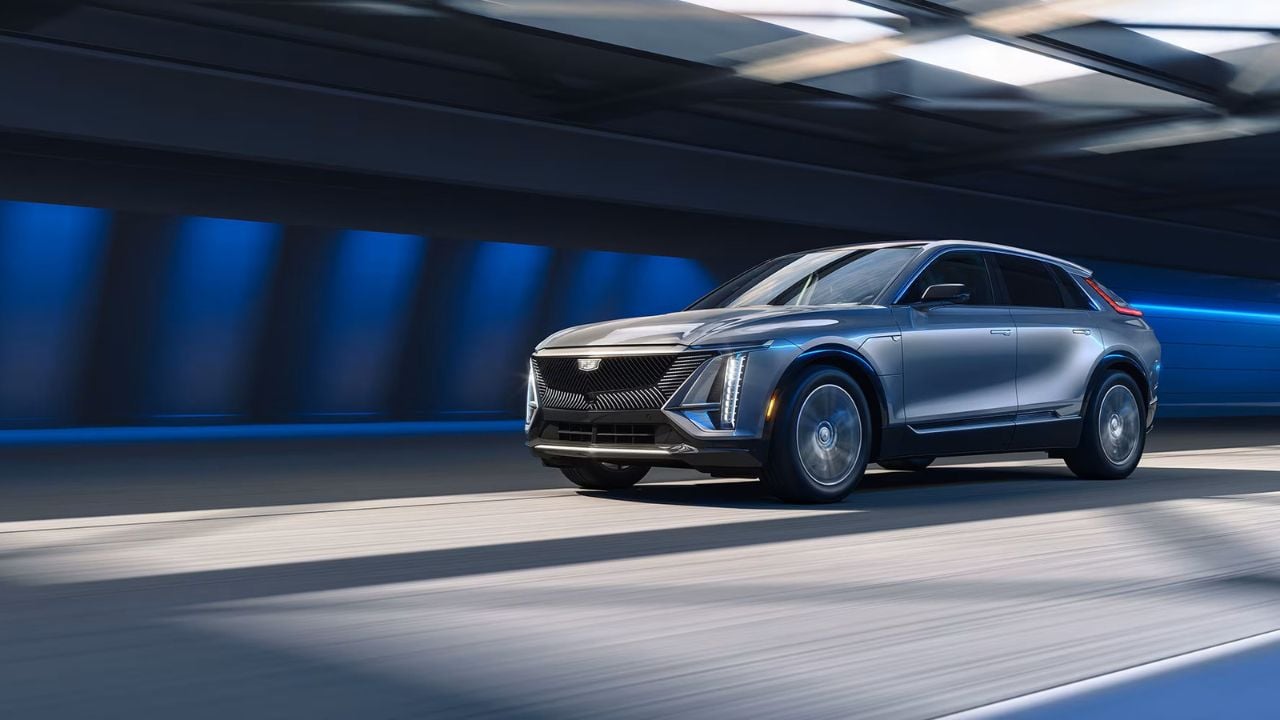
Cadillac’s LYRIQ remains one of the strongest luxury crossover answers in this class. For 2026, rear-wheel-drive versions are rated at up to 326 miles of EPA-estimated range, while all-wheel-drive versions reach up to 319 miles. That gives the LYRIQ a stronger range case than many buyers may expect from a luxury crossover that leans more toward design, presentation, and comfort than headline efficiency.
The LYRIQ’s importance is not just about mileage. It is about how gracefully Cadillac has made the shift into electric luxury. This vehicle does not feel like a transitional product or a compliance exercise. It feels like a proper luxury crossover that happens to be electric, and that difference matters for broad buyers who want the EV part to fit into normal premium ownership rather than define the whole experience. The range is strong enough to make the car useful beyond routine commuting, and the packaging makes the whole thing feel like a realistic alternative to a conventional midsize luxury SUV.
Chevrolet Equinox EV
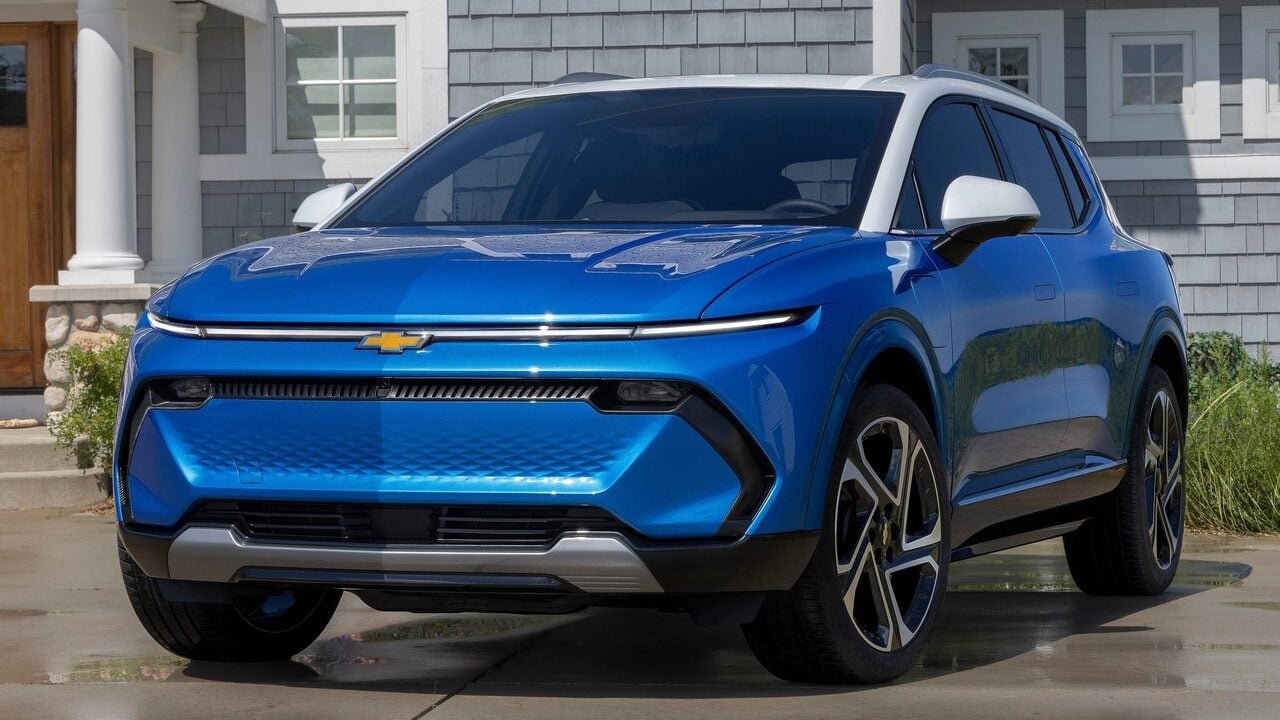
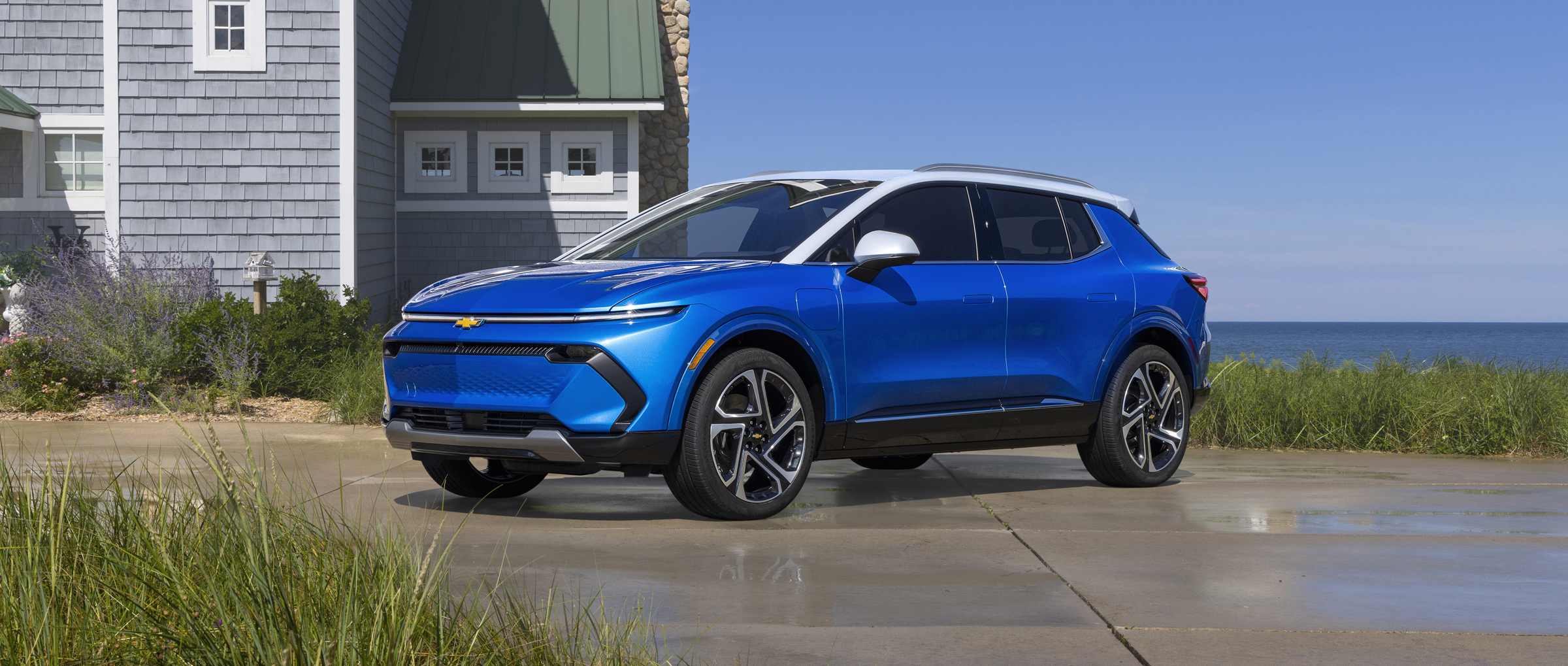
The Equinox EV may be the most important range story for mainstream buyers in this article. Chevrolet says front-wheel-drive models deliver 319 miles of EPA-estimated range, while all-wheel-drive versions still reach 307. That matters because the Equinox EV is not trying to play in the luxury flagship space. It is meant to be a practical compact electric crossover, and 319 miles is a very strong number for something aimed much closer to the center of the market.
That is why the Equinox EV remains such an important inclusion even though it does not sit near the top of the chart. The point is not simply to go farther than everyone else. It is to bring useful range to a price and size point that far more people can actually consider. Chevrolet’s own marketing leans into that by calling it America’s most affordable 315-plus-mile range EV. Whether a buyer cares about that exact phrasing or not, the practical logic is sound. A compact EV crossover that clears 300 miles and still looks financially reachable is exactly the sort of thing that can move the market in a meaningful way.
Cadillac OPTIQ

The Cadillac OPTIQ deserves a place here because it shows that even smaller premium American EVs are now clearing the kind of range number that once felt like a luxury flagship advantage. Cadillac lists the rear-wheel-drive OPTIQ at up to 317 miles of EPA-estimated range, while dual-motor all-wheel-drive versions still reach 303 miles. That makes it a meaningful entry in a ranking built around the idea that range anxiety is fading, not just for six-figure vehicles, but for smaller and more city-friendly luxury crossovers too.
That role matters. The OPTIQ is not trying to be an Escalade IQ or even a LYRIQ in disguise. It is the more compact Cadillac EV for buyers who want a premium feel, a more manageable footprint, and still enough range to treat the car as a full-time daily driver rather than an urban-only second vehicle. Once a smaller luxury crossover can travel more than 300 miles on a charge, the whole EV conversation starts to feel less restrictive and much more normal.
Cadillac VISTIQ
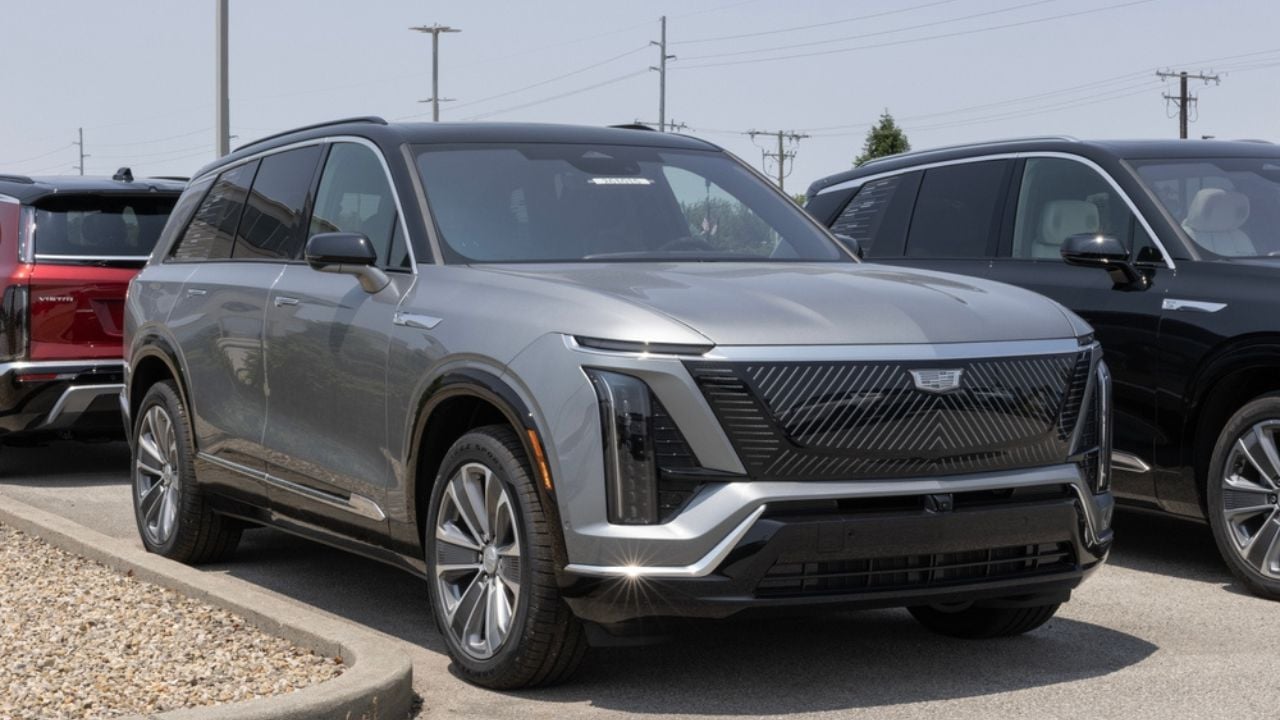
The Cadillac VISTIQ closes this ranking, but it actually strengthens the article’s core argument. Cadillac lists the three-row VISTIQ at up to 305 miles of EPA-estimated range. That is the lowest figure in this group, yet it is still comfortably above the 300-mile mark in a larger family-oriented luxury SUV. A few years ago, that would have been enough to make headlines on its own. In 2026, it is simply the floor for this particular list.
That makes the VISTIQ more important than its position suggests. This is not a low-slung sedan optimized for efficiency. It is a three-row Cadillac meant to handle family hauling, daily errands, and longer trips without turning every journey into a charging puzzle. If even the bottom entry in an American-brand sedan-and-SUV range ranking now sits at 305 miles, that says more about the state of the market than any single flagship can. The VISTIQ helps prove the point the title is making: range anxiety is fading because the usable floor keeps rising.
Long Range Now Means More Than One Kind Of EV
The strongest lesson here is not that one brand dominates everything. It is that American EV range leadership now comes in several distinct forms. Lucid owns the luxury sedan high ground. Cadillac stretches the idea from compact luxury crossovers all the way to full-size and three-row SUV territory. Tesla still delivers some of the most efficient and broadly usable long-distance EVs in the market. Rivian proves that family adventure and respectable range can coexist. Chevrolet shows that more attainable models are finally getting into serious territory too.
That is the real shift in 2026. Range is no longer one company’s party trick or one segment’s luxury feature. It has become a meaningful competitive tool across sedans and SUVs, premium models and mainstream ones, family vehicles and halo products. For buyers, that is a much healthier market than the one that existed even a few years ago. The better question now is not whether an American EV can go far enough. It is which kind of long-range American EV actually fits the way you live.