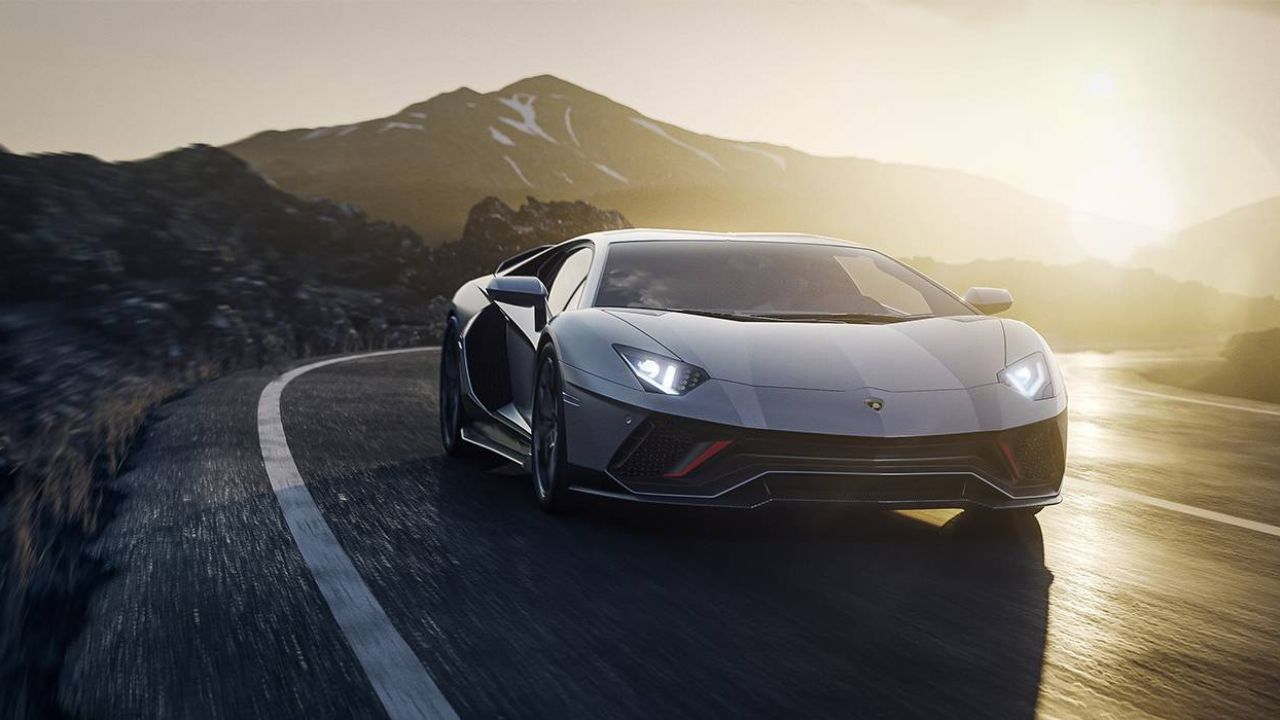
Buying a car as an investment sounds like the kind of advice you’d get from someone who also recommends timeshares. And honestly, in most cases, they’d be right. The average new vehicle sheds roughly 30% of its value within the first two years off the lot, making it one of the worst financial moves a person can make if they’re hoping to come out ahead. That shiny new Corvette you’re keeping in the garage to protect its resale value? Drive it. You’re not winning the depreciation game regardless.
Here’s the thing, though: a tiny handful of vehicles have completely flipped that script. Rather than plummeting in value, these cars have climbed, sometimes dramatically, since the day they were sold new. For most of them, the original buyers didn’t even realize what they were sitting on. They simply had the right connections, the right timing, and enough money to say yes when a very interesting opportunity knocked.
The catch, as you might expect, is that this club is extraordinarily exclusive. Most of the vehicles capable of appreciating in value are priced deep into six-figure territory, and in some cases, into seven. The math can be brutal: you need a lot of capital just to make a modest return. Dealers often require buyers to have prior purchase history before they’ll even receive an invitation.
Still, the stories are fascinating, and at least one of them involves a vehicle you could theoretically afford without selling a kidney. Here are four cars that genuinely beat depreciation, ranked from the one you might actually consider to the one that costs as much as a house in most of the country.
The Cadillac CTS-V Wagon Is Proof That America Made Something Special
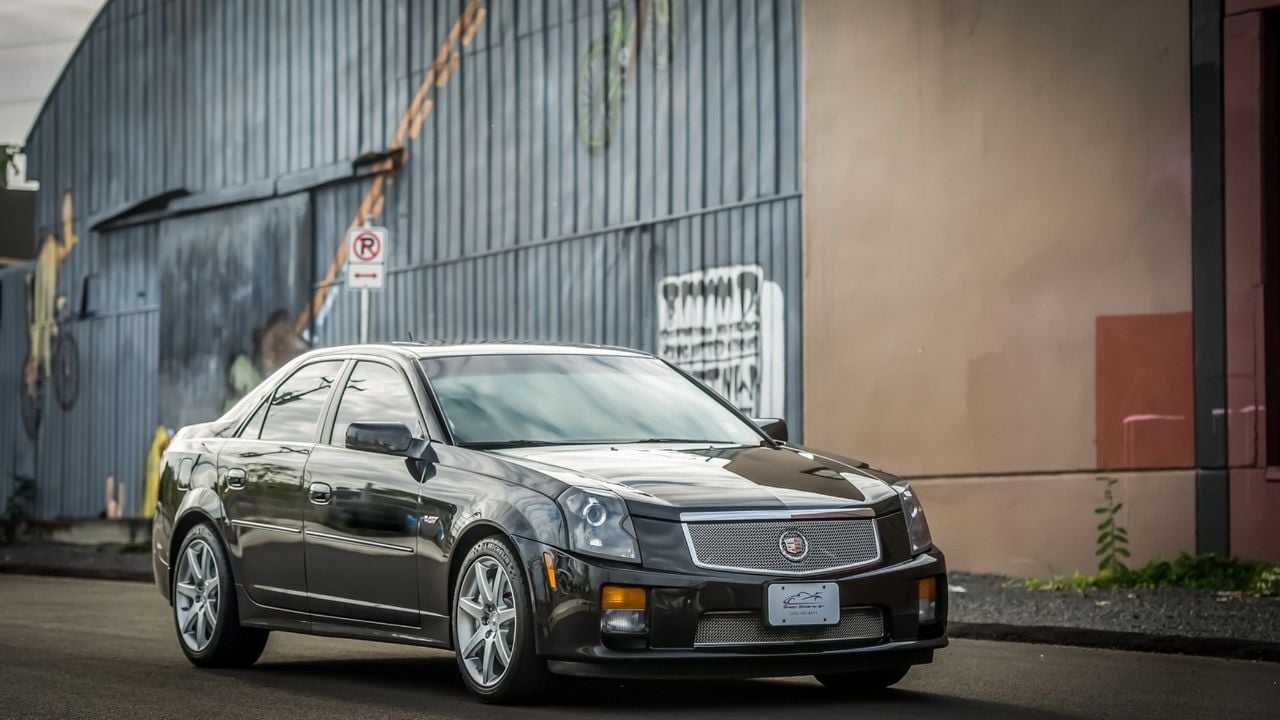
Before getting into the stratospheric stuff, let’s talk about the blue-collar hero of this list. The Cadillac CTS-V Wagon was never supposed to be a collector car. It was a family hauler with a supercharged 6.2-liter LS engine under the hood, a Tremec six-speed manual gearbox as an option, and enough rear-wheel-drive attitude to make every other station wagon on the planet feel embarrassed. It made 556 horsepower, hit 60 mph in around four seconds, and could haul your kids to soccer practice and then lay down a 12-second quarter mile on the way home.
General Motors only made around 1,767 of them total, and allegedly just 514 were paired with the manual transmission. That last number is everything. Those stick-shift wagons have become genuinely hard to find, and the prices prove it. Low-mileage examples are approaching $90,000, which is remarkable for a 15-year-old Cadillac sedan wagon. Even tired, high-mileage copies are going for $35,000 to $40,000, which is serious money for a car with six figures on the odometer. If you have one of the manual versions sitting in your garage, congratulations: you made a very good decision.
The Porsche 911R Was Basically an Apology Letter That Turned Into a Million-Dollar Car

When Porsche launched a new GT3 with only a dual-clutch automatic transmission, the enthusiast community collectively lost its mind. Porsche, of all manufacturers, abandoning the manual gearbox in their purest driver’s car? The backlash was loud and immediate, and in response, Porsche produced the 911R: a manual-only, stripped-out, naturally aspirated masterpiece built in a run of exactly 991 units.
The 911R borrowed its 500-horsepower flat-six from the GT3 RS 4.0 and then went on a diet. Magnesium roof panel, carbon fiber hood and fenders, lightweight glass, no air conditioning, no radio, and a single-mass flywheel that made the interior about as civilized as a go-kart. Total weight savings versus the GT3 came to around 110 pounds. It was also offered only to customers who had previously purchased the 918 Spyder hypercar, meaning access required you to have already spent over $800,000 with the company.
At a $143,000 original sticker, buyers who got the call would have been foolish to pass. They were not foolish. And since delivery, prices have been on a one-way journey upward. Early trading saw examples changing hands for half a million dollars. Things settled into the mid-300s for a few years before the COVID-era collector car explosion launched them into orbit. Today, strong examples are selling anywhere between $700,000 and $1,000,000. Not bad for a car that debuted around $143K.
The Lamborghini Aventador SVJ Was the Last Pure V12 Hurrah
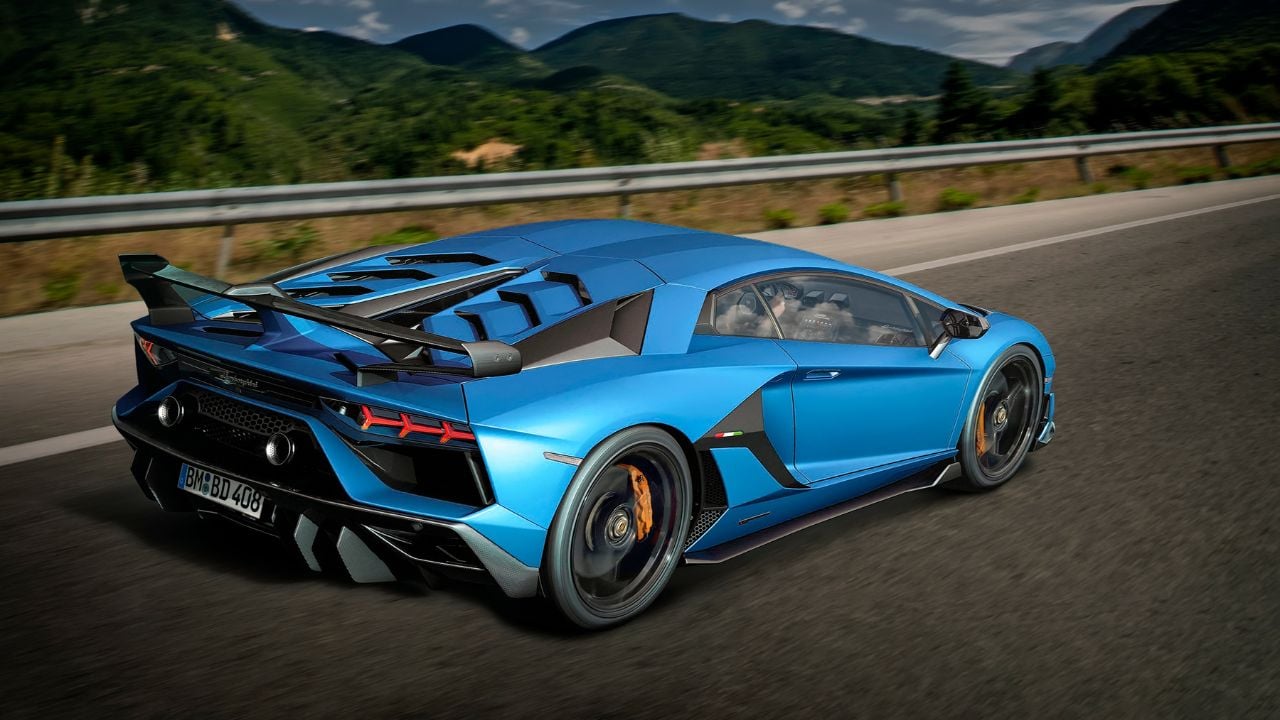
Lamborghini has been building naturally aspirated V12 monsters since the Miura, but the Aventador SVJ represented the final, most ferocious chapter of that tradition before the brand shifted to hybrid powertrains. SVJ stands for Super Veloce Jota, which translates roughly to “track-focused and very fast,” and the name delivers. With 759 horsepower, 531 pound-feet of torque, and a dry weight of just over 3,300 pounds, it was among the quickest Lamborghinis ever produced.
Produced between 2018 and 2021, Lamborghini built 900 coupes, 800 Roadsters, and 63 examples of the special SVJ 63 edition. When new, they were priced around $600,000. That was already an eye-watering sum, but the secondary market quickly decided it was not eye-watering enough. The arrival of the hybrid-powered Revuelto made buyers realize the SVJ was the last of a breed, and prices responded accordingly.
Today, the cleanest SVJ examples are trading around the $900,000 mark, with even high-mileage copies commanding $600,000 or more. And the appreciation story is not limited to just the SVJ: even base-model Aventadors that bottomed out around $170,000 at their lowest point have been recovering steadily. When a car becomes the final expression of a legendary powertrain, collectors pay attention.
The Ford GT Required a Job Application and Still Doubled in Price
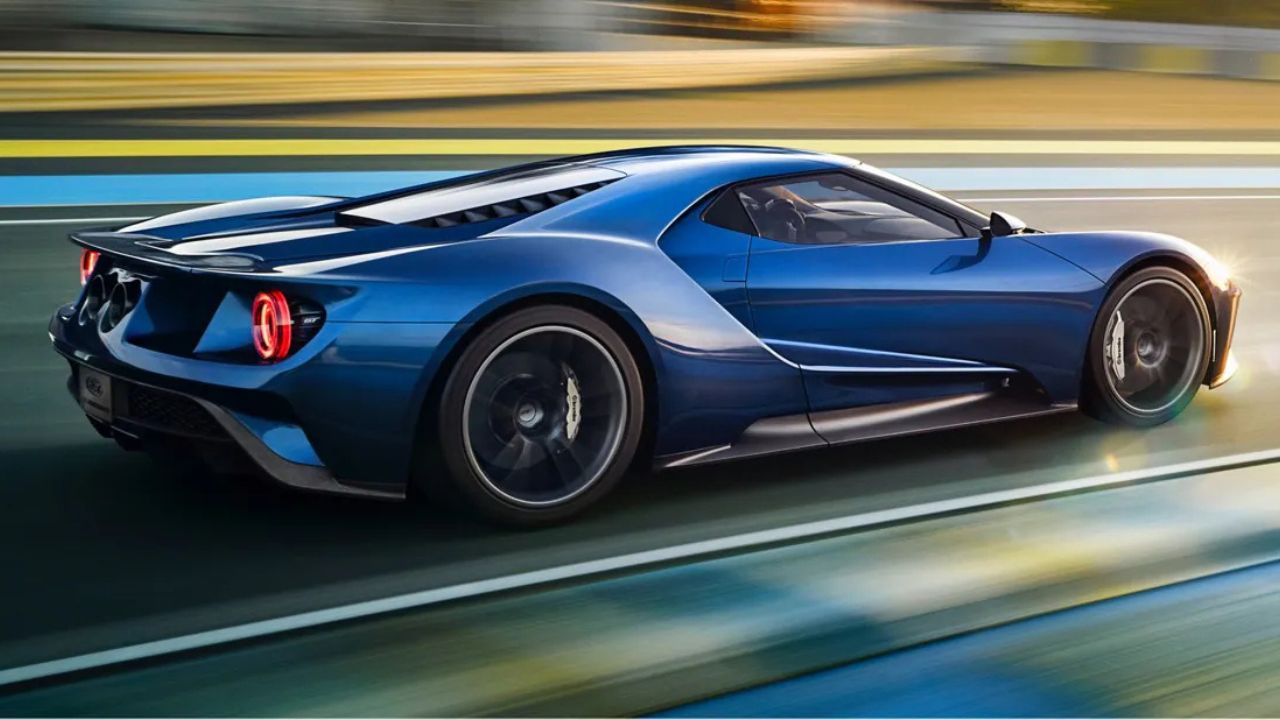
Ford was not messing around when they brought back the GT for the 2017 to 2022 model years. With a total production run of just 1,350 vehicles worldwide and a price tag approaching half a million dollars, Ford knew this car was going to be a collector magnet. So they took extraordinary steps to control what happened next. Buyers had to apply and be approved before they could even purchase one. And once approved, they had to sign a contract agreeing not to resell the car within 24 months of taking delivery.
Built on a carbon fiber chassis with aerodynamics borrowed from Le Mans prototype racing, the Ford GT is one of the most visually aggressive road cars of the modern era. Almost none of them have accumulated meaningful mileage: the vast majority of examples that have come to auction in recent years show under 1,000 miles on the clock. Because nearly every GT was built to identical specifications, price on the secondary market is almost entirely determined by exterior color and odometer reading.
The first Ford GT to cross an auction block after the mandatory holding period sold for $1.815 million. Prices settled into a more modest range of $800,000 to $1,000,000 through 2020, before the pandemic-driven collector car frenzy pushed values even further. Recent transactions have generally landed between $1,000,000 and $1,500,000, making it one of the most dramatic appreciation stories on this list. So don’t crash it!
Most cars are tools, and treating them like investments is a reliable way to lose money. But these four machines represent what happens when rarity, timing, and genuine automotive significance all converge at once. The CTS-V Wagon proves it can happen even at a price regular people could once afford. The other three prove that if you had the right connections and enough capital, some very interesting phone calls were being made in the 2010s and early 2020s that could have changed your financial future.