The 1970s get a bad rap when it comes to performance cars. Sure, emissions regulations and the oil embargo did a number on the industry as the decade wore on; but let’s not sleep on what the early part of that era was pumping out.
Before the fuel crisis hit hard, American automakers were in an all-out horsepower war, strapping massive V8s into two-door coupes and daring each other to go bigger. These were the golden years of the muscle car, when raw straight-line speed was the whole point and subtlety was not on the menu.
If you ever wanted to know which machines from that era were truly the stuff of legend, buckle up, this list is for you.
1970 Chevrolet Chevelle SS 454 LS6

If there’s one car that defines the peak of the muscle car era, a lot of enthusiasts would point right here.
The Chevelle SS 454 equipped with the LS6 option produced 450 horsepower and 500 lb-ft of torque from the factory, making it one of the most powerful production cars of its time. The 454 cubic inch big-block V8 was an absolute monster, and Chevy wasn’t shy about what they were doing, this was a drag strip weapon wrapped in a street-legal body. Period testing varied by publication and setup, with Motor Trend and others reporting quarter mile results generally in the 13 second range for the LS6.
The LS6 Chevelle is still considered one of the greatest muscle cars ever built, full stop.
1970 Plymouth Hemi ‘Cuda
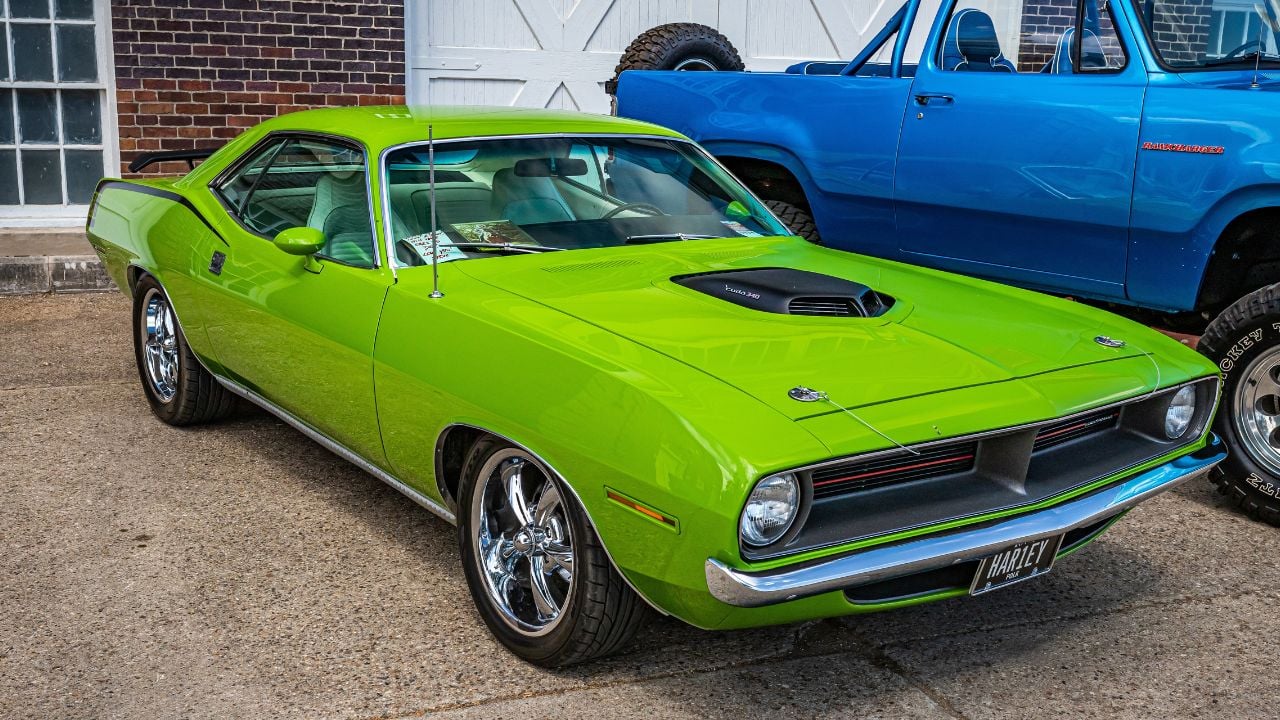
Plymouth’s ‘Cuda was already a serious performance car, but drop the 426 Hemi under the hood and things got very interesting very fast.
The Hemi produced 425 horsepower, though most people who’ve driven one will tell you that number felt conservative, Chrysler had a habit of keeping their engine ratings modest in that era. The iconic shaker hood scoop sat right on top of the engine, visually hinting at everything that lurked beneath. ‘Cudas with the Hemi are some of the most sought-after collector cars on the planet today, and the prices they command at auction say everything about their reputation.
This one aged exceptionally well.
1970 Dodge Challenger R/T 426 Hemi
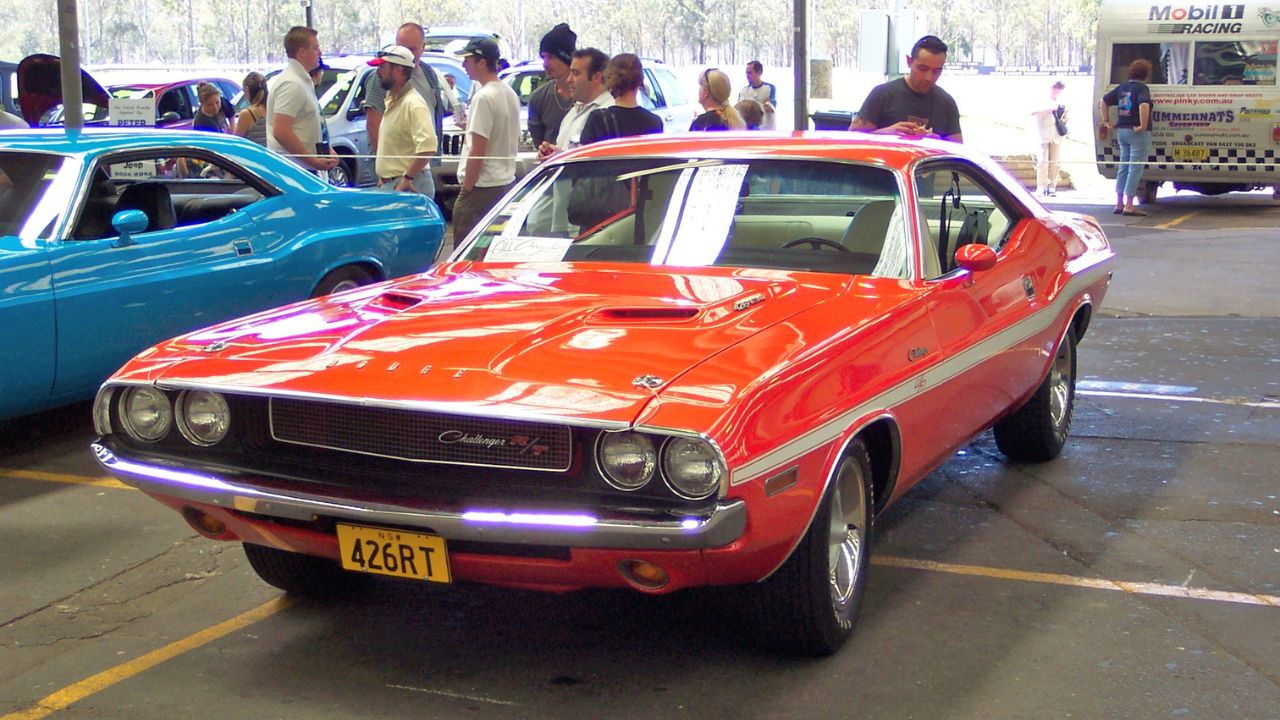
Dodge launched the Challenger for the 1970 model year, and they wasted zero time making a statement.
The R/T package with the 426 Hemi delivered that same 425 horsepower punch as its Plymouth sibling, and the Challenger’s wider body gave it a presence on the road that was hard to ignore. It’s one of the most visually striking cars of the entire muscle car era, wide stance, long hood, available in wild colors that the marketing team decided were perfectly normal. The Challenger Hemi R/T became an instant icon and has only grown more legendary with time.
Finding a real one today requires either very deep pockets or an extremely lucky barn discovery.
1970 Ford Torino Cobra 429 Super Cobra Jet
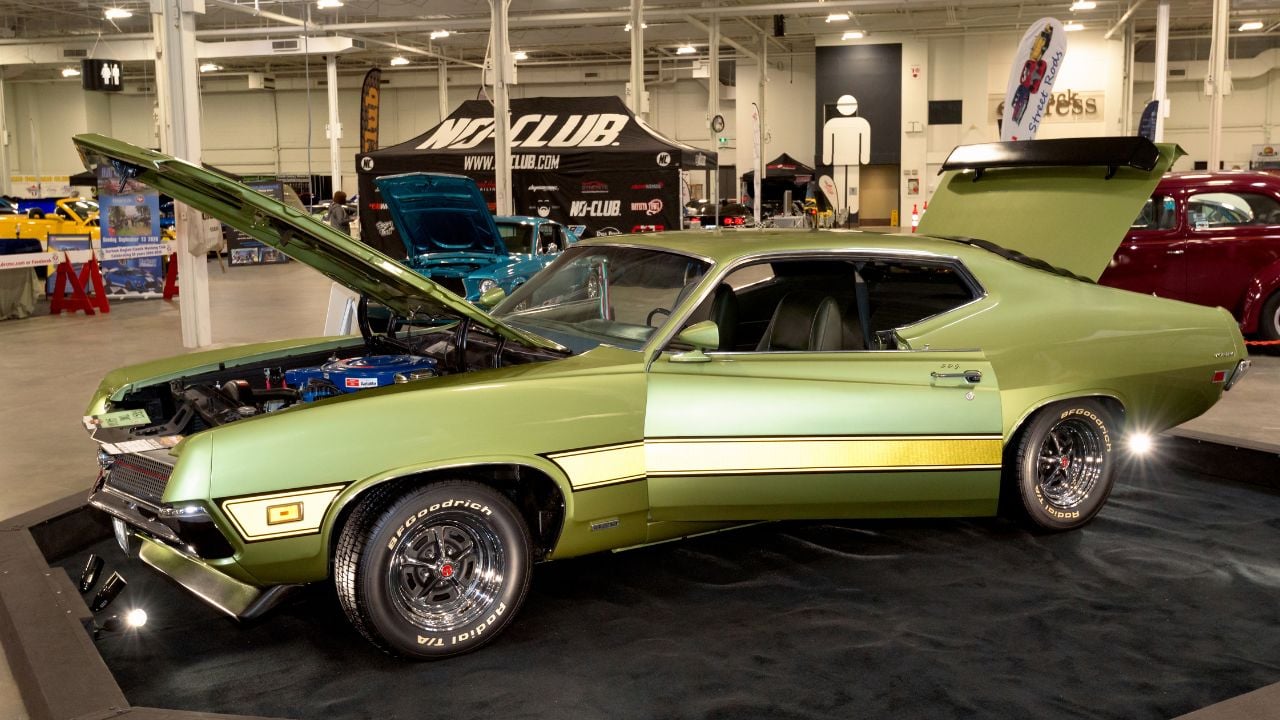
Ford’s answer to the big-block wars was the 429 Super Cobra Jet, and the Torino Cobra was one of the best ways to get it.
Rated at 375 horsepower, the 429 Super Cobra Jet was part of Ford’s Drag Pack, which required 3.91:1 or 4.30:1 rear gears and added hardware like an engine oil cooler. The Torino Cobra had the kind of stripped-down, no-nonsense attitude that resonated with people who actually went to the drag strip on weekends. It wasn’t the flashiest car on this list, but it was seriously quick, and in muscle car circles that’s what mattered most.
Ford fans from this era still talk about the 429 SCJ with a reverence that’s completely earned.
1971 Dodge Charger R/T 426 Hemi
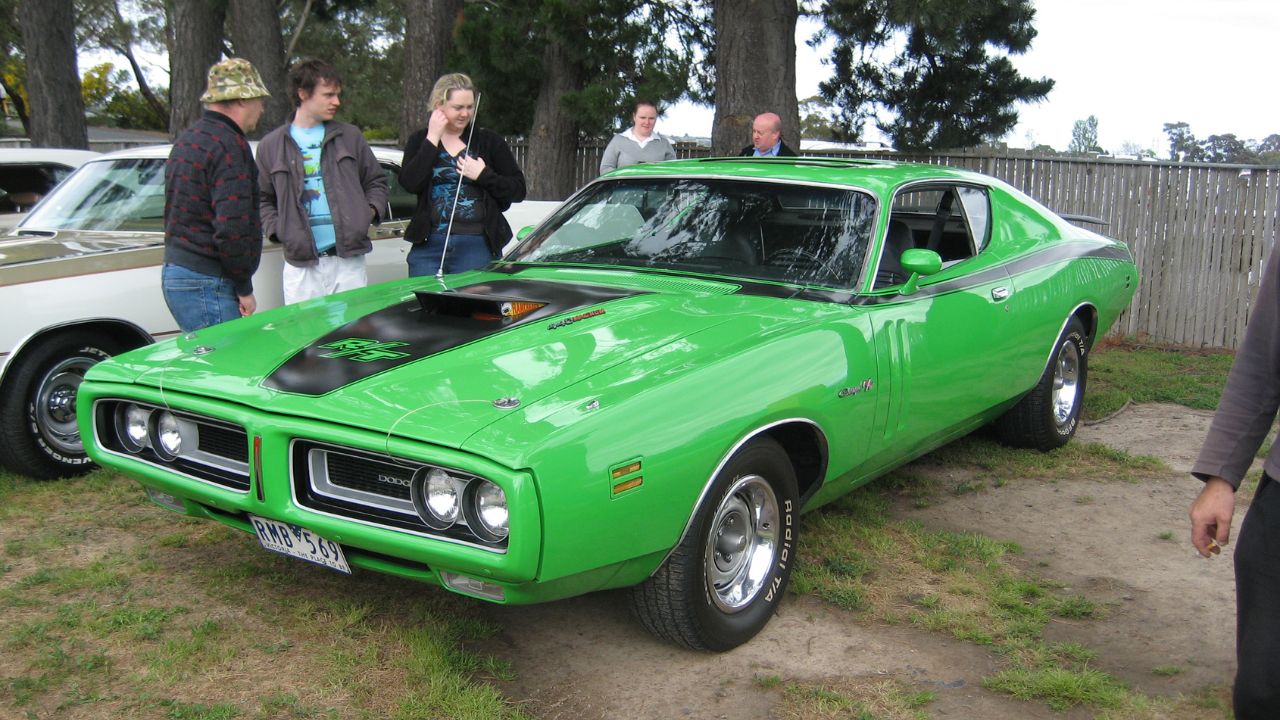
The third-generation Charger is one of the most recognizable shapes in American automotive history, and the R/T Hemi was its most powerful expression.
By 1971, the Charger’s styling had matured into something genuinely beautiful, those loop bumpers and sweeping lines aged far better than a lot of its contemporaries. The 426 Hemi continued to produce 425 horsepower, because when something works that well, you don’t mess with it. This would be among the last years buyers could get the legendary Hemi in production form before emissions and insurance costs effectively ended that chapter.
Getting one of these before the window closed was, in retrospect, one of the better automotive decisions a person could have made.
1970 Buick GSX Stage 1
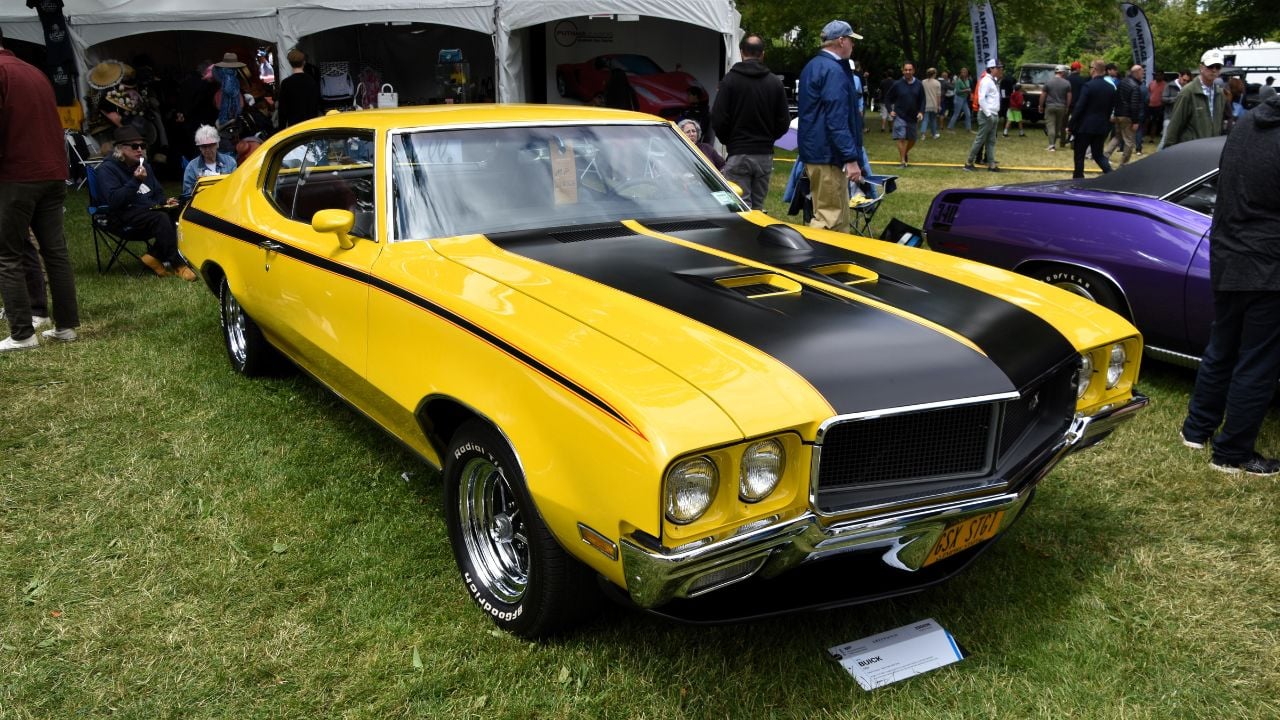
Here’s one that doesn’t always get the credit it deserves.
The Buick GSX Stage 1 was a sleeper in the best possible sense, it looked like a well-dressed gentleman’s coupe, and then it would absolutely embarrass cars that looked far more aggressive. The 455 cubic inch engine with the Stage 1 package was conservatively rated at 360 horsepower and produced a massive 510 lb-ft of torque that made it brutally effective off the line. Buick didn’t need to scream about what it had built; the GSX Stage 1 let the timeslips do the talking, Motor Trend named it the quickest American production car they had ever tested after a 13.38-second quarter mile pass.
It’s one of those cars that enthusiasts who know their history will immediately respect, and everyone else will quickly learn to respect once they see what it can do.
1970 Oldsmobile 442 W-30

Oldsmobile had been building serious performance cars throughout the 1960s, and the 1970 442 W-30 was the pinnacle of that effort.
The 455 cubic inch engine with the W-30 package produced 370 horsepower along with a tremendous 500 lb-ft of torque, backed by a cold-air induction system fed through a functional fiberglass hood. The 442 name had been around since 1964, and Oldsmobile had refined the formula to near perfection by this point. What made the W-30 special was how composed and complete it felt as a package, not just a big engine dropped into an unwilling chassis, but a thoughtfully put-together performance car.
Finding one today is a genuine treat for any muscle car fan.
1971 Plymouth Road Runner 440+6

The Road Runner was always about delivering maximum performance for a reasonable price, and the 440 Six Barrel configuration, that’s three two barrel carburetors on a 440 cubic inch engine, took things to another level
This setup produced 385 horsepower and delivered power in a way that felt almost relentless once the throttle was buried. Plymouth kept the Road Runner relatively affordable and focused on performance rather than luxury, which meant you got a lot of car for the money. The cartoon Road Runner branding gave it a playful identity, but nobody who lined up against one at a stoplight was laughing very long.
By 1971, the writing was on the wall for this level of performance, which makes surviving examples feel especially significant.
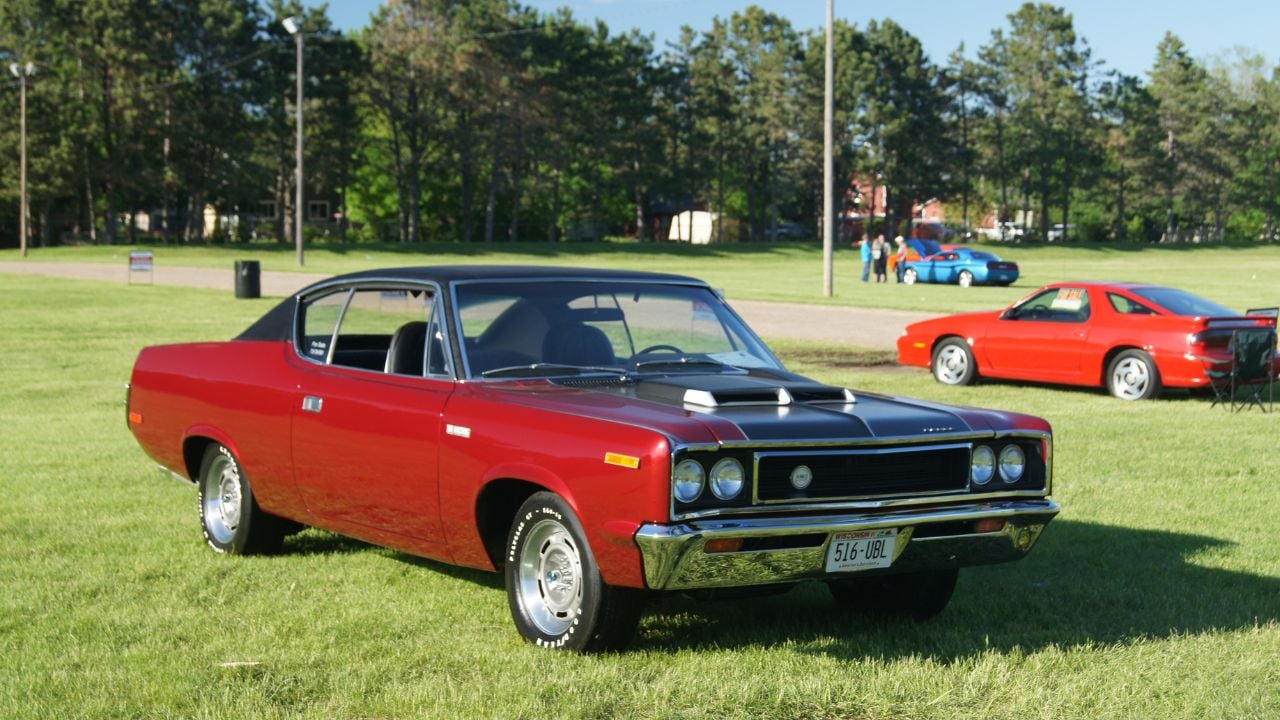
1970 AMC Rebel Machine
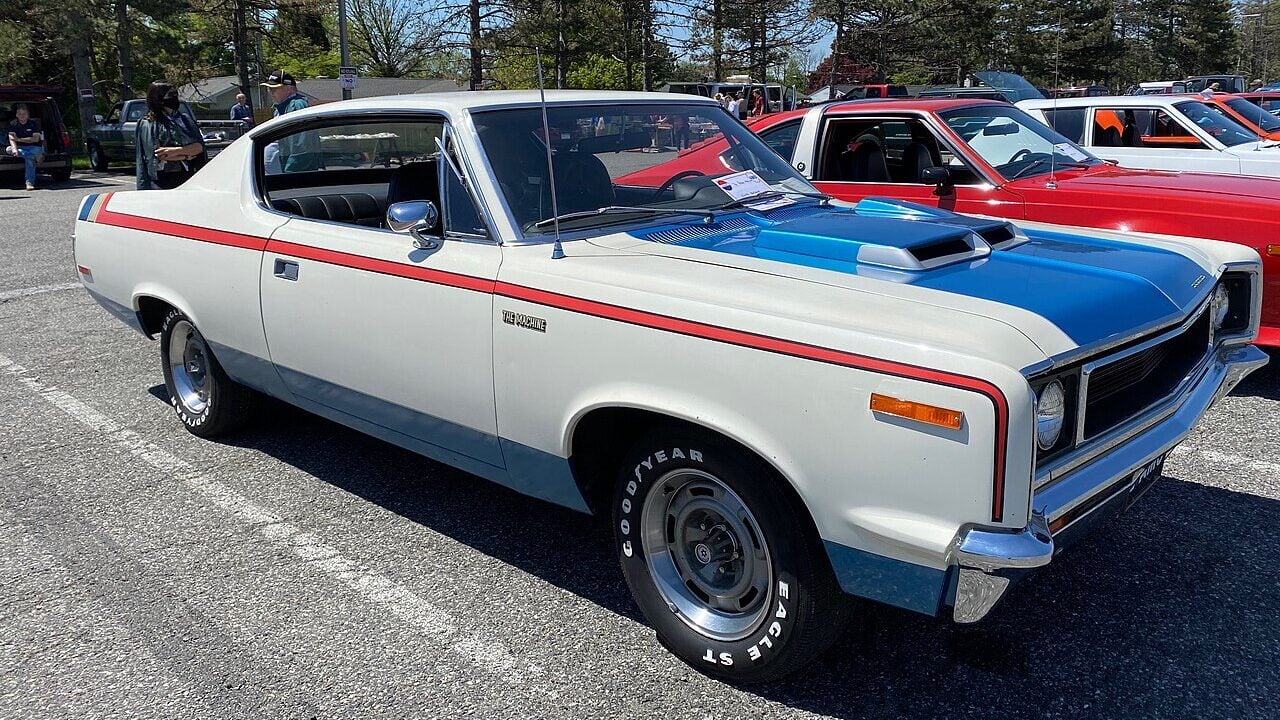
American Motors Corporation doesn’t always get mentioned in the same breath as the Big Three, but the Rebel Machine deserves a spot on any serious list.
AMC stuffed a 390 cubic inch V8 producing 340 horsepower into the Rebel and gave it an unmistakable red, white, and blue paint scheme for the launch, subtle, it was not. What AMC lacked in resources compared to GM, Ford, and Chrysler, they made up for in attitude, and the Machine embodied that scrappy spirit completely. It was a one-year-only model with just 2,326 units produced, which only adds to its appeal as a collector car today.
AMC’s muscle car chapter is short but genuinely interesting, and the Rebel Machine is one of the best reasons to pay attention to it.
1970 Ford Mustang Boss 429
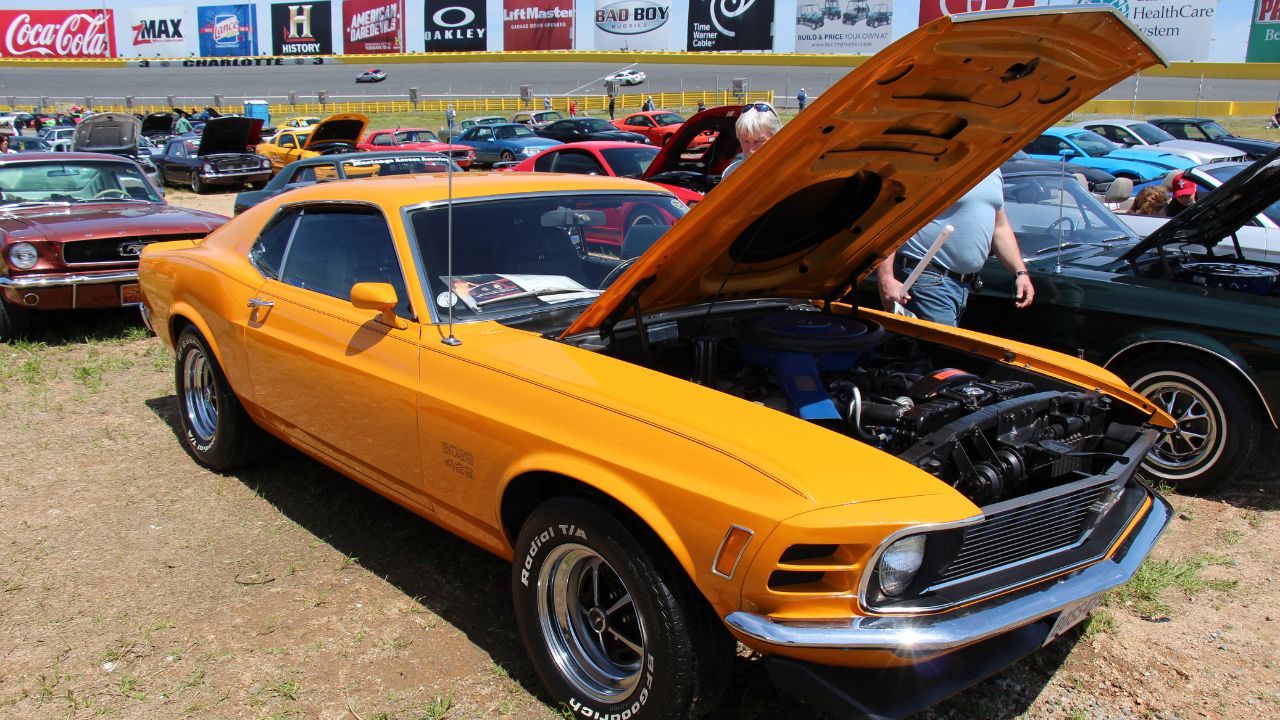
The Boss 429 is a unique case, the Mustang is typically classified as a pony car rather than a traditional muscle car, but the 429 cubic inch engine originally developed for NASCAR homologation made this particular version something altogether different.
Ford had to modify the engine bay and front structure just to fit the massive semi-hemispherical V8, which was rated at 375 horsepower. The engineering effort involved sending Mustangs to Kar Kraft in Brighton, Michigan to have the engine properly fitted, this wasn’t something that could be done on a standard assembly line.
The Boss 429 is widely regarded as one of the most mechanically interesting Mustangs ever produced, representing a fascinating intersection of racing development and road car engineering. It earned its reputation the hard way.
1970 Pontiac GTO Judge Ram Air IV

The GTO is often credited as the car that started the muscle car era, and the 1970 Judge with the Ram Air IV was Pontiac going all-in on everything they’d learned.
The 400 cubic inch Ram Air IV produced 370 horsepower, and more importantly, it breathed exceptionally well at high rpm, giving the engine a character that felt genuinely sporty rather than just brute force. The Judge trim added visual flair through bold multi-colored graphics and a rear spoiler that made the GTO’s already strong styling even more expressive. Pontiac was at the height of its performance reputation in 1970, and the Ram Air IV Judge captured that moment perfectly.
It’s a car that makes you appreciate what Pontiac was capable of before the performance era wound down.
1970 Chevrolet Camaro Z/28
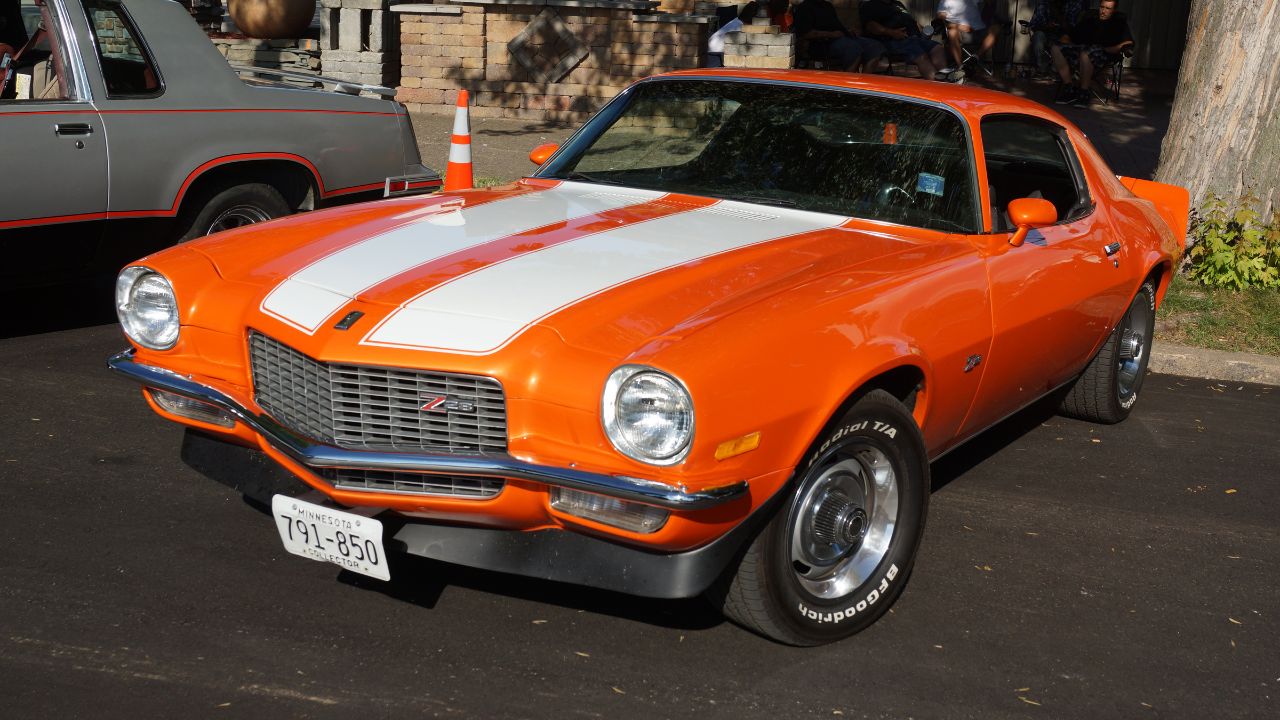
The second-generation Camaro arrived for 1970 and immediately looked like the future.
The Z/28 package brought a 360 horsepower 350 cubic inch small-block V8, not the biggest displacement on this list, but refined, high-revving, and purpose-built for performance in a way that made it feel special to drive. Where some cars on this list were about straight-line bragging rights, the Z/28 had real handling credentials to go with its power, carrying forward the road-race flavored Z/28 formula.
The 1970 Camaro Z/28 remains one of the most beloved American performance cars ever made, and its combination of looks, performance, and driving feel explains exactly why.
A Golden Era Worth Remembering
Looking back at this era, it’s hard not to appreciate just how concentrated this explosion of performance really was. Within a few short years, American automakers went from building capable performance cars to producing some of the fastest production vehicles the world had ever seen, and then regulations, insurance costs, and fuel prices brought it to a fairly abrupt end. The cars on this list represent the high-water mark of something genuinely special, a moment when horsepower was the primary objective and engineers were given permission to chase it without too many restrictions.
These weren’t perfect cars by modern standards, but they were exactly what they were supposed to be: fast, loud, and built to make an impression. That’s a legacy that hasn’t faded one bit in the decades since.