There was a time when 1,000 hp sounded like the far edge of road-car performance. It belonged to race prototypes, fantasy posters, heavily modified builds, and machines that felt nowhere near normal production-car territory.
That line has moved. The modern hypercar world now has factory-backed cars rated at 1,500 hp, 1,600 PS, 1,900 hp, 2,000 hp, and beyond. Electric motors, hybrid systems, extreme combustion engines, advanced batteries, active aerodynamics, and carbon-fiber construction have pushed the numbers into territory that once sounded impossible.
The important detail is that these cars do not reach those figures in the same way. Some use quad-motor electric drivetrains. Others use twin-turbo V8s, a quad-turbo W16, a naturally aspirated hybrid V16, or hybrid systems that combine electric response with combustion-engine drama.
Every car here has a factory-backed output rating of at least roughly 1,500 hp, PS, or bhp, including models that reach that mark on E85 or ethanol where the manufacturer specifies it. Concepts, tuner builds, unverified prototypes, drag cars, and internet-famous vaporware were left out.
Where the 1,500 HP Line Becomes Serious
This list focuses on production cars and confirmed limited-production factory models with published manufacturer specifications. Track-only specials were avoided unless the car had a clear customer-production path and official factory figures.
The threshold needs one important caveat. Some cars cross the 1,500 hp line only on a specific fuel, such as E85 or ethanol. Others use PS or bhp rather than U.S. mechanical horsepower. The article keeps those details visible instead of pretending every number comes from the same test condition.
Power is only the entry point. Each model also needed a clear reason to matter beyond the number: a major powertrain idea, a production milestone, a record-setting claim, a rare engine layout, or a design approach that changed how modern hypercars are discussed.
That is why the final mix includes electric, hybrid, and combustion-powered cars. A 1,500 hp hypercar can be a four-seat grand tourer, a battery-electric record hunter, an open-top W16 farewell, a rear-drive V8 top-speed machine, or a hybrid flagship built around a new V16.
Koenigsegg Gemera HV8: 2,300 HP
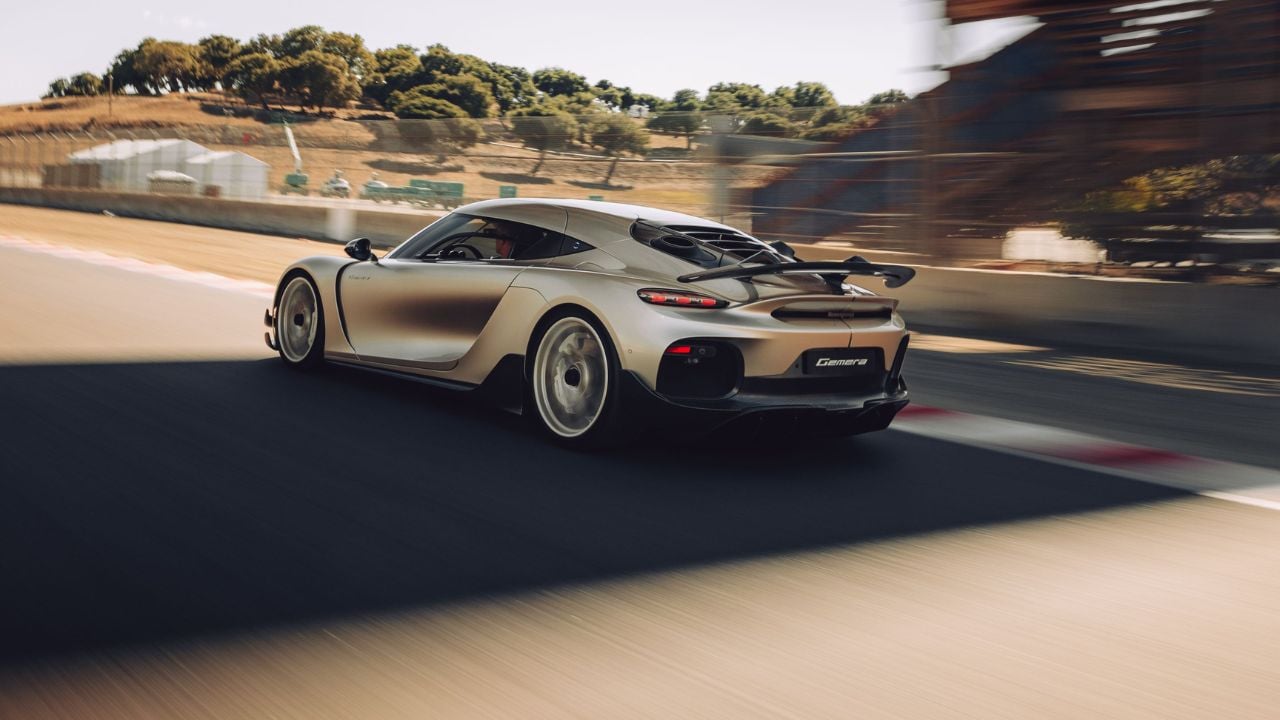
The Koenigsegg Gemera HV8 is the strangest car here because it puts megacar output into a four-seat layout. Koenigsegg lists the Gemera HV8 with a combined 2,300 hp and 2,750 Nm of torque from its Hot V8 and Dark Matter electric motor.
The layout makes the figure more surprising. This is not a two-seat track special with no luggage space and a cabin built only around lap times. The Gemera has four seats, four-wheel drive, and four-wheel torque vectoring, which gives it a very different mission from a traditional mid-engine hypercar.
Koenigsegg also gives the Gemera a 9-speed Light Speed Tourbillon Transmission, a multi-clutch gearbox developed from the company’s Light Speed Transmission idea. The result is not just a giant power number. It is a car trying to combine family-car packaging, hybrid performance, and hypercar-level drivetrain engineering.
The Gemera HV8 belongs at the top because it changes the usual shape of this category. It turns 2,300 hp into something with rear seats, a usable cabin, and a grand-touring brief, which makes the number feel even more absurd.
Rimac Nevera R: 2,107 HP
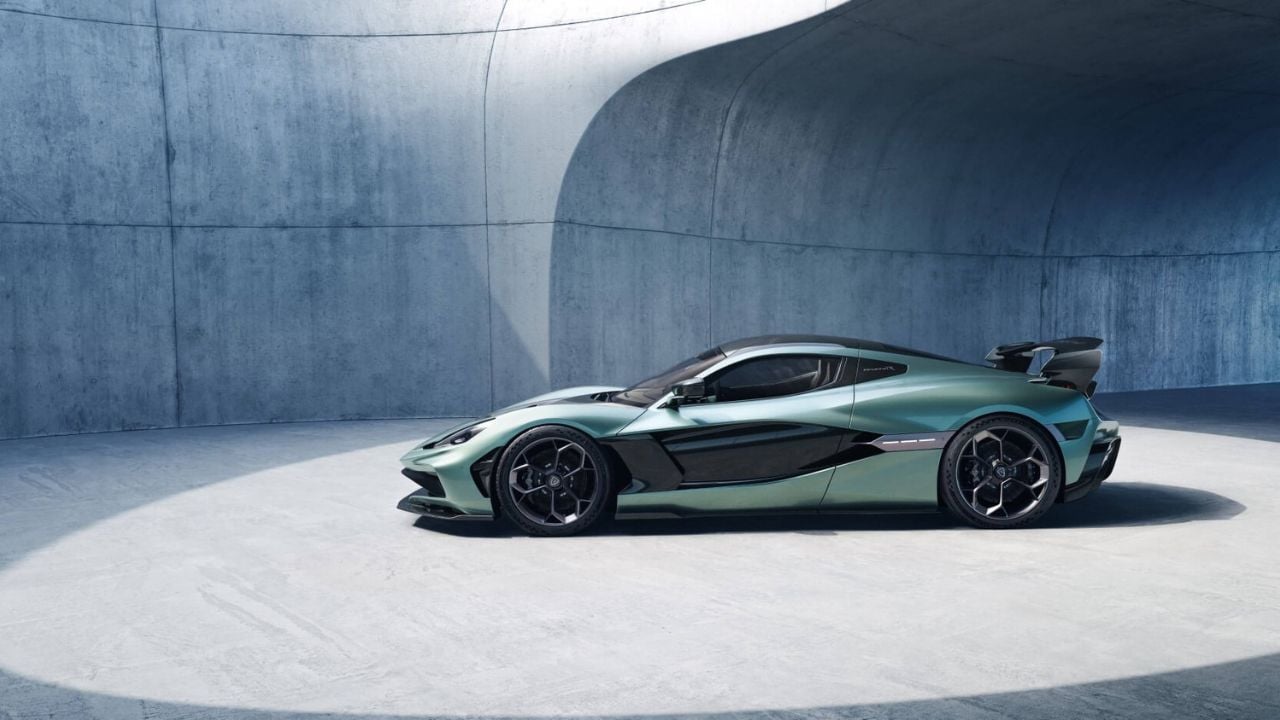
The Rimac Nevera R shows how brutally effective electric power has become in the hypercar world. Rimac lists the Nevera R at 2,107 hp, with 0 to 60 mph in 1.66 seconds, 0 to 300 km/h in 7.89 seconds, and a 430 km/h top speed with manufacturer oversight.
The headline figure comes from a quad-motor electric layout, but the real story is control. The Nevera R can adjust torque at each wheel, manage huge battery output, and use software to turn massive electric power into repeatable acceleration.
The R version sharpens the standard Nevera’s formula with more power, a stronger aero package, and a more focused setup. Rimac also says the car uses a next-generation 108-kWh battery pack, which shows how much of the car’s performance depends on energy management as well as motor output.
This is not a novelty EV with a big number attached. It is a production-intent electric hypercar built around traction, battery cooling, motor control, and extreme acceleration from a standstill to speeds that used to belong almost entirely to combustion-engine top-speed cars.
Lotus Evija: 2,011 BHP
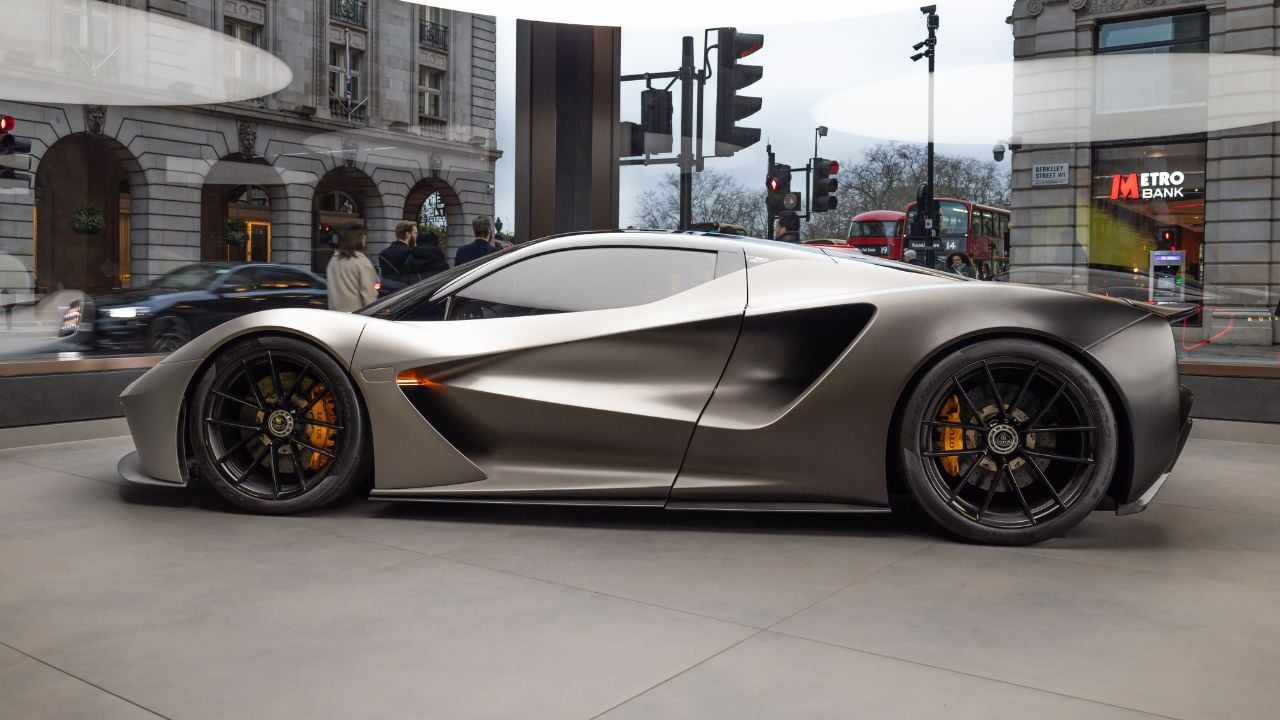
The Lotus Evija carries a brand famous for lightweight sports cars into the extreme electric era. Lotus says production is limited to 130 examples and lists the Evija at 2,011 bhp, making it the most powerful series-production car in the company’s history.
That number lands differently on a Lotus badge. The company built its reputation around lightness, steering feel, balance, and delicate control, not giant power outputs. The Evija takes that heritage into a world of four-figure electric performance and active airflow management.
The car’s design focuses heavily on air movement. Its bodywork uses dramatic venturi tunnels through the rear quarters, giving the Evija a shape that looks less like a normal sports car and more like a body wrapped around airflow paths.
The Evija is important because it does not simply chase horsepower under an unfamiliar badge. It shows Lotus trying to translate its old obsession with weight, response, and road feel into a battery-electric hypercar with more than 2,000 bhp.
Automobili Pininfarina Battista: 1,900 HP
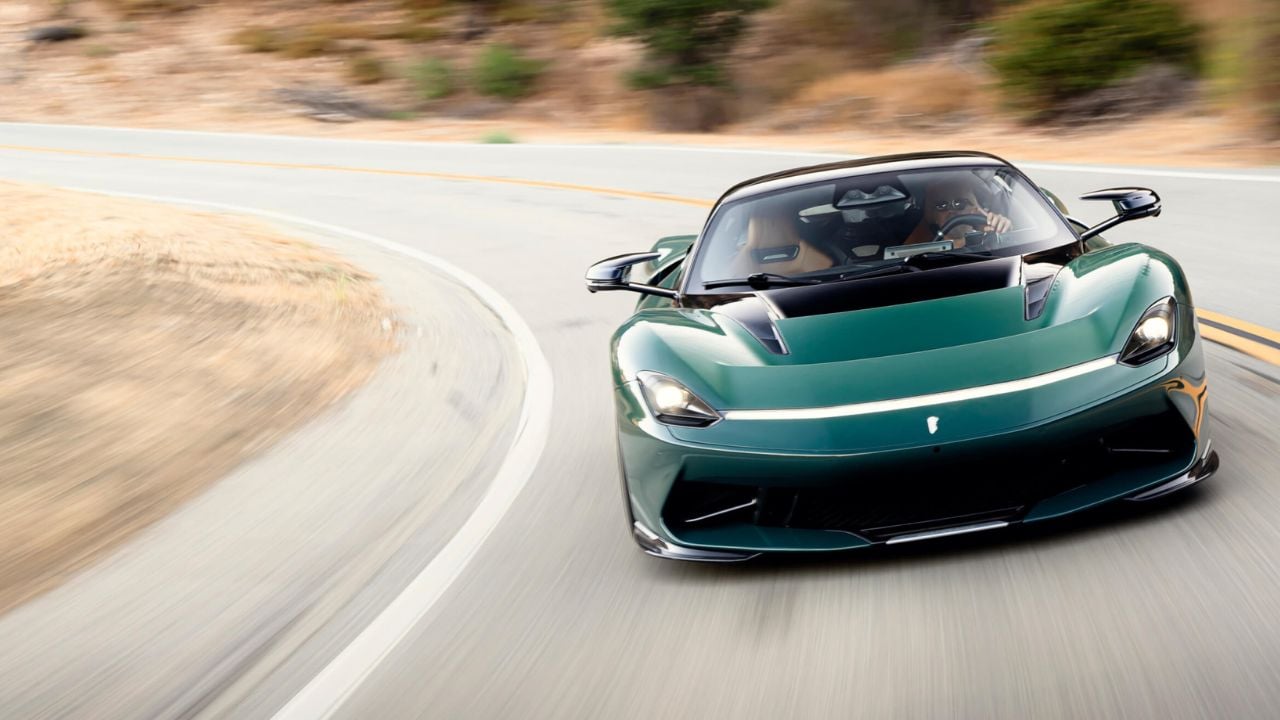
The Automobili Pininfarina Battista takes the electric hypercar formula in a more elegant direction. Automobili Pininfarina lists the Battista at 1,900 hp, with a 350 km/h top speed and a 0 to 100 km/h time of 1.86 seconds.
The Battista shares the broad electric-hypercar moment with cars like the Rimac Nevera, but its character is shaped heavily by design. Pininfarina’s name carries decades of Italian coachbuilding history, and the Battista leans into smooth surfacing, balanced proportions, and a more luxurious visual tone.
Its performance is still extreme. A 1.86-second 0 to 100 km/h time puts it deep into territory where traction, tire load, battery output, and motor calibration matter as much as the raw power figure.
The Battista earns its place because it proves the 1,500 hp class does not have to look like a laboratory exercise. It combines four-motor electric performance with the kind of body design people expect from a Pininfarina-badged car.
Hennessey Venom F5: 1,817 HP
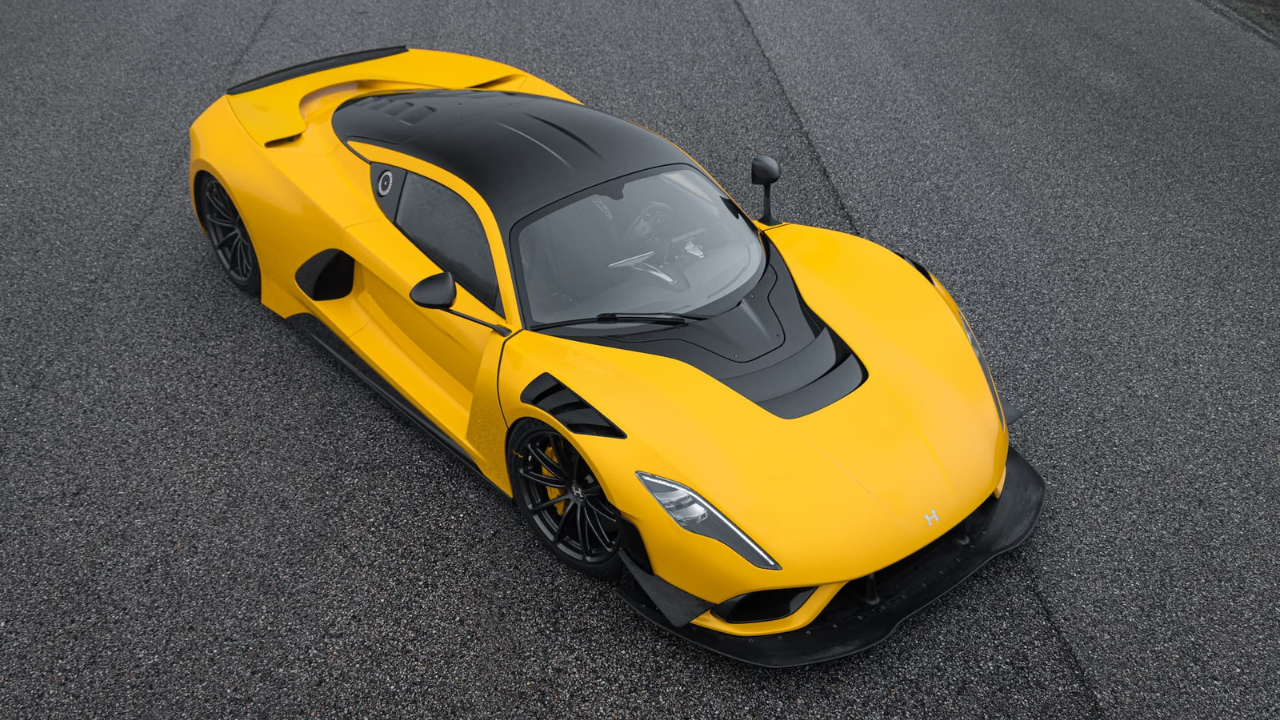
The Hennessey Venom F5 reaches the 1,500 hp club without electric assistance. Hennessey lists the Venom F5 with a rear-mid-mounted 6.6-liter twin-turbocharged V8 producing 1,817 hp at 8,000 rpm and 1,193 lb-ft of torque at 5,000 rpm.
That gives the F5 a very different personality from the electric cars above it. The power comes from a combustion engine, boost pressure, a carbon-fiber structure, and a rear-wheel-drive layout rather than a battery-electric torque-vectoring system.
The car is built around top-speed intent. Its name references the strongest category on the Fujita tornado scale, and the specification follows that theme with a low-slung body, huge output, and a drivetrain designed to send all of that power through the rear tires.
The Venom F5 works in this article because it keeps the old hypercar idea alive at an extreme level. It is a carbon-fiber, combustion-powered speed machine from a small American manufacturer, not a silent electric record platform or a hybrid luxury flagship.
Bugatti Tourbillon: 1,800 HP

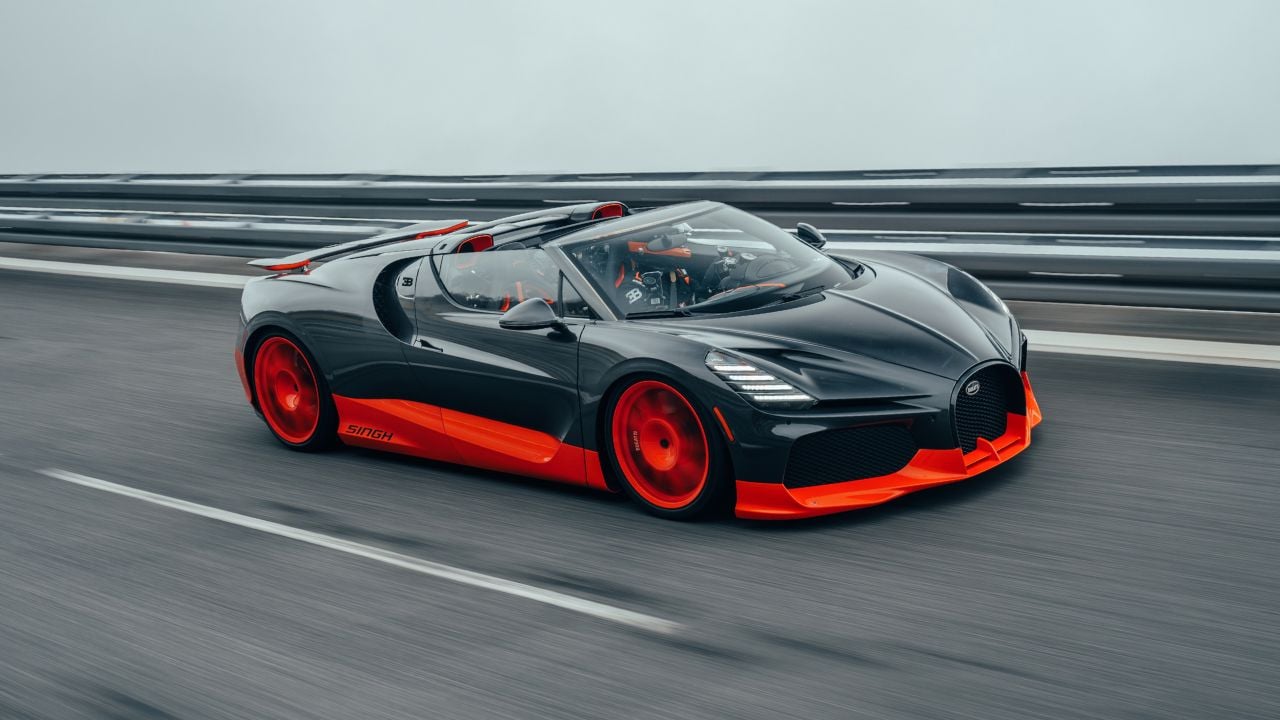
The Bugatti Tourbillon replaces the W16 era with a very different kind of flagship. Bugatti lists the Tourbillon at 1,800 hp, with a 380 km/h limited maximum speed and a 445 km/h maximum speed when the Speed Key is used.
The powertrain is the main story. Instead of continuing with the quad-turbo W16 or moving to a fully electric layout, Bugatti created a naturally aspirated 8.3-liter V16 supported by three electric motors.
Bugatti says the V16 alone produces 1,000 hp at 9,000 rpm, while the electric motors add another 800 hp. That setup gives the Tourbillon a different identity from the Chiron and W16 Mistral: higher revs, hybrid response, and a new mechanical centerpiece instead of turbocharged W16 force.
The cabin also moves away from the digital-screen race that has shaped many modern interiors. The Tourbillon uses an intricate mechanical instrument cluster, reinforcing the idea that Bugatti wants this car to feel like a mechanical object as much as a speed machine.
SSC Tuatara: 1,750 HP on Ethanol

The SSC Tuatara is one of the most focused American entries in this group. SSC lists the Tuatara at 1,350 hp on 91-octane fuel and 1,750 hp on ethanol, with a carbon-fiber monocoque, mid-engine layout, and 7-speed robotized manual transmission.
The fuel caveat is important. On ordinary 91-octane fuel, the Tuatara does not meet the 1,500 hp threshold used for this article. On ethanol, according to SSC’s own specification, it clears the line by a wide margin.
The Tuatara was designed around low drag, huge power, and top-speed ambition. Its narrow cabin, low body, and long tail all fit a car built to reduce resistance at very high speed rather than chase luxury-car comfort.
SSC’s top-speed story has attracted scrutiny over the years, but the factory output rating still gives the Tuatara a place here. It is a carbon-fiber American hypercar using a twin-turbo V8 and ethanol-rated output to compete in a power class dominated by much larger brands.
Koenigsegg Jesko Absolut: 1,600 HP on E85

The Koenigsegg Jesko Absolut is the speed-focused version of the Jesko idea. Koenigsegg lists the Jesko Absolut at 1,280 hp on gasoline and 1,600 hp on E85, with a 9-speed Light Speed Transmission and a final drag coefficient of 0.278.
The Absolut’s bodywork is shaped around top-speed work rather than maximum track downforce. Koenigsegg removed the huge rear wing used on the Jesko Attack and gave the Absolut a cleaner long-tail profile to reduce drag.
The engine remains central to the car’s appeal. The twin-turbocharged V8 reaches 1,600 hp on E85 and uses a 180-degree crankshaft with an 8,500-rpm redline, giving it a more mechanical character than the electric cars on this list.
This is one of the clearest examples of the traditional hypercar pushed to its outer edge. It uses combustion power, lightweight construction, extreme aerodynamics, and a fast-shifting gearbox to chase speed rather than relying on electric torque alone.
Bugatti W16 Mistral: About 1,578 HP
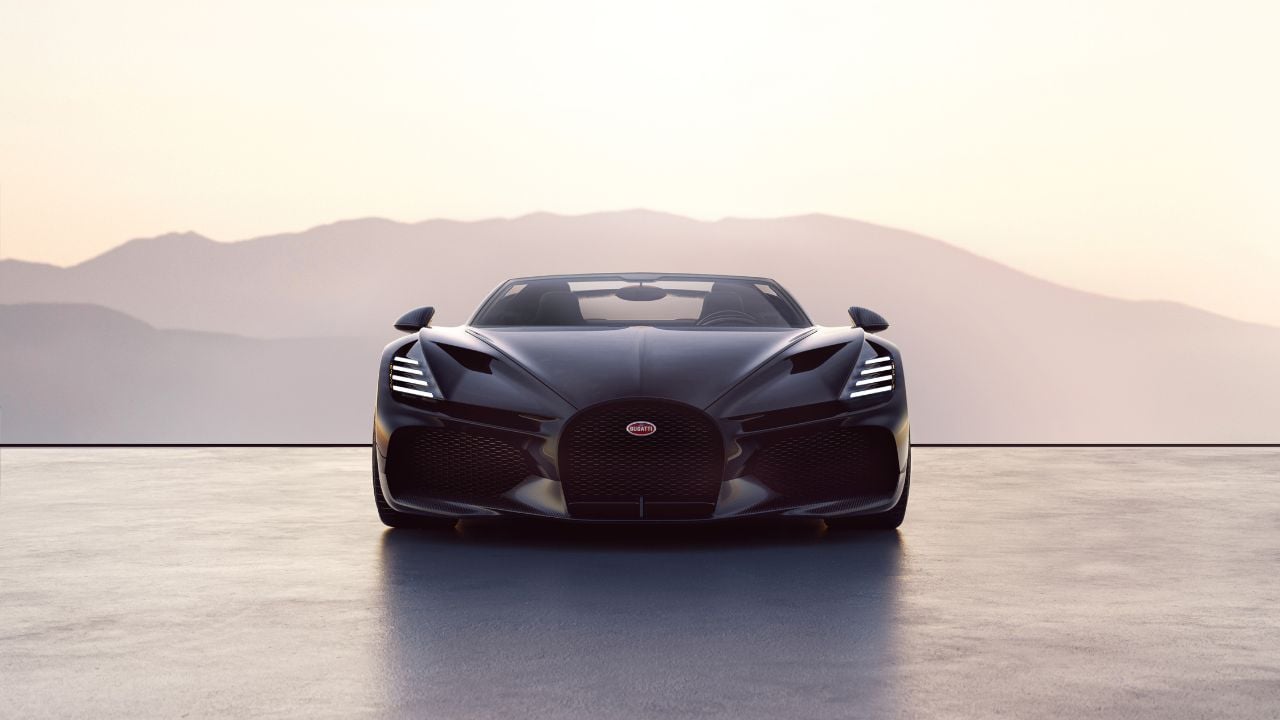
The Bugatti W16 Mistral earns its place because it carries Bugatti’s quad-turbo W16 into one final open-top road car. Bugatti lists the W16 Mistral at 1,600 PS, which equals about 1,578 hp, with 1,600 Nm of torque and a 7-speed DSG dual-clutch gearbox.
The Mistral is not here because it introduces a new kind of powertrain. It is here because it closes one of the most important engine chapters in modern performance. The same broad W16 family powered the Veyron, Chiron, Divo, Centodieci, Bolide, and other Bugatti-era statements.
The open-top body changes the experience compared with a closed-roof Chiron. The driver gets more sound, more wind, and more exposure to the engine’s presence, which suits a car built as a farewell to the W16 rather than a quiet technical reset.
Its roughly 1,578 hp figure also shows why PS and hp need to be handled carefully in articles like this. Bugatti’s 1,600 PS rating clears the 1,500-hp idea in real-world terms, but it is not exactly 1,600 mechanical horsepower.
Koenigsegg Regera: Over 1,500 HP on E85
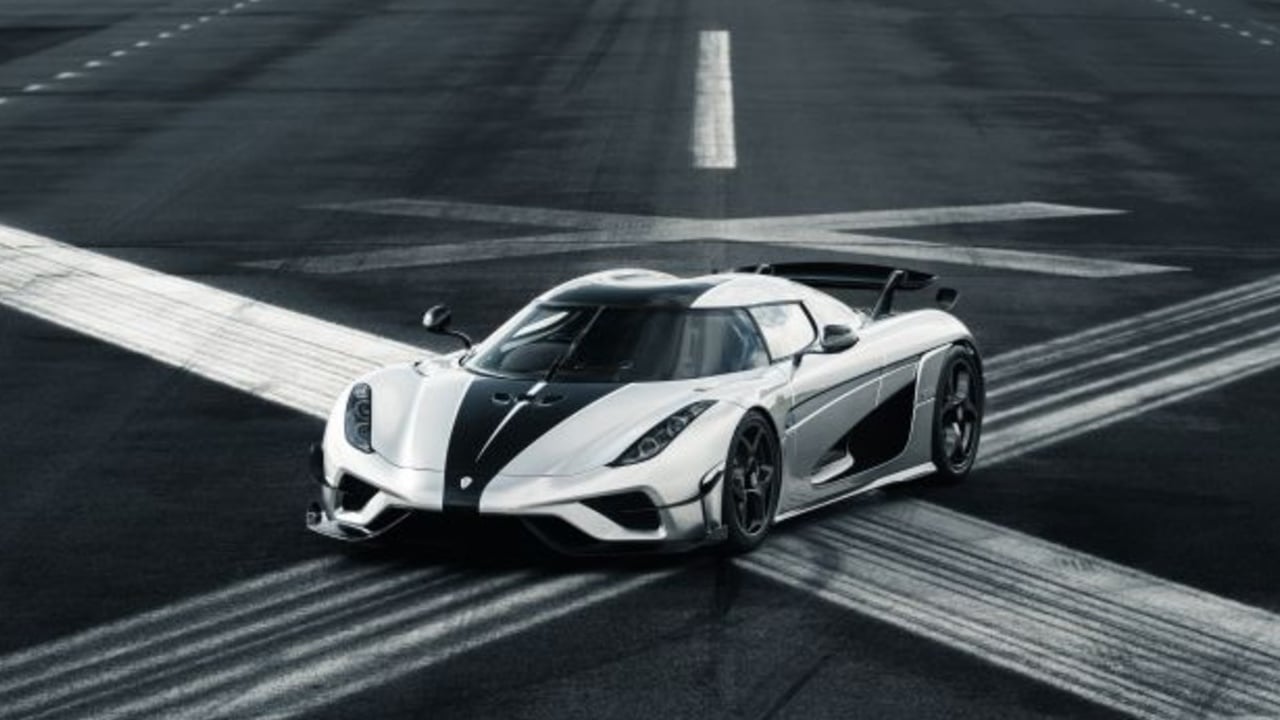
The Koenigsegg Regera helped define the modern hybrid megacar before the category became crowded. Koenigsegg lists the Regera at more than 1,500 hp on E85 and more than 2,000 Nm of torque from a twin-turbo 5.0-liter V8 and electric drive.
The Regera’s most unusual feature is its transmission concept. Instead of using a conventional multi-gear transmission, the car uses Koenigsegg Direct Drive, which connects the combustion engine and electric drive system in a very different way from a normal hybrid supercar.
That setup changes how the car delivers power. Electric assistance fills in response at low speed, while the V8 continues to pull as speed builds, reducing the need for traditional gear changes.
The Regera still feels advanced because it was never just a high-output hybrid with a big number attached. It used electric drive, combustion power, and an unconventional driveline to create a smoother, more direct kind of acceleration.
Where Extreme Horsepower Goes From Here

The 1,500 hp class is no longer built around one kind of machine. Rimac, Lotus, and Automobili Pininfarina use electric motors and battery output to create acceleration that would have looked impossible in a road car not long ago.
Koenigsegg keeps attacking the problem from different directions: a four-seat HV8 Gemera, an E85-fueled Jesko Absolut, and the Direct Drive hybrid Regera. Bugatti uses the W16 Mistral to close one era and the Tourbillon’s naturally aspirated hybrid V16 to open another.
Hennessey and SSC keep the American combustion hypercar alive with carbon-fiber bodies, twin-turbo V8s, top-speed intent, and factory output figures above 1,700 hp. Their cars show that the internal-combustion route has not disappeared from the highest end of performance.
The bigger story is not only the number. A 1,500 hp hypercar can now be electric, hybrid, open-top, four-seat, luxury-focused, top-speed-focused, or built around a traditional engine pushed close to its outer limit. The power race has become more varied, and that variety is what makes this era so wild.