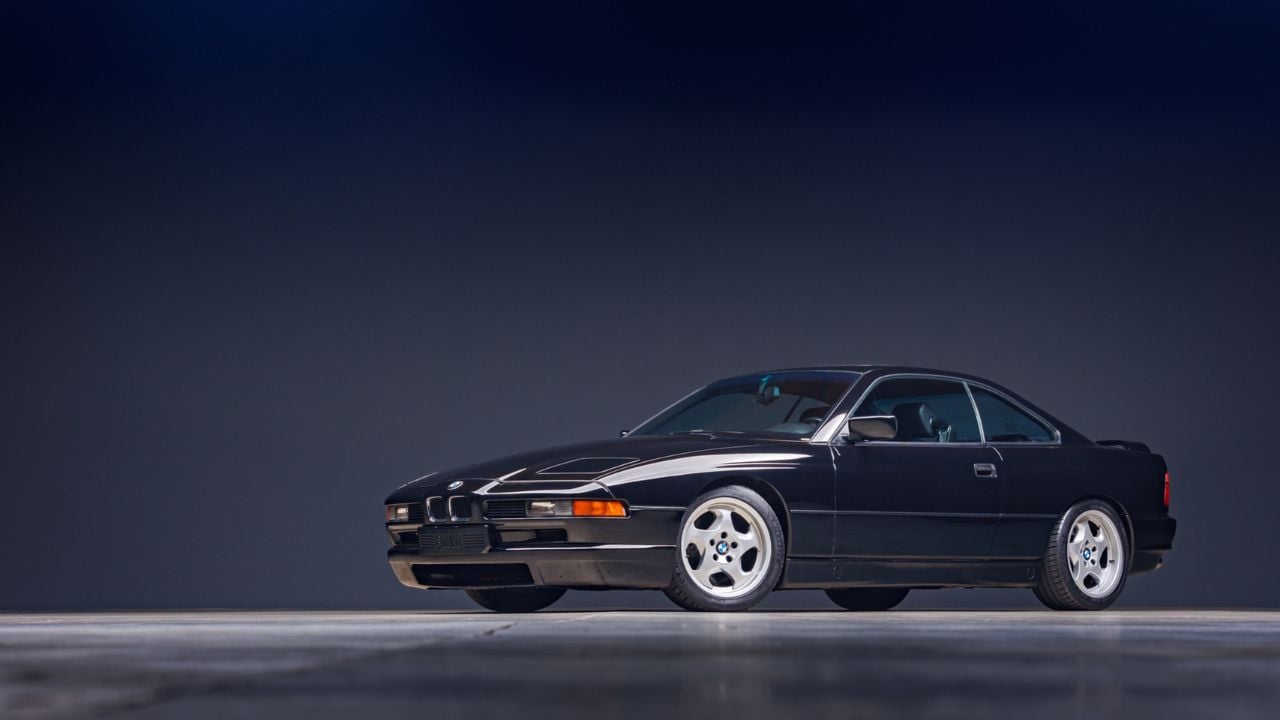
This list is not about the most famous European cars of the 1990s. It is about the ones that reveal more character, imagination, and engineering depth the longer you spend with them.
I favored models that offered a distinctive idea for their time, whether that meant unusual drivetrains, quietly brave design, rare performance formulas, or a shape the market never fully appreciated. Some were ignored because they looked too sensible, while others were dismissed because they came from companies not everyone associated with driver appeal.
I also wanted range, because 1990s Europe was not brilliant in one single way. A better look should not only bring back memories. It should make you wonder why these cars were not appreciated more strongly the first time around.
What If The Best Car From The 1990s Is The One You Almost Forgot?
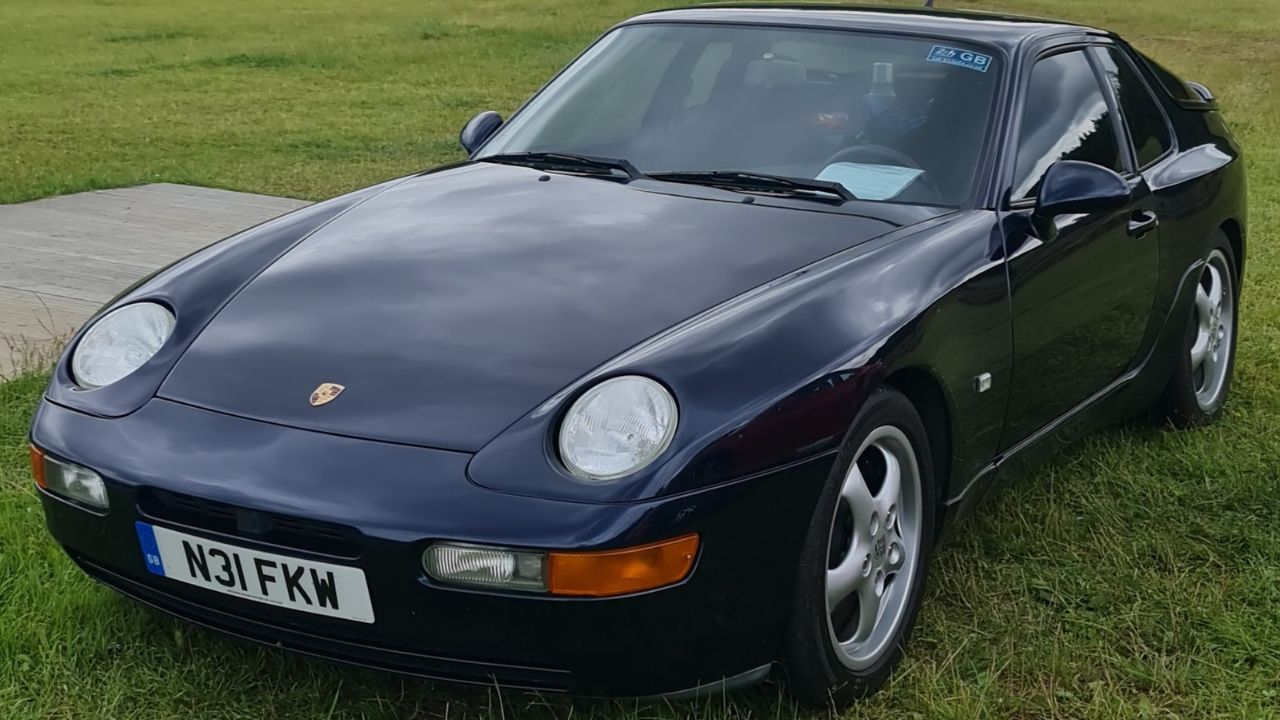
The 1990s gave Europe plenty of obvious stars, but the decade also produced a deeper bench of clever, distinctive, and often underappreciated machines. The cars on this list were not always the loudest or most celebrated when new.
What they offered instead was character that lasted: unusual engineering, rarer drivetrains, subtle performance, or design that looks better now than it did in the showroom. They are the cars that reward a second look because time has been kinder to them than the market once was.
Alfa Romeo 164 Q4
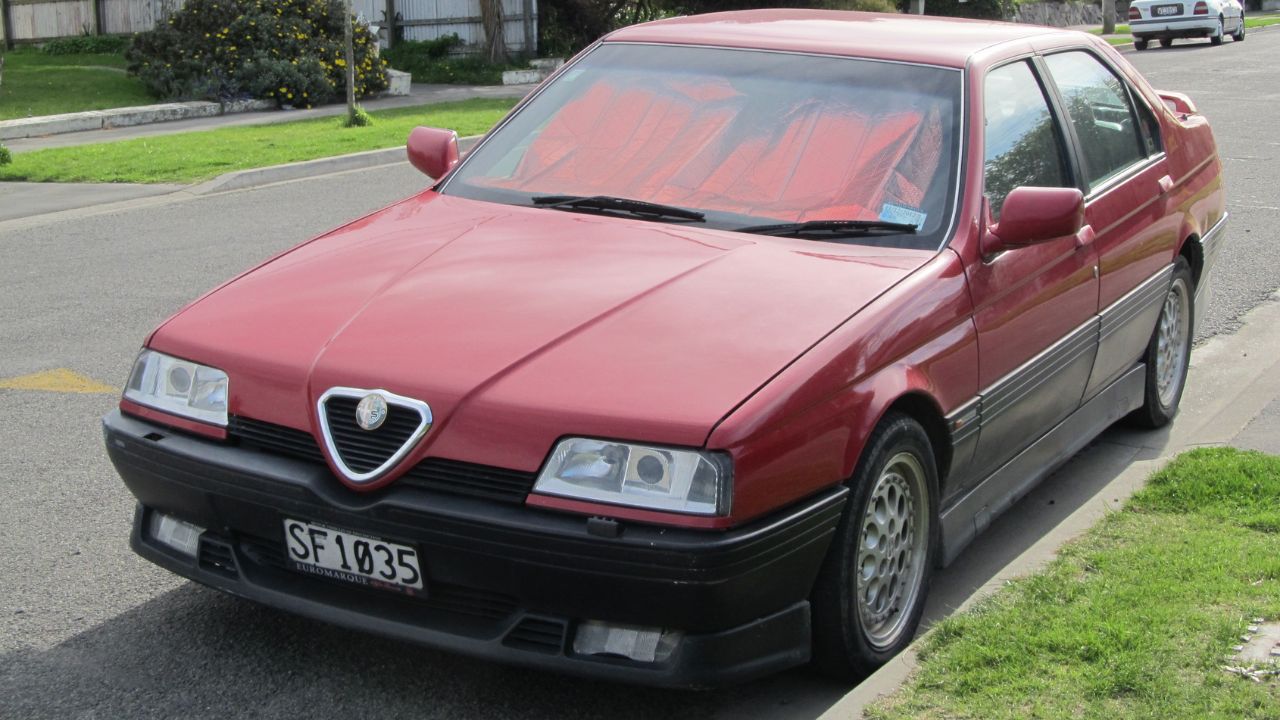
Before Alfa Romeo started using Q4 on modern performance crossovers and sedans, it gave the name to one of the most intriguing executive cars of the decade. The 164 Q4 itself was a Pininfarina styled flagship, and in the early 1990s the Q4 name became part of Alfa Romeo’s push into all wheel drive, with the 164 Q4 standing out as the line’s only four wheel drive version.
Underneath, it paired a 3.0 liter 24 valve V6 with a six speed Getrag manual and a sophisticated Viscomatic four wheel drive system. That is an unexpectedly serious recipe for a four door sedan that many people still remember only as a handsome front wheel drive Alfa.
What makes the 164 Q4 deserve another look is not just the spec sheet. It is the confidence of the whole idea. This was an Italian luxury sedan that refused to behave like a conventional luxury sedan, and the market has become much less brave since then.
Audi S2 Avant
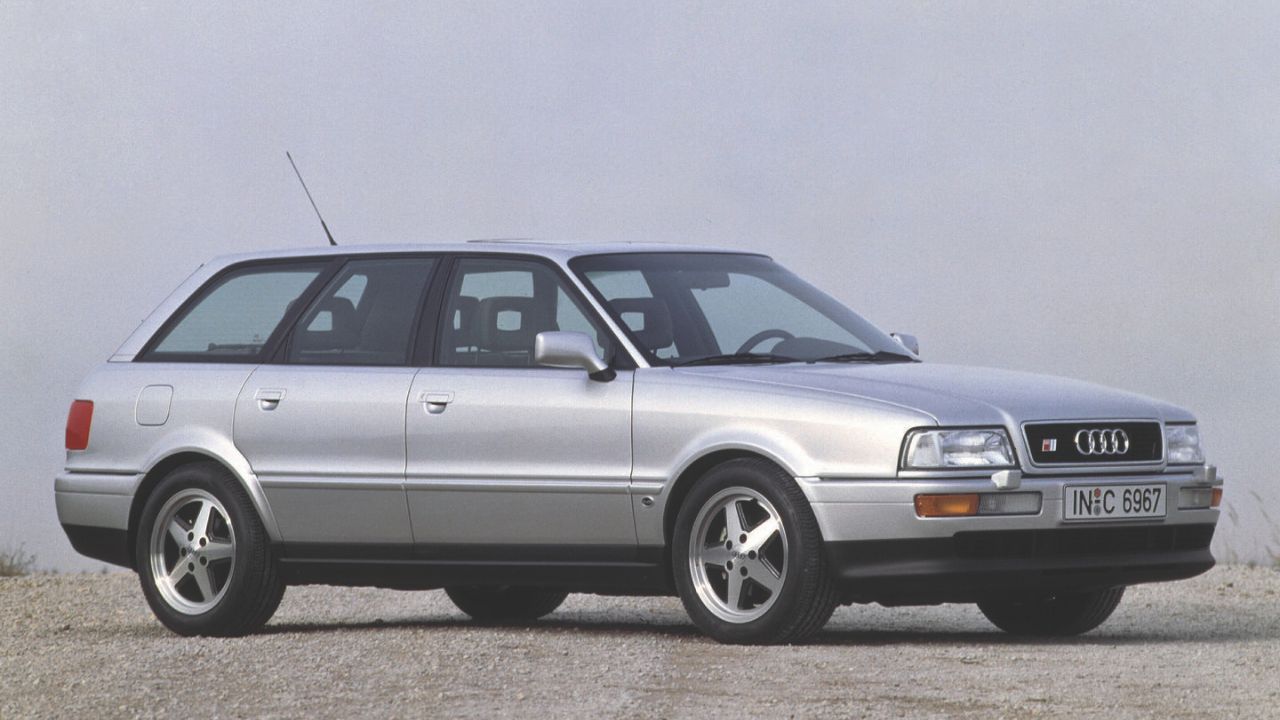
The S2 Avant never needed giant arches or cartoon wings to announce what it was. Audi positioned the S2 as the successor to the original Ur quattro, and it also became the first model in the brand’s S lineage.
By the mid 1990s, the Avant version was using a 230 bhp 2.2 liter turbocharged five cylinder, a six speed manual, and permanent quattro all wheel drive, enough for 0 to 62 mph in 6.1 seconds. That alone would make it interesting. What makes it deserve more attention is how clearly it predicted the modern Audi performance formula. This was the fast, usable, discreet estate before that niche became an Audi signature.
It could carry luggage, vanish in traffic, and still deliver the kind of cross country pace that made a driver feel quietly clever. Seen now, the S2 Avant feels less like a footnote and more like the moment Audi discovered one of its greatest talents.
Volvo 850 T-5R

Nothing about a boxy Volvo family car should have felt this mischievous, which is exactly why the 850 T-5R remains so lovable. Volvo says the 850 series already brought important engineering advances, including a transverse engine, Side Impact Protection System, and a semi independent rear suspension with passive rear steer.
Then, in 1995, the company decided to show what that sensible platform could really do. Working with Porsche, Volvo created the limited edition 850 T-5R, bumped output to 243 bhp, and built only 6,964 examples. That is the kind of twist the 1990s did so well. The T-5R kept the square shouldered practicality, the real rear seat room, and the everyday usefulness, but it added genuine pace and just enough swagger to make the whole package memorable.
It deserves a better look because it proved that performance could hide inside responsibility and still feel wildly charismatic.
Mercedes-Benz C36 AMG
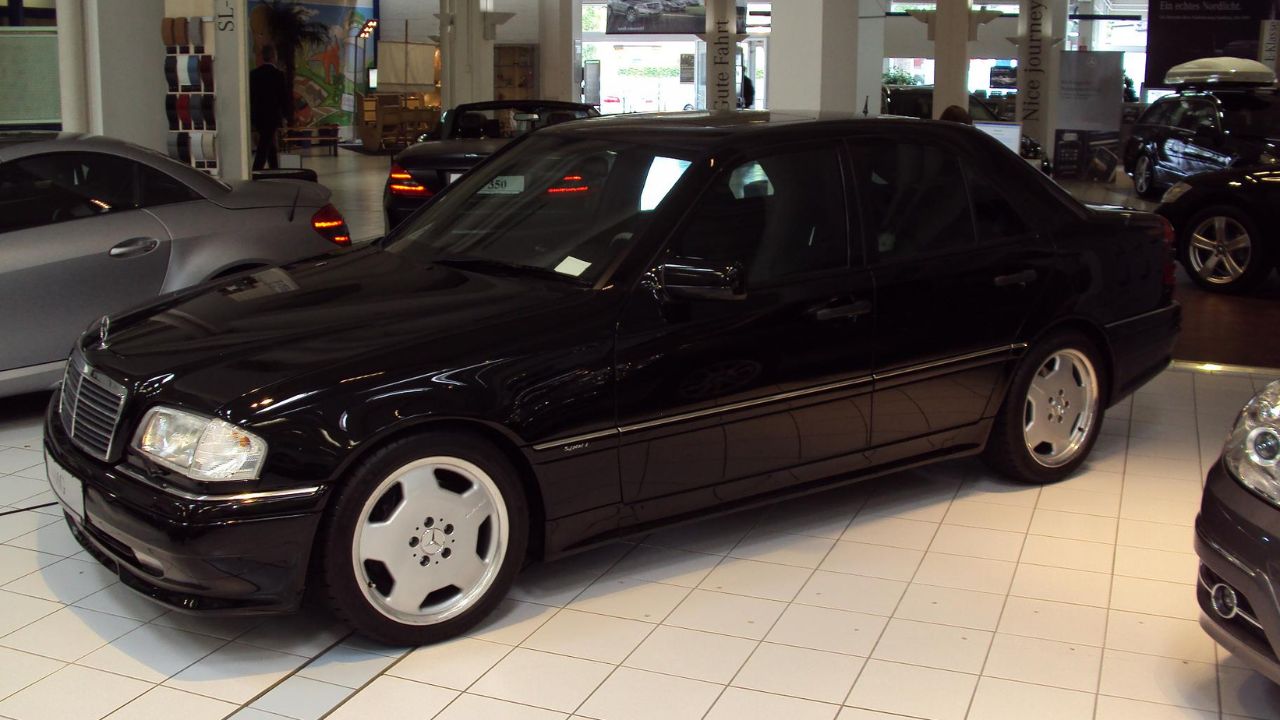
The C36 AMG deserves more love because it sits at the exact point where AMG stopped being a fascinating outsider and became part of Mercedes-Benz history. Mercedes says the C36, shown in 1993, was the first jointly developed product from the official cooperation between Mercedes-Benz and AMG, and by 1997 only 5,221 had been built.
It began with the C280, then received a larger 3.6 liter inline six, 280 hp, chassis revisions, and even front brakes sourced from the SL600. That is a serious amount of engineering intent for what still looked, at a glance, like a handsome compact executive sedan. And that is the charm. The C36 did not need wild bodywork to feel significant. It was calm, fast, and faintly stern, like a business suit with very expensive shoes.
More people should look back at it as the car that established the modern AMG sedan idea before that formula became flashy and predictable.
Porsche 968
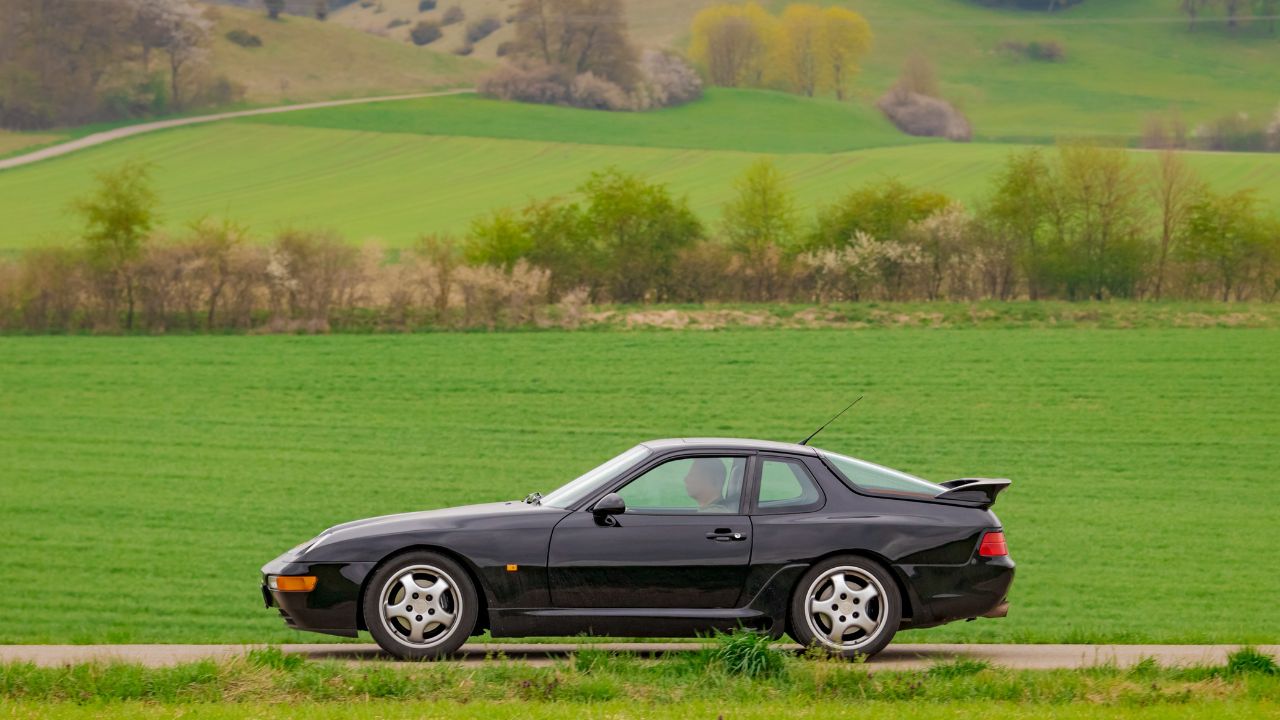
Because the 968 arrived after the 944 and before the Boxster era, it has spent years getting squeezed in the historical conversation. That has never been fair. Porsche’s own classic material describes it as the final evolution of the front engine transaxle four cylinder line, and highlights its 3.0 liter four cylinder engine and first use of VarioCam variable intake camshaft adjustment in this model. In other words, this was not a warmed over afterthought.
It was a highly polished piece of engineering. The 968 also has the kind of balance that ages beautifully. It feels clean, honest, and mature, with the long hood proportions and rear drive poise that give it a very different flavor from a rear engine 911.
What it deserves now is a little more respect for its completeness. This was Porsche doing precision, usability, and understated beauty in one very resolved package.
Fiat Coupé 20V Turbo
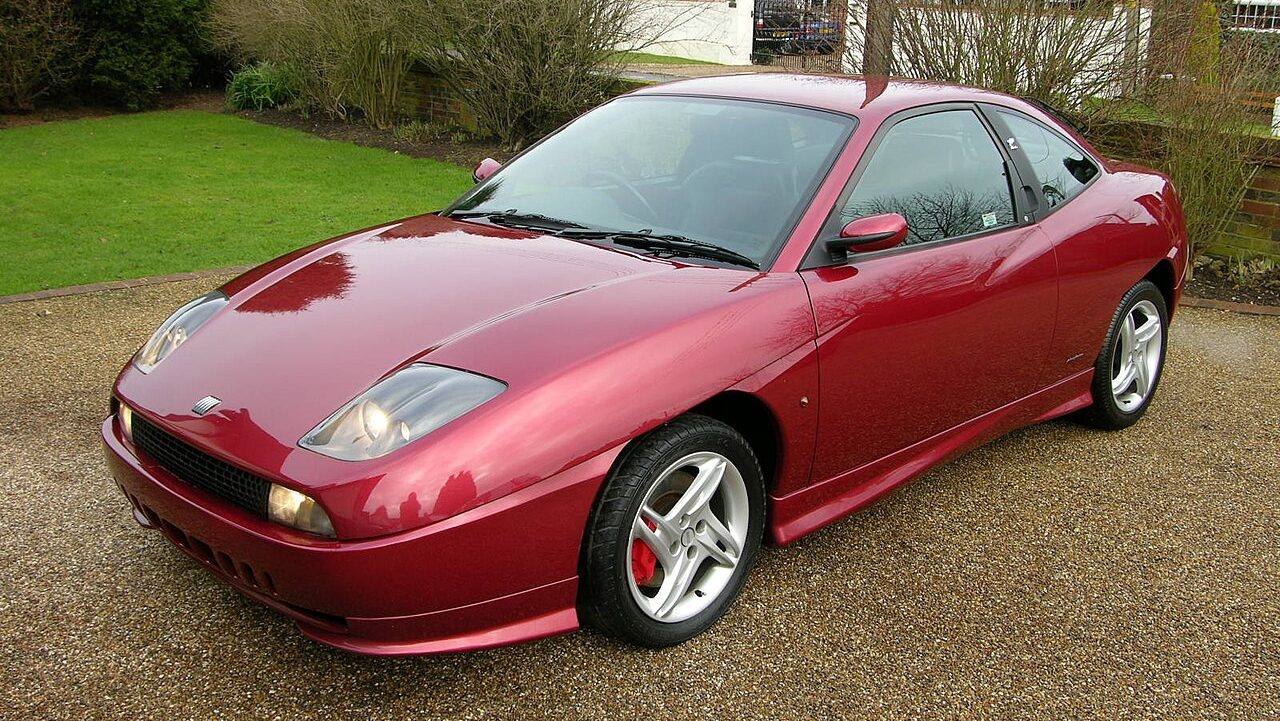
Few 1990s cars looked as if they had been sketched by somebody in a very good mood quite like the Fiat Coupé. Stellantis Heritage notes that the car was created by the team led by Chris Bangle, introduced in 1993, and put into production the following year with assembly by Pininfarina, which also designed the interior.
Then came the 1996 mechanical renewal, when the five cylinder 20 valve engines arrived, including the turbocharged flagship with 220 hp and a claimed 250 km/h top speed. Fiat itself says that made it the fastest sports car in the brand’s history at the time. The numbers matter, but the bigger story is the style.
The cut lines, the exposed metal fuel cap, the body colored dashboard strip, all of it still feels inventive. The Coupé deserves a second look because it reminds you that flair and substance do not always need to arrive wearing a premium badge.
Renault Clio Williams
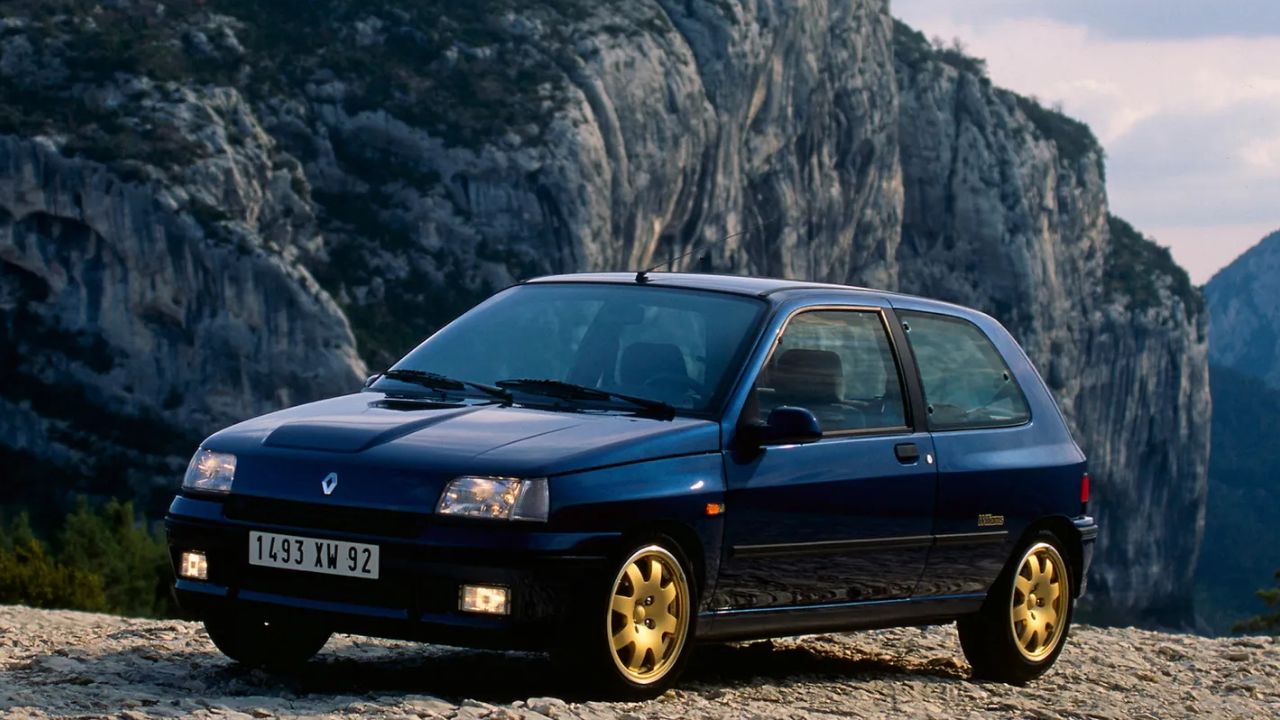
If the modern hot hatch sometimes feels too polished, too insulated, or too eager to prove its seriousness, the Clio Williams is a useful reminder of how compelling this class once felt.
Renault says it was created for rally homologation, launched in the early 1990s with a 2.0 liter engine making 150 hp, and sold far beyond the 2,500 units required for homologation, reaching more than 12,000 examples. It also came in that unforgettable blue and gold combination, with the earliest cars even numbered.
Yet the Clio Williams was never just a color and wheel story. It became a benchmark among sporty hatchbacks because it felt alive, compact, and wonderfully direct. That is what still makes it matter. It did not need huge power to feel thrilling, and it did not need inflated mythology to feel special. It deserves more attention because it captures the 1990s hot hatch spirit in one crisp, confident hit.
Citroën XM
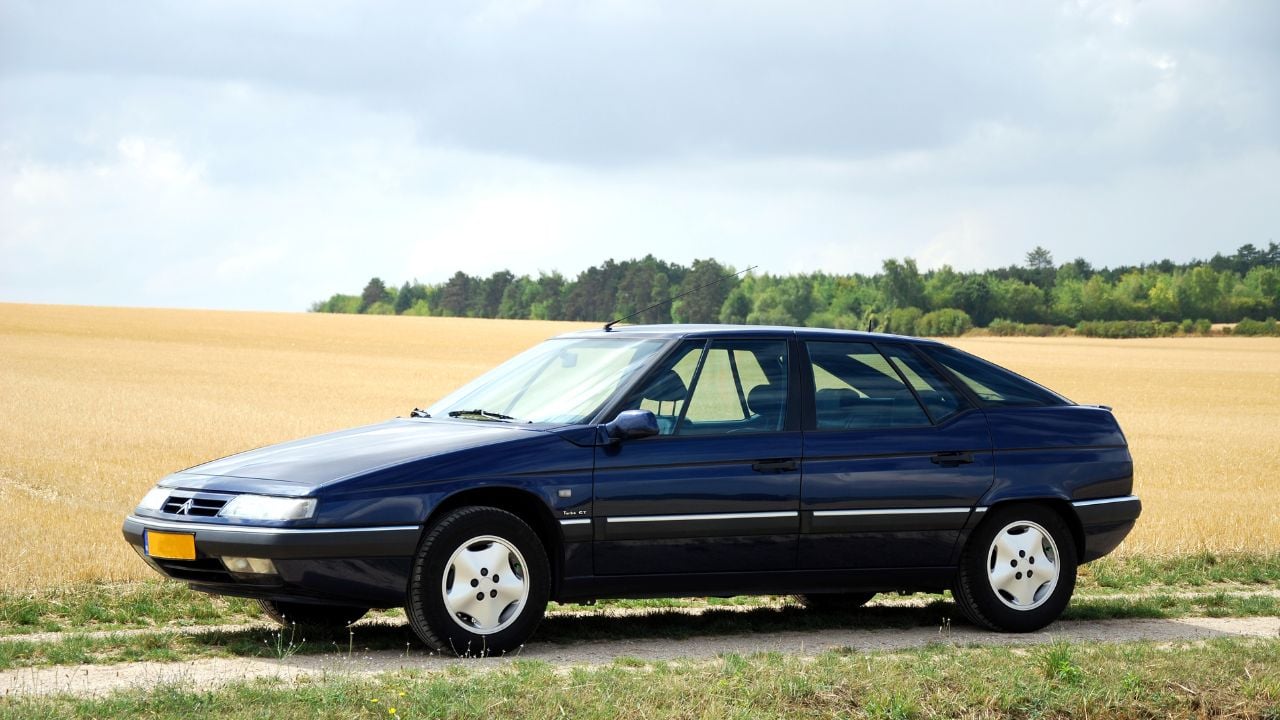
The XM is one of those cars that tells you almost everything you need to know before you even drive it. It looks like an idea, not a committee product. Citroën’s own history says the XM was named Car of the Year in 1990 and collected 14 international awards, while Citroën Origins highlights its Hydractive suspension, SC.MAC anti sink feature, and the famous “13th window” that separated the cabin from the trunk space. That is classic Citroën behavior: technical, eccentric, and deeply committed to doing things its own way.
The reason the XM deserves another look is that it represents an approach to the executive car that almost no one would dare repeat now. It was aerodynamic, odd, comfortable, and intellectually stylish.
Yes, German rivals were tidier and easier for buyers to understand. That is exactly why the XM matters. It offered a different vision of prestige, one rooted in originality rather than conformity.
Renault Sport Spider
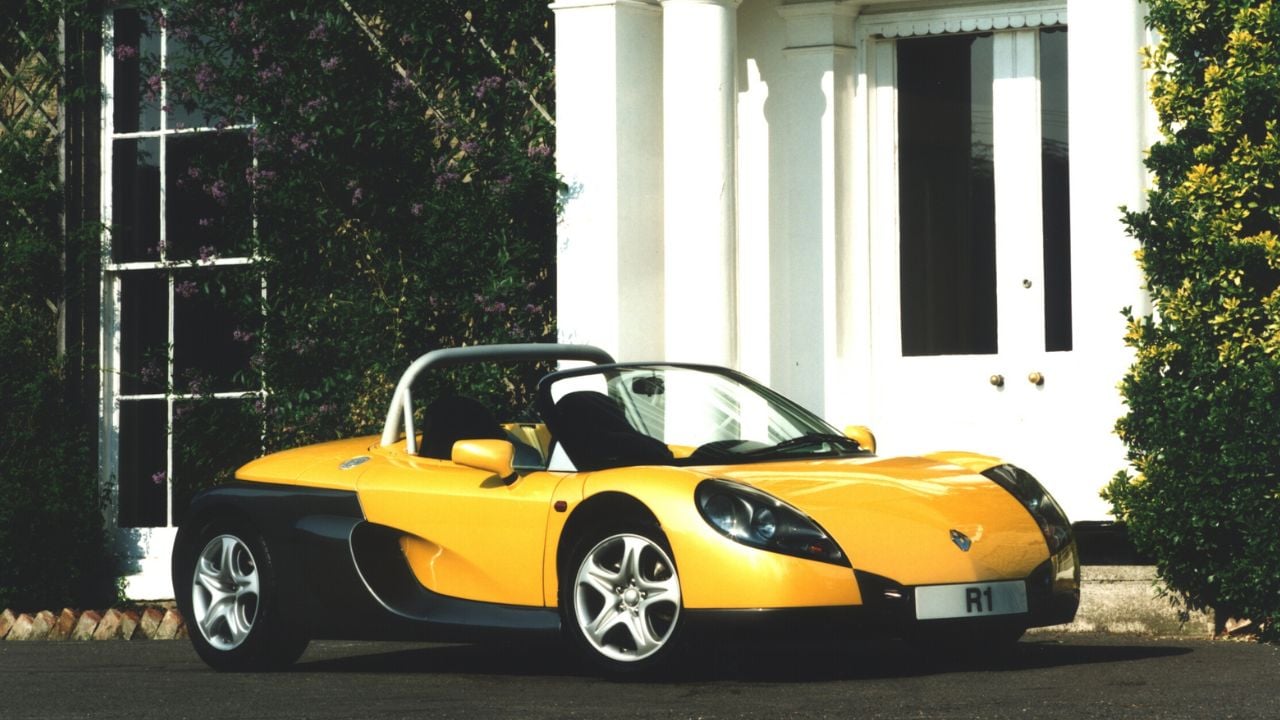
Then there was the Renault Sport Spider, a car so unapologetically single minded that it almost feels like a dare. Renault says the Spider was revealed in 1995, went on sale from 1996, and was the first road car from Renault Sport.
It used a rear mid mounted 2.0 liter four cylinder with 150 hp, rear wheel drive, an aluminum chassis, and, in its earliest form, not even a proper windscreen. Renault also notes that it stayed under 790 kg and that only 1,726 road cars were built.
This is exactly the kind of machine that deserves a better look, because it arrived from a company most people still mainly associated with small hatchbacks and family transport. The Spider was lean, exposed, and unserious about comfort in the most serious way possible. It made driving feel raw again, and it did so with a kind of French stubbornness that now feels almost heroic.
BMW 850CSi

The 850CSi is the kind of car that gets described as elegant before people remember how much machinery is hiding beneath the surface. BMW says the model was produced from 1992 to 1996, used a 5.6 liter V12 with 380 hp, reached 100 km/h in 6.0 seconds, and was built in only 1,510 units.
BMW M’s own retrospective goes further, calling it at least unofficially a small M8, noting that it underwent only a few exterior changes compared with the regular 8 Series and emphasizing how understated it looked beside the technical work underneath.
That is what makes it such a perfect fit for this headline. The 850CSi is not an extrovert. It is a long, low grand coupe that hides real engineering ambition behind tailored proportions. It deserves more attention because it shows how much force a car can carry without ever needing to raise its voice.
Which One Deserves Your Second Look Most?

That is the real fun of a list like this. None of these cars asks for admiration in quite the same way. Some win you over with engineering, some with design, some with rarity, and some with the kind of character that only becomes clearer once the easier choices have faded from view. The 1990s did not only give Europe its headline acts.
It also gave it these strange, clever, memorable machines that still feel richer than their reputation. And maybe that is the best reason to revisit them now. A great car does not always need more hype. Sometimes it just needs someone willing to look a little longer.