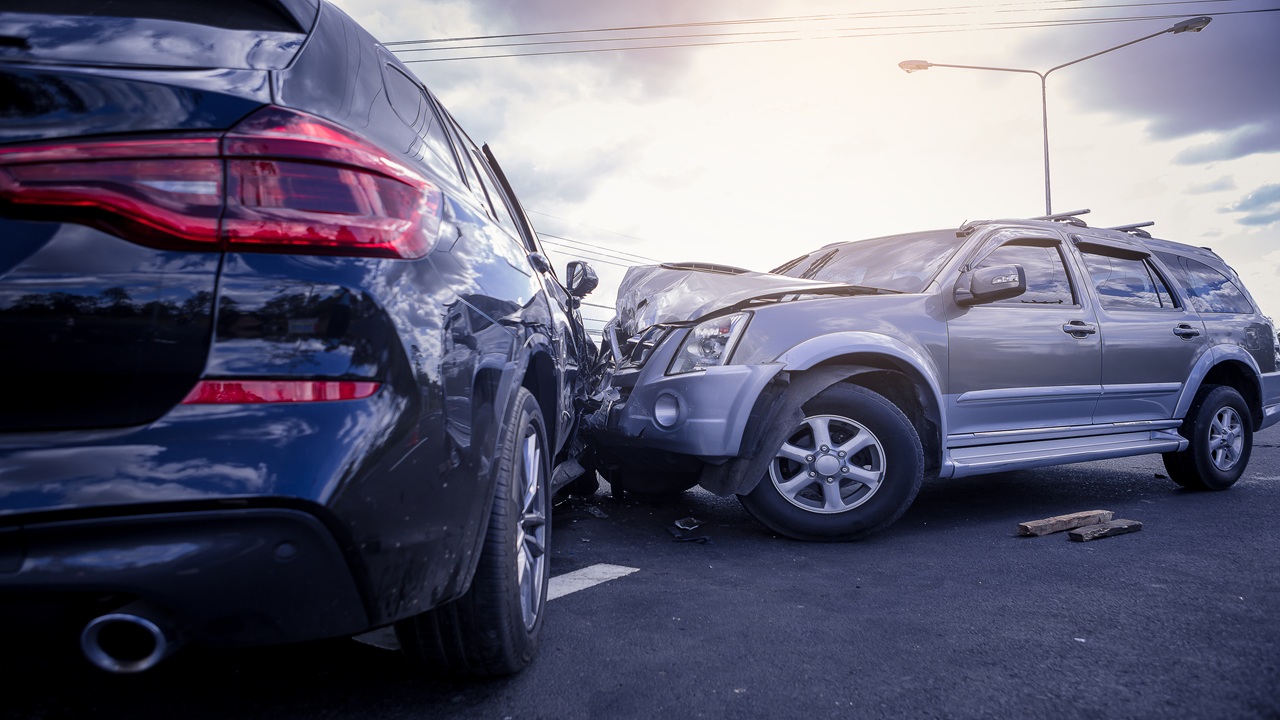
Modern cars are rather clever and come packed with sensors, cameras, and connected systems designed to make driving safer and more convenient. However, all that technology comes with a trade-off that many drivers don’t fully understand.
When something goes wrong, especially in a crash, your car isn’t just a victim. It’s also a witness, sneakily recording what happened in the moments leading up to the impact.
That might sound like something out of aviation, but it’s very real. In fact, most new cars today are equipped with systems that function much like a black box, capturing detailed data about both the vehicle and the driver.
Depending on the situation, it’s very likely that data can end up being used against you by law enforcement and insurance companies alike.
The “Black Box” In Your Car
At the center of this is something called an Event Data Recorder, or EDR. Think of it as the automotive equivalent of an airplane’s flight recorder, designed to capture critical information during a crash.
These systems aren’t new, either. EDRs have been around in some form since the 1970s, but today they’re nearly universal, appearing in almost every modern vehicle sold in the U.S.
By law, automakers must disclose the presence of an EDR in the owner’s manual. While they’re not technically required in every car, federal regulations ensure that if one is installed, it must record a specific set of data points.
What Your Car Actually Records
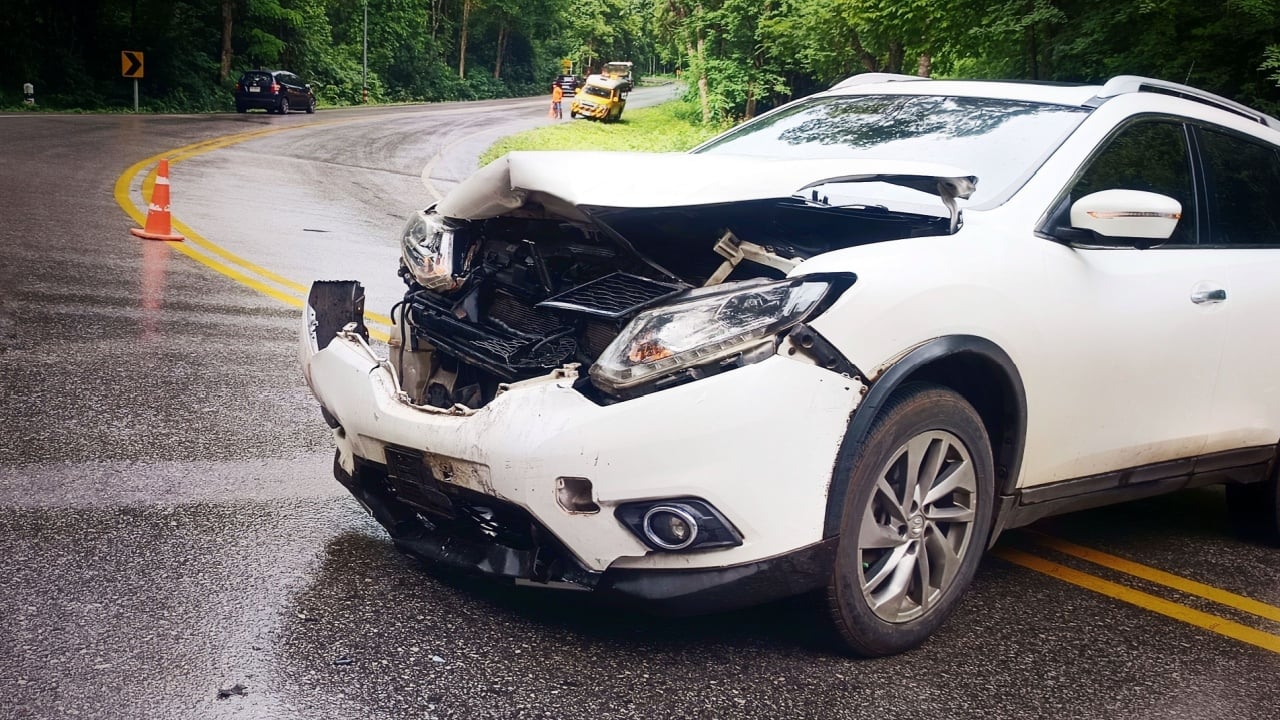
When an accident happens, the EDR springs into action. It records a snapshot of what the car was doing in the seconds before, during, and immediately after the crash.
That includes things like vehicle speed, throttle position, whether the brakes were applied, and whether the driver was wearing a seatbelt. It also tracks how quickly the vehicle slowed down during impact, along with airbag deployment timing and ignition cycles.
In some cases, even more detailed data is captured. This can include engine RPM, steering angle, anti-lock braking activity, and even information about passenger weight and seatbelt usage.
Put all that together, and you get a surprisingly complete picture of what happened. It’s not just about the crash itself, but everything leading up to it.
It Doesn’t Stop At The Black Box
The EDR is only part of the story. Modern cars are loaded with other systems that can collect data, often in ways drivers don’t think about.
Cameras, infotainment systems, and connected services can all play a role. For example, some vehicles record short video clips during a crash, capturing the moments before and after impact.
Services like OnStar can also collect data related to driver behavior and vehicle location. Meanwhile, brands like Tesla gather extensive usage data, which can include video and telemetry during so-called “safety events.” This means that after an accident, there could be multiple sources of data, not just one device.
Who Gets Access To That Data?
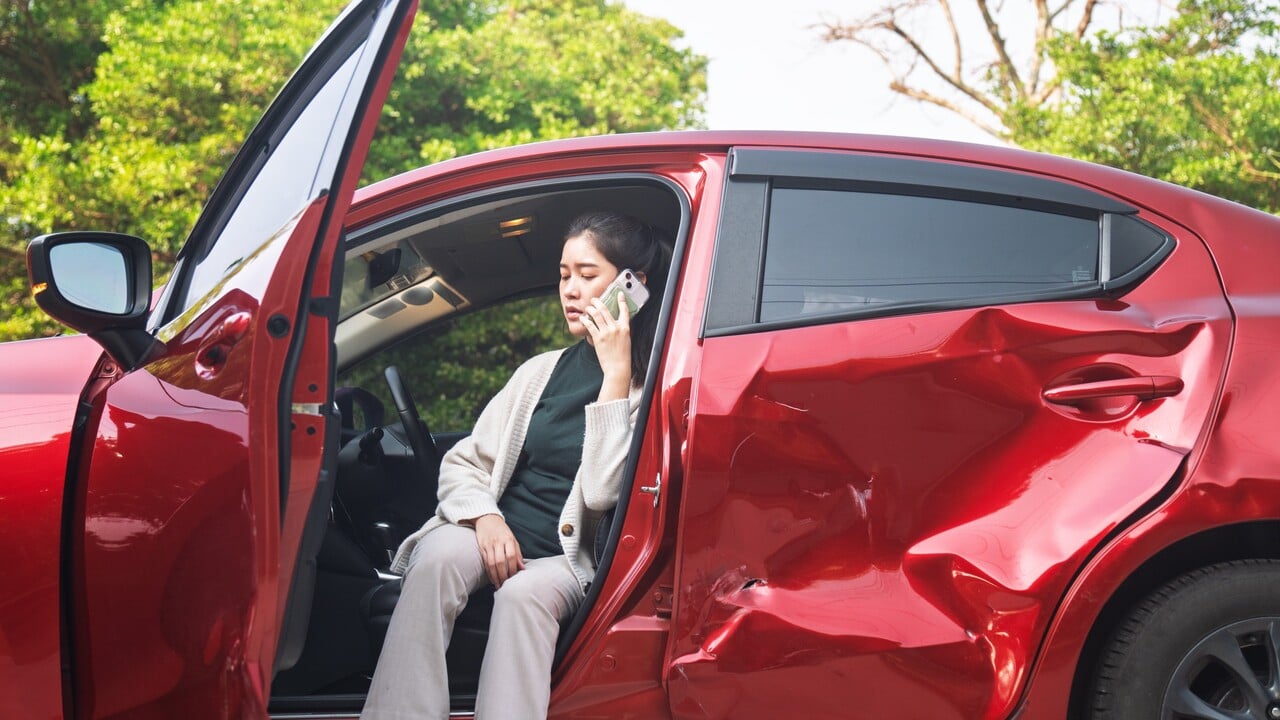
This is where things can get complicated. In theory, the data is meant to help improve safety, assist emergency responders, and provide clarity in accident investigations.
In practice, it can also be used by insurance companies, law enforcement, and even automakers themselves. That raises questions about privacy, ownership, and how the data is interpreted.
There have already been legal challenges around this. In one case, the Federal Trade Commission accused General Motors of sharing driver data without proper consent, leading to restrictions on how that information can be used.
Still, the bigger issue remains unresolved. As cars become more connected, the amount of data they generate, and who can access i, continues to grow.
Helpful Tool Or Digital Snitch?
There’s no denying that this technology has benefits. Accurate crash data can help determine fault, improve vehicle design, and even save lives by giving emergency responders better information.
That said, there’s also a downside. Data doesn’t always tell the full story, and it can be misinterpreted or used in ways drivers didn’t anticipate when they bought the car.
For example, something as simple as a recorded speed or delayed braking input could be used to assign blame, even if the real-world situation was more complex. That’s why awareness matters. Most drivers don’t realize how much their car is recording until it’s too late.
The Reality Of Driving In A Connected Era
The modern car is part of a larger digital ecosystem. Every trip generates data, and in critical moments, that data can become evidence.
Whether you see that as a safety feature or an invasion of privacy depends on your perspective. Either way, the days of a crash being just your word against someone else’s are quickly disappearing, because now, your car has a voice too, and it doesn’t forget anything.