
Remember when cars looked like they could actually win a fight? Before crossovers took over suburbia and manufacturers decided everyone needed seventeen cup holders, there was an era when motorsport bred some genuinely unhinged machines for the street. These weren’t your typical weekend grocery-getters: these were rally homologation specials and their spiritual successors, built to satisfy racing regulations while somehow convincing insurance companies they were “normal” cars.
Rally racing demanded everything: acceleration on ice, stability on gravel, and the ability to launch off jumps without immediately filing for bankruptcy. The cars that emerged from this crucible didn’t just look fast, they were fast. Fast, weird, and wonderfully impractical in all the right ways.
Let’s take the fight to the dirt roads.
How We Chose These Rally-Inspired Legends

Choosing the cars for this feature began with a focus on genuine rally heritage and a strong connection to motorsport. Models selected needed either direct homologation for competition or engineering derived from championship-winning designs, and styling had to reflect the purposeful look of rally machines.
Then we had to narrow it down. We decided to highlight the ones with advanced drivetrains, effective traction systems, and suspension setups proven to handle mixed surfaces. Acceleration, stability, and braking performance were key factors, along with steering precision and overall driving engagement. Historical relevance played a large role, and each model needed a story tied to rally success.
This left us with 12 incredible cars that truly embody the spirit of competition the rough-and-tumble way: high-flying, rapid acceleration, and wild handling beyond that of everyday traffic.
Subaru WRX STI

The WRX STI turned rally blue and gold BBS wheels into a religious experience for an entire generation. Subaru’s symmetrical all-wheel-drive system wasn’t just marketing speak: it actually worked, sending power to whichever wheel had the best grip while you pretended to know what you were doing on that back road.
The 2.5-liter turbocharged boxer engine produced a distinctive rumble that could wake the dead and annoyed neighbors in equal measure. With its signature hood scoop (functional, not decorative; we’re looking at you, certain other manufacturers), aggressive rear wing, and fender flares, the STI looked like it was perpetually late for a rally stage.
Inside, Recaro seats were standard on the STI Limited and optional on the base STI (varies by year/market) hugged tighter than your mother when you moved out, and the six-speed manual transmission had throws shorter than a temperamental chef’s fuse. The suspension was tuned for performance, which meant your passengers would feel every pebble on the road; consider it a feature, not a bug. Rally pedigree ran deep, with Subaru’s World Rally Championship success directly influencing everything from the suspension geometry to the intercooler placement.
The STI felt fast even standing still, and every trip to the grocery store became an excuse to explore the limits of grip physics.
Mitsubishi Lancer Evolution
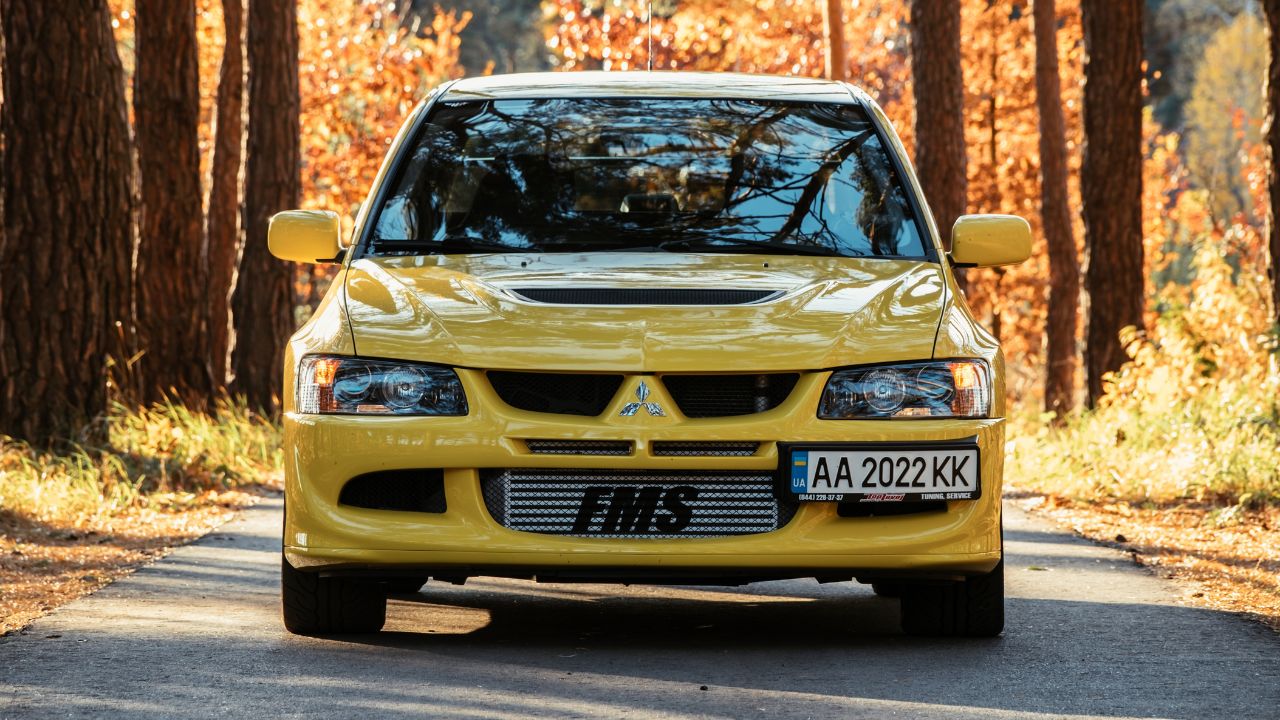
If the STI was rally royalty, the Evo was its scrappy rival that showed up to the fight with brass knuckles. Mitsubishi’s Active Yaw Control system was like having a computer science degree applied to making you look like a better driver than you actually were. The system actively transferred torque between the rear wheels, which sounds complicated until you realize it just meant you could take corners faster without ending up in someone’s hedge.
The 4G63 turbocharged engine was an absolute unit: 2.0 liters of fury that delivered power like a caffeinated wolverine. The Evo’s body kit wasn’t just for show: those vents, wings, and aggressive lines actually did something, unlike the fake vents plaguing modern cars (we see you, modern BMW).
Recaro seats came standard because regular seats would’ve been a lawsuit waiting to happen during spirited driving. The Brembo brakes could stop the Earth’s rotation if needed, and the five-speed manual (later six-speed) felt like operating precision machinery. The suspension was firm enough to crack walnuts, but it kept you glued to the road like epoxy.
Mitsubishi’s rally success is the stuff of legends: Mitsubishi’s rally legacy was cemented by Tommi Mäkinen’s four consecutive WRC drivers’ championships (1996–1999), and the team also captured the 1998 manufacturers’ title proved the Evo formula worked. Every version built on that legacy, creating cars that could embarrass supercars on a twisty road while still (theoretically) being civilized enough for daily use.
Audi Quattro

The original Quattro didn’t just introduce all-wheel drive to the masses, it made everyone else realize they’d been doing it wrong. Before 1980, all-wheel drive was for farmers and people who lived where civilization forgot to build roads. Audi took that technology, turbocharged a five-cylinder engine (because even numbers are for quitters), and created something that dominated rally stages while looking like a slightly angry brick.
Those box-flared arches weren’t subtle, but subtlety was never the point. The Quattro looked purposeful, with every line suggesting it could handle whatever Mother Nature or rally organizers threw at it. The interior blended German precision with actual comfort: a novel concept in the performance car world at the time.
The permanent all-wheel-drive system used a center differential made physics your friend instead of your enemy. Rally drivers like Michèle Mouton and Walter Röhrl proved that having traction on all four wheels was basically cheating, which is why everyone else quickly adopted the technology.
Sure, around 200 hp in early versions doesn’t sound like much now, but in 1980, it was delivered with the kind of authority that made you believe turbocharging was magic. The Quattro’s influence stretched far beyond its production years, essentially creating the blueprint for every performance all-wheel-drive car that followed.
Ford Escort RS Cosworth
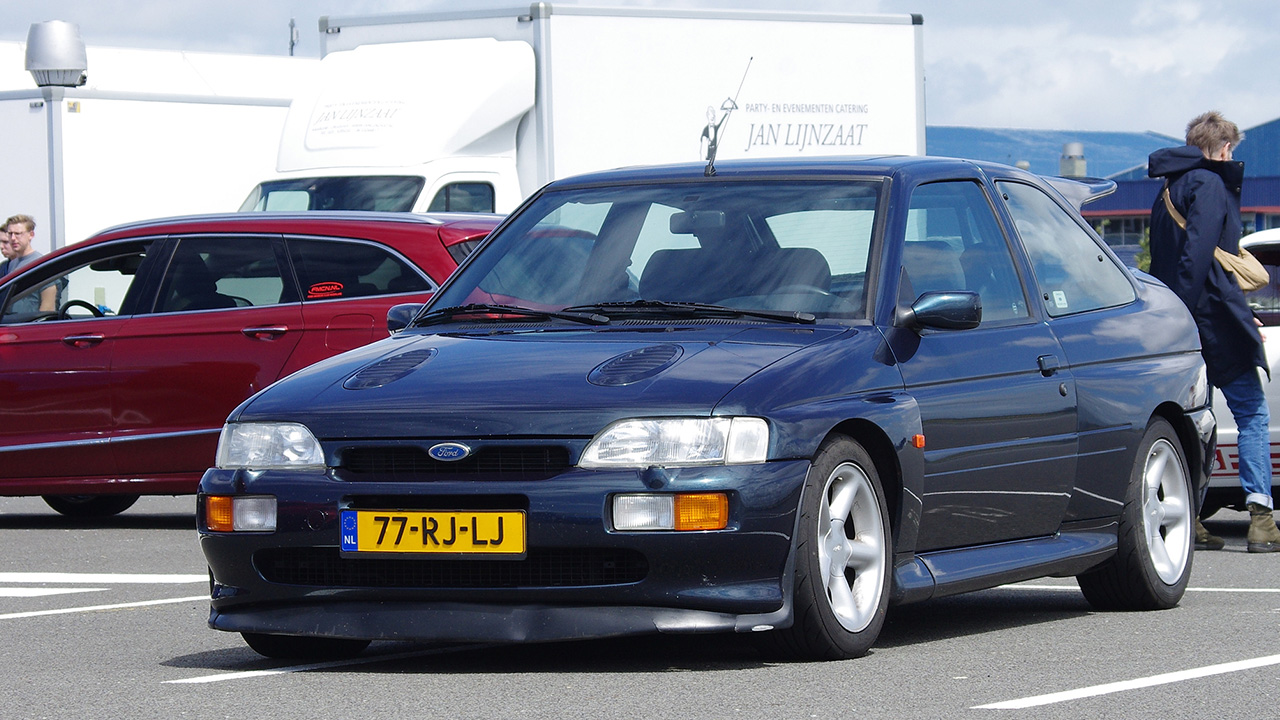
Ford saw a regular Escort and shook its head, asking: “What if we made it completely insane?” The answer was the RS Cosworth, featuring a rear wing so large it required its own zip code. That massive spoiler is a standout feature, not just for its looks but it actually generated downforce, unlike the decorative wings bolted to every Civic at the local car meet.
The 2.0-liter turbocharged YB engine was a masterpiece of forced induction, delivering power with the subtlety of a foghorn. Ford’s intelligent all-wheel-drive system could send up to 34% of power to the front wheels when grip demanded it, but preferred to let the rear wheels do the fun stuff most of the time.
The Cosworth’s rally credentials were legitimate: it was built to homologate Ford’s World Rally Championship efforts; To satisfy Group A, Ford produced an initial run of about 2,500 homologation cars, though 7,145 Escort RS Cosworths were built in total.
Inside, supportive Recaro seats and a no-nonsense dashboard reflected the car’s serious intentions. The five-speed manual transmission shifted with mechanical precision, and the suspension setup could handle British B-roads or Swedish snow stages with equal competence. The whale tail might have looked ridiculous, but it worked: high-speed stability was never in question.
This wasn’t just a fast Ford; it was proof that homologation specials could be both functional and completely bonkers at the same time.
Lancia Delta Integrale

The Delta Integrale was what happened when Italian passion met rally necessity, creating something that looked like a geometric exercise but drove like a symphony. Those angular lines and flared wheel arches weren’t trying to win beauty contests: they were housing some of the most sophisticated rally technology of the late 1980s.
Lancia’s sophisticated all-wheel-drive system featured three differentials and could adapt to conditions faster than most people could spell “Integrale.” The 2.0-liter turbocharged engine delivered power with Italian flair, meaning it sounded glorious while making you question your life choices if anything went wrong.
The Integrale dominated the World Rally Championship like no car before or since, winning six consecutive constructors’ titles from 1987-1992. The car’s combination of advanced technology, perfect weight distribution, and suspension tuning made it nearly unbeatable on any surface.
Inside, the Delta felt more civilized than its competitors, with actual comfort features alongside the sport seats and rally-inspired instrumentation. The five-speed manual transmission was precise, the brakes were confidence-inspiring, and the steering delivered the kind of feedback that made you want to take every corner twice.
The Integrale proved that Italians could build reliable performance cars when motorsport success was on the line. It remains one of the most successful rally cars ever built, and every drive reminded you why Lancia was once synonymous with winning.
Toyota Celica GT-Four
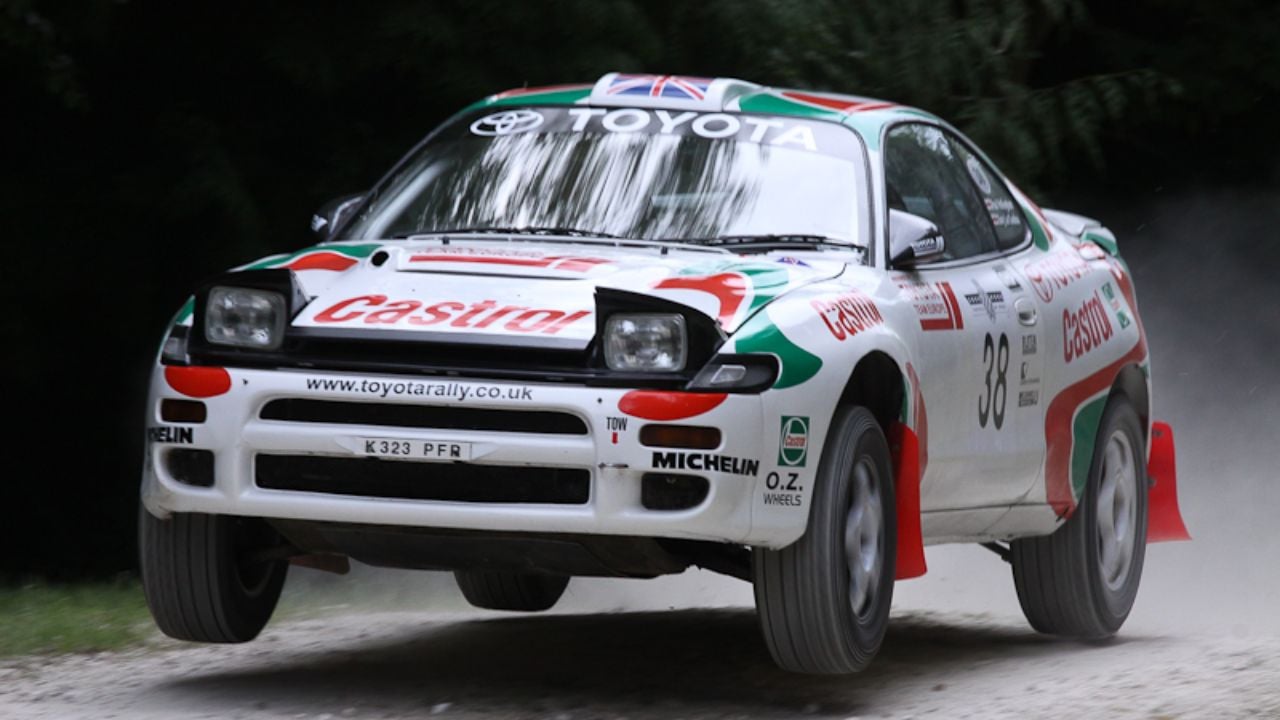
Toyota’s approach to rally homologation was typical for Japanese carmakers: take something sensible, add all-wheel drive and a turbocharger, then engineer the reliability out of any possible failure points. The Celica GT-Four looked like a regular sports coupe that had been hitting the gym and taking supplements.
The 3S-GTE turbocharged engine was a technological showcase, featuring intercooling, electronic boost control, and the kind of reliability that made other manufacturers weep with envy. Toyota’s All-Trac system (as it was known in the US) distributed power intelligently between all four wheels, making hero moments accessible to mere mortals.
Carlos Sainz Sr. and Juha Kankkunen proved the GT-Four’s rally credentials by winning multiple World Rally Championship titles; Toyota won the WRC manufacturers’ title in 1993 and 1994. The road car benefited from every lesson learned on stages from Monte Carlo to Safari.
The interior balanced performance with practicality: sport seats that didn’t require a chiropractor visit, gauges that actually worked, and controls placed where humans could reach them. The suspension tuning managed to be both comfortable and capable, a trick that many manufacturers still haven’t figured out.
The GT-Four proved that rally cars didn’t have to be uncomfortable or unreliable. It was the thinking person’s rally replica, delivering genuine performance with the kind of build quality that meant it might actually start on Monday morning.
Peugeot 205 T16
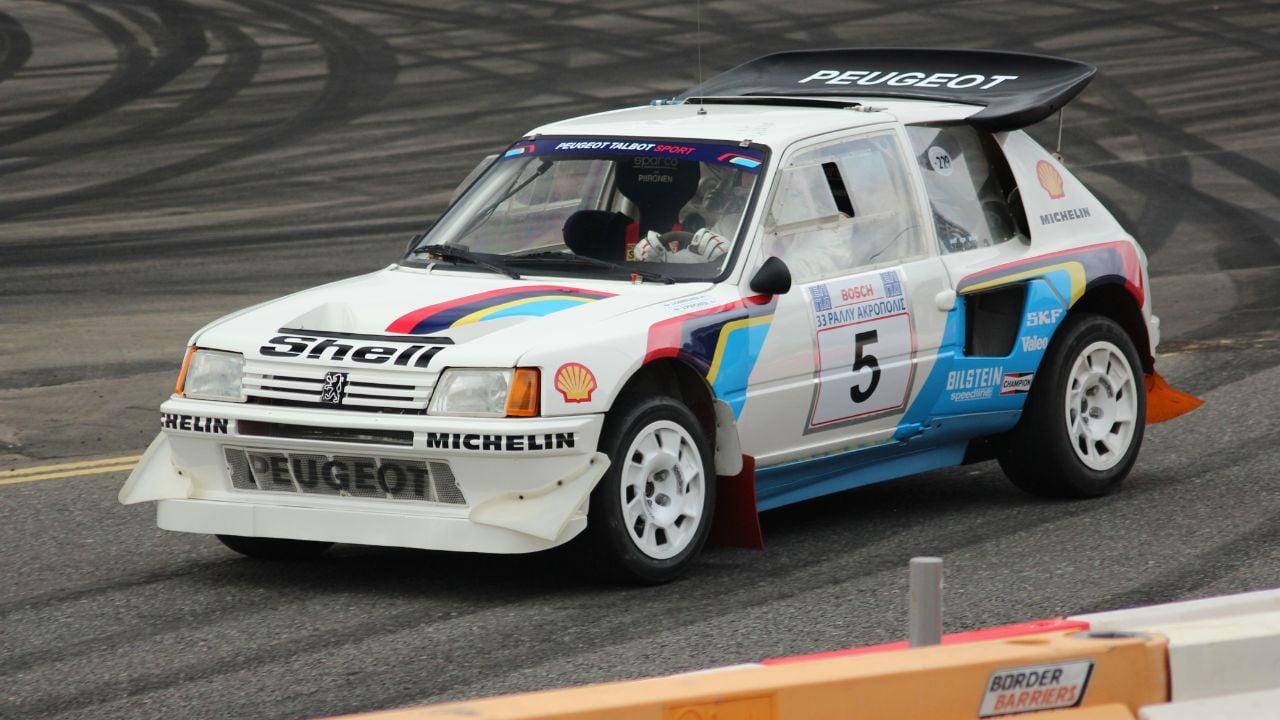
The 205 T16 was Peugeot’s answer to the question: “What if we put a rally car engine in the middle of our smallest car and see what happens?” The result was mechanically fascinating and visually unmistakable: those bulging fender flares contained a mid-mounted, turbocharged 1.8-liter engine that made this little Peugeot faster than cars twice its size.
Group B regulations demanded 200 road cars, so Peugeot built exactly that many, making the T16 rarer than rational political discourse. The mid-engine layout provided perfect weight distribution, while the all-wheel-drive system ensured that all that turbocharged fury actually reached the ground instead of the nearest tree.
Rally drivers Ari Vatanen and Timo Salonen used the T16 to dominate the World Rally Championship, proving that sometimes the craziest solution is also the best one. The road car retained much of the competition car’s character, meaning it felt like driving a barely civilized racing machine to the grocery store.
The interior was spartan but functional, after all, this was a homologation special that happened to have license plates. The gearbox was precise, the brakes were phenomenal, and the steering provided feedback so direct that you could probably perform surgery with it.
The T16 represented Group B rally at its most extreme – powerful, lightweight, and just dangerous enough to be exciting. It proved that French engineers could be just as unhinged as their Italian counterparts when motorsport success was at stake.
Nissan Pulsar GTI-R

Nissan’s entry into the rally homologation game looked like someone had taken a regular Pulsar and fed it nothing but protein powder and anger. Those aggressive hood vents were cooling a serious piece of machinery that Nissan built because FIA rules said they had to.
The SR20DET turbocharged engine was a jewel of Japanese engineering, delivering 227 hp from just 2.0 liters while maintaining the kind of reliability that made European manufacturers reconsider their life choices. Nissan’s ATTESA all-wheel-drive system was sophisticated enough to send power where it was needed while keeping the car balanced through everything from hairpin turns to gravel straights.
Nissan needed 5,000 for homologation, but production ultimately totaled about 14,613 GTI-Rs, and most of them stayed in Japan because Nissan apparently didn’t think the rest of the world was ready for this level of turbocharged insanity. They were probably right – this was a car that demanded respect and rewarded skill.
The interior featured proper sport seats and instrumentation that looked like it belonged in something much more expensive. The close-ratio five-speed manual transmission encouraged aggressive driving, while the suspension setup provided the kind of feedback that made you feel connected to every grain of asphalt.
The GTI-R proved that Nissan could build rally cars just as well as anyone else. It was fast, focused, and rare enough that spotting one in the wild still causes car enthusiasts to spill their coffee in excitement.
Renault 5 Turbo
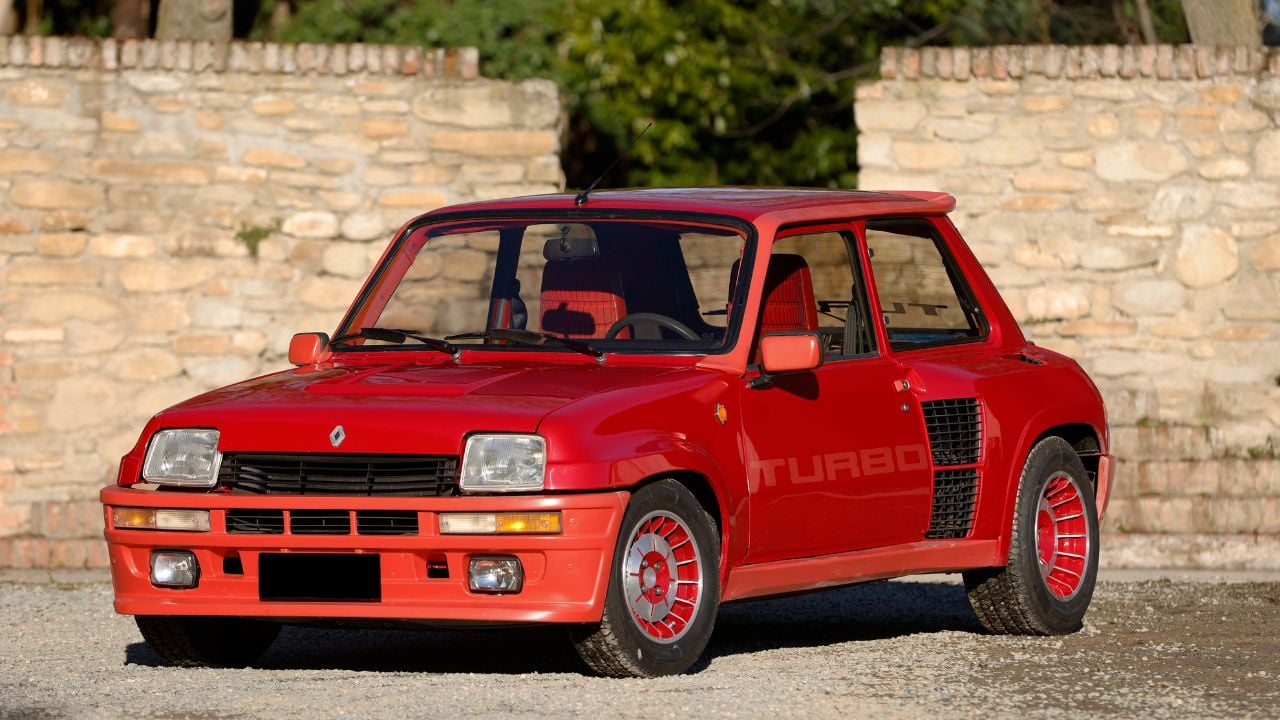
The Renault 5 Turbo was what happened when French engineers asked, “What’s the weirdest way we could make this economy car fast?” Like fast fast. Their answer involved moving the engine to the middle, adding a turbocharger, and creating something that looked like a regular 5 that had been stung by radioactive wasps.
Those bulging rear quarters housed a turbocharged 1.4-liter engine mounted behind the driver, creating a weight distribution that made the car rotate like a spinning top when provoked. This wasn’t a bug – it was a feature that rally drivers learned to exploit on tight, technical stages.
Rear-wheel drive in a car this small and light made for an experience that was equal parts thrilling and terrifying. The turbocharger delivered power in a way that tested your reflexes and your insurance coverage, while the precise steering and responsive chassis made every drive feel like a physics experiment.
The 5 Turbo’s rally success was immediate and impressive, with drivers like Jean Ragnotti proving that unconventional solutions could work brilliantly in the right hands. The road car retained much of the competition car’s character, meaning civilian drivers got to experience legitimate rally car handling dynamics.
Inside, the focus was on function over comfort: sport seats, essential gauges, and controls placed for quick access during spirited driving. The 5 Turbo proved that sometimes the most interesting solutions come from thinking completely outside conventional parameters.
Mazda 323 GTX

Mazda’s 323 GTX was the rally car equivalent of a sleeper hit: it looked like your grandmother’s grocery getter but packed all-wheel drive and turbocharging under that innocent exterior. This was Mazda’s attempt to prove that you didn’t need Italian exotica or German over-engineering to build a competent rally machine.
The 1.6-liter turbocharged B6T engine wasn’t going to set any land speed records, but it delivered power with the smooth efficiency that Mazda was famous for. The full-time all-wheel-drive system was borrowed from Mazda’s 323 rally cars, providing genuine grip advantages without the complexity that plagued some competitors.
What the GTX lacked in raw power, it made up for in handling precision and reliability. The suspension tuning managed to be both comfortable for daily driving and capable enough for weekend adventures on questionable road surfaces. This was rally technology made accessible to normal humans with normal budgets.
The interior was refreshingly straightforward: supportive seats, clear gauges, and controls that made sense without requiring an engineering degree to operate. The five-speed manual transmission was smooth and precise, while the brakes provided confidence without drama.
The 323 GTX proved that rally inspiration didn’t require exotic materials or stratospheric prices. It was the thinking person’s alternative to the more famous rally legends, offering genuine capability wrapped in practical packaging.
Skoda Octavia WRC
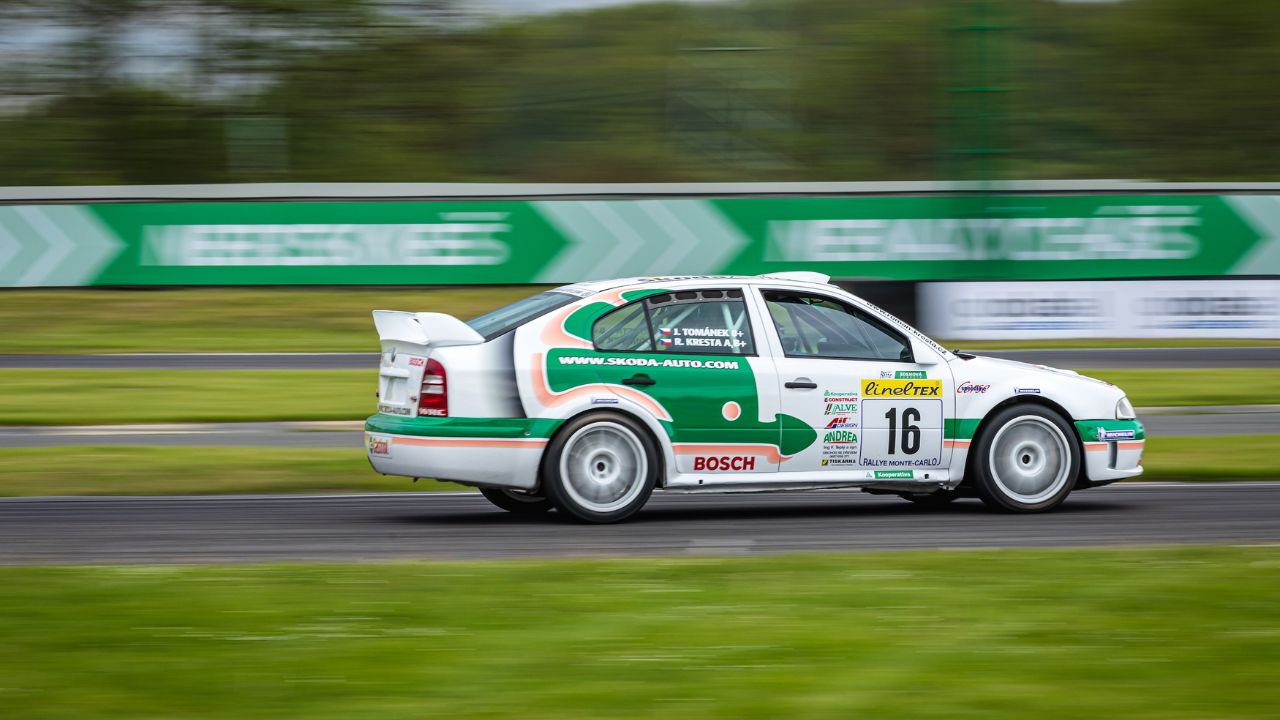
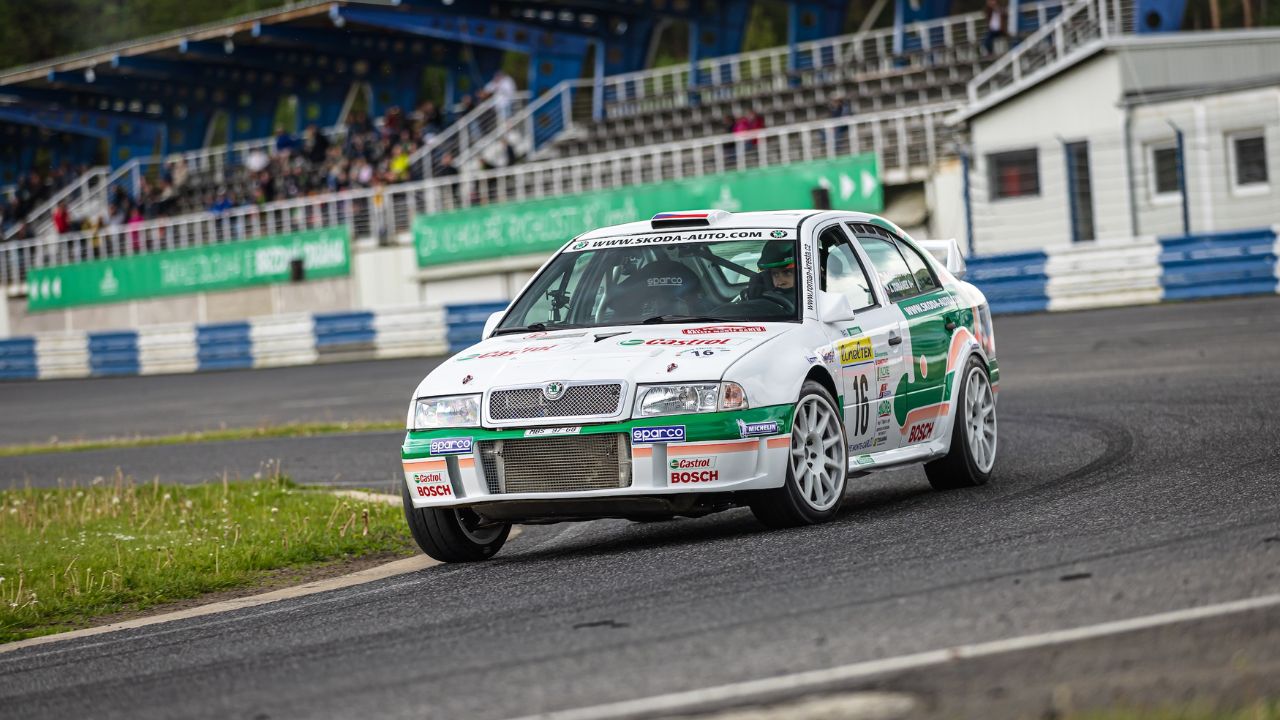
The Octavia WRC was a purpose-built rally car based on a production Octavia, created under World Rally Car rules where limited road versions were no longer required for homologation.
The 2.0-liter turbocharged engine delivered power with authority, while Skoda’s Haldex all-wheel-drive system provided grip when and where it was needed. The aggressive bodywork wasn’t just for show: those air intakes, spoilers, and flared arches were functional elements borrowed directly from the rally car.
Skoda’s World Rally Championship efforts proved that the underdog could compete with established manufacturers, and the WRC road car brought that competition spirit to public roads. The interior featured proper sport seats, rally-inspired instrumentation, and build quality that reminded everyone why Volkswagen Group had acquired the Czech brand.
The suspension tuning managed to be both firm enough for performance driving and compliant enough for daily use. The six-speed manual transmission was precise, the brakes were confidence-inspiring, and the steering provided the kind of feedback that made you want to find the nearest challenging road.
The Octavia WRC represented Skoda’s complete transformation: from automotive afterthought to legitimate performance contender. It proved that good engineering and rally success could overcome decades of brand reputation challenges.
Citroen DS3 Racing
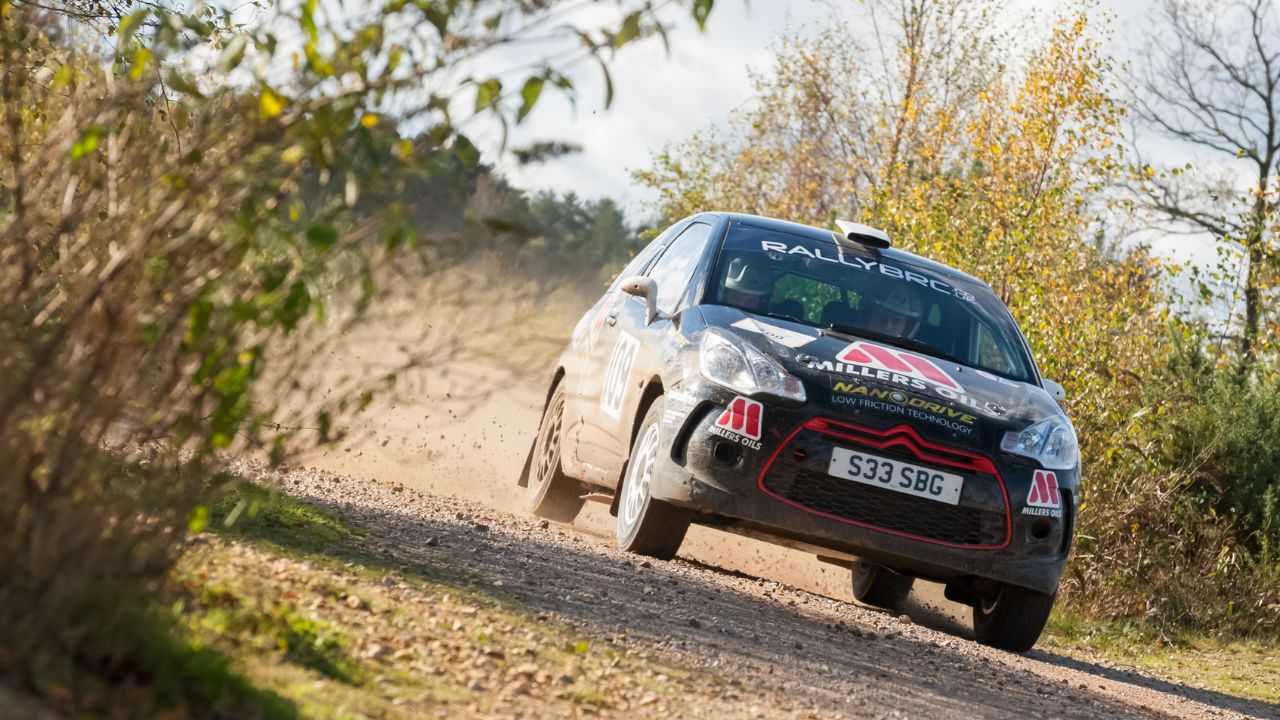
Citroen’s DS3 Racing was what happened when French designers decided to create something that looked fast even when parked. Those flared arches, aggressive splitters, and distinctive graphics weren’t subtle, but subtlety was never part of Citroen’s vocabulary anyway.
The 1.6-liter turbocharged THP engine delivered power with typical French flair: smooth, sophisticated, and surprisingly potent. The front-wheel-drive layout might have seemed old-fashioned compared to all-wheel-drive competitors, but Citroen’s chassis tuning made it work brilliantly on the right roads.
Initially announced as a 1,000-unit limited run, Citroën later said it would build about 2,400 DS3 Racings; the DS3 Racing was rare enough to guarantee parking lot conversations wherever it appeared. The interior featured Sabelt sport seats, carbon fiber trim, and the kind of attention to detail that justified the premium pricing.
Rally heritage influenced every aspect of the DS3 Racing, from the suspension tuning to the aerodynamic elements. This wasn’t just a hot hatch with rally stickers: it was a genuine performance machine that happened to be practical enough for daily use.
The DS3 Racing proved that rally inspiration could work in modern contexts, creating cars that delivered genuine excitement while meeting contemporary expectations for refinement and efficiency.
Why Rally-Inspired Sports Cars Still Matter
In an era of autonomous driving features and electric crossovers, rally-inspired sports cars represent something increasingly rare: mechanical honesty. These machines were built for a specific purpose: to go fast on any surface while keeping their occupants engaged and entertained.
Modern performance cars are undoubtedly faster, safer, and more refined than these rally legends, but something essential has been lost in translation. The connection between driver and machine, the mechanical feedback, the sense that every drive could become an adventure, these elements made rally cars special beyond their performance statistics.
Each car on this list tells a story about an era when motorsport directly influenced road cars, when homologation requirements forced manufacturers to build genuinely exciting machines for public consumption. They represent a time when car companies took risks, when engineers were allowed to be creative, and when the journey was just as important as the destination.
These rally legends remind us that the best cars aren’t always the most practical or efficient; sometimes they’re the ones that make you take the long way home, that turn mundane errands into driving events, and that connect you to decades of motorsport history every time you turn the key.
They’re mechanical time capsules from an era when cars had personality, character flaws, and the kind of soul that no amount of modern technology can replicate. Long may their memory inspire future generations of driving enthusiasts.