

When you walk into a used-car lot, you rarely imagine what happened before that shiny Toyota or Ford landed in the driveway. But behind every car on that lot, there is a complex process that dealers call vehicle reconditioning. It involves everything from mechanical fixes to cosmetic touch-ups designed to make a pre-owned vehicle safe, appealing, and ready for sale.
In the world of auto retailing, this step in the used-car lifecycle is turning into one of the biggest drivers of dealership profit and a flashpoint in the ongoing debate about transparency and pricing.
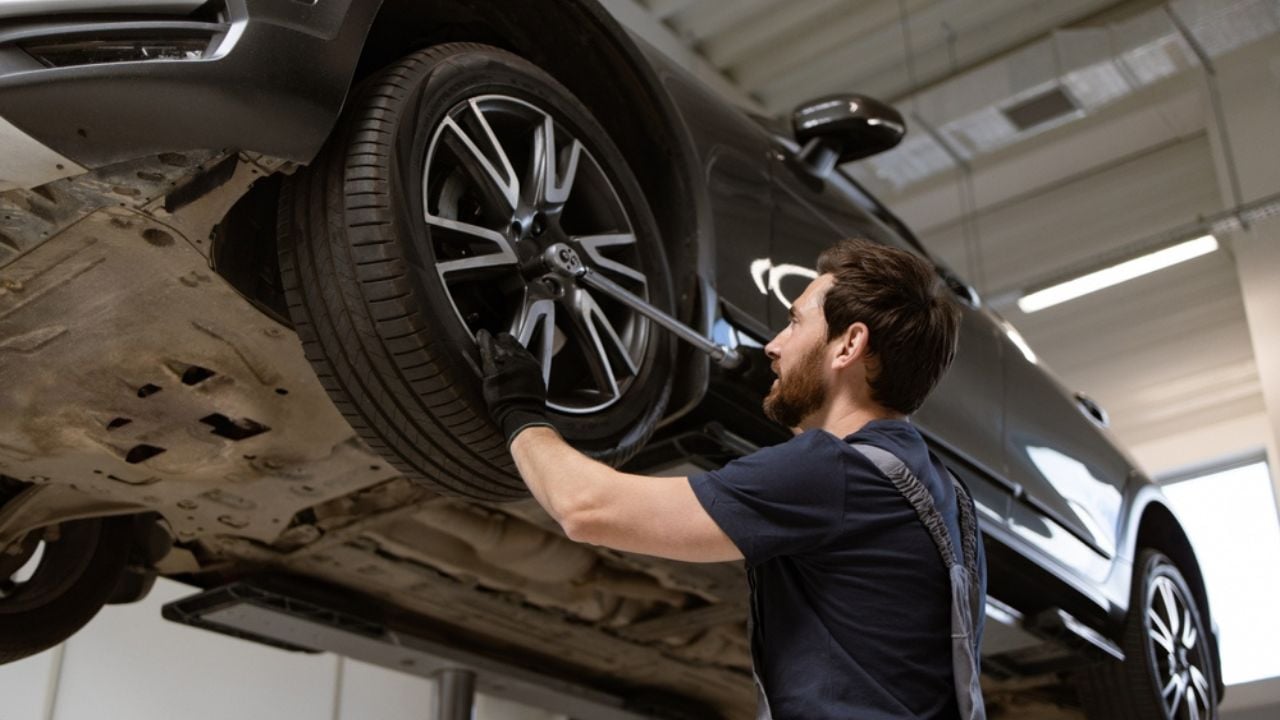
Once a trade-in or auction purchase arrives at a dealer, it rarely stays in the same condition. Mechanics test brakes, tighten suspensions and tune engines. Body shops blend paint, repair dents and replace cracked glass. Interiors get vacuumed and detailed. That whole process is “reconditioning”. At its best, this work can boost a car’s value by thousands of dollars and cut the time it sits on the lot waiting for a buyer.
At its worst, it becomes a source of hidden fees that frustrate buyers who feel they are paying for work they did not actually ask for. Experts in the industry say the average recon cost can range from a few hundred dollars for detailing to well over a thousand for mechanical repairs.
Technology’s Answer to Slow, Costly Reconditioning

At the 2026 National Automobile Dealers Association Show in Las Vegas, dealers and vendors put this issue front and center. The annual NADA Show is the biggest gathering of franchised dealers, manufacturers, and service providers in the United States, and this year’s event was especially focused on how to streamline and modernize every part of the vehicle lifecycle from acquisition to sale.
Dealers have been under pressure from rising inventory costs, slower new-vehicle sales, and changing consumer expectations about pricing and transparency.
One of the biggest themes at the show was how digital tools and data can help dealers manage reconditioning smarter and faster. Software platforms that track every step in the recon process were on display with streamlined interfaces that allow service managers to see exactly which repairs are needed, how long each will take, and what it costs.
Vendors such as those showcasing Rapid Recon-type platforms promise turn-around times that cut days off the processing schedule. Faster recon means cars hit the lot sooner and cost dealers less to hold in inventory.
The Trust Gap
But there is another dimension to this conversation that matters a lot to drivers shopping for a used vehicle: consumer trust. Many buyers have complained that reconditioning fees are buried in the price without clear disclosure. Online forums are full of stories where buyers assumed a quoted price included recon work only to be presented with a separate line item at signing. Some feel like these fees is a tactic to pad profits rather than a true reflection of work done.
Industry advocates say the answer lies in clearer reporting and honest communication. By integrating reconditioning reports into online listings — for example, showing before-and-after checks or an itemized list of repairs — some dealers hope to build trust instead of mistrust.
Data shows that cars with documented reconditioning histories sell faster and command higher retail prices because buyers feel they know exactly what they are buying.
The Bigger Picture

At the same time, the NADA Show wasn’t just about recon fees and repairs. Broader trends like the integration of artificial intelligence into dealership operations were also top of mind. Dealers are exploring AI tools for pricing, inventory management and customer engagement to reduce reliance on guesswork and speed up decisions.
Surveys from related industry sessions show many dealers plan significant AI investment this year, though many say they are still learning how to best leverage these tools.
In the background of these conversations is a changing market. NADA’s own market reports indicate that new vehicle sales in 2025 climbed modestly compared with the previous year. This indicates a resilient demand for transportation in a time of shifting tariffs and interest rates.
Used vehicles, after years of scarcity coming out of pandemic shortages, are increasingly back in supply as trade-ins and lease returns flood the market. That means competition for buyers is fierce and dealers are looking for any edge. Better recon processes are one of them.