
If you follow UK motoring news, you will know that potholes have been a major problem in the country for some time. In fact, it became a talking point at times during the last general election. So much so that some local councils even campaigned on it.
In a recent report from the RAC, French manufacturer Citroen has urged Britain to do more to fix its pothole problems. It has even recommended that greater use of AI be made to help monitor and report potholes, in what it has called its “Better Roads Manifesto.”
The French car manufacturer has gone as far as to say that the government could save £5.5 billion, roughly $7.4 billion, if it were to actually fix the potholes. Potholes don’t just make lives uncomfortable for those in the cars; they also can cause serious damage to the cars themselves.
In fact, Citroen’s data suggests that as much as six percent of all serious road accidents in the country are caused by potholes. Some of those accidents can also be fatal. It is a problem that seems to have gotten worse and worse over recent years.
What Damage Can Potholes Cause?
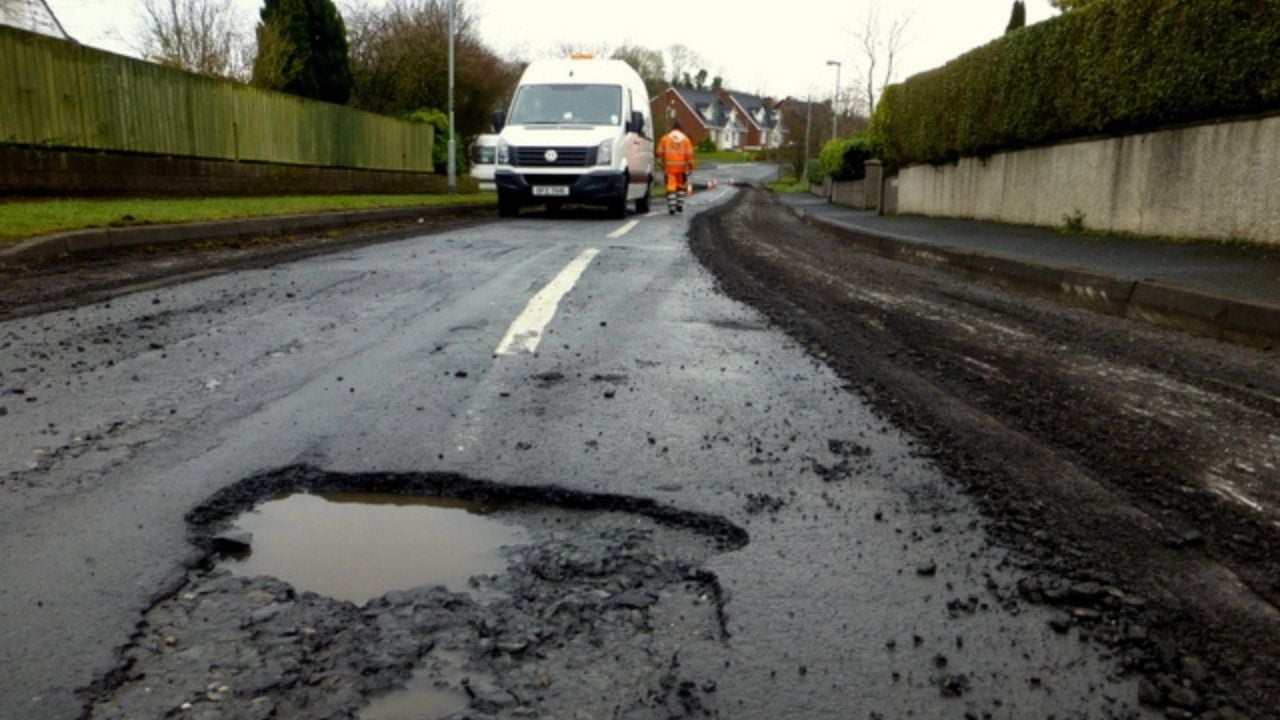
The damage that a pothole can cause is immense. On a more basic level, going over one is horrible and can cause massive discomfort in a car. But it can also damage them, potentially even ripping off wheels and causing major suspension damage. Punctures are also caused by potholes if hit hard enough.
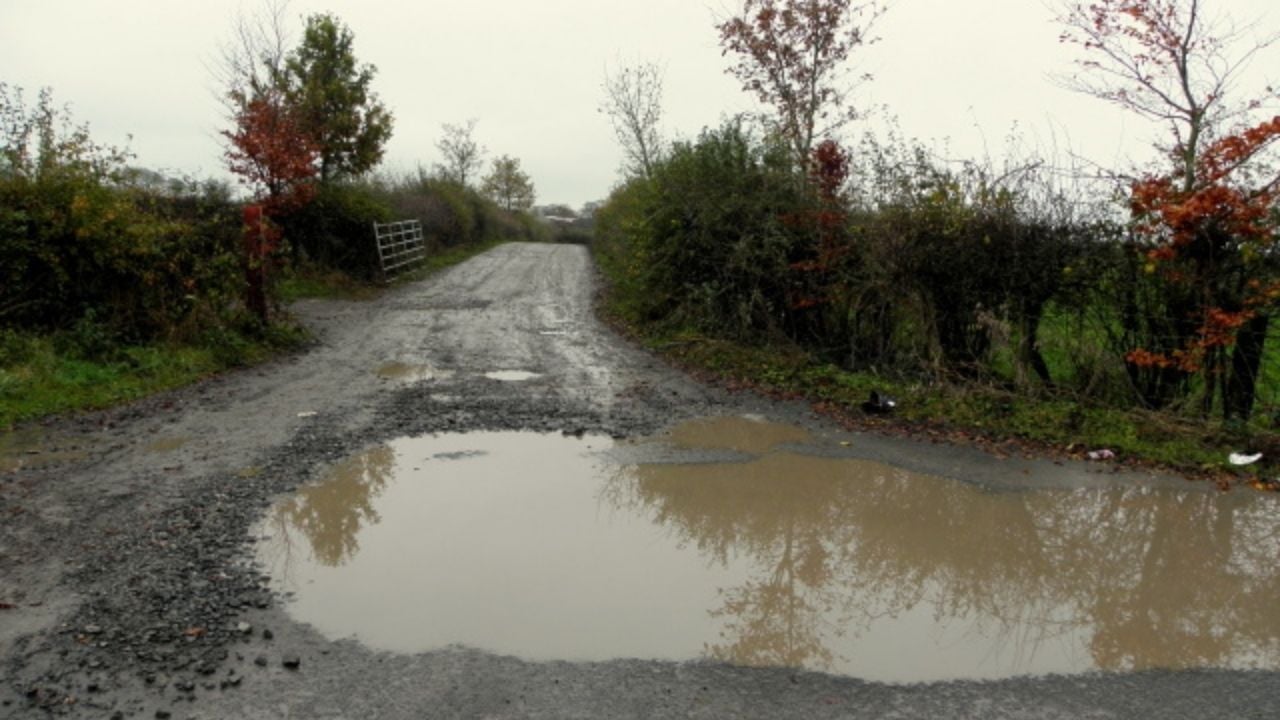
Potholes are also incredibly hard to spot. Sometimes drivers will only see them at the last second. Markings are often placed around them to warn drivers, but these wear away as cars drive over them, and those are still hard to spot. If it’s rained and they fill with water, potholes can look just like a puddle in the road. This is a major issue if the potholes have effectively become craters. The deeper potholes are often the ones that cause the most damage.
Citroen requested information via the Freedom of Information Act to see how local authorities were handling potholes, and the information was interesting. Only around a quarter of authorities are sweeping the roads once every three months, with some not doing so at all. Some councils stated it takes around three months to fix a single pothole. Plus, 47 percent of authorities don’t use geolocation methods, so it’s hard to get accurate information as to where the potholes are.
How Citroen Wants to Tackle the Pothole Problem
Citroen has laid out a six-point plan on how it can make roads better in the UK.
- Reforming how local highways authorities inspect roads, using AI to cut costs, improve data quality and speed up targeted repairs
- Giving local highways authorities greater powers to ensure utility companies properly repair the trenches they dig
- Introducing a five-year plan for road funding by the UK Government – this would save local highways authorities money in the long term
- Creating a national standard for road repairs, ensuring consistency of road quality, and enabling local authorities to be measured accurately against one another
- Using volunteers to increase manpower at no extra cost
- Developing a road cleaning strategy to remove dangerous surface debris
The French manufacturer also found that 28 percent of drivers lost control of their vehicles due to potholes and defects in the road. Greg Taylor, Managing Director, Citroen UK, said, “Our roads are a constant source of concern for drivers, which is why there is so much discussion around them for car manufacturers.
The measures it has suggested are simple, cost-effective and logical, according to the French manufacturer. These on their own would go a long way to make sure roads are better for drivers, and that accidents are reduced. AI road monitoring tool STAN is also playing a role, helping to scan the roads when driving and taking pictures of defective areas.