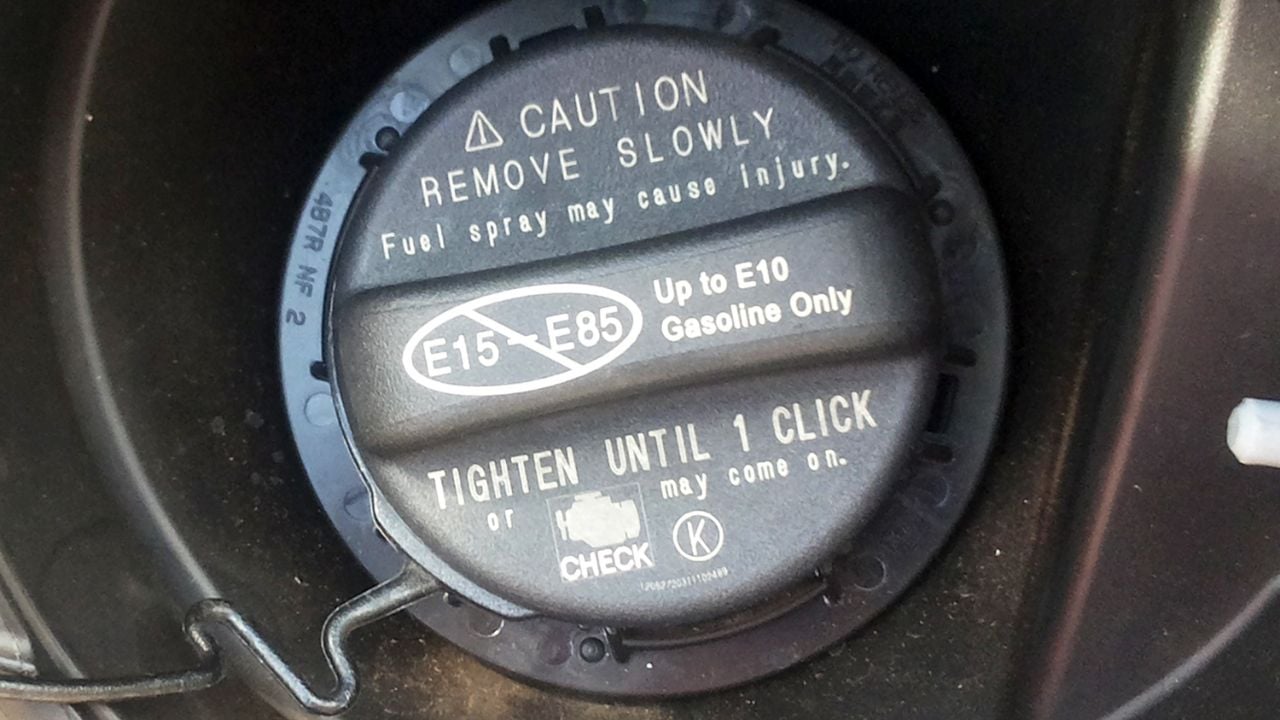

The U.S. government is preparing to expand the use of higher-ethanol gasoline blends, a move that could reshape what millions of drivers put into their tanks this summer.
At the center of the policy is E15 fuel, a gasoline blend containing 15% ethanol, which regulators are now pushing to make more widely available during months when it has historically been restricted.
The plan, driven by the Environmental Protection Agency (EPA), is being framed as a practical response to ongoing fuel supply pressures and volatile global energy markets. By allowing broader seasonal access to E15, policymakers aim to increase fuel availability while providing a modest buffer against rising gasoline prices.
What “Diluting Gas” Actually Means
There are somewhat misleading headlines claiming the EPA is “diluting gas.” What’s actually happening is the agency is expanding the seasonal waiver for E15 fuel (gasoline with 15% ethanol), allowing it to be sold more widely in summer months.
This isn’t dilution in the sense of weakening gasoline but an increase in ethanol blending, which can lower pump prices but slightly reduce fuel economy.
Historically restricted in summer due to smog concerns, E15 fuel = 85% gasoline + 15% ethanol. The EPA waiver (2025–2026) allows nationwide sales during warm months to ease supply and lower prices.
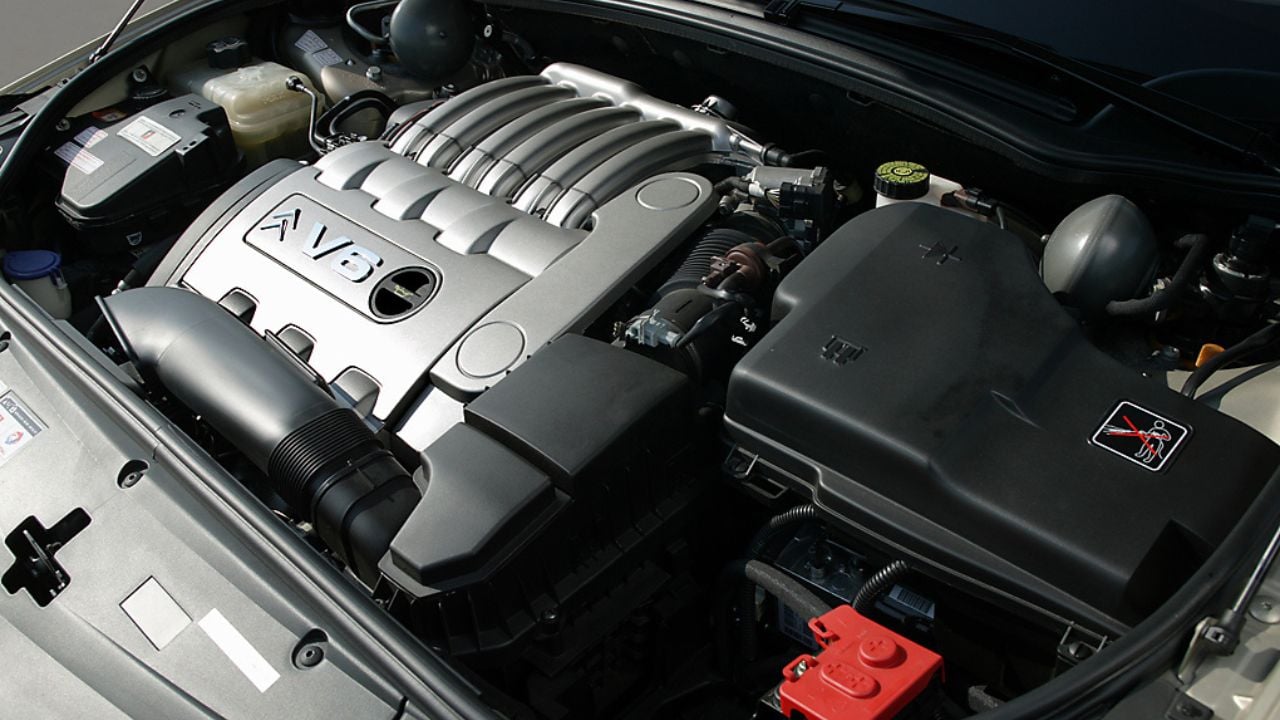
So, why did some headlines describe the move as “diluting gas?” The Drive explained that more ethanol means “cutting gasoline with ethanol,” which can be framed as dilution. Ethanol has lower energy density than pure gasoline, so cars may get 1–2% fewer miles per gallon.
This trade-off is why critics describe it as dilution, though technically it’s a blend adjustment, not weakening fuel quality.
The Economics of Ethanol
Ethanol, primarily derived from corn in the United States, has long been blended into gasoline. The most common mix, E10, contains 10% ethanol and has been standard across the country for years. Increasing that ratio to 15% may seem incremental, but it represents a meaningful shift in both fuel economics and performance characteristics.
From a pricing standpoint, ethanol is typically cheaper than pure gasoline and blending more of it into the fuel supply can reduce overall costs at the pump. At scale, even small reductions per gallon can have a noticeable impact for consumers, particularly during periods of high demand or geopolitical instability affecting crude oil markets.
However, the benefits come with trade-offs that drivers and industry stakeholders must consider. Ethanol contains less energy per gallon than gasoline, meaning that vehicles running on E15 may experience slightly reduced fuel efficiency. While the difference is not dramatic, it can add up over time, particularly for high-mileage drivers.
Performance, Environment, and Compatibility
Performance is another factor. Engines optimized for standard gasoline blends may see marginal reductions in power output when using higher ethanol concentrations. For most everyday drivers, the change will likely be subtle, but it remains a point of concern for enthusiasts and those operating under demanding conditions.
Environmental considerations further complicate the picture. Although ethanol is often promoted as a renewable fuel that can reduce certain greenhouse gas emissions, higher ethanol blends can contribute to increased evaporative emissions in warm weather.
This is one of the primary reasons E15 sales have traditionally been limited during the summer months in parts of the United States. The EPA’s move to relax those restrictions signals a willingness to prioritize fuel affordability and supply stability over longstanding seasonal air quality concerns.
Compatibility also remains an important issue. Most vehicles manufactured after 2001 are approved to run on E15 without significant risk, but older cars and many small engines like those found in motorcycles, boats, and outdoor power equipment are not designed for higher ethanol content.
Misfueling in these cases can lead to mechanical issues, including damage to fuel system components.
A Pragmatic Solution With Trade-Offs
Despite these concerns, the expansion of E15 is widely viewed as a pragmatic, if imperfect, solution to current energy challenges. It reflects a broader strategy of leveraging domestic agricultural resources to offset reliance on traditional fossil fuels, even as the long-term transition to electrification continues.
For consumers, the immediate impact will likely be most visible at the pump, where E15 is often marketed as “Unleaded 88.” Whether drivers choose it over standard gasoline will depend on price differentials, vehicle compatibility, and personal preference.