
A trip to Europe exposes bad app choices fast. One day you are trying to reach a train platform in a city you do not know, the next you are comparing a ferry with a bus, and by evening you are staring at a menu you cannot read. The most useful travel apps are not the flashy ones. They are the ones that keep working when the trip gets slightly messy.
No single app does all of Europe perfectly, which is why the smartest setup is a small stack rather than one miracle download. You want one app that makes offline navigation less stressful, one that handles rail well, one that is especially good inside big transit-heavy cities, one that helps with awkward multi-leg journeys, and one that can quietly rescue daily language friction.
That is where this lineup earns its place. Google Maps remains the essential base layer for offline maps and saved pins, Trainline is still one of the easiest rail apps to use across multiple operators, Citymapper shines inside complicated urban networks, Rome2Rio helps with the strange in-between routes, and Google Translate is the one that keeps menus, signs, and short conversations from becoming daily obstacles.
For a Europe trip, that combination is more useful than downloading ten apps you barely understand. These five cover most of the moments when travel gets annoying, which is exactly why they are worth installing before you leave home.
1. Google Maps Is Still the One To Set Up Before You Leave Home
Google Maps earns its place because it solves one of the most common Europe problems: getting around when your signal is weak or your roaming is unreliable. Google’s official help pages say you can download areas for offline use, and you can also save places into lists before the trip even starts. That makes it the best base layer for almost any itinerary, whether you are landing in Lisbon, switching trains in Milan, or trying to find your apartment in Prague after dark.
Its real value is in preparation. Download the city or region before you leave Wi-Fi, pin your hotel, stations, airport, and a few must-visit places, and you will feel much calmer once the trip begins. One caveat is worth knowing in advance: Google says offline maps still guide you for driving, but offline transit, walking, and bicycling directions are unavailable. In Europe, that means Maps is essential, but it should not be your only transport app.
2. Trainline Is the Rail App Most Travelers Will Be Glad They Downloaded

Europe is where train travel stops being a novelty and starts becoming part of the trip’s structure. Trainline says its app brings together tickets for more than 270 operators, and the company also says it works across 45 countries. For travelers moving between operators like Eurostar, SNCF, Trenitalia, Deutsche Bahn, and Renfe, that kind of consolidation is genuinely useful.
Trainline becomes especially practical because it reduces station stress. The company says its app supports digital tickets, while its live journey tools can show live tracking and platform information. That makes it especially useful when your itinerary includes multiple rail days and you do not want bookings scattered across different national websites. For a first Europe trip, that simplicity matters.
3. Citymapper Is the One That Feels Smartest Inside Big European Cities
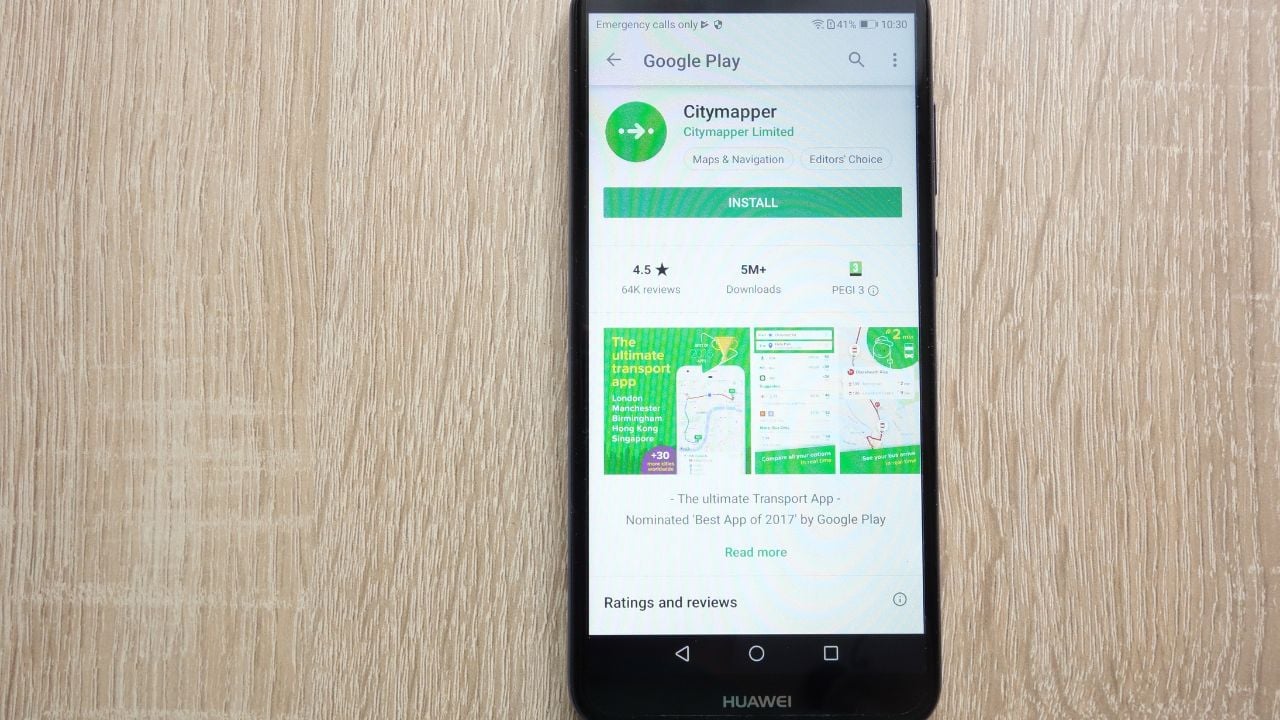
Citymapper is not the right app for every stop in Europe, but in the cities it supports, it is often the most comfortable one to use. Its app listing says it offers real-time comparisons across transport modes, live departures, bus locations, and turn-by-turn directions. That makes it a very strong metro-and-bus companion once you are inside a big urban network.
The difference shows up when a city gets complicated. Citymapper is especially helpful when you need the best route, a realistic ETA, and a cleaner sense of how to move through a city without overthinking every transfer. It is not an all-Europe app, and it is not meant to be. It is the one that can make a big transit-heavy city feel much easier once you are already there. Before relying on it, it is worth checking which cities it currently covers.
4. Rome2Rio Is the App for the Awkward Travel Day in the Middle
Europe trips are full of journeys that look simple until you start planning them. Airport to ferry port, city center to remote airport, lake town to mountain village, hotel to train station with a bus connection in between. Rome2Rio’s official site says it helps users compare planes, trains, buses, ferries, bike share, driving, and walking directions all in one search.
That makes it less of a booking-first app and more of a route-logic app. The app listing says Rome2Rio can help travelers research, compare, and coordinate transport options across 240 countries and territories. In practice, it is the app you open when you find yourself asking, “What is actually the easiest way to get there?” and want a useful answer quickly.
5. Google Translate Is the App That Saves You From Small Daily Friction
Language barriers in Europe are usually manageable, but they still create constant small moments of hesitation. Google’s official materials say Translate can handle text, photos, speech, and more than 200 languages through the app, and it also lets users download languages for offline use. That range is why it remains one of the most useful travel downloads rather than a backup you forget about.
Its best use is not dramatic conversation scenes. It is the everyday stuff: train notices, museum text, pharmacy labels, menus, supermarket signs, and the quick question you need answered without fumbling. Google also says some downloaded languages can work with camera translation offline, and its help pages also cover translating documents and websites. In Europe, that kind of low-key usefulness is exactly what makes an app worth keeping on your home screen.