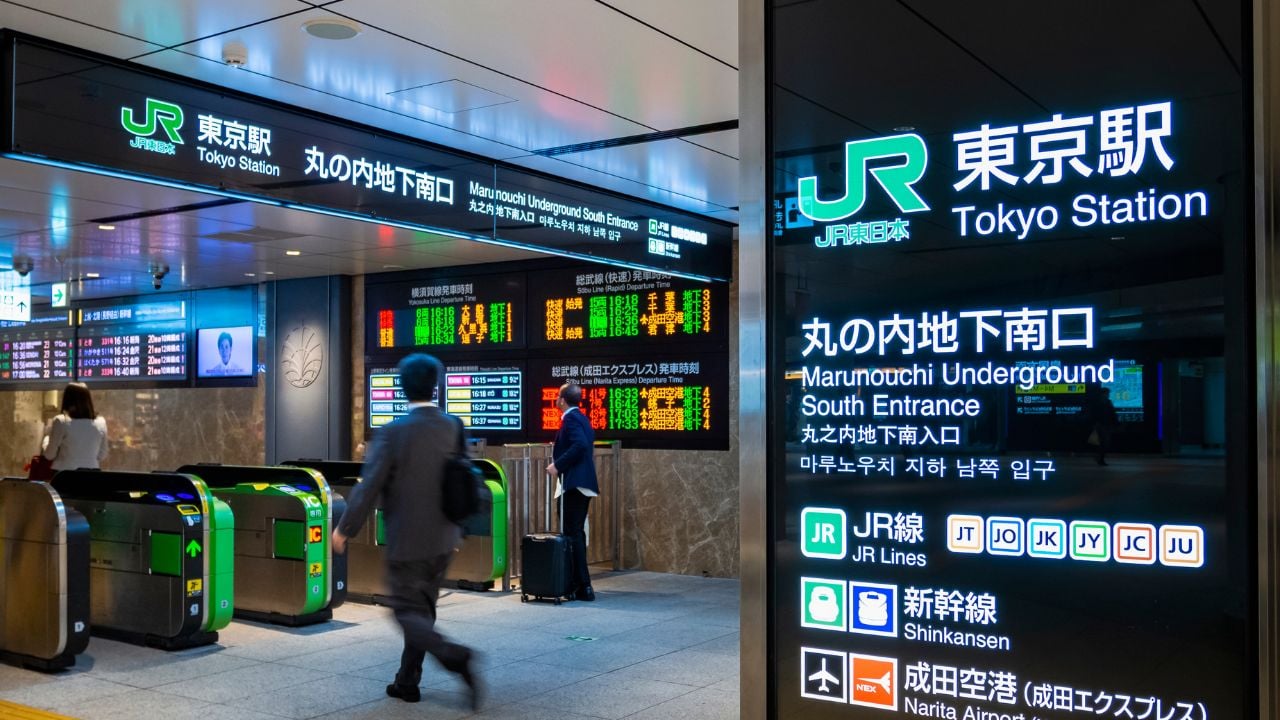
A first visit can feel like stepping into a living circuit board. Arrows point everywhere, crowds surge, and the destination seems to teleport between floors. Jet lag plus rolling luggage turns small choices into major detours.
The root problem is growth without a reset. This landmark began operating on 20th December 1914, then absorbed extra rail links, retail corridors, and underground connections in stages. Tokyo Station City lists 28 platforms and a total site area of about 182,000 square meters, so scale alone can overwhelm newcomers.
1. Patchwork Design Built in Decades
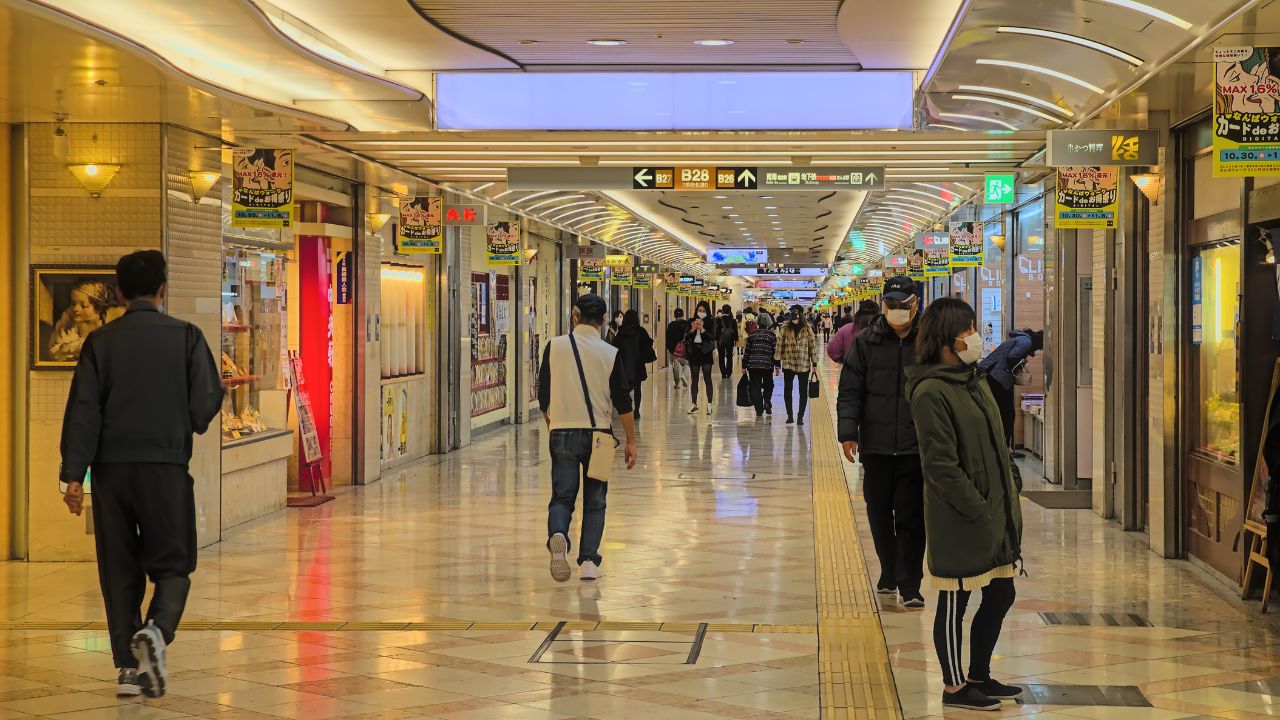
Architecture here reads like a scrapbook, not a blueprint. Each era added a piece that solved a specific need, then later projects wrapped around it instead of replacing it. The result is a station where adjacent passages can follow totally different logic.
Some routes funnel through shopping streets, office lobbies, or connected buildings, so the border between transit and city blurs. A corridor can look formal and still quietly become a mall, and your sense of direction evaporates. Regular commuters learn these shortcuts through routine, while visitors meet them as surprises.
2. Marunouchi, Yaesu, Nihonbashi: The Outside Labels Matter
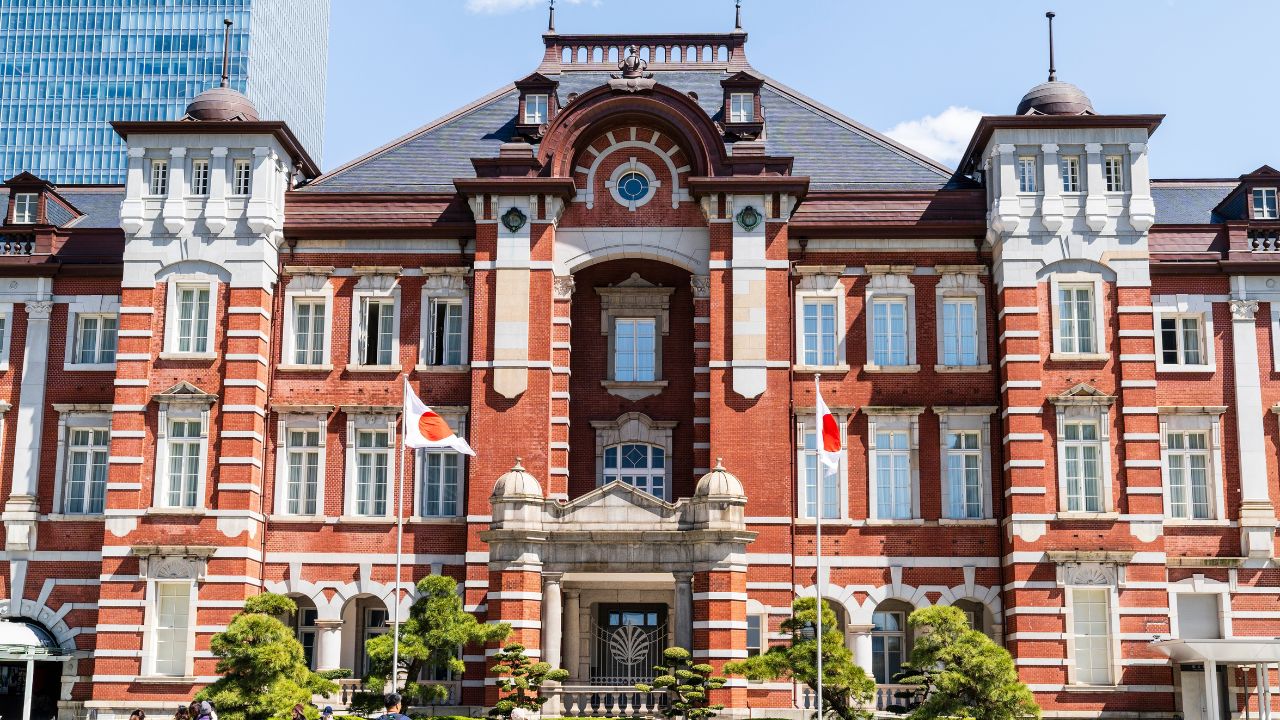
Orientation begins before any ticket gate comes into view. The red brick front points toward the business district, while Yaesu sits near major department stores and many bus links. Nihonbashi appears on eastern entrances, adding a third name that sounds like another neighborhood because it is one.
These fronts sit on opposite sides of the track stack, not around one shared plaza. Friends waiting at one set of doors can be a long walk from another, even if both messages claim the same spot. Pick the correct side first, then narrow it down to a specific entrance name, and the confusion drops fast.
3. Deep Levels and the Southward Link Trick
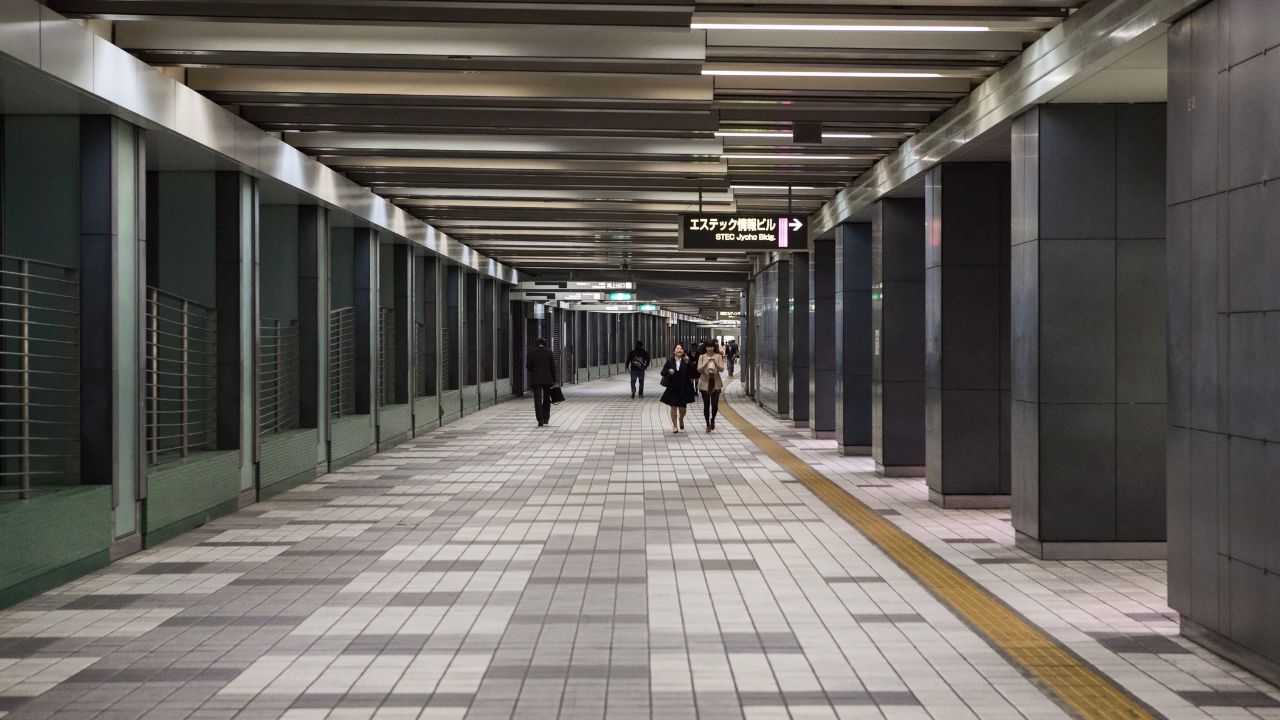
Most mental maps assume one main hall, plus a basement. Reality offers multiple underground floors, separate corridors, and long links that run beneath nearby blocks. Miss one escalator and an easy route can flip into a loop of backtracking.
Operator floor guides split the site by level, with dedicated sheets for the Sobu section and other deep areas. Keiyo Line platforms sit several hundred meters south of the core halls, reached via lengthy passages and moving walkways. Plan ten to fifteen minutes for that leg for newcomers, especially with bags, and avoid the panic sprint.
4. Fare Barriers That Create Invisible Boundaries
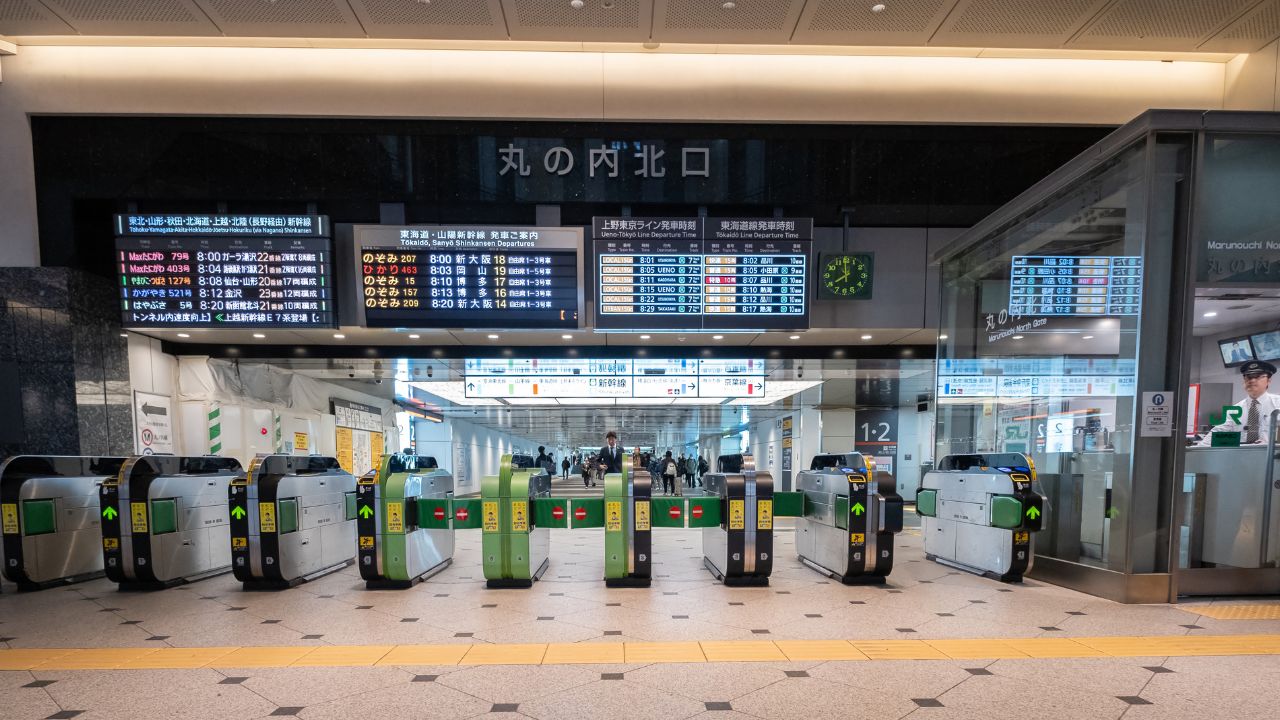
The inside space is divided by payment zones, and those zones behave like walls. JR East Shinkansen, JR Central Shinkansen, and conventional services use separate gate areas, even when ceilings and signs feel continuous. Departure screens can show the right info and still leave a traveler on the wrong side of the fare boundary.
This layout keeps ticketing strict, yet it punishes guessing. Interchange points exist, but they are easy to miss during a rush. When uncertainty spikes, station staff can reroute lost riders faster than any trial-and-error loop.
5. A Quick Routine That Prevents the Spiral
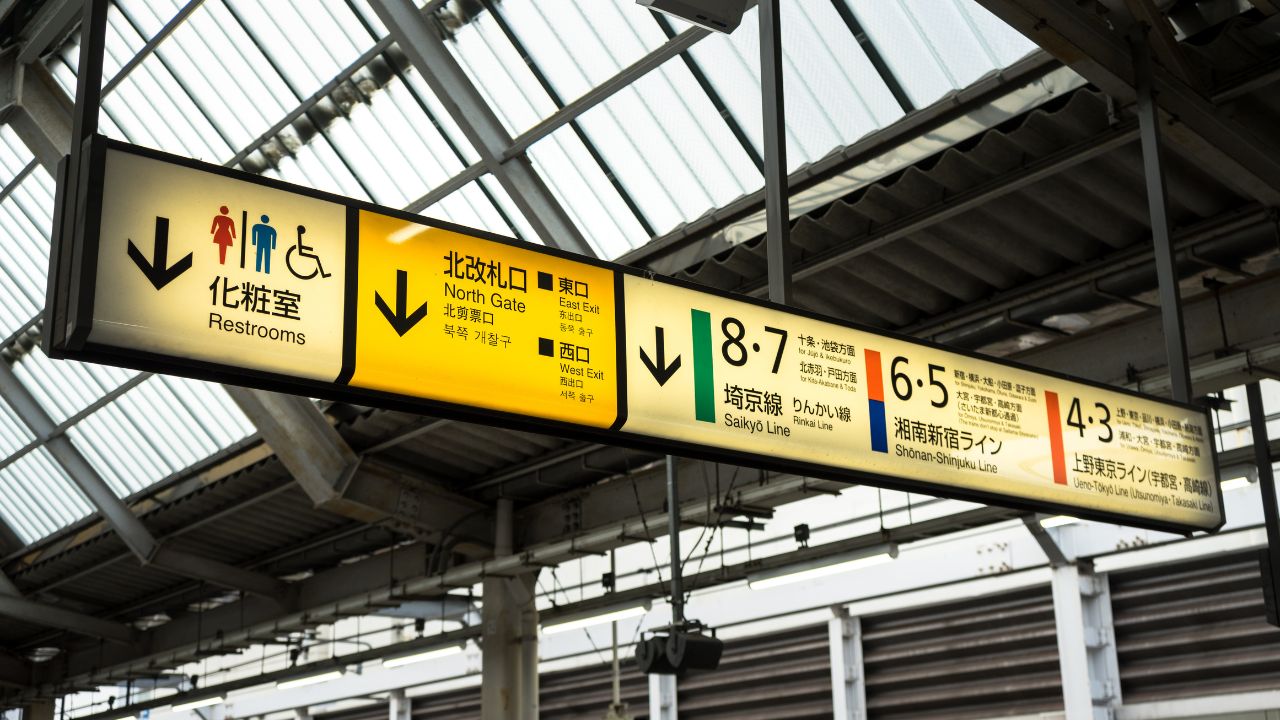
Start by picking a single target category, then tune out the rest. A street exit, the Metro-operated Marunouchi Line, and a specific train are three different missions, and mixing them creates chaos. After choosing the mission, lock onto a named entrance or checkpoint so your location stays anchored.
Next, treat signage as confirmation, not an invitation to wander. Open an operator floor plan, match the current label, then commit to one path until the next main directory. Moving with intent beats drifting, and Tokyo Station stops feeling hostile.