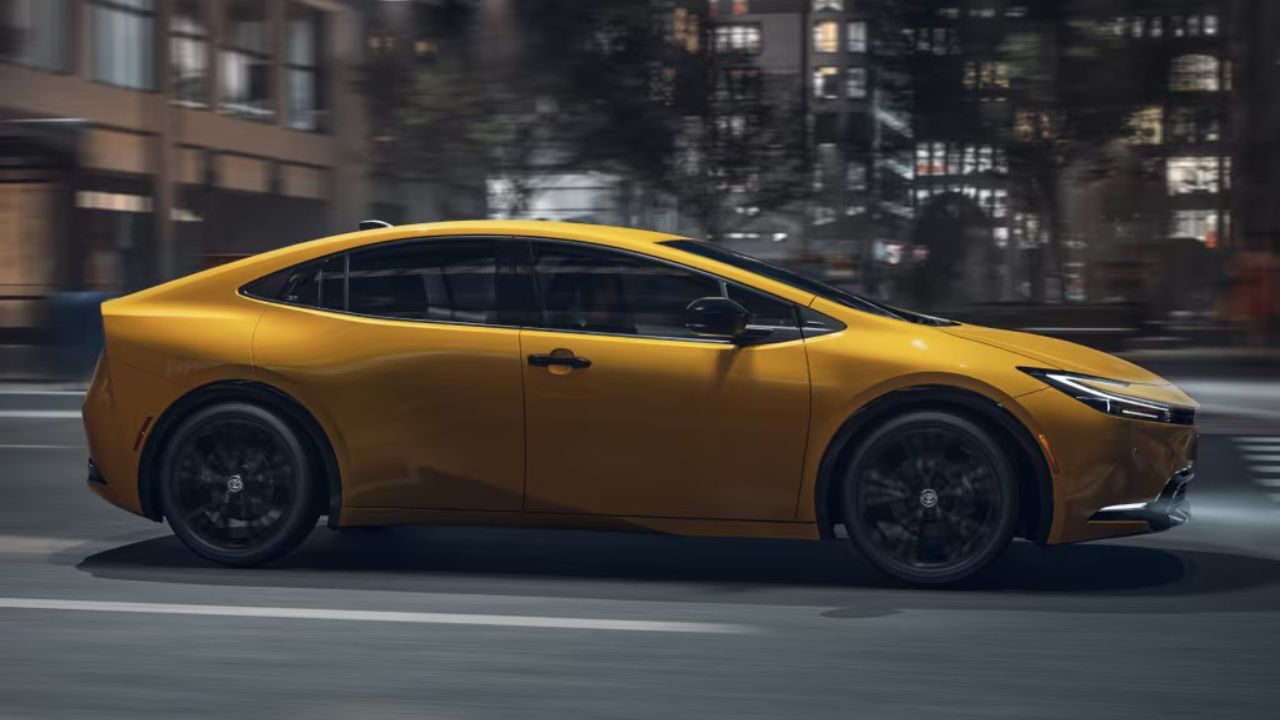
In a market shaped by crossovers and SUVs, very few cars manage to stay recognizable and relevant for decades. The Toyota Prius is still one of those rare exceptions.
For years, it stood as the clearest symbol of fuel-conscious driving and mainstream hybrid technology in America.
The latest Prius has a far sharper look than the old car, and in bright colors it can draw the kind of attention no earlier generation ever chased. On paper, that should have helped the model’s appeal.
But the first months of 2026 tell a much more complicated story.
Prius Still Has Style But Sales Have Slipped
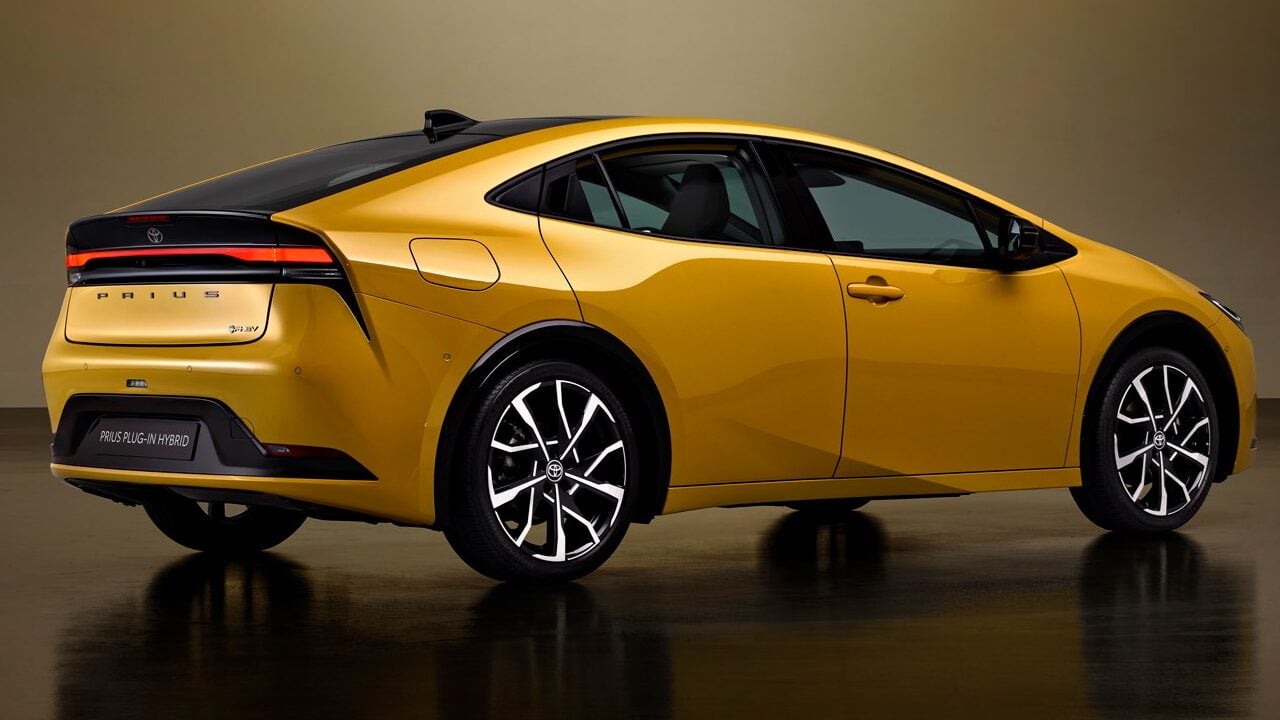
Toyota delivered 9,737 Prius models in the United States from January through March 2026. That was down 41.5% from 16,653 units in the same period a year earlier, which makes the drop too large to dismiss as a minor fluctuation.
That decline stands out even more because the current car is not suffering from a stale design problem. Toyota’s latest Prius uses a 2.0 liter hybrid setup with up to 196 hp and up to 57 mpg combined, so the core product remains efficient, modern, and much more visually dramatic than the older generations most buyers remember.
In other words, this is not a case where the Prius simply stopped improving. The car still represents the same hybrid mission that made it famous, but the market around it has changed in ways that make its traditional strengths less unique than they once were.
Camry Has Become The Stronger Hybrid Pull
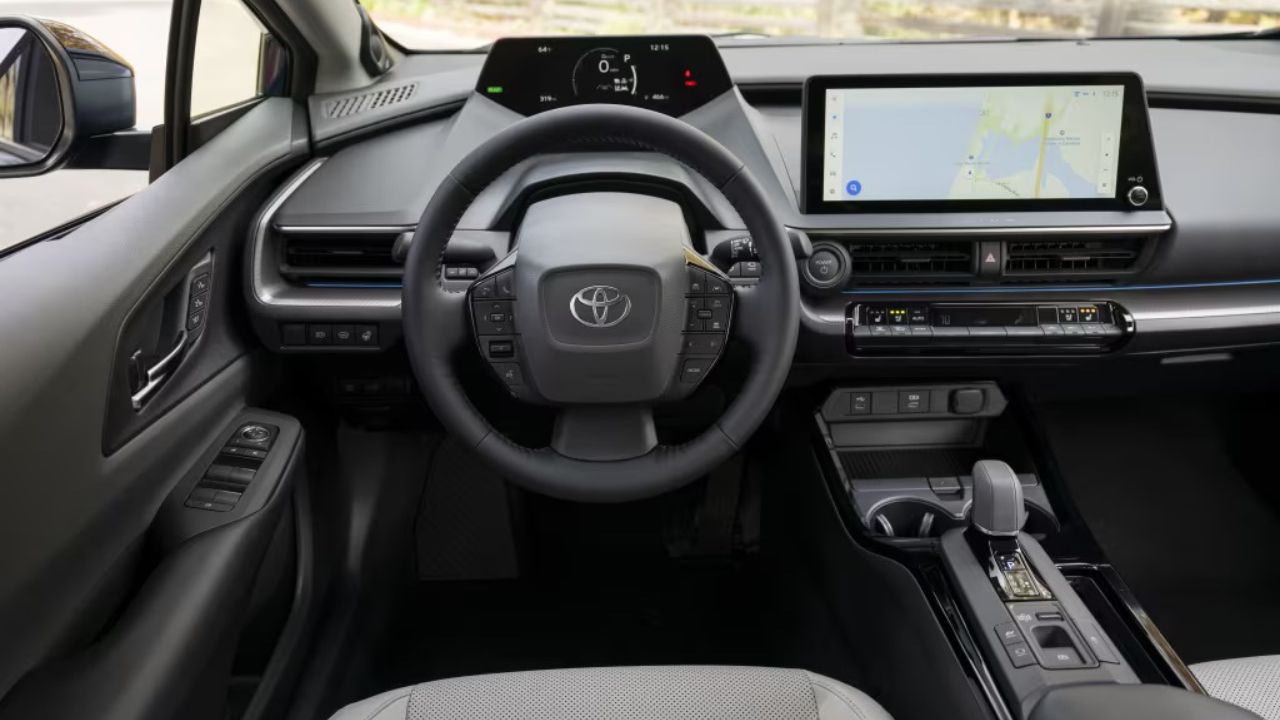
Toyota says part of the answer is sitting inside its own showroom. A company spokesperson told The Drive that demand shifted toward the Camry, largely because of its strong fuel economy, and Toyota was able to scale back Prius production while increasing Camry output because the two cars share some components.
The numbers back that up. Camry sales climbed to 78,255 units in the first quarter, up from 70,308 a year earlier, while the current North American Camry is now hybrid-only and uses a larger 2.5-liter four-cylinder-based system with 225 hp in front-wheel-drive form or 232 hp with available all-wheel drive.
That makes the Camry a very compelling alternative for American buyers who want efficiency without giving up cabin space, trunk space, or a more traditional midsize sedan feel. The Prius still wins on fuel economy, but the Camry now delivers enough efficiency that many shoppers may see it as the more complete everyday choice. This is an inference based on Toyota’s own explanation, the sales gap, and the two models’ current specs.
Production Costs Could Matter Even More Now

There is also a manufacturing angle that makes this shift more important. Toyota says the Camry Hybrid is built in Georgetown, Kentucky, while the Prius has long been associated with production at Toyota’s Tsutsumi plant in Japan.
That matters in a tariff-heavy environment. Reuters reported in May 2025 that Toyota expected U.S. tariffs to hit profits, with direct levy costs of 180 billion yen just for April and May, while currency pressure and import exposure were also weighing on the company’s outlook.
Toyota has not announced any plan to pull the Prius from the U.S. market, so it would be premature to treat this sales drop as an exit signal. Still, when Camry demand is rising, local production offers strategic advantages, and the Prius is losing volume this quickly, the business case becomes harder to ignore. Prius still carries a name that helped define the hybrid era, but in today’s market that legacy alone may not be enough to guarantee the same place in Toyota’s lineup.
This article originally appeared on Autorepublika.com and has been republished with permission by Guessing Headlights. AI-assisted translation was used, followed by human editing and review.