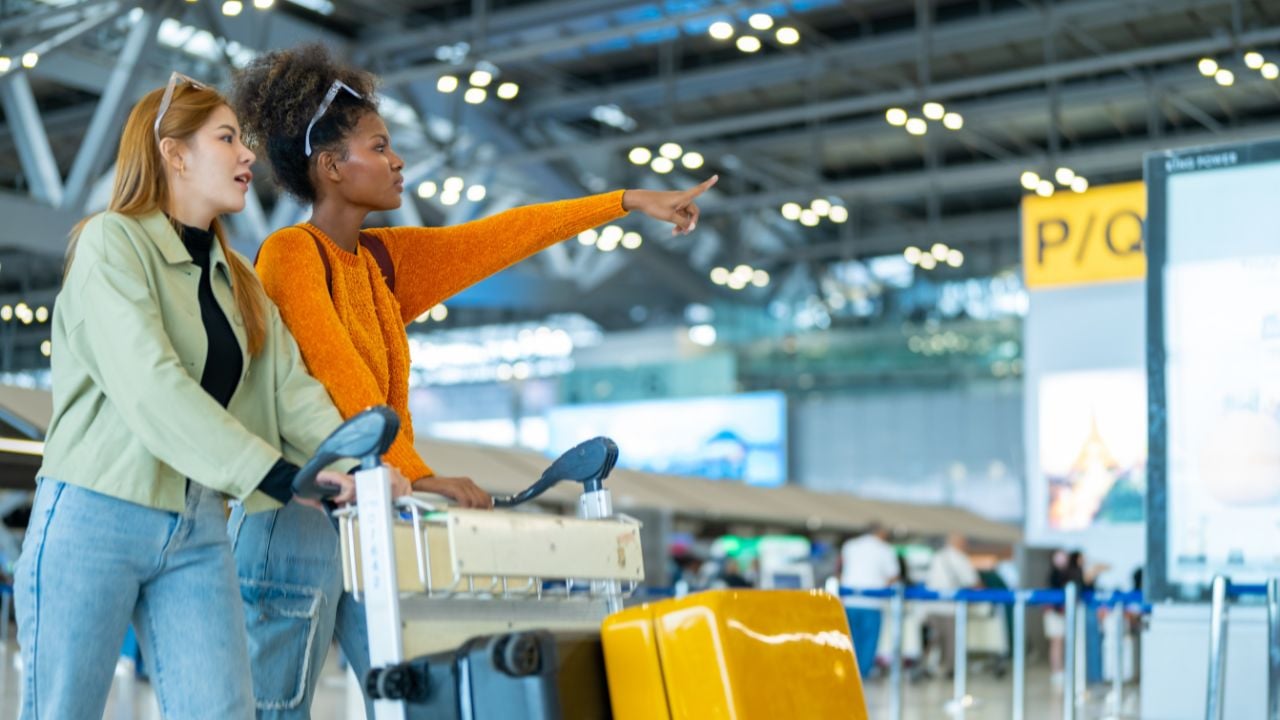
Crowded terminals, delayed boarding, and a cabin full of sniffles create a perfect little ecosystem for sharing germs you never asked to meet. Modern jets do a solid job filtering air, but holiday travel adds something ventilation cannot fully solve: constant human traffic in tight spaces.
Seat choice will not turn you into a biohazard-proof superhero, yet it can cut down the number of strangers brushing past your row and the number of high-touch surfaces your hands “accidentally” adopt. Think of it as reducing exposures you can actually control while accepting the rest as part of the flying circus.
The Aisle Spot Right Next to the Bathrooms
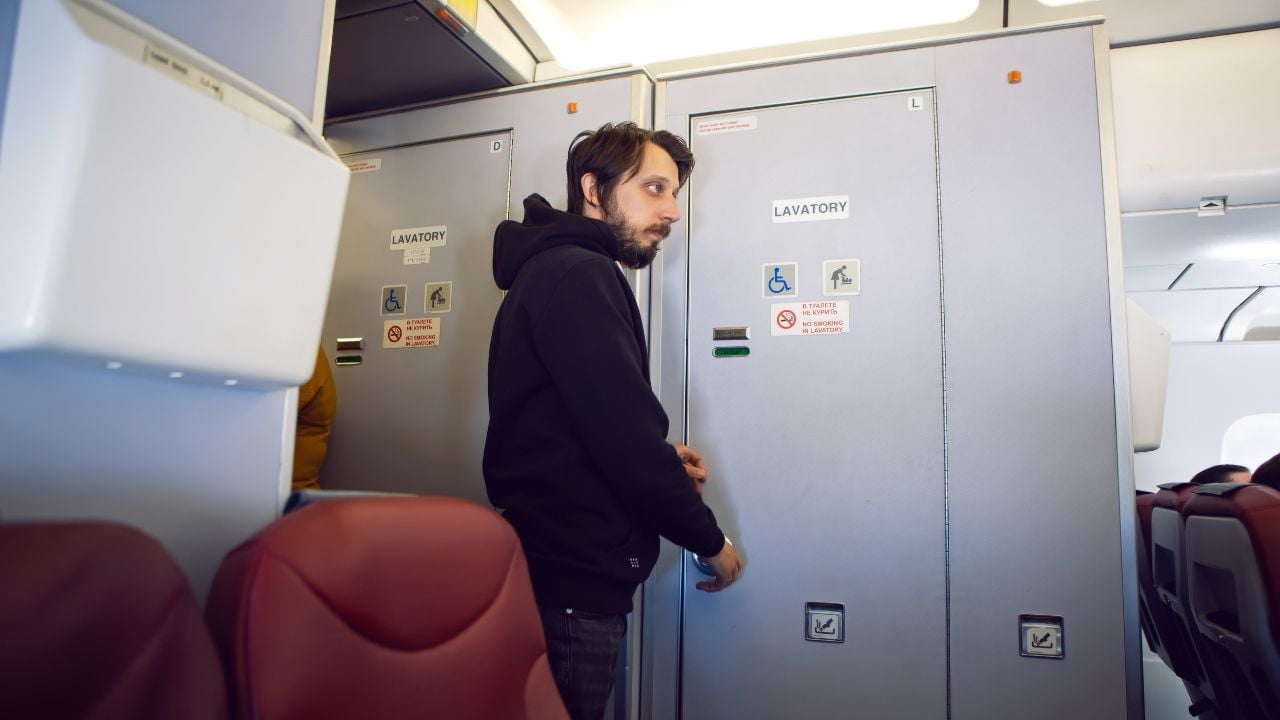
That location is the cabin’s pedestrian crossing. People line up, pivot, grab seatbacks for balance, and shuffle around bags, coats, elbows, and impatience, especially during boarding and the last hour before landing. A 2018 PNAS study tracking passenger movement on single-aisle transcontinental flights found the aisle side is where most up-and-down activity happens: 80% of aisle-seat passengers left their seat at least once, compared with 62% in middle seats and 43% in window seats.
Surface contact is the other problem, and it is sneakier than coughing. A Scientific Reports study that modeled surface contamination networks in aircraft cabins, using norovirus outbreak scenarios, highlighted toilets and aisle seatbacks as key high-touch connectors. It also found higher fomite exposure for aisle passengers, with extra concern for those seated closer to lavatories.
Why This Choice Adds Risk Even With Good Cabin Airflow
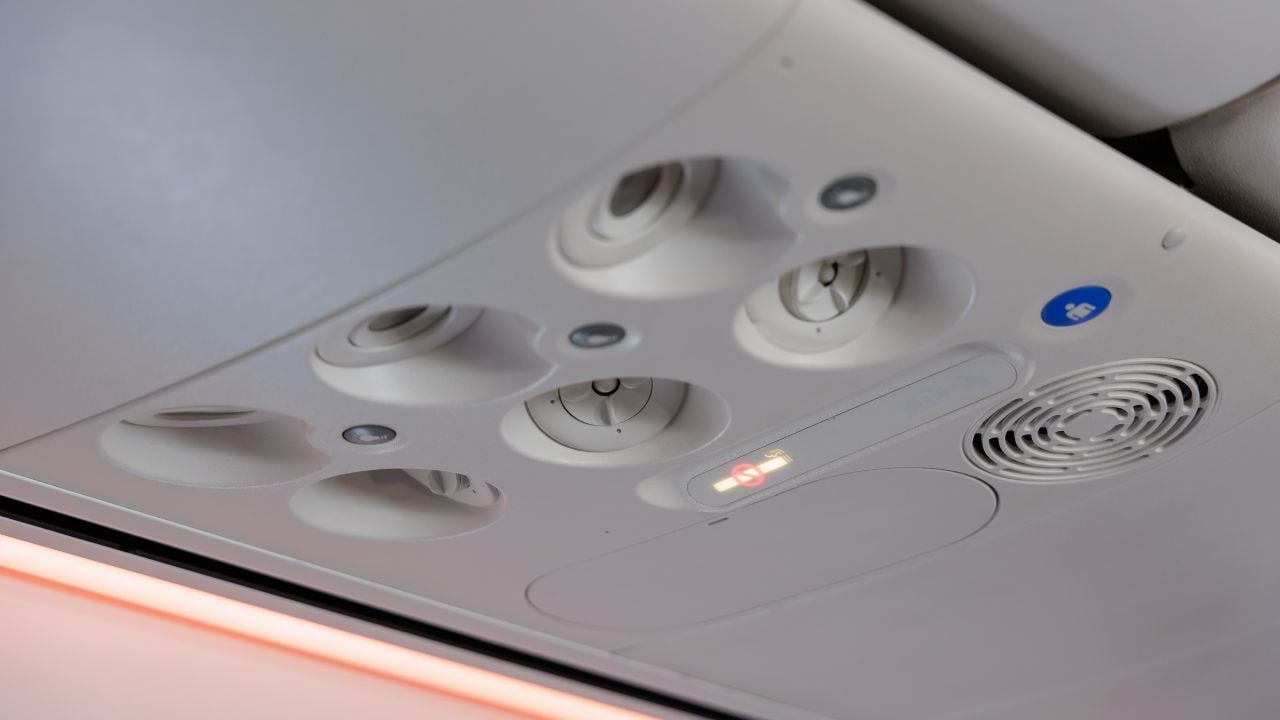
Large commercial jets refresh cabin air frequently and use HEPA filtration on recirculated air, which helps a lot with airborne particles. The CDC’s Yellow Book notes 20–30 air refreshes per hour and HEPA capture of 99.97% of particles ≥0.3 µm.
Close range still counts, because you are breathing in the same small zone as nearby people before air gets pulled away and cleaned. The CDC also flags higher transmission risk when ventilation is reduced or off, which can happen during boarding, deplaning, and ground delays. That is exactly when the bathroom-adjacent aisle becomes a parade route.
The Seat I Pick Instead When I Can
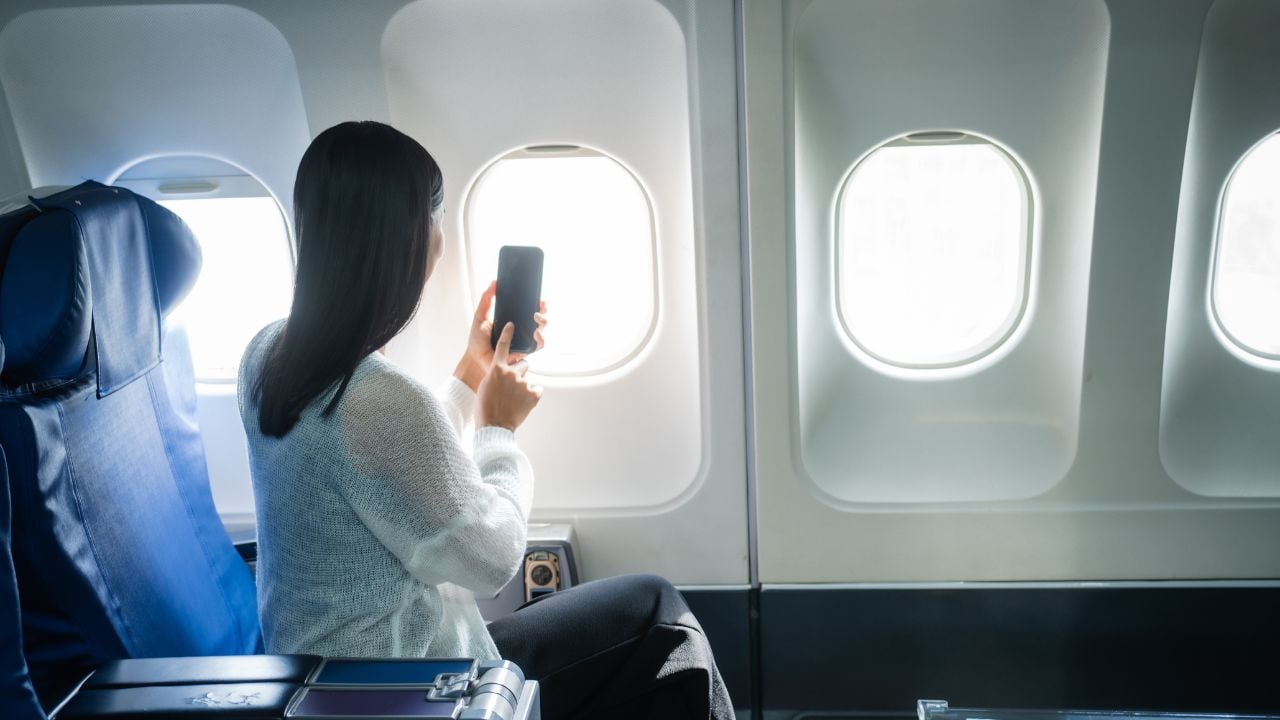
Window positions tend to have fewer random face-to-face encounters because you are not sharing the corridor with everybody doing laps. The same PNAS movement research found window passengers were much less likely to get up than aisle passengers, which indirectly reduces close contacts with travelers and crew moving past.
Distance from the lavatories is the second lever. A row or two away from that queue zone reduces the constant bumping, and it also pulls you away from the highest-touch cluster identified in the cabin surface-network work. Comfort improves too, since you will not spend half the trip hearing the door click like a metronome.
The Moments That Matter More Than the Seat Map
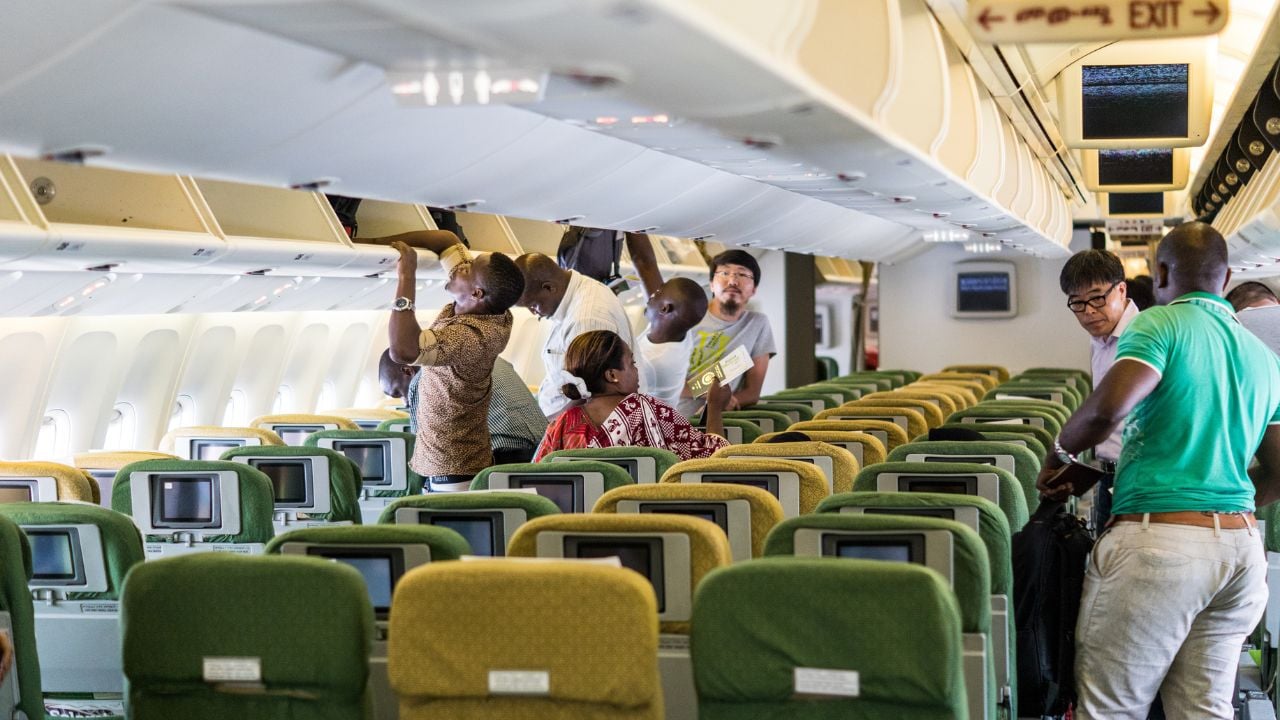
Boarding and deplaning are the chaos peaks, and the CDC specifically calls out those phases as higher-risk times for transmission. Masking during those windows, keeping hands off seatbacks, and avoiding unnecessary milling in the aisle can outperform any “perfect” row selection.
Movement patterns are not trivia; they are exposure mechanics. The influenza-transmission modeling work behind this conversation emphasizes that proximity and interactions drive risk, and it finds a low probability of direct transmission for passengers not seated close to an infectious person. Translation: stay put, keep your bubble small, and do not volunteer for hallway life. (PNAS study)
A Simple Hygiene Routine That Does Not Feel Paranoid
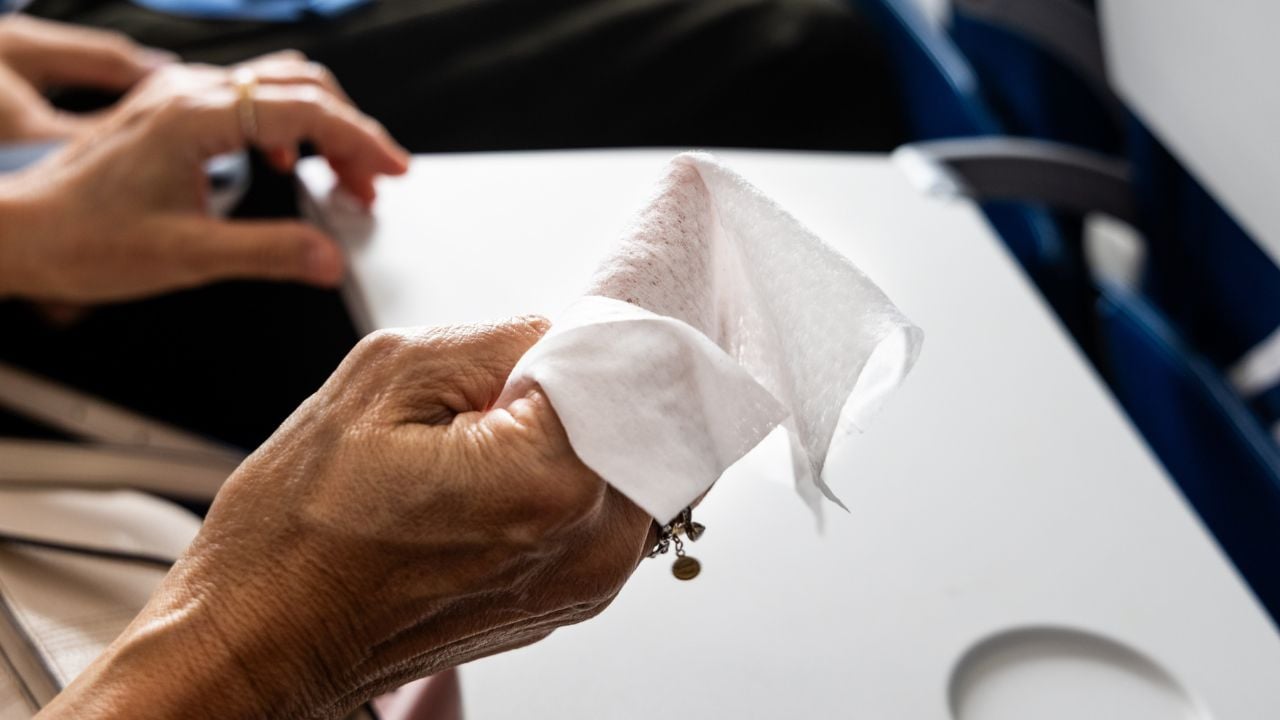
Hands are the real culprits in a lot of “I touched something, then touched my face” infections. The CDC’s Yellow Book recommends avoiding contact with potentially contaminated surfaces like aircraft seat backs, which sounds obvious until you watch people use them like stair railings.
Build one tiny habit loop and stick to it: sanitize after handling overhead bins, after restroom trips, and after digging around the seat pocket area. If you want to be extra practical, wipe the armrests and tray table early, then stop fussing and enjoy the trip, because stress is its own kind of immune-system sabotage.