The golden era of American muscle, roughly 1964 to the early ’70s, set a template that seemed impossible to replicate. Automakers stuffed big V8s into midsize two-door sedans, added performance packages, and created icons in the process. It was a moment in time when horsepower was cheap, insurance agents were forgiving, and nobody worried too much about fuel economy or emissions labels.
Of course, lightning like that isn’t supposed to strike twice. The original muscle era faded under a cocktail of new regulations, climbing insurance premiums, fuel concerns, and shifting shopper tastes. But that didn’t stop automakers from trying, again and again, to revive the spirit, if not the exact formula. And depending on who you ask, some attempts were bold evolutions while others were heresy.
After all, purists love to argue about what “counts.” Some will balk at the idea of muscle-car DNA showing up in a wagon, a pickup, a four-door family sedan, or a badge-engineered import built half a world away. But power is power, attitude is attitude, and plenty of modern machines carried the same rebellious energy that defined the originals—even if they didn’t fit neatly into the old playbook.
So for this list, we’re using the term modern muscle cars: vehicles that channeled big performance, big personality, and enormous potential, even if history never put them on the same pedestal. Whatever you call them, these underrated modern brutes deserved far more love than they ever received.
Pontiac GTO (2004-2006)

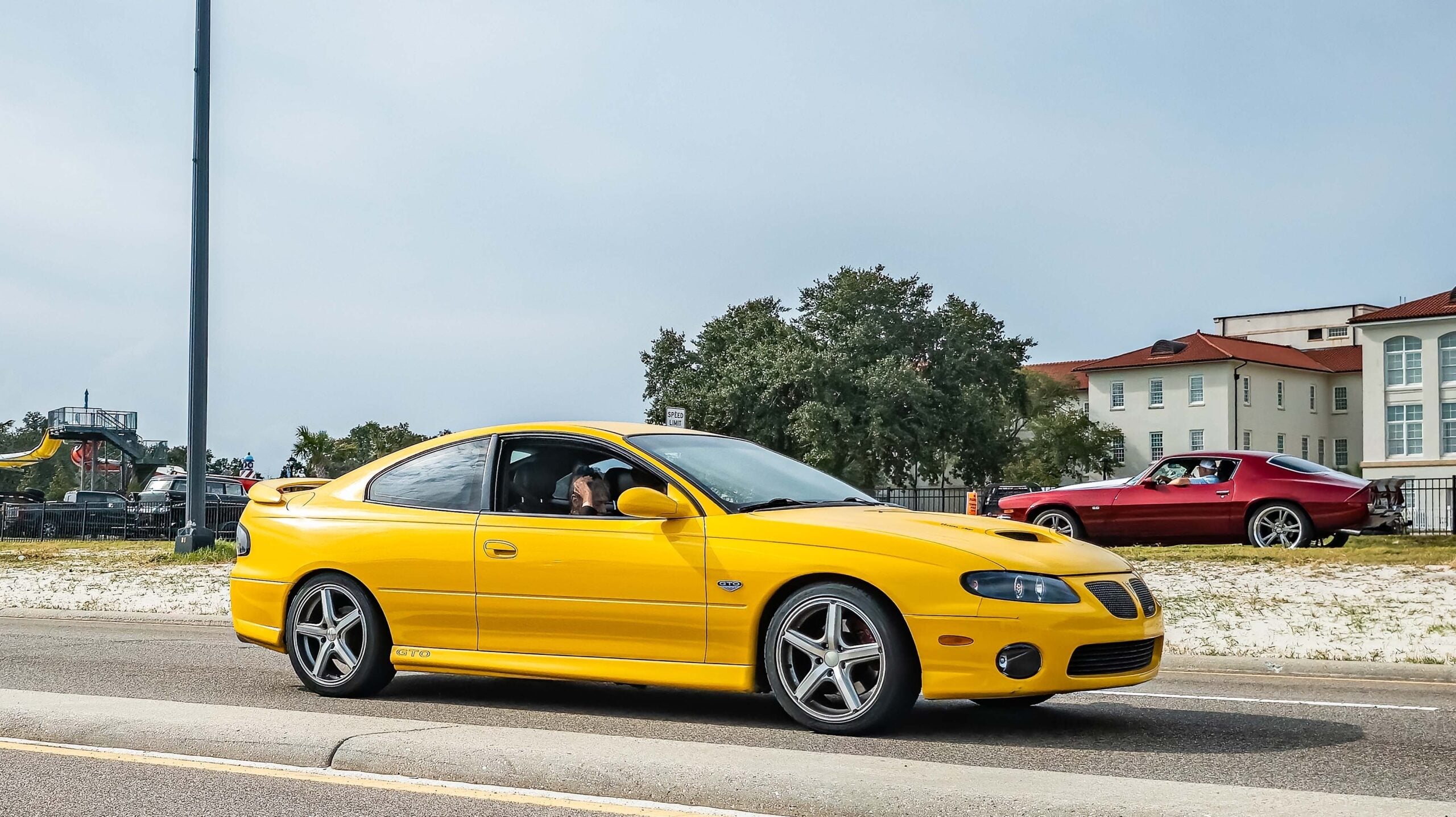
Pontiac resurrected the GTO name in 2004, and on paper, it had everything enthusiasts had been begging for. This Australian-built coupe arrived with a 5.7-liter LS1 V8 and was later upgraded to a 6.0-liter LS2, making around 400 horsepower, depending on model year. The performance was real, the heritage was undeniable, and the price was competitive with other V8 offerings of the time.
But when shoppers saw the understated styling, many expected more visual drama from a name as legendary as GTO. While the retro-styled Mustang hogged the spotlight, the modern GTO took a quieter approach—with a design some people compared more to a grown-up grand tourer than a nostalgic muscle revival. That overshadowed what the car actually delivered: strong straight-line speed, a refined chassis, and handling that surprised reviewers who spent time behind the wheel.
Those who did take the plunge discovered one of the most well-rounded performance coupes of its decade—a car that didn’t shout for attention but absolutely earned respect from the people who drove it.
Chevrolet SS
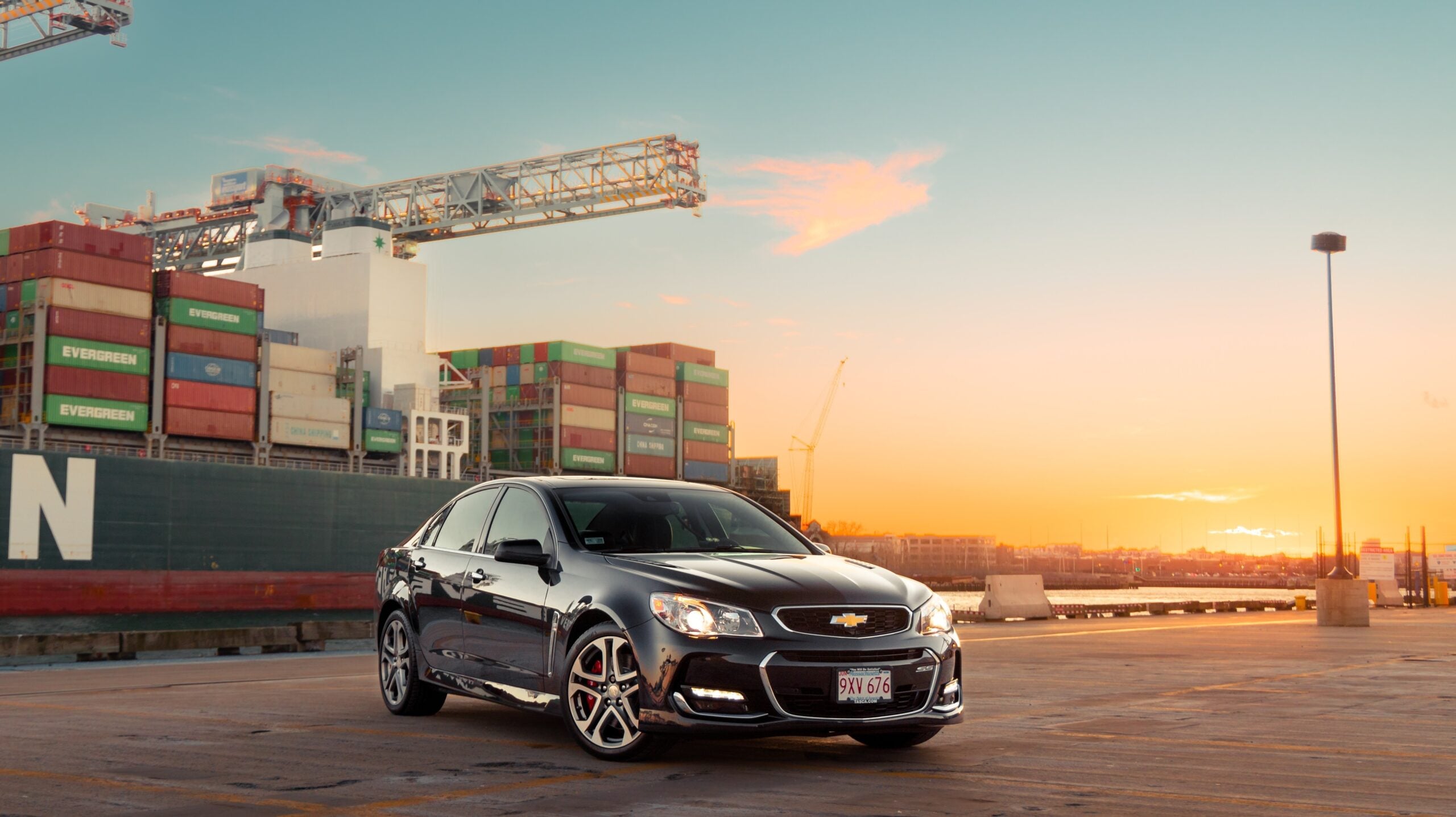
The Chevy SS remains one of the most overlooked performance sedans to reach American showrooms. Built by Holden in Australia, it arrived with a 6.2-liter LS3 V8 making around 415 horsepower, depending on model year. Buyers could even opt for a six-speed manual, something almost unheard of in full-size sedans by the mid-2010s, giving it genuine enthusiast credibility wrapped in four-door practicality.
With 0–60 times hovering in the mid-four- to low-five-second range depending on conditions, the SS delivered serious pace while flying under the radar with its clean, unassuming styling. Chevrolet’s minimal marketing, limited inventory, and narrow trim strategy meant many shoppers never realized it existed until production ended in 2017.
Today, used examples are attracting drivers who have finally discovered what the SS quietly offered all along: a roomy, comfortable sedan with real V8 character and the kind of driving experience that’s increasingly rare.
Mercury Marauder
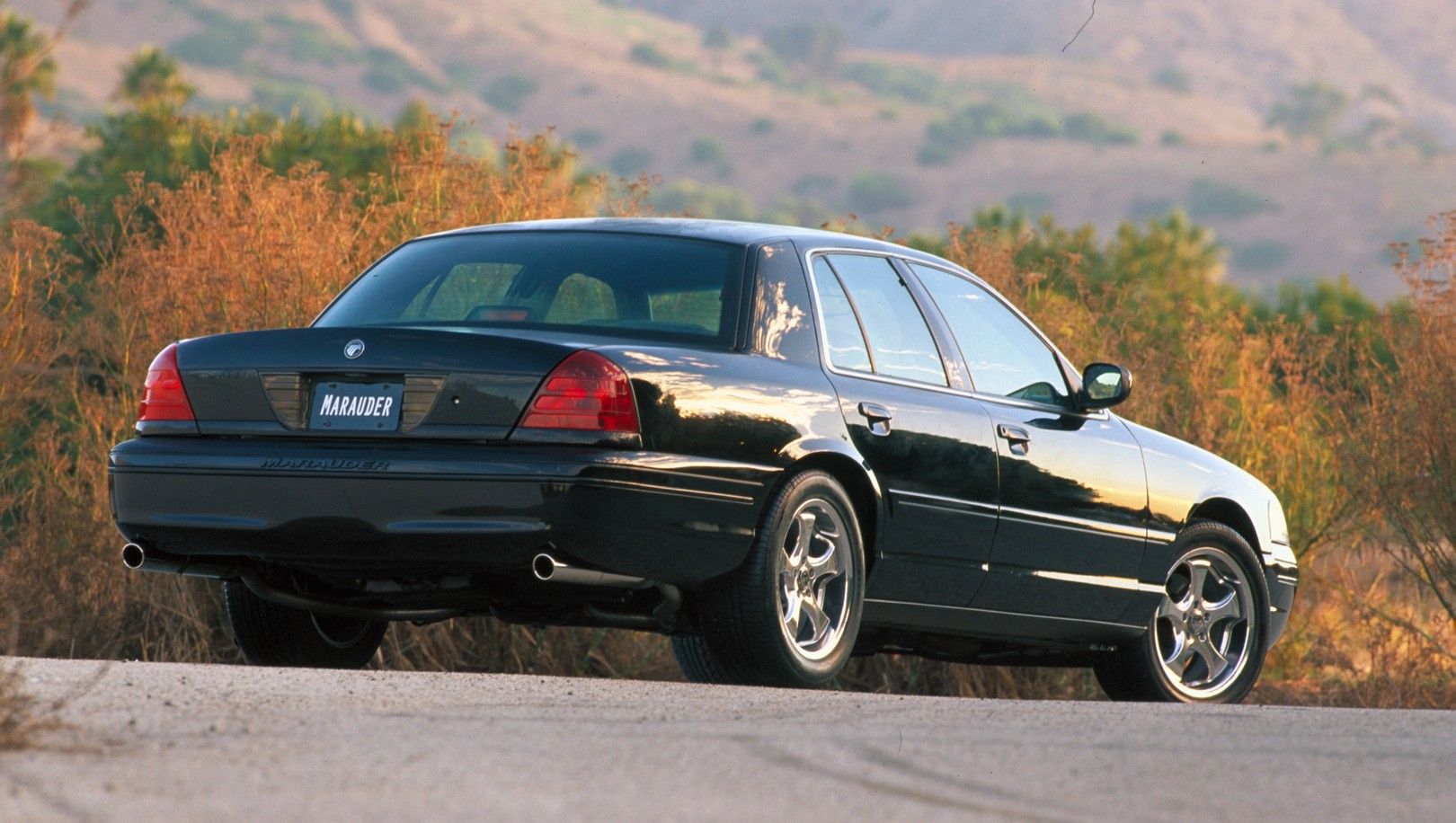
Mercury took the familiar Panther-platform recipe and gave it a much harder edge with the 2003–2004 Marauder. Built on Crown Victoria/Mercury Grand Marquis bones, it arrived with a 4.6-liter DOHC V8 making around 302 horsepower, paired with firmer suspension tuning, upgraded brakes, and a monochrome look that instantly set it apart. The result was a full-size sedan with genuine attitude—more “command presence” than retro nostalgia.
For a car its size, the Marauder offered noticeably sharper steering and tighter handling than many expected, blending old-school American layout with modern comforts. Production totaled just over 11,000 units, making it far rarer than most people realize and helping it stand out every time one rolls up to a stoplight.
Despite its limited sales run, the Marauder has earned a steady following among enthusiasts who appreciate its mix of V8 soundtrack, sleeper styling, and everyday usability. It’s a reminder that presence and personality can matter just as much as outright numbers—and that a blacked-out full-size sedan can look every bit as imposing as smaller, sportier machines.
Dodge Magnum SRT8
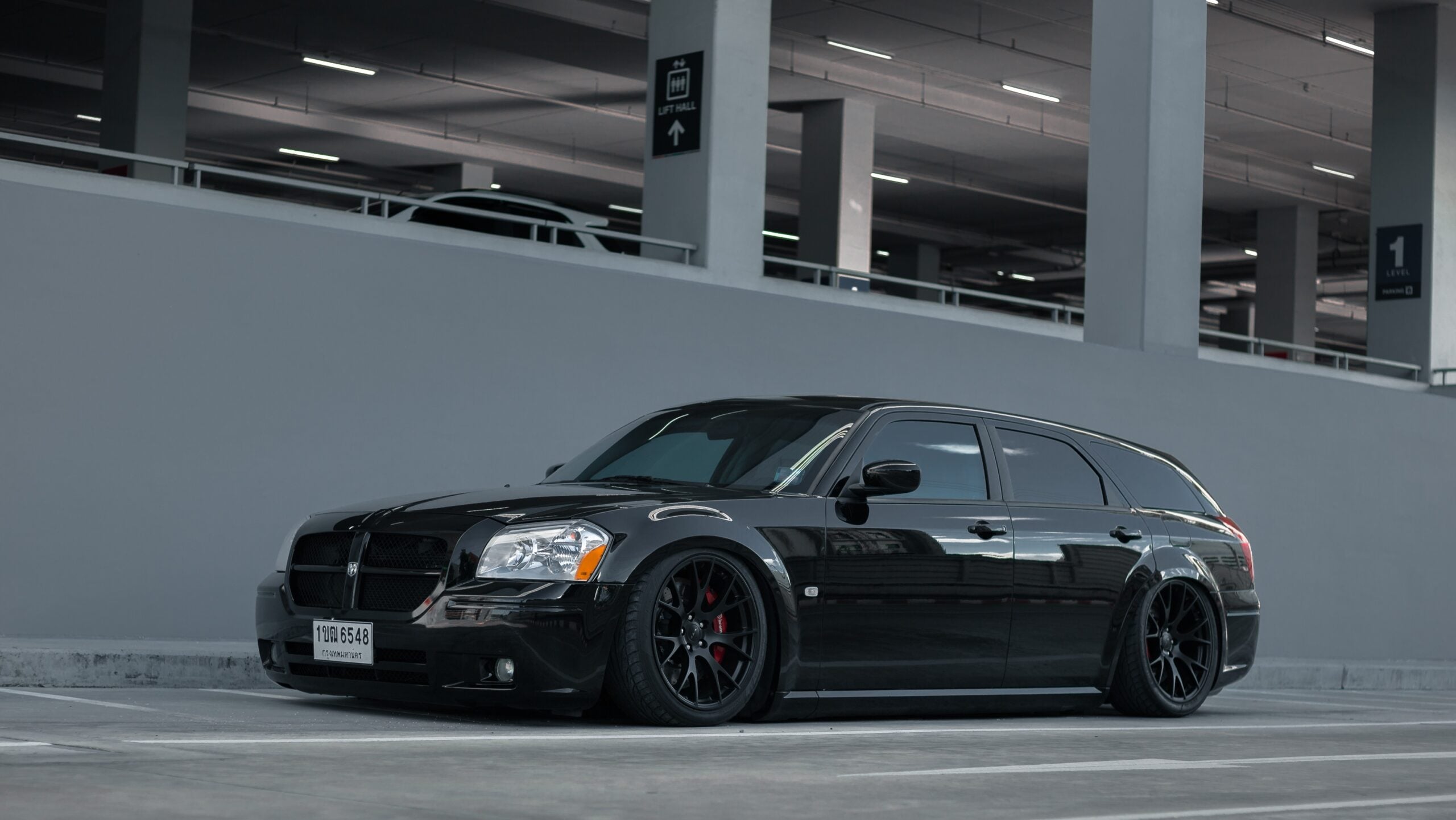
Dodge engineers stuffed a 6.1-liter Hemi V8 making around 425 horsepower into a station wagon and created the Magnum SRT8—one of the boldest family haulers of its era. It delivered the kind of straight-line performance that could surprise plenty of sporty coupes while still offering enough cargo room for a week’s worth of errands. The long-roof body, wide stance, and Charger-inspired front end gave it a presence that felt equal parts muscle car and muscle wagon.
Unlike other Magnum trims, the SRT8 was rear-wheel drive only, a setup that emphasized classic muscle-car behavior over all-weather versatility. With upgraded suspension, bigger brakes, and a deeper exhaust note, it struck an unusual balance between practicality and personality—a combination shoppers weren’t quite sure how to categorize at the time.
American buyers have never fully embraced wagons, and the Magnum SRT8’s performance-first mission landed in a niche most people didn’t know existed. But the drivers who bought them understood the charm instantly. Even today, few things match the grin that comes from flooring a Hemi in a long-roof rocket that was hiding in plain sight.
Pontiac G8 GXP
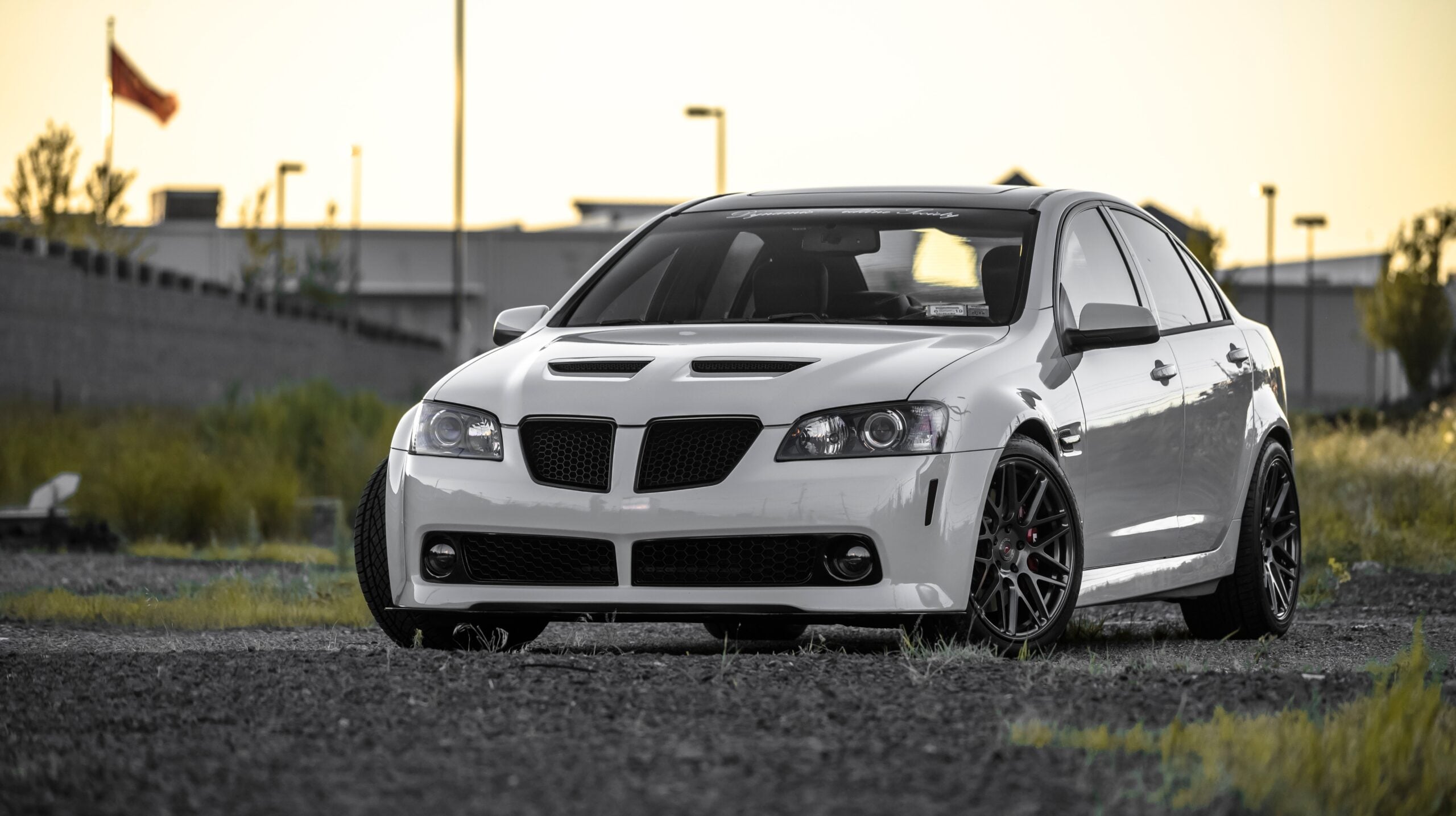
Just before GM shut down Pontiac, the brand delivered one last true enthusiast car from its Australian partners: the G8 GXP. Powered by an LS3 V8 making around 415 horsepower, and available with a proper six-speed manual transmission, the GXP offered the kind of driver involvement that was already disappearing from modern sedans.
Its stance was subtly aggressive—more purposeful than flashy—and the chassis tuning gave it the composure and balance to hold its own against far more expensive sport sedans of the era. Inside, the materials felt better than many shoppers expected from Pontiac at the time, helping the GXP stand out in the crowded field of generic family cars.
When Pontiac closed in 2009, the GXP disappeared almost overnight, leaving only a small number of manual-equipped examples in circulation. Today, finding one feels a bit like spotting a unicorn, and rising values suggest enthusiasts are finally recognizing what this car delivered: serious performance, real practicality, and a bittersweet glimpse of what Pontiac could have become.
Ford Taurus SHO (2010-2019)
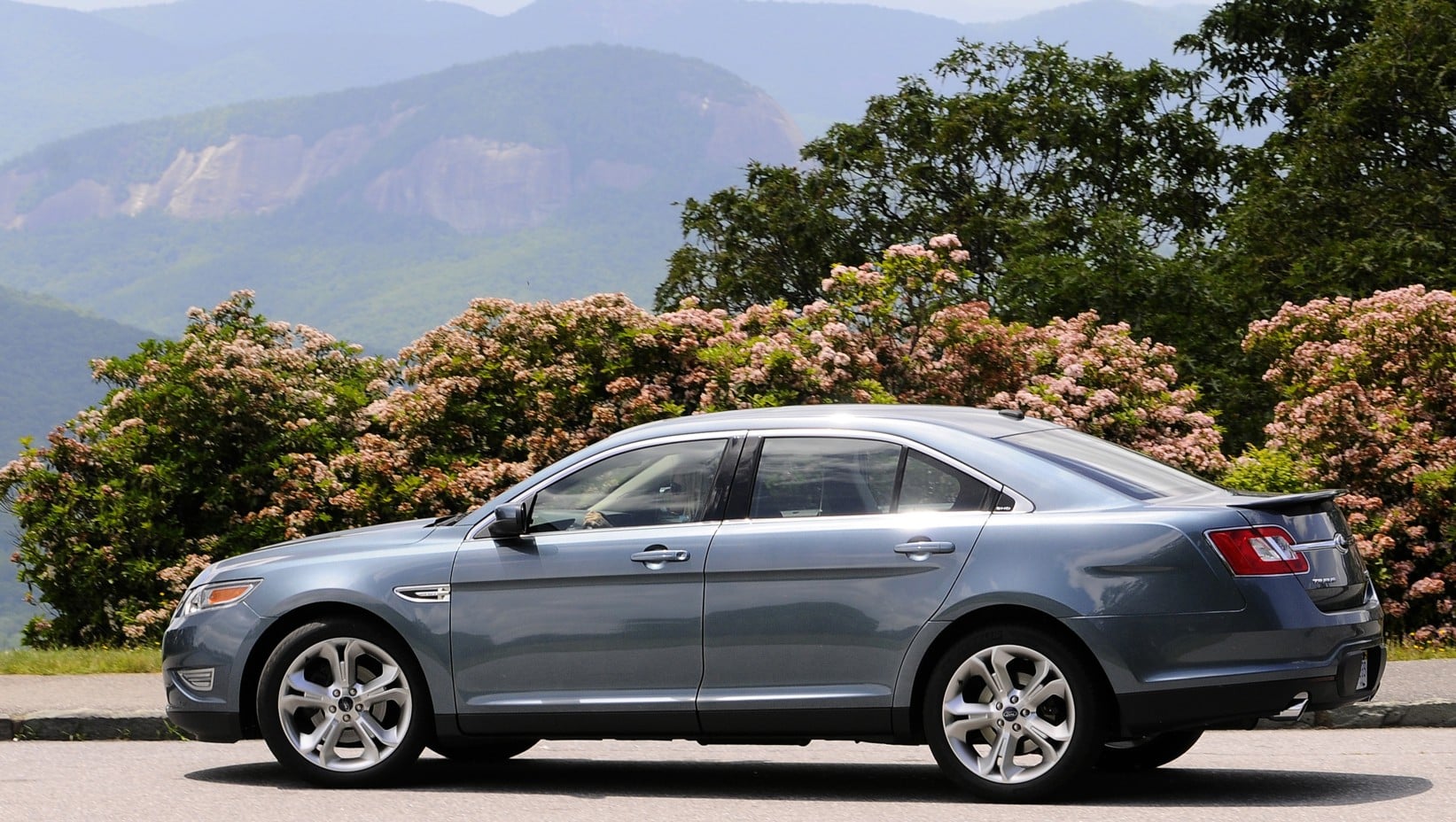
Let’s get this out of the way up front: yes, some people will argue that the Taurus SHO doesn’t belong anywhere near a conversation about “muscle.” It’s a full-size sedan, it wears a name long associated with rental fleets. At the same time, those who are familiar with the SHO wouldn’t necessarily call it underrated. However, in the broader landscape, especially for people who weren’t plugged into car culture in the early 2010s, the modern SHO is absolutely a performance machine that was easy to overlook.
When the SHO badge returned, it brought a twin-turbo 3.5-liter EcoBoost V6 making around 365 horsepower, delivered exclusively through an all-wheel-drive system. That translated to mid-five-second 0–60 times depending on conditions, putting it in the same neighborhood as dedicated sport sedans of the era while still seating five adults in comfort. It was a large, quiet, capable car that could swallow highway miles, shrug off rough weather, and still punch far harder than most people expected.
The problem was the name. “Taurus” had become shorthand for fleet duty, and that reputation overshadowed the serious engineering underneath. Ford’s Police Interceptor variant shared the same platform, which says plenty about its durability and capability. For those who discovered it—often by accident—the SHO proved to be a stealthy, year-round performance sedan hiding in plain sight.
Chevrolet Impala SS (1994-1996)
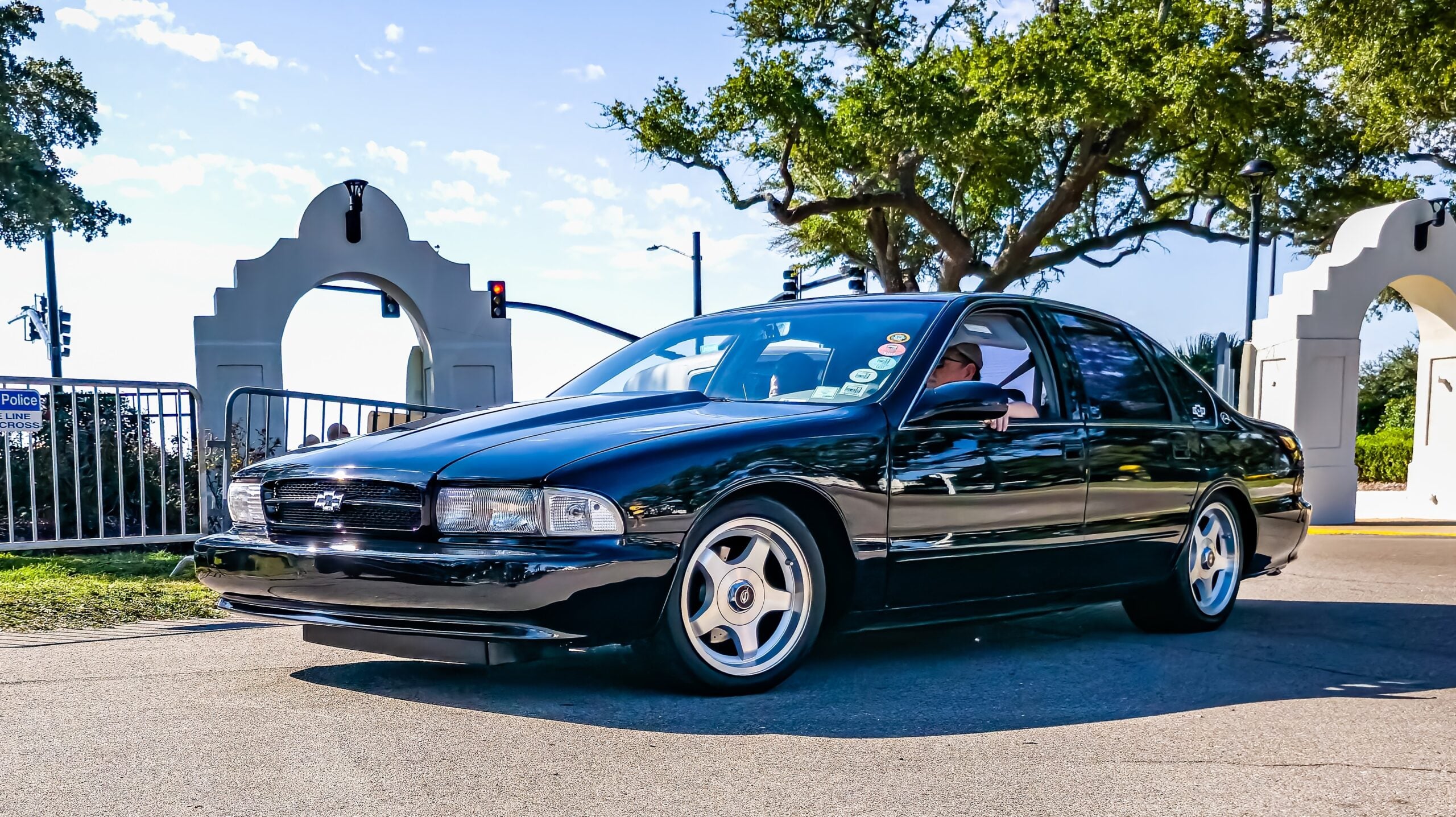
The mid-’90s Impala SS revived a bit of old-school muscle attitude with its monochrome styling, lowered stance, and a 260-horsepower LT1 V8 borrowed from the era’s police-spec Caprice. Riding on the same robust platform meant it had solid bones from day one, and the suspension tuning gave it a level of confidence unexpected for a full-size American sedan of the time.
Buyers could pick from only three colors: black, Dark Cherry Metallic, or Dark Green Gray Metallic, each giving the car a purposeful, almost menacing road presence. Inside, the Impala SS swapped fleet-grade simplicity for bucket seats, full gauges, and a layout that leaned more toward sporty than utilitarian.
Production lasted just three years, leaving relatively few of these cars on the road today. Yet they remain surprisingly attainable compared to many two-door muscle legends from the same era. The Impala SS proved that four doors and a big trunk didn’t automatically disqualify a car from delivering smoky burnouts, attention at cruise nights, or genuine enthusiast appeal.
Cadillac CTS-V (First Generation)
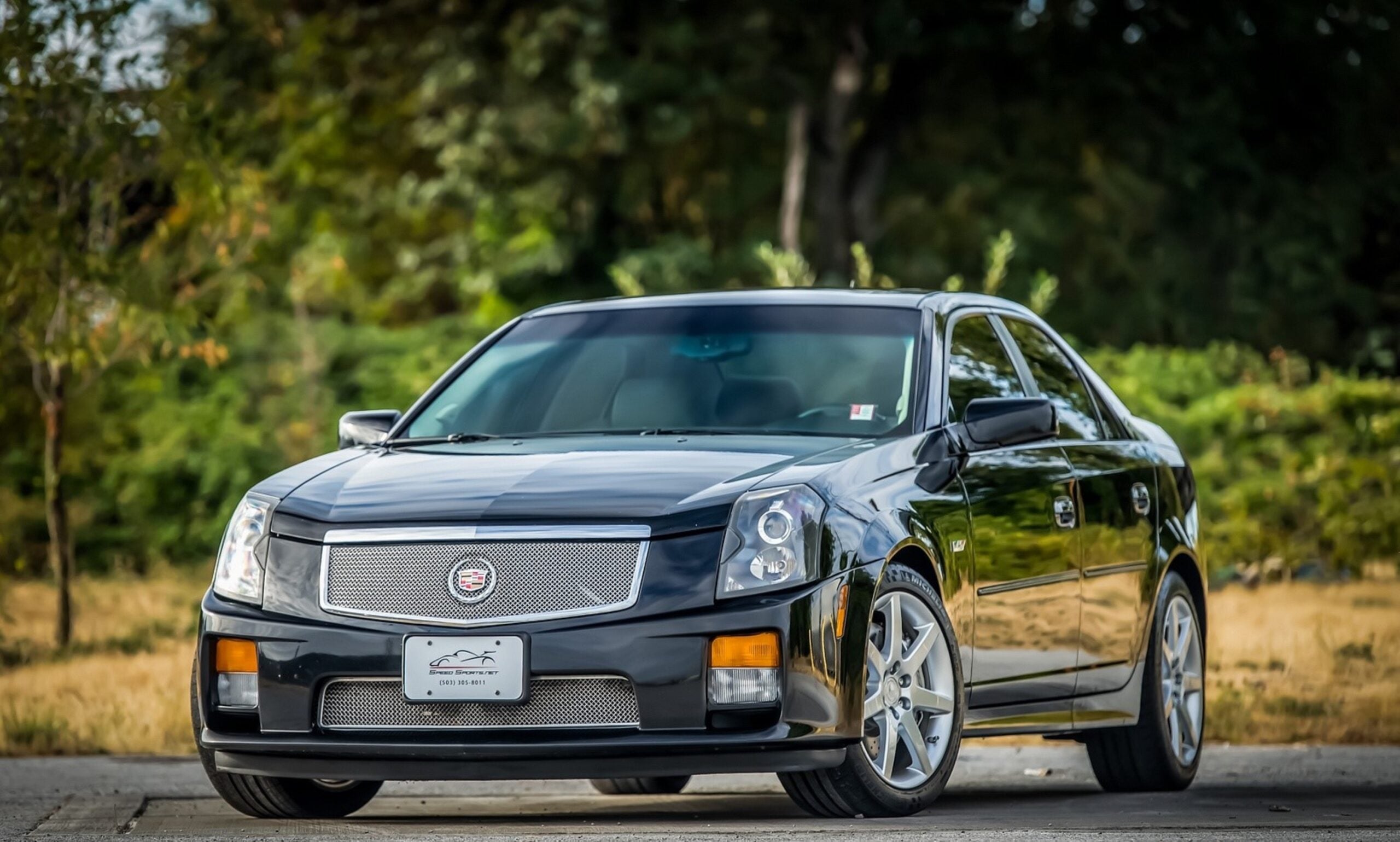
Before the CTS-V became a full-blown performance icon, the first generation quietly reset expectations for what an American luxury sedan could be. Early models (2004–2005) used the LS6 V8—the same basic engine found in the C5 Corvette Z06—making around 400 horsepower, while later versions (2006–2007) switched to the equally potent LS2. All were paired with a Tremec six-speed manual, a rarity in a segment dominated by automatics.
The chassis development showed real intent: firmer tuning, better brakes, and a suspension setup that gave the CTS-V the composure to challenge cars well outside its price bracket. It wasn’t trying to overthrow German benchmarks outright. Still, it absolutely earned comparisons to them—and proved that Cadillac was capable of much more than the soft-luxury image many shoppers still associated with the brand.
Inside, the CTS-V delivered everyday comfort without sacrificing its performance mission, making it a genuinely usable high-horsepower sedan at a time when that formula was only beginning to reemerge. Younger buyers often overlooked it in favor of familiar European badges, but those who gave the V a chance discovered something special: a bold, American take on luxury performance that hinted at the powerhouse the CTS-V lineup would soon become.
Chrysler 300C SRT8
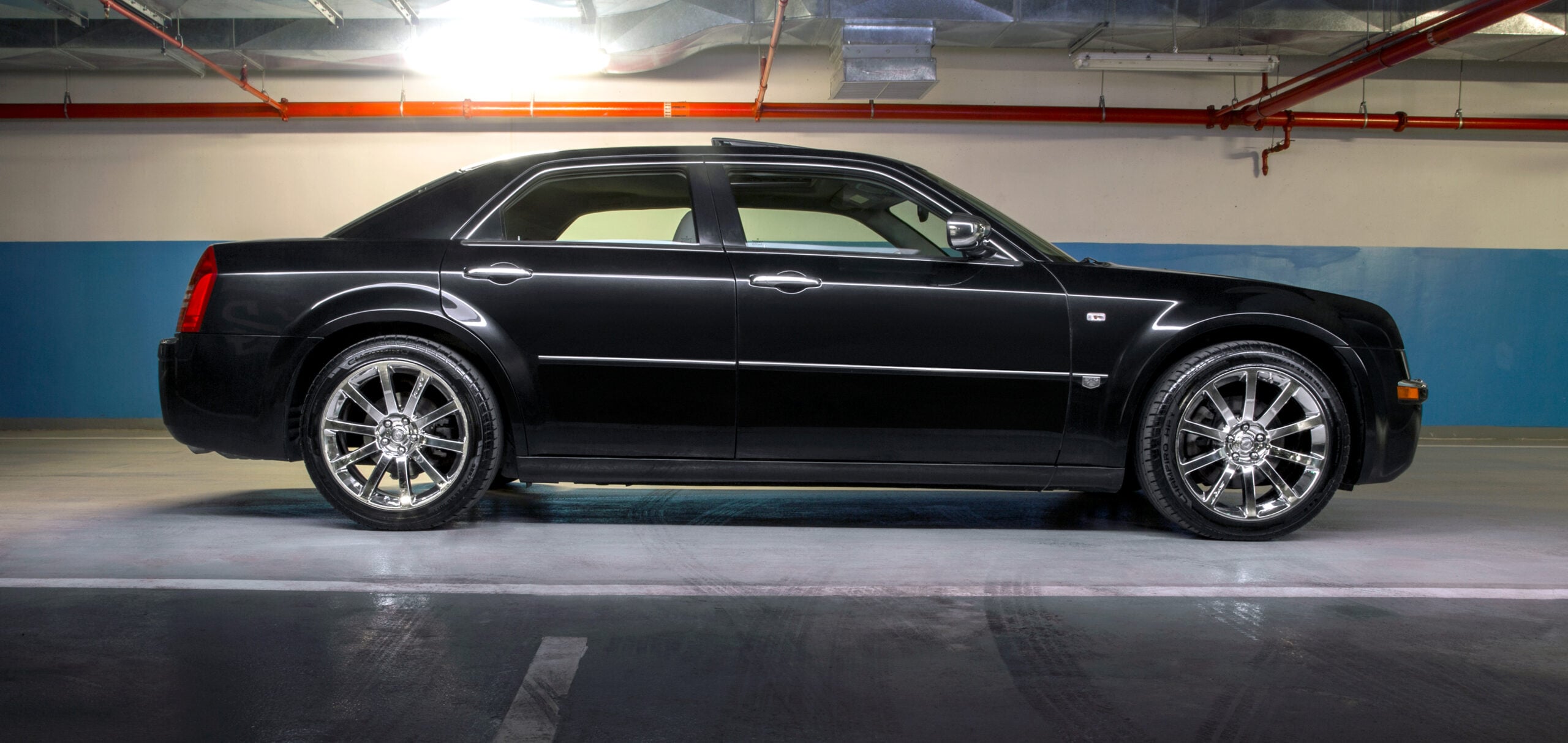
The Chrysler 300C reintroduced bold, squared-off American luxury to the modern era, and the SRT8 version took that presence and paired it with real muscle. Under the hood sat a 6.1-liter Hemi V8 making around 425 horsepower, enough to light up the rear tires with ease and turn even an ordinary commute into something memorable. Its wide stance, high beltline, and unmistakable grille gave it a road presence few sedans, at any price, could match.
Inside, the 300C SRT8 mixed performance cues with upscale touches like Nappa leather and genuine trim materials, creating a cabin that felt far more premium than many expected from Chrysler at the time. While some shoppers hesitated because of the brand’s broader reputation for reliability, the SRT8’s core mechanical components were generally solid, especially when appropriately maintained.
Today, the 300C SRT8 still draws attention wherever it goes. Owners often say the combination of big-power V8 fun, comfortable cruising, and unmistakable styling makes it one of the most satisfying sleeper performance sedans of its era.
Ford Lightning (1999-2004)
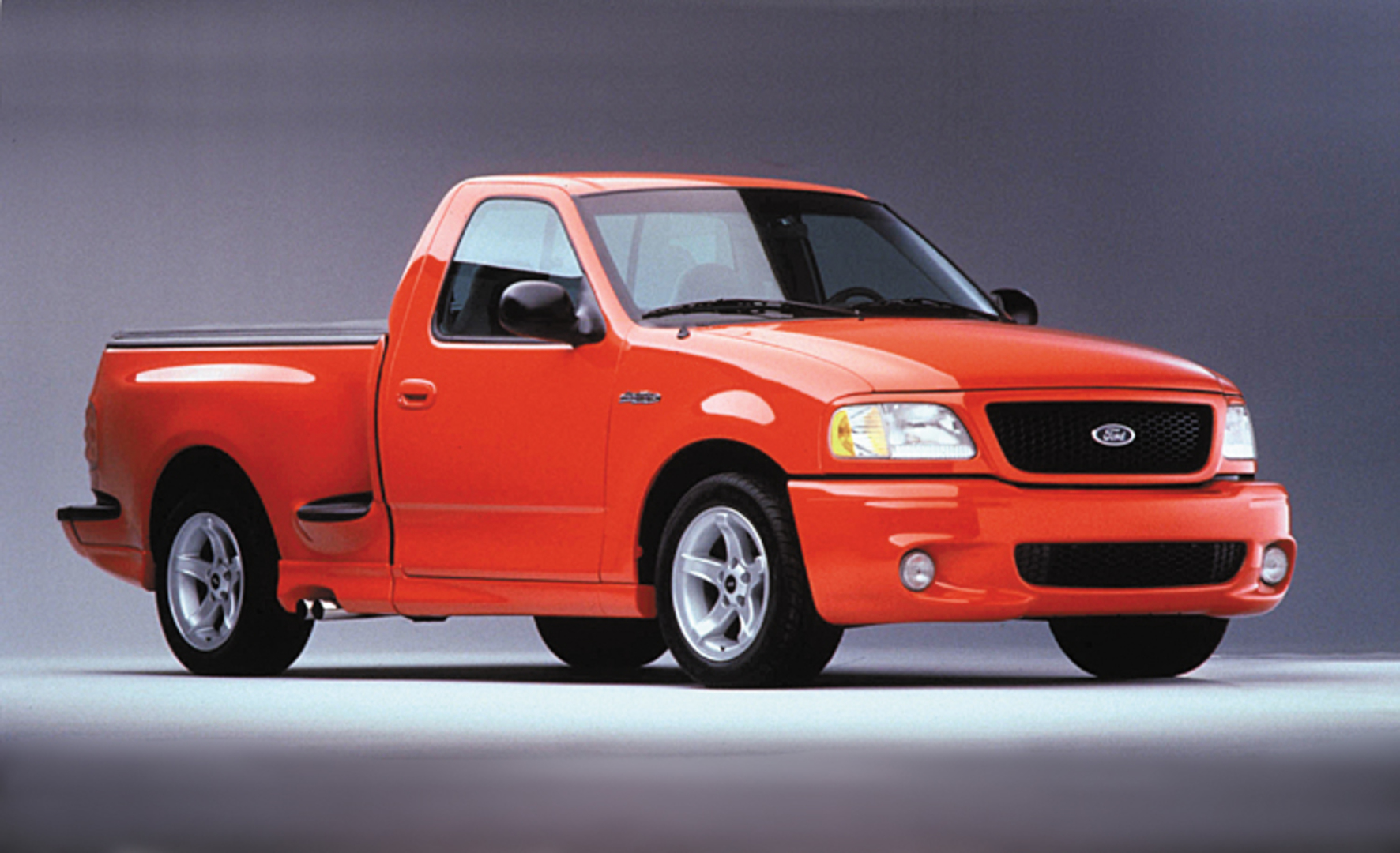
Some picks on this list are controversial, and the SVT Lightning is one of them, but for the opposite reason. Nobody questions this truck’s muscle credentials. Enthusiasts embraced it from day one, it sold respectably for a performance pickup, and it even snagged a quick cameo in The Fast and the Furious.
Thankfully, it never became a main-character movie icon like the Supra, because you can still buy one today without spending six figures, and that is precisely why it earns a spot here as underrated.
Ford took the F-150 and turned it into something joyfully unnecessary: a street truck with a supercharged V8 making around 360–380 horsepower, depending on the year. With 0–60 times in the low five-second range, it was quicker than plenty of sports cars of its era while still technically capable of pickup-truck chores. The lowered stance, unique bodywork, and side-exit exhaust made it obvious this wasn’t meant for lumberyard duty.
Pontiac Grand Prix GXP

The Pontiac Grand Prix GXP is one of those cars that enthusiasts either missed entirely or heard about years later with a mix of curiosity and disbelief. Pontiac dropped a 5.3-liter LS4 V8 making around 300 horsepower into a front-wheel-drive chassis, an unusual setup even then, and created one of the most powerful front-drive American sedans of its era. In typical stoplight sprints, it had enough torque to surprise plenty of unsuspecting drivers.
For a large sedan, the GXP handled reasonably well, thanks to firmer suspension tuning and Pontiac’s effort to give it some sporting credibility. But it also came with quirks: noticeable torque steer, a nose-heavy balance, and a personality that felt more entertaining than polished. What it lacked in refinement, it made up for with a genuinely fun exhaust note that reminded people Pontiac still had performance in its DNA, even as the brand’s future grew uncertain.
The GXP’s conservative styling and Pontiac’s declining reputation meant it slipped under the radar when new. Today, finding one feels like uncovering a time capsule from Pontiac’s final years—an unconventional, charismatic sedan that showcased the brand’s willingness to try something bold as it wound down.
Dodge Stealth R/T Twin Turbo
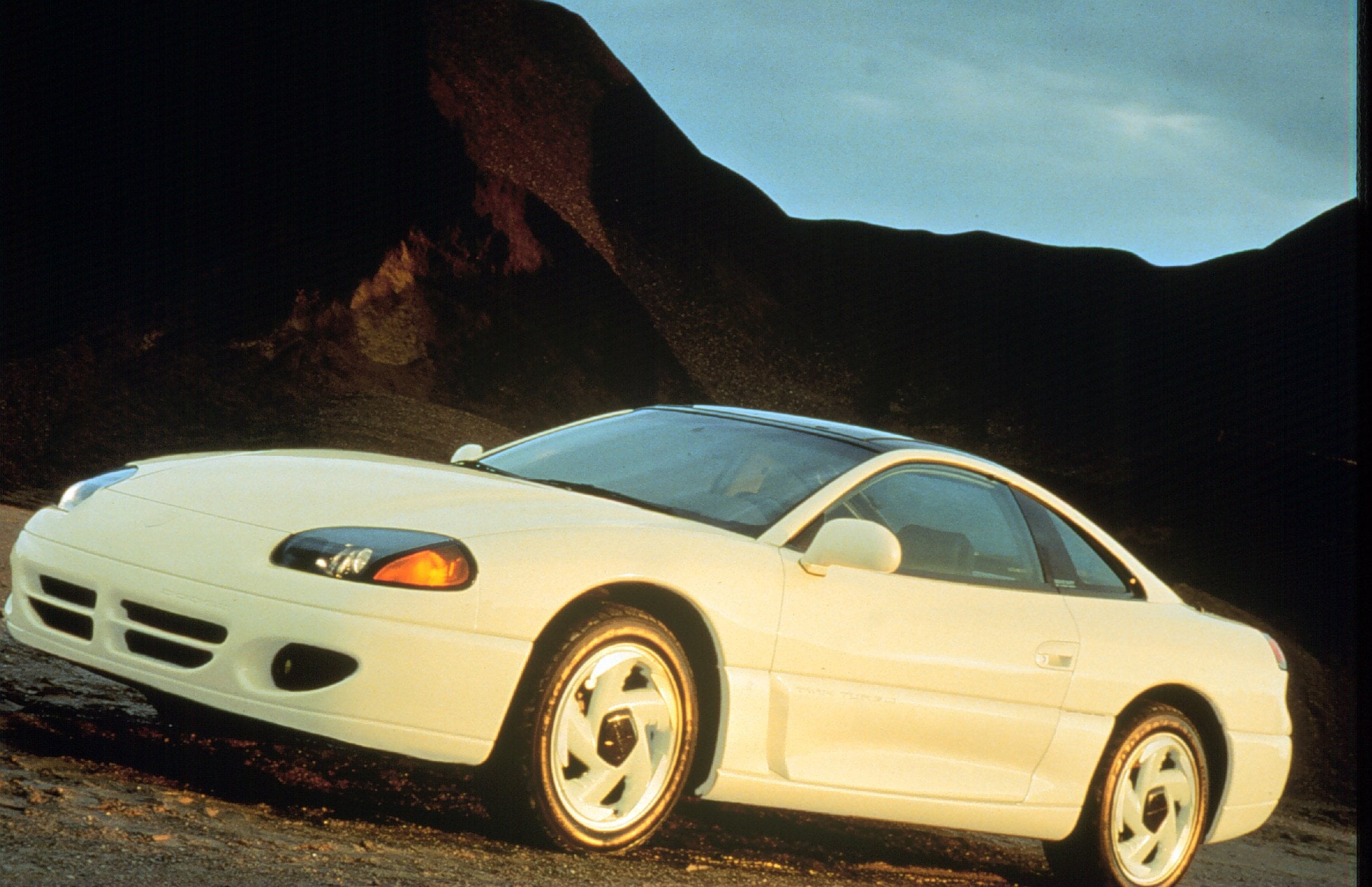
Calling the Dodge Stealth R/T Twin Turbo a muscle car is definitely stretching the definition. It wasn’t a hotter Dodge sedan—it was a rebadged Mitsubishi 3000GT VR-4. And while it competed in the same era as the Nissan 300ZX, Mazda RX-7, and Toyota Supra, it always felt like the outlier among them.
Those rivals were low-slung two-seaters built for pure sports-car duty. The 3000GT/Stealth, by contrast, was a larger, heavier, more imposing GT car with a usable back seat and broader proportions. In a segment full of sleek imports, it carried a bit more muscle-car presence, even if the engineering under the skin was pure Mitsubishi.
That engineering was impressive for its time: a twin-turbo 3.0-liter V6 around 300 horsepower, all-wheel drive, four-wheel steering, and active aerodynamics. Its long, wide stance gave it a naturally sinister look—fitting, since the villains on the ’90s show Viper nearly always drove Stealths.
The Stealth R/T Twin Turbo delivered a rare blend of muscle-like presence and high-tech capability, creating a performance identity all its own—one that people are only now starting to appreciate fully.
Chevrolet Trailblazer SS

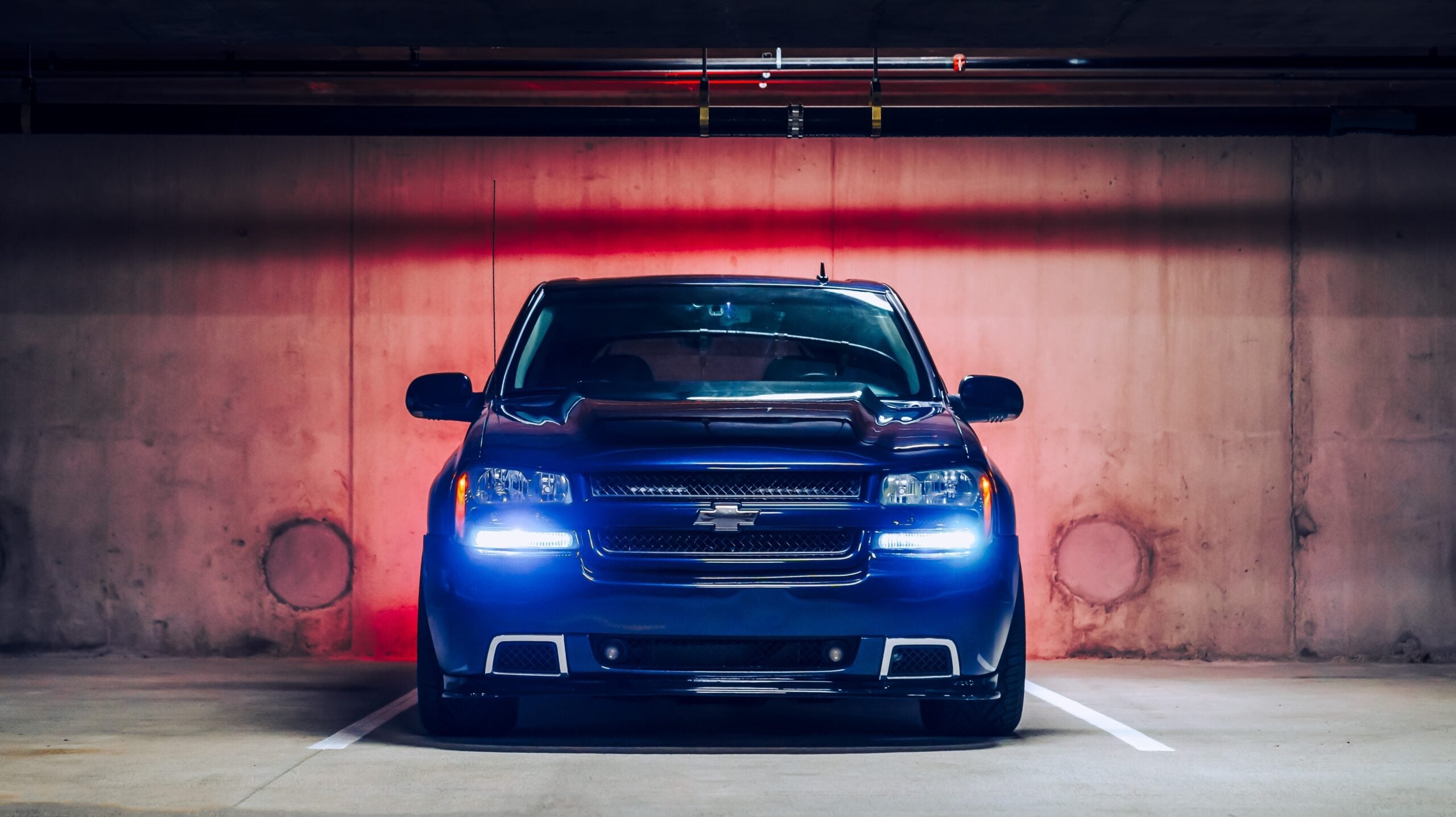
Chevrolet took the 6.0-liter LS2 V8 from the Corvette and dropped it into a midsize SUV, creating the TrailBlazer SS—one of the most entertaining family haulers of its era. With around 395 horsepower on tap, it could sprint to 60 mph in the low-six-second range, depending on conditions. It was a two-row SUV, not a three-row bruiser, but it still offered real cargo space and genuine towing capability, making it far more practical than its spec sheet suggested.
Buyers could choose rear-wheel drive or all-wheel drive, and the AWD versions made the SS a surprisingly competent year-round performer in snow country and warmer climates alike. Suspension tuning from GM’s performance division gave it a planted, confident feel that stood out in a segment not precisely known for handling finesse.
Production ran from 2006 to 2009, with roughly 13,000 units built in total—scarce enough that clean examples are getting harder to find. Yet prices remain approachable, partly because the SUV boom overshadowed niche performance models like this. For shoppers in the know, the TrailBlazer SS is one of the great “muscle wagons” of the 2000s: a practical daily that sounds like a Corvette and hustles far better than anyone expected.
Saturn Sky Redline
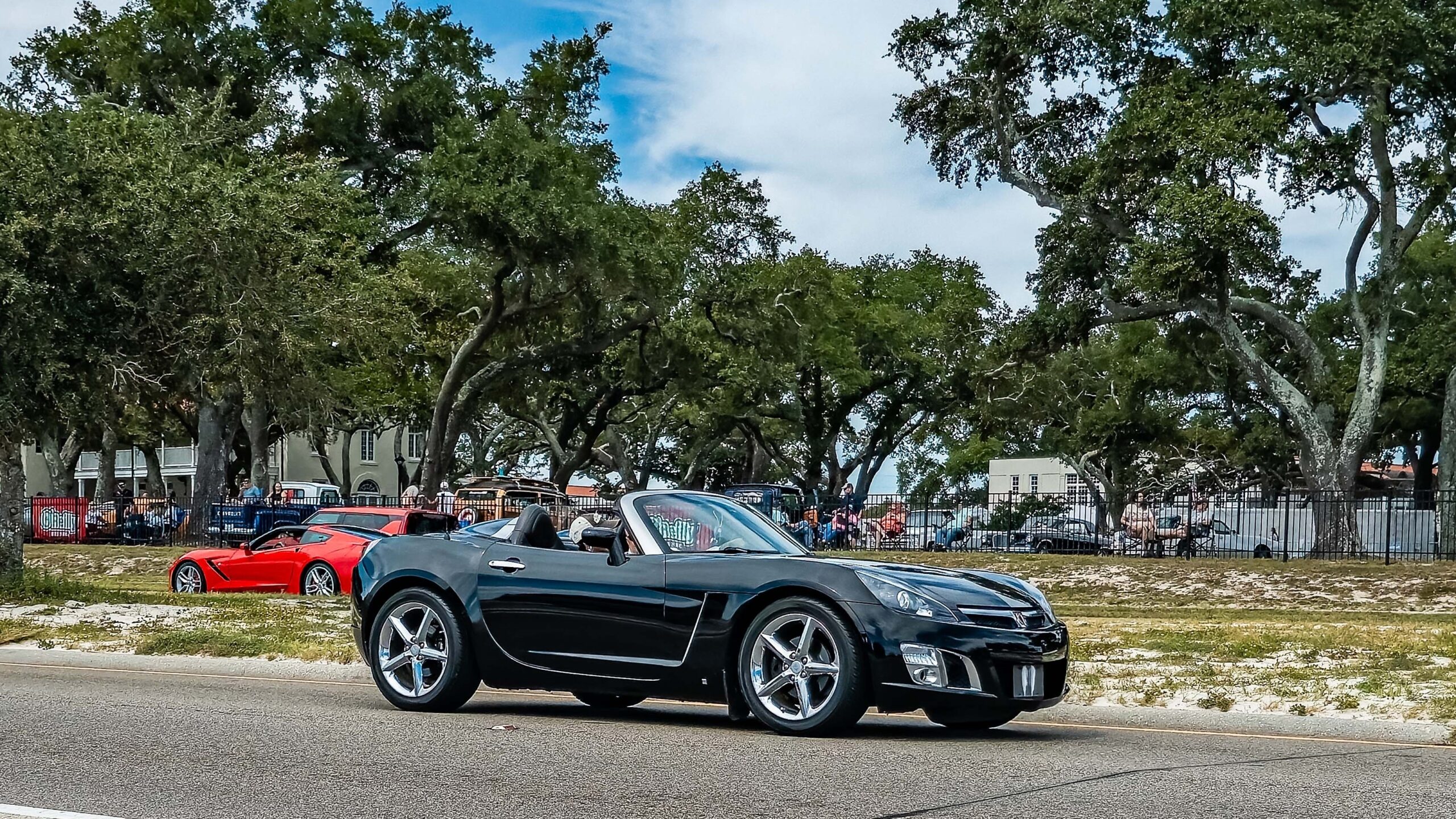
By this point in the list, it’s clear we’ve loosened the definition of “modern muscle machine” just a bit—and the Saturn Sky Redline is where we officially stop pretending we’re sticking to strict categories. The Redline is much more of a sports car than a muscle car, but if you’ve followed us this far, you’ll forgive the inclusion. Besides, the original Corvette wasn’t a muscle car either. However, it’s still welcome at the party, and plenty of enthusiasts saw the Sky Redline as a modern-day interpretation of that early, lightweight American roadster spirit.
Saturn was the last place anyone expected to find a serious performance model, but the Red Line made its case quickly. Its turbocharged 2.0-liter Ecotec four-cylinder produced around 260 horsepower, and the combination of low weight and compact dimensions made it feel even quicker from behind the wheel. Sitting almost on the pavement with minimal sound deadening amplified everything—acceleration, road texture, and the general sense that the car wanted to be driven hard.
Handling was lively and engaging, thanks to well-tuned suspension components shared with the Pontiac Solstice, and the Sky’s more angular, aggressive styling helped it stand out in a segment crowded with softer, more touring-oriented roadsters. It delivered genuine driving thrills at a price that was shockingly accessible at the time.
Saturn’s economy-car reputation kept many enthusiasts from taking it seriously when it was new. Still, clean Red Line models are becoming harder to find as people realize what they overlooked: a punchy, charismatic roadster that captured some of the same charm that made America fall in love with small performance cars in the first place.
Where the Fast Ones Went
If this list proves anything, it’s that performance doesn’t always stay inside the classic muscle-car box. We stretched the definition—sedans, wagons, trucks, even a roadster sneaked in—but every one of these machines carried the same attitude that made the originals great.
As values climb on the legends, more buyers are rediscovering these modern misfits—cars that offer the vibes, the performance, and the everyday comfort and practicality the classics can’t match. Suddenly, the once-forgotten sedans that outran sports cars, the wagons with burnout energy, the street-tuned trucks, and the quirky roadsters feel like the smartest buys in the room.
So when conversations turn to muscle—modern, classic, or anything in between—don’t overlook the outliers. They may not have worn the iconic names, but they delivered the experience. And in an era of skyrocketing prices, that might make them the real heroes of the modern performance world.