
Duramax diesels have long been the go-to for people who treat towing capacity like a personality trait. Whether you’re hauling hay, horses, or just trying to assert dominance on the freeway, these engines earned their stripes by mixing power, torque, and the kind of reliability that lets you laugh in the face of 200,000 miles.
Let’s be honest, not every Duramax generation is created equal. Some are mechanical legends, running strong long after the truck bed rusts out. Others? They’ll have you chasing check engine lights and questioning your life choices at the side of the road. We dug into real-world owner stories, common failure points, and shop reputations to separate the dependable brutes from the diesel divas. Because when your engine is supposed to work as hard as you do, it better not be the weak link in your rig.
How We Ranked Duramax Reliability

We didn’t pull this info from spec sheets or marketing fluff. We went straight to the people who live and breathe diesel (please don’t actually do that). Real owners. Forum lifers. The guys with grease under their nails and 300,000 miles on the odometer. We combed through their stories, breakdown logs, and “what went wrong this time” posts to figure out which Duramax engines deserve a salute… and which ones belong on a trailer headed to the scrap yard.
We looked at major component failures (hello, injectors), how often things actually break, what they cost to fix, and whether you need a PhD in GM engineering to change a fuel filter. High-mileage survivors with low drama rose to the top. The ones that eat head gaskets for breakfast? Not so much. Our goal? To save you from buying someone else’s headache. Because if your tow rig needs a tow, you’ve already lost.
LB7 Duramax (2001-2004): A Classic for Longevity

The LB7 was the first Duramax, launching in 2001 with a 6.6-liter turbo-diesel V8 that delivered 300 hp and 520 lb-ft of torque, which may not seem crazy by today’s insane standards, but those were huge numbers for its time. It skipped the complex emissions systems found in later models, making it simpler, cheaper, and easier to maintain.
Found in early 2000s Silverado and Sierra 2500HD and 3500HD trucks, the LB7 quickly became a favorite among farmers, contractors, and serious towers. When properly maintained, these engines often last well past 300,000 miles. Its mechanical simplicity, parts availability, and lower entry cost make it a top pick in the used diesel world, especially if the injectors have already been replaced, a known weak spot in otherwise rock-solid trucks.
LLY Duramax (2004.5-2006): Simplicity and Power Combined

The LLY Duramax followed the LB7 with slight emissions updates and a power bump to 310 hp and 605 lb-ft of torque, great news for anyone towing heavy. It kept things relatively simple under the hood, avoiding the emissions complexity that would plague later generations.
Used in 2004.5–2006 Silverado and Sierra HD trucks, the LLY has become a go-to for diesel fans wanting performance without extra maintenance headaches. It’s known for solid reliability, especially when paired with upgraded cooling systems to prevent overheating.
Many of these trucks have passed 250,000 miles with minimal issues, provided they’re well maintained. The LLY also powered certain commercial chassis cabs, proving it could handle both work and play. For buyers who want something newer than the LB7 but still wrench-friendly, the LLY is a sweet spot.
LML Duramax (2011-2016): Modern Reliability Champion

The LML Duramax (2011–2016) delivered big gains in power and efficiency, putting down 397 hp and 765 lb-ft of torque while meeting stricter emissions standards. It was a workhorse engine found in Silverado and Sierra 2500HD/3500HD trucks that quickly earned a reputation for hauling heavy loads without breaking a sweat. Many owners report well over 250,000 miles with regular maintenance, making it one of the most dependable modern diesels out there.
It also featured key upgrades like a high-pressure fuel system, stronger pistons, and improved emissions hardware, solving issues that plagued earlier generations. The LML strikes a sweet spot for buyers who want serious performance, better fuel economy, and the latest comfort and towing tech without sacrificing long-term reliability.
LBZ Duramax (2006-2007): The Legend
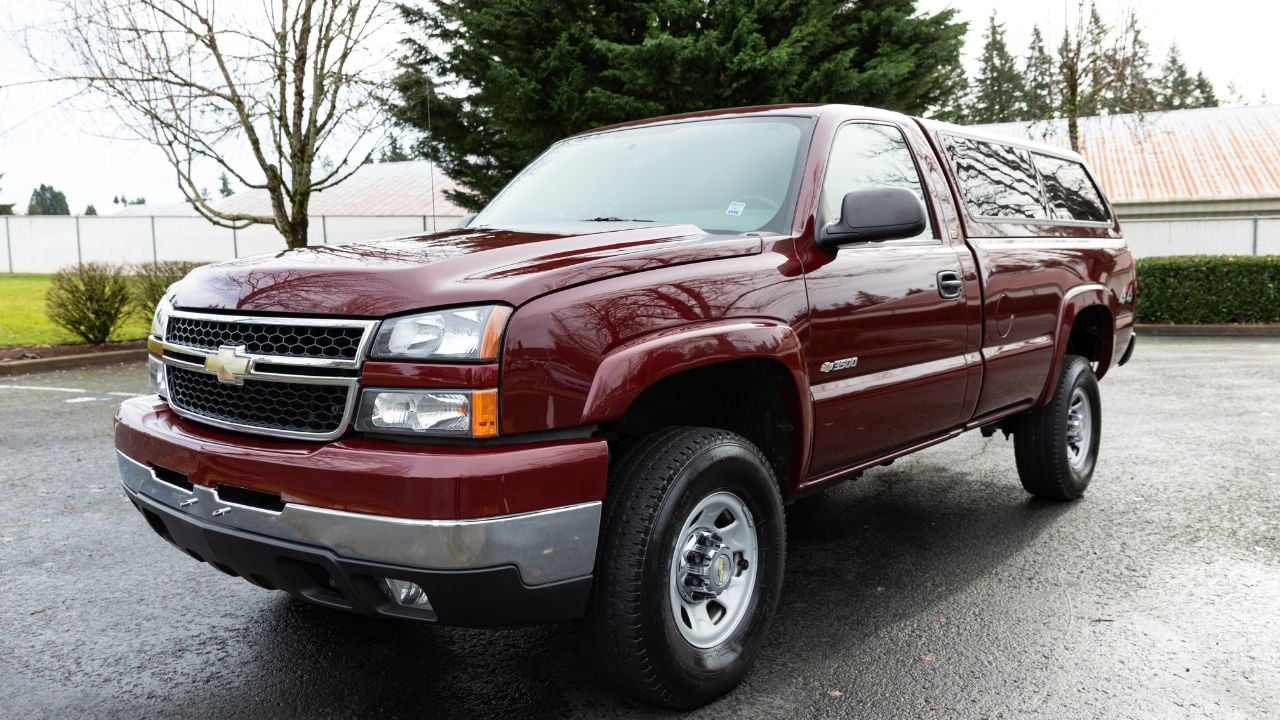
The LBZ Duramax (2006–2007) is often considered the crown jewel of the lineup. With 360 hp and 650 lb-ft of torque, it delivered strong performance without the headaches of emissions equipment like DPFs. Found in Silverado and Sierra HD trucks, this engine became legendary for its balance of power, durability, and mechanical simplicity.
Owners routinely report LBZ trucks clearing 300,000 miles with ease. Its strong internals, pre-emissions setup, and tuner-friendly nature have made it a favorite for both work and play. Whether you’re towing heavy or building a performance rig, the LBZ is the one everyone wants, and resale values show it.
L5D Duramax (2019-Present): Built for Work
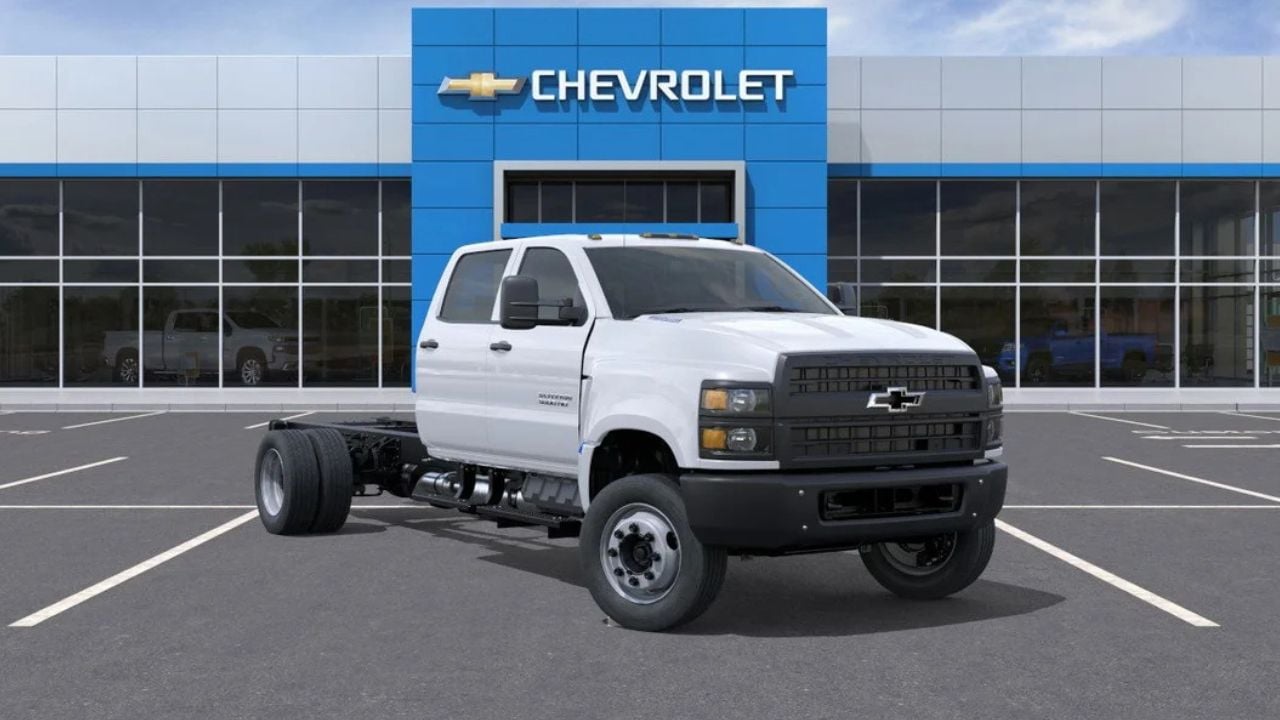
The L5D Duramax was built for serious commercial duty. Unlike the L5P found in consumer HD pickups, the L5D powers medium-duty trucks like the Silverado 4500HD, 5500HD, and 6500HD. It trades peak horsepower for long-term durability and fuel efficiency, with a simplified emissions setup that helps avoid expensive downtime.
Designed for fleets, municipalities, and delivery work, the L5D is earning a solid reputation for reliability in high-mileage, high-stress use. It may not be flashy, but its focus on uptime and low operating costs makes it a smart choice for businesses that value consistency over brute force.
LM2 Duramax (2019-2023): Efficient and Dependable
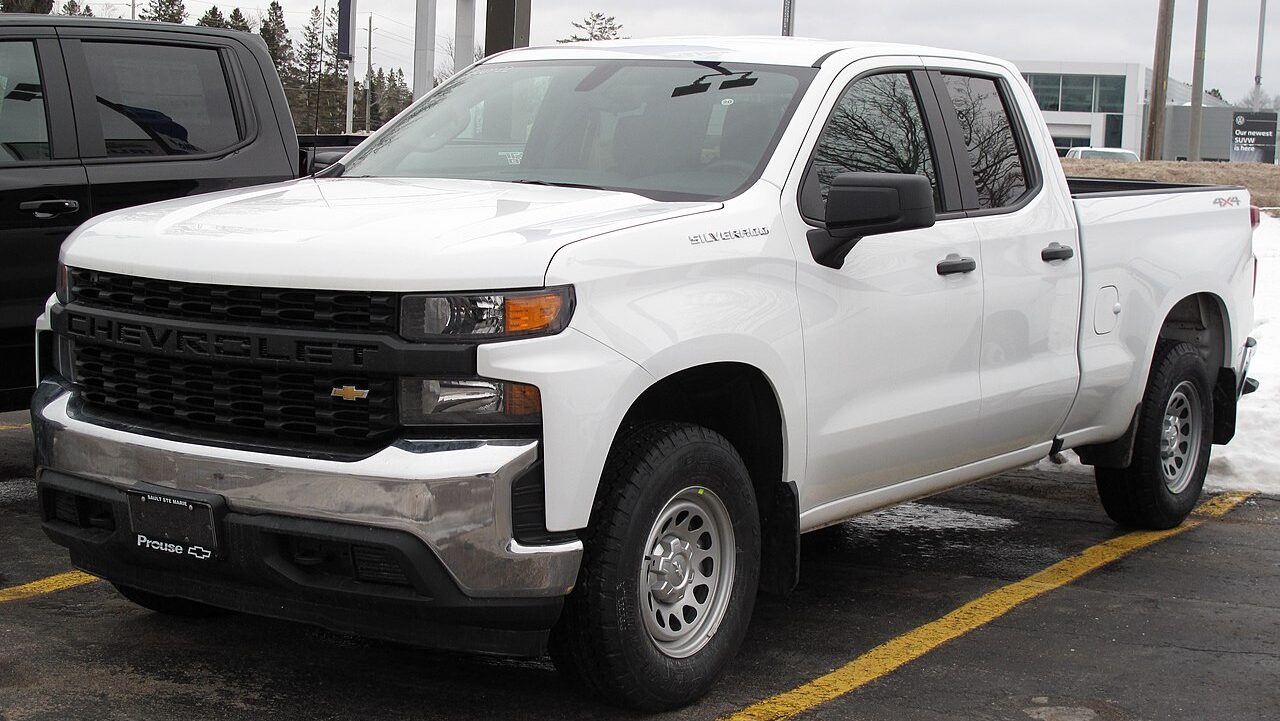
The LM2 Duramax is a 3.0L inline-six turbo-diesel made for GM’s half-ton trucks like the Silverado 1500 and Sierra 1500. With 277 hp and 460 lb-ft of torque, it delivers excellent fuel economy and towing capability in a smooth, quiet package. Owners love how refined it feels—more highway cruiser than clattering workhorse—which makes it a great fit for daily drivers who still need real torque.
It’s also proving to be durable, with fewer major issues than earlier emissions-heavy engines. Features like an electronically controlled turbo and integrated exhaust brake add versatility for light hauling, camping, or long-distance travel. For those who want diesel strength without jumping into the heavy-duty class, the LM2 is a modern, efficient choice.
LMM Duramax (2007.5-2010): Emissions Headaches Galore

The LMM Duramax debuted in mid-2007 to meet tighter EPA emissions rules, bringing along a DPF and EGR system that changed the game—for better and worse. With 365 hp and 660 lb-ft of torque, it had solid pulling power, but the new emissions tech caused problems for many owners, especially those doing short trips or stop-and-go driving.
Common issues included clogged DPFs, limp mode triggers, and higher fuel consumption. Trucks used for towing long distances fared better, as consistent heat helped keep the system clean. While the engine itself is mechanically sound, its emissions setup gives it a mixed reputation. LMM-powered trucks are affordable on the used market, but buyers should expect maintenance costs tied to aging emissions gear.
LGH Duramax (2011-2016): Fleet Workhorse with Drawbacks
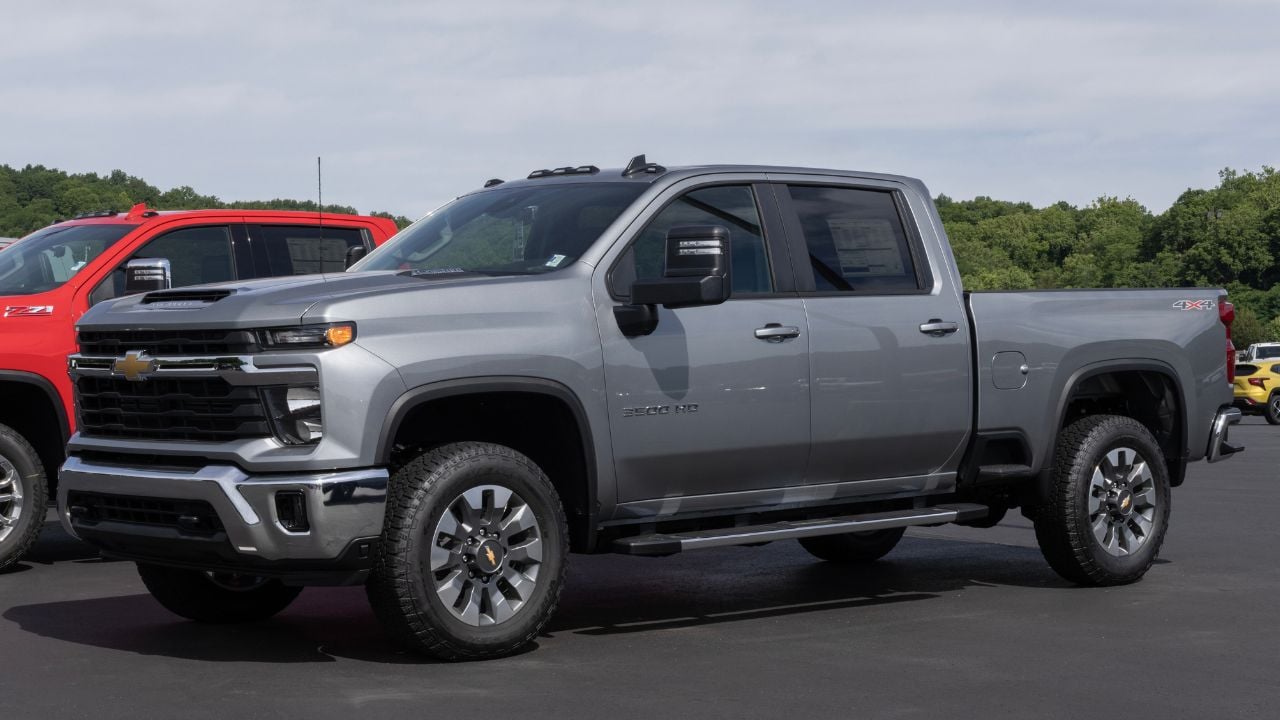
The LGH Duramax was a variant of the LML, built for commercial duty rather than pickups. With 335 hp and 685 lb-ft of torque, it powered chassis cab trucks, GMC Savana vans, and shuttle buses from 2011 to 2016. While mechanically solid, it came with a complex emissions setup—including DPF and SCR systems—that made reliability a challenge in stop-and-go or city fleet use.
Frequent idling often led to clogged filters and EGR issues, especially in municipal or delivery roles. Long-haul applications saw fewer problems, but repairs in commercial platforms were typically more labor-intensive. Anyone eyeing a used LGH-powered truck should plan for emissions system upkeep as part of the ownership cost.
LWN Duramax (2016-2022): Small Diesel, Big Problems

The LWN Duramax is a 2.8L four-cylinder diesel found in the Chevy Colorado and GMC Canyon, marketed as a fuel-efficient option for midsize truck buyers. With 369 lb-ft of torque, it handles light towing well and delivers great MPG, but it earned a mixed real-world reputation. Common issues include turbo actuator failures, timing belt service headaches, and limited aftermarket support.
Pushing the LWN beyond its light-duty design—like frequent heavy towing—often leads to premature wear and costly repairs. While daily drivers and casual towers tend to report solid performance, the smaller engine’s parts and service availability are more limited than the bigger 6.6L Duramax family. It’s fine for light use, but not ideal for those seeking long-haul durability.
L5P Duramax (2017-Present): Still Earning Its Stripes
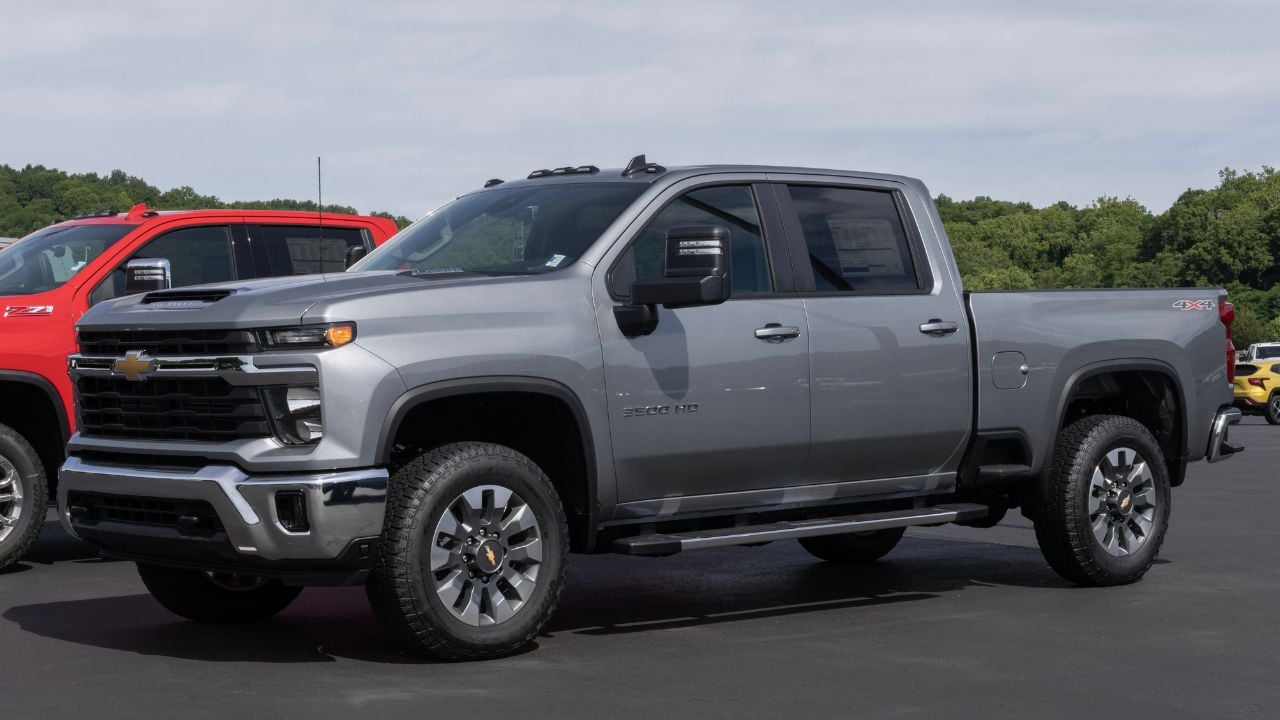
The L5P is the most powerful Duramax yet, pumping out 445 hp and 910 lb-ft of torque. It’s been the heart of Silverado and Sierra HD trucks since 2017, built to conquer job sites and tow like a freight train. But while it delivers massive performance, the L5P is still relatively new in the long-term diesel world, and some owners have already reported issues with injectors, CP4 fuel pumps, and DEF system components.
With its advanced tech comes added complexity—and higher repair bills. The emissions system is especially intricate, which can mean more downtime when things go wrong. For buyers chasing peak power, the L5P delivers. But if you’re in it for the long haul and low maintenance, older legends like the LBZ or LML might be the smarter, safer play.
LZ0 Duramax (2023-Present): Too New to Judge
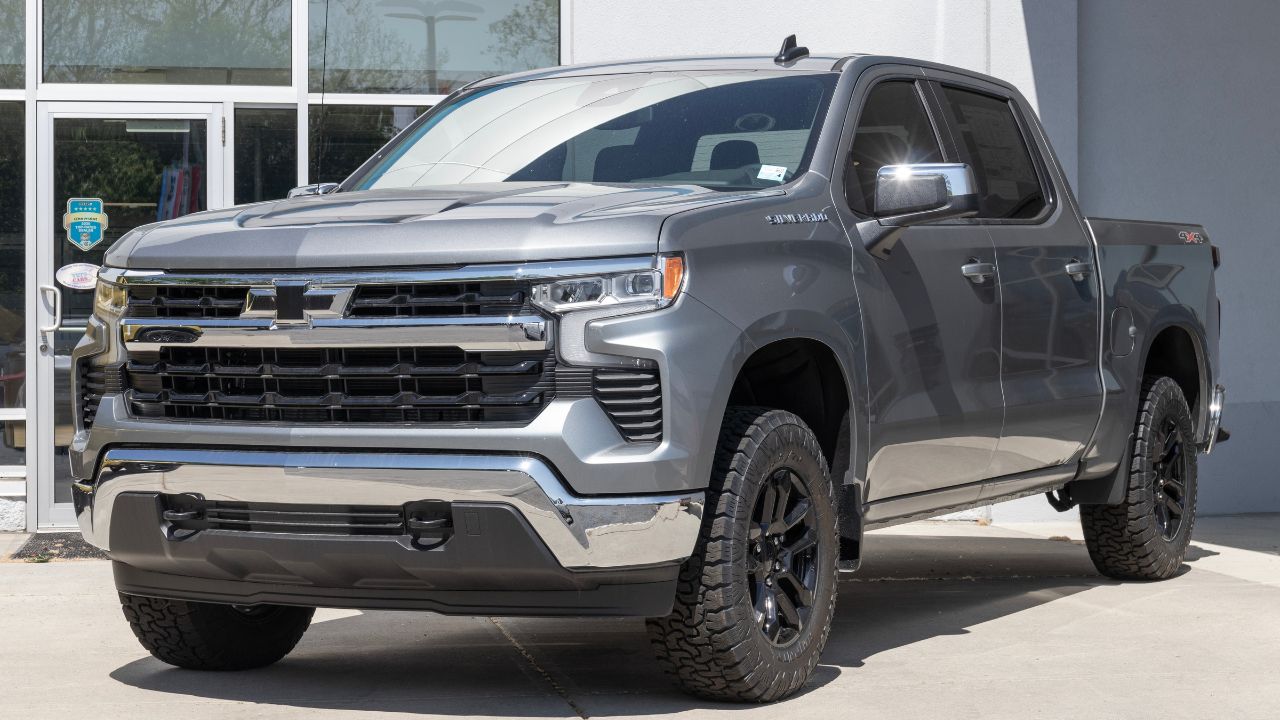
The LZ0 is the latest 3.0L inline-six Duramax, debuting in 2023 with 305 hp and 495 lb-ft of torque. It replaces the LM2 in Silverado and Sierra 1500 trucks, offering better performance and efficiency. Early reviews are positive, but with limited time on the market, there’s little long-term data. Some concerns have already surfaced around oil pump belt wear, which could lead to costly repairs if not addressed.
As with most newer engines, the LZ0’s advanced emissions and fuel systems bring added complexity. While it shows promise for daily use and light towing, its reliability track record isn’t proven yet. Buyers chasing peace of mind might want to give it a few more years before jumping in.
Which Duramax is Right for You?

Duramax engines have evolved considerably over the years, and while all offer impressive performance, reliability varies significantly by generation. The LB7 and LLY stand out for their simplicity and proven durability, making them excellent choices for budget-conscious buyers seeking long-term value. The LML, on the other hand, offers a balance of modern features and reliability, making it a favorite for those who want the best of both worlds.
On the flip side, engines like the LMM present notable risks due to emissions-related complications, while the L5P remains an unknown for those concerned about long-term dependability. Ultimately, the right Duramax for you will depend on your priorities, whether that’s raw power, simplicity, or modern comfort. By understanding these differences, you can choose an engine that delivers reliability and confidence for years to come.