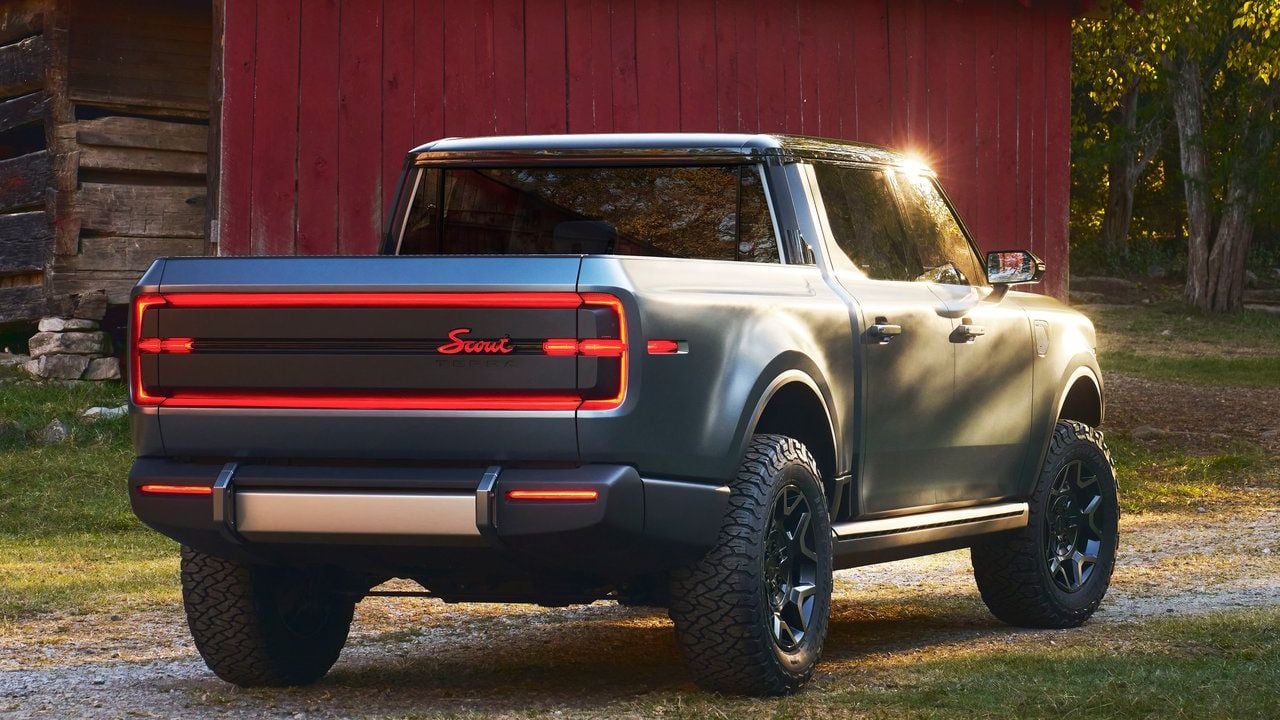

A legal fight that could reshape how cars are sold in the United States is moving forward after a California judge declined to throw out key parts of a lawsuit filed by the California New Car Dealers Association against Scout Motors and Volkswagen Group of America.
At the heart of the dispute is Scout Motors’ plan to bypass traditional franchised dealerships and sell its upcoming electric trucks and SUVs directly to consumers. The dealer association argues that this model violates California’s long-standing franchise laws, which generally prohibit automakers from competing with their own independent dealers.
The judge’s decision to allow the case to proceed marks an early but significant win for the dealers, who are seeking to block Scout’s direct-to-consumer strategy before it fully takes shape. While the ruling does not settle the matter, it ensures that both sides will continue to argue over whether legacy automakers can use new subsidiaries to sidestep franchise restrictions.
The Battle Lines: Direct Sales vs. Franchise Protections
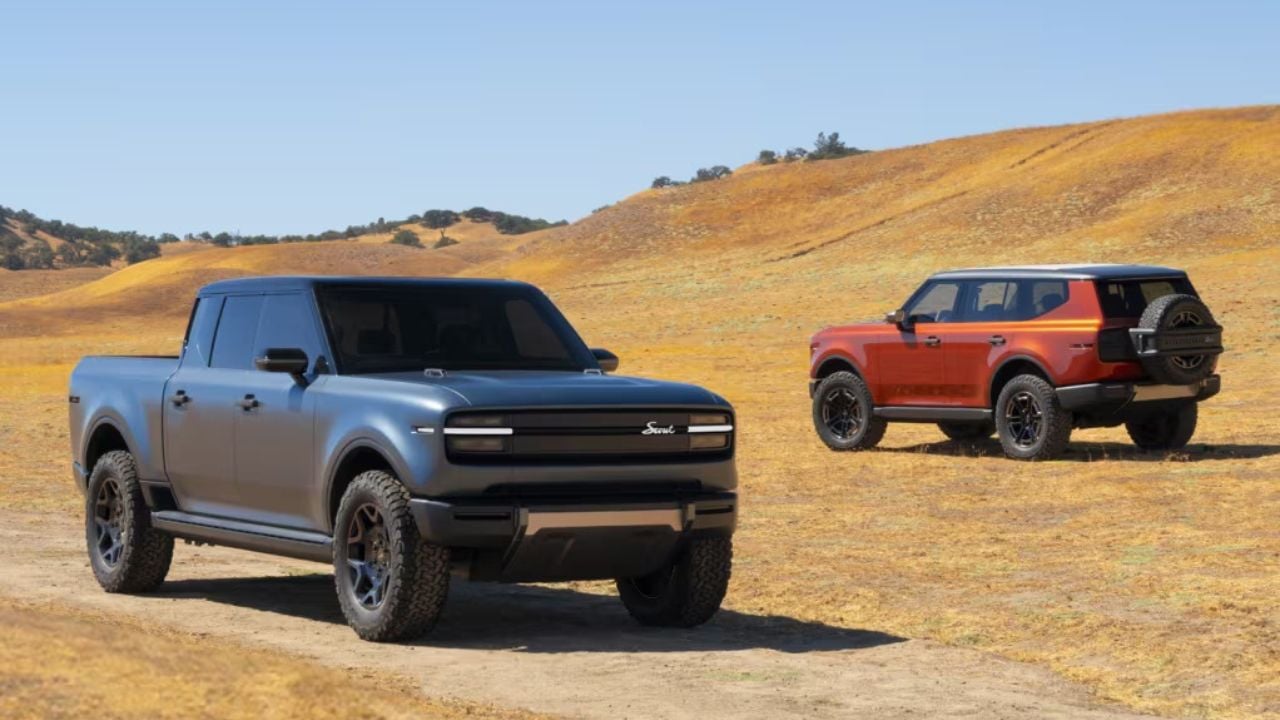
Scout Motors, which was revived as a brand under Volkswagen’s broader electrification push, has positioned itself as a fresh, digitally focused company. Its leadership has emphasized a desire to build a modern retail experience, one that mirrors the approach popularized by companies like Tesla.
That includes online ordering, fixed pricing, and company-owned retail locations rather than independently operated dealerships.
Dealer groups see that approach as a direct threat. The California New Car Dealers Association contends that allowing established automakers to create new brands solely to avoid franchise obligations would undermine a system that has governed auto sales for decades.
Dealers invest heavily in facilities, staffing, and local marketing, and they rely on legal protections to ensure manufacturers do not undercut them.
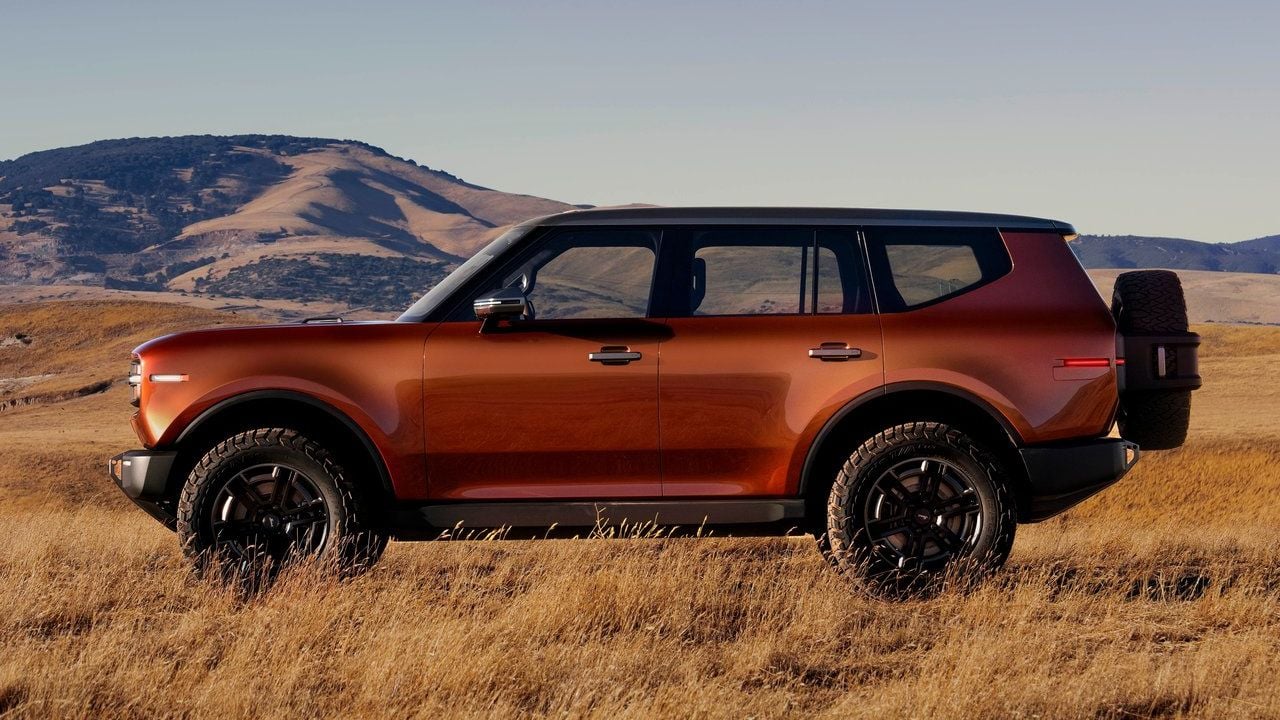
In its complaint, the association argues that Scout Motors is not truly independent, but rather an extension of Volkswagen. If that claim holds up in court, it could mean the startup is subject to the same restrictions as its parent company.
Volkswagen and Scout Motors, for their part, have pushed back against that characterization. They maintain that Scout operates as a distinct entity with its own business model and that it should be allowed to innovate in how it brings vehicles to market. The companies also point to shifting consumer expectations, noting that many buyers now prefer the convenience and transparency of online purchasing.
The Future of Car Sales
An analytical view of this case sees a growing tension within the auto sector. As EV adoption grows, automakers are experimenting with new ways to engage customers and reduce distribution costs. Direct sales can offer tighter control over pricing and brand experience, but they also challenge entrenched dealership networks.
The outcome of the lawsuit could have implications far beyond California. Other states have similar franchise laws, and a ruling in favor of the dealers could discourage legacy automakers from pursuing direct sales through new brands. On the other hand, if Scout and Volkswagen ultimately prevail, it may open the door for more companies to rethink how they sell vehicles in the electric era.
Meanwhile, the case moves into its next phase, where both sides will gather evidence and refine their arguments. The process could take months, if not longer, to resolve.
What is clear already is that the stakes extend well beyond a single startup. The battle between traditional dealerships and emerging direct sales models is intensifying, and this lawsuit is shaping up to be one of the most closely watched tests of where the industry is headed next.