A European vacation rental can look like a private escape, but many apartments sit inside ordinary residential buildings. Tourists may share stairwells, courtyards, elevators, balconies, and thin walls with people who have work the next morning.
A late dinner, rolling suitcases, terrace drinks, or loud hallway voices can become a problem faster than visitors expect. Sound travels differently in old apartment blocks, especially through interior courtyards, tiled stairwells, and shared entrance halls.
The quiet-hours rule travelers often miss is simple: the rental may be private, but the building is shared. Quiet hours are not identical across Europe, and they are not always posted in large letters, but many hosts expect lower noise at night and extra care in shared spaces.
Airbnb’s ground rules for guests tell guests to respect designated quiet hours and avoid disturbing the surrounding community with disruptive noise such as loud music, shouting, or slamming doors. Travelers should treat that as part of the booking, not as fine print to ignore.
A Rental Apartment Shares Walls With Real Neighbors
Hotels are designed around constant guest movement. Vacation rentals often sit in buildings where residents live year-round, sleep regular hours, work from home, raise children, and use the same stairs and elevators as guests.
A group may think a late conversation is normal vacation noise. A neighbor may hear the same conversation through a bedroom wall, ceiling, courtyard window, or shared hallway.
House rules about doors, balconies, music, laundry, parties, and late arrivals usually come from previous complaints or building expectations. They protect the host from neighbor disputes and protect guests from warnings, penalties, or a message from the host before midnight.
Read the house manual before the first night out. If it mentions quiet hours, do not wait for a complaint to test how strict the building is.
Many Buildings Treat 10 P.M. as the Volume Drop

In several European cities, 10 p.m. is the hour travelers should treat as the start of quieter behavior. The exact schedule can depend on the building, city, lease, rental contract, or local rule.
The City of Vienna’s house rules tell tenants to avoid disturbing noises after 10 p.m., including loud music, vocal or instrumental practice, and banging doors. The same page says rest hours apply on Sundays and bank holidays.
Guests should not assume a lively street outside means the apartment building has the same tolerance. A restaurant terrace may be noisy at midnight, while the residential staircase above it may be expected to stay quiet.
Lower voices before late evening, turn speakers off, avoid loud phone calls near open windows, and keep doors from slamming. If the host lists stricter hours than the city norm, follow the rental rule.
Hallways and Stairs Create Fast Complaints
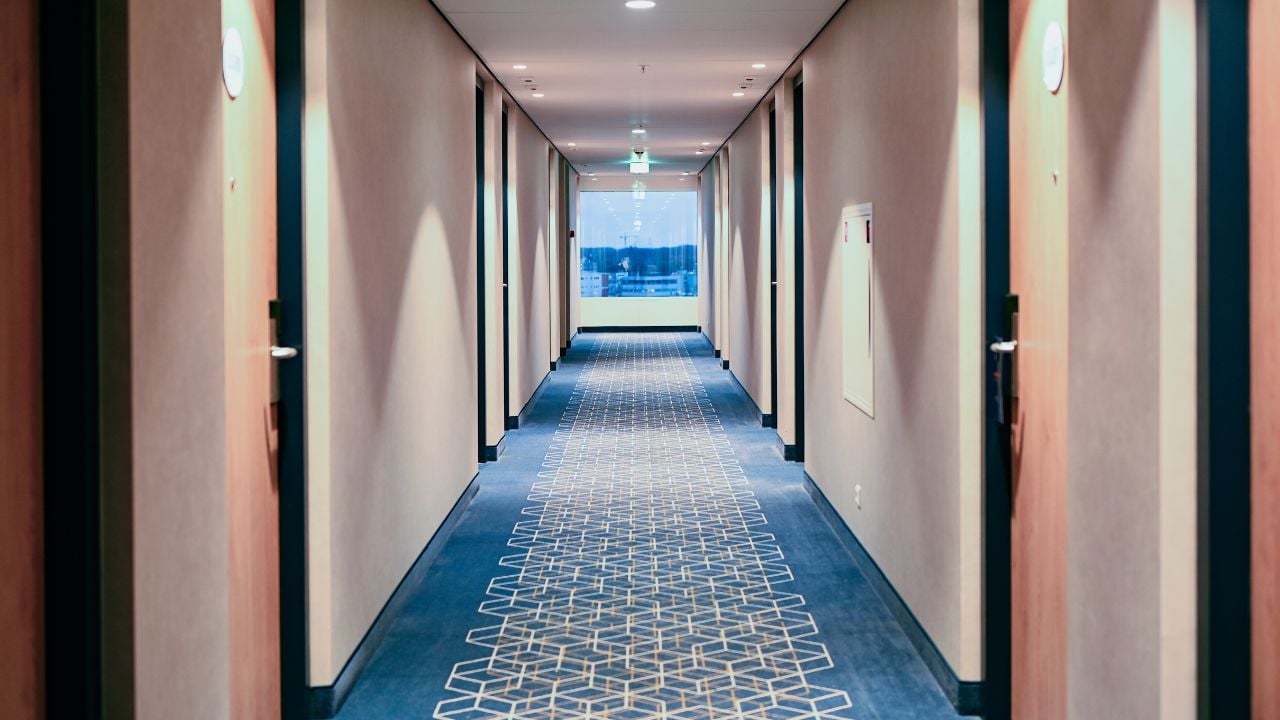
Many tourists focus on noise inside the apartment and forget the building around it. Stairwells echo, elevators rattle, keys scrape, doors slam, and suitcase wheels can sound much louder at 1 a.m. than they do at noon.
Coming back from dinner and continuing a group conversation in the hallway is one of the easiest ways to annoy residents. The same goes for gathering outside the apartment door while one person searches for the key.
Finish louder conversations before entering the building. Carry bags carefully where possible, close doors by hand instead of letting them swing shut, and move through shared spaces without turning them into a meeting point.
Historic buildings need extra care. Stone stairs, tiled floors, metal gates, and interior courtyards can carry sound through several floors.
Balconies and Courtyards Are Not Soundproof
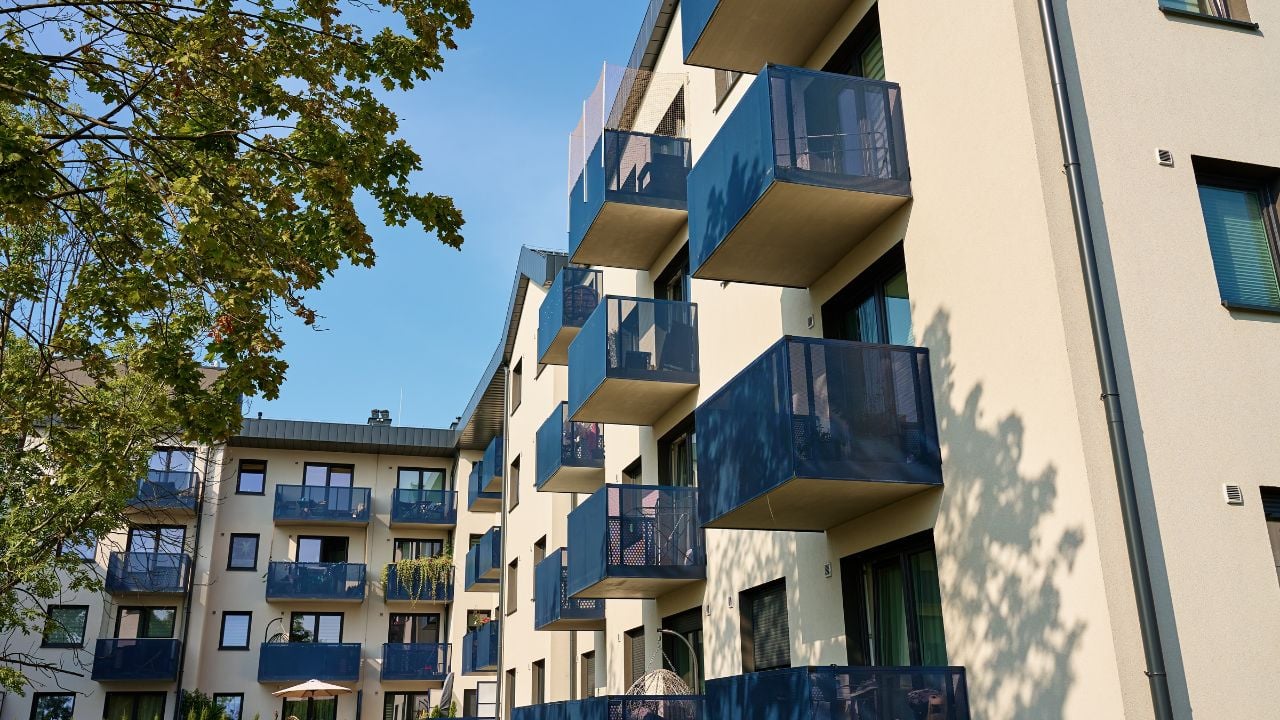
A balcony may belong to the rental, but the sound does not stay there. Courtyards can carry one conversation to dozens of windows, especially when people speak loudly after drinking or move chairs across outdoor flooring.
Late-night drinks, speaker music, scraping chairs, video calls, and laughter outside can disturb more neighbors than the same behavior inside with windows closed.
Barcelona’s official noise-pollution atlas notes that city regulations broadly set lower night limits than daytime limits in predominantly residential areas. The practical takeaway for visitors is straightforward: residential nighttime noise is treated more seriously than daytime street noise.
Use balconies and terraces earlier in the evening. After quiet hours begin, move conversations indoors, close windows where possible, and avoid dragging chairs or playing music outside.
Ask About Quiet Hours Before the First Night Out
A quick question at check-in can prevent most problems: “What are the quiet hours in this building?” That gives the host a chance to explain the rules before the first late dinner or night out.
Travelers should check whether the rental has a noise monitor, a strict neighbor policy, party penalties, balcony limits, or laundry restrictions. Those details can matter more than the square footage when the apartment sits inside a residential block.
Airbnb’s Community Disturbance Policy says community members can report a listing that they believe is causing a disturbance through Airbnb’s Neighborhood Support team. A guest who creates repeated noise may be causing a problem for the host, not only for the neighbor who complains.
Enjoy the night out, then return like someone is sleeping next door. Speak quietly, skip hallway gatherings, shut doors carefully, and keep balconies quiet after dark.