Some cars are remembered for performance figures, styling breakthroughs, or racing success. Others are remembered for something much harder to separate from history: the extraordinary people who sat inside them.
A few vehicles became famous not because of what they could do, but because of the moments they witnessed. They carried presidents through public ceremonies, royalty through state occasions, and cultural icons through the everyday scenes that later became part of public memory.
That is what makes them more than transportation. In the best examples, the car and the person become inseparable, with the vehicle turning into a symbol of power, fame, tragedy, or affection long after its mechanical details stop being the first thing anyone mentions.
The cars below all have a documented connection to figures whose names still carry weight far beyond the automotive world. Some were built around security and ceremony. Others became legendary because of the life that unfolded around them.
The 1939 Lincoln K “Sunshine Special”
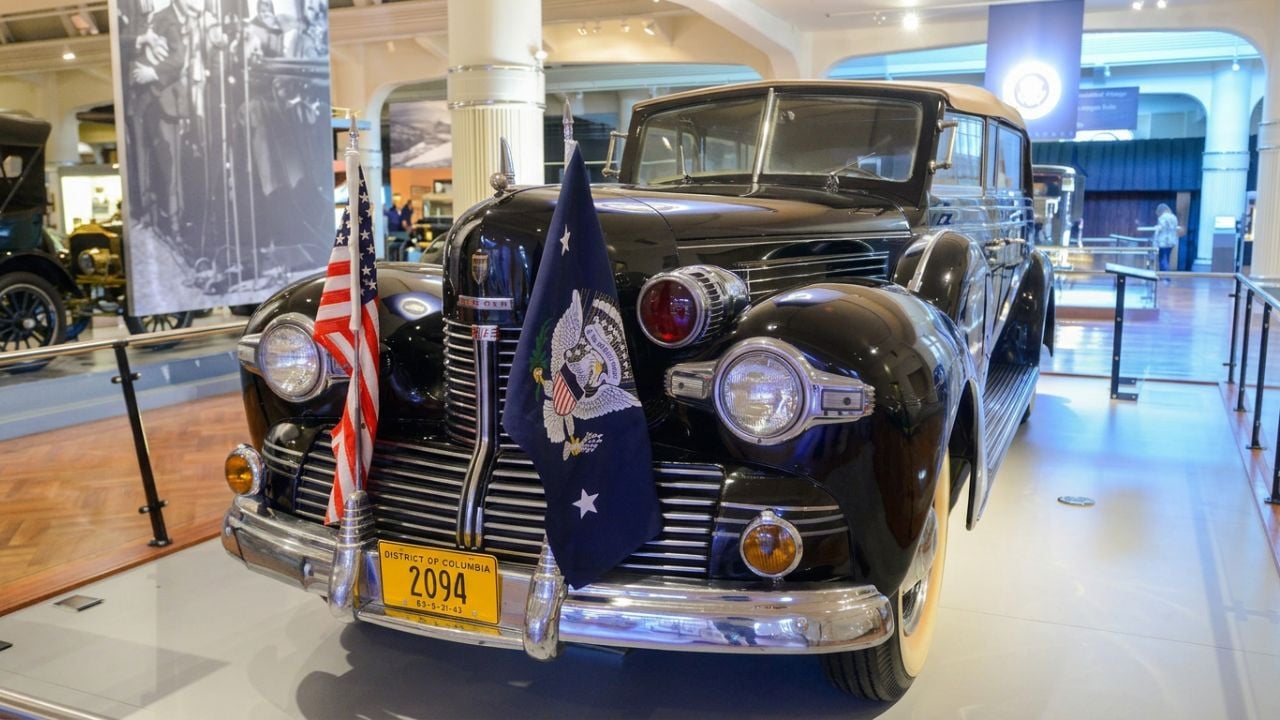
The 1939 Lincoln Model K known as the Sunshine Special was the first presidential limousine modified specifically to meet Secret Service requirements. Built for Franklin D. Roosevelt, it was adapted by Brunn & Company with wider rear doors, step plates, and other changes that made it easier for Roosevelt to enter and exit despite the physical effects of polio.
The nickname came from Roosevelt’s fondness for appearing in it with the top down. That open-air visibility made the car effective for public appearances, but wartime realities later forced the addition of armor, bullet-resistant glass, a two-way radio, and secure weapon storage.
The Sunshine Special stayed in service after Roosevelt’s death and continued into the Truman years, which only deepened its place in presidential history. Today it remains one of the most important vehicles in the American political story.
Visitors can still see it at The Henry Ford in Dearborn, where it stands as both a presidential artifact and a reminder of how quickly security expectations changed in the twentieth century.
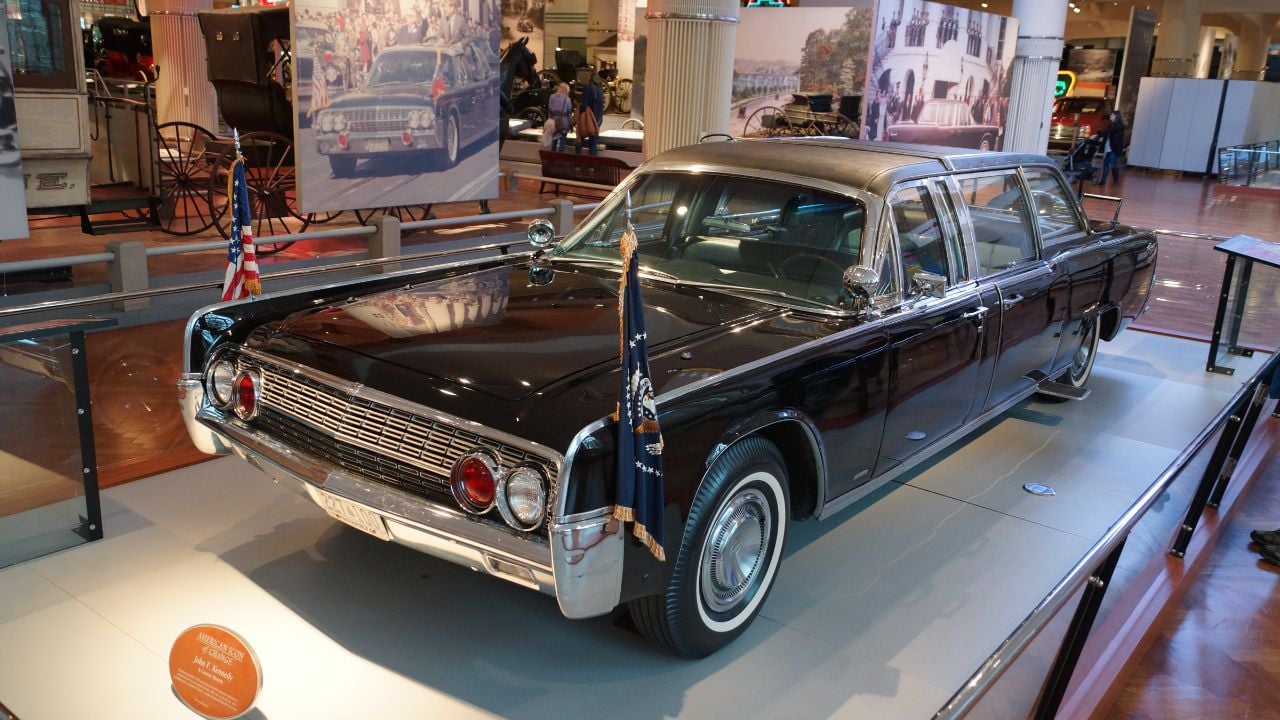
The 1961 Lincoln Continental SS-100-X
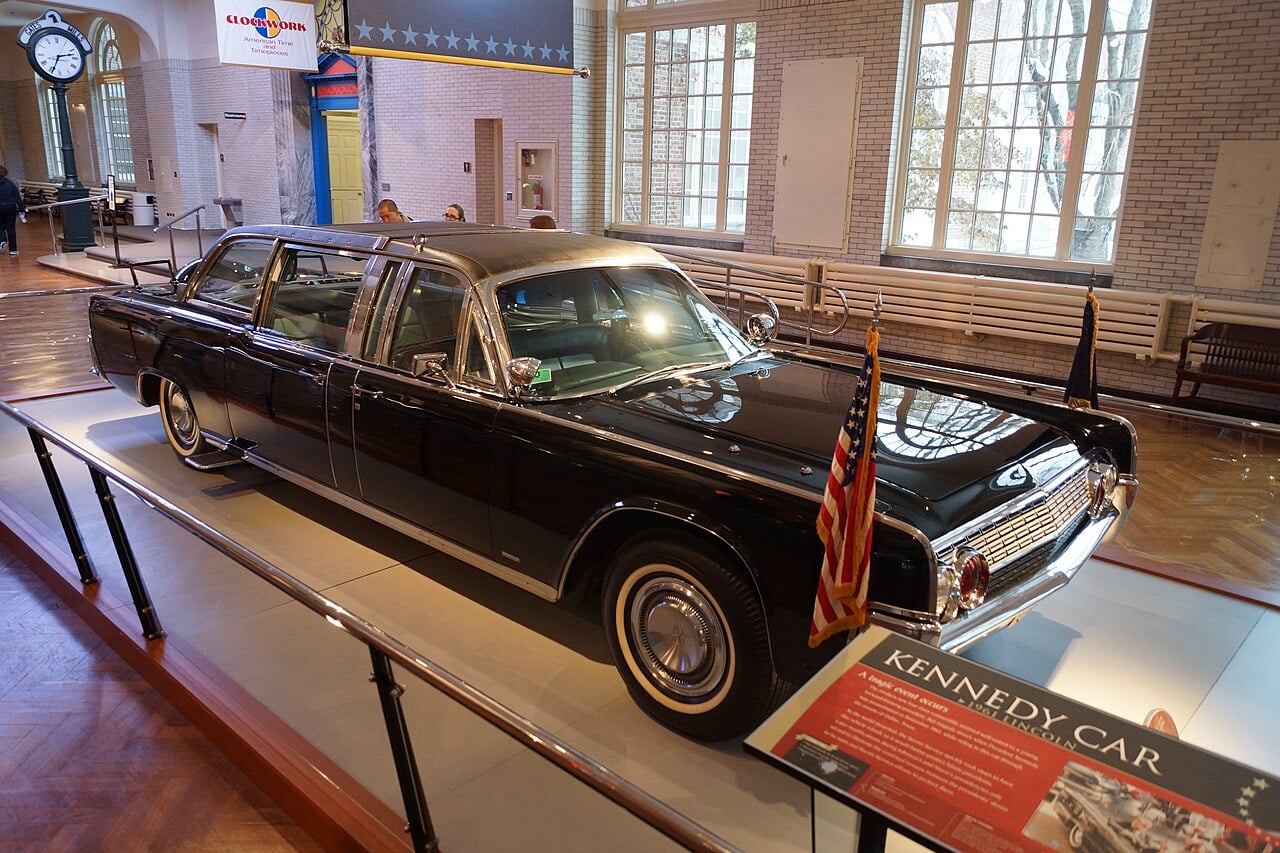
The stretched 1961 Lincoln Continental known as SS-100-X, often shortened to X-100, served as John F. Kennedy’s presidential limousine. It was originally an open, dark blue convertible designed to maximize visibility during motorcades and public events.
That visibility is what made the car so effective politically and so haunting historically. On November 22, 1963, Kennedy was assassinated while riding in it in Dallas, turning the car into one of the most recognizable and tragic vehicles in modern history.
Afterward, the Lincoln was heavily rebuilt with a fixed roof, armor, and other security upgrades before returning to presidential service. Its continued use for years after the assassination makes it even more striking as an artifact, because it carries both the image of Camelot and the long shadow of what followed.
It now sits at The Henry Ford, where its presence is as sobering as it is historically important.
The 1955 Cadillac Fleetwood Series 60
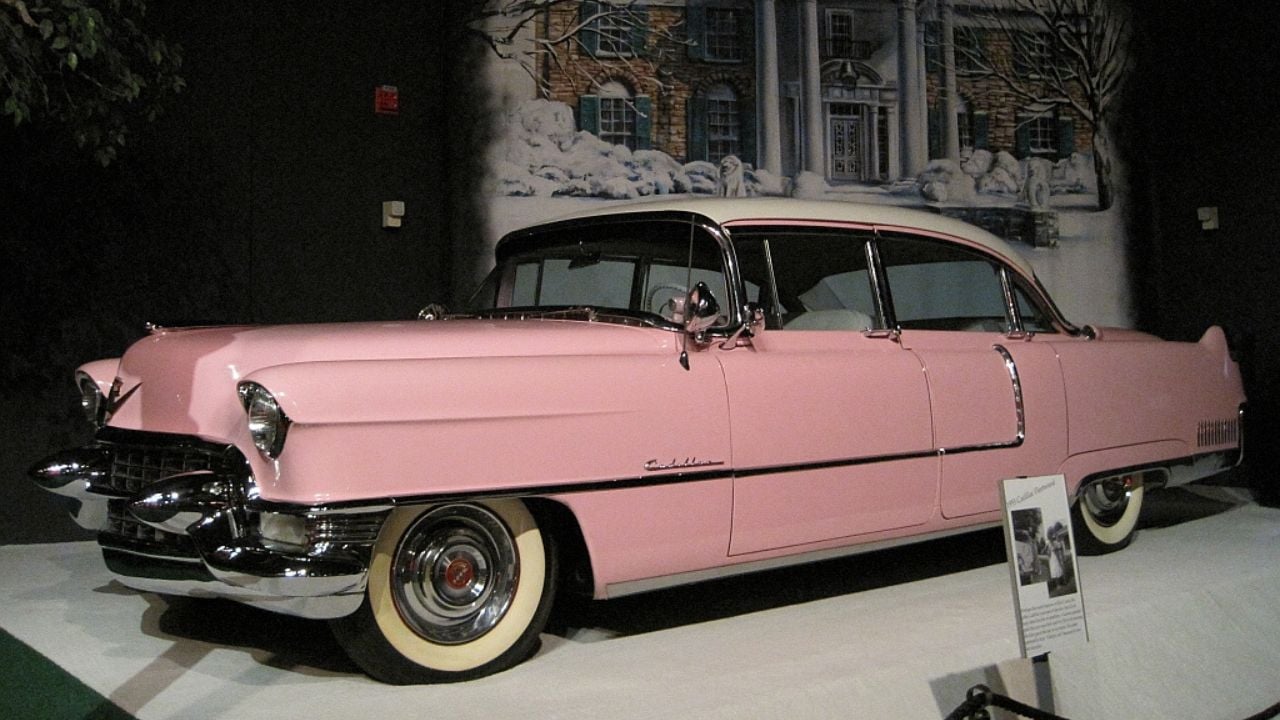
Elvis Presley’s most famous car is still his pink 1955 Cadillac Fleetwood. He bought it in blue, had it repainted in a custom pink shade often associated with the name “Elvis Rose,” and then gave it to his mother, Gladys, even though she did not drive.
The car became part family gift, part celebrity object, and part visual shorthand for Elvis himself. Few celebrity vehicles have fused so completely with the image of their owner, and that is why the pink Cadillac has outlived the ordinary status of a famous person’s old car.
Its cultural reach went far beyond Presley’s personal life. The Cadillac helped create the idea of Elvis as an American icon of sudden success, generosity, flash, and style, all wrapped into one piece of chrome-heavy 1950s excess.
Today it remains one of the centerpiece attractions at Graceland in Memphis, where it still draws the kind of attention most classic cars can only imagine.
The 1990 Mercedes-Benz 500 SE
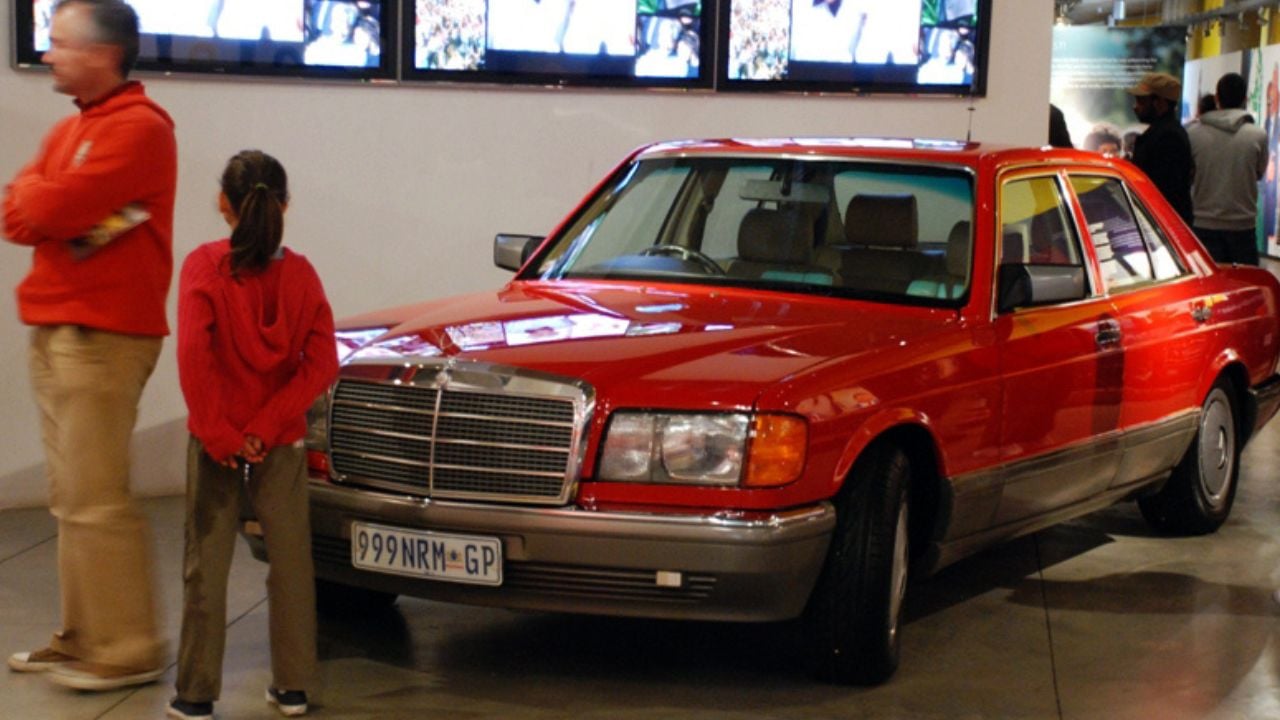
The red 1990 Mercedes-Benz 500 SE built for Nelson Mandela carries one of the most unusual origin stories on this list. After Mandela’s release from prison, workers at the Mercedes-Benz plant in East London, South Africa, volunteered their own time to assemble the car as a gift in his honor.
That act gave the car meaning before Mandela even sat in it. It was not just a luxury sedan presented to a future president, but a handmade gesture of solidarity and celebration from workers who understood the moment’s significance while it was still unfolding.
The Mercedes was presented to Mandela in July 1990 at a packed ceremony in Mdantsane. Its personalized plate, 999 NRM for Nelson Rolihlahla Mandela, only added to the sense that this was not an ordinary state vehicle, but a symbolic object in its own right.
It is now associated with the memory work of the Apartheid Museum in Johannesburg, where it stands as both an automotive artifact and a physical reminder of South Africa’s political transformation.
The Rolls-Royce Phantom VI State Limousine
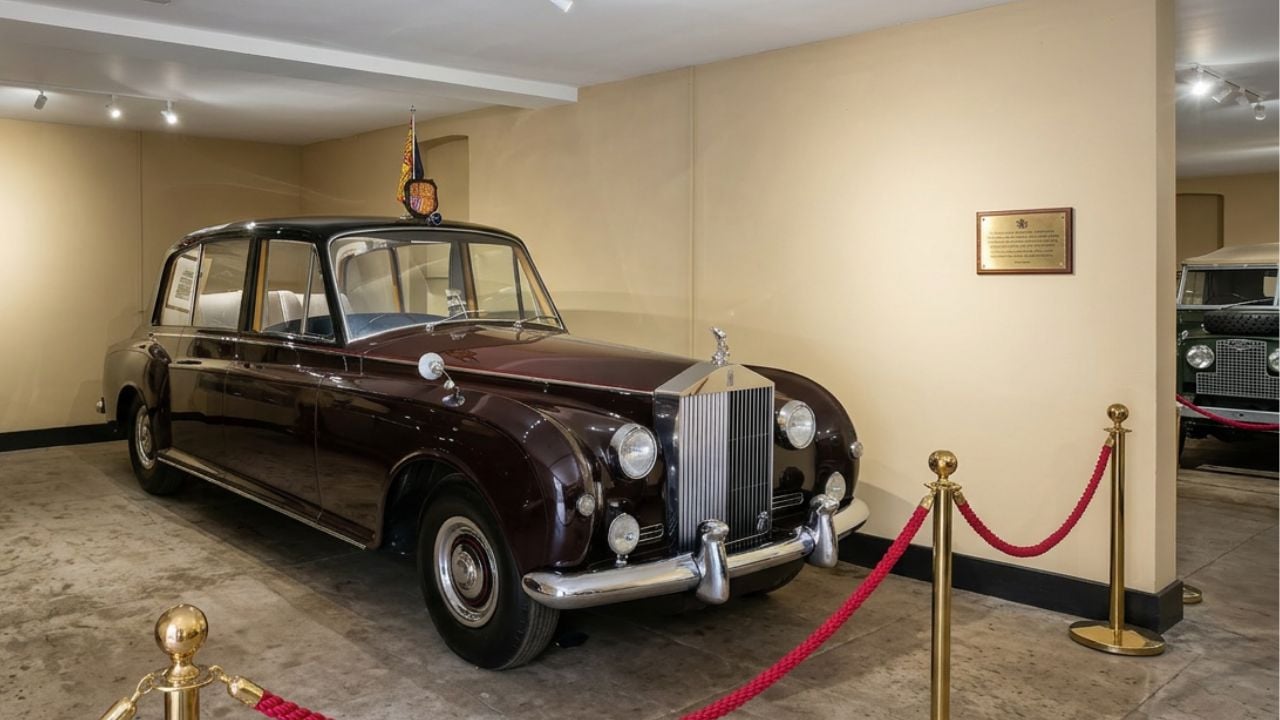
Few cars are more closely associated with twentieth-century state ceremony than Queen Elizabeth II’s Rolls-Royce Phantom VI state limousine. Long, upright, and formal in the way only a British state car can be, it became one of the most recognizable symbols of royal public life in the later decades of her reign.
The car mattered because it was designed not just for transport, but for visibility, ceremony, and continuity. It was part of the machinery of monarchy, helping project stability and tradition on state occasions where the vehicle itself had to communicate as much as the person inside it.
For many people, images of the Queen at major public events are inseparable from the silhouette of a Rolls-Royce state limousine. That is the kind of visual association very few cars ever achieve.
Examples of the royal state fleet are tied to the Royal Mews, where historic royal vehicles help tell the story of how the monarchy has been seen in public over time.
The 1911 Gräf & Stift 28/32 PS Double Phaeton
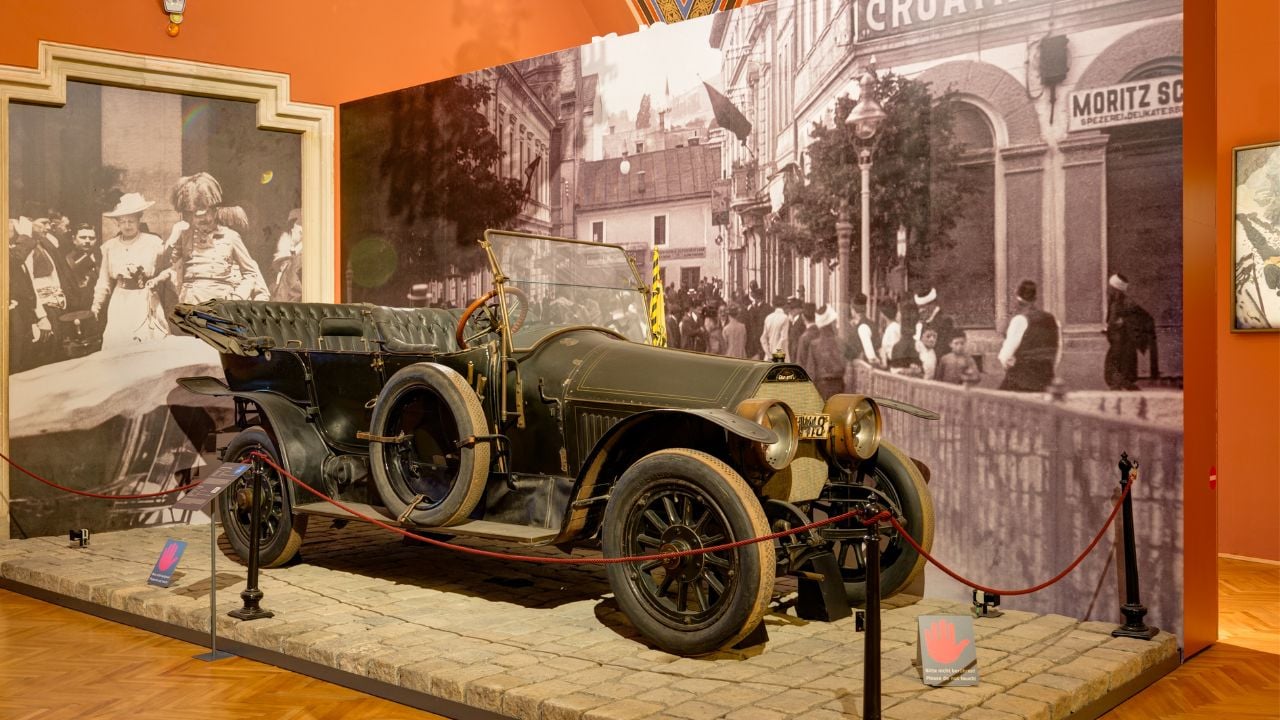
On June 28, 1914, Archduke Franz Ferdinand and his wife Sophie were riding in a 1911 Gräf & Stift 28/32 PS Double Phaeton through Sarajevo when the assassination that changed Europe unfolded around them. An earlier bomb attack had already missed the couple before the motorcade later stopped in the path of Gavrilo Princip.
The shots fired into that car did more than kill an heir to the Austro-Hungarian throne and his wife. They helped trigger the diplomatic crisis that cascaded into the First World War, giving this vehicle a place in history far beyond anything normally attached to an automobile.
That is what makes the Gräf & Stift so chilling as an artifact. It is not merely associated with history. It was physically present at one of the flashpoints that altered the course of the twentieth century.
Today the car is preserved at the Museum of Military History in Vienna, where it remains one of the most haunting vehicles any museum visitor can encounter.
Where These Cars Are Today
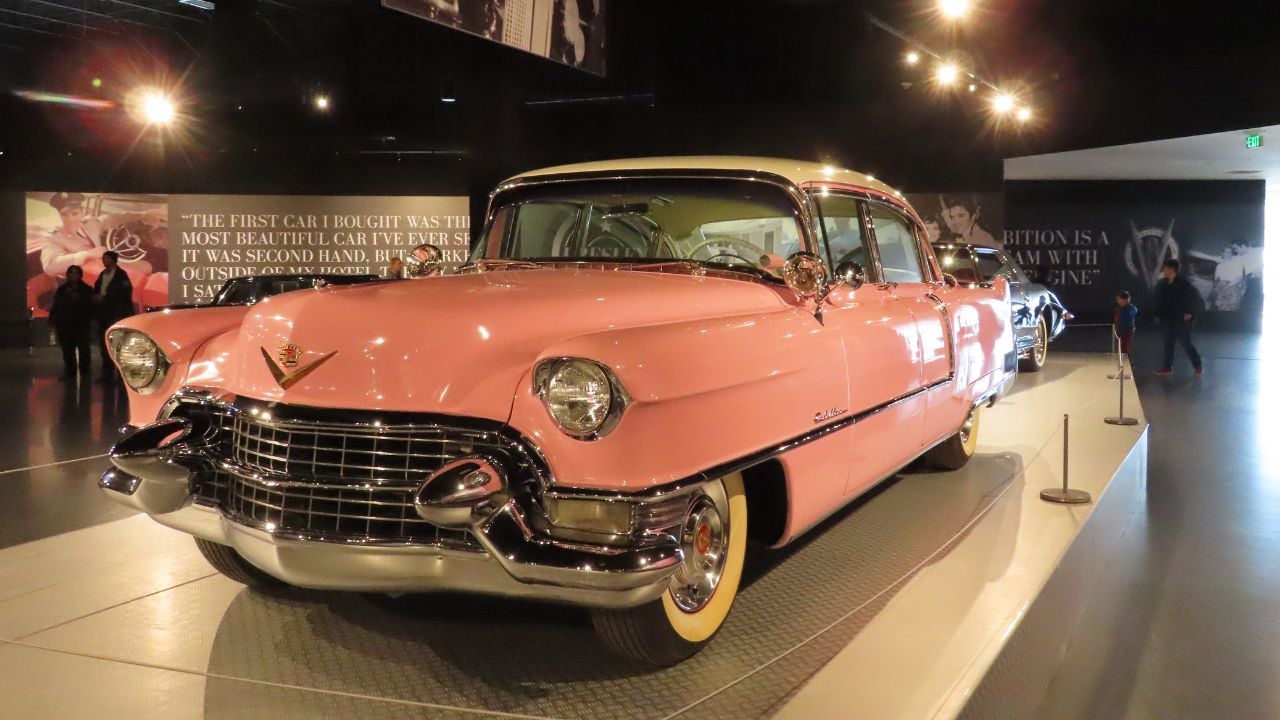
One reason these cars remain so compelling is that many of them still exist in places the public can visit. The Sunshine Special and the Kennedy Lincoln remain at The Henry Ford, Elvis’s pink Cadillac still anchors the car collection at Graceland, and the Gräf & Stift survives in Vienna as a direct witness to one of Europe’s darkest turning points.
That matters because these vehicles shrink history down to human scale. A museum visitor does not have to imagine a president, a queen, or a cultural icon in the abstract when the car that carried them is sitting only a few feet away.
In that sense, these machines did more than transport famous people. They became part of the way those people are remembered, which is why their significance has lasted so much longer than the lives of ordinary cars.