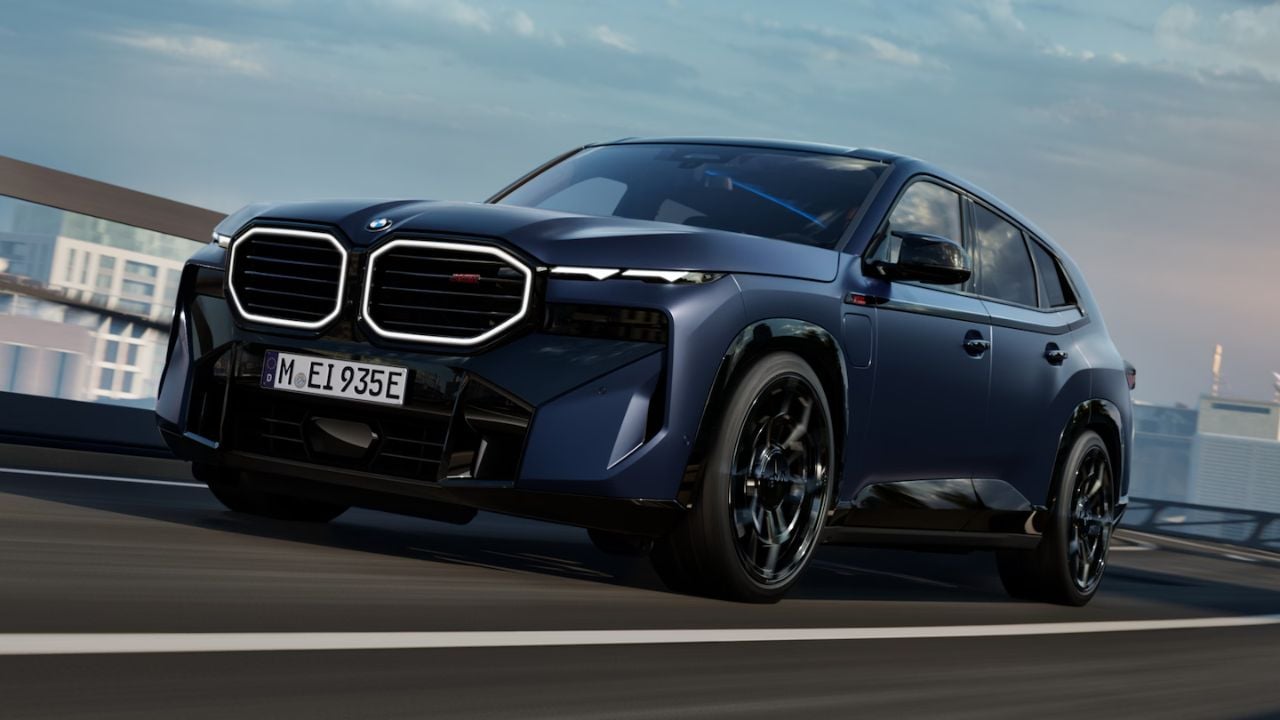
What do you do with a car that seems determined to argue with your idea of what a BMW M car should be? Do you dismiss it because it is tall, heavy, expensive, and electrified, or do you look closer and ask what BMW was really trying to build here?
That tension is exactly what makes the XM interesting. It arrived wearing the kind of shape that guarantees strong opinions, yet underneath the drama sits one of the most ambitious projects BMW M has produced in decades. The XM is not important because everyone agrees on it. The XM is important because it forced BMW M to explain itself in a new language.
And that is why this car deserves a second look. Strip away the noise around the styling, the size, and the headline grabbing power, and the XM starts to look less like a detour and more like a statement. It is a statement about what BMW M thinks performance can become, how luxury and aggression can live in the same cabin, and how far the brand is willing to stretch without letting go of its identity entirely. You may still decide it is not your favorite M car. That is fair. But the more you understand it, the harder it becomes to call it ordinary.
How To Read The XM Before You Judge It
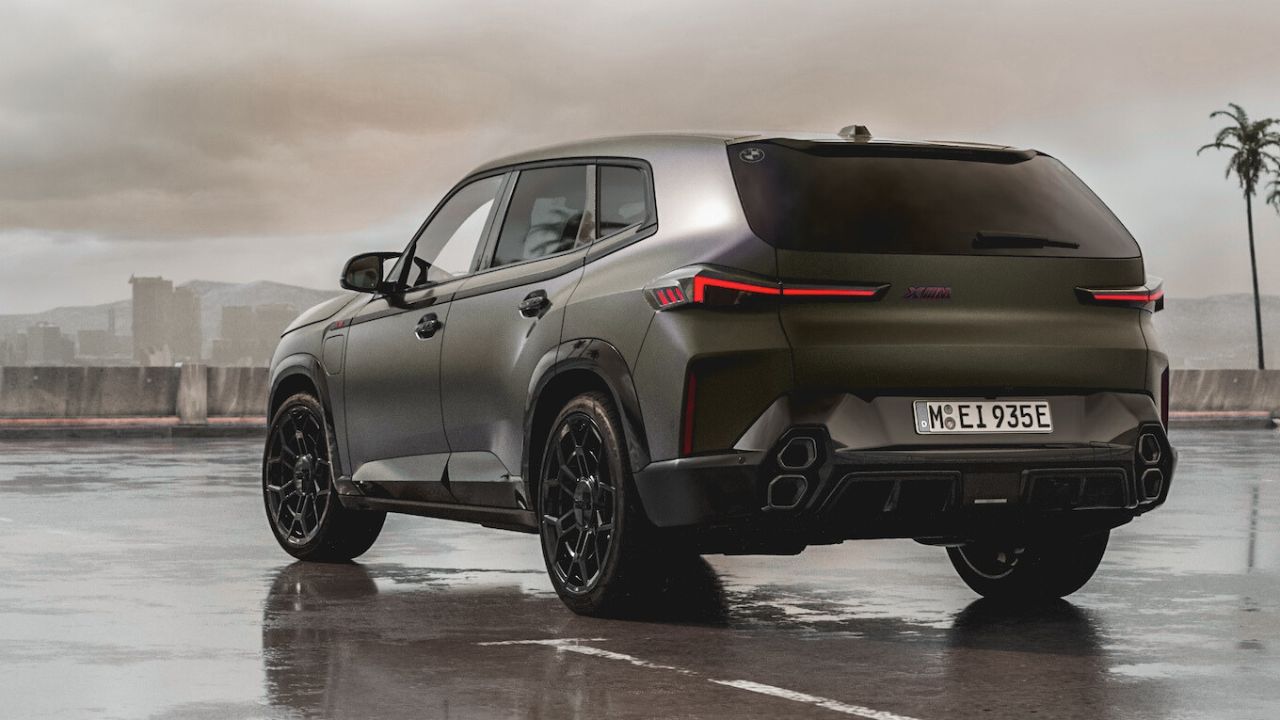
The XM only makes sense when you stop measuring it like a traditional M car and start reading it as a deliberate break in the story. This article focuses on the details that reveal what BMW M wanted the car to say, not just the numbers it wanted to print in large type. Each point had to show something real about the XM’s role, its engineering, or its design language.
The goal was clarity, because this is one of those vehicles people often react to before they fully understand it. Once you see the choices underneath the surface, the car starts to feel much more intentional. That does not make it simple, but it does make it far more interesting.
1. It Really Was BMW M’s First Standalone Car Since The M1
This is the fact most people know in broad outline, yet it still lands harder when you say it plainly. BMW’s own press material states that the XM is the first BMW M original since the M1. That means it was not created as a hotter version of an existing core BMW sedan or coupe.
It was conceived as a dedicated M model, a standalone statement, the same way the M1 once stood apart from the rest of the company’s range. That alone gives the XM a much heavier burden than the average badge enhanced SUV. It had to carry heritage, ambition, and risk in one expensive package.
That fact also changes the emotional reading of the car. A normal M derivative can afford to feel like a sharper answer to an existing question. The XM had to ask a new one. BMW M was not just trying to build a fast luxury SUV. It was trying to prove that an M original could exist in a very different era from the one that created the M1. Whether you love the result or still feel suspicious about it, that level of intent gives the XM a significance few modern performance vehicles ever have to carry.
2. The XM Was BMW M’s First Electrified High Performance Vehicle
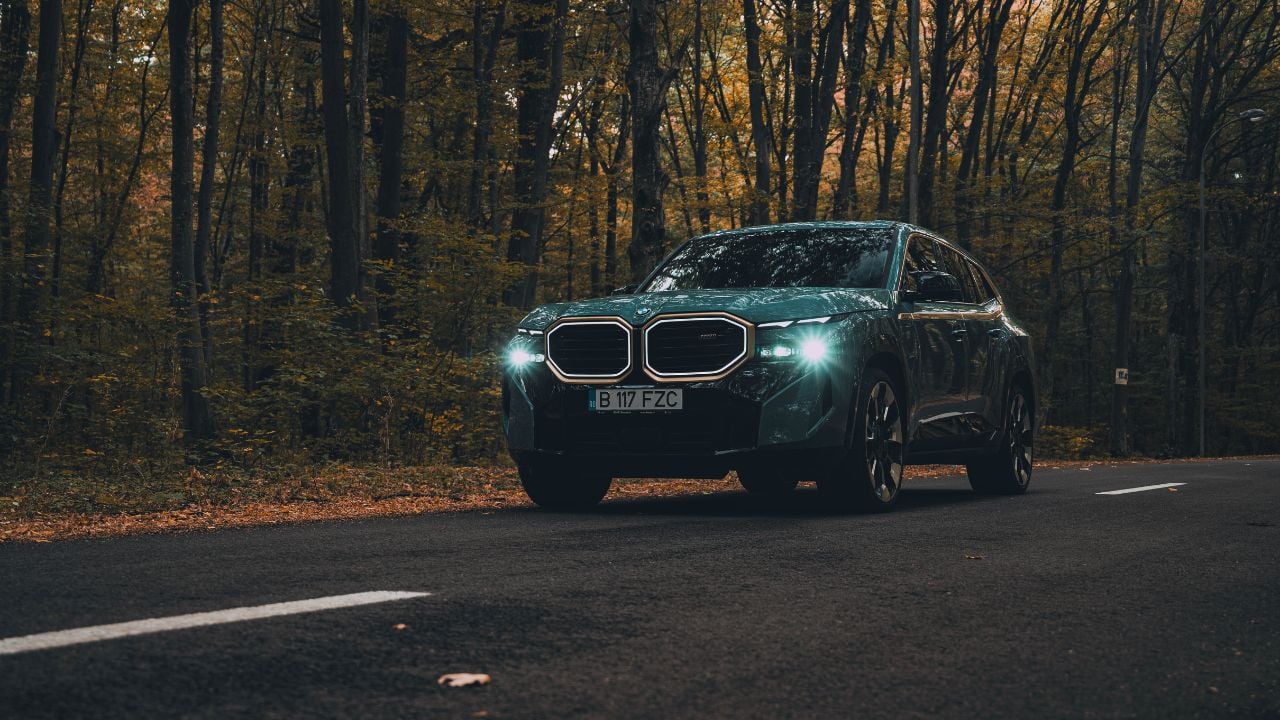
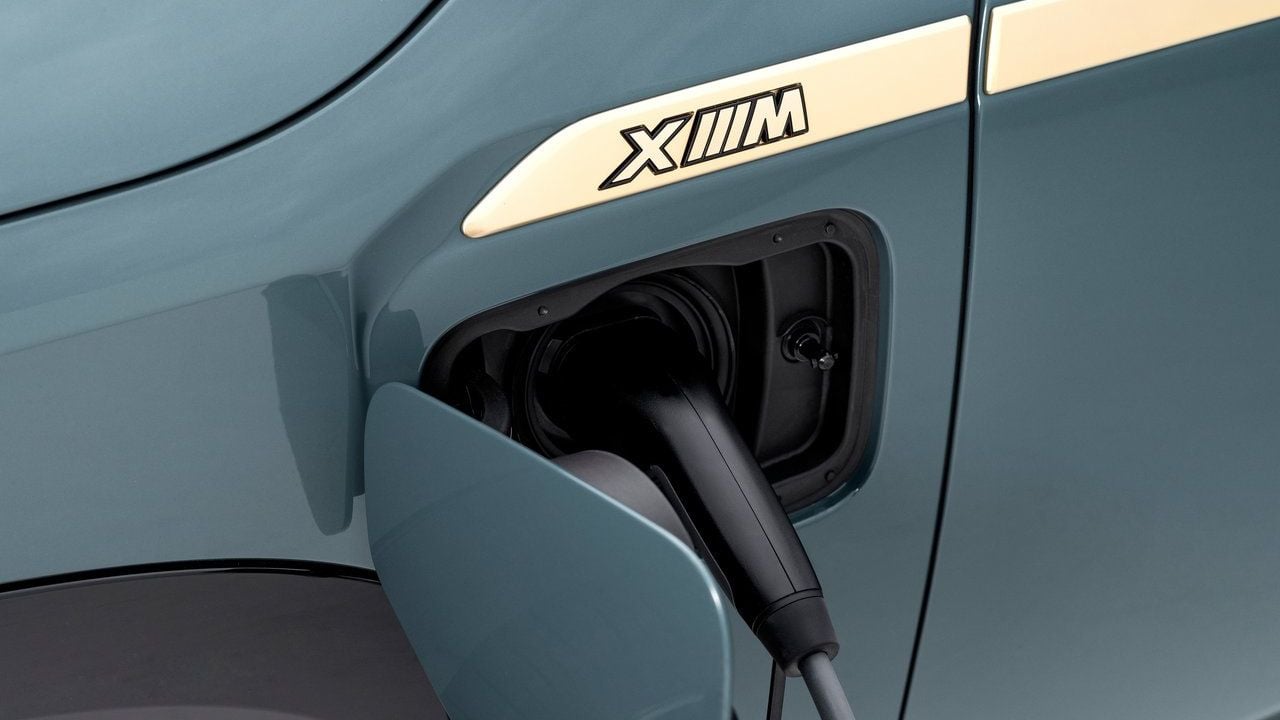
The XM was more than a design gamble. It was also the first high performance vehicle from BMW M with an electrified drive system. BMW made that point from the start, and it matters because the XM was never meant to be a quiet transition car.
The company used it as the place where M power and plug in hybrid thinking could finally meet in full view. In its current 2026 XM Label form, that drivetrain combines a 577 hp V8 with an electric motor integrated into the eight speed transmission for a total of 738 hp and 738 lb ft, enough for 0 to 60 mph in 3.6 seconds. Those are huge numbers, but the bigger story is what they represent.
BMW was not asking the XM to apologize for electrification. It was asking the XM to sell it as performance. That is a very different mission. Plenty of hybrid luxury SUVs feel like they were designed to soften the blow of regulation. The XM feels like BMW M wanted the electric side to sharpen the drama instead. That choice gave the car a much more aggressive personality than many people expected, and it also turned the XM into a preview of how BMW M would talk about electrified speed going forward.
3. Its Most Famous Design Cue Is A Quiet Tribute To The M1
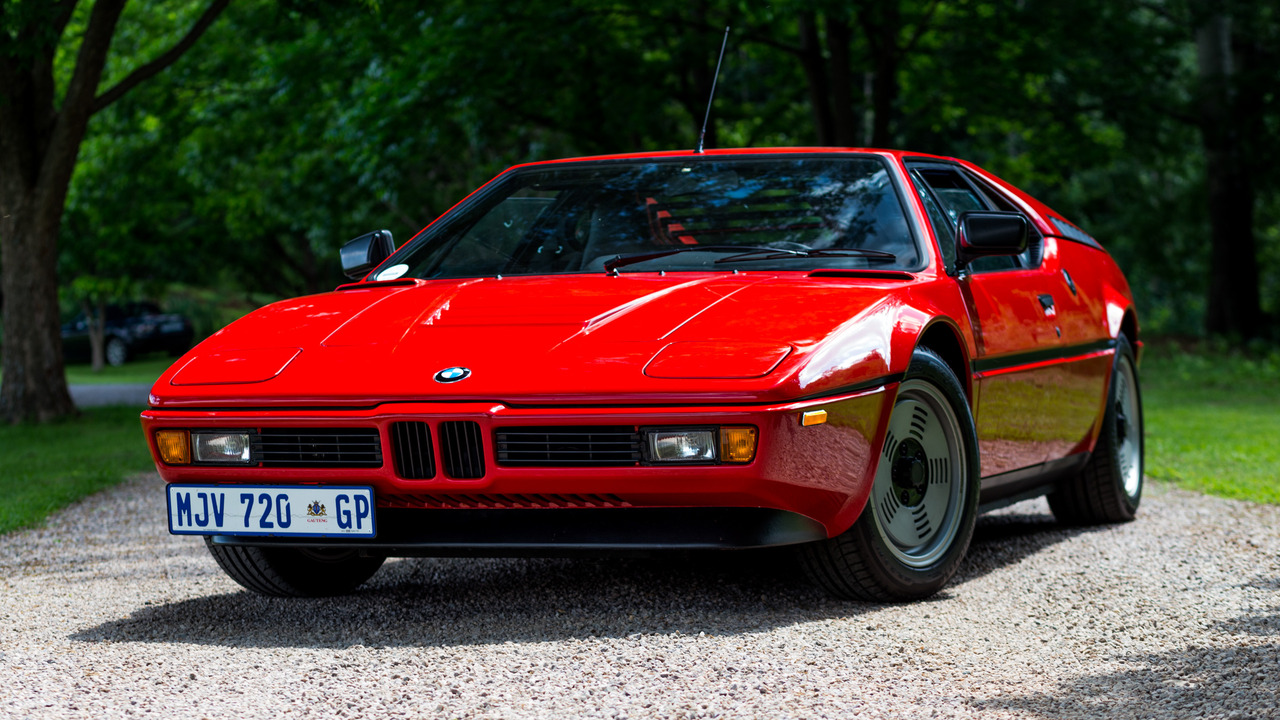
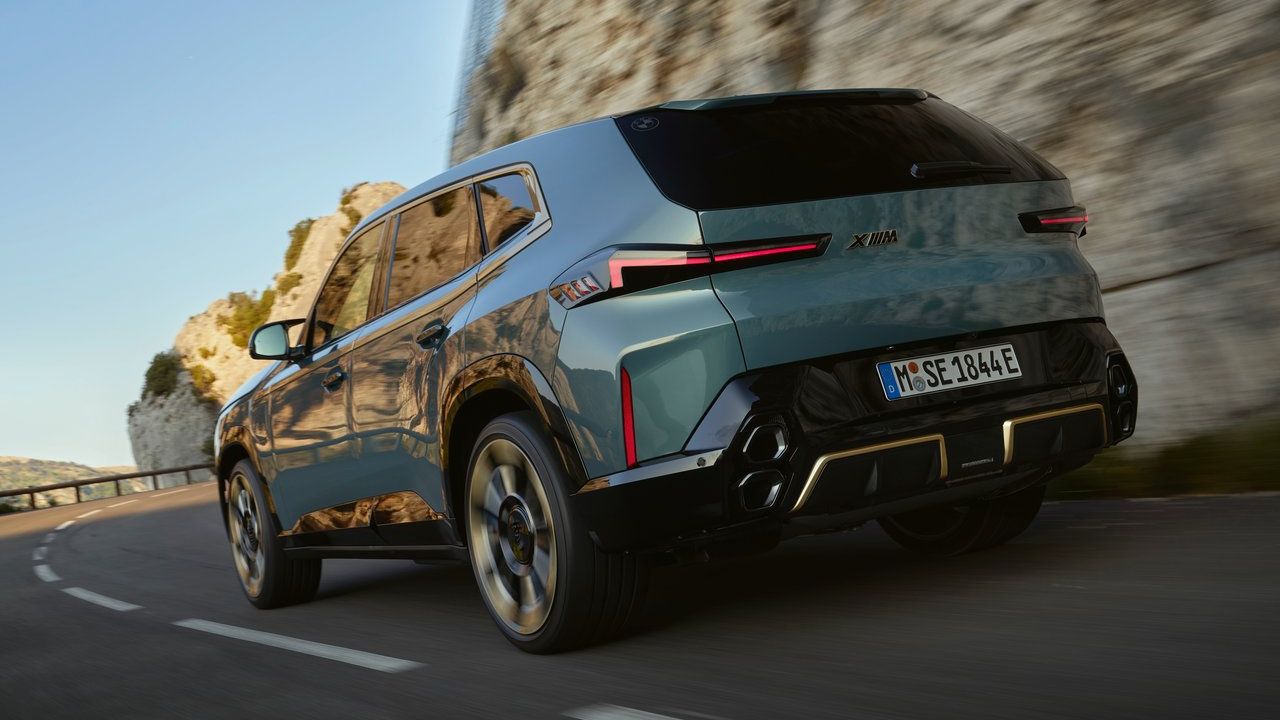
The XM’s styling tends to start arguments before it starts conversations, which is a shame because one of its most charming details is easy to miss. BMW says the roundels on both sides of the rear window are a homage to the BMW M1. That is a lovely piece of visual continuity, because the M1 has long been treated as sacred ground in BMW lore, and the XM is the first standalone M model since that car. Instead of copying the M1 directly, BMW used a subtle rear cue to create a link between the two. It is the sort of detail that rewards curiosity instead of shouting for attention.
That matters because the XM could easily have been designed as pure provocation. In some ways, it already was. Yet details like this show that BMW M was thinking about lineage, not just spectacle.
The rear roundels say the company knew exactly how loaded the XM’s role would be. It was stepping into a historical space where almost every enthusiast would arrive skeptical. A small nod to the M1 did not solve that tension, but it gave the car a thread of continuity, and that thread makes the whole project feel more self aware than critics sometimes allow.
4. The Electric Motor Uses A Patented Trick To Feel Stronger Than The Numbers Suggest
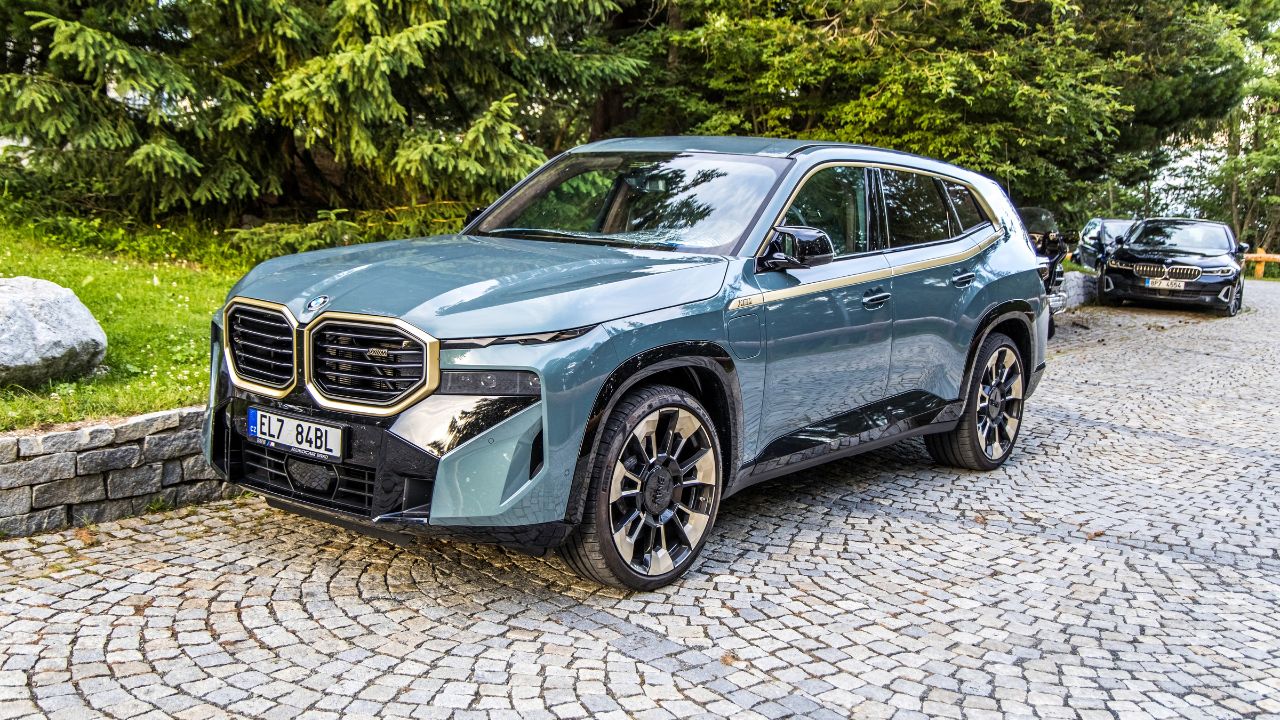
One of the XM’s more interesting engineering details lives where most people will never see it. BMW says the electric motor works through a patented pre gearing stage that increases the torque reaching the transmission input to an effective maximum of 450 Nm. That may sound like technical garnish, but it is actually central to the way the XM delivers its thrust.
The point was not simply to add an electric motor to a V8 and call the job finished. The point was to make the electric side feel muscular and immediate enough to suit an M car. BMW clearly understood that electrified performance has to feel convincing in the first few feet of acceleration or the whole concept starts to look theoretical.
This is one of those details that helps explain why the XM feels so forceful in spite of its mass. The hybrid system was engineered to provide more than efficiency and more than a short electric driving mode. It was tuned to shape the car’s character. That is important because many very fast SUVs feel quick in a generic way. The XM was engineered to deliver its power with a distinct M tone, and the motor’s torque multiplication strategy is part of what gives the vehicle that unusual sense of instant authority.
5. The Rear Seat Was Designed Like A Lounge, Not A Regular SUV Bench
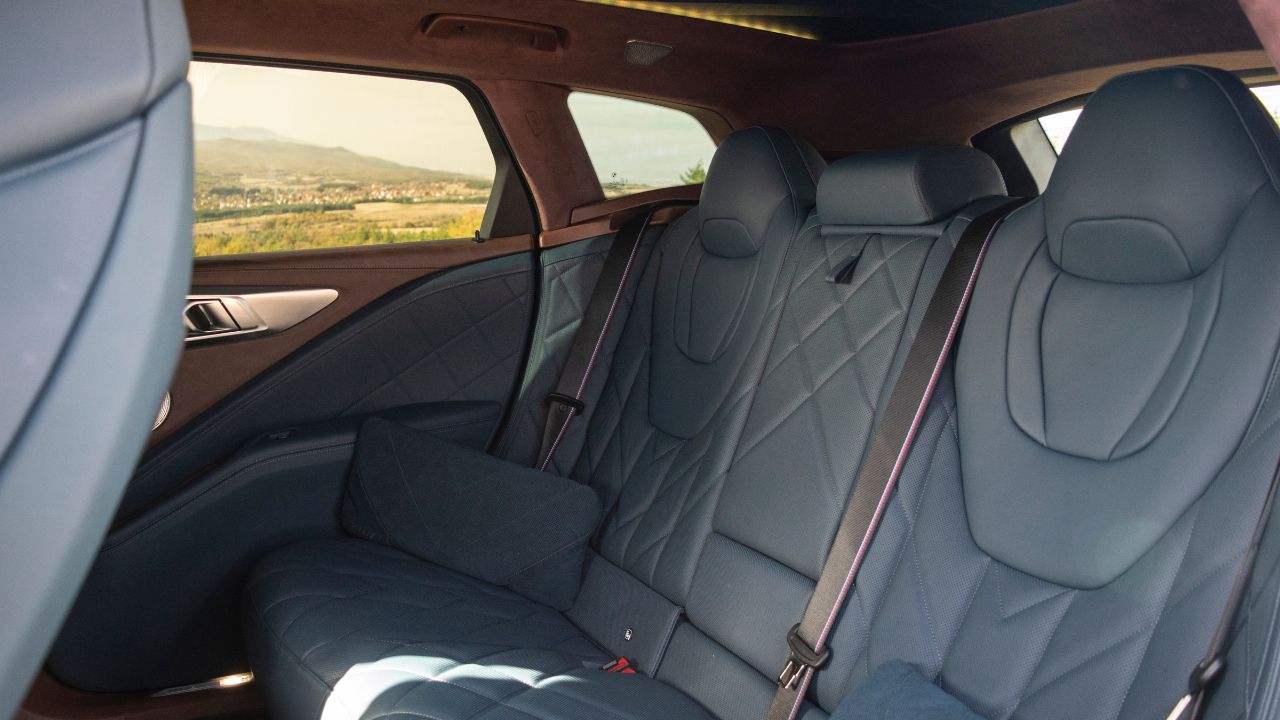
The XM is one of the few performance vehicles where BMW openly gave the rear cabin its own name. The company calls it the M Lounge, and the phrase is more than marketing fluff. BMW describes a one piece rear seat cushion, diamond shaped detailing, generous space, dark windows, comfort cushions, and a sculptural, indirectly illuminated headliner that helps create a more theatrical second row atmosphere.
On the BMW USA site, the company also says the headliner serves as a luxurious alternative to a glass sunroof while reducing weight high in the vehicle to help keep the center of gravity lower. That is a very specific kind of luxury thinking.
What makes this interesting is the way it reframes the XM’s purpose. Most M cars ask you to think almost entirely about the driver. The XM still does that up front with its M multifunction seats and curved display, but the rear seat tells a different story. BMW wanted the XM to feel like a performance machine that could still deliver occasion for passengers. In other words, the XM was designed as a flagship experience, not just a giant M toy. That split personality is one of the most revealing things about the whole car.
6. It Is Built In South Carolina, Which Makes Its Origin Story More Interesting
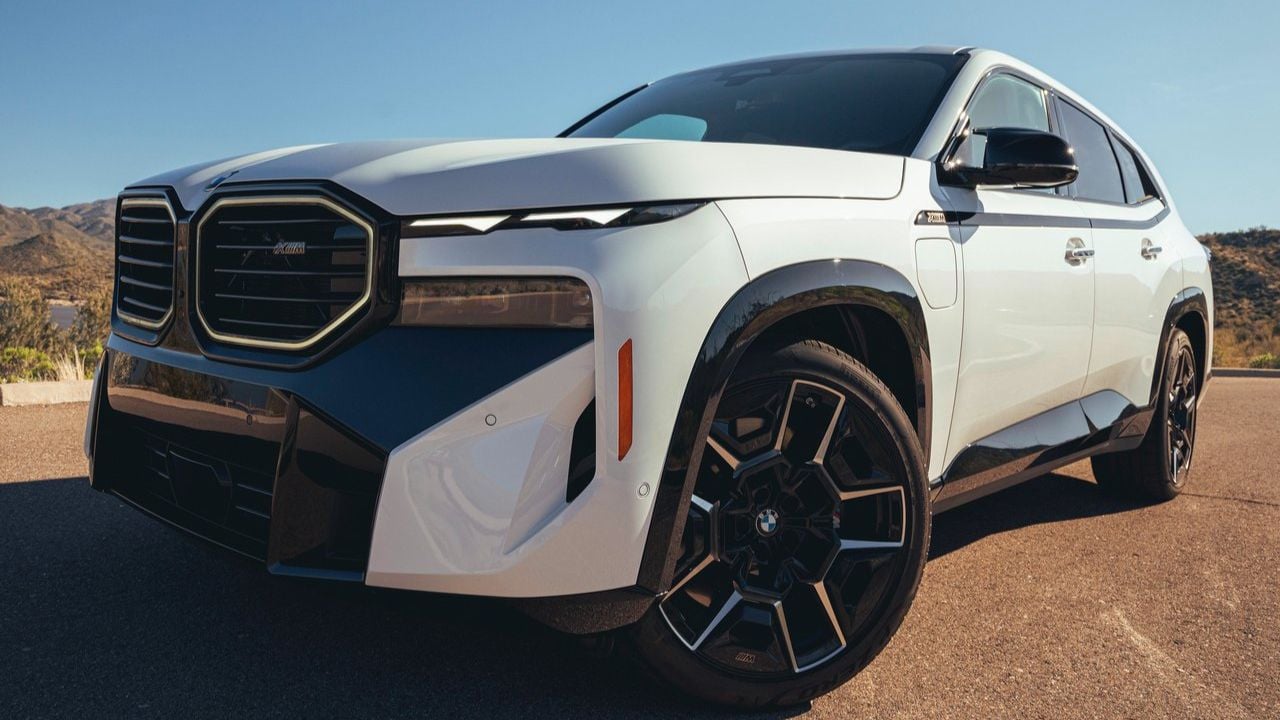
A lot of people still picture BMW M mythology as something that happens mainly in Germany, yet the XM comes out of Spartanburg, South Carolina. BMW’s U.S. production announcement made that clear from the beginning, and the current BMW USA model page still notes that the XM Label is assembled there.
That matters because Spartanburg is already BMW’s major center for X models, and the XM became part of that American manufacturing story rather than a distant European halo built somewhere symbolic. It is a very modern kind of M car in more ways than one.
There is something fitting about that, even if it surprises traditionalists. The XM was always meant to be a global statement, with the United States identified by BMW as one of its key markets from the start. Building it in South Carolina gives the car a slightly different kind of authenticity. It is still unmistakably a BMW M product, yet its physical origin reflects how important the U.S. market was to the XM from the beginning. That detail gives the XM a broader cultural footprint than many enthusiasts first realize.
7. BMW Quietly Simplified The XM For 2026 And Focused It Around Its Strongest Version

The current XM story is cleaner than the original one. BMW announced in June 2025 that the XM lineup was being sharpened to a single model, the XM Label.
At the same time, BMW increased the AC charging rate from 7.4 kW to 11 kW and kept the Label as the most powerful M production model ever, with 738 hp and 738 lb ft. That means the XM has already gone through an interesting evolution: from a broader, more experimental sub range to one very specific flagship identity. Sometimes that kind of simplification says more about a car than a full redesign ever could.
BMW appears to have decided that the XM makes the most sense when it stops trying to be several things and simply becomes the biggest, boldest version of itself. That is probably the right move. The XM was never destined to win people over by being modest or easy to categorize. It works better as a singular object, a maximalist plug in hybrid M flagship with a strong point of view. In that sense, the 2026 update did not change the XM’s personality. It clarified it.
The Car That Makes More Sense The Longer You Sit With It
The XM still asks a difficult question, and maybe that is why it lingers in the mind. What should a pure M original look like in an era where performance, luxury, electrification, and branding all pull in different directions?
BMW answered that question with a car that feels bold, polarizing, self conscious, technically ambitious, and occasionally a little outrageous. Yet once you begin to see the logic underneath the bodywork, the car’s contradictions start to feel less accidental. They start to feel like the whole point.
So here is the better question for readers: what do you really want from an M original in 2026? A safe echo of the past, or a machine willing to test what the badge can still mean? The XM may never become the universal enthusiast favorite. That was probably never in the cards. But as a statement, as an experiment, and as a clue to where BMW M believes its future can go, it is much more revealing than its loudest critics often admit. And that, on its own, makes it worth understanding.