There is a reason the Toyota Corolla always shows up in this conversation. It is dependable, easy to run, and familiar to almost everyone. The problem is that first time drivers deserve a little more imagination than being handed the same answer every time. A good starter car should still be affordable and sensible, but it should also fit the way young drivers actually live. It should be easy to park, easy to see out of, cheap enough to fuel and insure, and modern enough to bring real safety value instead of just old fashioned durability. The used market is full of cars that can do that job beautifully, and several of them now look especially smart in 2026 thanks to current pricing. A 2021 Honda Civic still sits in the high teens in Kelley Blue Book data, while a 2021 Mazda3, Hyundai Elantra, Nissan Sentra, or Kia Soul can often land lower, giving first time buyers more than one sane path into ownership.
That broader choice matters because first time drivers are not all the same. Some need a car that can survive city parking and college errands. Some need all weather confidence. Some care most about fuel costs, while others just want something that feels a little nicer and more grown up than the absolute cheapest option on the lot. The right used buy should reduce stress, not create it. That means avoiding cars that are too fast, too thirsty, too fragile, or too complicated for their price point. It also means looking for models with strong crash ratings, proven packaging, and trim levels that still make sense on the used market instead of disappearing into dealer markup fantasy.
What Makes A Great First Car In 2026
For this list, the target was not the absolute cheapest transportation available. Cheap and good are not the same thing, especially for a driver still building confidence. Every car here had to offer a realistic used price, a sensible ownership profile, and a personality that makes it feel like more than a compromise. I leaned toward late 2010s and early 2020s models because that is where the balance starts to make real sense. These cars are modern enough to bring stronger crash structures and better driver assistance, but old enough that the heaviest early depreciation has already happened.
I also focused on cars that are genuinely manageable for beginners. That means compact dimensions, predictable road manners, decent visibility, and cabins that are simple enough not to feel intimidating. The best first car is not the one that impresses people in a parking lot. It is the one that helps a new driver relax, build habits, and get on with real life. That is why this list stays away from thirsty performance models and bargain luxury traps. Instead, it looks for cars that make daily driving feel easier, cleaner, and a little more pleasant than the usual bare minimum choices.
Honda Civic
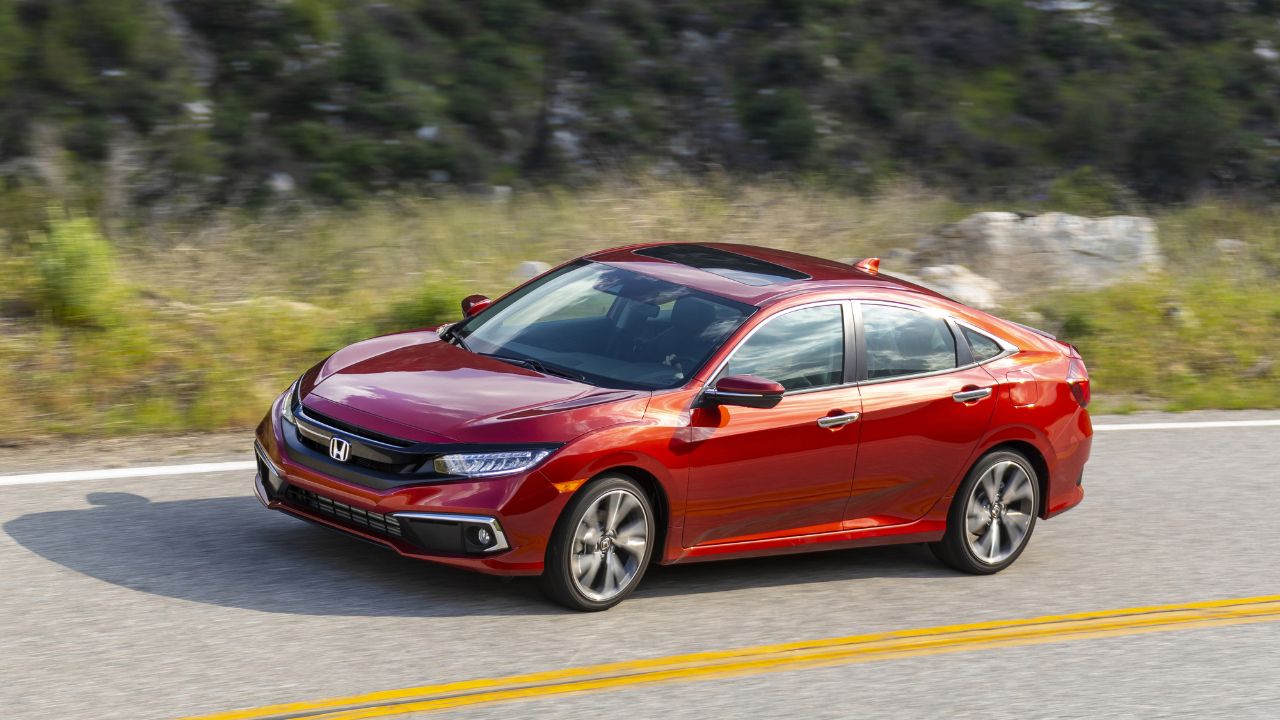
The Honda Civic is still one of the easiest used cars to recommend to a first time driver, but the reason is not just reliability folklore. A good Civic feels immediately understandable. The controls are light, the driving position is natural, and the car has enough polish that it never feels like a penalty box. For this article, the sweet spot is the 2020 or 2021 sedan in LX or Sport form. Those years earned IIHS Top Safety Pick recognition in sedan form with specific headlights, and Kelley Blue Book currently shows a 2021 Civic LX Sedan in the high $17,000 range at fair purchase pricing. That makes it one of the more expensive picks here, but also one of the easiest to justify because it still feels solid, mature, and well finished.
The smart reason to choose a Civic over a Corolla is that it gives a first time owner a little more personality without losing the practical script. It is tidy in town, calm on the highway, and just engaging enough that you do not feel sentenced to boredom every time you leave the driveway. I would not chase the hotter trims for this mission. The basic sedan is the point. It gives you a compact car that feels properly built, widely serviceable, and still modern enough to age gracefully over the next several years. For a new driver who wants one answer that is hard to regret, the Civic remains close to the top of the list.
Mazda3
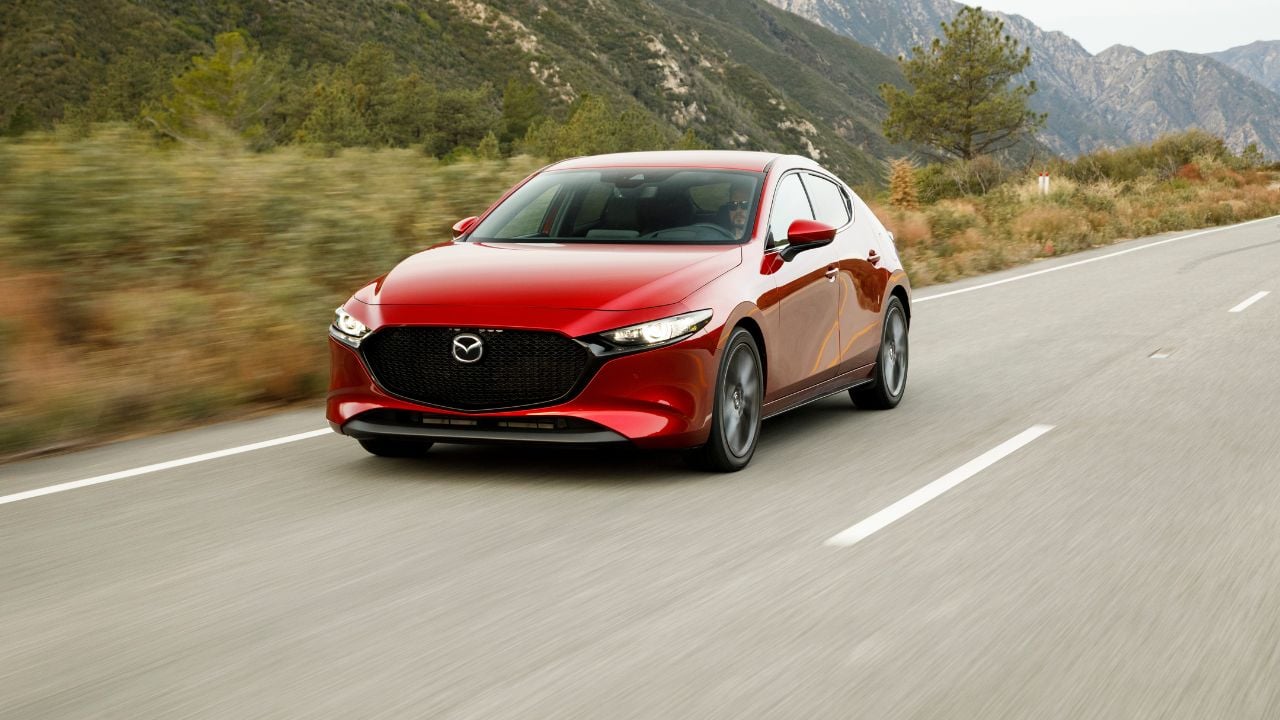
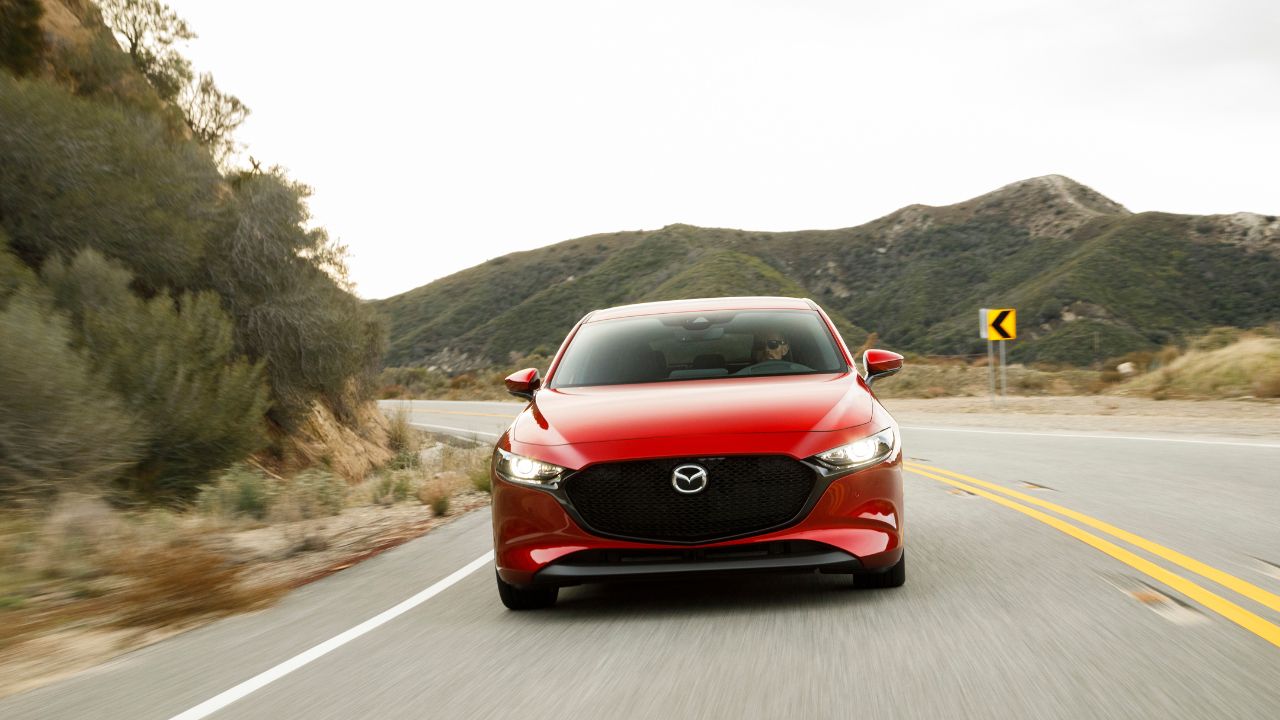
The Mazda3 is the first choice here for buyers who want their first car to feel a little more special than the segment usually allows. That does not mean flashy. It means a car that feels more expensive than it is. The 2019 redesign gave the Mazda3 a much richer interior, cleaner design, and stronger safety story, and IIHS rated the 2019 sedan highly enough that the model carried Top Safety Pick recognition into the following years. On the price side, Kelley Blue Book currently puts a 2021 Mazda3 2.0 sedan at about $13,700 and a 2.5 S sedan around $14,300, which makes it look very attractive against how premium it still feels inside.
The real beauty of the Mazda3 as a first car is that it teaches good habits without punishing the driver. It feels composed, precise, and mature, yet never intimidating. The steering and body control have more life than many rivals, which gives the car a sense of quality that goes beyond soft touch materials and nice design. A base or mid trim sedan is the smartest buy here, because the turbo versions add cost and pace that a first time owner does not really need. Find a clean 2019 to 2021 example, and the Mazda3 becomes one of those rare used cars that feels practical on Monday morning and a little aspirational on Saturday afternoon.
Subaru Impreza
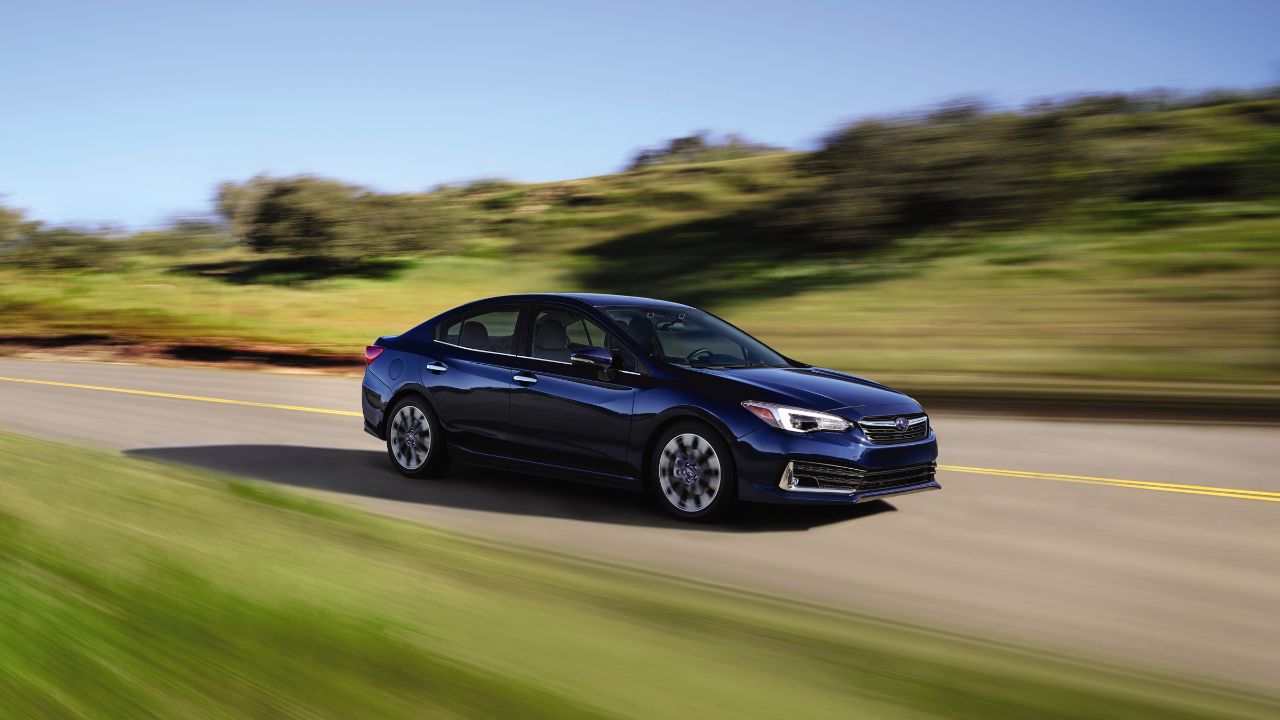
Not every first time driver lives somewhere warm and dry, and that is where the Subaru Impreza starts making a lot of sense. The big selling point is obvious. Subaru’s compact sedan and hatchback gave buyers standard all wheel drive, and the 2021 brochure made that point clearly while also quoting up to 36 mpg highway. The 2020 sedan earned IIHS Top Safety Pick status with the right equipment, and Kelley Blue Book now shows 2021 Impreza pricing in a very usable range, starting around $15,450 for the base sedan and climbing only modestly from there. That combination of traction, safety, and approachable pricing gives the Impreza a very solid argument for young drivers in snowy states or rainy climates.
What makes the Impreza especially easy to recommend is that it does not force the buyer into crossover bulk just to get year round confidence. It is still compact, still easy to place on the road, and still efficient enough not to punish a young owner at the pump. The cabin is not as stylish as the Mazda3’s, and the car is not as lively as a Civic, but it wins on calm predictability and weather proof usefulness. For a first time driver whose parents immediately ask about winter traction, the Impreza is one of the cleanest answers in the used market. It feels sensible in a reassuring way rather than a joyless one.
Hyundai Elantra
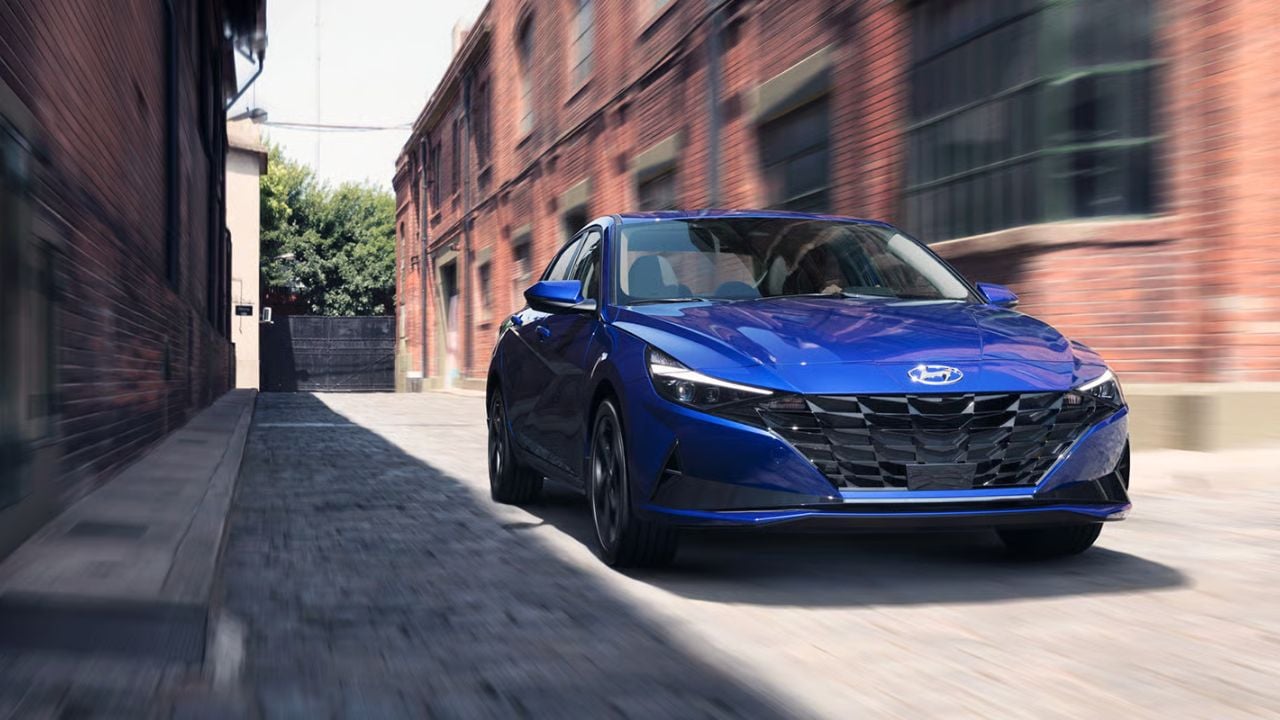
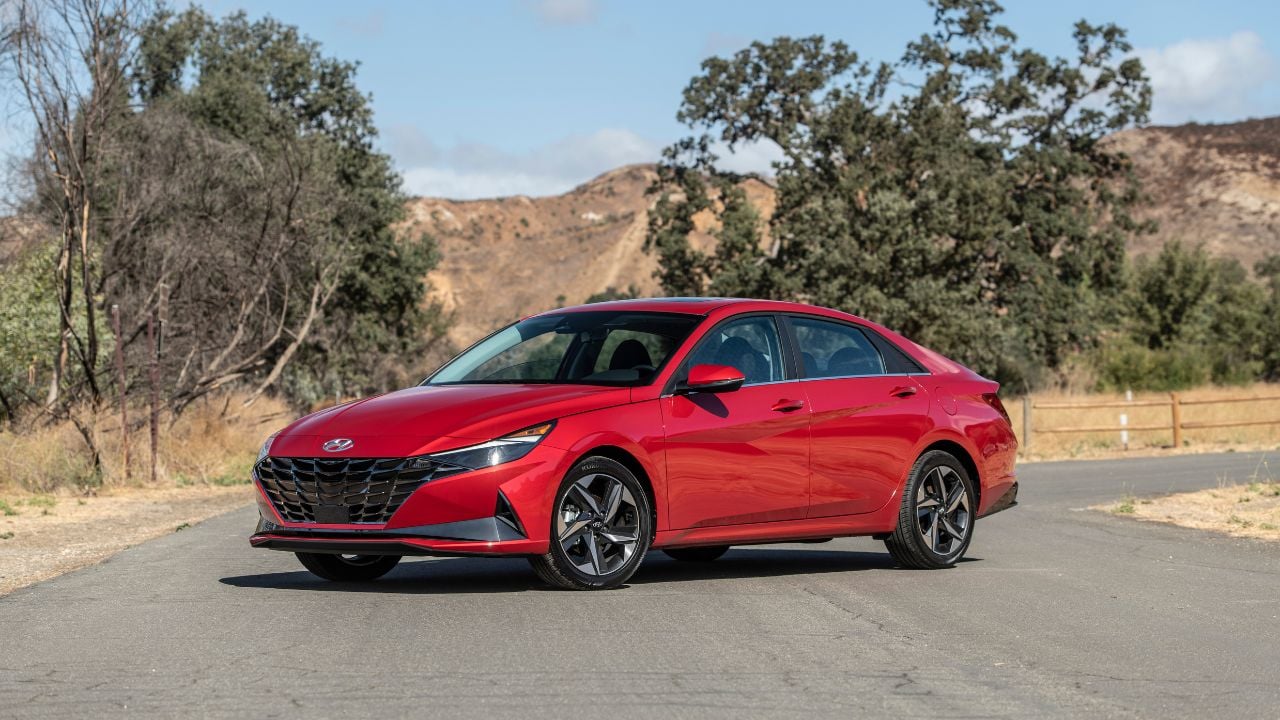
The 2021 Hyundai Elantra deserves much more credit in the used market than it usually gets. That generation arrived with a more confident design, a stronger platform, and a meaningful jump in efficiency and safety. IIHS gave the 2021 and 2022 Elantra Top Safety Pick status with specific headlights, and the official government fuel economy site lists the 2021 model at up to 33 mpg city and 43 mpg highway in its most efficient gas form. Kelley Blue Book also shows current used values that are extremely tempting, with a 2021 SE around $13,800 and an SEL close behind. For first time drivers, that creates a very appealing mix of low running costs, modern styling, and a cabin that does not feel stripped down.
The reason the Elantra works so well as a starter car is that it feels like a fresh answer. It is light on its feet, easy to drive in traffic, and efficient enough to matter immediately to anyone paying for fuel with part time job money. It also looks newer than its price suggests, which can make a real difference to younger buyers who want something sensible without feeling stuck in a hand me down mood. I would focus on 2021 to 2023 SE or SEL trims and avoid turning this into an N Line fantasy. In normal form, the Elantra is one of the smartest and most underrated used buys for first time drivers right now.
Nissan Sentra
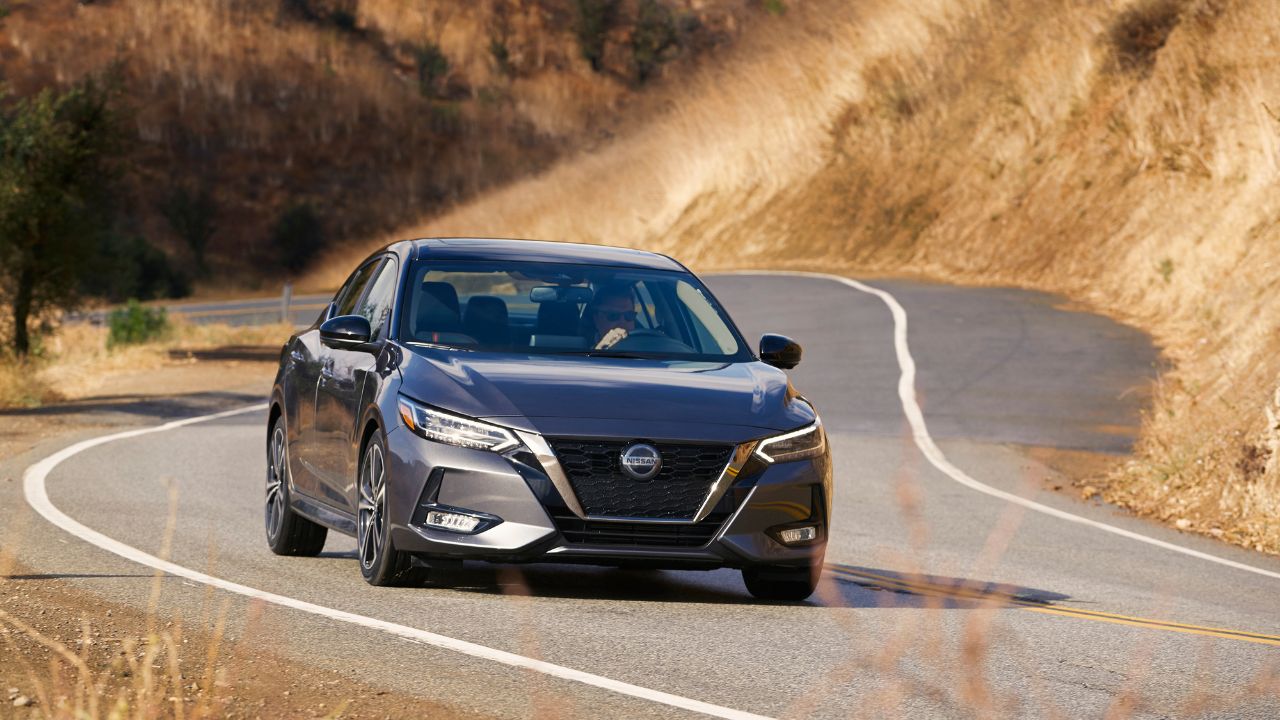
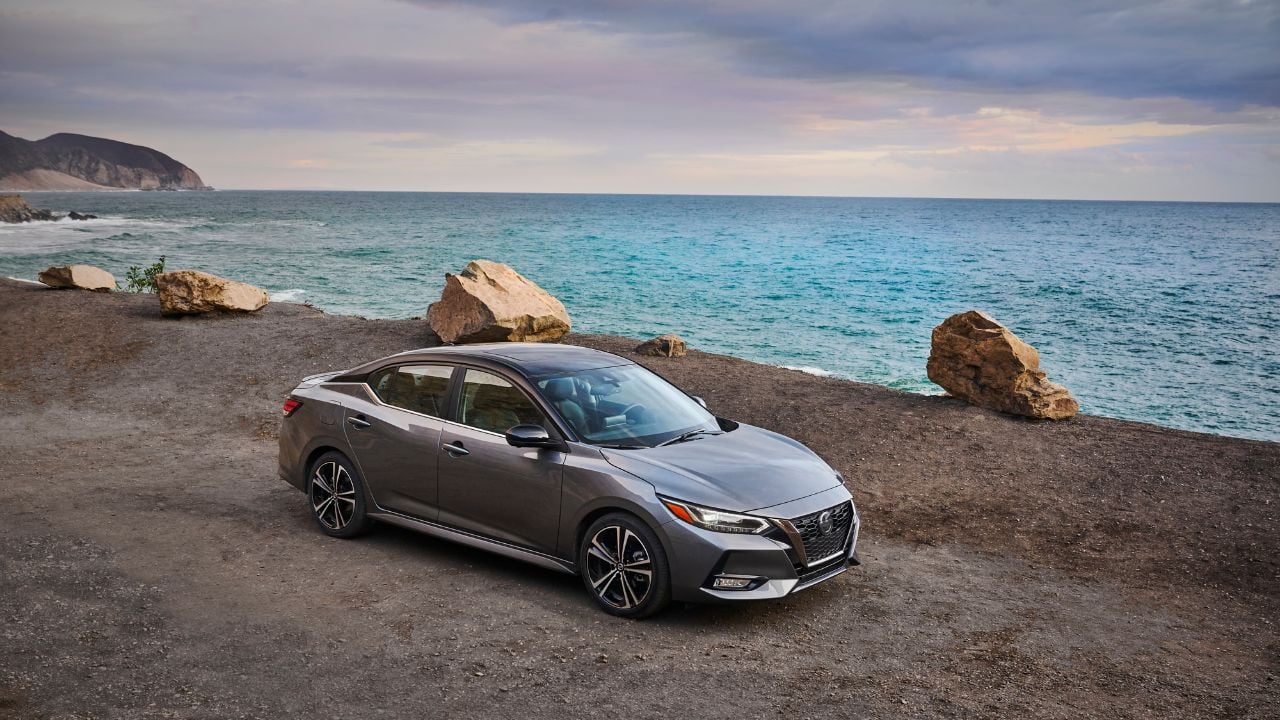
The newest generation Nissan Sentra quietly became one of the most reasonable used compact sedans in America. That might sound like faint praise, but in this category it is actually a big compliment. The 2021 Sentra earned IIHS Top Safety Pick status with specific headlights, and Nissan made its Safety Shield 360 suite standard across all 2021 Sentra grades. Kelley Blue Book now shows a 2021 Sentra S at about $13,400 and an SV around $13,900, which puts it directly in the zone where first time buyers start paying attention. Those numbers would already be enough to make it worth a look, but the Sentra also brings a more upscale cabin feel than older generations ever managed.
This is the car for a buyer who wants to keep things simple without looking like they settled. The Sentra’s shape is clean, the interior design feels surprisingly grown up, and the overall driving experience is calm and unintimidating. It does not try too hard to be sporty, which is actually a strength for a new driver. Predictability matters more than pretense here. An SV trim is probably the best middle ground because it adds useful comfort and convenience without pushing the price too far. Among compact used sedans under about $15,000, the Sentra has become one of the best all around value plays, and it does not get nearly enough attention for that.
Kia Soul
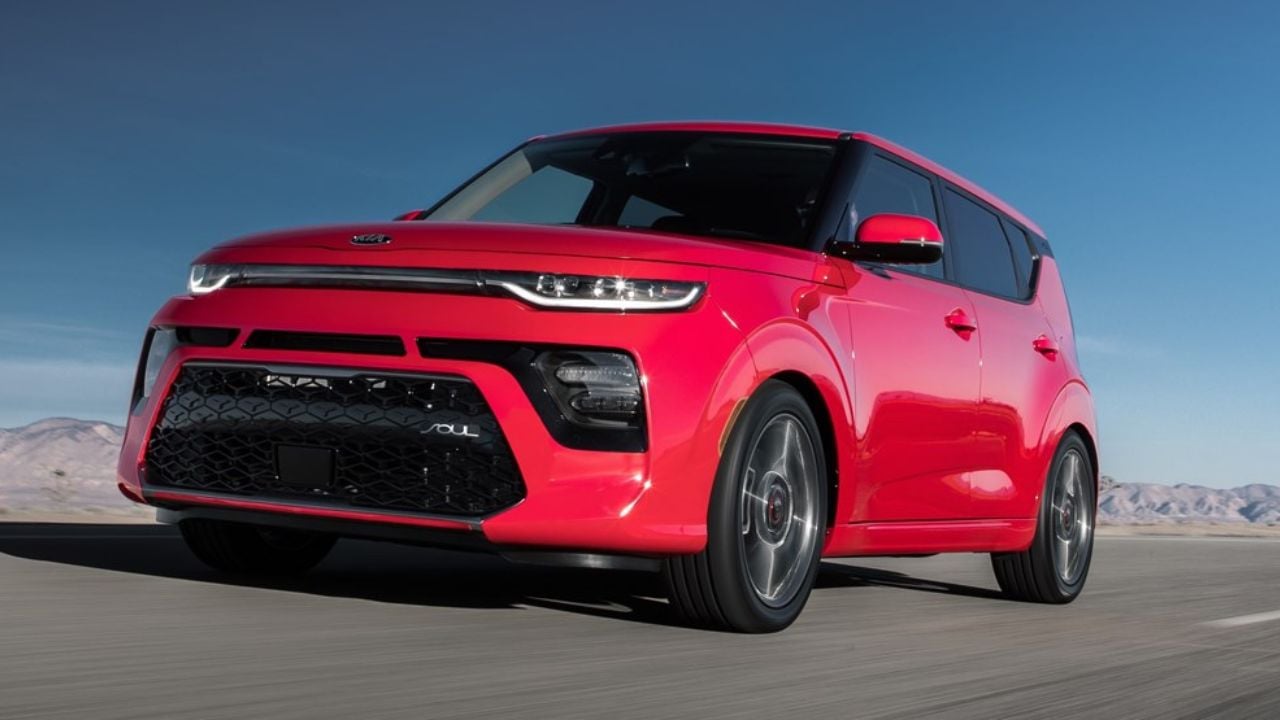
The Kia Soul is the most unconventional pick on this list, which is exactly why it belongs here. For first time drivers, upright packaging can be a huge advantage. The Soul gives you a higher seating position than a normal compact car without becoming a full SUV, and that can make visibility, parking, and everyday loading noticeably easier. Kelley Blue Book shows a 2021 Soul LX at roughly $12,000 and even better equipped trims staying well within reach, which immediately makes the car interesting for budget conscious buyers. IIHS also gave the 2021 and 2022 Soul Top Safety Pick status when equipped with the right headlights and front crash prevention setup, so this is one of those models where shopping the correct trim matters.
The Soul’s real trick is that it turns practicality into something approachable rather than dreary. A young driver gets a cabin that feels airy, a shape that is easy to judge in tight spaces, and a hatchback layout that can handle friends, backpacks, groceries, and real life clutter far better than many small sedans. It is not the sharpest driver here and it is not pretending to be. The point is ease. For the right first owner, especially one who values visibility and flexibility more than cornering finesse, the Soul can feel like a much more natural daily companion than the usual compact sedan formula.
Honda Fit
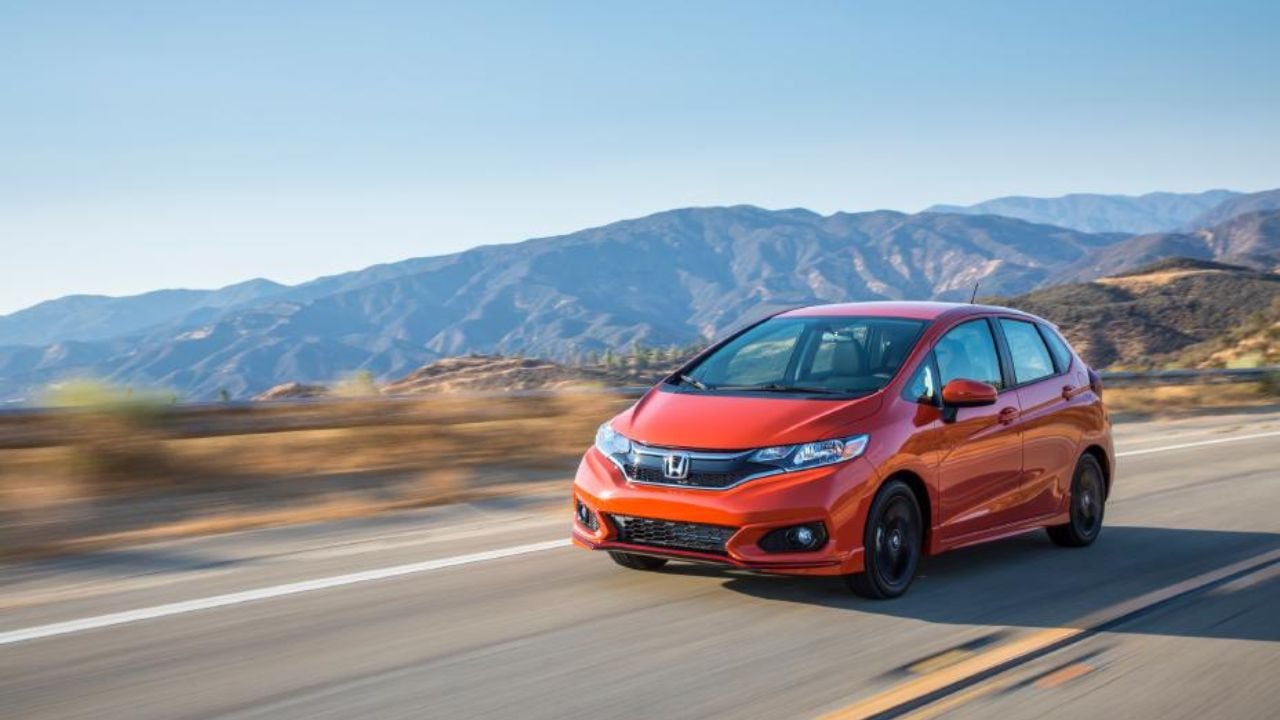
The Honda Fit has been out of the new car market in the United States for a while, but that has done nothing to hurt its value as a brilliant first car. In fact, its exit arguably made it easier to appreciate. A 2020 Fit LX currently sits around $14,300 in Kelley Blue Book fair purchase data, while an EX comes in around $15,750. IIHS ratings for the 2015 to 2020 generation remained strong in side crash testing, and Honda’s own information for the 2020 model highlights one of the Fit’s great party tricks: 16.6 cubic feet of cargo space with the rear seat up and 52.7 cubic feet with the seats folded. That is remarkable packaging for something this small.
For a first time driver, the Fit makes daily life easier in dozens of small ways. It is compact enough for nervous parking jobs, yet roomy enough that it never feels like an apology. The hatchback body and clever interior let it absorb bicycles, dorm move in loads, and weekend junk without complaint. It is also one of the few truly small used cars that feels cheerful rather than flimsy. A 2018 to 2020 Fit EX is the sweet spot if the budget allows, but even the basic versions understand the assignment. In a market that keeps pushing people toward larger, heavier vehicles, the Fit remains a reminder that a smart small car can still be a fantastic answer.
The Best First Car Is The One That Builds Confidence
The point of a first car is not to impress anyone. It is to make daily driving feel normal, manageable, and affordable while a new owner learns what living with a car actually means. That is why these seven work so well. The Civic and Mazda3 feel polished. The Impreza adds weather confidence. The Elantra and Sentra make a strong value case. The Soul and Fit prove that smart packaging can matter just as much as brand reputation. None of them rely on the lazy idea that every safe used compact has to be a Corolla in disguise.
That broader view is what makes the used market interesting. A first time driver can still buy something practical without buying something forgettable. The best choice is the one that fits the budget, the local climate, the insurance quote, and the kind of driving that will actually happen every week. Get those basics right, and a first car becomes much more than transportation. It becomes the car that teaches independence without making the lesson unnecessarily expensive.