Scrolling through endless Instagram posts of “barn finds” that are really just rusty death traps gets old fast. Sometimes you need to see actual automotive greatness in person, where the cars are properly restored and you don’t have to worry about tetanus shots. Museums offer something your garage can’t: the chance to get inches away from million-dollar machines without your spouse asking about the credit card statement.
For those of us who can identify a car by its taillights at 500 yards and still get genuinely excited about proper wire wheels, these temples of horsepower offer something special. They’re places where you can admire engineering genius without getting your hands dirty, learn history without falling asleep, and maybe — just maybe — convince your significant other that your hobby is actually educational.
A Journey Through the Halls of Motion

The best car museums understand that we’re not just looking at transportation devices: we’re witnessing the evolution of human ambition on wheels. From the days when 20 horsepower was considered face-melting speed to today’s 800-hp grocery getters, these collections tell the story of how we went from “horseless carriages” to machines that can embarrass fighter jets in a straight line.
Each museum has its own personality, shaped by the obsessions of its founders and the deep pockets of its benefactors. Some celebrate American muscle (because subtlety is overrated), others worship European sophistication (because apparently chrome bumpers are “crude”), and a few embrace the wonderfully weird world of automotive one-offs.
What they all share is an understanding that cars aren’t just machines: they’re moving sculptures, engineering marvels, and occasionally, glorious disasters we love anyway. Here are the museums that house the most curious collections, jaw-dropping collector cars, and historically significant automobiles.
Petersen Automotive Museum: Los Angeles, California
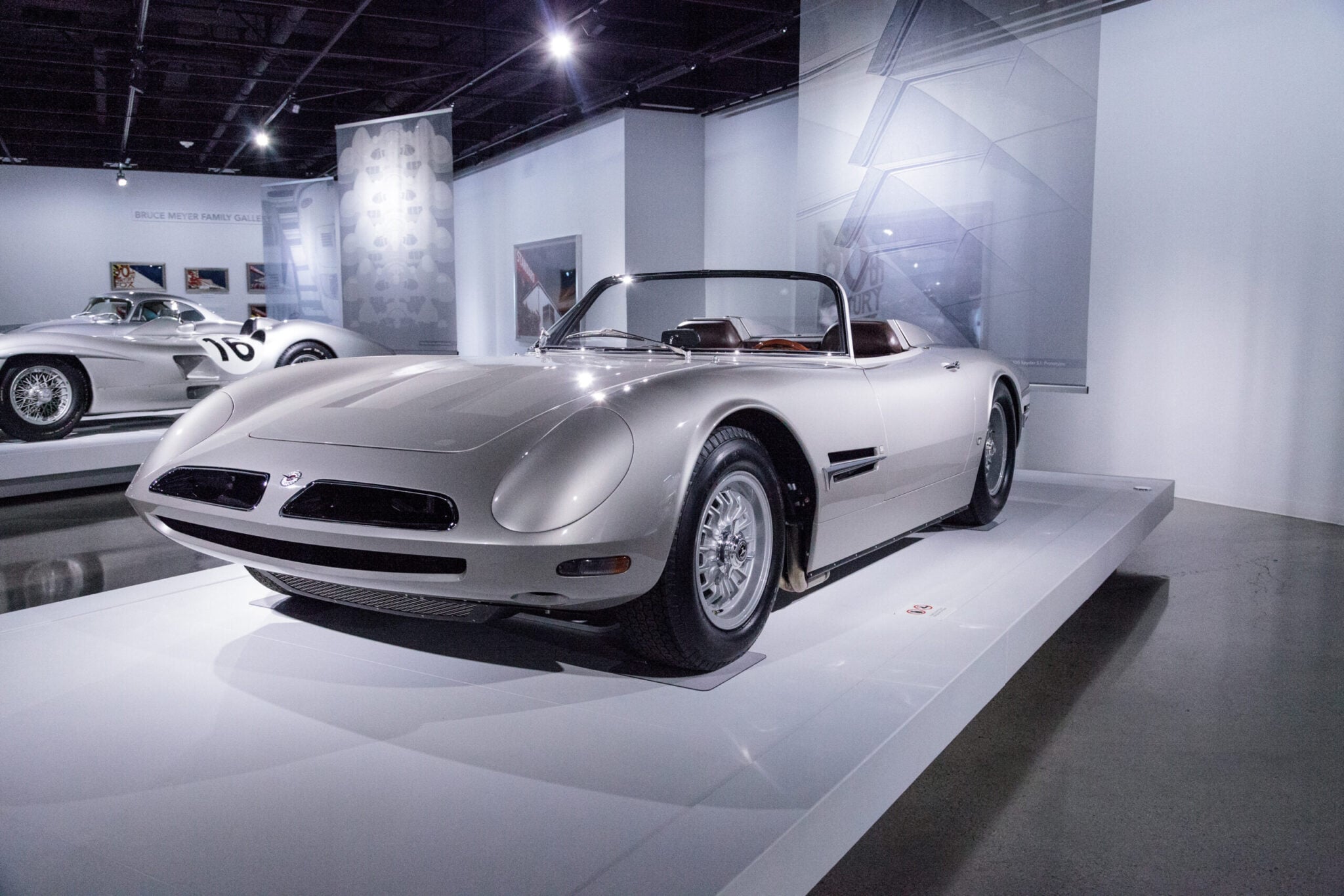
If you’ve ever wanted to feel inadequate about your garage, the Petersen is your destination. This four-story monument to automotive excess houses over 300 vehicles in 100,000 square feet of “I wish I had that” inspiration. The building itself looks like a giant cheese grater wrapped in red ribbons, which somehow works perfectly for LA’s commitment to architectural drama.
The real magic happens in The Vault, a basement collection that requires a separate tour fee but delivers the goods. We’re talking about one-off concept cars, celebrity rides, and vehicles so rare that their insurance valuations could fund a small country. Want to see the Batmobile from multiple movies? They’ve got you covered. Curious about what $20 million worth of Ferraris looks like in one room? Prepare to question your life choices.
The rotating exhibits keep things fresh: one month you’re drooling over custom hot rods, the next you’re learning why someone thought putting wood paneling on a station wagon was a good idea. Pro tip: The museum store will separate you from your money faster than a German sports car separates you from your license, but at least you’ll have a cool t-shirt to show for it.
Henry Ford Museum of American Innovation: Dearborn, Michigan
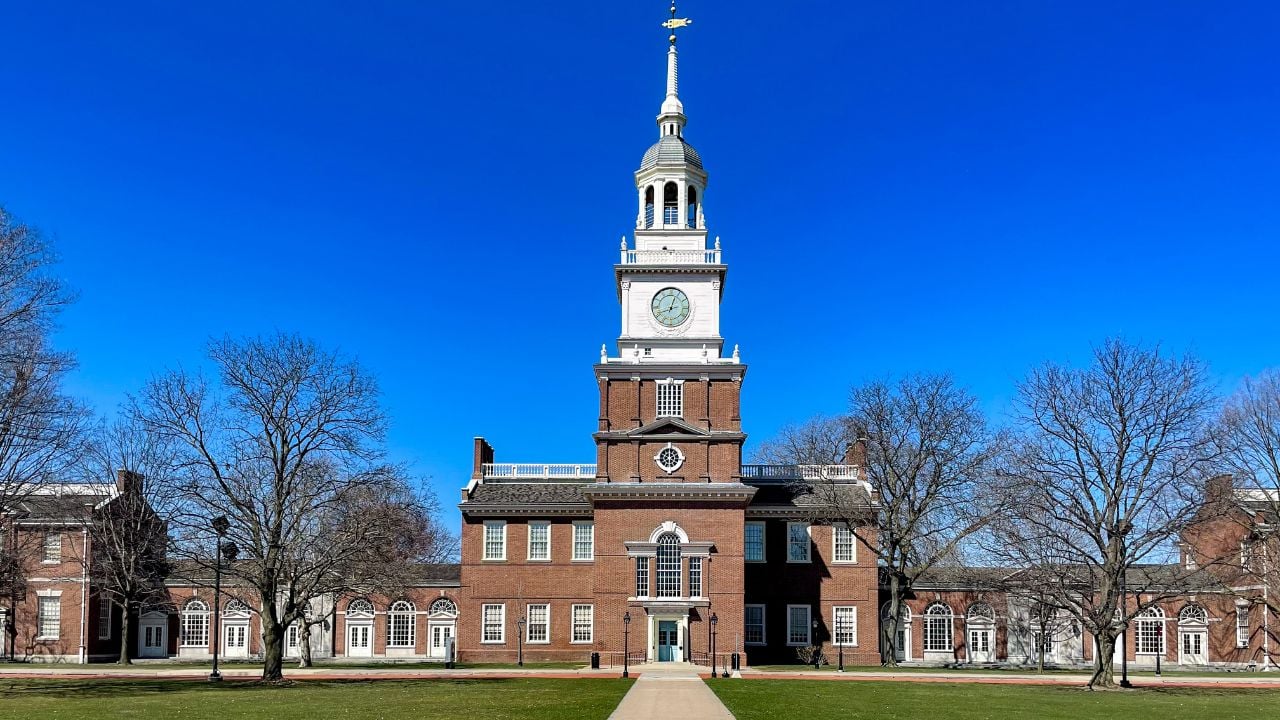
The Henry Ford Museum is where American automotive history goes to feel important. Opened in 1929 (back when museums were built to last, unlike certain modern car parts), this place doesn’t mess around. It’s got the Rosa Parks bus, JFK’s limo, and enough Ford history to make other manufacturers nervous about their Wikipedia pages.
The automotive section spans from Henry’s first quadricycle — which looks like someone attached an engine to a park bench — to modern marvels that would make rocket scientists jealous. You’ll find the actual 15-millionth Model T, presidential vehicles that could survive a nuclear blast, and racing machines that helped establish American dominance on tracks worldwide.
What sets this museum apart is context. Instead of just parking pretty cars in a room, they explain how the assembly line revolutionized manufacturing, how affordable cars reshaped society, and why Detroit became the Motor City (spoiler: it wasn’t the weather). The adjacent Greenfield Village lets you see period buildings and working machinery, because apparently learning history is more fun when you can also ride in a Model T and pretend it’s 1920.
Tallahassee Automobile Museum: Tallahassee, Florida

Don’t let the location fool you: this isn’t some roadside attraction between gas stations. The Tallahassee Automobile Museum proves that serious car collections can thrive outside traditional automotive hotbeds. With over 160 vehicles spanning automotive history, it’s like someone decided to collect every car they ever wanted and had the good sense to share it with the rest of us.
The museum’s crown jewel is one of only 51 Tucker 48 sedans ever built; Preston Tucker’s ambitious attempt to revolutionize the industry that the Big Three squashed faster than you can say “antitrust lawsuit.” Seeing one in person reminds you why car enthusiasts still argue about what might have been if innovation hadn’t scared the establishment.
The collection doesn’t just focus on the obvious suspects. You’ll find everything from elegant pre-war luxury cars to muscle car legends that could still embarrass modern sports cars at a stoplight. The museum also houses vintage boats and motorcycles, plus enough automotive memorabilia to keep you busy until your parking meter expires. The presentation balances education with entertainment, perfect for enthusiasts who want substance with their horsepower.
Gilmore Car Museum: Hickory Corners, Michigan

Spanning 90 acres in rural Michigan, the Gilmore Car Museum is what happens when car collecting becomes a serious real estate venture. With over 400 vehicles spread across multiple buildings, it’s less “museum” and more “automotive theme park for adults.” Each building has its own focus: want to see nothing but muscle cars? There’s a building for that. Prefer elegant pre-war classics? Different building. It’s like a buffet, but for people who know the difference between a 289 and a 302.
Founded in 1966 by a pair of car enthusiasts who clearly had their priorities straight, the museum has grown steadily through partnerships with car clubs and collectors. The recreated 1940s gas station and period diner aren’t just for show; they help transport you back to when cars had character and gas cost pocket change.
The museum hosts events throughout the year that actually matter to car people: swap meets where you might find that impossible-to-locate part, car shows where you can see unrestored originals alongside trailer queens, and driving experiences that remind you why cars used to be fun instead of rolling smartphones. It’s authentic enough to satisfy purists while remaining accessible enough that your non-car friends won’t be completely lost.
Barber Vintage Motorsports Museum: Birmingham, Alabama
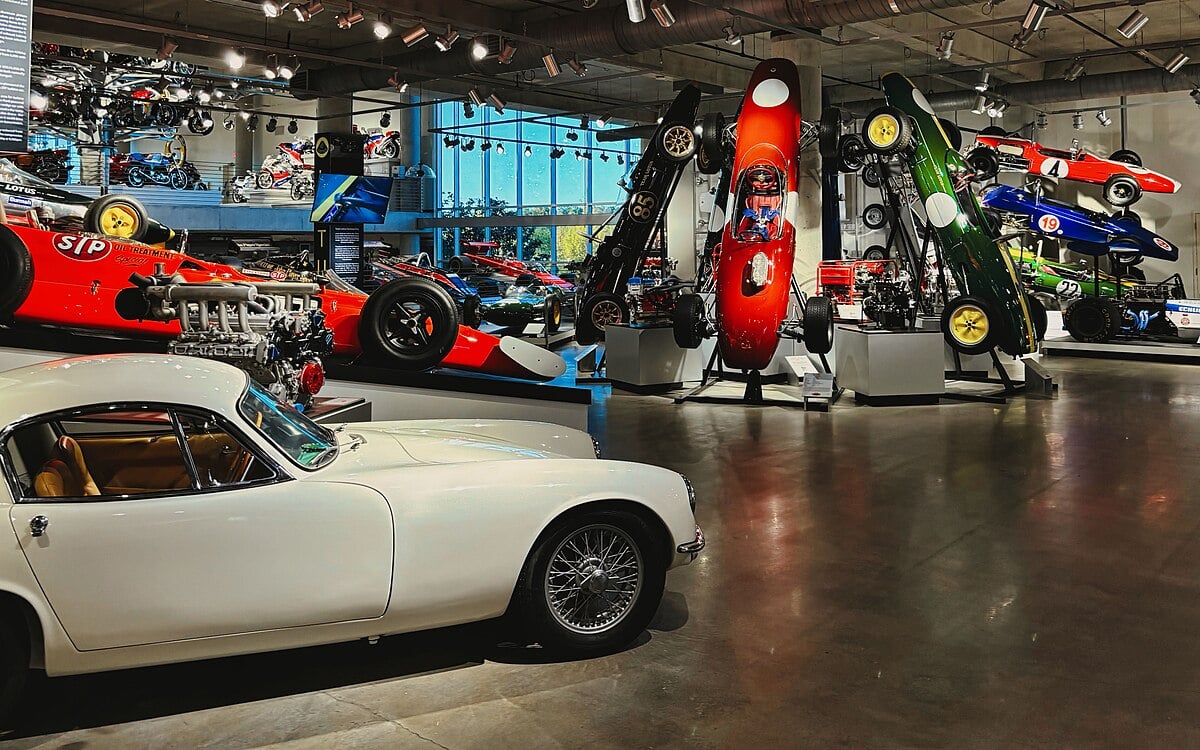
George Barber had a simple goal: collect every motorcycle ever made that was worth saving. While he didn’t quite achieve that impossible dream, his 1,800-bike collection comes uncomfortably close. The Barber Vintage Motorsports Museum is what happens when someone with serious money and serious passion decides that two wheels deserve the same respect as four.
The building itself is a stunner: five stories of glass and steel that make the motorcycles look like rolling art pieces. With 1000 bikes on display at any time, you’ll see everything from 1900s board track racers (when “safety equipment” meant a leather helmet and good luck) to modern MotoGP machines that make 200 mph look easy.
The adjacent Barber Motorsports Park means you can watch current racing action after studying vintage glory. It’s the perfect combination: learn about racing history inside, then watch modern riders and drivers try not to become history themselves outside. The museum’s Demo Days occasionally fire up vintage machines, because apparently static displays aren’t enough when you own things that were meant to move.
Fair warning: spending a day here will either cure your motorcycle curiosity forever or leave you shopping for a bike you definitely don’t need.
LeMay Americas Car Museum: Tacoma, Washington
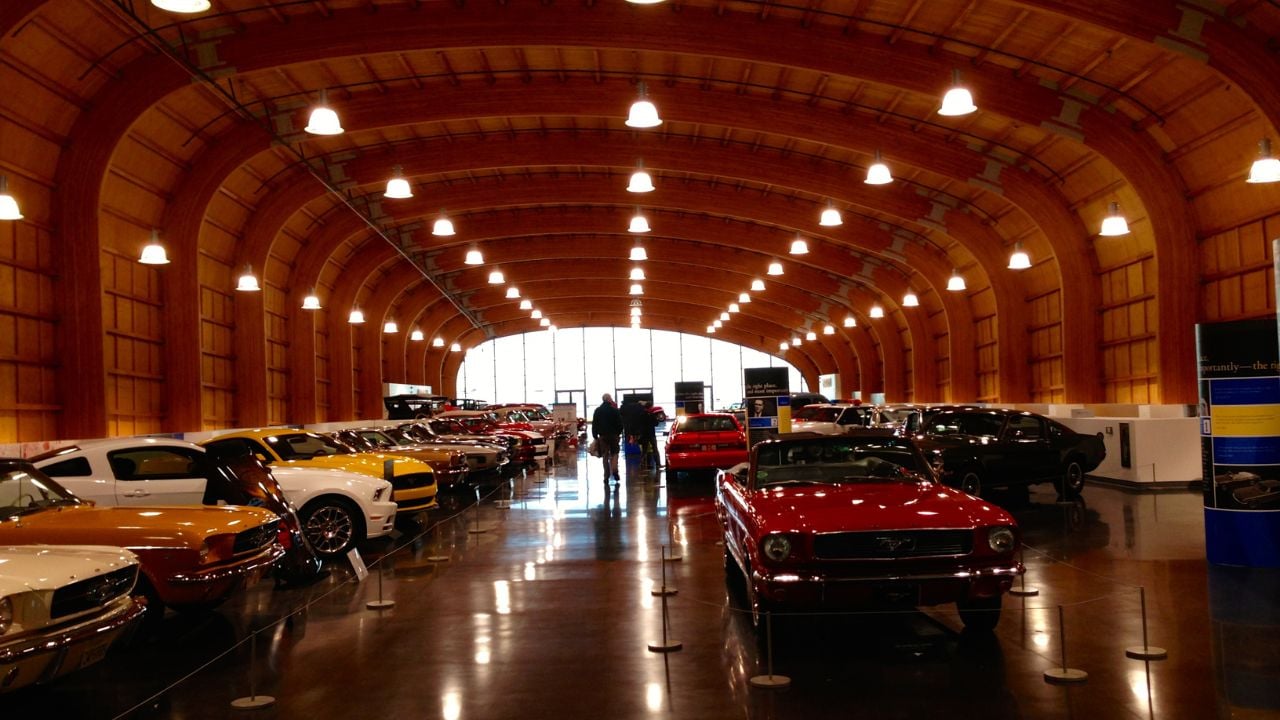
Harold LeMay collected cars the way some people collect coffee mugs: obsessively and without apparent limits. At his peak, he owned over 3,000 vehicles, making him either the world’s greatest car enthusiast or someone who really needed to learn the word “enough.” His collection now anchors this Tacoma museum, which proves that the Pacific Northwest isn’t just about coffee and flannel.
The museum’s rotating displays ensure that even repeat visitors see something new, which is helpful since the full collection could probably populate a small city. The thematic exhibits do more than just park pretty cars in rows — they tell stories about American car culture, from the optimism of the 1950s to the muscle car madness of the 1960s to whatever we’re calling the current era of 700-hp family sedans.
The building itself overlooks downtown Tacoma and Mount Rainier, offering views that almost compete with the cars inside. Almost. The museum’s educational programs and driving simulators cater to all ages, though let’s be honest: the adults are having more fun than the kids. Special events like concours shows attract serious collectors and their serious checkbooks, making it a great place to feel humble about your own automotive achievements.
Lane Motor Museum: Nashville, Tennessee

Jeff Lane apparently decided that mainstream automotive history was too boring and set out to collect the weird, wonderful, and “what were they thinking?” vehicles of the world. The result is a museum that feels like automotive history’s island of misfit toys, and that’s exactly what makes it brilliant.
With over 500 vehicles and only 150 on display at any time, every visit is a lottery of automotive oddities. You might encounter French microcars that make Smart cars look spacious, amphibious vehicles that were mediocre at both land and water travel, or experimental designs that explain why certain manufacturers are no longer in business. The European microcar collection alone could power a dozen episodes of “What Were They Thinking?”
Many vehicles remain in running condition because Lane believes cars should occasionally remember what they were built for. The museum’s demonstration days let you hear engines that haven’t run in decades fire up again, proving that good engineering transcends weird styling choices. It’s a place where automotive failures get the same respect as successes, because sometimes the crazy ideas that didn’t work are more interesting than the sensible ones that did.
Blackhawk Museum: Danville, California
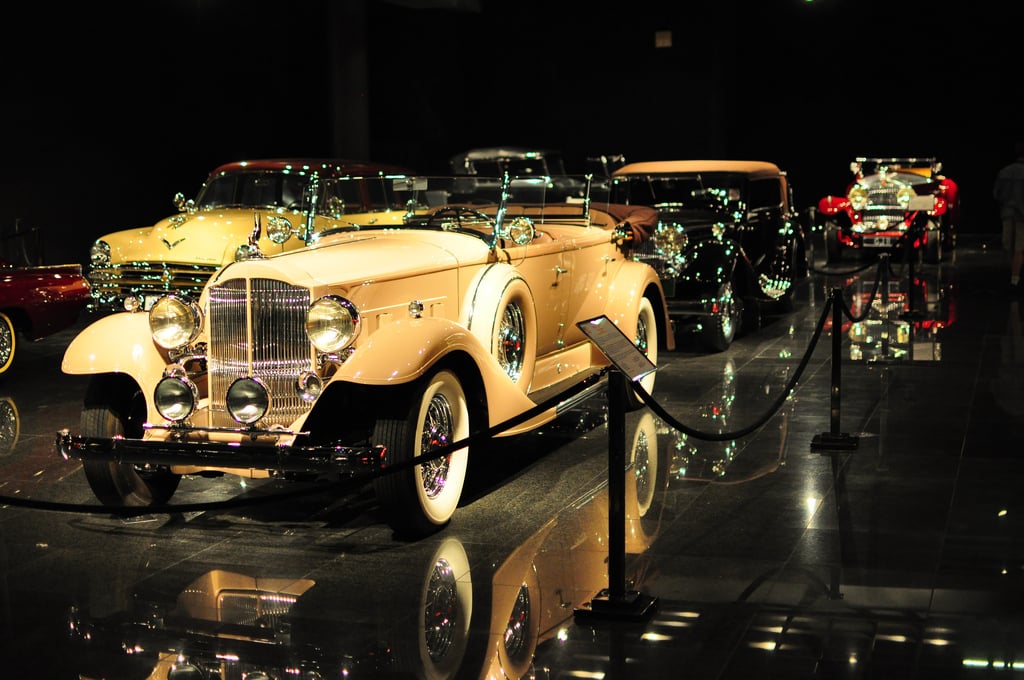
The Blackhawk Museum takes car presentation seriously enough to make art galleries jealous. Every vehicle is lit, positioned, and displayed like a piece of sculpture, which, let’s face it, many of them are. The collection focuses on coachbuilt classics and historically significant automobiles, the kind of cars that make you understand why people say “they don’t make them like that anymore” (usually while standing next to something that cost more than your house).
The museum’s emphasis on pre-war classics and limited-production sports cars means you’re seeing vehicles that were exclusive when new and have only gotten more special with age. These aren’t cars you’ll see at the local car meet: they’re the rolling equivalent of museum pieces that happen to have engines.
The sophisticated presentation matches the sophisticated machinery, creating an atmosphere where you instinctively lower your voice and stop yourself from touching everything. It’s automotive history for grown-ups, where the focus is on craftsmanship, rarity, and the kind of attention to detail that modern manufacturing executives probably have nightmares about.
National Corvette Museum: Bowling Green, Kentucky

If you’ve ever wondered what “America’s Sports Car” looks like from every possible angle across seven decades, this museum has your back. Located next to the actual Corvette factory (because why would you put it anywhere else?), it’s the ultimate shrine to fiberglass, small-block V8s, and the enduring American belief that more horsepower is always the answer.
The collection spans from the 1953 prototype — which looks adorably quaint by today’s standards — to modern Z06s that can lap racetracks faster than most dedicated race cars. You’ll learn about styling evolution, engineering breakthroughs, and racing achievements that helped establish the Corvette as something more than just a pretty face with a big engine.
The famous sinkhole exhibit deserves special mention. In 2014, the museum’s Sky Dome floor collapsed, swallowing eight Corvettes into a 40-foot-deep hole. Instead of pretending it never happened, they turned it into a permanent exhibit about recovery and restoration. It’s a perfect metaphor for Corvette ownership: sometimes things go spectacularly wrong, but with enough determination and money, you can usually fix them.
Auburn Cord Duesenberg Automobile Museum: Auburn, Indiana

This museum occupies the actual 1930s headquarters where Auburn, Cord, and Duesenberg were designed and built, which means you’re literally standing where automotive history was made. The Art Deco building is worth the visit alone; it’s the kind of architecture they built when companies had style and weren’t afraid to show it.
The three marques represent American luxury at its pre-war peak, when having a Duesenberg in your driveway was like having a Bugatti Chiron today, except with more chrome and fewer computer chips. The Cord 810’s hidden headlights were revolutionary in 1936 and still look modern today, proving that good design is timeless (unlike certain recent truck designs we won’t mention).
The museum preserves not just the cars but the entire environment where they were created. Original offices, design studios, and period details help you understand the craftsmanship and attention to detail that defined American luxury before accountants took over the auto industry. It’s a reminder that cars were once built by people who cared more about legacy than quarterly earnings reports.
Mullin Automotive Museum: Oxnard, California

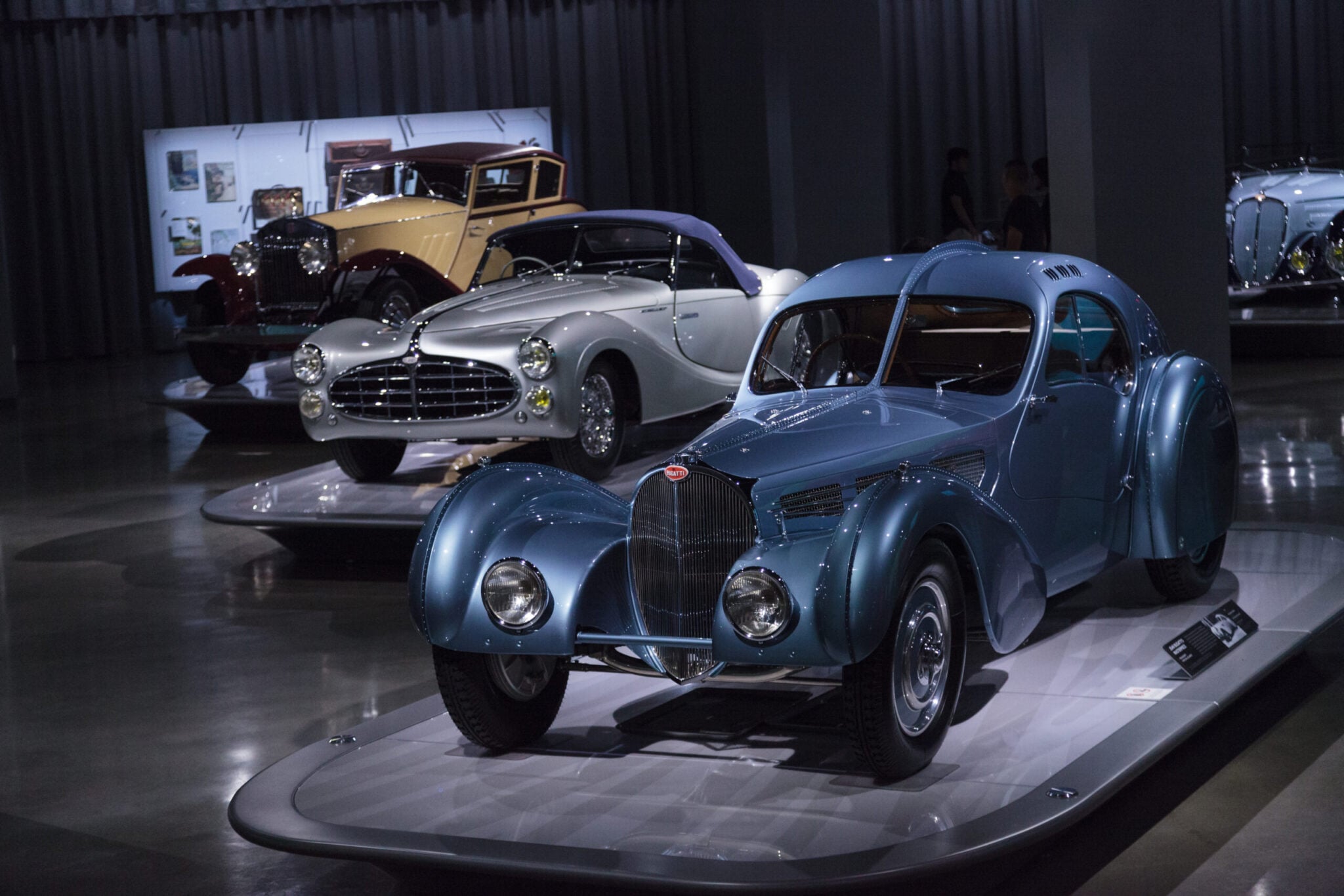
Peter Mullin looked at the automotive museum landscape and decided what the world really needed was a shrine to French automotive artistry. The result was a collection so focused on Art Deco elegance and coachbuilt masterpieces that it made other museums look positively pedestrian.
The Bugatti collection alone could make grown enthusiasts weep: these weren’t just cars, they were rolling sculptures that happened to have engines. The Delahayes and Talbot-Lagos represented an era when automotive design was considered high art, and wealthy customers commissioned one-off bodies the way they might commission a painting.
The museum’s attention to presentation bordered on obsessive, with period furniture and decorative arts providing context for the era’s design philosophy. It was proof that the French, despite their many automotive sins over the decades, occasionally created machines so beautiful that all is forgiven. Well, almost all. We’re still not talking about certain 1980s Peugeots.
Though the museum closed to the public in 2024, its legacy remains a benchmark for how automotive art can be celebrated at the highest level.
Simeone Foundation Automotive Museum: Philadelphia, Pennsylvania

Dr. Frederick Simeone spent decades collecting racing sports cars with the precision of a surgeon and the passion of someone who understood that some things are worth preserving. His collection of 75+ competition vehicles represents racing history from an era when drivers were genuinely crazy and safety equipment was considered optional.
What makes this museum special isn’t just the cars: it’s the stories. Every Ferrari, Aston Martin, Porsche, and Alfa Romeo earned its place through competition, not showroom appeal. These machines didn’t win races by being pretty; they won by being faster, smarter, or more reliable than everything else on track (though being pretty didn’t hurt).
The Demo Days are the museum’s secret weapon. While other institutions treat their cars like sacred relics, the Simeone occasionally fires up these legends and lets them stretch their legs. Hearing a 1960s Ferrari V12 at full song or watching a genuine Le Mans winner under power reminds you why we fell in love with these machines in the first place. It’s automotive history that’s still breathing.
Rolling History That Lives On

The best car museums understand something that modern manufacturers seem to have forgotten: cars are supposed to stir emotions, not just meet efficiency standards. They preserve not just vehicles but the dreams, ambitions, and occasional spectacular failures that shaped automotive history.
These institutions matter because they protect the physical evidence of human creativity applied to transportation. They’re places where you can trace the evolution from basic mobility to rolling art, from necessity to passion, from transportation to obsession. Every polished surface and carefully preserved detail represents someone’s refusal to let history disappear into scrapyards.
They also serve as reality checks for our own automotive delusions. Standing next to a genuine race-winning Ferrari reminds you that your modified Miata, while fun, isn’t quite in the same league. That’s okay, though, as these museums celebrate the entire spectrum of automotive achievement, from garage-built hot rods to factory supercars.
Whether you prefer the rumble of American V8s, the precision of German engineering, or the passion of Italian design, there’s a museum that will feel like coming home. When you get the chance, visit one. Walk slowly, read the placards, and remember why we love these ridiculous, wonderful machines in the first place.
Your enthusiasm for cars will thank you, even if your wallet won’t appreciate the inevitable trip to the gift shop.