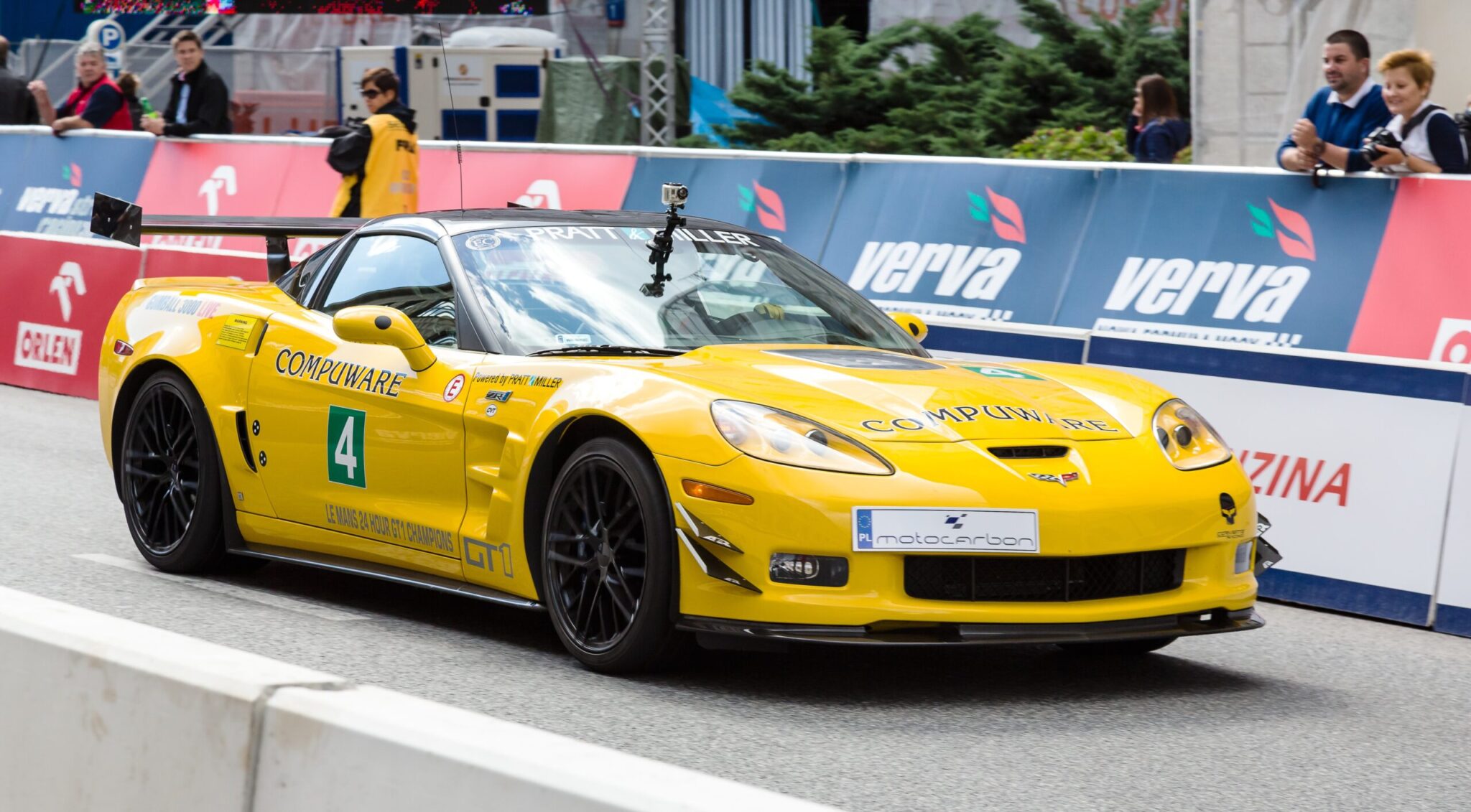

Every era of motorsport has its legends, and for American fans, many of them wear a Corvette badge. From the early days of fiberglass-bodied underdogs taking on Europe’s best, to the modern C8.R tearing down Mulsanne at full song, the Corvette has carried U.S. pride onto some of the most storied tracks in the world. Its victories were statements that American engineering could stand shoulder to shoulder with Ferrari, Porsche, and Aston Martin.
For those in the stands, watching a Corvette streak past with the Stars and Stripes stitched on its suit isn’t just racing. It’s history being written in tire smoke and checkered flags.
How We Drove This Story onto the Page
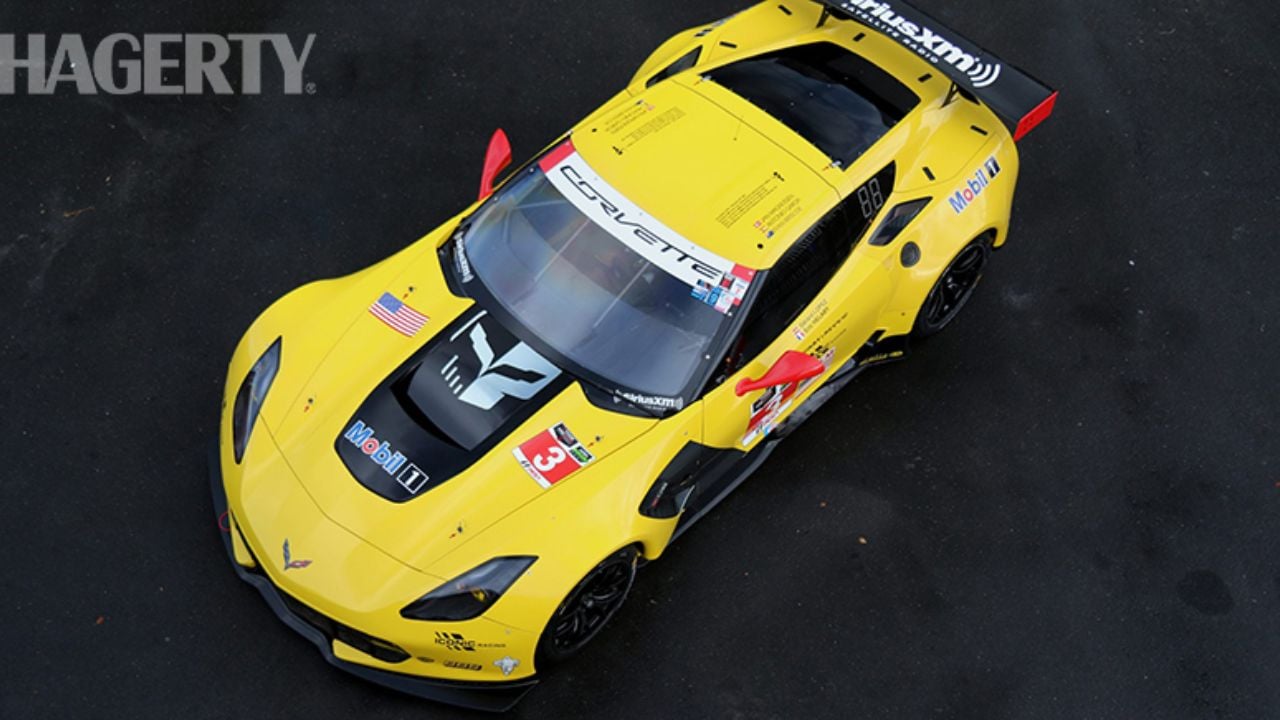
I wanted to pull together the moments that still give fans chills, like the late-night charges at Le Mans, the heartbreaks that turned into comebacks, the races where the sound of a small-block or big-block Chevy echoing down the straight made everyone stop and pay attention.
These are the highlights you talk about years later in the paddock, the ones that made you proud to see the crossed flags flying overseas or right here at Daytona. Corvette has always raced with more than horsepower; it ran with attitude, and that’s what makes these moments unforgettable.
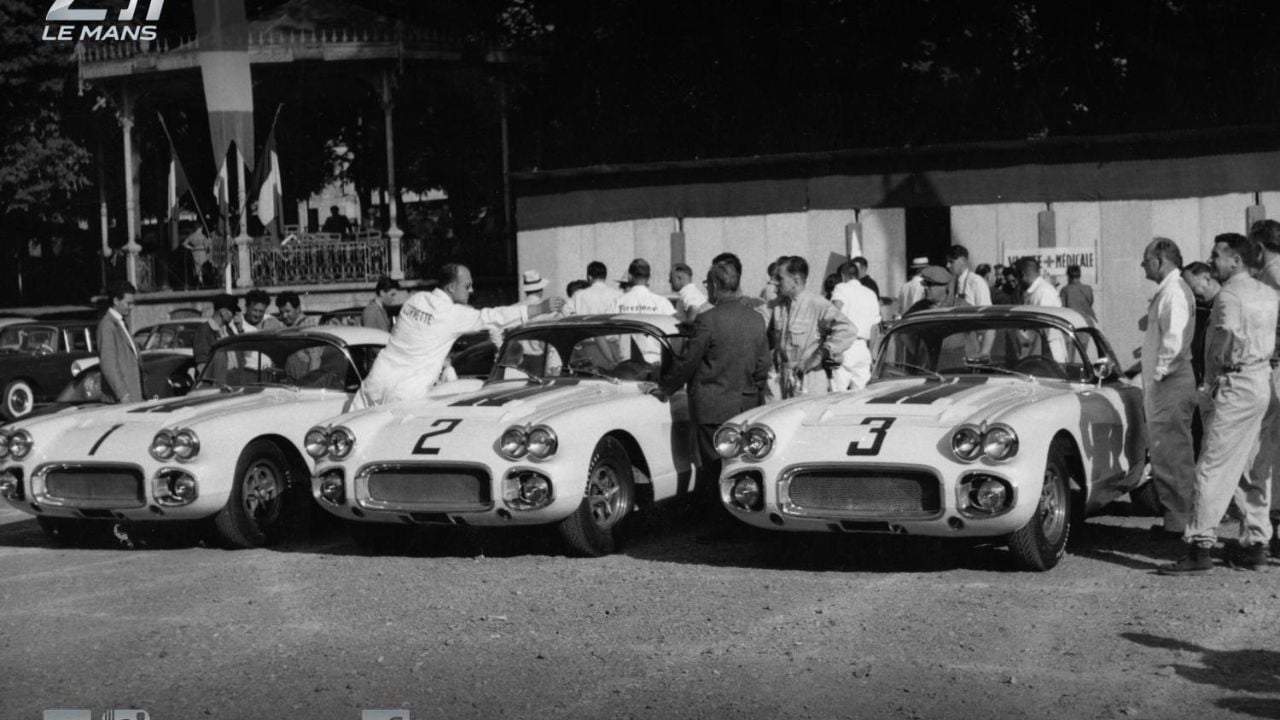
1960 Le Mans GT Class Victory: The First Great Triumph
Daytona in the late ’60s was when Corvette finally showed it could go toe-to-toe with the Europeans on their own turf. The 427 big-block wasn’t just about straight-line muscle, it was built to take the pounding of 24 hours at speed, hammering the high banks at over 170 mph and still clawing through the infield corners without coming apart. That engine’s reputation was forged here: raw American horsepower matched with the kind of durability endurance racing demands.
But the cars weren’t doing it alone. Corvette’s pit crews were sharp, executing quick stops that kept the Chevys in the fight against Porsches and Ferraris that had owned the spotlight for years. This was the testing ground, and it proved the Corvette could be a real endurance race competitor on the world stage.
1967 24 Hours of Daytona: Big Block Glory
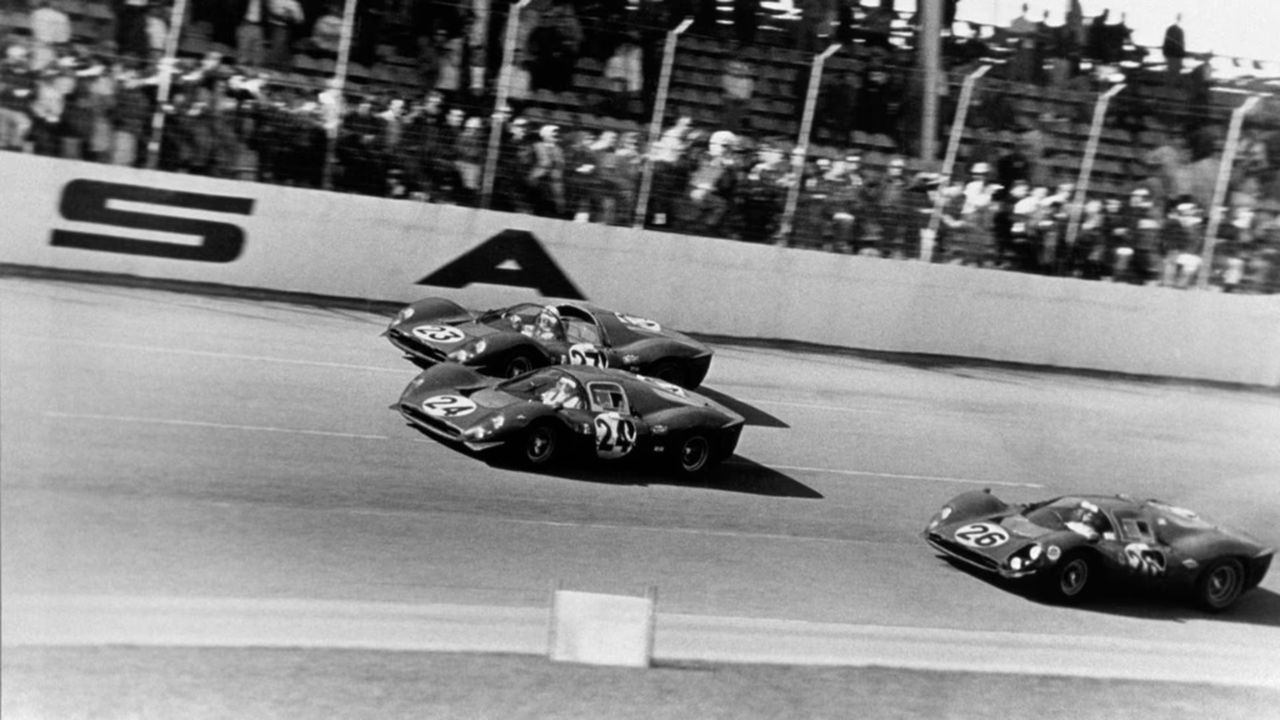
Daytona in the late ’60s was a turning point for Corvette. Up until then, endurance racing was mostly Ferrari and Porsche territory. People didn’t really expect a big American car with a 427 under the hood to hold up for 24 straight hours. But Corvette did. That powerful big-block engine was tough enough to take lap after lap on the banking at close to 170 mph without giving up. That’s what shocked people, the car had muscle, but it also had staying power.
The crew made a huge difference, too. Corvette pit stops were fast and disciplined, the kind of work you only get from a team that’s obsessed with proving themselves on the world stage. And fans? They loved it. The sound of that big-block shaking the stands stuck with people. When that car crossed the finishing line, it was Corvette saying, “We belong here. We can go toe-to-toe with the best in the world.” That’s why this moment still gets talked about today.
1970 12 Hours of Sebring: Grit and Glory in the Florida Heat
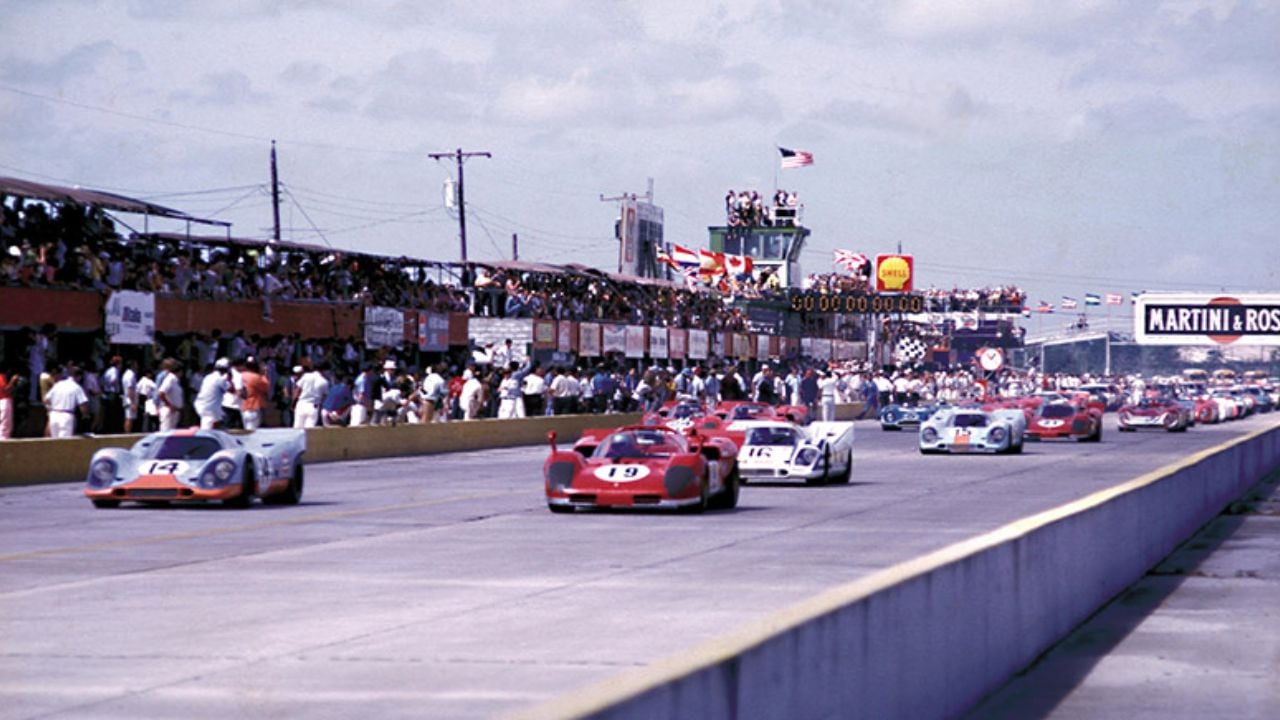
Sebring has always been brutal. The track is basically an old airfield with concrete slabs that shake a car apart over 12 hours. That’s why Corvette’s success there is such a big deal. In the early years, people didn’t expect an American car to survive that kind of punishment, let alone run with the best from Europe. But the Corvette team showed up with a car that could take the pounding and still put down serious pace. That was a statement.
The suspension had to soak up bumps that felt like hitting curbs at full speed, lap after lap, and the crew nailed their pit work to keep the car in the fight. Fans at Sebring remember the sound of that deep V8 echoing off the old hangars where it became part of the race’s identity. When Corvette crossed the line after hours of non-stop pounding, it was proof that America’s sports car could handle one of the toughest races on earth. That’s why Corvette and Sebring are still mentioned in the same breath today.
1999 24 Hours of Daytona: The Birth of Corvette Racing’s Modern Era
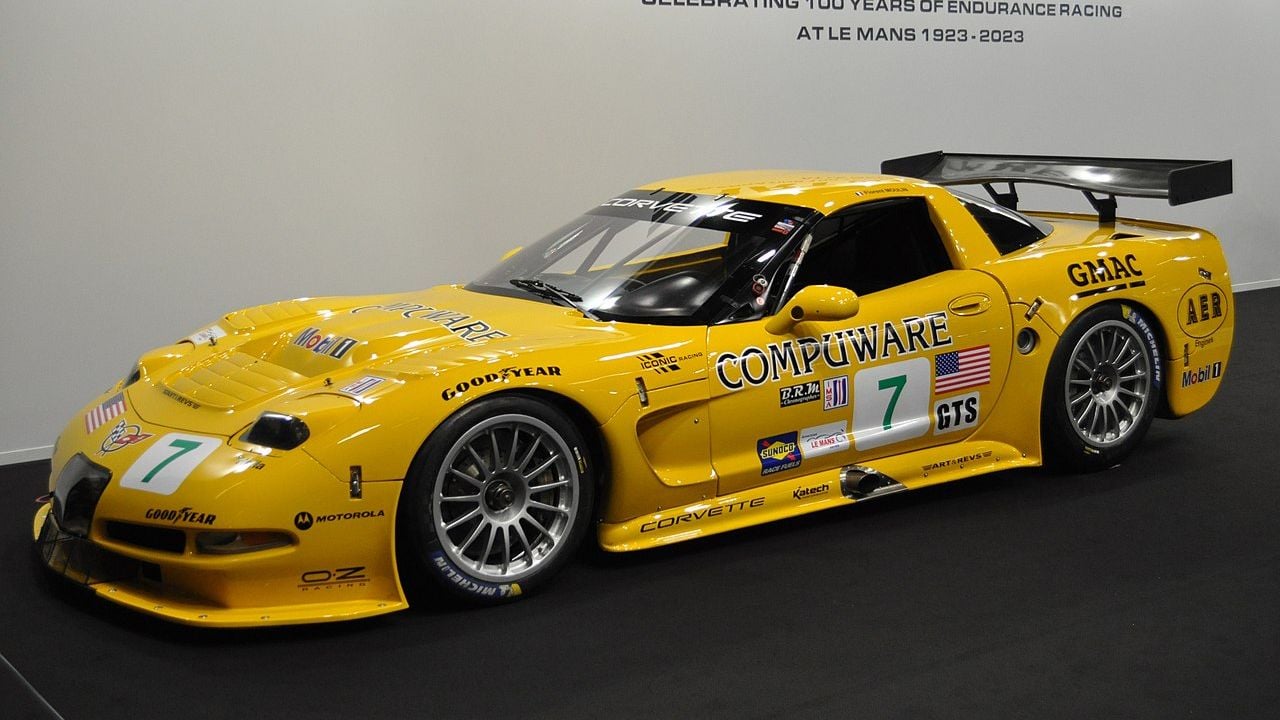
When the C5-R first rolled out at Daytona in 1999, it was Corvette’s way of saying, “We’re back, and we’re serious.” For years, the car had been America’s sports car on the street, but in international racing, it had been absent for too long. The bright yellow C5-R changed that. Built by Pratt & Miller with GM’s full backing, it looked like a Corvette but was engineered to take the pounding of 24-hour races against Ferraris, Porsches, and Vipers that had dominated the grids.
The car wasn’t an instant winner, but that first season was about proving it belonged. Looking back, the C5-R’s debut was the start of Corvette becoming a fixture at Le Mans and Daytona, not as underdogs, but as contenders.
2001 24 Hours of Le Mans: Corvette Stands on the Podium
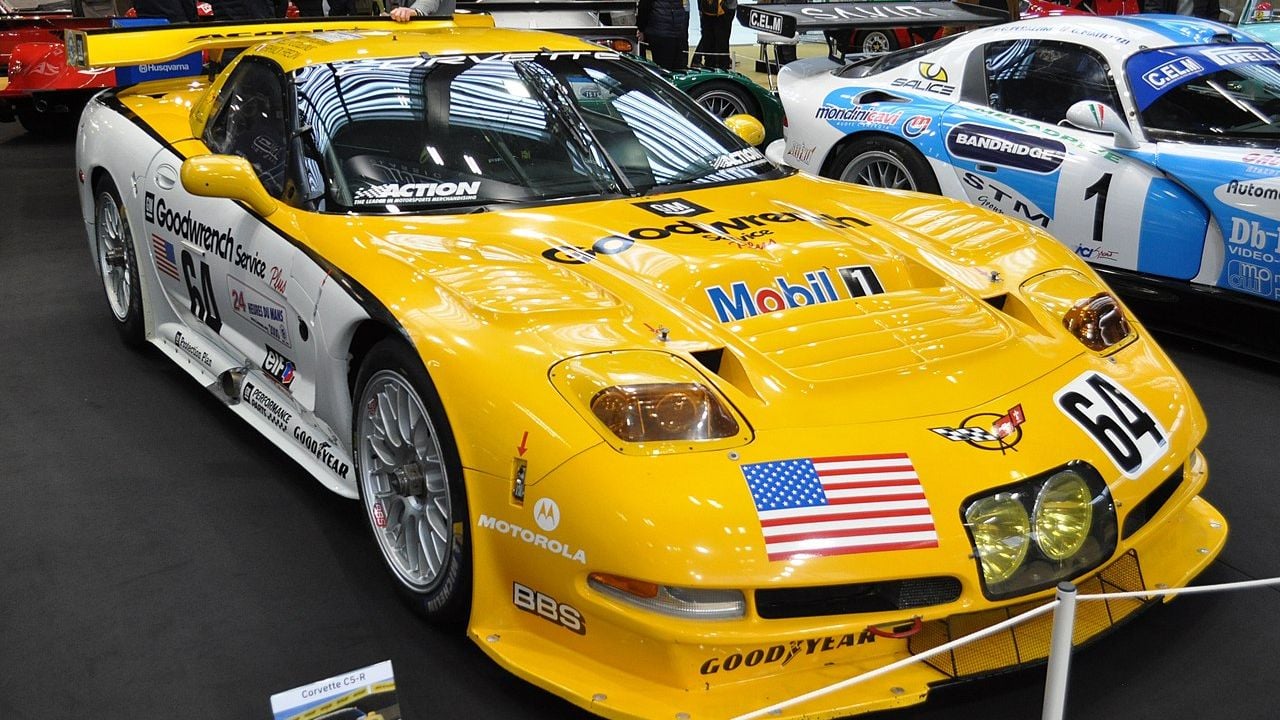
Corvette showed up at Le Mans with the C5-R. Up to that point, the car had already proven itself stateside at places like Daytona and Sebring, but Le Mans is a different animal. This was the stage where legends are made, and the Europeans didn’t exactly expect an American V8 bruiser to hang with their finely tuned machines. When the yellow C5-R hit scrutineering in 2000, fans knew GM wasn’t messing around. Pratt & Miller had built a car that was loud and powerful, not to mention durable — the one thing you absolutely need to survive 24 hours at the Sarthe.
That debut didn’t end in a win, but it landed Corvette on the podium in its first serious crack at the world’s toughest endurance race. For American fans watching, it felt like redemption, the kind of validation that America’s sports car could run with the best in the world and belong on the same list of endurance legends.
2009 24 Hours of Le Mans: A Farewell to GT1 with Victory
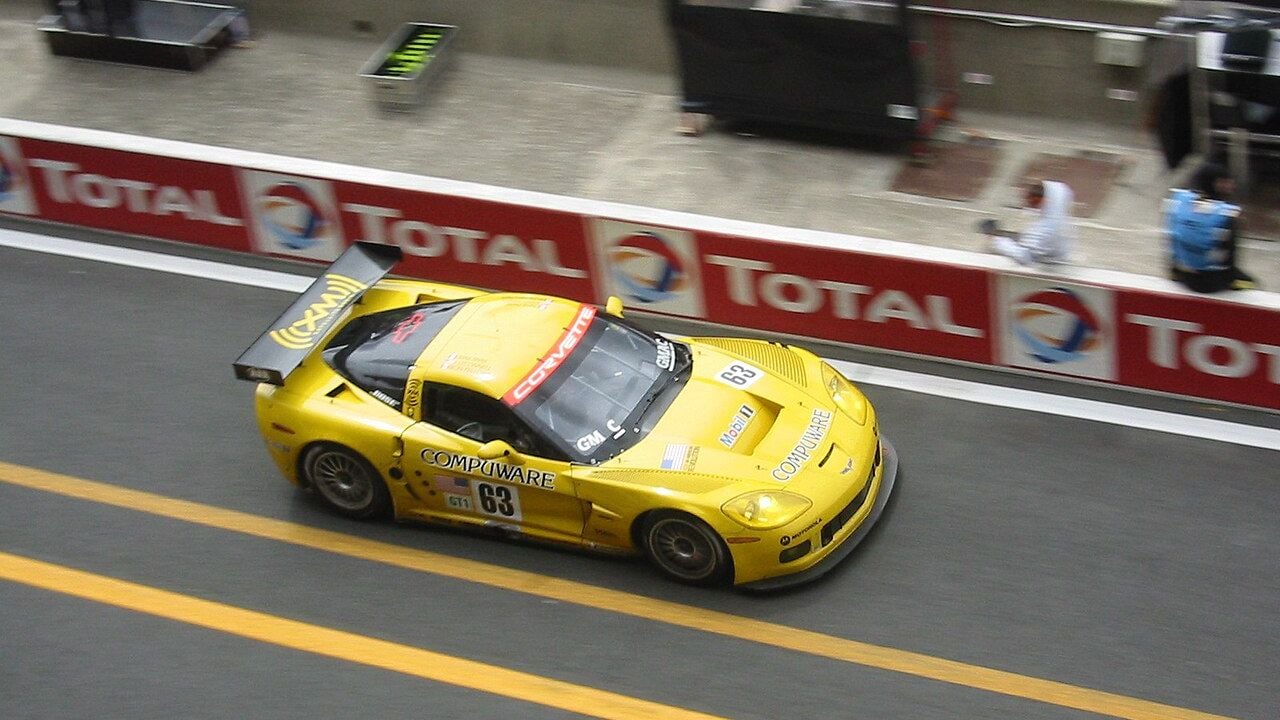
The 2009 24 Hours of Le Mans was more than just another race for Corvette Racing, it was the end of an era. GT1 had been Corvette’s battlefield since the C5-R debuted in 1999, and in that decade, they’d become the benchmark: six class wins at Le Mans, five championships in the American Le Mans Series, and countless rivalries etched into endurance racing history. Going into ’09, everyone knew it would be Corvette’s last GT1 run before moving to GT2, and the only fitting way to close the book was with another victory.
That final duel with Aston Martin was everything fans could have hoped for. The British V12s against the American V8s, trading lap times deep into the night under the Le Mans lights. Corvette’s crew nailed the pit work, and the drivers kept the car fast and consistent, exactly what you need in a 24-hour grind. When the checkered flag waved, the No. 63 C6.R crossed the line first in GT1, giving Corvette its sixth class win at Le Mans and a storybook ending to their GT1 chapter. It was a full stop at the end of one of the most dominant runs in modern endurance racing.
2015 24 Hours of Le Mans: GTE-Pro Triumph Against All Odds
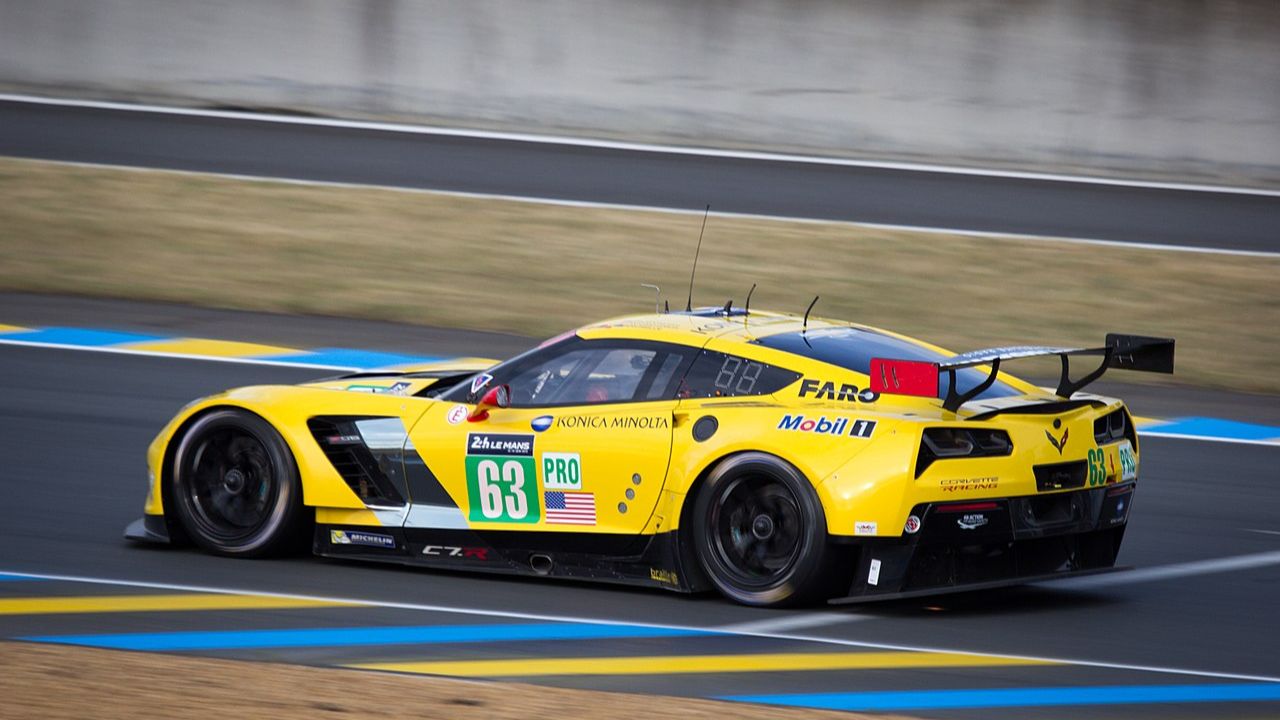
At the 2015 24 Hours of Le Mans, Corvette Racing was left with just a single car after a last-minute crash in qualifying sidelined one of their C7.R entries. For a team used to running two cars, it meant zero backup and zero margin for error. If anything happened to that one Corvette, the entire effort would be over.
What followed was one of the most resilient performances in Corvette Racing history. The lone C7.R was quick from the start, carving through traffic and showing its balance through the Porsche Curves and its grunt down the Mulsanne. Pit stops were flawless, the crew hitting every mark as if their season depended on it, because it did. Through the night, the glowing brake rotors and the unbroken rhythm of the car on track told the story: Corvette was in this fight to the end.
When the sun rose and the final hours ticked down, the No. 64 held strong against Ferrari and Aston Martin, defending its position with the kind of composure you only see from a seasoned program. And when the checkered flag waved, Corvette clinched the GTE-Pro class win, the eighth class victory at Le Mans in team history, and one of the most hard-earned. This triumph was proof of Corvette’s toughness. One car, one chance, and they nailed it.
2020 Rolex 24 at Daytona: GTLM Victory in a New Era
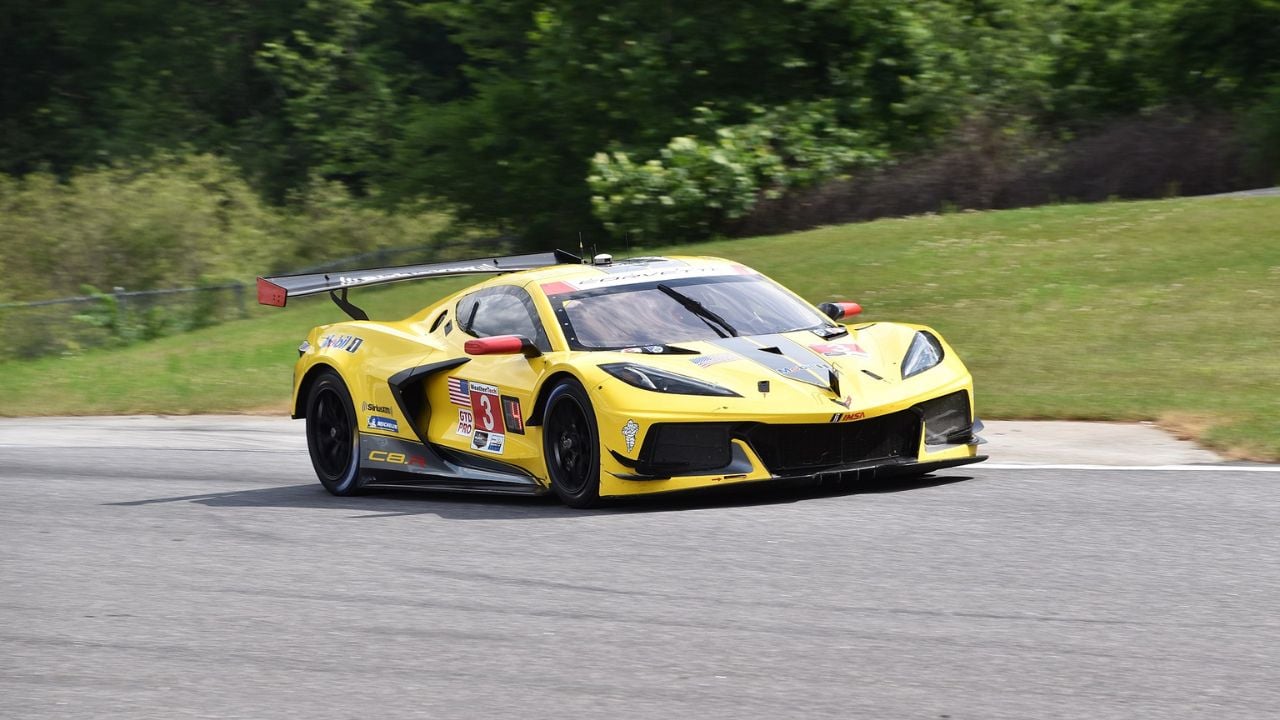
The 2020 Rolex 24 at Daytona was the birth of a new era. For the first time in Corvette Racing’s history, the team rolled a mid-engine car onto the grid: the C8.R. Fans and competitors alike crowded around it in the paddock, taking in the sleek, purposeful lines that looked every bit as serious as the challenge ahead.
When the green flag dropped, all eyes were on the silver-and-yellow machine. Through the night, the C8.R carved lap after lap under the floodlights, its V8 soundtrack echoing across the banking like a battle cry.
By sunrise, it was clear the car wasn’t just surviving its debut — it was thriving. The final hours ticked down with the Corvette holding its ground against the best GTLM competition in the world. When the checkered flag finally waved, the C8.R scored its first class win at Daytona, silencing any doubts about the move to mid-engine.
2021 IMSA WeatherTech: Championship Season of Consistency
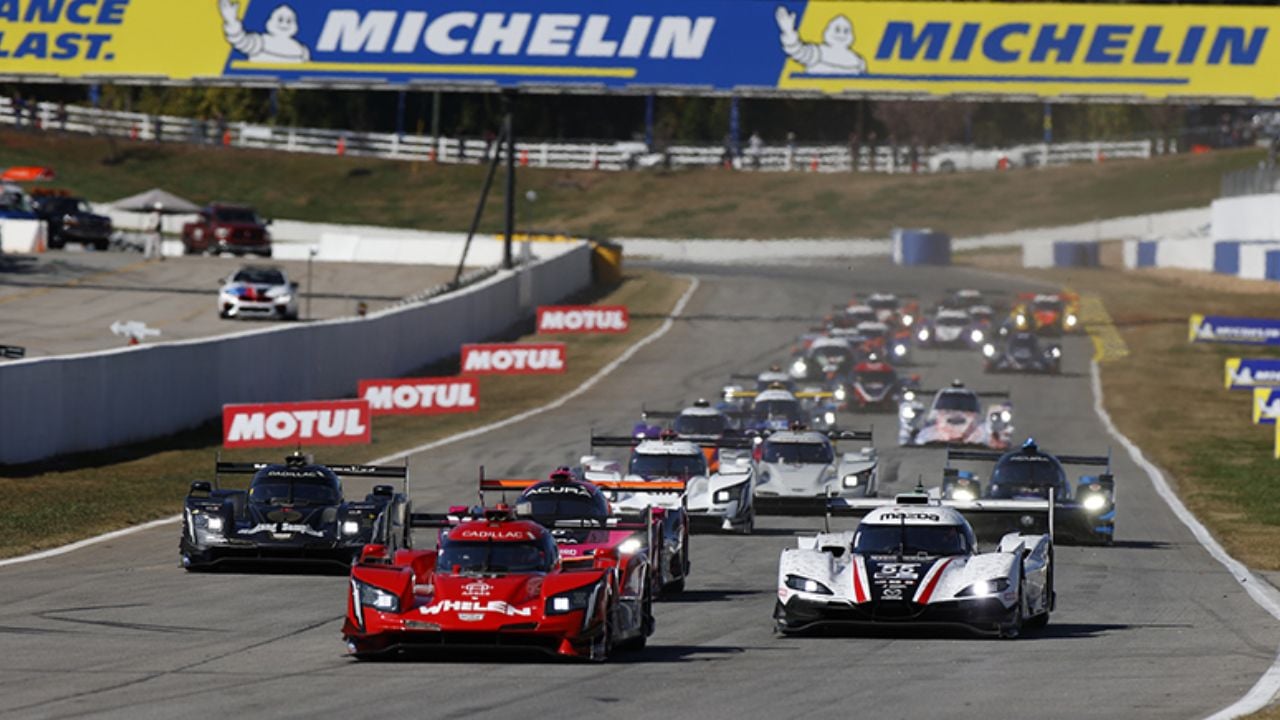
The 2021 IMSA season was the year the C8.R really showed what it was made of. After making headlines with its Daytona win the year before, Corvette Racing backed it up with a campaign built on consistency, execution, and flat-out speed. No matter the venue, from tight street courses to flowing road circuits, the C8.R looked planted and confident, its mid-engine layout proving its worth week after week.
The finale capped it off in style, with the C8.R clinching the GTLM title and putting an exclamation mark on a near-flawless run.
2023 24 Hours of Le Mans: Centenary Glory
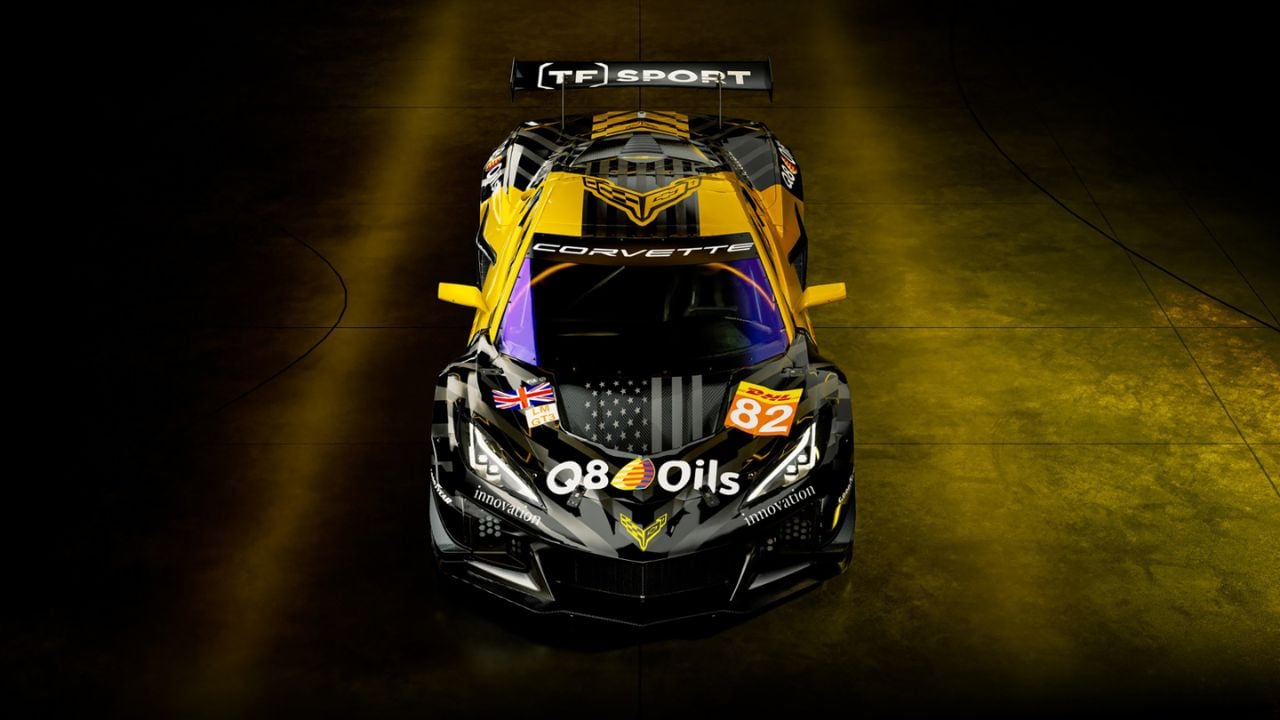
At the 100th running of Le Mans, the team rolled out a C8.R dressed in a centenary tribute livery, a nod to both the history of the race and Corvette’s own legacy in endurance competition. From the fan parade through the city streets to the build-up on race day, you could feel the weight of history in the air. For Corvette fans, the big question was whether the C8.R could rise to the occasion against some of the toughest competition in the world.
Through the long night, the glowing brake rotors and the steady growl of the V8 told fans that the Corvette was still right in the fight. By morning, the yellow machine was still charging, still relentless. When the checkered flag dropped, Corvette Racing sealed a GTE-Am class win at the centenary Le Mans, a result that instantly became one of the crown jewels in the program’s history.
Waving the Checkered Flag on Memory Lane
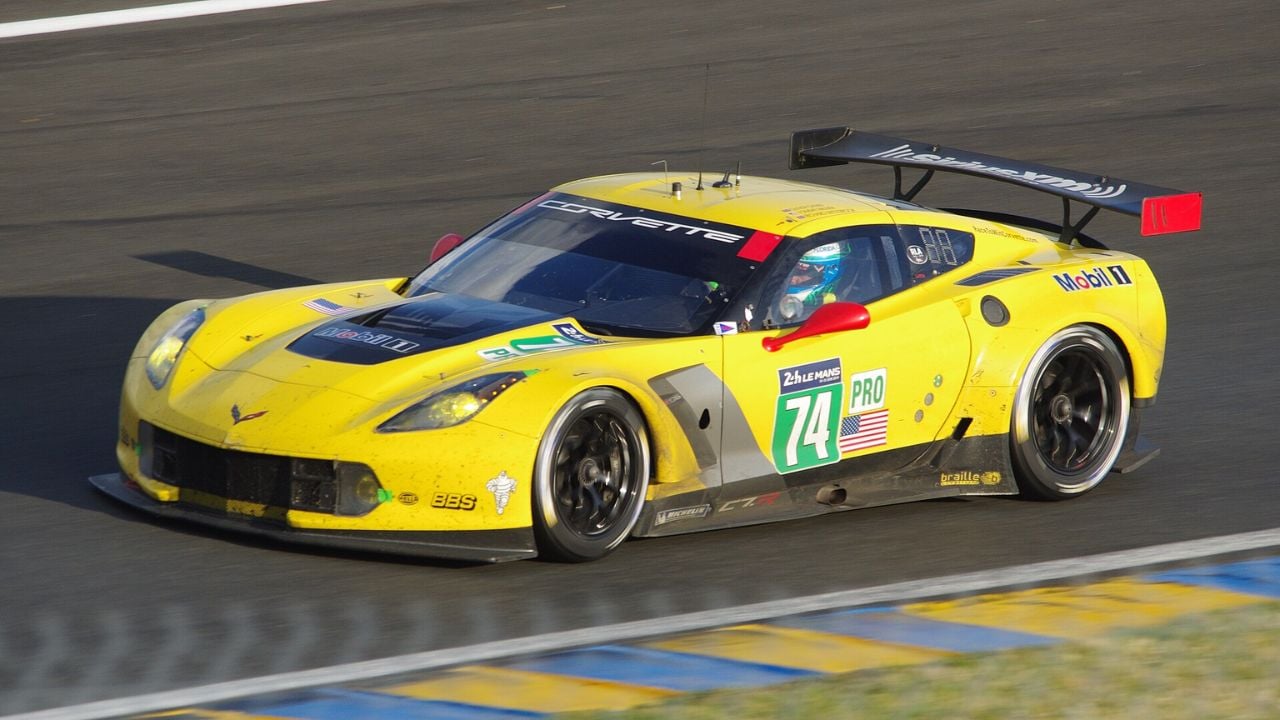
The racing history behind Corvette is full of harrowing wins, disappointing losses, and moments that left fans in awe. Decades of refining the Corvette platform have given fans the opportunity to grow and adapt with the brand as it moves through iteration after iteration, pounding its history into the pavement and filling the paddock with its exhaust notes.
These are the moments fans remember, but with such a long pedigree, it was hard to include every moment worth re-watching and remembering again and again.