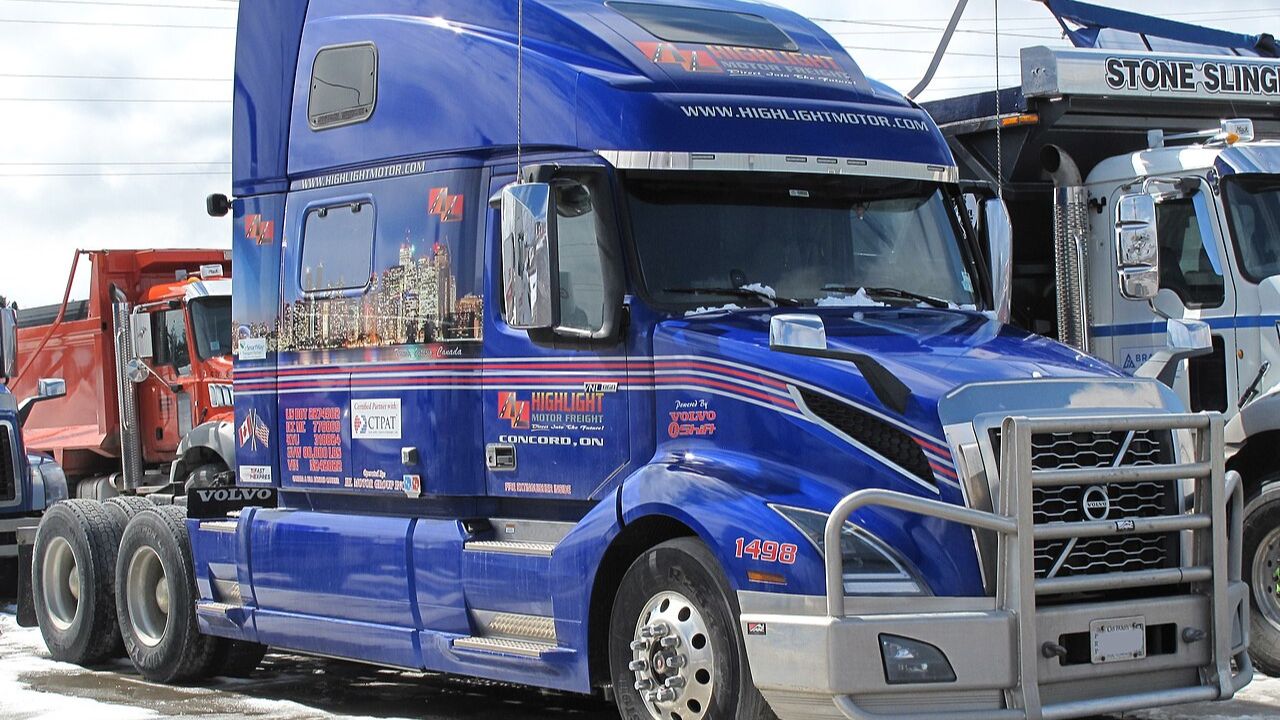

Cargo theft has transformed into a broader crisis for Canada’s trucking industry, with the Ontario Trucking Association warning that criminals are now stealing trucks themselves rather than just the goods they carry. Officials and industry groups say this marks a dangerous evolution in organized crime’s tactics, amplifying economic losses and complicating law enforcement efforts.
Cargo theft in Canada and the United States has been on a steady rise for several years. More than 13,500 incidents were reported in 2024 alone, according to a major cargo crime report.
Ontario accounted for a disproportionate share of these incidents, and the Greater Toronto Area has been a hub for cargo crime activity. Law enforcement officials have noted that the region’s high volume of distribution centers, highways, and trucking hubs makes it particularly attractive to criminal networks.
Criminals historically focused on stealing the goods inside trailers when they were left unattended at truck stops, unsecured lots, or during handoffs in the supply chain. Electronics, industrial supplies, and consumer goods remain among the most commonly stolen items, with average losses per incident in the hundreds of thousands of dollars. But now, analysts say this traditional theft methods have morphed into something much bolder.
According to TorontoSun, the Ontario Trucking Association President/CEO Stephen Laskowski bemoaned the latest trend of stealing the trucks themselves—worth approximately $250,000—install a new VIN and use it. “Over the last year, I’ve had a dozen phone calls, said Laskowski. So, it’s an evolution of the crime. For the last 10 years, the 905 area was the worst area for cargo theft in North America.”
Theft of Entire Vehicles is Rising Sharply
Stealing cargo has ‘evolved’ to truck theft: Ontario Trucking Association https://t.co/gDI3oKVdfH via @
— OTA (@OnTruck) January 6, 2026
According to recent insurance data compiled by the Équité Association, truck and trailer thefts nearly doubled in the first three quarters of 2025 compared to the same period the year before. During that time truck thefts climbed from 591 to 984 incidents while trailer thefts went from 383 to 638.
Cargo theft itself also ticked upward slightly. What stands out most to investigators is not just the cargo losses but the fact that thieves are taking the means to move it, the big rigs and trailers, right out of shipping yards.
Industry leaders like Laskowski say criminals have evolved beyond opportunistic break-ins to highly organized operations that involve planning, fraud, identity theft, and sometimes insider knowledge. Fraudulent pickups — where thieves impersonate carriers, forge paperwork, or otherwise deceive shippers and brokers — have become increasingly common. These schemes let criminals pick up freight without alarming anyone until it is too late.
Police investigations across Ontario have uncovered sophisticated networks behind these truck thefts. In 2025, Peel Regional Police dismantled organized commercial auto theft rings responsible for stealing tractor trailers and related equipment from secured facilities. Multiple arrests were made, with some operations tied to larger criminal enterprises.
Another ongoing probe by Peel police involved a company that allegedly stole trailers loaded with freight through deceptive contracting and double-brokering schemes. In that case, police executed multiple warrants and recovered millions in stolen cargo and equipment. Authorities believe fraud and trucking crime frequently overlap, with fake corporations and bogus operating credentials used to launder stolen property.
Economic and Supply Chain Impact is Growing
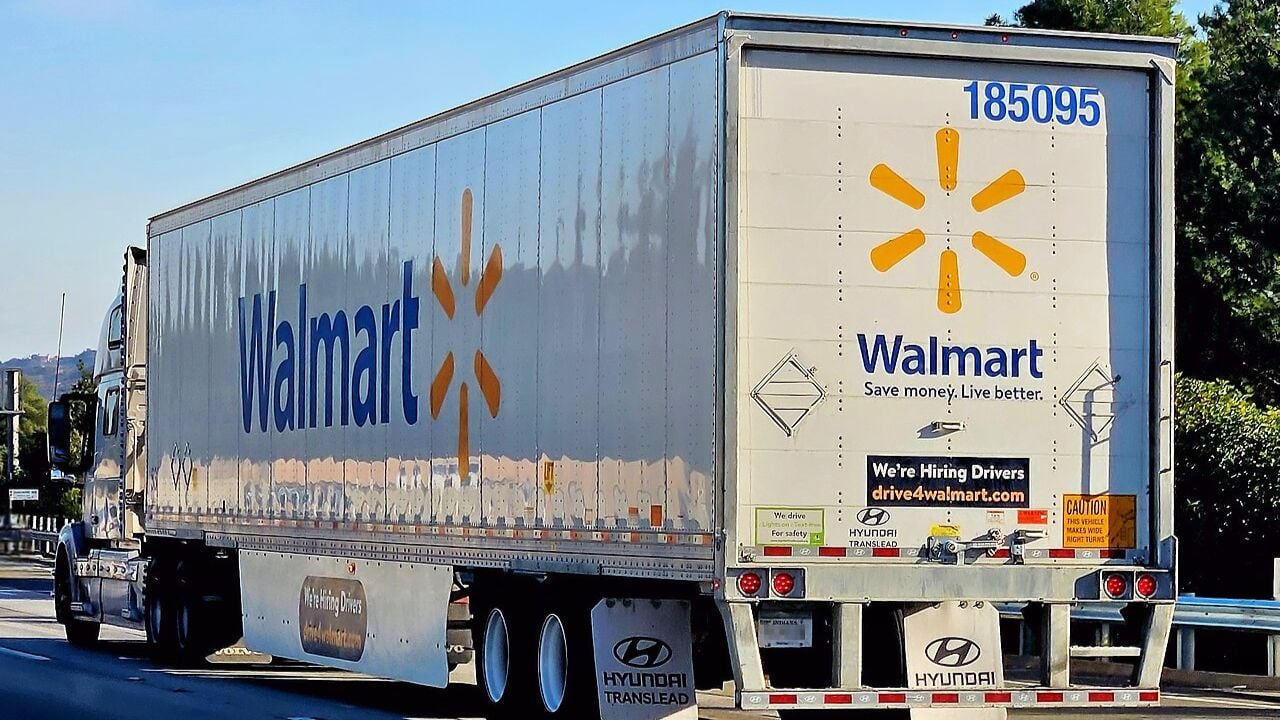
The financial toll of cargo crime, whether theft of goods or vehicles, is significant. Over the past five years, cargo and heavy equipment theft in Canada resulted in losses estimated at hundreds of millions of dollars, with a considerable share still unrecovered. These losses do not just hit insurers and carriers but ripple through the supply chain, driving up costs for manufacturers, retailers, and ultimately consumers.
Insurance companies are also adjusting to the rising threat. With more claims tied to cargo theft and related incidents, premiums for high-risk carriers and freight routes have climbed. Experts note that tracking cargo movements, verifying carrier identities, and securing physical facilities all add to operating costs in an already tight margin industry.
Investigations have revealed that criminals use more than just brute force. Identity theft, system hacking, and manipulation of online load boards or broker systems all play a role in modern cargo crime. As one security analyst put it, today’s thieves can commit theft without ever physically touching the freight. Advanced social engineering techniques, fake carrier profiles, and even synthetic identities help criminals make stolen shipments look legitimate until they disappear from tracking systems.
Interestingly, the violence (victims were often frequently beaten and tied up) often associated with truck cargo theft have been, thus far, nonexistent in this new trend of stealing the trucks themselves. “With cargo crime,” said Laskowski, “there has been violence associated with that. I have not heard any violence with the actual stealing of trucks to operate trucks.”
Industry Response and Prevention Measures
In response to these evolving threats, trucking associations and security consultants are urging carriers to invest in stronger yard security, adopt digital authentication systems, and improve vetting of brokers and drivers. Some fleets are incorporating advanced surveillance technology and coordinated reporting systems to deter theft and improve recovery rates.
Despite these efforts, experts say cargo crime will continue to challenge the industry until there is stronger legislation and more comprehensive data sharing between carriers, insurers, and law enforcement. By Laskowski’s reckoning, it’s people who need trucks but can’t afford one that end up stealing other people’s trucks:
“If you can’t get a loan from the bank because the economy is bad and you want to get into the business for whatever reason, you go steal a truck and re-vin it.” He noted the evolution from cargo to vehicle theft, with some of those stolen trucks ending up in America. He mentioned Texas.
“They would leave a $250,000 asset because that was not the target … Now what these rings are doing is targeting trucks, actually stealing them, and re-vinning, then putting them in operation either in Canada or the U.S,” Laskowski noted.