A great-looking SUV has to solve a difficult design problem. It has to carry height, space, and daily usefulness without turning bulky, generic, or needlessly theatrical.
That is why the best ones tend to stay interesting longer than expected. They still catch your eye in a parking lot, still make sense from the side profile, and still hold together once the liftgate opens and the practical reality of the vehicle starts to matter.
Style matters here, but so does discipline. The strongest SUVs do not just throw expensive lighting, giant wheels, and aggressive fascias at the problem. They use proportion, surfacing, and restraint to make utility look more desirable.
The seven below stood out for exactly that reason. They feel intentional, distinctive, and genuinely useful, which is a much rarer combination than the segment’s endless marketing about toughness or luxury would suggest.
How These SUVs Earned Their Place

Badge prestige was never enough for a list like this. The strongest candidates needed usable proportions, a clear visual identity, and enough design discipline that the details still looked right after the first impression wore off.
Utility mattered just as much. A stylish SUV that forgets cargo access, cabin space, or everyday usability misses the point of the category entirely, no matter how dramatic it looks in a launch photo.
A few very capable SUVs were left out because their styling felt anonymous or overworked. The final seven are the ones that, to my eye, best combine design confidence with real daily usefulness.
Genesis GV70
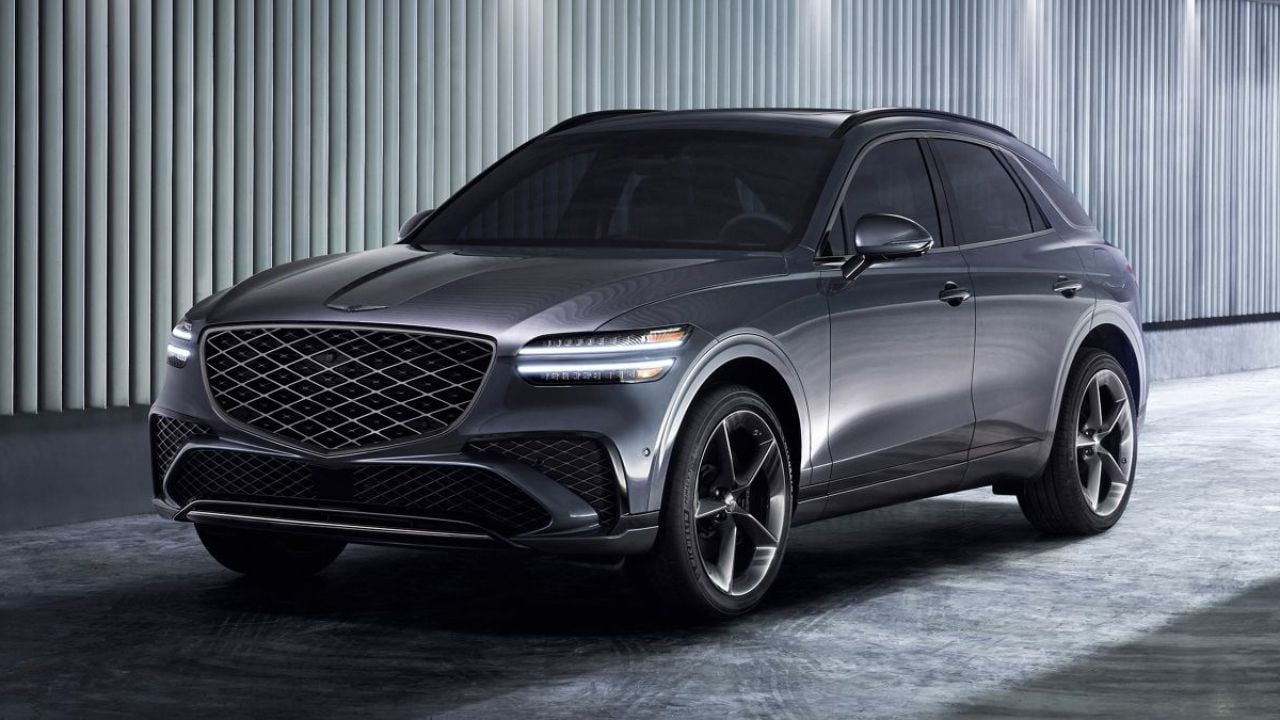
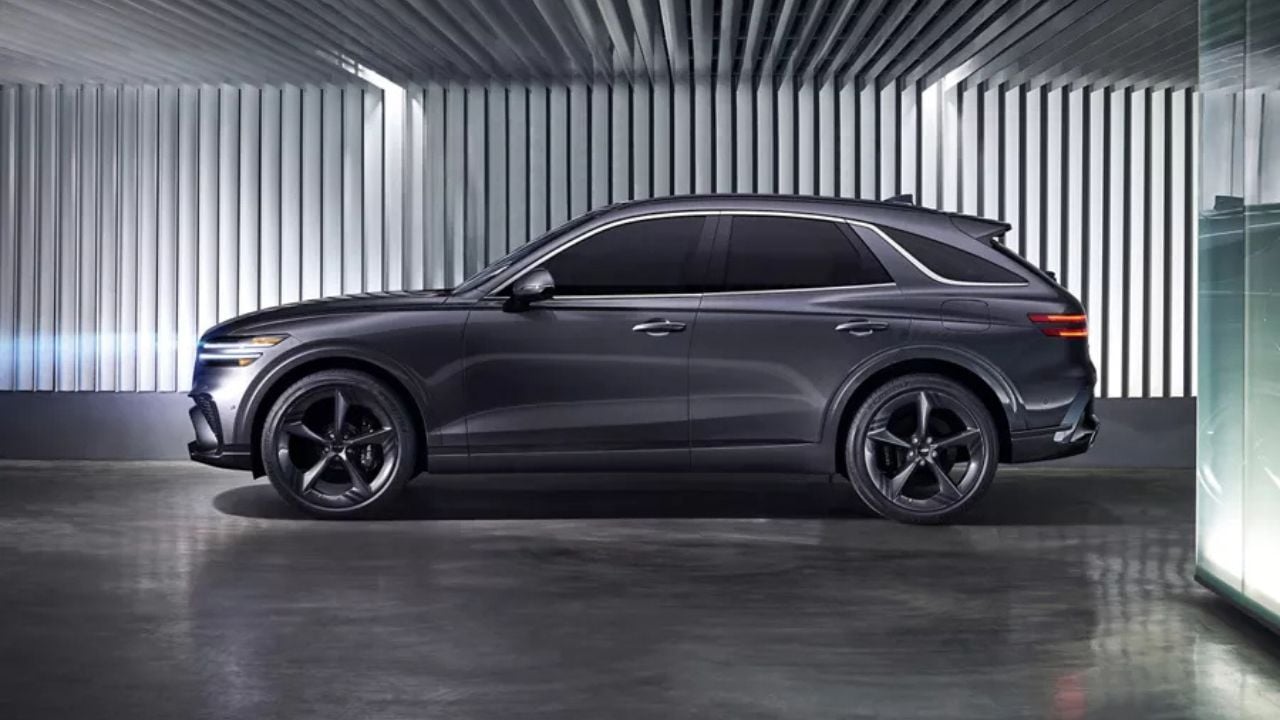
The Genesis GV70 is one of the easiest SUVs in this class to admire because it gets the proportions right before anything else. The hood has real length, the cabin sits in the body with the right amount of tension, and the whole vehicle avoids the tall, overblown look that ruins so many premium crossovers.
The signature two-line lamps help, but the GV70 would still work without them. What makes the design convincing is the way the body side stays clean while the rear haunches carry just enough shape to give the SUV a planted, expensive stance without turning fussy.
Inside, the same restraint continues. The cabin looks tailored rather than cold, and that matters because good SUV design should still feel coherent once you are sitting inside the thing every day, not just admiring the front three-quarter angle.
Mazda CX-70
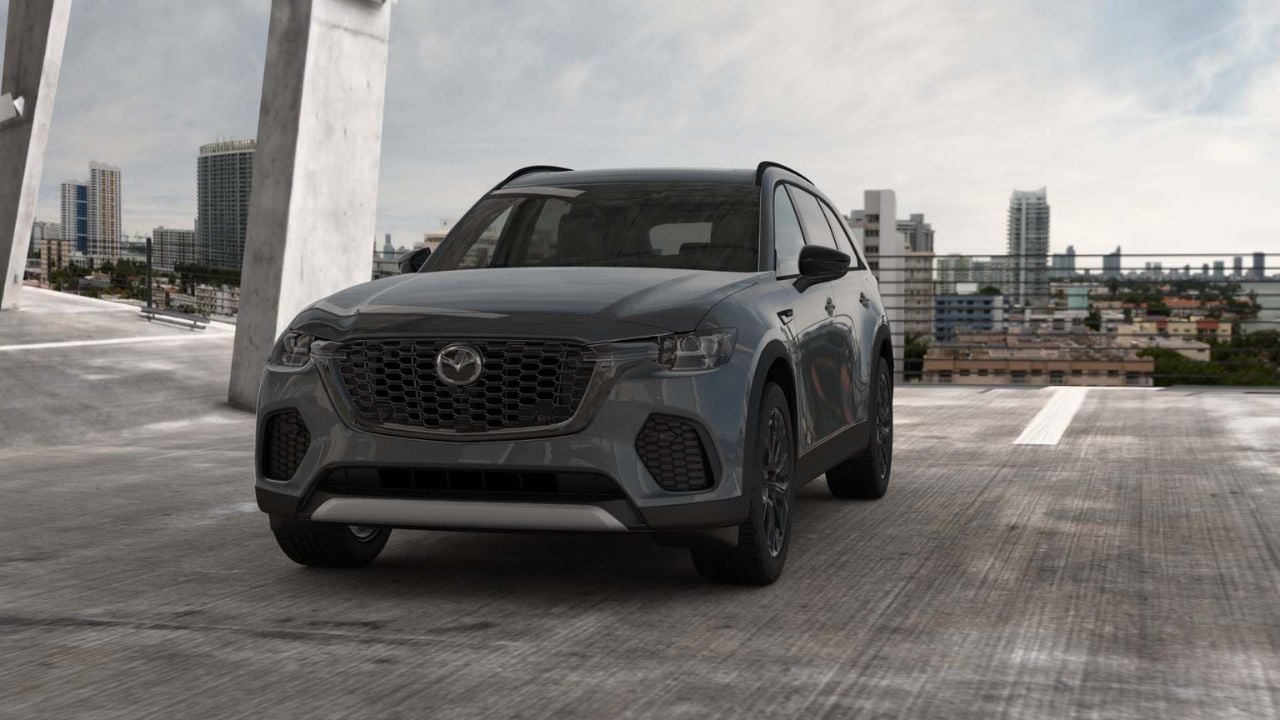
The Mazda CX-70 succeeds by looking mature instead of eager. The long hood, low visual center of gravity, and uncluttered surfacing give it a more premium silhouette than many midsize SUVs manage, even before you start noticing details like the wheel design or trim execution.
This is where Mazda’s discipline pays off. The CX-70 does not chase attention with oversized grille drama or decorative body creases. It lets the proportions do most of the work, and that usually ages better than a louder approach.
That is why it stands out. It feels designed by people who trusted subtlety, and that is still a surprisingly uncommon trait in a modern SUV.
Alfa Romeo Tonale
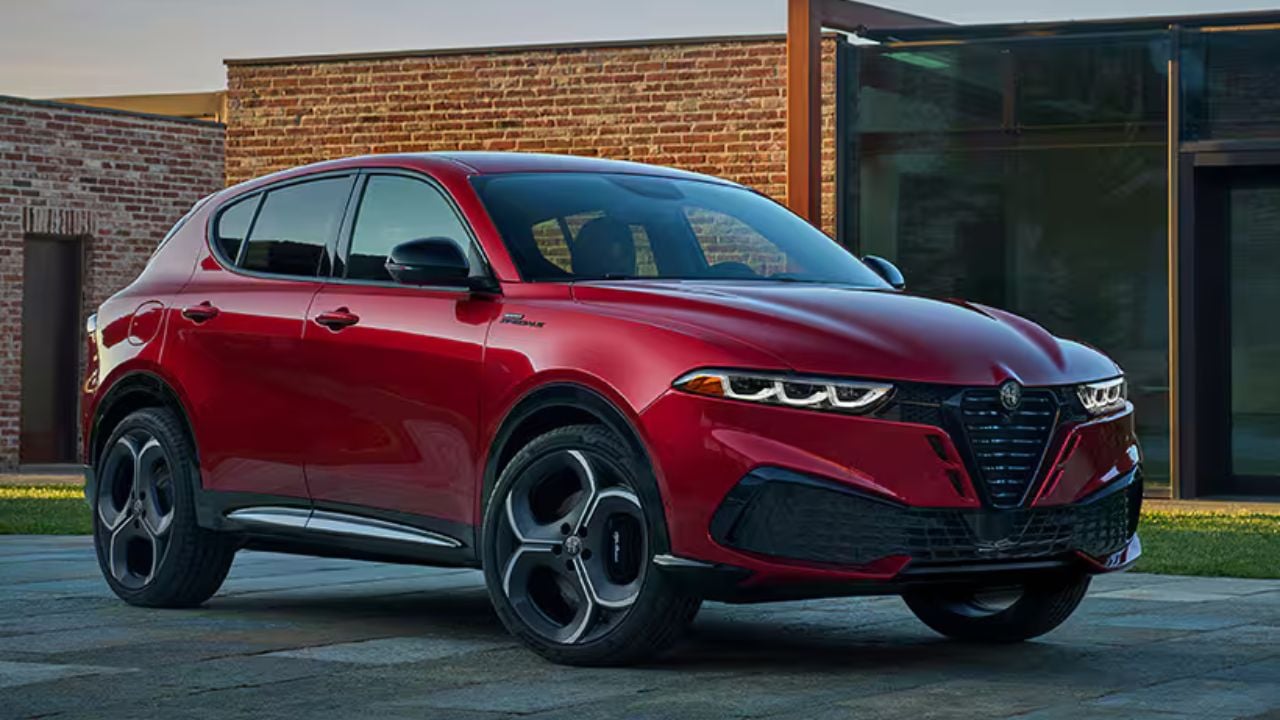
The Alfa Romeo Tonale belongs here because it still looks like it came from a design culture with actual personality. The nose has the brand’s familiar shield and lamp graphics, but the stronger point is how the body carries tension without becoming visually heavy.
That matters in a compact SUV, where proportions can go wrong fast. The Tonale keeps the cabin from looking too tall, avoids a clumsy rear end, and carries its visual mass lower than many rivals do, which makes it feel more athletic than its footprint might suggest.
It is also useful enough for everyday life, which is important because stylish SUVs only really count if the packaging still works. The Tonale does not look practical by accident. It looks practical with flair, which is a much rarer thing.
Cadillac LYRIQ
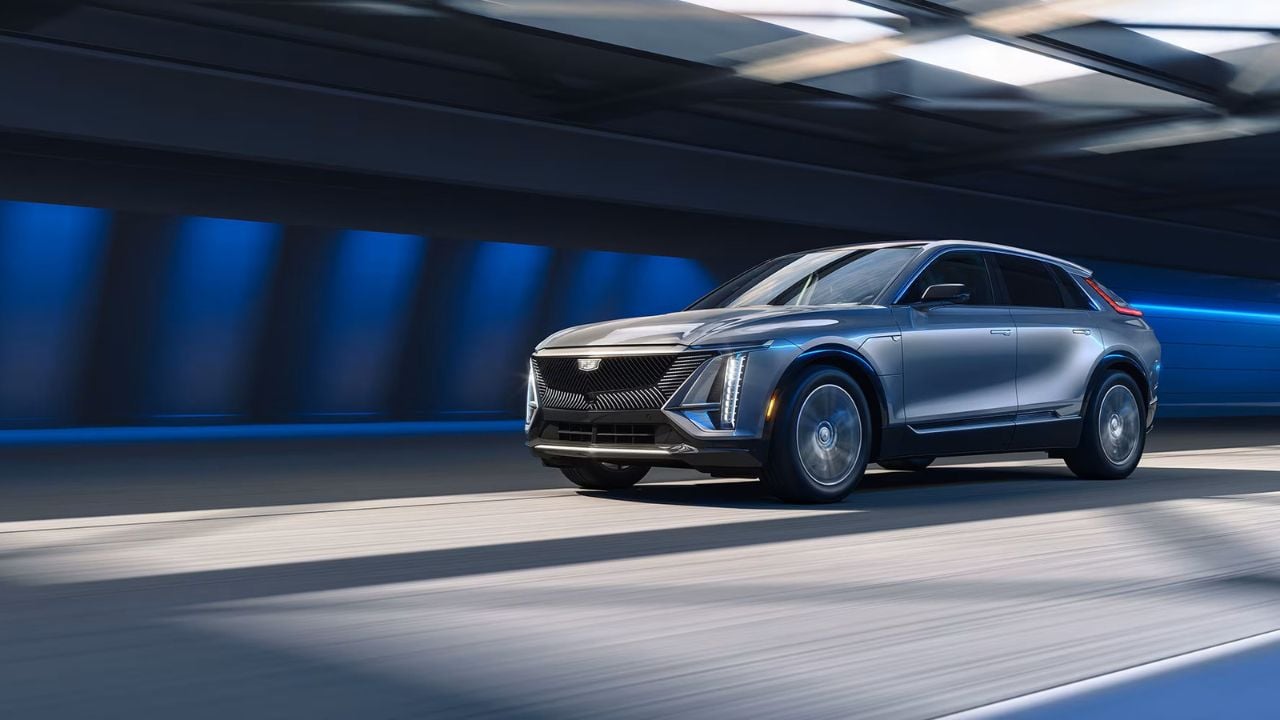
The Cadillac LYRIQ works because it treats modern luxury as theater but keeps that theater under control. The lighting signatures and grille treatment are dramatic, but the car’s real strength is the long, low silhouette that makes it look cleaner and more elegant than many EV crossovers.
A lot of electric SUVs still struggle with visual bulk. The LYRIQ does not fully escape that challenge, but it manages it far better than most by stretching the body visually and keeping the profile from turning too upright or blocky.
The result is an SUV that looks genuinely current without feeling like a rolling design thesis. That balance is what makes it stylish rather than merely flashy.
Porsche Macan
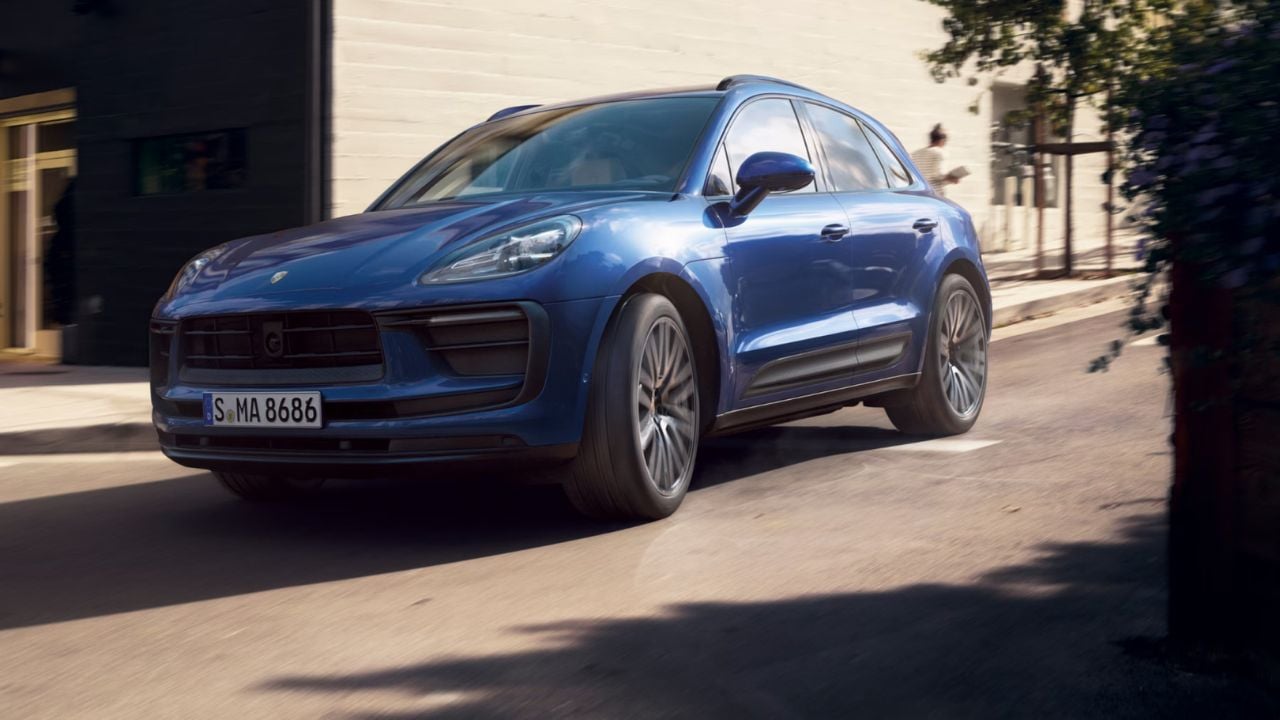
The Porsche Macan still earns its place because Porsche has been unusually good at preserving sports-car cues inside an SUV shape. The fenders are pronounced without looking cartoonish, the greenhouse stays compact, and the shoulder line gives the body a taut, planted look instead of the looser wagon-like posture a lot of rivals settle for.
That is why the Macan continues to feel right. It does not need visual exaggeration because the basic stance already does the work. Even parked, it looks like something designed to move with purpose.
In an SUV market full of overstated aggression, that kind of athletic clarity still feels fresh. The Macan is not just stylish because it is a Porsche. It is stylish because the design logic is genuinely coherent.
Kia EV9

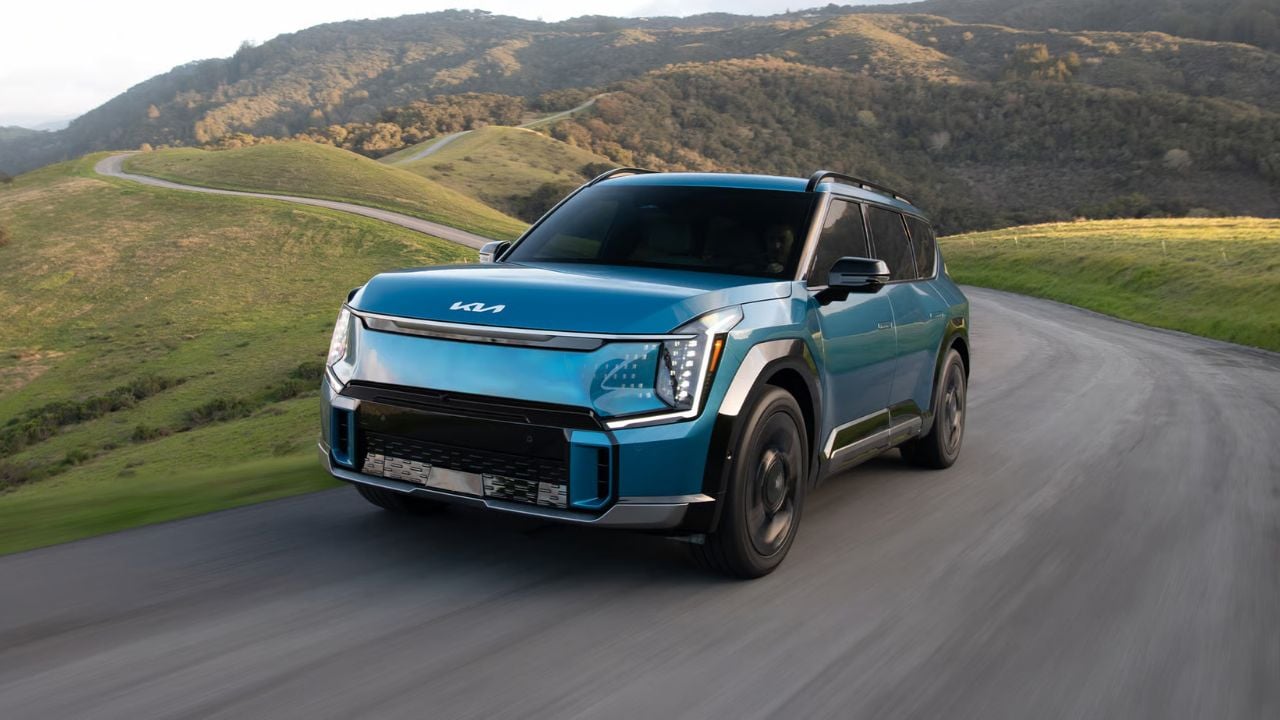
The Kia EV9 earns its place by proving that bold design and family duty can actually strengthen each other. The shape is boxier and more geometric than most three-row SUVs, but that uprightness is not wasted. It gives the EV9 real passenger and cargo usefulness while also making the design memorable immediately.
The best part is that the styling has conviction. The square shoulders, strong pillars, and clean surfacing make it feel futuristic without turning into concept-car cosplay, which is a line many electric SUVs still fail to judge well.
This is not stylish utility as a slogan. It is a family SUV that looks like someone drew it with a very clear idea of what it was supposed to be, then refused to dilute it.
Volvo EX90

The Volvo EX90 takes the opposite path from the EV9 and lands just as successfully. Where the Kia wins with bold geometry, the Volvo wins with calm. The lines are longer, the details are quieter, and the whole vehicle projects confidence through restraint rather than emphasis.
That calm is exactly what makes it look expensive. Nothing is overworked, the technology is integrated instead of shouted about, and the body avoids the visual clutter that often makes large luxury SUVs feel busy or insecure.
Just as important, it still delivers on the usefulness side with three-row practicality and a large cargo area. That is what makes the EX90 such a strong fit here. It is elegant without asking daily life to make any big sacrifices.
The SUVs That Make Utility Feel More Desirable
What makes these seven stand out is that none of them treats style as decoration. In every case, the design helps define the vehicle’s personality and makes the practical shape of an SUV feel more intentional, more memorable, and more worth wanting.
That is the standard stylish utility should actually meet. Not flash for its own sake, and not bulk disguised as toughness, but design that makes daily life look better without making daily life harder.
The best-looking SUV is rarely the one that shouts the loudest. It is usually the one that keeps looking right after the first impression is over, and these seven all understand that in different ways.