
Quality-of-life lists are not a prophecy, but they are a useful way to compare what “everyday life” feels like across borders. When a ranking uses a consistent set of attributes across many countries, it highlights the places that tend to score well for stability, safety, and strong public systems. The list below follows the Quality of Life subranking from the U.S. News Best Countries project (produced with partners including Wharton).
In this framework, “quality of life” is tied to perceptions such as a good job market, economic and political stability, family-friendliness, safety, income equality, and well-developed education and health systems. You can see how the project defines and groups these attributes here: Best Countries methodology. Keep in mind that this is a category ranking, not an overall “best country on Earth” crown. (If you want the wider list beyond this top five, Business Insider published the top-10 rundown based on the same release.)
Denmark

Denmark ranks 1st in this quality-of-life list, and the draw is how smoothly the basics tend to run. Day-to-day life is often described as low-friction: public services are widely used, trust in institutions is high, and streets in many areas feel designed around people moving safely and efficiently. For families, childcare support and a culture that protects time at home can be a major part of the appeal. Even the unglamorous stuff, appointments, admin tasks, and commuting, often feels more streamlined than newcomers expect.
Work culture is a big piece of the story because boundaries are treated as normal, not as a “bold choice.” People regularly point to efficient meetings, clearer expectations, and a stronger default toward leaving work at work. English is common in many professional environments, but learning Danish still helps if you want deeper community ties. Costs can be steep in major cities, yet many residents feel the tradeoff makes sense when services stay reliable and daily life stays organized.
Sweden

Sweden ranks 2nd on the same list and often appeals to people who want strong public infrastructure paired with a high level of personal autonomy. Long-term planning shows up in practical ways, transit networks, green space, and how neighborhoods function in real life—so the week can feel calmer and more predictable. For families, the baseline of public support around school and childcare can make day-to-day life feel less stressful, especially during big life transitions.
Social integration can move slowly, which surprises some newcomers. People may be friendly in group settings, but private circles often take time to open. Winter darkness is also a real factor and can feel heavier if you arrive without routines or community anchors. The approach that tends to work best is consistency: join structured groups, keep showing up, and let familiarity do its thing over time.
Switzerland

Switzerland ranks 3rd here, and its reputation for precision shows up in everyday basics. Infrastructure is widely viewed as excellent, public spaces are well kept, and safety is often a noticeable part of day-to-day life. Strong wages and a high-skill economy can make it attractive for professionals who want career upside without constant instability. Multilingual regions also let many newcomers find a cultural fit, whether that leans German, French, Italian, or a mix.
The tradeoff is cost, especially housing, childcare, and health insurance premiums. New arrivals often feel sticker shock before they fully appreciate the upside. Social circles can look closed at first, with relationships built slowly through repetition and reliability. For people who like order, quiet competence, and long-term planning, the price can feel less like “luxury” and more like paying for reliability.
Norway
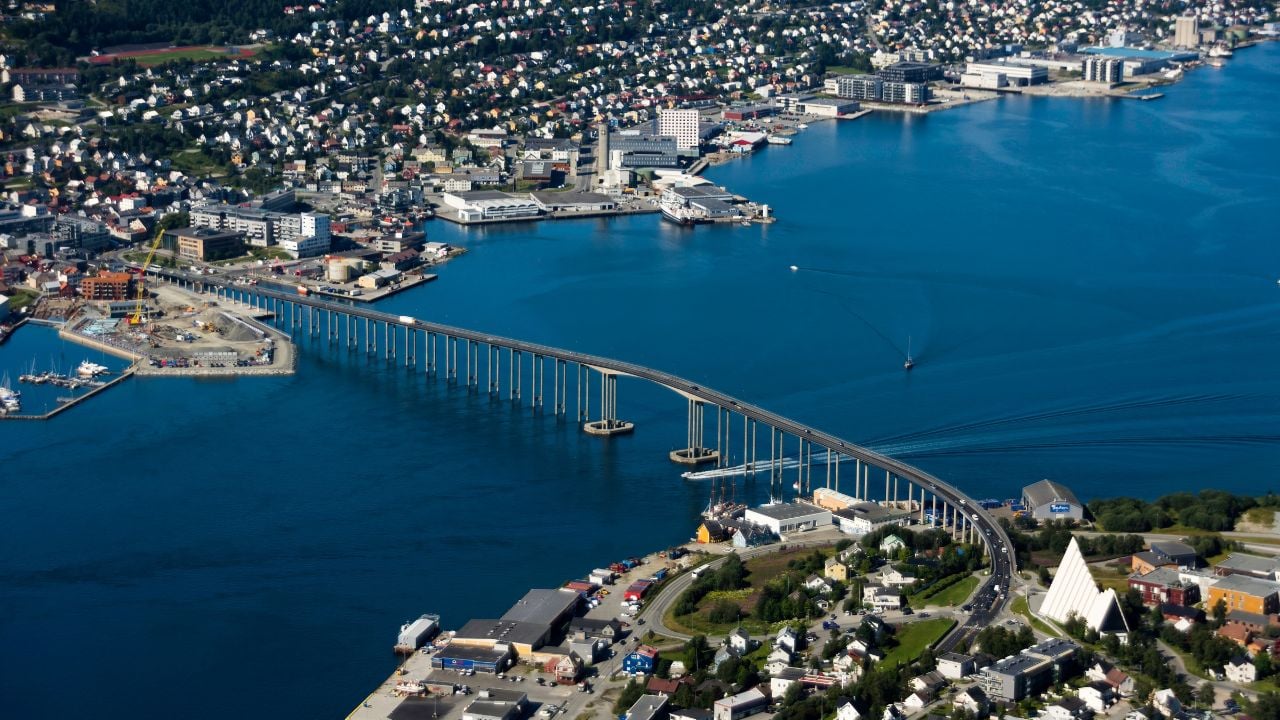
Norway ranks 4th, and much of the appeal comes from the blend of security and breathing room. The social model is built to reduce sharp edges, so families often feel supported and long-term planning feels more realistic. Nature is not just a weekend hobby here—it’s part of the national rhythm, and that shapes how people spend their free time. Many visitors and new residents notice a strong “rules people actually follow” vibe, which can make daily life feel steadier.
Challenges are real too, especially the cost of living and the long winter season in many areas. Social life can take patience, because reserved manners may read as distance to outsiders. Outside the biggest hubs, job options can narrow depending on your field, so location choice matters. If you thrive with outdoor routines and a steady pace, Norway can feel like a genuine lifestyle upgrade.
Canada

Canada rounds out the top five, often praised for a mix of safety, opportunity, and cultural diversity. The country’s size gives you multiple “versions” of life, from dense global cities to smaller communities with a slower pace and easier access to nature. Many newcomers find the cultural learning curve gentler than in places with tighter social codes, especially in large metros. For people balancing career goals with stability, that flexibility can be a big draw.
The most common pain point is housing in major hubs, where prices and rents can feel detached from reality. Healthcare is publicly funded but managed at the provincial level, so wait times and access can vary by region. Climate is also a serious factor, since winter can be mild in some places and brutal in others. The best strategy is to treat Canada like a menu: pick the province and city that match your priorities instead of chasing one famous postal code.