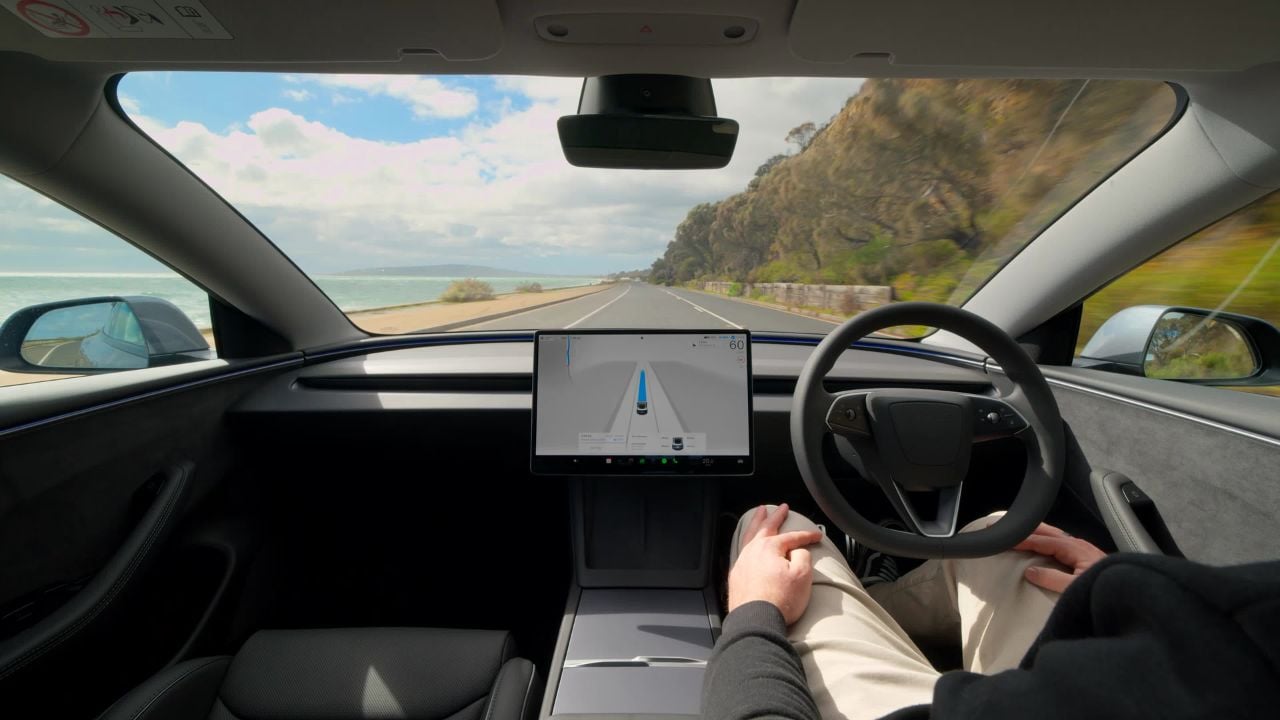
Tesla’s push to expand its “Full Self-Driving (Supervised)” technology across Europe is facing growing scrutiny after reports suggested the company may have presented misleading safety statistics to regulators during the approval process.
According to a Reuters investigation, Tesla provided self-published crash and safety data to officials in multiple European countries while arguing that vehicles using FSD are significantly safer than human-driven cars. Independent traffic-safety researchers interviewed by Reuters, however, claimed several of Tesla’s comparisons exaggerated the technology’s real-world safety performance.
The controversy arrives at a critical moment for Tesla. The company is actively seeking approval for FSD throughout Europe as it attempts to regain momentum in a market where competition from Chinese EV manufacturers continues to intensify, and Tesla’s sales have weakened.
Tesla has not publicly responded to the allegations. European regulators, meanwhile, insist they are relying primarily on independent testing rather than marketing claims when evaluating the system. Even so, the debate highlights a much larger issue facing the automotive industry: how automakers should prove the safety of increasingly advanced driver-assistance technologies before they are widely deployed.
Tesla’s Safety Numbers Are Being Questioned
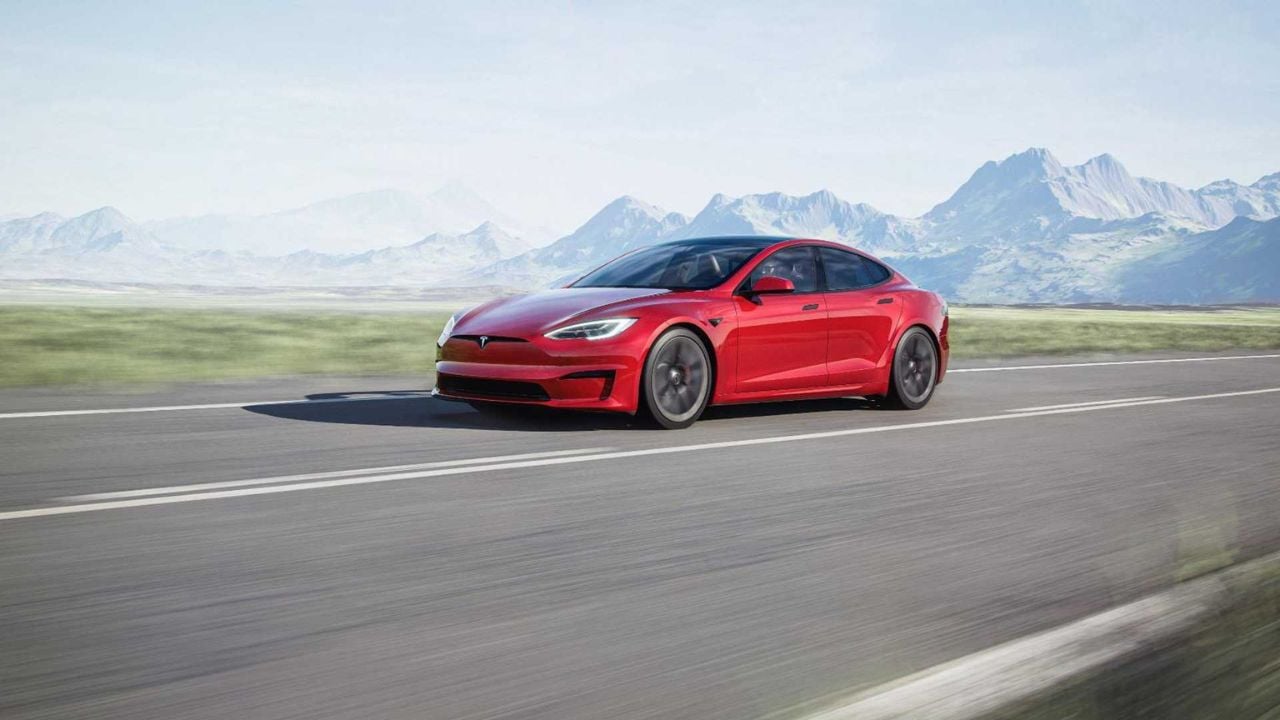
At the center of the controversy are Tesla’s claims that vehicles using FSD can travel up to seven times farther between crashes than the average human-driven vehicle in the United States. The company has also reportedly suggested the technology could potentially prevent millions of injuries and save tens of thousands of lives.
Researchers interviewed by Reuters argued those figures rely on problematic comparisons that make the system appear safer than it may actually be.
One criticism involves Tesla comparing crashes severe enough to deploy airbags in FSD-equipped vehicles against U.S. crash statistics that include many less-serious accidents. Critics say that creates an uneven comparison that naturally favors Tesla’s numbers.
Researchers also noted Tesla compares its modern vehicles against the entire U.S. vehicle fleet, which includes far older cars lacking many contemporary safety technologies. Because newer vehicles are generally safer regardless of automation systems, that comparison may further distort the results.
Another concern centers on assumptions used in Tesla’s safety projections. Some calculations assume every vehicle on American roads, including motorcycles and heavy trucks, could eventually be replaced by FSD-equipped Teslas that are inherently much safer.
Europe Has Become Crucial For Tesla’s Future
Tesla’s aggressive push for FSD approval in Europe is not happening in isolation. The company has repeatedly stated that expanding autonomous-driving features internationally is key to future growth.
After receiving approval for FSD in the Netherlands earlier this year, Tesla reportedly began lobbying regulators in additional European countries, including Sweden and Greece. The Dutch road authority, RDW, is now pursuing European Union approval on Tesla’s behalf.
European regulators insist they are conducting their own testing and analysis rather than simply accepting Tesla’s internal data at face value. RDW stated it performs independent evaluations on public roads and test tracks and does not rely solely on external marketing claims.
Swedish officials similarly emphasized that any approval decisions would involve evidence beyond headline statistics. Still, Reuters stated that Tesla’s self-published safety reports have circulated widely among regulators and even among Tesla owners lobbying governments to accelerate FSD approval.
The Stakes Extend Beyond Europe
The outcome of Tesla’s European approval campaign could have consequences far beyond the region itself. Europe remains one of the world’s most influential automotive regulatory markets, and approval there could strengthen Tesla’s position globally while also helping shape how other countries evaluate advanced driver-assistance systems.
For Tesla specifically, expanded FSD deployment would provide access to significantly larger amounts of driving data. That data is critical for improving the company’s autonomous-driving software through machine learning and real-world scenario testing.
At the same time, critics argue that approving systems based on inflated or poorly contextualized safety claims could create serious risks if regulators overestimate the technology’s capabilities.
The debate also reflects the challenge regulators now face worldwide. Driver-assistance systems are evolving rapidly, though there remains no universally accepted standard for measuring or comparing their safety performance.
FSD Still Requires Human Supervision
Despite its branding, Tesla’s “Full Self-Driving (Supervised)” system remains a Level 2 driver-assistance feature rather than a fully autonomous system. Drivers are still legally required to remain attentive and prepared to intervene at any moment.
That distinction remains especially important as automakers increasingly market semi-autonomous technologies using aggressive terminology that can blur public understanding of what the systems are actually capable of doing.
For now, European regulators appear cautious about relying too heavily on Tesla’s own safety claims. Whether the company ultimately secures broader approval across the European Union may depend less on headline statistics and more on independent real-world testing performed by regulators themselves.
With EU member states expected to vote on wider FSD legalization in the coming months, the scrutiny surrounding Tesla’s safety data is unlikely to fade anytime soon.