

China’s technology sector may soon make waves in an entirely different industry. Richard Liu, the billionaire founder of JD.com, is backing a new marine venture that plans to do something long considered impossible in the boating world. Imagine yachts with price tags that costs almost the same as a used car.
The new company, called Sea Expandary, has been launched with an ambitious goal to reshape how recreational boats are built, sold, and owned. Reports indicate that Liu plans to invest roughly 5 billion yuan, which translates to more than $700 million, to develop the brand and its supporting ecosystem.
Taking on the High Cost of Yacht Ownership
For decades, yachts have remained firmly in the domain of the ultra-wealthy. Entry level yachts from established builders often cost hundreds of thousands of dollars, while larger luxury models can easily reach several million. Even modest recreational yachts can place ownership well beyond the reach of most consumers.

Sea Expandary’s concept attempts to challenge that reality by introducing dramatically lower price points. Early reports suggest that some models could cost as little as $14,000 to $15,000, putting them in the same financial territory as a secondhand sedan.
The project represents a bold attempt to apply the principles that reshaped consumer technology and electric vehicles to the boating industry.
Much like how Chinese manufacturers have used scale and advanced manufacturing to lower the cost of electric cars, Sea Expandary hopes to leverage modern production techniques to reduce the cost of yacht ownership.
The company’s operations will be based in southern China, with its headquarters expected to be located in Shenzhen. Manufacturing activities are expected to take place in nearby Zhuhai, a coastal city that has been steadily building a reputation as a hub for marine manufacturing and maritime technology.
Building an Ecosystem for the Modern Mariner
Beyond simply building boats, Sea Expandary intends to create an integrated ecosystem around marine recreation. The company is reportedly planning to develop a complete value chain that includes yacht design, manufacturing, distribution, marina infrastructure, and after-sales services.
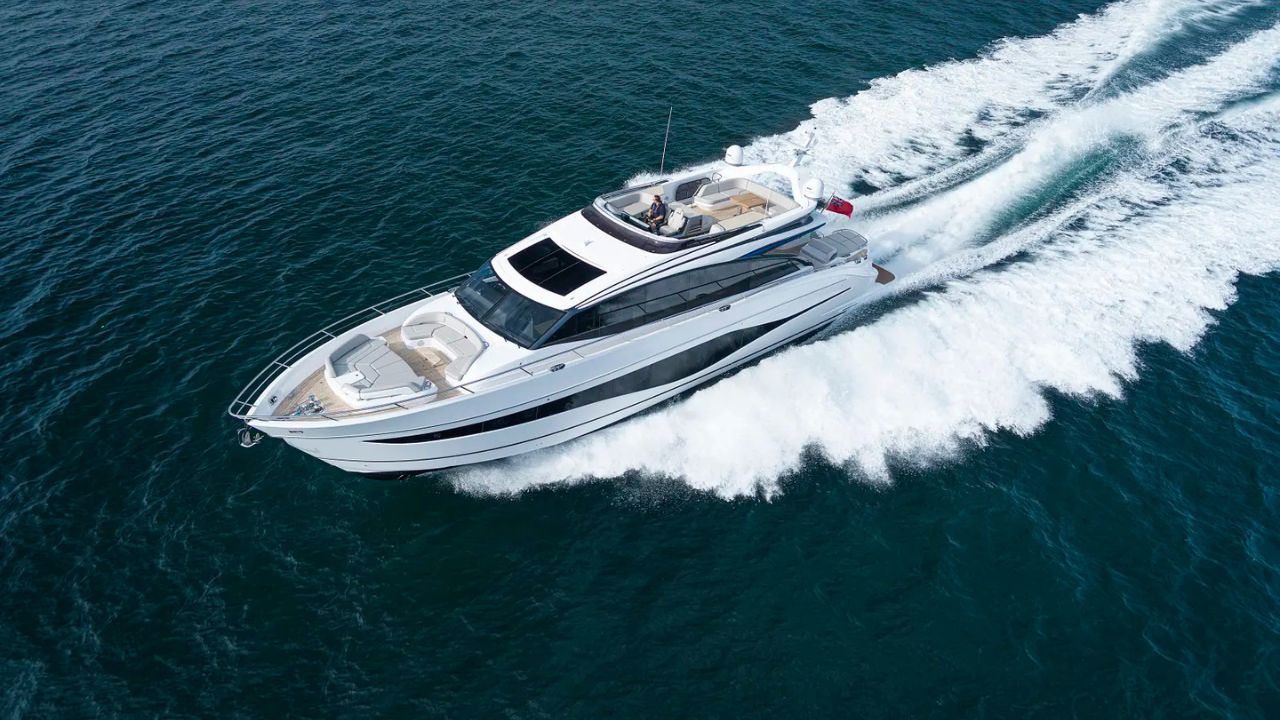
The idea is to remove many of the barriers that have traditionally made yacht ownership complex and expensive.
Technology is expected to play a major role in the company’s approach. The yachts being developed are anticipated to feature modern propulsion systems that prioritize efficiency and environmental sustainability.
Electric or alternative energy powertrains are likely to be central to the lineup, aligning with broader trends in transportation where electrification is rapidly gaining momentum.
Smart technology may also become a defining feature of the vessels. Industry observers expect the boats to incorporate digital controls, automated systems, and connectivity features that make operation easier for first time owners.
Such technology could help simplify navigation and maintenance, making the vessels more accessible to people with limited boating experience.
The Secret Sauce: Scale, Integration, and Tech
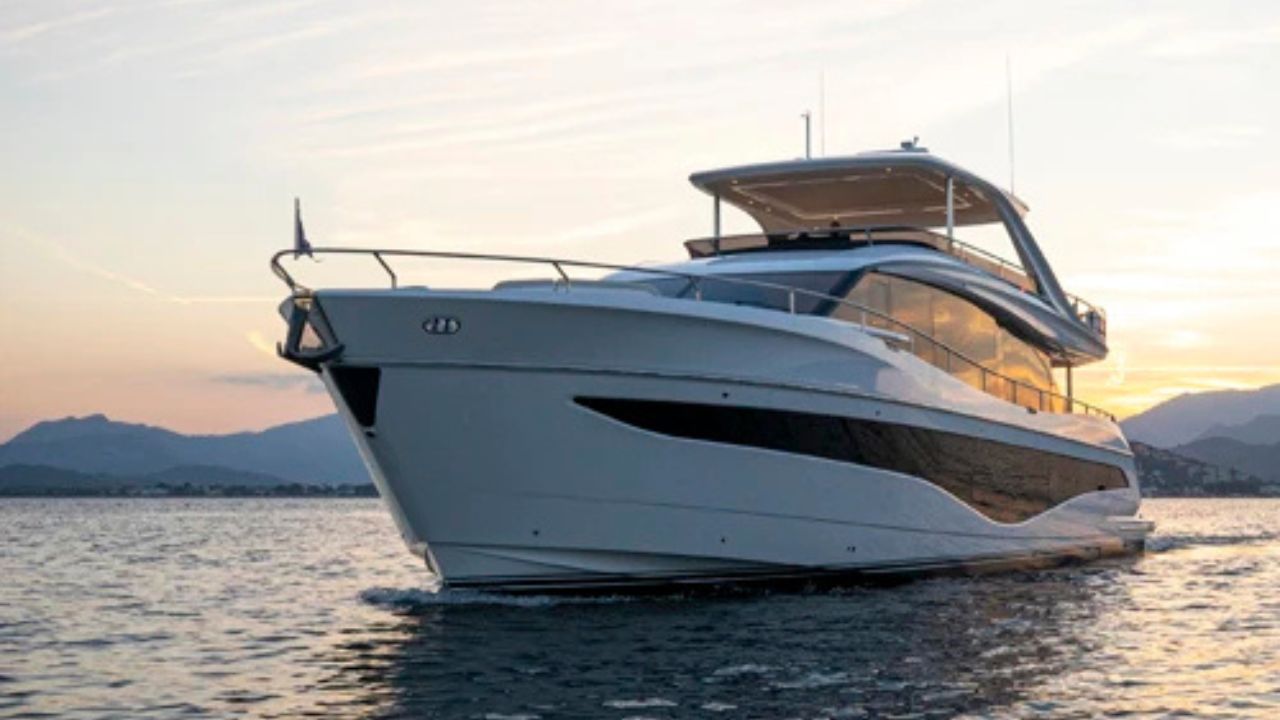
So, that’s the plan. That’s how Sea Expandary plans to sell $15k yachts. Its approach to ultra‑cheap yachts is essentially about building a tightly controlled ecosystem that wrings out inefficiencies.
Richard Liu is putting in billions upfront to create scale from the beginning, which means the company can design, manufacture, and distribute in one integrated pipeline rather than relying on fragmented suppliers and dealers.
By basing production in Zhuhai and anchoring operations in Shenzhen, they gain access to lower labor costs, established supply chains, and proximity to ports, all of which reduce overhead.
The yachts themselves are being designed with electric propulsion and AI‑driven automation, which not only lowers long‑term operating expenses but also simplifies maintenance, making ownership less intimidating and more affordable.
The real play is to apply the same logic that made Chinese electric cars cheap: advanced manufacturing techniques, vertical integration, and economies of scale. That’s how they can bring entry‑level models down to the price of a mid‑range used car, without resorting to gimmicks like co‑ownership schemes or cutting corners with raw materials.
In short, the affordability comes from scale, integration, and technology, not from stripping quality or relying on shared ownership models.
A New Course for Chinese Manufacturing
The initiative reflects a broader pattern in Chinese manufacturing where companies are targeting industries traditionally dominated by high prices and exclusive markets.
Similar strategies have been seen in electric vehicles, drones, and consumer electronics, where aggressive cost reductions have opened entirely new customer segments.
For Liu, the move into marine manufacturing represents a striking expansion beyond the e-commerce empire he built with JD.com. His involvement signals confidence that the boating industry may be ready for disruption similar to what has occurred in other mobility sectors.