Luxury used to be easier to spot. You looked for the prestige badge, the soft leather, the quietly smug grille, and the price that made the salesman sit a little straighter. In 2026, the picture is messier and far more interesting. A surprising amount of real comfort, craftsmanship, and long distance polish now lives under mainstream badges, often in vehicles bought by families who care less about showing off than about how calm the cabin feels after two hours on the highway. That shift matters because it changes the question.
The best mainstream luxury vehicle is no longer the one pretending to be a bargain Mercedes. It is the one that genuinely makes daily life feel richer without asking you to buy into a luxury brand in the first place. You can see that range in today’s market, from the Toyota Crown Signia Limited and Mazda CX-90 3.3 Turbo S Premium Plus to the Hyundai IONIQ 9 AWD Performance Calligraphy Design and GMC Yukon Denali Ultimate.
That is also why this list leans heavily toward three row SUVs, large family haulers, and a few unusually polished electrified machines. That is where mainstream brands are putting their best materials, their quietest cabins, and their most ambitious comfort features. If you want stitched leather, massaging seats, panoramic roofs, premium audio, generous second row space, and the kind of ride quality that makes a bad highway feel half repaired, the richest mainstream experiences now tend to come wrapped in practical bodywork.
The old luxury sedan formula still exists, but the heart of mainstream luxury has moved somewhere roomier.
How These 10 Were Chosen
Price alone was never enough for this article. Even a high sticker price can buy a lot of equipment, but equipment does not automatically create a luxurious experience. To make this list, each vehicle had to do more than pile on screens and heated surfaces. It needed a cabin with real thought behind it, front seats worth spending time in, strong noise isolation, a polished powertrain, and the sort of small conveniences that make daily ownership feel easier instead of merely more expensive.
I also gave extra weight to models that deliver something close to a premium brand atmosphere while still wearing a mainstream badge on the hood.
There was another filter too. I wanted variety in the way these vehicles express luxury. Not every buyer wants the same thing. One person may want a hushed electric family lounge. Another may want an old school body on frame flagship that feels like a private jet with a tow rating. Another may just want a minivan that treats the second row like a first class cabin.
The 10 models below all fit the headline, but they do not all chase comfort the same way. That difference is exactly what makes the category worth exploring.
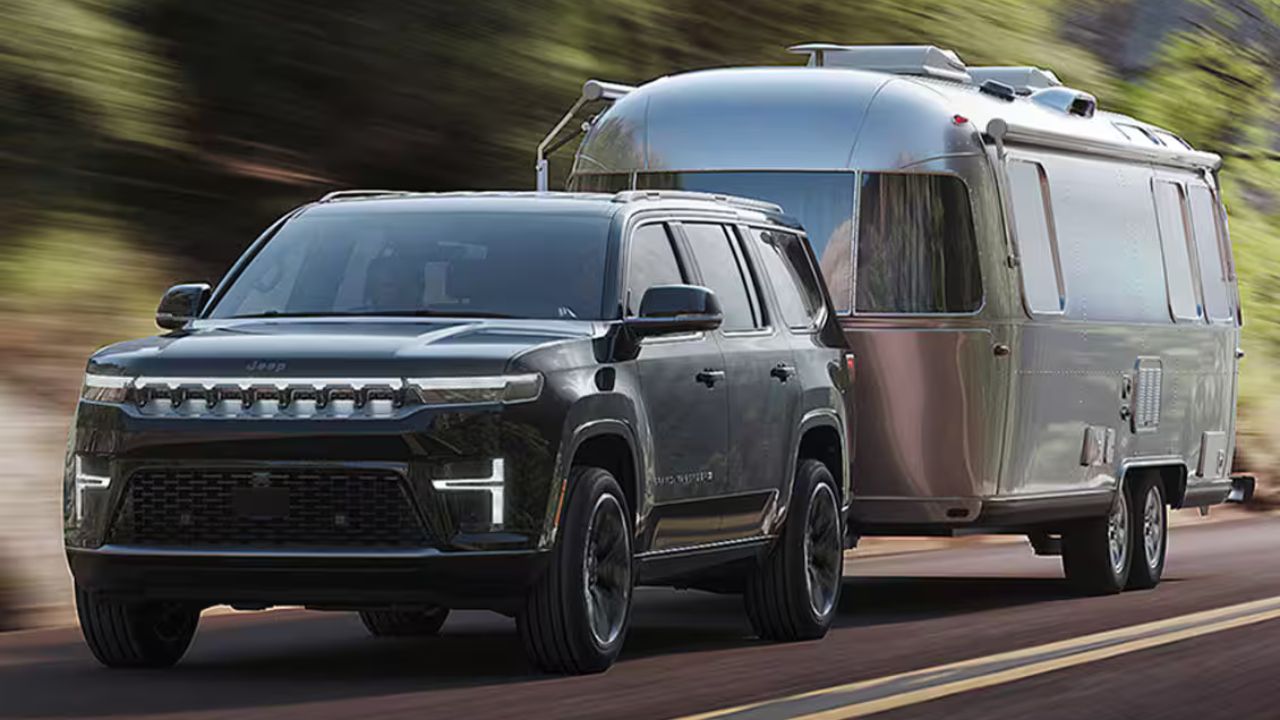
Jeep Grand Wagoneer
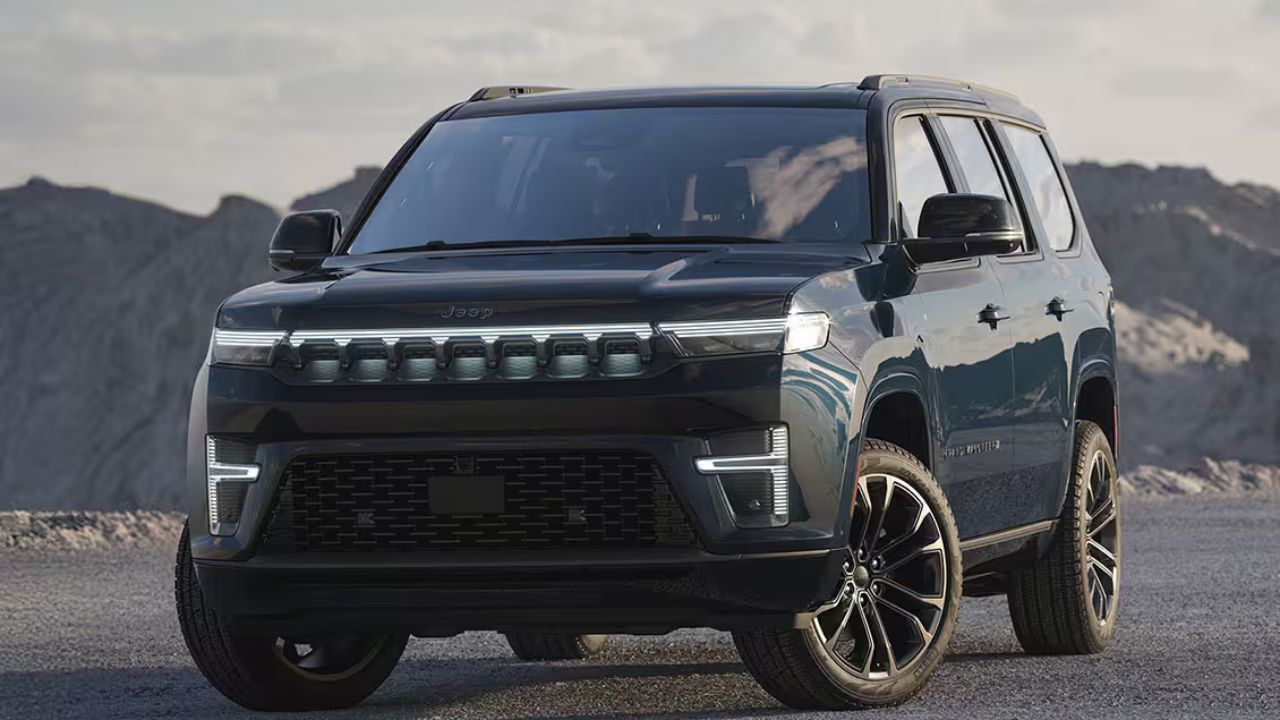
The Grand Wagoneer is what happens when a mainstream brand decides subtlety can wait outside. This is not a vehicle built to feel “almost premium.” It is built to feel fully loaded, unapologetically large, and deeply indulgent. Jeep gives the 2026 Grand Wagoneer Palermo leather trimmed seats, available 24 way power front seats with massage, a Uconnect 5 NAV setup with a front passenger interactive display, available 10.1 inch rear entertainment screens, and more than 170 standard and available safety and security features. It can also tow up to 10,000 pounds, which adds a very American twist to the luxury formula. This is comfort with shoulder muscles.
The reason it belongs here is not just because it is expensive or huge. The Grand Wagoneer succeeds because it understands the mood buyers want at this level. You climb in and everything feels oversized in the right way. The seats, the screens, the center console, the sense of space, the whole presentation. There is real craft in the cabin, but there is also real theater, and that matters.
Luxury should feel special before the wheels even turn. The Grand Wagoneer delivers that immediately, then backs it up with the quiet, long legged highway character expected from a true flagship. It is one of the few mainstream badge vehicles that genuinely tries to overwhelm you a little, and for the right buyer that is part of the charm.
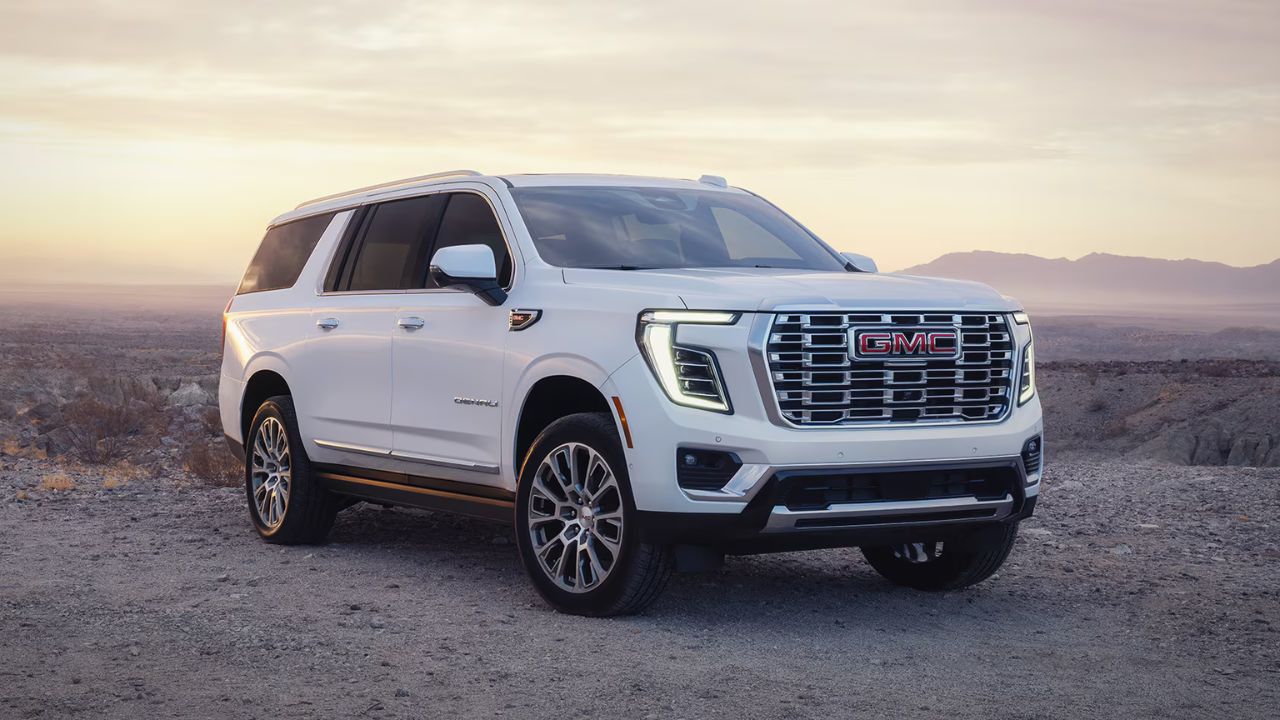
GMC Yukon Denali Ultimate
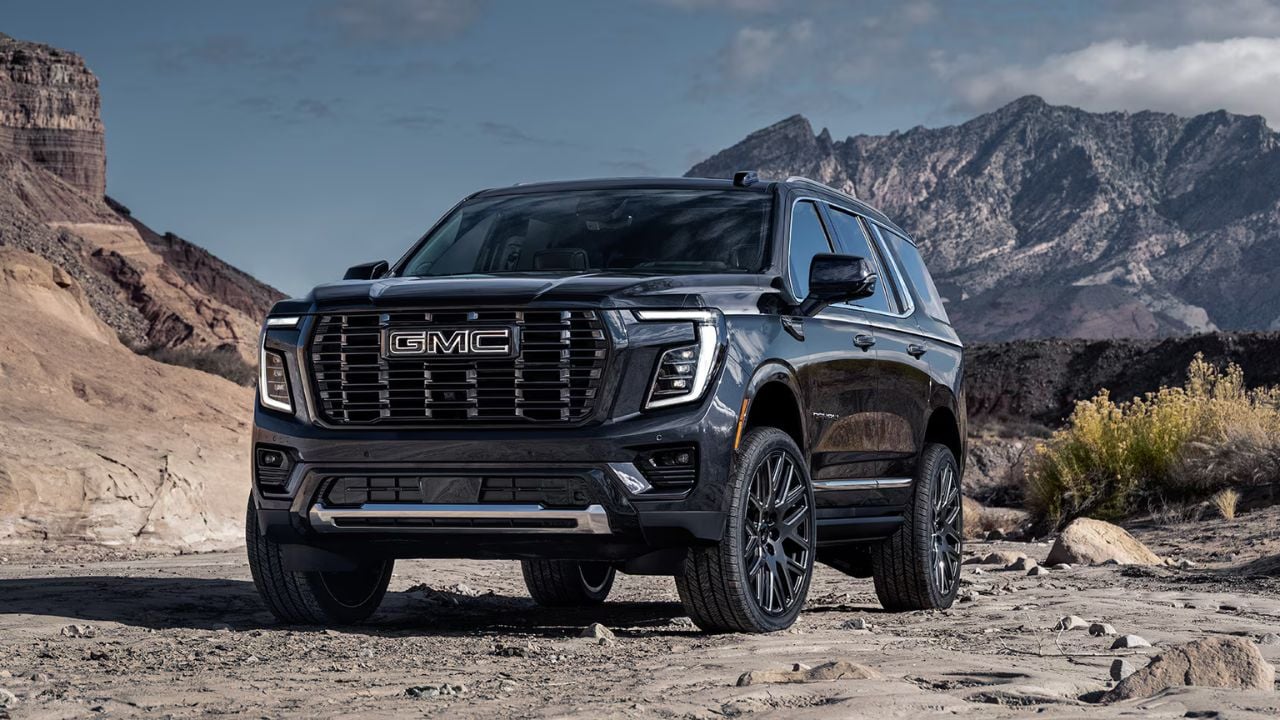
The Yukon Denali Ultimate takes a different route to the same destination. It does not try to dazzle with retro nostalgia or design drama. Instead, it leans into the kind of broad shouldered confidence GMC has refined for years, then loads it with the sort of details that make a luxury buyer stop and pay attention.
For 2026, Denali Ultimate starts at $103,900 and comes standard with a 6.2 liter V8, Air Ride Adaptive Suspension, Magnetic Ride Control, a 15 inch head up display, 16 way power front seats with massage, and a Bose 18 speaker sound system. GMC also gives it full grain leather and authentic wood details that make the interior feel far richer than the average full size SUV cabin.
This is one of those vehicles that gets more convincing the longer you sit in it. The first impression is size. The second is hush. Then the material quality starts to register, and the seat comfort, and the sense that GMC has taken real care with the details people actually touch. There is also a nice honesty to it.
The Yukon never forgets that it is a large American SUV, and that actually helps. It does not feel like it is borrowing somebody else’s luxury language. It speaks in its own accent. That makes the Denali Ultimate more memorable than many polished but generic premium crossovers, and a lot easier to justify for buyers who want comfort without any loss of presence.
Hyundai IONIQ 9 AWD Performance Calligraphy Design
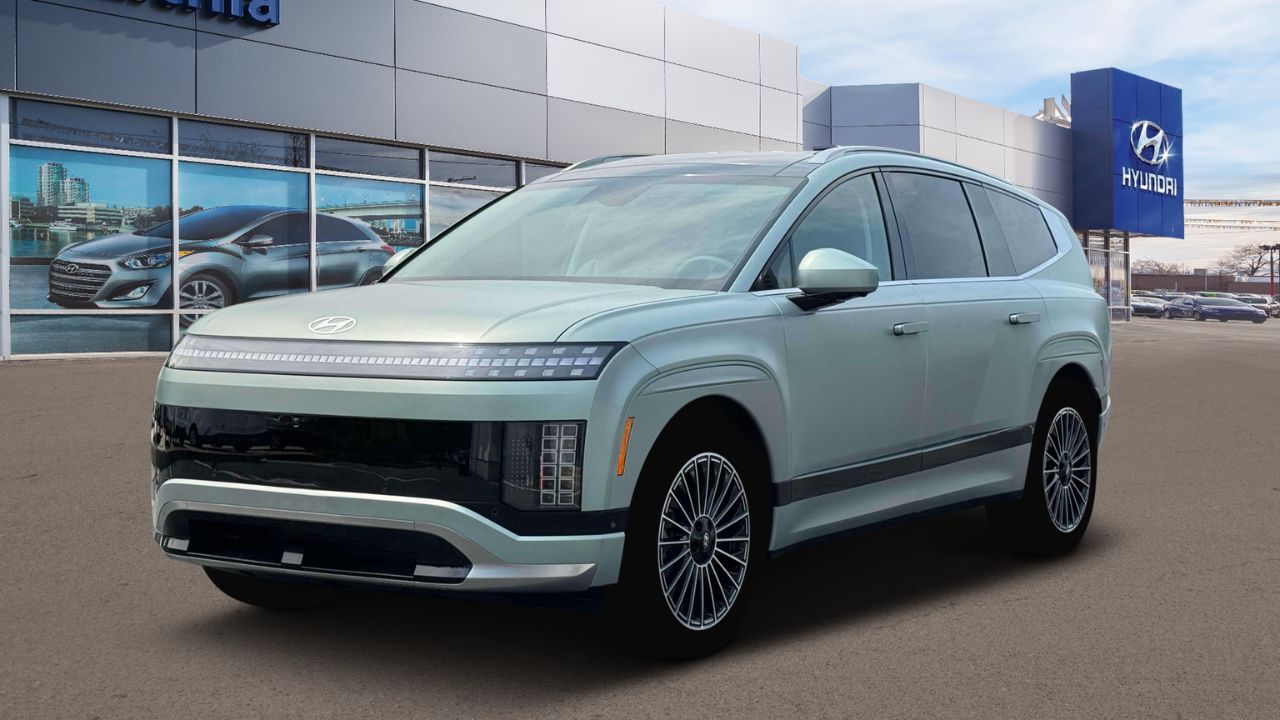
The IONIQ 9 Calligraphy Design is what mainstream luxury looks like after a hard reset. Hyundai did not build this cabin around old luxury cues like heavy wood and traditional sedan formality. It built a large electric family vehicle that feels airy, modern, and unusually well resolved. The 2026 IONIQ 9 starts at $60,555, while the top line AWD Performance Calligraphy Design reaches $78,090.
Hyundai says every IONIQ 9 offers more than 300 miles of EPA estimated range, and the model brings a panoramic curved display plus available relaxation seats in the first and second rows. Hyundai also highlights massage functions, a fully flat floor, and the kind of open, lounge like packaging EV architecture makes possible.
What makes the IONIQ 9 stand out is how confidently it avoids imitation. There is no obvious attempt to mimic a German luxury SUV from five years ago. Instead, Hyundai leans into space, clean design, and sheer ease of use. The result feels expensive in a very current way. It is quiet, visually light, and thoughtfully shaped around how families actually sit, stretch, charge devices, and disappear into a long drive.
That matters more than flashy trim ever will. If your idea of luxury includes serenity, modern architecture, and technology that does not immediately feel dated, the IONIQ 9 may be one of the smartest mainstream badge purchases in the entire market.
Nissan Armada Platinum Reserve
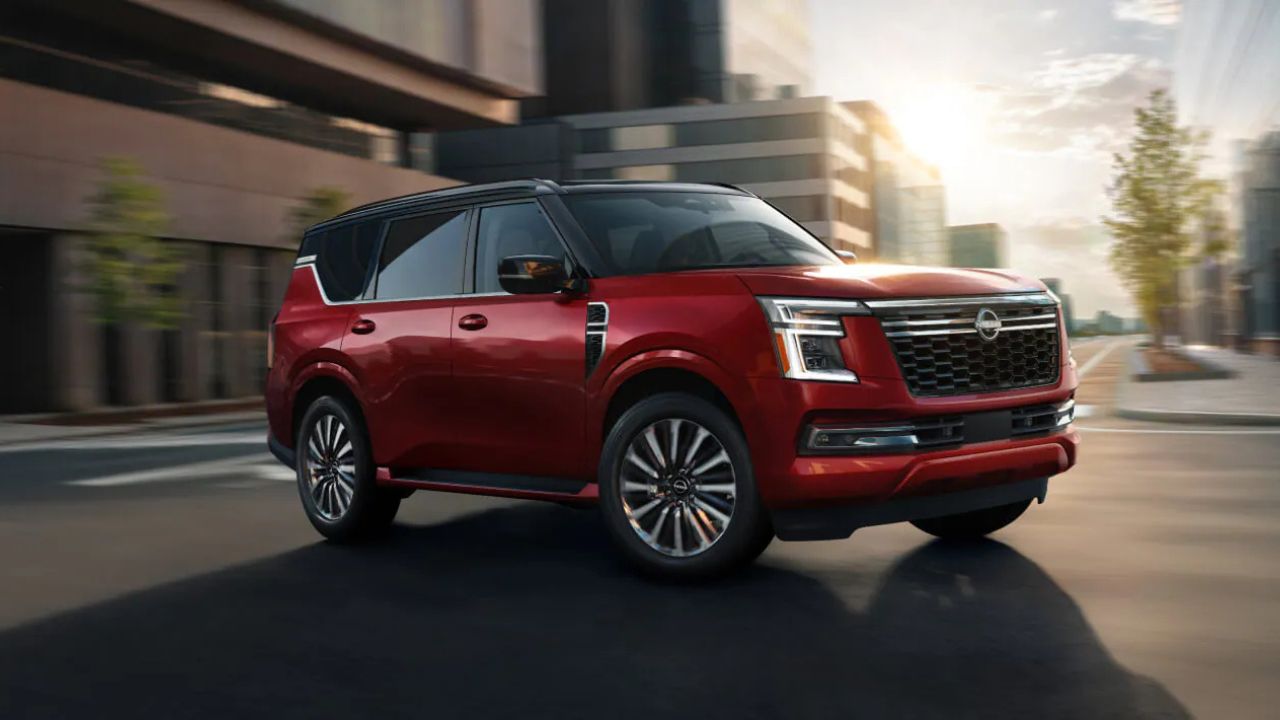
The Armada Platinum Reserve is one of the strongest reminders that old school full size SUV luxury still has real life in it. Nissan’s 2026 Armada Platinum Reserve starts at $77,550 and arrives with quilted leather appointed seats, a panoramic moonroof, massaging front seats, tri zone automatic climate control with biometric cooling, dual 14.3 inch displays, Google built in, ambient lighting, and available second row captain’s chairs. This is not a bare bones body on frame truck with a few comfort options sprinkled on top.
Nissan has put serious effort into making the cabin feel layered, plush, and genuinely upscale, especially in Platinum Reserve trim.
The luxury here feels very human because it is rooted in comfort first. Sit in the Armada and the vehicle’s mission becomes obvious. It wants people to relax. The front seats are meant to soothe, not merely support. The climate system is doing more work than usual. The interior colors and quilted trim are trying to warm up what can often be a very cold class of machine. That is why it belongs on this list. Plenty of large SUVs can feel expensive.
The Armada Platinum Reserve actually feels attentive, which is harder to fake. It still has the broad, commanding shape buyers expect, but inside there is much more softness and care than the badge might lead you to guess.
Kia EV9 GT-Line
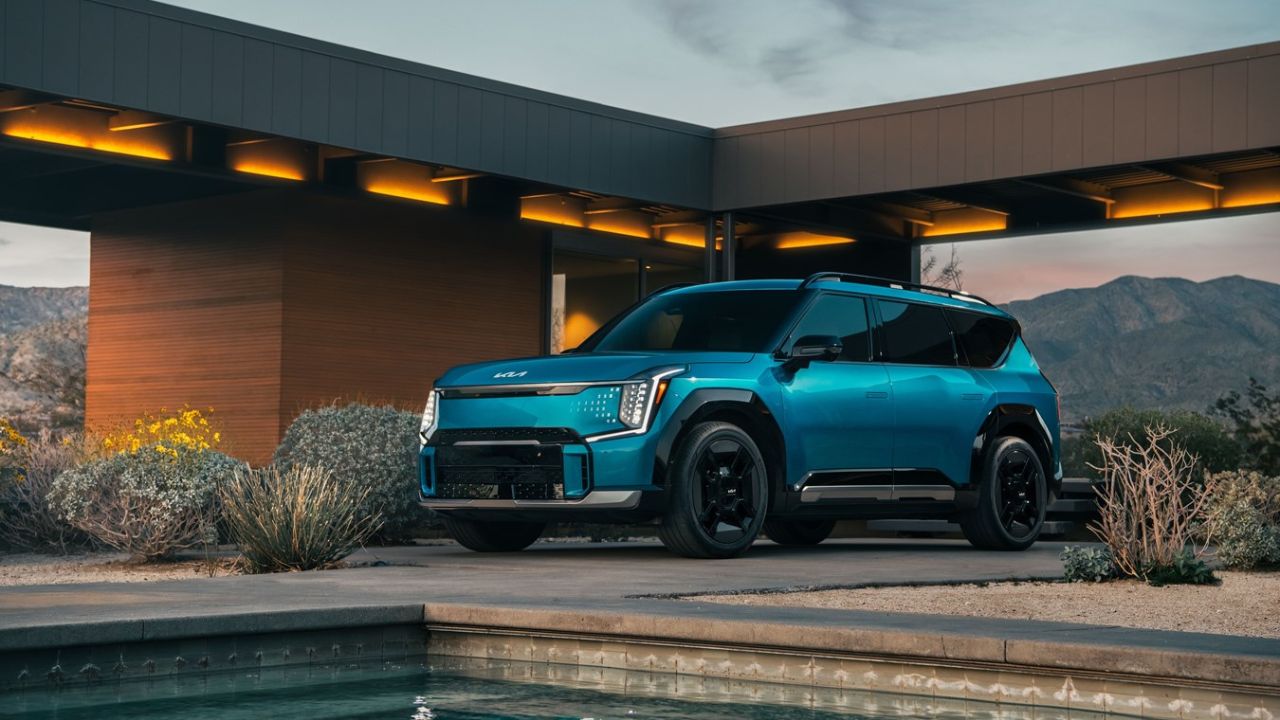
The EV9 GT-Line makes a very convincing case that an electric family SUV can feel premium without becoming stiff, dour, or overstyled. For 2026, Kia prices the GT-Line at $71,900 before destination, and official specs list 379 horsepower and 516 lb ft of torque.
The GT-Line also gets the richer visual treatment in the EV9 range, and Kia’s own feature materials have long emphasized items like the head up display, unique GT-Line interior treatment, premium suede headliner and pillar trim, and the broad, tech forward cabin that helped make the EV9 feel more ambitious than most mainstream three row SUVs the moment it launched.
There is a lot to like here beyond the spec sheet. The EV9 GT-Line feels expensive because it is composed. The seating position is high, the surfaces are modern without feeling cold, and the whole vehicle projects a kind of design confidence mainstream brands do not always manage when they aim high. That confidence matters. Luxury is partly about emotional ease.
You should feel like the machine has nothing to prove. The EV9 does that beautifully. It gives you the packaging and family usefulness of a large crossover, then layers on enough polish and visual sophistication to make the cabin feel like a destination rather than just a container. That is a big part of why it belongs in this conversation.
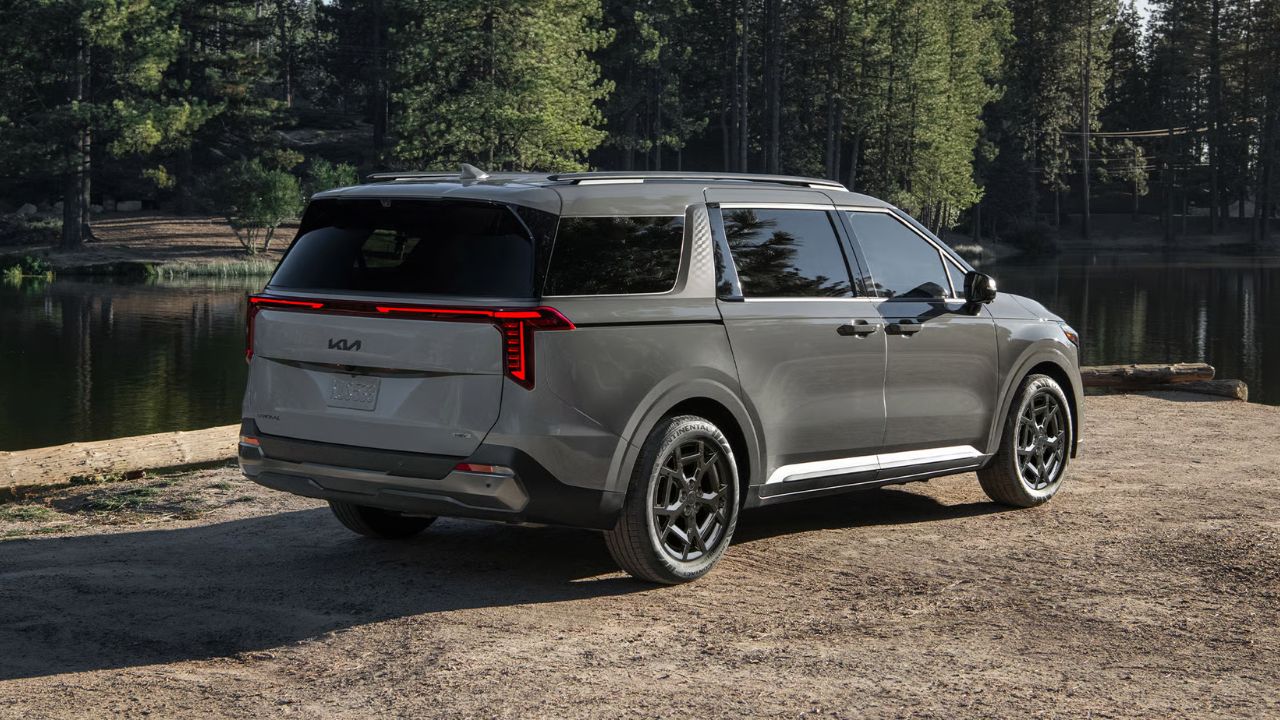
Kia Carnival Hybrid SX Prestige
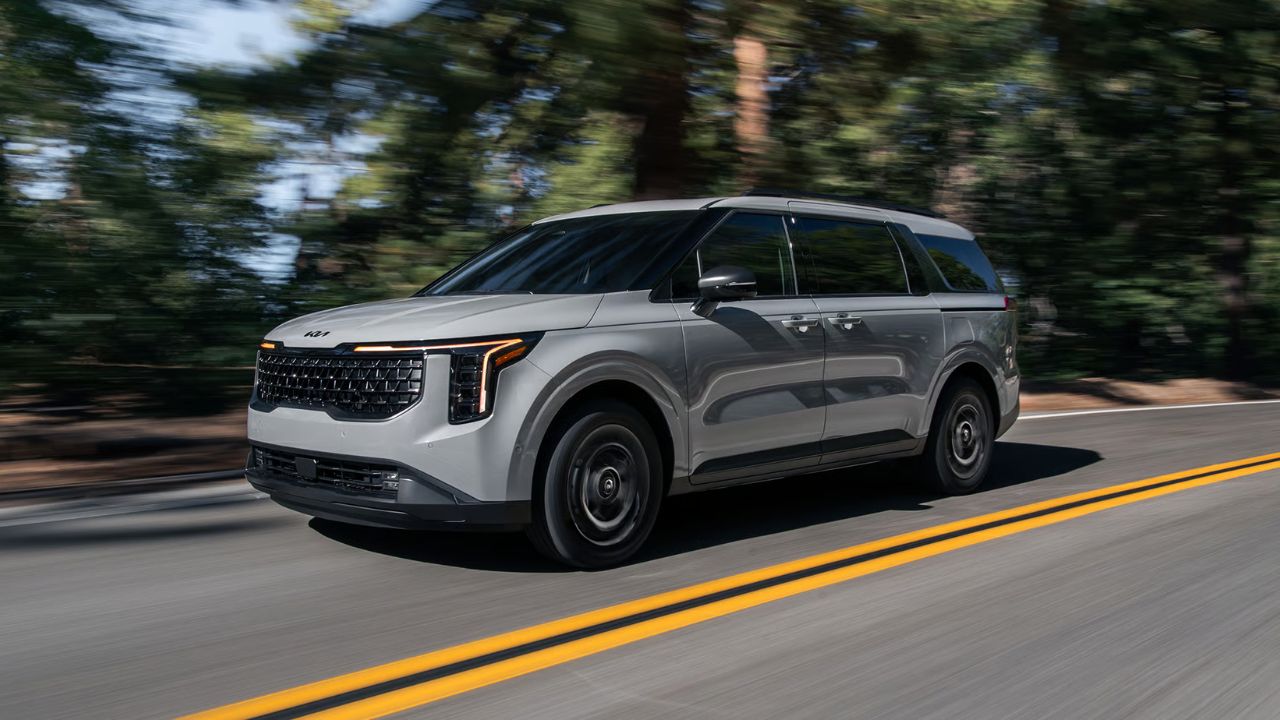
Would you rather have another three row SUV, or a family hauler that treats the second row like a business class seat? The Carnival Hybrid SX Prestige exists for buyers who already know the answer.
Kia prices the 2026 Carnival HEV SX Prestige at $53,490 before destination, and the model’s official materials highlight available VIP Lounge Seats with one touch relaxation mode, heat and ventilation, leg extensions, ambient mood lighting, hands free sliding doors, and the wide dual 12.3 inch display setup that has become one of the vehicle’s signature features. Kia also calls out available head up display and Bose audio, which pushes the Carnival even farther from old minivan stereotypes.
This is one of the best examples of practical luxury in the whole market. The Carnival does not ask you to choose between usefulness and pampering because it is designed around both. That makes it brilliant for families, but also for anyone who regularly carries adults in the second row and wants them treated like actual passengers rather than cargo with opinions.
The hybrid angle only strengthens the argument by making the vehicle easier to live with over time. What Kia has built here is not just a nice minivan. It is a highly competent people mover with a genuinely upscale streak, and that is a much rarer thing than it should be.
Mazda CX-90 3.3 Turbo S Premium Plus
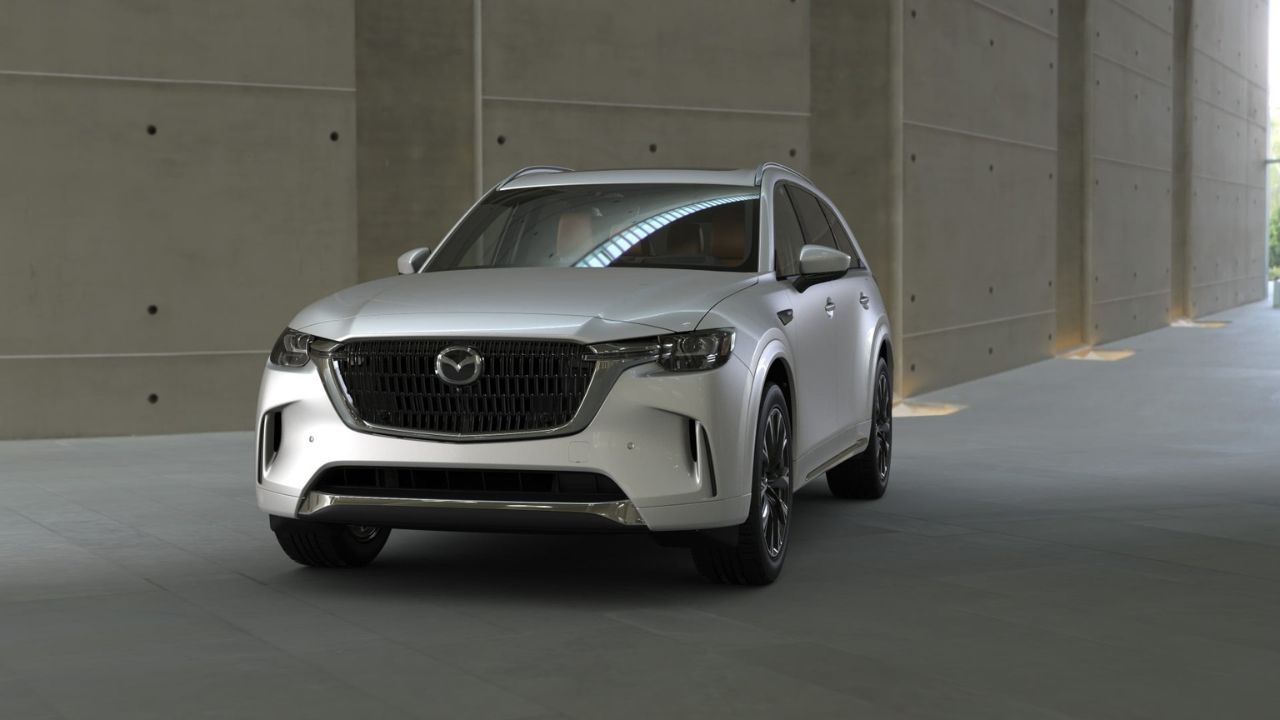
Mazda remains fascinating because it keeps trying to climb into premium territory without changing its badge, and the CX-90 3.3 Turbo S Premium Plus is the clearest proof yet that the effort is working. For 2026, Mazda shows the CX-90 3.3 Turbo S Premium Plus at $57,965 as shown, while the trim itself starts at $57,370 before destination.
The brand also notes that the top CX-90 can be had with standard second row captain’s chairs and a center console, while older official packaging details for the Premium Plus specification point to Nappa leather, heated second row seating, ventilated front seats, and a more intimate, carefully trimmed cabin than most direct rivals offer.
The CX-90 earns its place here because it approaches luxury through restraint rather than spectacle. Nothing about it feels desperate. The dashboard is clean, the materials are chosen with unusual care, and the whole interior has the quiet self belief of something far more expensive than its badge suggests. That is where Mazda’s best work lands.
The company does not try to bury you in gimmicks. It tries to make the vehicle feel thoughtful, balanced, and beautifully finished. In a segment where many mainstream three row SUVs chase luxury by simply getting larger and shinier, the CX-90 feels more adult. It is one of the few that can make you wonder whether paying more for a luxury badge is actually necessary.
Toyota Crown Signia Limited
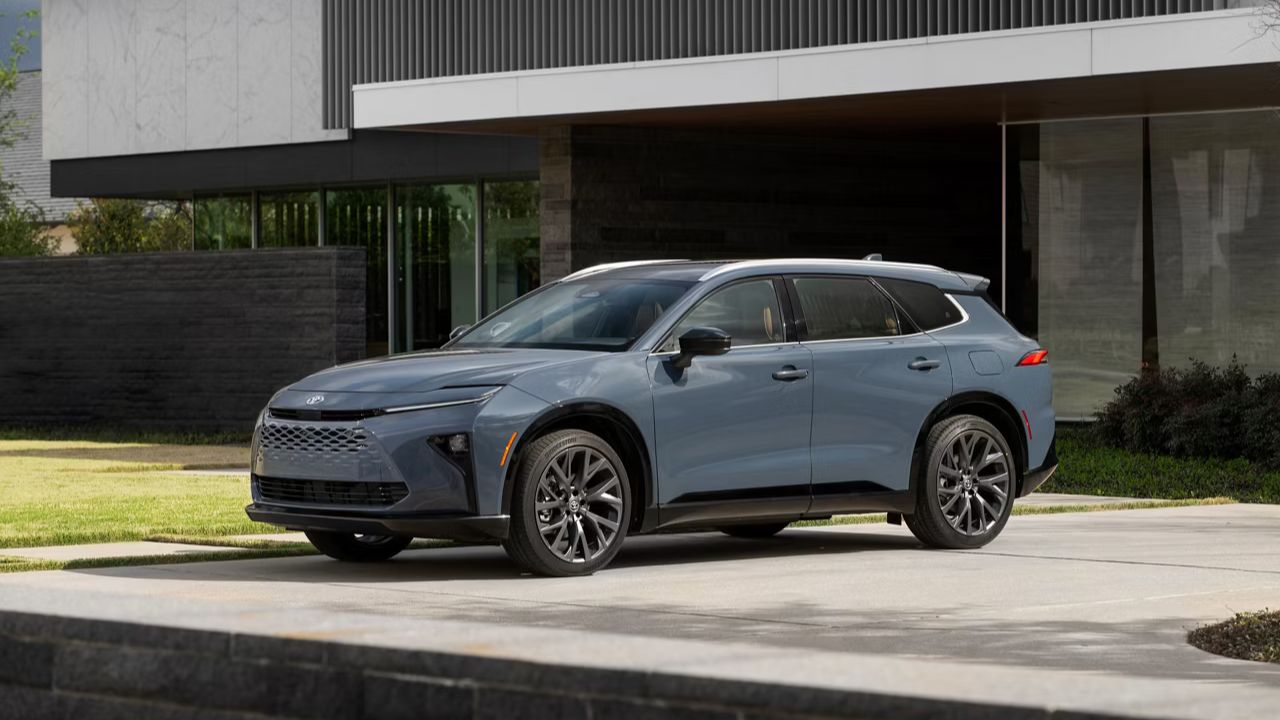
The Crown Signia Limited is not trying to be the loudest or most obvious luxury play on this list, and that is part of what makes it so appealing. Toyota’s 2026 Crown Signia starts at $44,490 for XLE and $48,890 for Limited, with standard hybrid all wheel drive, 240 combined net horsepower, and a manufacturer estimated 38 mpg combined.
More importantly for this article, Toyota gives the Signia a genuinely premium interior brief. Official materials call out leather trimmed seating, heated and ventilated front seats, an 11 speaker JBL system on the Limited, a fixed panoramic roof, acoustic front side glass, careful sound insulation, and a “calm atmosphere conducive to easy conversation” rather than a cabin built around raw decibel bragging.
That last part is why the Crown Signia belongs here. Luxury is not always about opulence. Sometimes it is about ease. This Toyota gets that. It feels elegant in a way mainstream brands often overcomplicate.
The seating position is slightly elevated, the cargo space is useful, and the whole vehicle carries itself with a quiet dignity that feels almost old world by current standards. It is the kind of car that wins people over slowly. First with its design, then with its comfort, then with the realization that it has become a very pleasant place to spend time. There is real value in that sort of understated richness, especially now.
Chrysler Pacifica Pinnacle
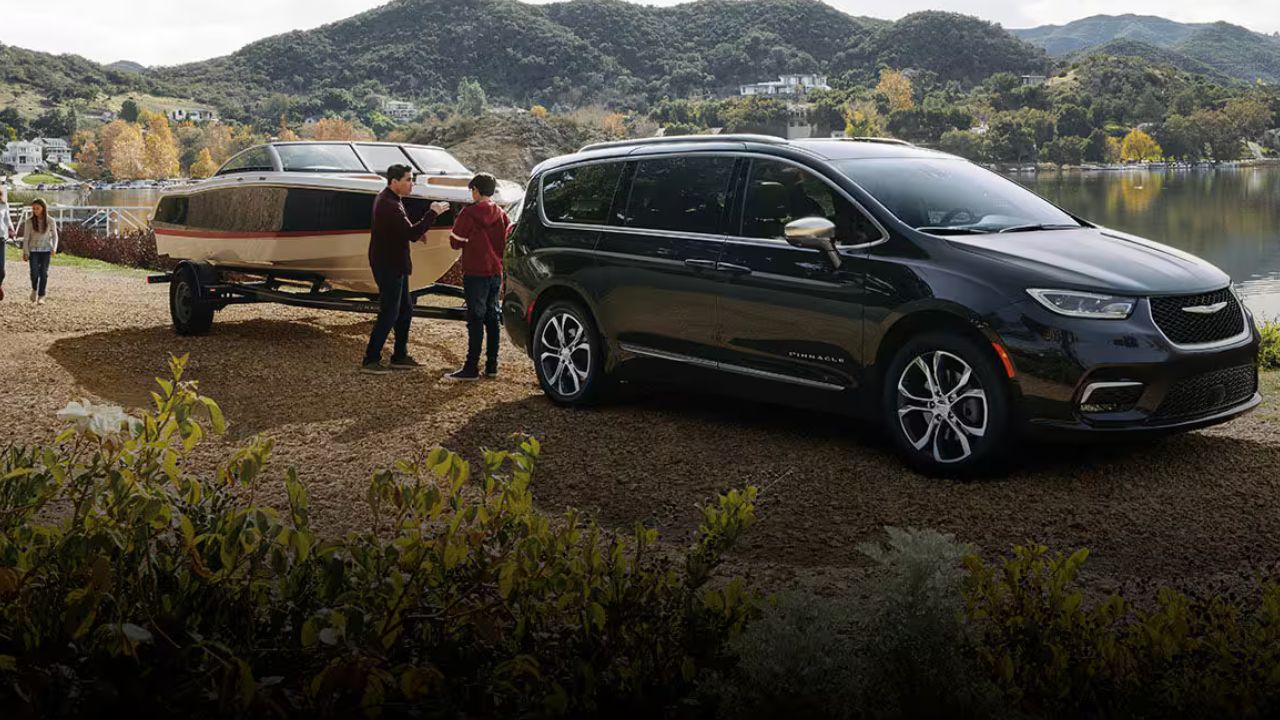
The Pacifica Pinnacle may be the most literal example of luxury hiding in plain sight. Chrysler itself calls Pinnacle the highest expression of luxury in the Pacifica line, and the 2026 model’s design page explains why. You get quilted sepia Nappa leather trimmed seats, platinum chrome accents, designer 20 inch polished wheels, and a cabin clearly meant to feel more boutique than school run.
Pricing on Chrysler’s 2026 consumer site starts the Pinnacle at $56,095, which is serious money for a minivan, but the interior ambition is equally serious. The whole point is to take one of the most practical shapes in the market and make it feel indulgent rather than merely sensible.
There is a lot of intelligence in that idea. A minivan already solves family life better than most SUVs. When you add rich materials, visual warmth, and truly comfortable seating, the result can feel more luxurious than many prestige crossovers that cost more but serve their passengers less well. That is the Pacifica Pinnacle’s trick. It uses the minivan format to create a genuinely useful kind of comfort.
The low step in, the sliding doors, the packaging, the easy access to every row, all of it supports the luxury story instead of competing with it. In a market that often confuses height with status, the Pacifica Pinnacle remains one of the smartest upscale family vehicles around.
Toyota Sequoia Capstone
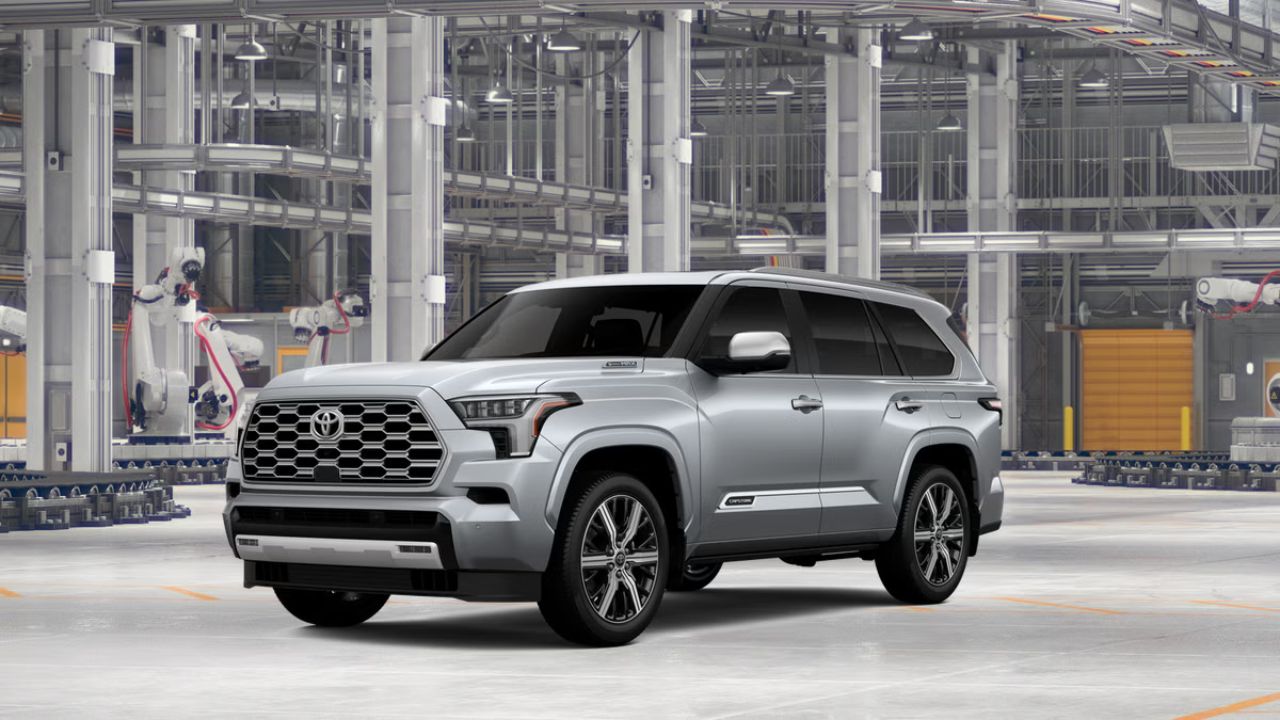
The Sequoia Capstone rounds out this list because it represents a very American version of mainstream luxury: big, capable, expensive feeling, and happier than most full size SUVs to look slightly overbuilt.
Toyota’s consumer site lists the 2026 Sequoia Capstone at $85,235, and the model pairs that flagship role with the hybrid i FORCE MAX powertrain and an upgraded interior. Toyota’s 2026 Sequoia press materials say the Capstone now gets a revamped cabin with Shale premium textured leather trimmed seats, while the model page positions it as the range topper with 22 inch wheels and the most polished presentation in the lineup.
The Capstone works because it does not try to hide its truck roots. It simply dresses them far better than most rivals do. That creates a different mood from the smoother, more urban luxury vehicles here, but not an inferior one. The Sequoia still feels substantial in the best sense of the word.
You sit high, see far, and get the sense that the vehicle was built to be used hard while still keeping its passengers cocooned in comfort. There is a buyer for that exact combination, especially in America, and Toyota serves them extremely well with the Capstone. It is not delicate luxury. It is durable luxury, which can be just as satisfying.
Why Mainstream Luxury Feels More Interesting Now
What makes this group compelling is not just the equipment count. It is the confidence. None of these vehicles is apologizing for its badge. The best ones are not trying to impersonate legacy luxury brands in a cheaper suit.
They are taking the strengths mainstream automakers already understand, family packaging, durability, long distance comfort, intuitive tech, big cabins, honest usability, and then giving those strengths richer materials, quieter tuning, and more thoughtful details. The result is a kind of luxury that often feels more relaxed than the traditional prestige playbook. It is less about ceremony and more about living well.
That may be the real surprise here. The plushest new vehicle from a mainstream brand is no longer a curiosity. It is often one of the smartest places to spend money if your priorities are comfort, space, and a cabin that makes every drive feel slightly easier. The badge on the nose still matters to plenty of buyers, and it always will. But if the question is where genuine luxury now lives outside the obvious premium marques, these 10 make a very strong case that the answer is broader, more creative, and much more interesting than it used to be.