
Baby animals can turn a normal trip into a core memory, but only if you plan like an adult and behave like a respectful guest. The reliable strategy is to pick destinations where young animals appear on predictable seasonal cycles, or in accredited facilities that publish updates. That way you are not gambling your vacation on a random viral clip. You are building the itinerary around real biology, real calendars, and real rules.
“Meet” should mean observing at the right distance, not chasing contact. Many babies depend on parents nearby, and human pressure can disrupt feeding, resting, or survival. The good news is that ethical viewing is often the easiest viewing, because it usually comes with guides, signage, and clear boundaries. Follow those, and the experience stays magical instead of messy.
1. Harbor Seal Pups
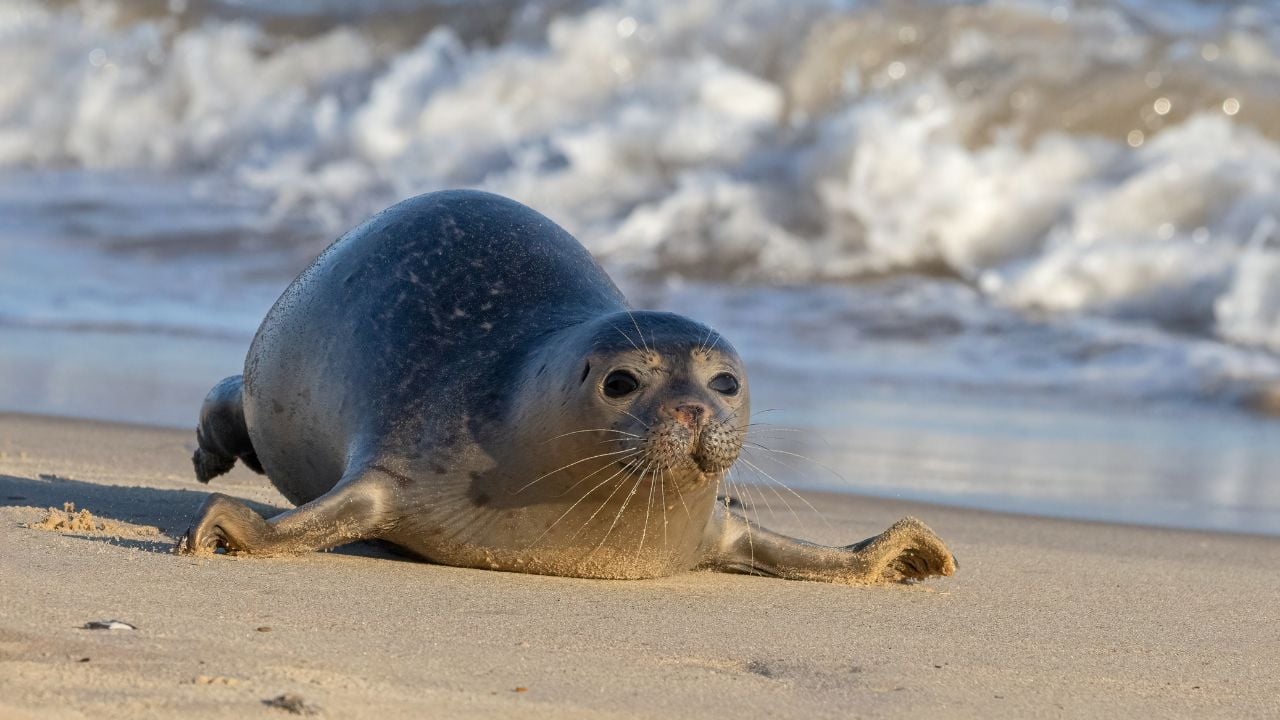
Harbor seals pup in early summer in parts of the North Atlantic, and Scotland is one of the clearest examples for timing. NatureScot notes that females give birth in June and July, and that pups can swim almost immediately. That means a simple coastal trip in early summer can line up with genuine pup sightings without any gimmicks. You are looking for sheltered haul-out areas and quiet shorelines where seals rest between foraging trips.
A smart way to watch is from a viewpoint, a marked path, or a responsible boat that keeps well back. Welfare guidance stresses distance because a pup alone is not automatically abandoned, and mom may be hunting nearby. Keep dogs away, avoid blocking the route to water, and use binoculars instead of your feet. If the seal changes behavior because of you, you are already too close. The best souvenir here is patience, not proximity.
2. Sea Turtle Hatchlings
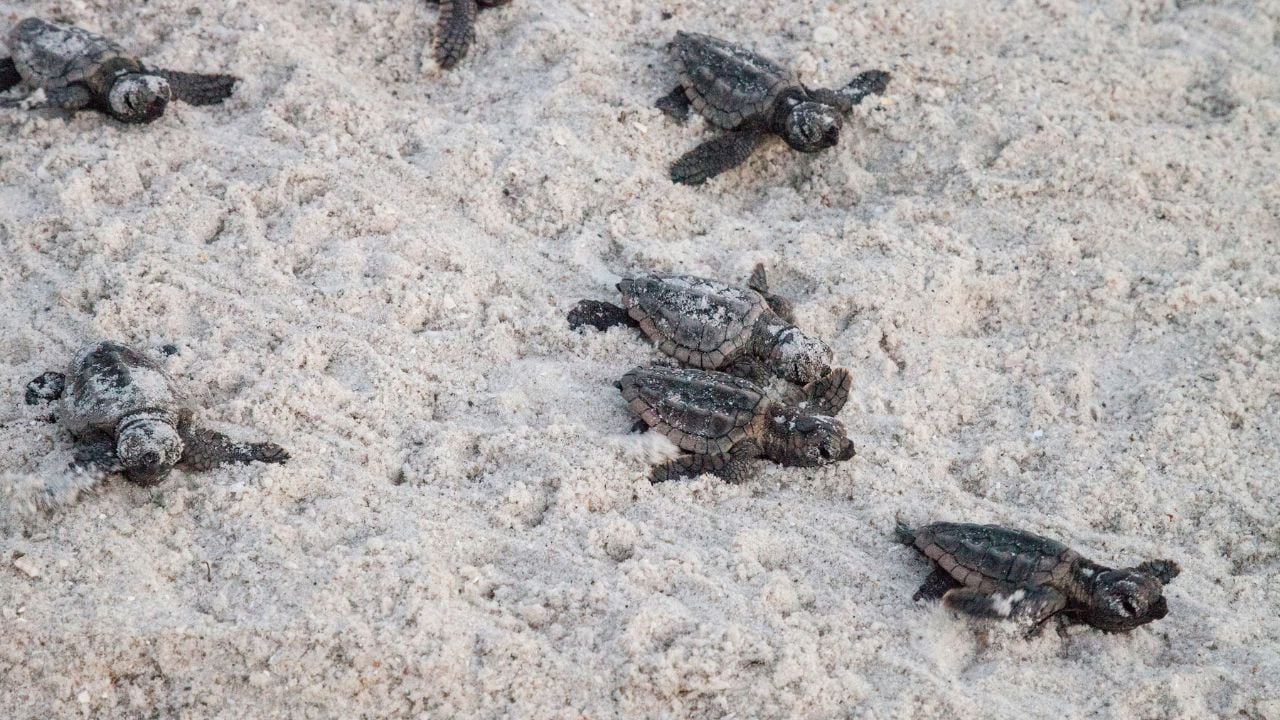
Sea turtle hatchlings are tiny, frantic, and determined, which is a great combo for human awe. In Florida, many local programs define nesting season as spring through fall, with some local guidance running as early as April 1 through October 31. Miami Beach’s annual sea turtle nesting-season update is one clear example of the calendar and rules visitors are expected to follow. After eggs are laid, incubation is commonly described as roughly 45 to 70 days, depending on conditions. Miami-Dade’s Film & Permitting guidance includes that 45–70 day incubation window in its public nesting-season overview.
The rules matter because hatchlings navigate using natural light cues, and artificial light can disorient them. Choose an organized, permitted experience when possible, and follow local guidance on lighting and beach behavior. National Park Service Kemp’s ridley hatchling work at Padre Island National Seashore is a good example of a structured, protection-first program. NPS details the Kemp’s ridley conservation and recovery work at Padre Island National Seashore. Keep flash off, stay quiet, and do not try to “help” by touching or picking them up, since disturbance is commonly prohibited.
3. Penguin Chicks
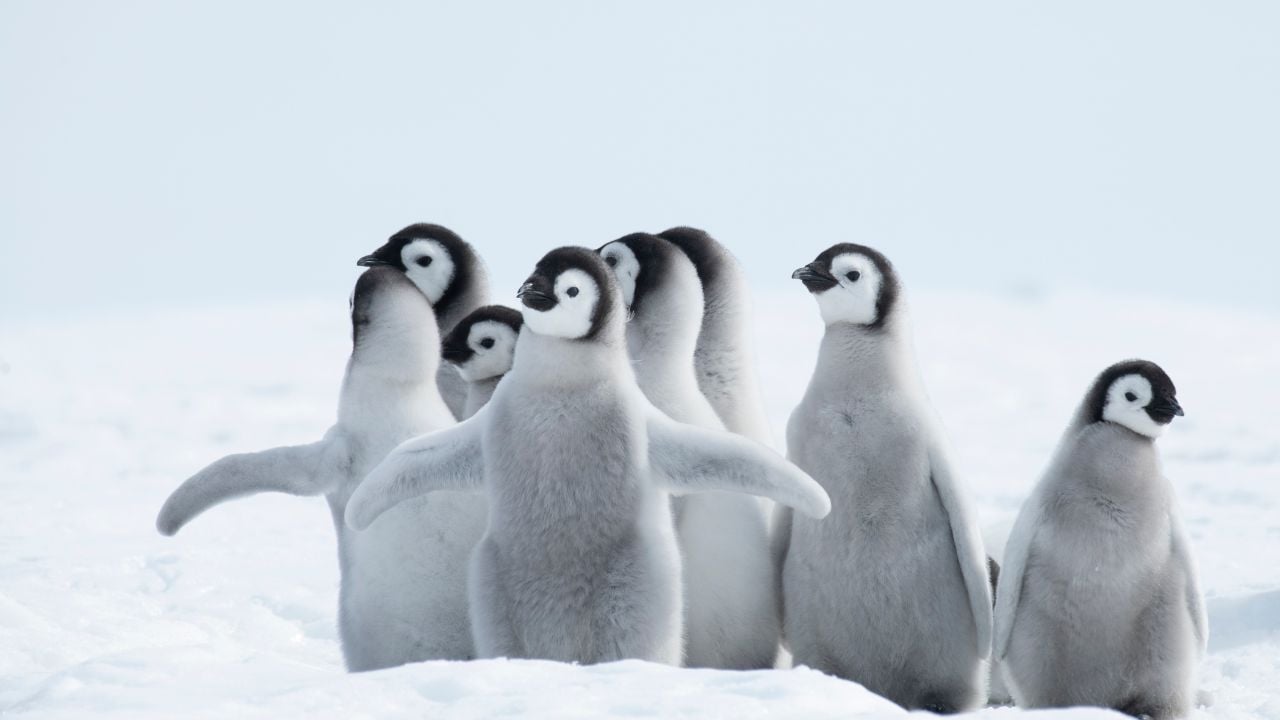
Penguin chicks look like fuzzy little philosophers who have opinions about the wind. The most famous baby sightings happen on regulated expeditions in sub-Antarctic and Antarctic regions, where colonies can be visited under strict conduct rules. That structure is exactly what you want, because it keeps viewing ethical and predictable instead of chaotic.
Your job on-site is to be boring in the best way, meaning slow movements, low noise, and no crowding. Keep paths clear so birds can move between nests and the sea, and never position yourself as an obstacle. Antarctica visitor rules are designed for this exact problem: lots of humans, fragile wildlife, and a need for clear boundaries. The General Guidelines for Visitors to the Antarctic (hosted by IAATO) lay out the “don’t disrupt wildlife” basics in plain language. When the colony stays relaxed, you get better behavior to watch anyway.
4. Pufflings (Baby Puffins)
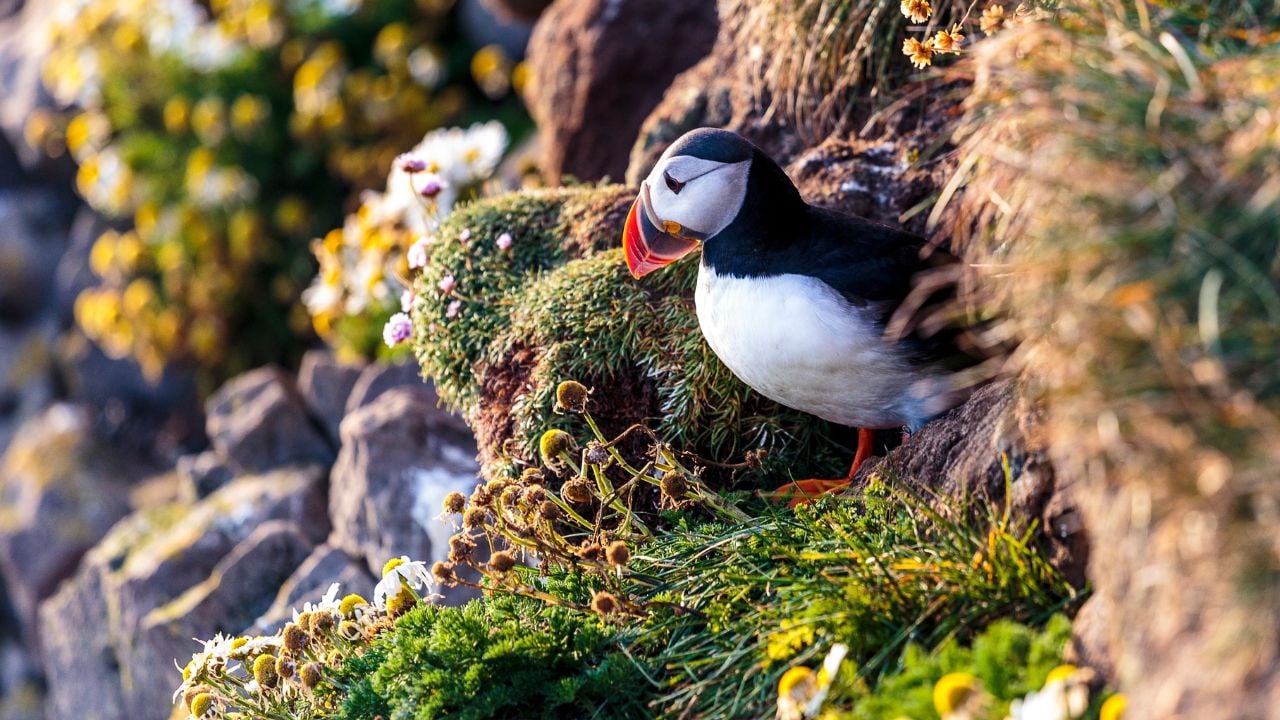
Puffin chicks, called pufflings, are a late-summer obsession in parts of Iceland, especially the Westman Islands. Local coverage describes nights when young puffins can become disoriented by town lights, and residents collect them to help them reach the sea. It is not a staged attraction, it is a community habit shaped by geography and lighting.
To keep this ethical, treat it as conservation support, not a toy hunt. A good sign is when the effort is framed as rescue and release, with clear community rules and welfare-first handling. SEA LIFE Trust coverage explains the community-led “Puffling Patrol” idea and why it exists. Follow local instructions closely, handle only if you are explicitly guided to do so, and keep the bird secure and shaded until release time. If a place sells pufflings as a guaranteed hands-on experience, walk away.
5. Red Panda Cubs
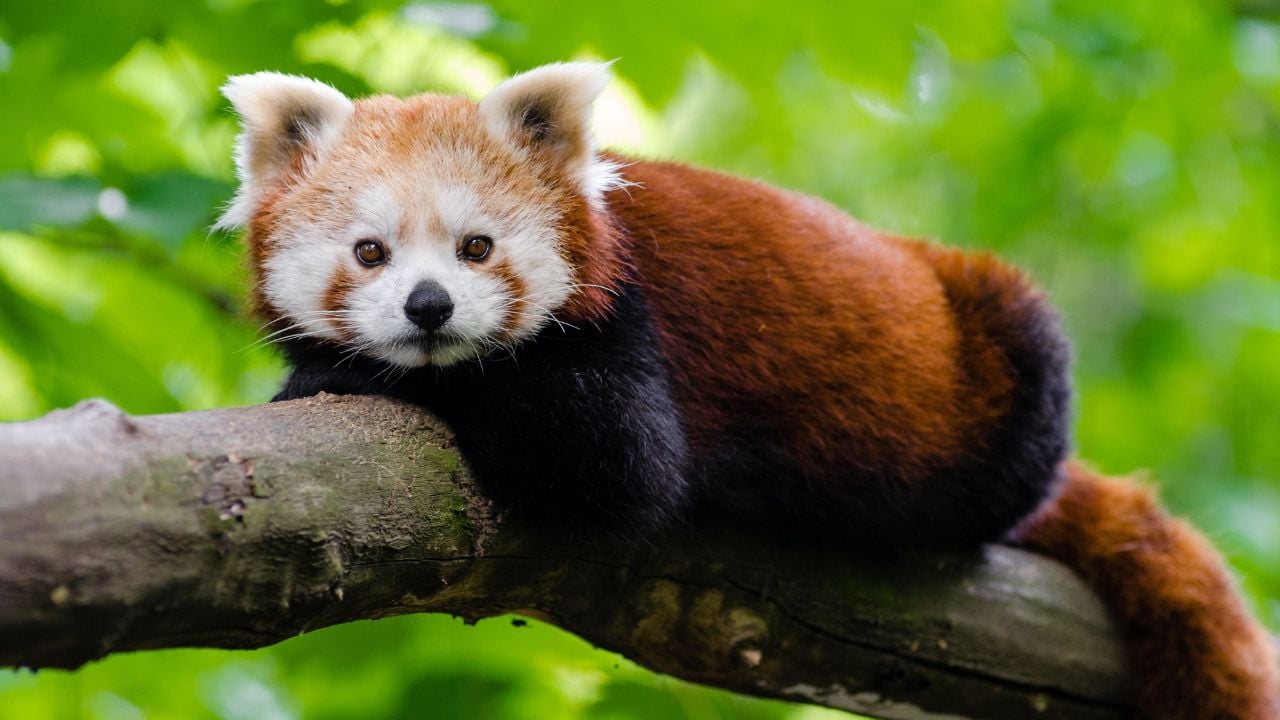
Red panda cubs are the sort of cute that makes people forget how to use indoor voices. In real-life travel terms, the most dependable way to see young red pandas is through reputable zoos that share birth updates and manage viewing carefully. Planning around official announcements beats guessing, because cubs are often kept off exhibit early on, and that is normal.
Use accreditation as your filter, because it helps separate serious animal care from ticket-first operations. AZA explains that accreditation involves a thorough review and inspection against standards that include animal welfare and care. AZA’s accreditation overview explains what “accredited” is supposed to mean. Choose accredited facilities, then watch for posted updates on cub visibility. The best visits support proper care and still feel magical.
6. Kangaroo Joeys
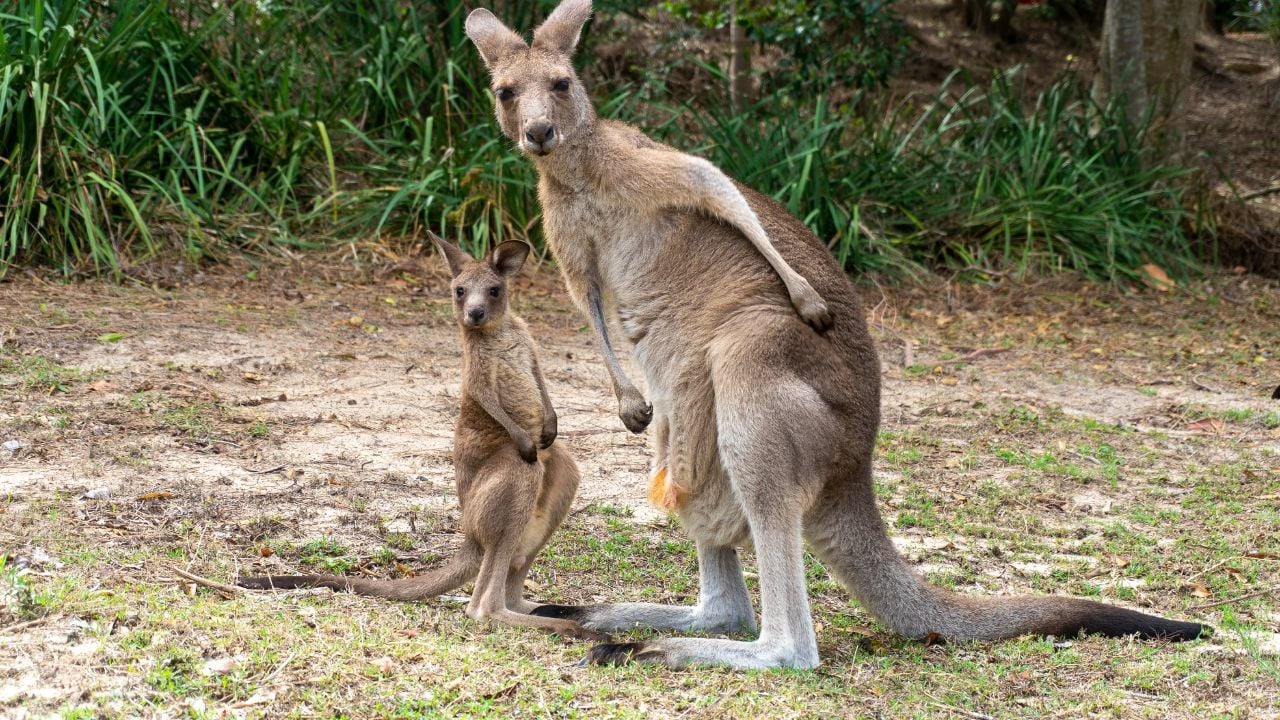
Kangaroo joeys are basically pocket-sized science fiction, because the pouch phase is real and visible. In Australia, joeys are commonly seen in wildlife parks and sanctuaries, and sometimes in wild settings where kangaroos are used to people. The Australian Museum notes that at about nine months a joey begins to leave the pouch, while continuing to suckle. That detail matters because it tells you what to look for: frequent pouch peeks, then short practice hops close to mom.
The cleanest encounter is at a well-run wildlife facility that prioritizes spacing and low-stress viewing. Avoid places that market constant handling, since that can push animals into unnatural routines. In the wild, stay on paths and give animals an exit route, because a stressed parent will move off fast. When you keep distance, you often get longer, more natural behavior to watch.
7. Ring-Tailed Lemur Infants
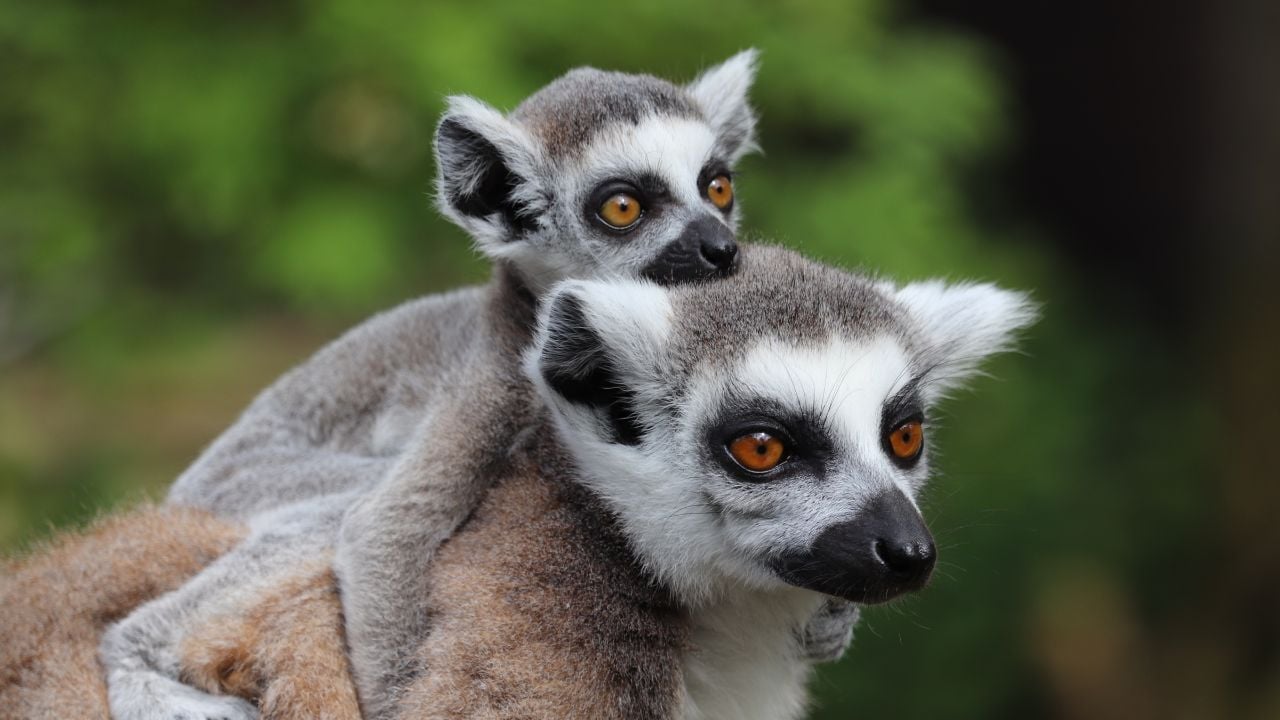
Ring-tailed lemur babies look like they are born ready to cling, climb, and judge your footwear. Late summer can be a logical window for infant sightings in settings that follow natural cycles. PBS Nature’s ring-tailed lemur fact sheet outlines the seasonal timing (mating and births) that creates a real planning anchor. If you are traveling to Madagascar, choose reserves and guides that emphasize non-contact viewing.
For most travelers, the most reliable option is a reputable zoo or conservation park with lemurs and transparent husbandry practices. Babies often ride on mom’s belly and later on her back, so you can spot them without leaning in or tapping glass. Keep movements slow, since primates can be sensitive to noise and crowd pressure. Skip any place that encourages feeding or direct contact. Quiet observation wins here, and the photos tend to look better because the animals look relaxed.
8. Meerkat Pups

Meerkat pups are tiny chaos engineers who grow up into sentries with strong opinions about their neighborhood. The early timeline is part of the appeal: pups stay tucked away, then start showing up above ground in that “new to daylight” wobble stage. Happy Hollow’s meerkat profile notes the short gestation and the “about three weeks” window when pups begin leaving the burrow. When you know that, you stop expecting instant baby sightings right after a birth announcement.
Your best travel play is to pick a facility with a well-designed meerkat habitat that supports digging and group dynamics. Arrive earlier in the day when animals tend to be more active, then settle in and watch the social choreography. Do not bang on viewing panels or try to get their attention, because it stresses the group and ruins the vibe. Let the pups come out on their schedule.
9. Giraffe Calves

A giraffe calf is born into a world where the ground is very far away, and it handles that problem immediately. Giraffe gestation is long (around 15 months), and calves are typically up on their feet quickly after birth. If you want to see a calf, you are usually looking at zoos and large wildlife parks that share birth updates. The “new arrival” posts are your friend here.
Choose facilities that manage crowd size and keep new calves protected from constant attention. Many places restrict viewing early on, and that is a green flag for welfare. Stay behind barriers, keep your voice low, and do not do the wave-and-shout routine people try with tall animals. If you are traveling in East Africa, look for reputable safari operators that follow wildlife viewing ethics and do not push vehicles too close.
10. Alpaca Crias

Alpaca babies, called crias, look like plush toys that learned to bounce. In practical travel terms, the most realistic way to meet crias is through farms and breeders that welcome visitors during birthing seasons. Alpaca reproduction summaries commonly cite a long gestation (around 11 months), and some husbandry guidance notes that births typically happen during daylight hours. A veterinary review on camelid reproduction discusses the long gestation range, and Alpaca Association New Zealand notes alpacas usually give birth during daylight hours (often before 2 p.m.), which is the pattern many breeders plan around.
Pick a farm that takes hygiene and space seriously, because newborns are vulnerable to stress and disease. The best visitor setups use clear boundaries, small groups, and rules that protect both animals and guests. Expect a lot of watching and a little less touching, which is how it should be when babies are involved. Bring patience, because crias often alternate between bursts of energy and long naps.
A final note for 2026 planning: use official pages, recent updates, and on-site rules as your reality check, because animals do not read marketing copy. When you plan around seasons and welfare-first venues, the “meet” becomes a real encounter, not a forced moment. That is how you get the cute, keep it ethical, and avoid the kind of mistakes platforms love to flag.