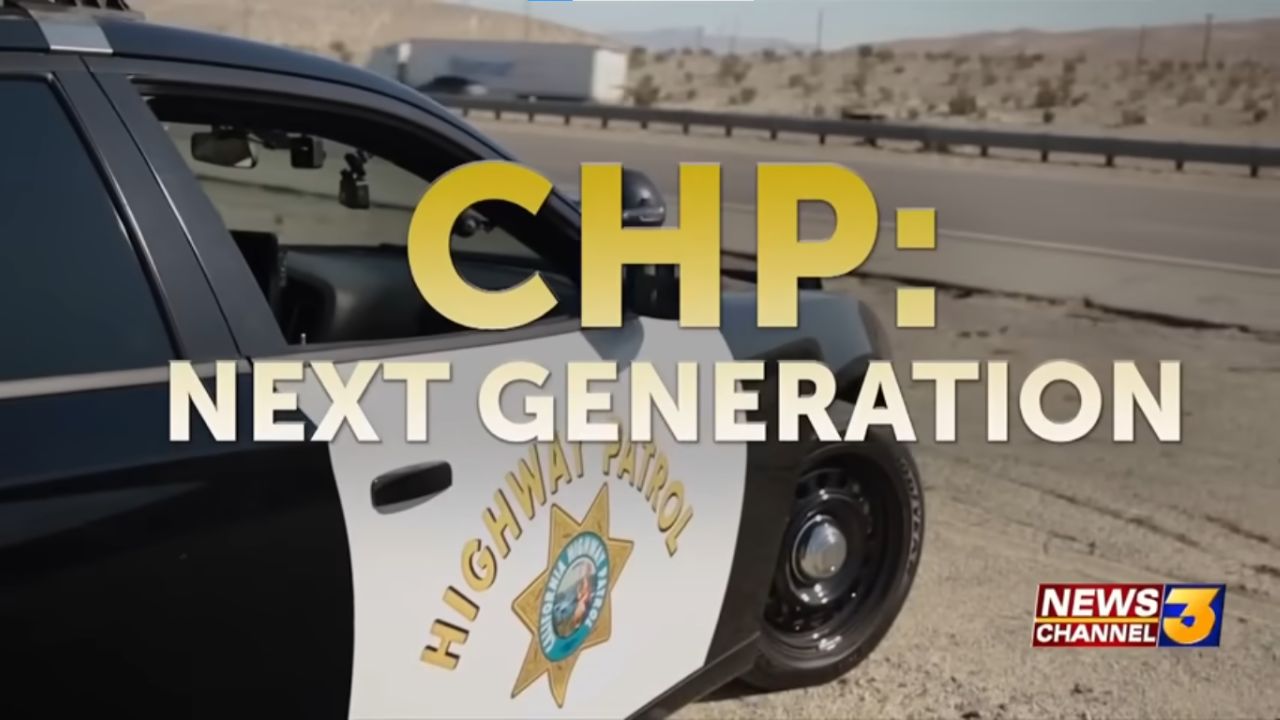

California’s highways are becoming more dangerous, and the numbers are no longer easy to ignore. The California Highway Patrol reports roughly 400,000 crashes each year, with speeding involved in nearly a third of them.
Fatalities are climbing. Major injuries are rising. Aggressive driving, distracted motorists, and reckless lane changes have become an everyday hazard on roads like Interstate 10.
Now the agency is fighting back with a new kind of patrol vehicle, one designed not to stand out, but to blend in.
The Stealth Fleet
In what officials describe as a next generation enforcement strategy, CHP is rolling out 100 specially marked, low-profile SUVs across the state.
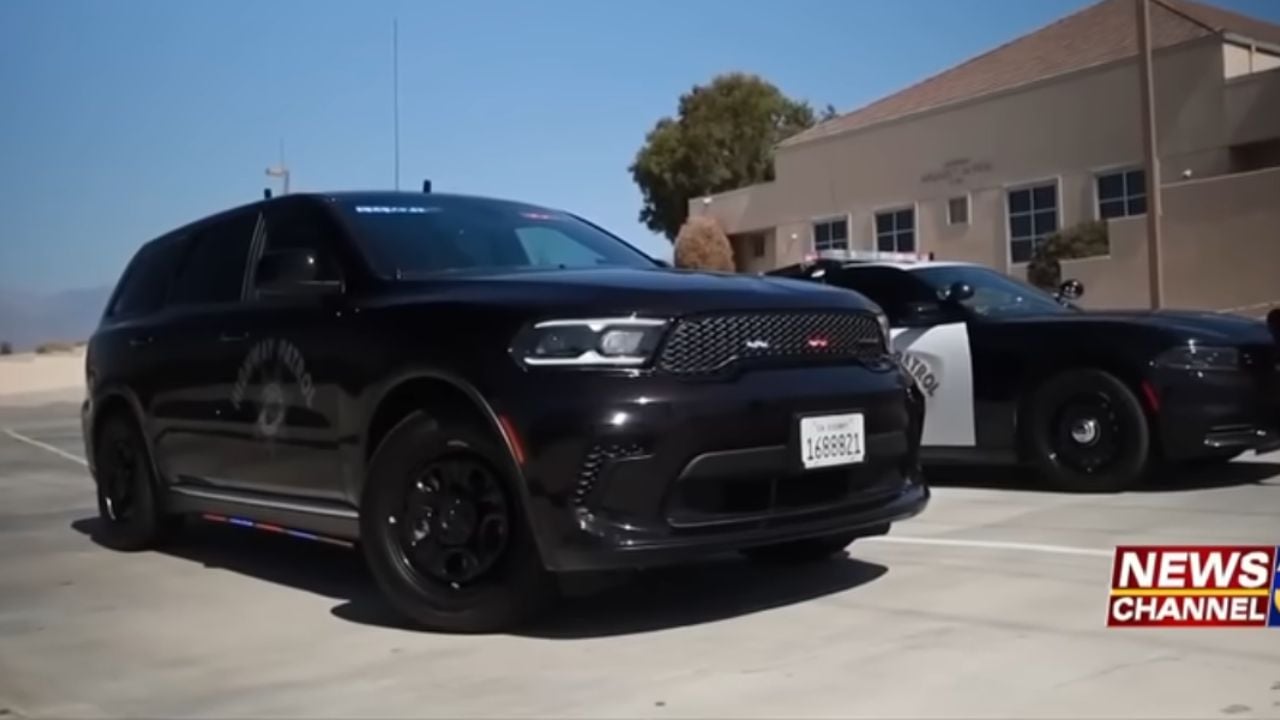
Unlike the traditional black and white cruisers that drivers instinctively spot from hundreds of yards away, these are subtle, nearly incognito vehicles meant to catch the most dangerous offenders before they cause a deadly crash.
The first impression these new units make are that of ordinary civilian SUVs. The giveaways are deliberate and restrained. Smaller antennas. Interior mounted light bars. No push bumpers. No prominent spotlights.
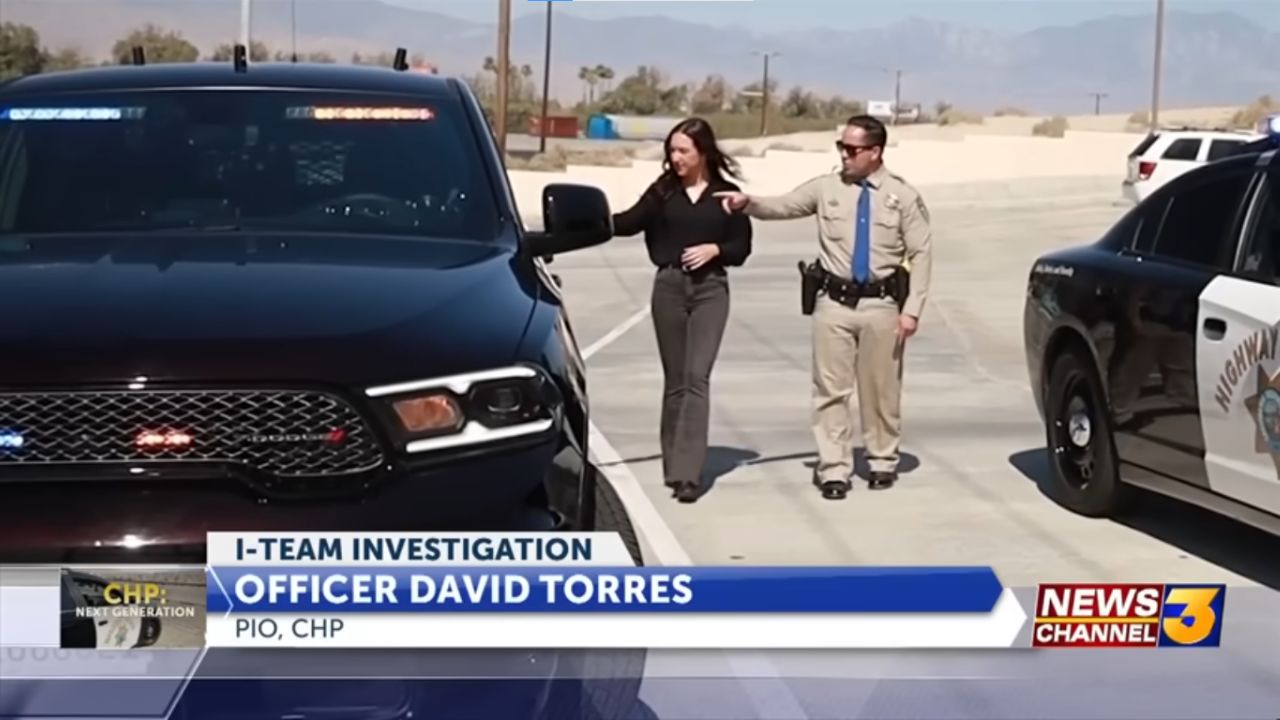
Some carry doors that match the body color rather than the high contrast white panels typical of CHP’s long standing patrol design.
Each CHP office in California will receive at least one of these vehicles. In Indio, that means a maroon Dodge Durango joining the fleet. The goal is supposedly not to write tickets for minor infractions. Officers say these SUVs are specifically intended to target aggressive, reckless, and distracted drivers whose behavior presents the greatest risk to others.
Rules of Engagement
There are guardrails around how the vehicles can be used.
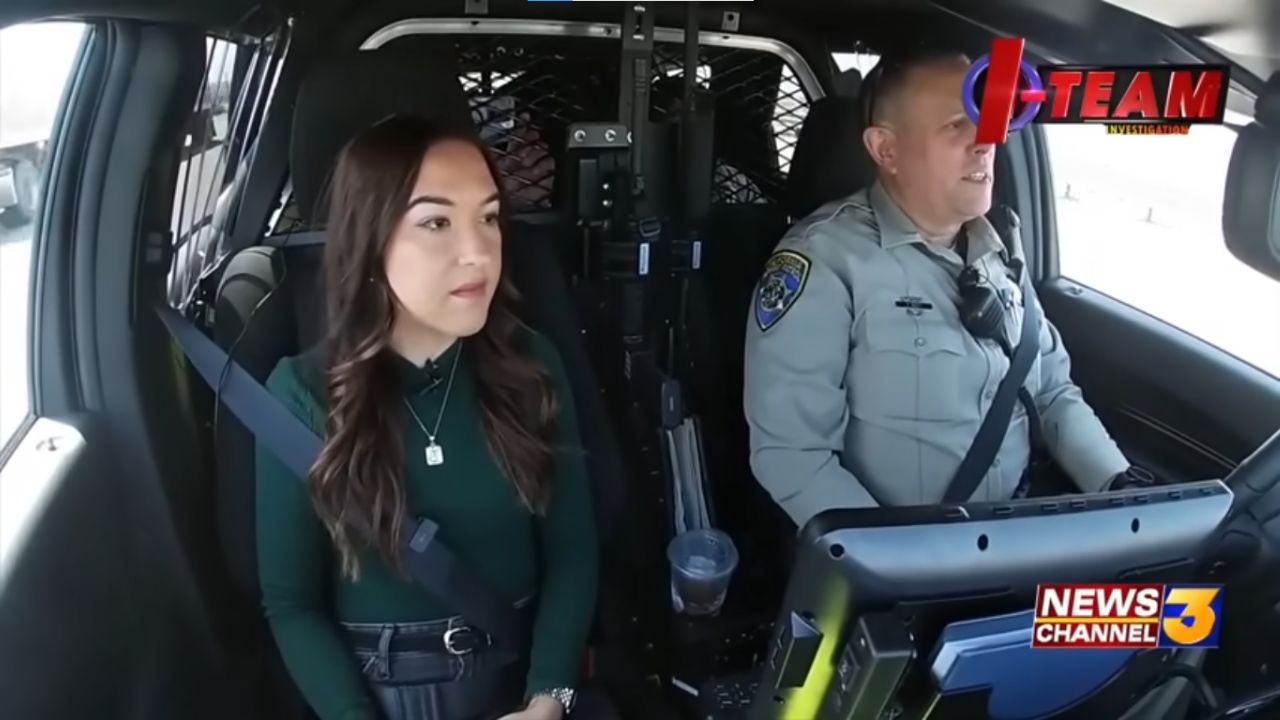
The low-profile units must be in motion to enforce traffic violations. They cannot operate at night. Officers driving them must wear standard CHP uniforms and cannot act undercover. This is not a stealth sting operation. It is visible enforcement, just less predictable.
During a recent ride along on I-10, the difference became obvious within seconds. Cars flew past the low-profile Durango at 10 to 15 miles per hour over the speed limit. Unsafe lane changes were frequent. Drivers zigzagged through traffic. Some were visibly distracted; heads angled down toward phones.
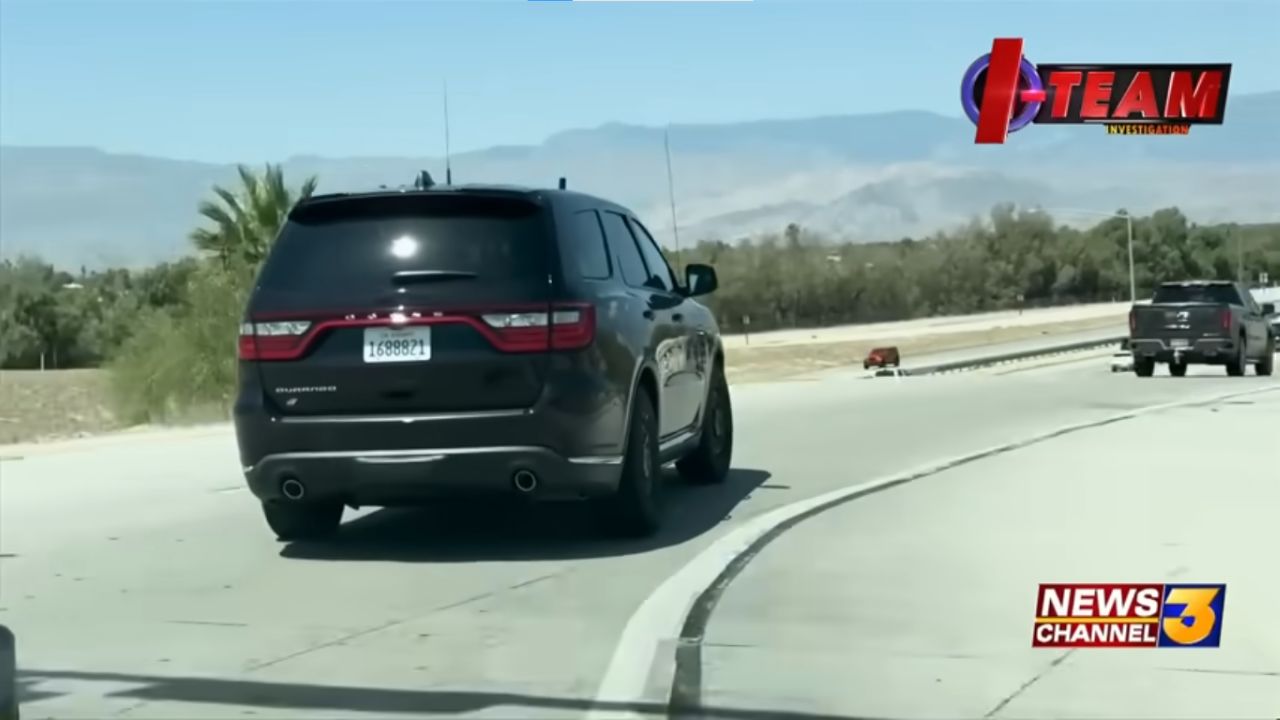
One driver cut across lanes so aggressively that he nearly sideswiped the patrol vehicle itself. Another, pulled over for distracted driving, took several seconds to recognize the flashing lights behind him. Even with the emergency lights activated, the driver seemed slow to react.
The point was clear. When drivers do not immediately recognize a police vehicle, their natural caution disappears.
The Psychology of Enforcement
To test that contrast, officers later switched into a traditionally marked black and white cruiser. The effect was immediate and almost theatrical. From roughly 200 yards away, drivers tapped their brakes.
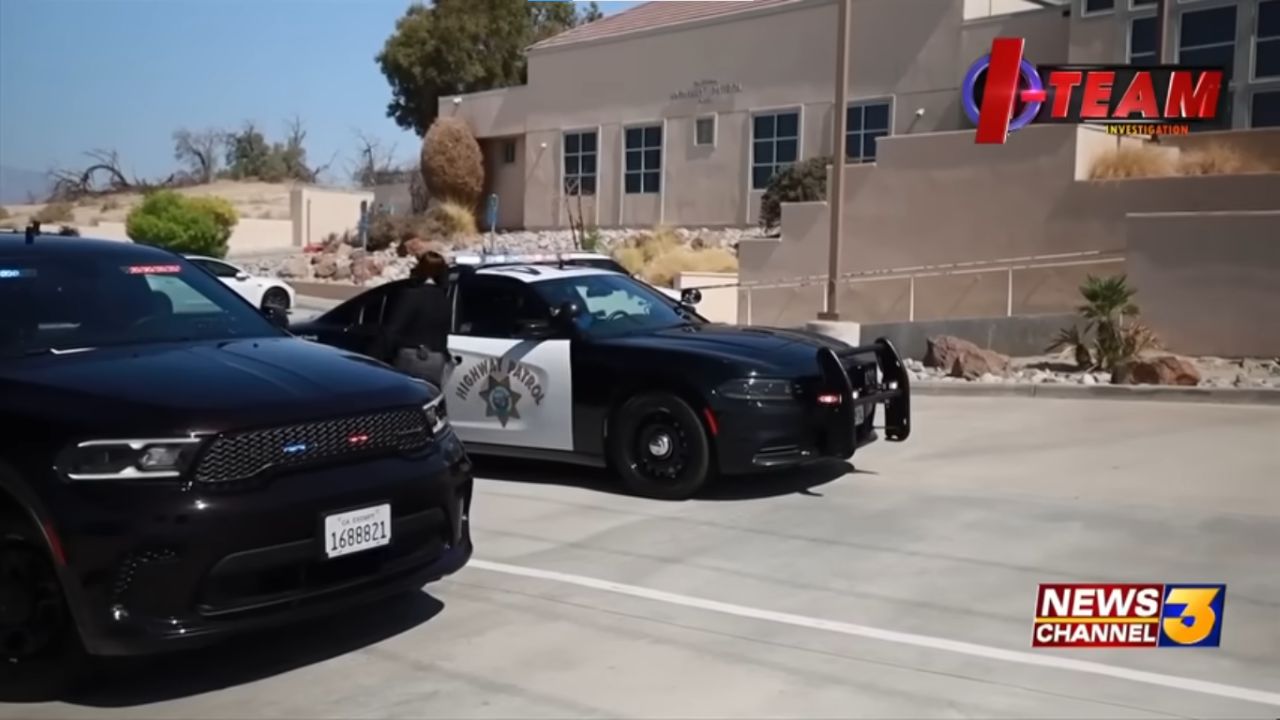
Vehicles shifted lanes. Speedometers were checked. Behavior changed before the patrol car even closed the gap.
That contrast underscores the strategy behind the new fleet. Traditional cruisers act as visible deterrents. Low profile SUVs serve as enforcement tools that catch violations in real time, without advance warning.
CHP officials believe the combination could reshape driver behavior. If motorists know that some patrol vehicles are obvious while others are harder to detect, the theory goes, they may choose to drive more cautiously all the time, not just when a black and white cruiser appears in the rearview mirror.
Early Results and the Road Ahead
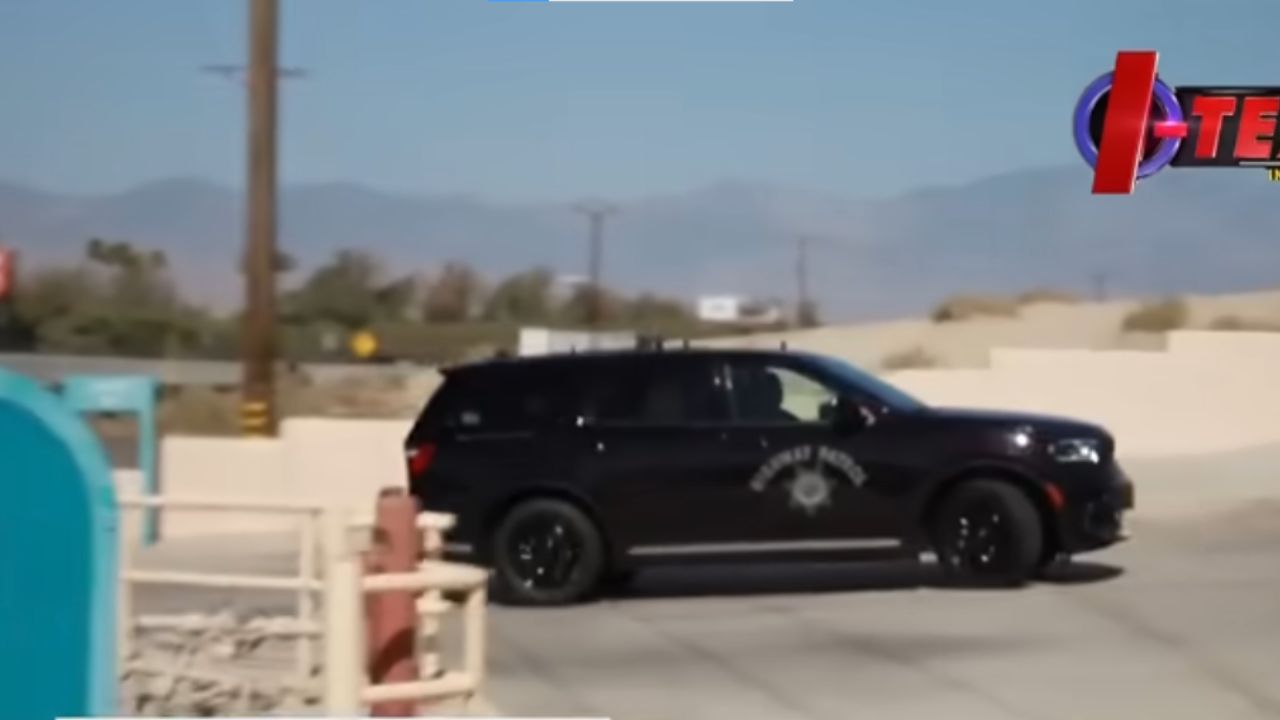
Early results suggest the tactic is already having an impact. Over a two-week period, officers using one of the specially marked vehicles reported issuing twice as many citations for aggressive driving compared to standard patrol efforts in the same corridor.
The direct message to every driver is that technology and vehicle design are evolving, not just in consumer cars, but in law enforcement fleets as well. The Durango sitting quietly in the next lane may not look like a patrol car, but it could be.
At the end of the day, CHP says the mission remains unchanged. Enforcement is not about catching drivers off guard for its own sake but about reducing fatalities and preventing life altering crashes.
On highways where split-second decisions can mean the difference between arriving safely and not arriving at all, the next generation of patrol cars may become an increasingly common presence, even if most drivers never see them coming.
Well written!
Thanks, Paul.