
We need to talk about something that might make supercar enthusiasts a little nervous. McLaren, the British automaker known for building some of the most wickedly sharp performance machines on the planet, appears to be cooking up a plan that could fundamentally change how you use your very expensive toy.
A recently surfaced U.S. patent filing suggests McLaren is exploring technology that would limit certain drive modes based on your GPS location. Yes, you read that right: your car might soon be telling you “no” when you try to engage Track mode on your favorite empty backroad.
What Exactly Is McLaren Planning?

The patent, which was filed back in May and recently highlighted by CarBuzz, reads like it was written by engineers who really, really love technical jargon. But here’s the gist: McLaren is developing a system that could restrict activation of specific vehicle features depending on where you are. If your car’s location doesn’t match up with an approved spot for certain capabilities, the software would simply lock you out.
The patent language itself is dense enough to make your eyes glaze over, but it essentially describes a control system that would monitor your position and determine whether you’re in an “inhibited location” for operating the vehicle in certain driving modes. If you are? Sorry, no Track mode for you today.
How Would This Actually Work?
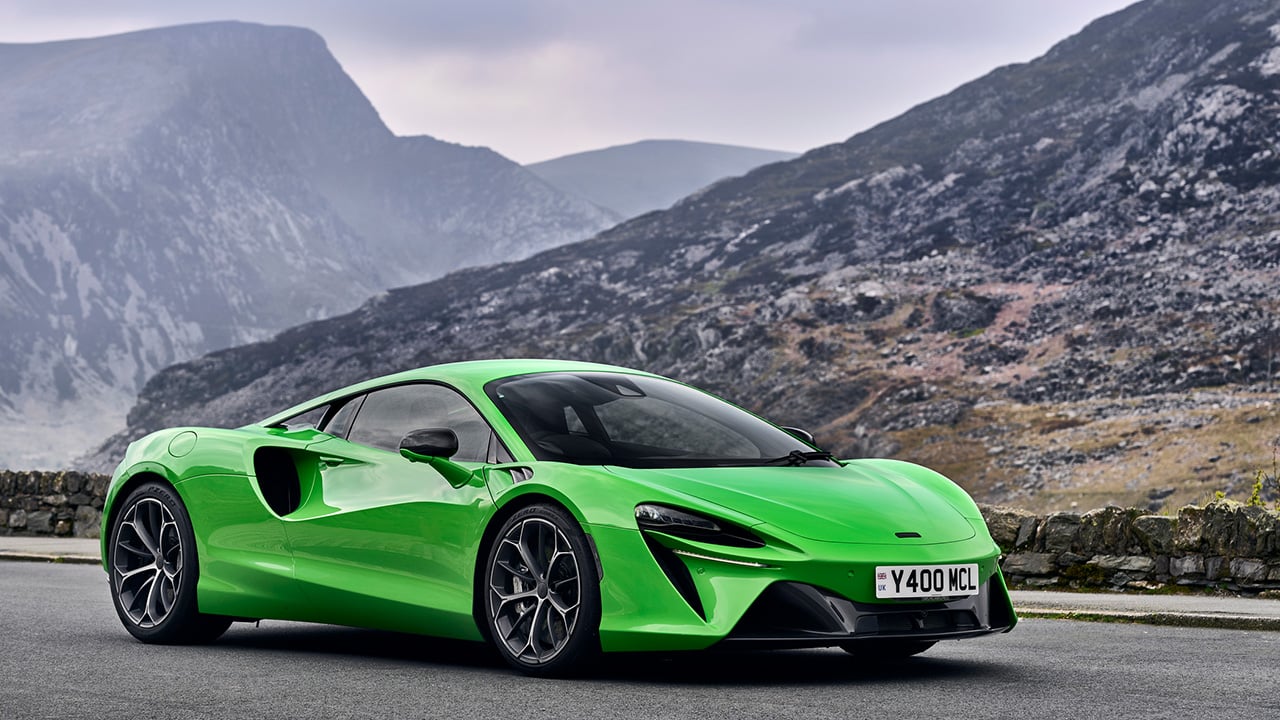
We don’t know all the details just yet, but here’s what we’ve gathered (and what may scare some car enthusiasts).
Most McLaren models come with a range of drive modes, typically starting with something civilized like Normal or Comfort. These modes keep the full fury of your supercar’s powertrain in check and make sure all the safety nets are firmly in place. But then there are the fun modes — Sport and Track — which progressively remove those protections and let you access the full, unfiltered experience.
According to the patent diagrams, McLaren’s system would potentially prevent drivers from switching into these more aggressive modes unless the GPS confirms you’re somewhere appropriate. The idea seems to be keeping people from accidentally (or intentionally) engaging racetrack-specific settings while cruising down public roads.
The Obvious Problem
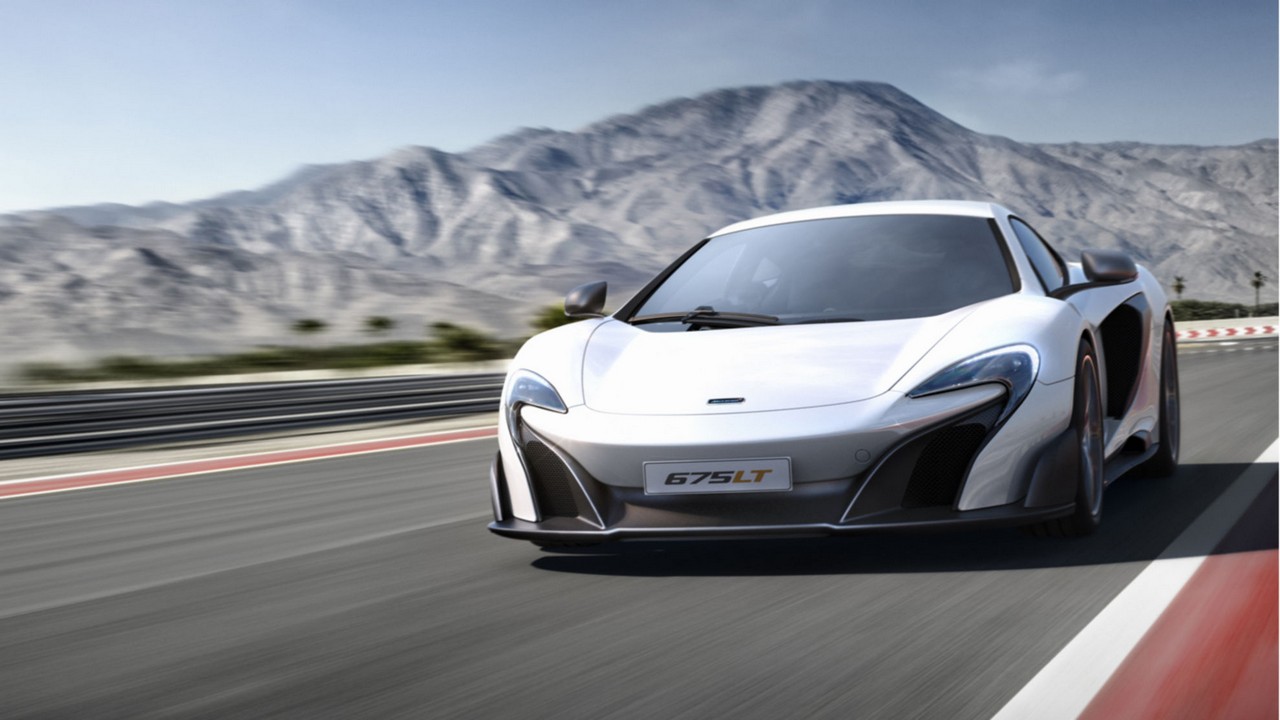
Now, before we all panic, let’s address the elephant in the room: this could be a logistical nightmare. How exactly do you maintain a database of every approved location where Track mode should be allowed? Permanent racetracks are one thing, but what about the countless temporary racing venues, private test tracks, and closed courses that pop up around the world? And canyon drives would be out the window, I assume.
McLaren’s patent does acknowledge this potential headache, specifically mentioning “temporary racetracks” as a complicating factor. But even with that acknowledgment, the practical challenges are enormous.
Are we supposed to believe McLaren will maintain a constantly updated global database of every place someone might legitimately want to use Track mode?
Why This Matters

Sure, there’s a reasonable argument to be made that nobody really needs to disable traction control and unleash 740 horsepower on public roads. Most performance cars already include warnings that track modes are intended for closed-course use only. But here’s the thing: they don’t actually prevent you from using them.
And that freedom matters to people who spend six or seven figures on a supercar. Part of the appeal is knowing you have all that capability at your fingertips, even if you’re responsible enough not to abuse it. It’s the automotive equivalent of buying a high-end chef’s knife — sure, it’s sharp enough to be dangerous, but you’re trusting the buyer to handle it properly.
What Happens Next?

McLaren is no stranger to innovation, but it’s worth noting that patents don’t always translate into production reality. Companies file for patents all the time as a way of protecting intellectual property or exploring ideas that may never see the light of day. Road & Track reached out to McLaren for comment, so we’ll have to wait and see if this is a serious direction for the brand or just legal paperwork.
Still, the very existence of this patent raises important questions about the future of performance cars. If McLaren moves forward with this technology, how long before other manufacturers follow suit? Could we be looking at a future where your car’s capabilities are constantly monitored and restricted based on your location?
For now, McLaren owners can probably breathe easy; your Track mode isn’t going anywhere just yet. But if this patent becomes reality, future supercar buyers might need to think twice about whether they’re purchasing a performance machine or a very fast, very expensive smartphone on wheels that requires permission to perform.
And honestly? That’s a future that feels a lot less exciting than the one we’re used to.