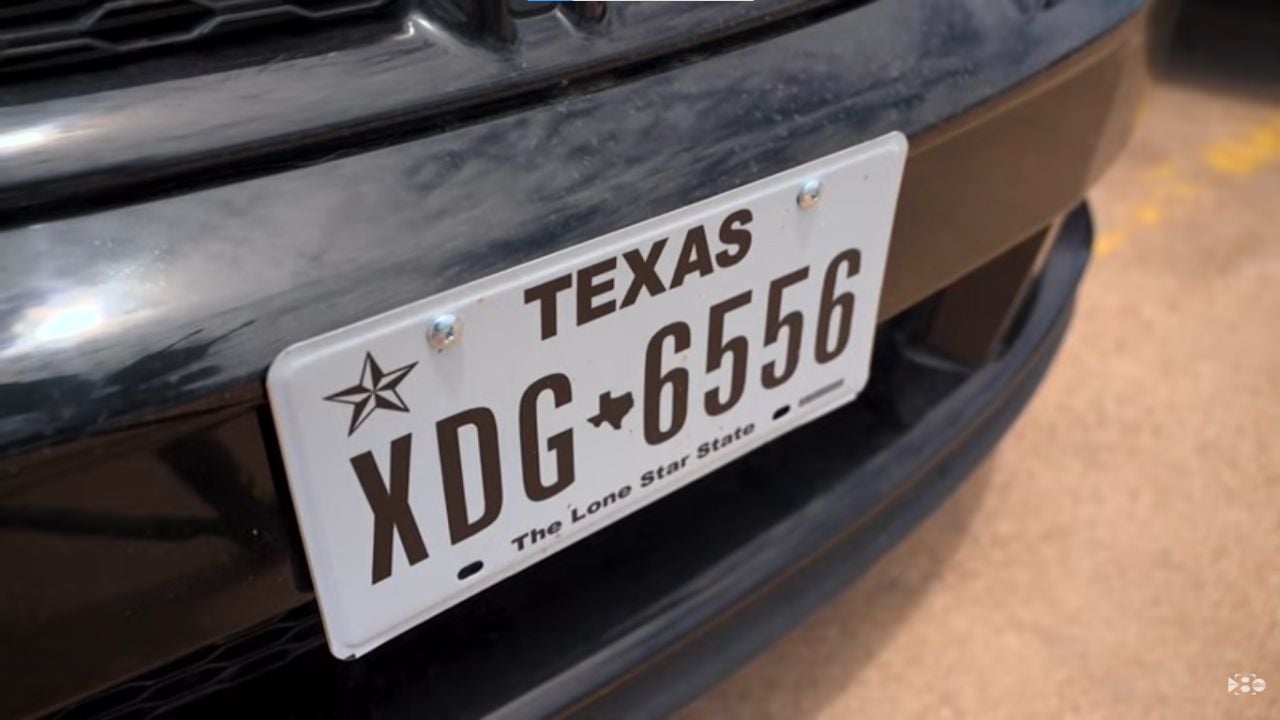

Vehicle registration in Texas just got a major overhaul.
The Texas Department of Motor Vehicles (DMV) board unanimously approved new identification requirements on Thursday, mandating that motorists prove their legal status in the United States in order to register or renew a vehicle.
The decision marks a dramatic shift in how Texans interact with the state’s vehicle registration system, with potentially far-reaching implications for drivers, counties, and the automotive industry.
The Push for Stricter ID Standards
The policy change stems from a push that began in November 2025, when Texas State Representative Brian Harrison, R-Midlothian, launched a campaign calling for stricter identification standards at the DMV.

Harrison, using social media as a platform, argued that undocumented immigrants had been able to register vehicles for years without verification of legal status.
He described the new rules as a corrective measure, telling KXAN he was “proud to have single-handedly forced this change to stop illegals from registering vehicles” and calling the previous system “insane.”
The DMV clarified that the new guidance is designed to ensure the “validity of ID documents required as part of the registration process.” While some counties had already begun implementing these rules ahead of the official vote, enforcement has been inconsistent.
For instance, Travis County Tax Assessor Celia Israel publicly refused to adopt the new requirements in January because current state law does not mandate vehicle owners be legal residents, only residents of the state.
Israel is concerned that enforcing the new guidelines could result in unintended consequences, including an increase in fraud and uninsured drivers on Texas roads.
Practical and Logistical Impacts
Indeed, the practical impact of this policy can be far reaching. Car owners in Texas will now need to provide valid government-issued documentation proving their lawful presence in the United States.

Acceptable forms of identification include a Texas driver’s license, a U.S. passport, or foreign passports with valid visas or Department of Homeland Security admission stamps. Without these documents, residents risk being unable to legally register or renew their vehicles.
This policy introduces potential logistical challenges for county offices and DMV personnel tasked with verifying legal status. While urban counties with more resources may implement the rule smoothly, rural counties could face difficulties in training staff and updating systems to check documentation consistently.
Residents in areas with high immigrant populations may face longer wait times, more paperwork, and increased frustration navigating the registration process.
The move also raises concerns within the automotive industry. Car dealerships rely on a seamless registration process to finalize sales. If prospective buyers cannot provide the required identification, dealers may face delays in completing transactions, potentially slowing vehicle turnover and affecting local sales numbers.
Auto insurers could also see a ripple effect, as unregistered vehicles may increase the likelihood of uninsured driving, inadvertently complicating claims processing and risk assessment.
Divided Reactions and Enforcement Concerns

On one side of the aisle, the new legislation disproportionately impacts undocumented residents who rely on vehicles for work, school, and daily life.
Yet many of these individuals contribute to the state economy through taxes and consumer spending, but the new DMV rules could restrict their ability to operate vehicles legally. The change could drive a segment of the population to avoid formal registration entirely, increasing public safety risks and complicating law enforcement efforts.
On the other side of the aisle, the DMV’s updated identification rules are necessary to uphold the integrity of the state’s vehicle registration system. They argue that ensuring all registered vehicles are owned by legal residents protects taxpayers and aligns vehicle registration with broader immigration and security policies.
As of now, enforcement remains uneven. Travis County’s Israel has indicated she will not implement the rule until she is confident it is properly authorized under state law. The DMV has stated it will continue to provide guidance to county offices and monitor implementation across Texas.
Now What?
So, to recap: The story of Texas vehicle registration is now entering a new chapter, one in which legal status verification could become the standard for drivers statewide.
While the policy is intended to tighten ID requirements and prevent fraudulent registrations, the real-world effects will likely unfold over the coming months, influencing not only drivers but the broader automotive and insurance industries.
Texas residents, auto dealers, and county officials are tied into the fallout.