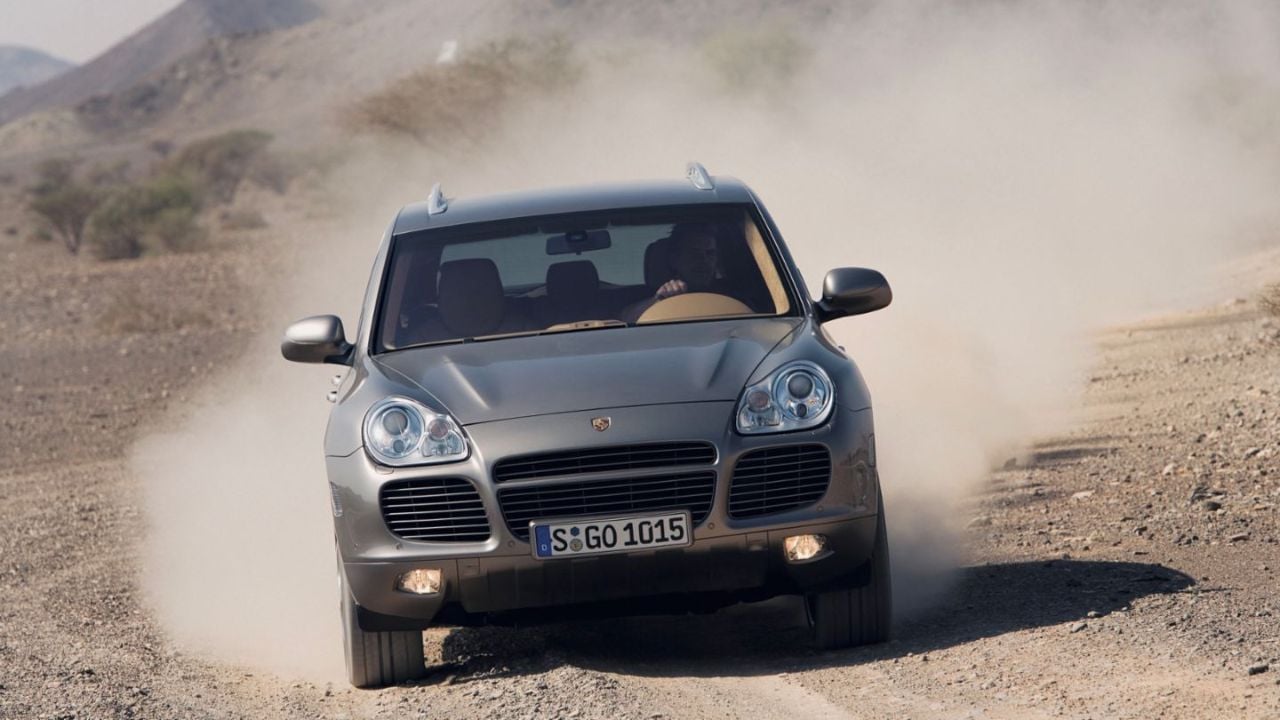
By the late 1990s and into the 2000s, the American driveway started to change shape. Family buyers still wanted space and confidence, but more and more of them also wanted style, prestige, and a sense that utility did not have to come wrapped in the old truck-based formula.
That is where the European SUV wave found its opening. German, Swedish, and British brands brought in vehicles that looked richer, drove with more polish, and made practicality feel aspirational instead of merely sensible.
Some were expensive. Some were genuinely rugged. Some felt almost shockingly sporty for their size. What they shared was a clear message that the SUV was no longer just a workhorse. It could also be a status symbol, a design statement, or a more refined way to live with a family vehicle every day.
That is why these model lines still matter now. They did not just exist in the United States during the 2000s. They helped define what a European SUV meant to American buyers at the exact moment the segment was becoming a much bigger part of ordinary life.
How Europe Won a Place in the American Driveway
This list is limited to European SUV model lines that were actually sold new in the United States during the 2000s. Popularity mattered, so the strongest candidates needed either meaningful U.S. sales, obvious visibility in the market, or a central enough role in the decade’s SUV conversation that leaving them out would distort the story.
Variety mattered too, because the European SUV boom was not one luxury formula repeated seven times. Some of these models won with family-friendly packaging, some with prestige, and some with a more rugged or performance-minded identity.
A few worthy vehicles were left out because their U.S. footprint arrived too late, stayed too small, or never felt central enough to the era. The final seven are the models that best capture what Americans were actually seeing, buying, and aspiring to during those years.
BMW X5

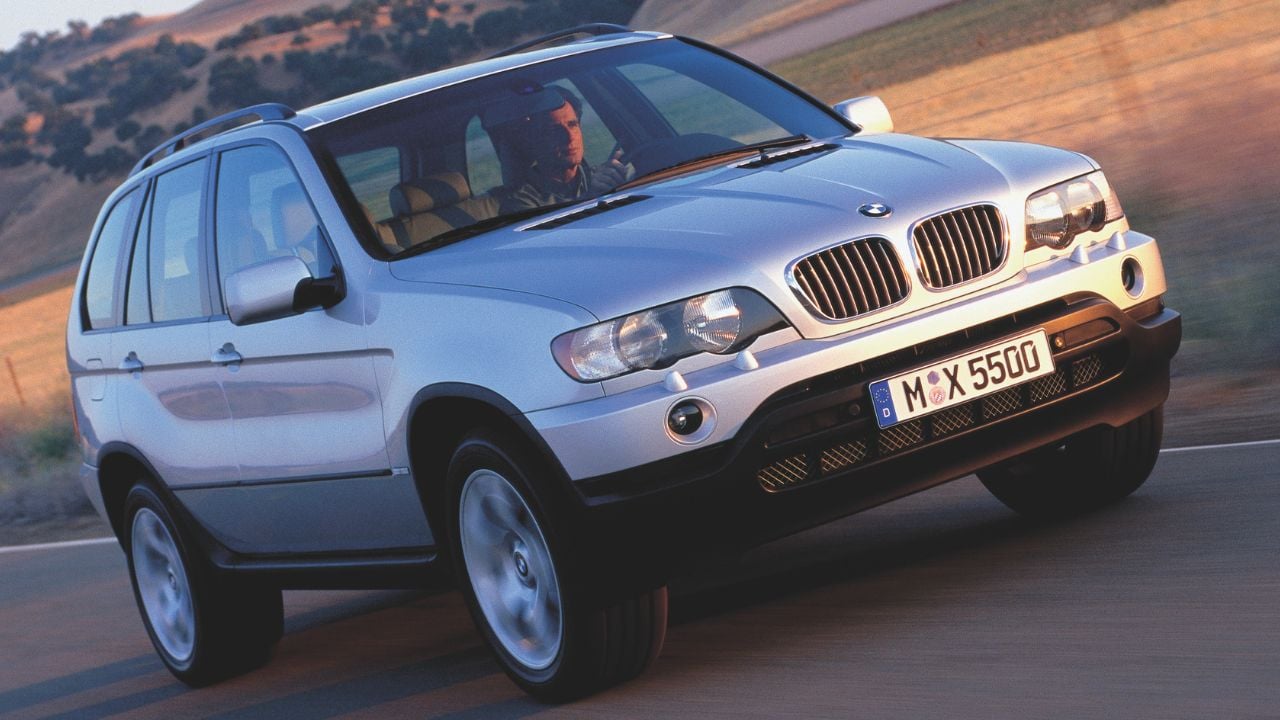
The X5 belongs here because it helped teach American buyers that an SUV could feel like a BMW without apologizing for its size. BMW unveiled the first X5 at the North American International Auto Show in 1999, and by early 2009 the company said more than 845,000 had been sold worldwide. U.S. demand stayed strong through the 2000s, with 37,598 sold in 2005 and more than 31,000 still moving in 2008.
That popularity was not hard to understand. The X5 gave families the upright seating and cargo flexibility they wanted, but wrapped it in sharper handling and a more premium image than many mainstream SUVs of the period could match.
In a lot of ways, it helped normalize the idea that a luxury SUV could be more than just a plush truck. It could also be something athletic.
BMW X3
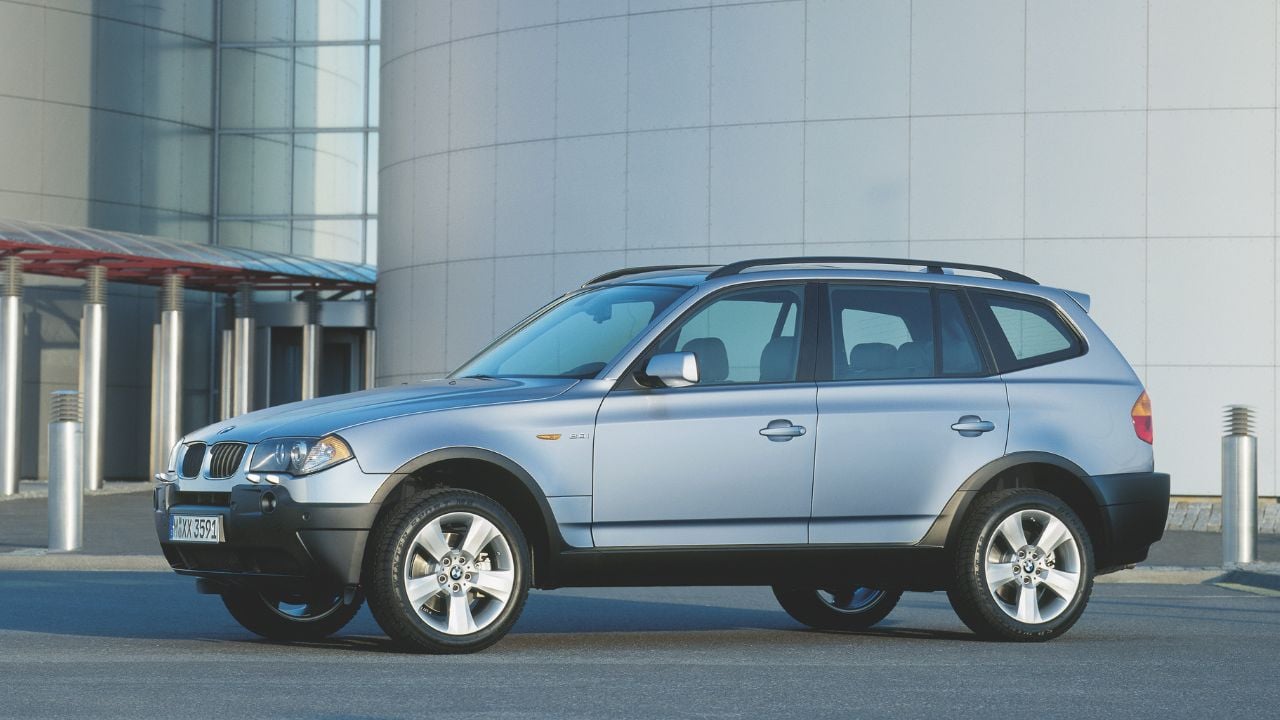
The X3 made the European SUV idea feel more reachable, and that is a big reason it became so important in America. BMW introduced the first X3 in 2004 as a smaller premium Sports Activity Vehicle, and by the end of that generation’s life it had sold more than 600,000 units globally, including 150,000 in the U.S. American sales figures show how quickly it found its audience, with 30,869 sold in 2005 and 31,291 in 2006.
What made the X3 work was balance. It felt easier to size into everyday life than an X5, but it still carried the badge, the driving feel, and the premium atmosphere buyers wanted.
It hit the sweet spot at exactly the right time, which is often what separates a successful SUV from one that actually shapes a market.
Mercedes-Benz M-Class
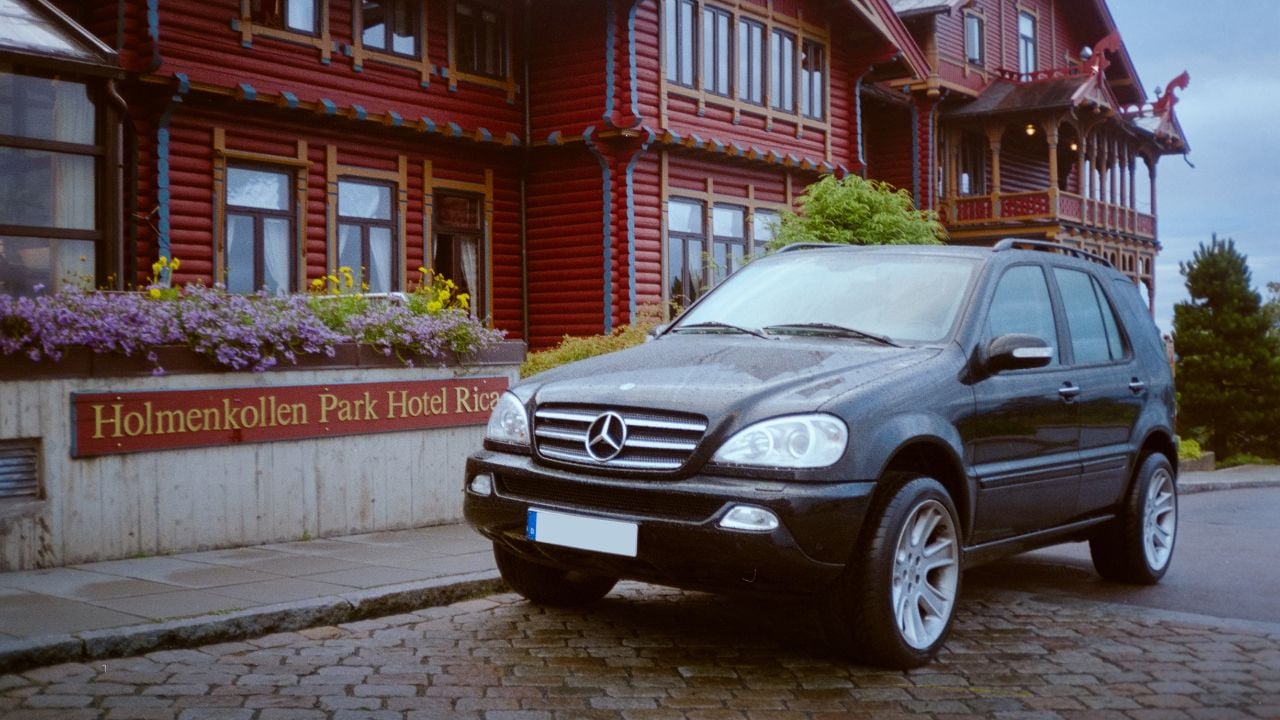
The M-Class was one of the earliest and most important European SUVs to gain real traction in the United States. Mercedes-Benz treated it as a foundational part of its American SUV strategy, and the company’s Alabama manufacturing story shows how central the model was from the beginning. U.S. sales stayed strong through the middle of the decade, with 34,959 sold in 2005, 31,632 in 2006, and 33,879 in 2007.
The M-Class mattered because it gave buyers something very specific: genuine Mercedes-Benz prestige in an SUV shape that felt useful, family-ready, and far less intimidating than a traditional full-size truck-based utility vehicle.
It helped make the luxury SUV feel normal in America rather than novel, which is not the same thing as being first, but may be even more important.
Volvo XC90
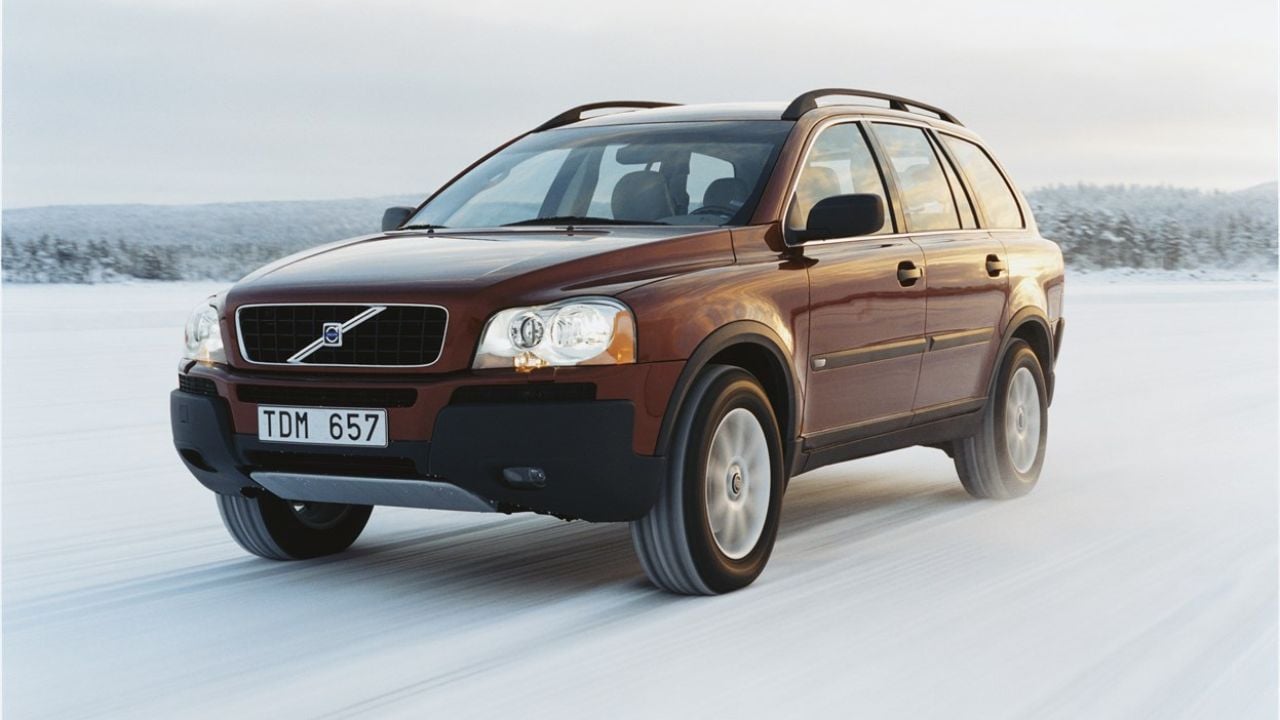
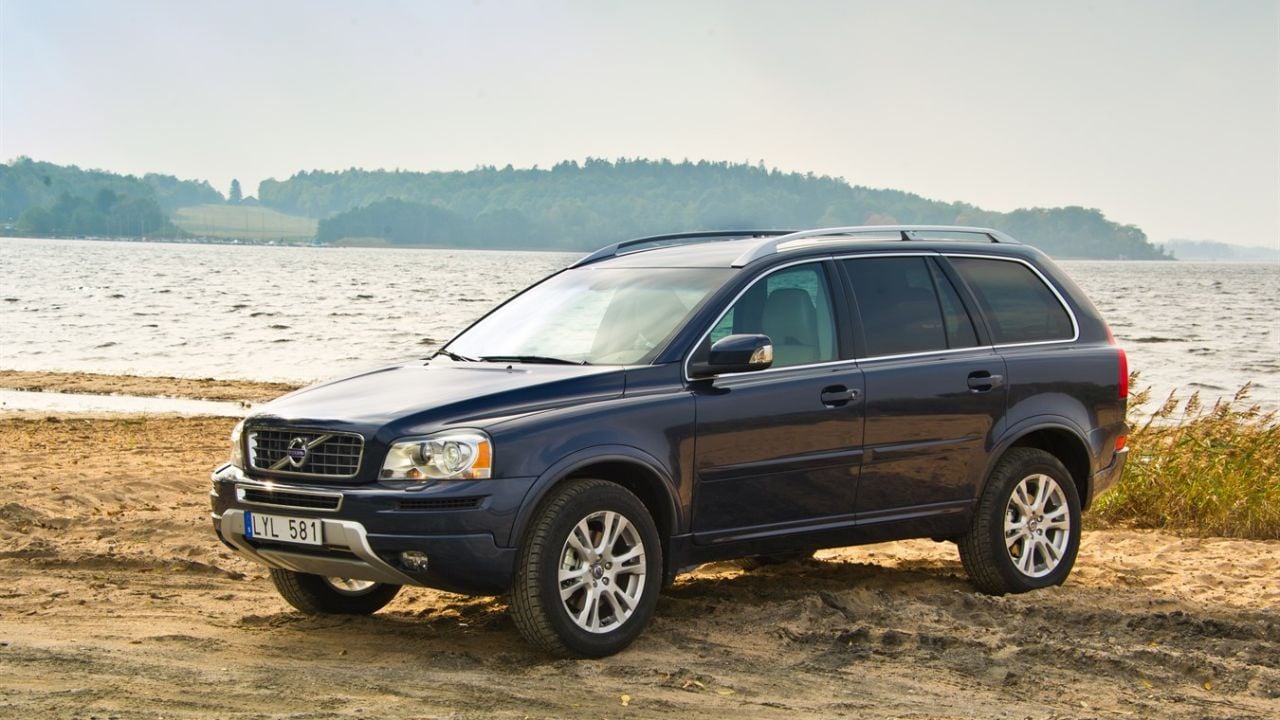
The XC90 became a hit because it arrived with an unusually clear identity. Volvo launched it in the U.S. for 2003, emphasized its safety innovations and available seven-seat layout, and quickly gave American families a premium SUV that felt thoughtful rather than flashy. U.S. sales reached 35,974 in 2005, then held in the low 30,000s with about 33,241 in 2006 and 31,358 in 2007.
What buyers saw was easy to understand. The XC90 offered Scandinavian restraint, strong safety credibility, and real family usefulness without looking or driving like an old-style heavy utility vehicle.
It felt modern, careful, and upscale in exactly the way the moment required.
Porsche Cayenne
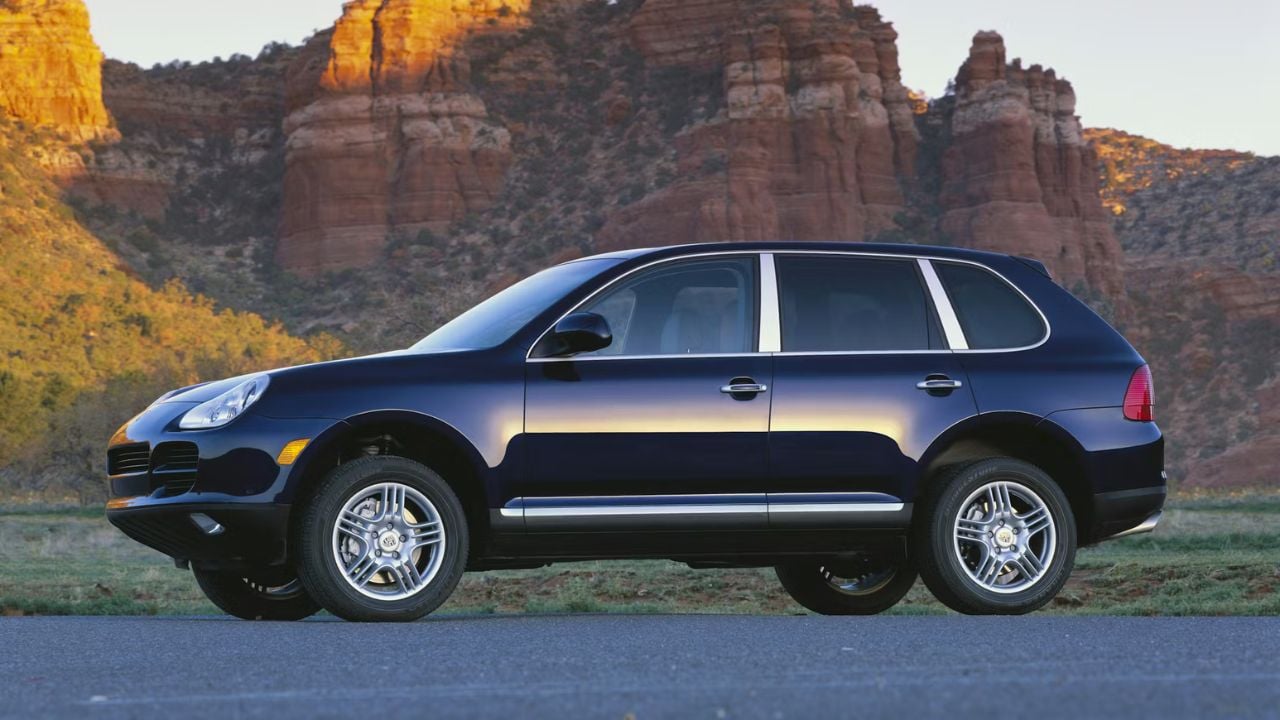
The Cayenne was the shock to the system, and then it became one of the decade’s biggest success stories. Porsche itself has said the Cayenne created the economic basis for the company’s sustainable success, and in the U.S. it quickly became a best seller after launching for the 2003 model year.
That alone tells you how much appetite existed for something this unlikely. The Cayenne offered sports-car credibility, luxury SUV comfort, and real family usefulness in one machine.
At first that sounded strange. Then it started to look inevitable, which is usually how truly important market shifts work.
Audi Q7
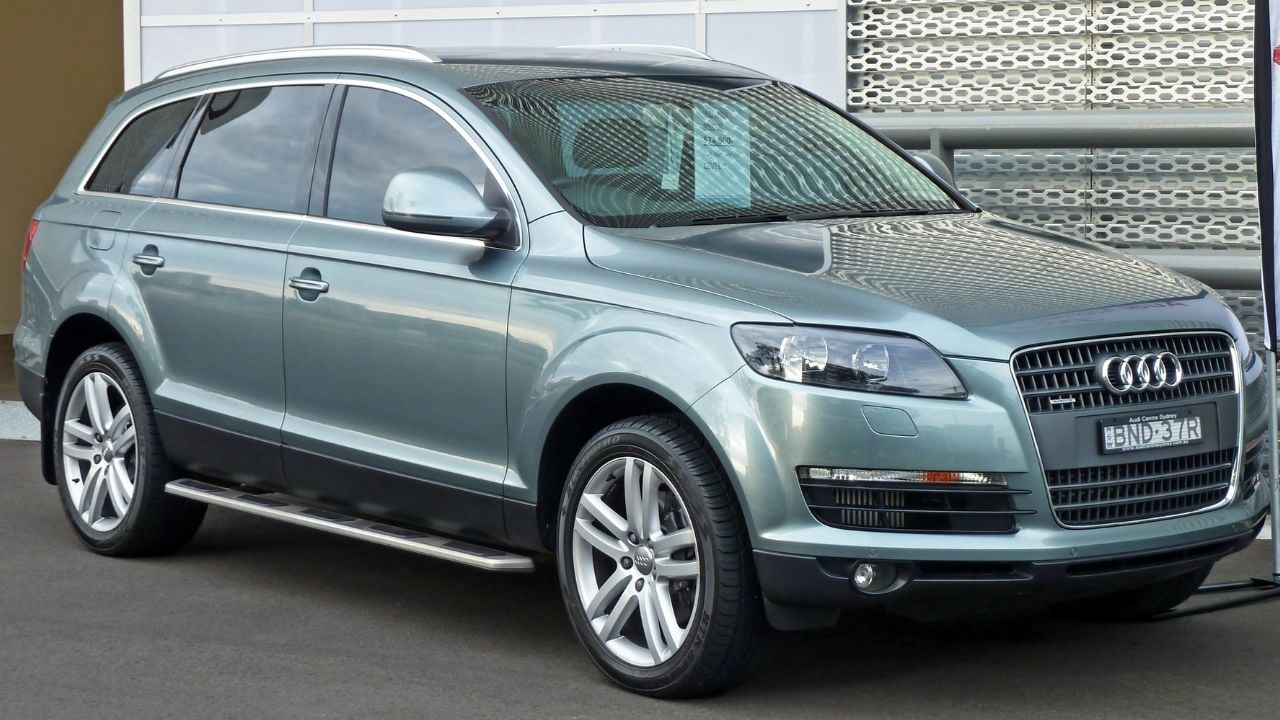
The Q7 arrived later than some of the others here, but it still became one of the defining European SUVs Americans noticed in the late 2000s. Audi says the Q7 reached the U.S. as a 2007 model, and the sales pattern shows how quickly it found traction: 10,003 U.S. sales in late-launch calendar year 2006, then 20,695 in 2007 before the recession hit the whole market.
That early jump matters because it shows the Q7 landed at exactly the right moment. Buyers were ready for a seven-passenger luxury SUV with Audi design, a more contemporary interior feel, and a smoother, more polished image than many older premium utilities carried.
It looked like the next step, which is exactly how a lot of Americans treated it.
Range Rover Sport

The Range Rover Sport felt like a status symbol almost the moment it arrived, and that visibility made it one of the most recognizable European SUVs of the era. Land Rover unveiled it in 2005 as the first sports SUV in the Range Rover family, and U.S. sales were immediately strong: 10,441 in 2005, then 18,757 in 2006 and 16,989 in 2007.
Those are not fringe numbers. They show a model that quickly became part of the American luxury SUV picture. The Sport worked because it blended several appeals at once: the Range Rover name, expensive-looking design, real off-road credibility, and a more athletic image than the larger full-size Range Rover.
In the 2000s, that formula was almost perfectly tuned to the American market.
The SUVs That Made the Family Driveway Feel Bigger
What makes these seven worth revisiting is not just that they sold well. It is that each one represented a slightly different answer to the same American question: if families wanted more space and confidence, why should they have to give up style, prestige, or driving appeal to get it?
That question reshaped the market, and European brands answered it in very different ways. BMW gave buyers athleticism, Mercedes-Benz gave them prestige, Volvo gave them safety and calm, Porsche added shock value and speed, Audi brought modern polish, and Range Rover turned the SUV into a social signal as much as a machine.
The best 2000s European SUVs were not just tall vehicles with nicer badges. They were part of the moment when the American idea of a family car started to change for good.