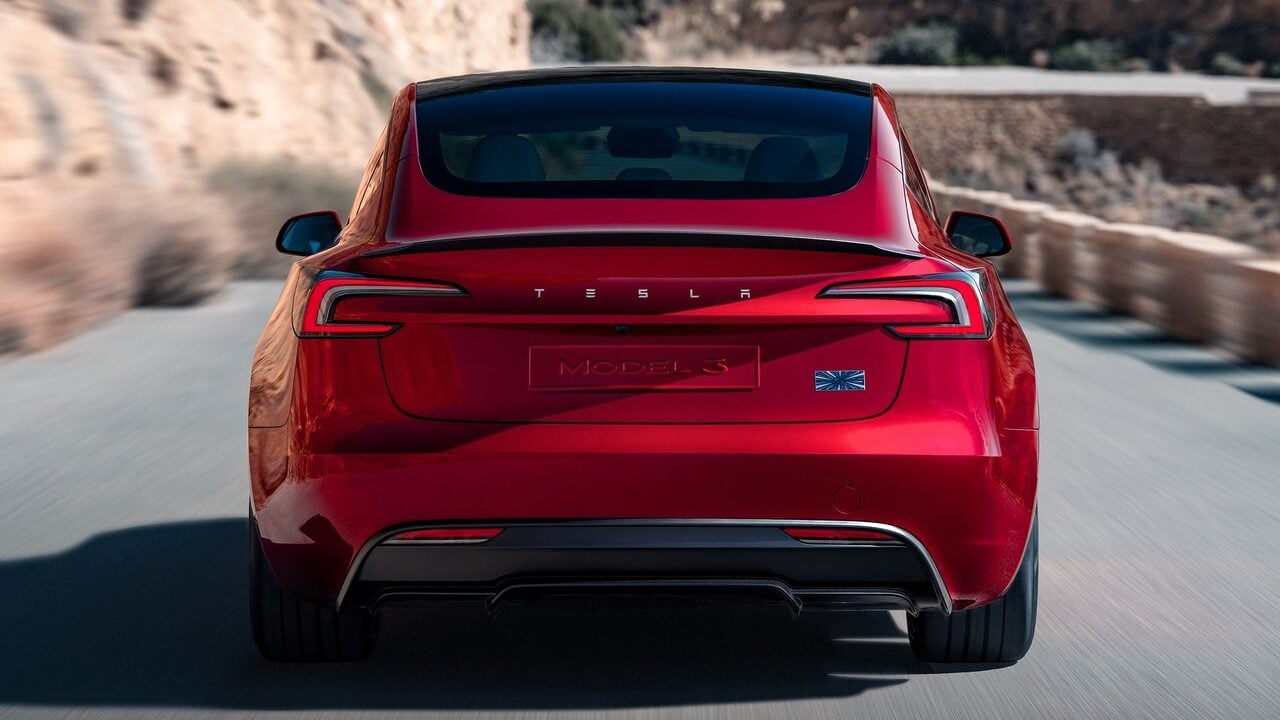

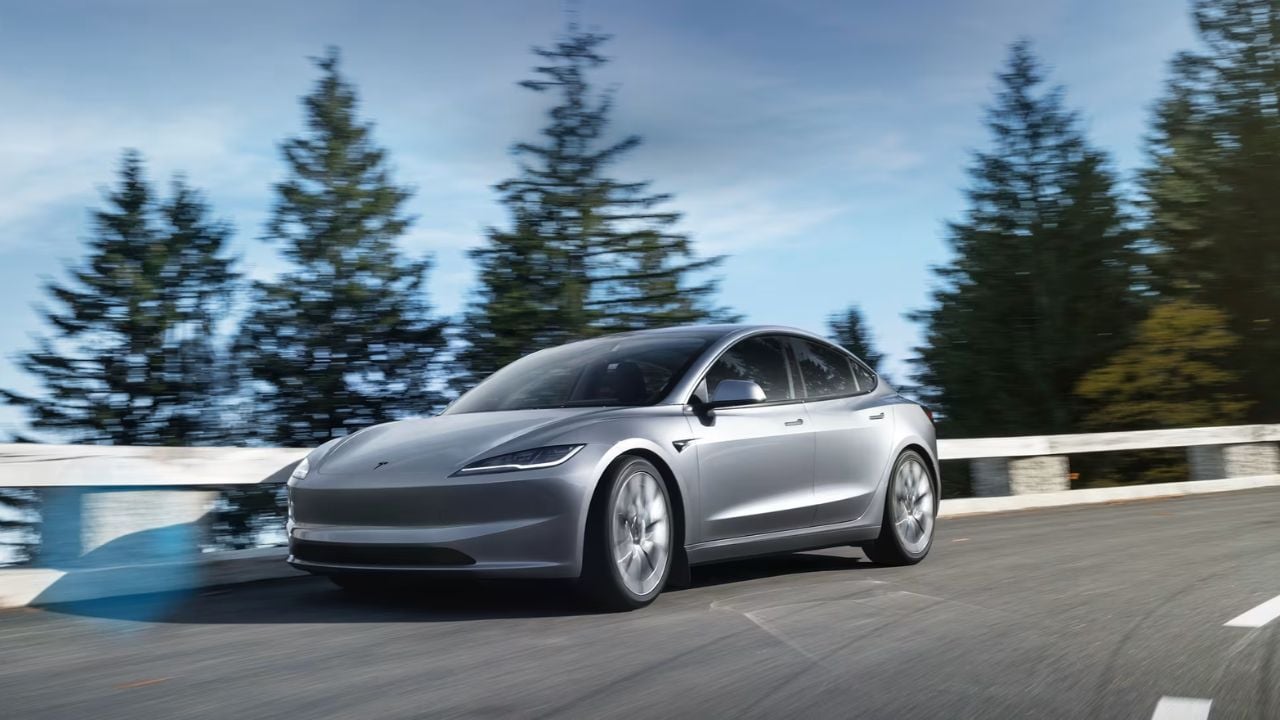
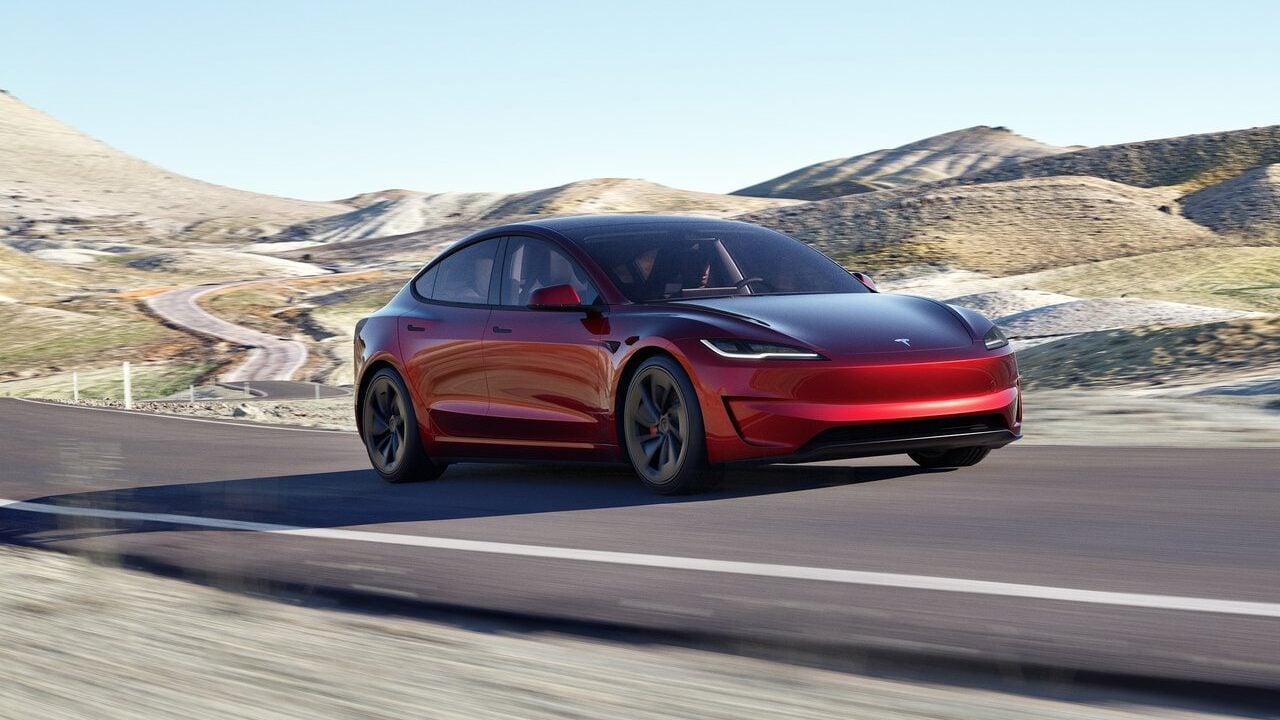
A Tesla owner in Australia just fanned the never-ending debate over electric vehicle depreciation after revealing that his nearly new Model 3 Performance lost a staggering amount of value just weeks after buying the car.
While depreciation is a familiar reality for car buyers everywhere, the speed and scale of this drop have renewed questions about Tesla pricing, EV resale values, and whether the promise of electric cars as long-term investments still holds up.
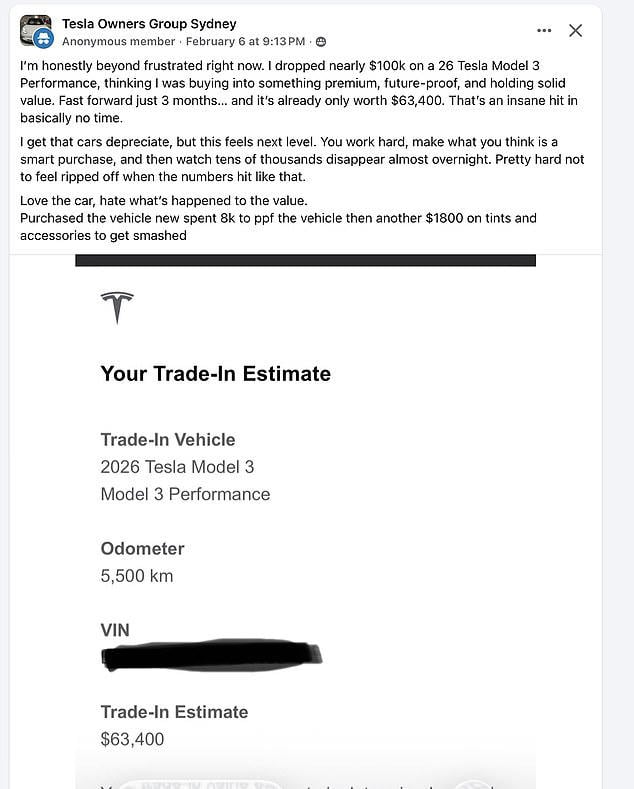
The Sydney-based driver said he paid close to $100,000 Australian dollars (around $US71,200) for a 2026 Tesla Model 3 Performance, believing he just bought into a premium brand that’d retain its value better than most. Just 12 weeks later, that assumption was shattered.
A Tesla trade-in estimate reportedly pegged the car’s value at roughly $63,400 AUD (around $US44,950), representing a loss of nearly $37,000 (over $US26,000) in just three months.
“I get that cars depreciate, but this feels next level,” the owner wrote on a Facebook group for Tesla owners, calling the experience “beyond frustrated.” He described the emotional whiplash of watching tens of thousands of dollars vanish almost overnight, adding that it was difficult not to feel ripped off when confronted with the numbers.
Why Tesla Values Are Crashing at Record Speed
While the story unfolded in Australia, its implications are deeply relevant to America. Tesla’s aggressive global pricing strategy and frequent price adjustments have made depreciation a growing concern for owners on both sides of the Pacific.
In recent years, Tesla has repeatedly slashed new vehicle prices to stimulate demand, often without warning, instantly reducing the resale value of cars already sitting in driveways.
Data from the Australian Automotive Dealer Association highlights just how pronounced the trend has become. According to its 2025 Automotive Insights Report, a one-year-old electric vehicle in Australia loses an average of 25 percent of its value.
By comparison, petrol-powered vehicles lose about 11.5 percent over the same period. Diesel vehicles fare even better, dropping just 5 percent, while hybrids and traditional petrol cars emerged as the strongest value holders, declining only 1.7 percent over a year.
Industry analysts point to several forces driving the accelerated depreciation of EVs. One major factor is aggressive discounting by automakers. When new vehicles suddenly appear on the market at sharply reduced prices, lightly used examples become harder to sell without major concessions.
Tesla has been a leader in this strategy, frequently cutting prices to maintain volume and fend off competition.
A Warning Shot for American EV Buyers
Technology also plays a role. EVs evolve quickly, and newer models often arrive with longer range, faster charging, and improved cooling systems. That rapid progress can make even recent vehicles feel outdated, pushing down resale values faster than in the internal combustion era.
Tesla’s own history adds another layer of irony. In 2019, CEO Elon Musk famously claimed Tesla vehicles would increase in value over time thanks to software upgrades and future self-driving capabilities. For many owners today, that promise feels increasingly distant, especially as hardware changes and pricing resets erase perceived gains.
Competition is another pressure point. In Australia, a wave of new EV brands, many from China, has entered the market with aggressively priced alternatives. Brands such as MG, Ford, Nissan, and Jeep have all cut EV prices, further intensifying the race to the bottom. MG’s MG4, for example, reportedly dropped from around $41,000 to just over $30,000 AUD.
Aren’t we facing similar dynamics in America? As more automakers flood the market with electric options and price wars continue, resale values are becoming less predictable. The Australian Tesla owner’s experience might be a warning to everyone who still believe EVs, and Teslas in particular, are immune to traditional depreciation rules.