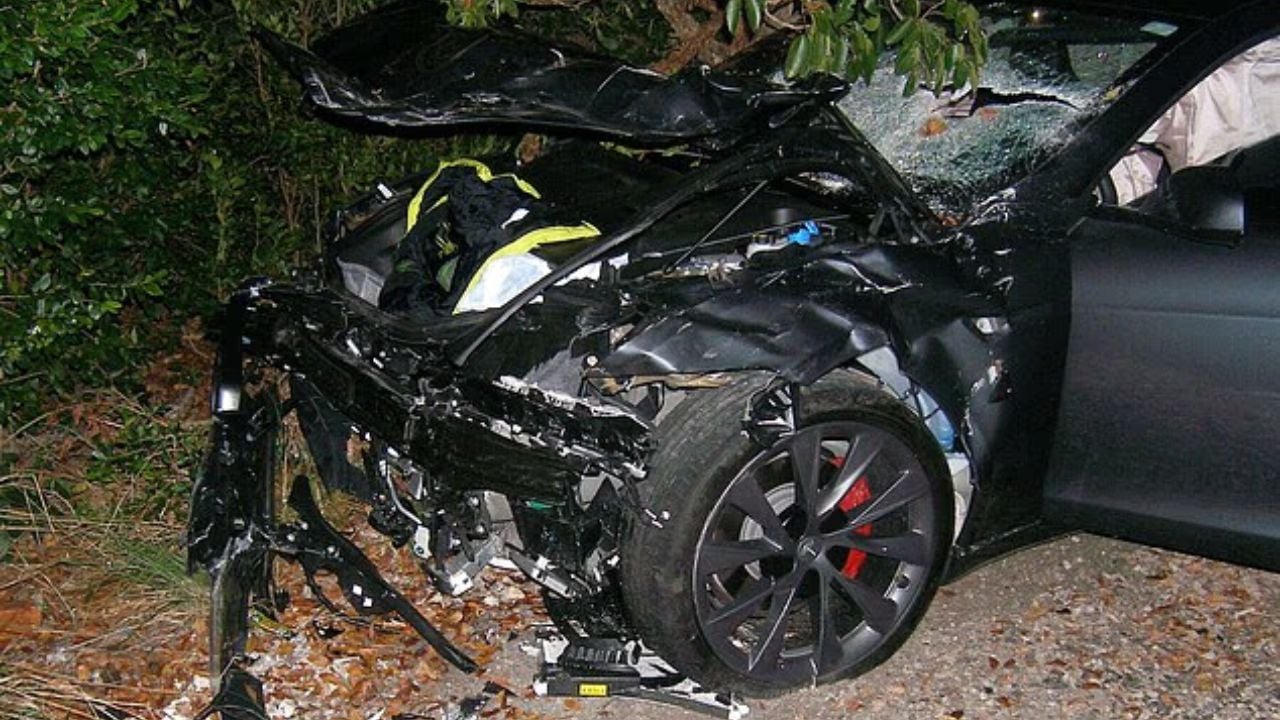

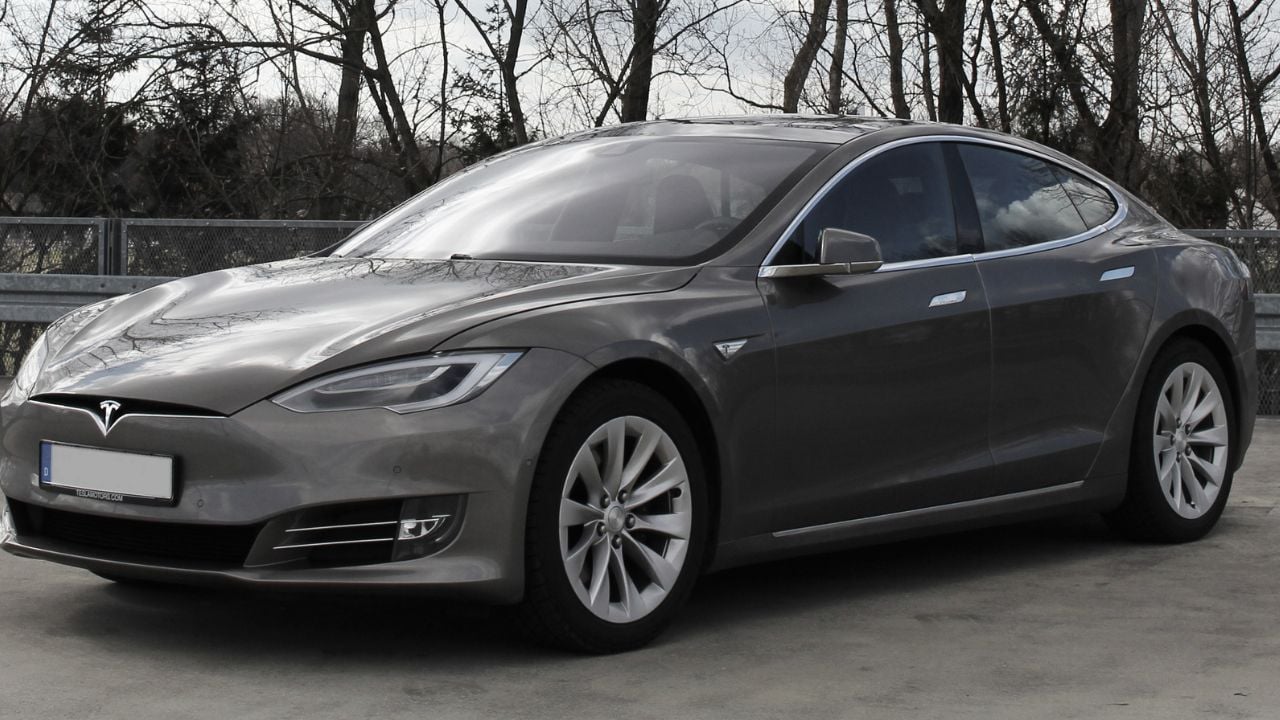
A Florida court has ordered Tesla to pay nearly $240 million in damages after a fatal crash involving a Tesla Model S running its Autopilot driver-assistance system.
The ruling brings closure to a long legal battle that began with a devastating accident in Key Largo in April 2019.
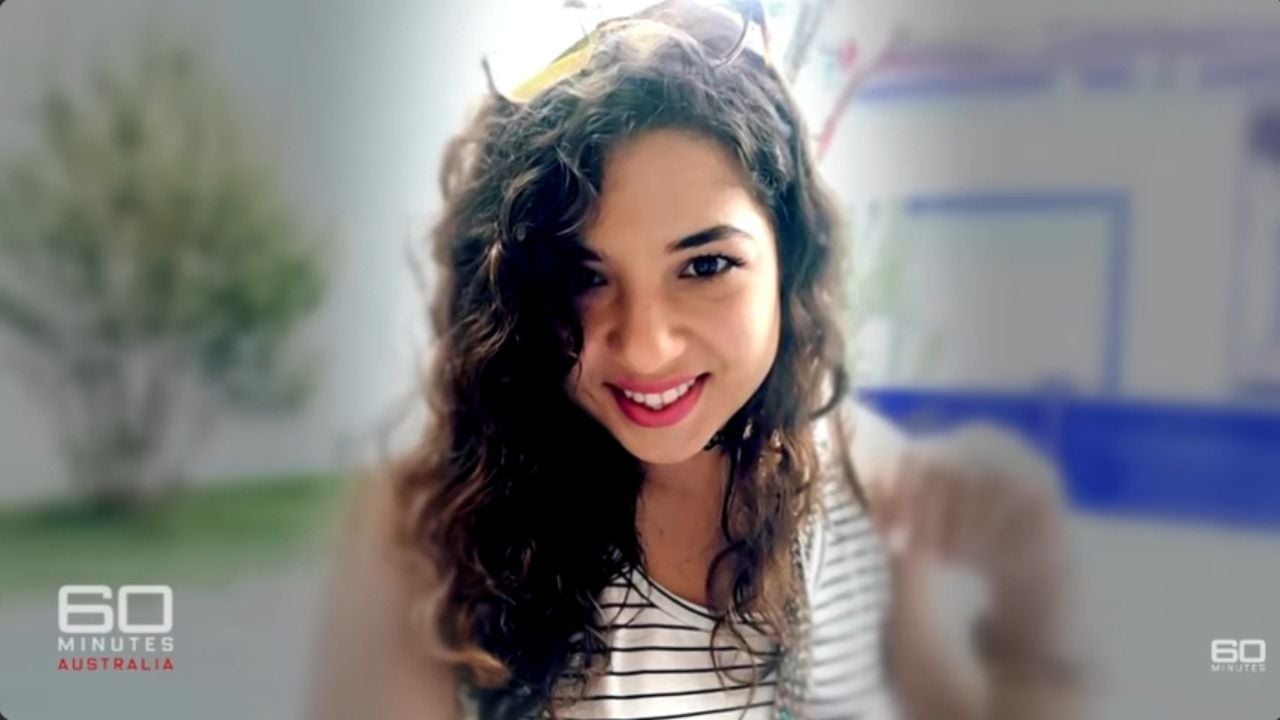
The crash killed 22-year-old Naibel Benavides Leon and left her boyfriend, Dillon Angulo, with severe injuries. The incident happened while the couple had pulled over on the roadside to watch the night sky.
A Fatal Collision on a Dark Florida Highway
According to court documents, the Tesla was being driven by George McGee, who later admitted he had bent down to retrieve his dropped phone moments before the collision. McGee told investigators that his vehicle was operating in Autopilot mode and that he expected the system to assist him if something went wrong.
Video footage from the car’s front camera showed the Tesla traveling at nearly 70 mph as it approached an intersection. The vehicle ran a red light before slamming into the couple’s parked Chevrolet Tahoe on the roadside. The force of the crash threw Benavides Leon approximately 75 feet. She died at the scene.
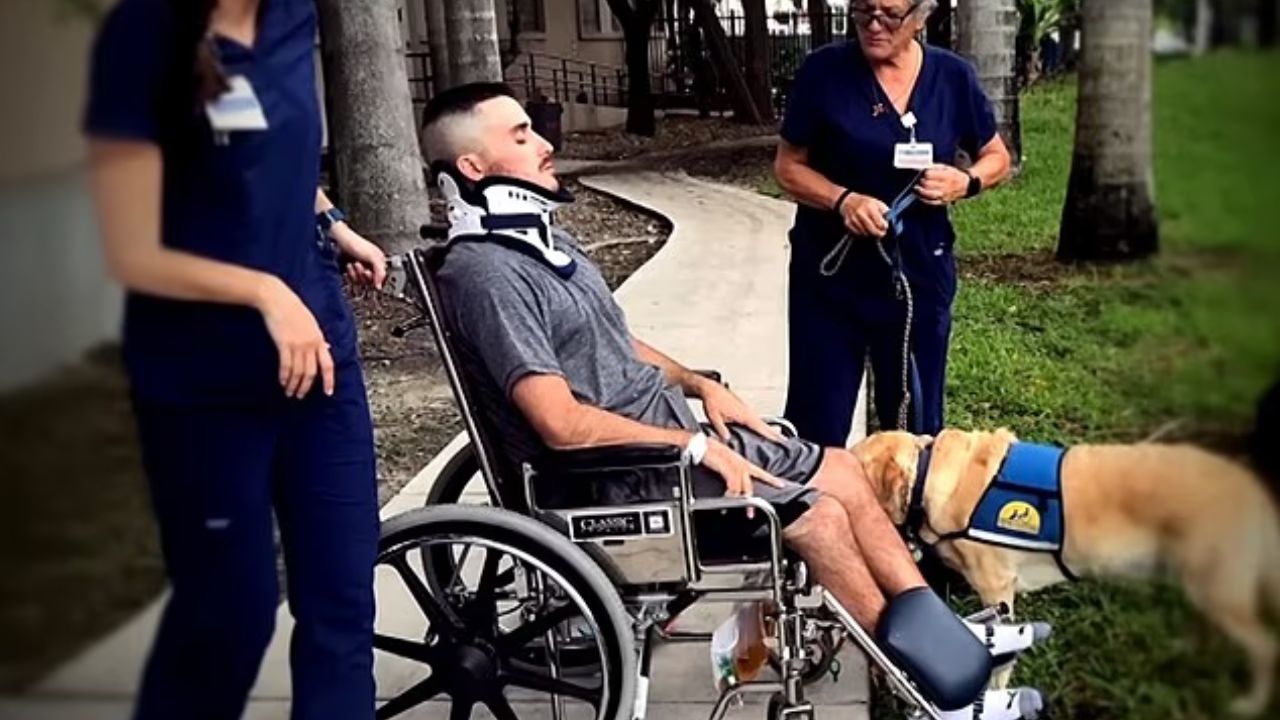
Angulo survived but suffered life-changing injuries. He sustained multiple broken bones and a traumatic brain injury that continues to affect him years later. During the trial, he entered the courtroom with a noticeable limp, a reminder of the physical and emotional trauma he endured.
Technology on Trial
Following the crash, Benavides Leon’s family and Angulo filed lawsuits against both McGee and Tesla. McGee later reached a settlement with the victims’ families, but the case against Tesla continued and eventually moved to federal court.
The lawsuit centered on whether Tesla’s Autopilot system played a role in the fatal crash. Lawyers representing the victims argued that the technology failed to respond to multiple hazards on the road.

Court filings claimed the vehicle detected a stop sign, a pedestrian, a parked vehicle, and the edge of the road but failed to issue any audio warnings or automatically apply emergency braking.
Attorneys also argued that Tesla released and promoted the driver-assistance system before it was fully prepared for complex road environments such as intersections and areas with cross traffic. They pointed to dozens of previous incidents involving Autopilot as evidence that the system had known limitations.
Tesla’s legal team strongly disputed those claims. Defense lawyers maintained that Autopilot is not designed to replace an attentive driver and cannot prevent reckless behavior. During the trial, attorneys emphasized that McGee had admitted he was looking down for his phone at the time of the crash.
Tesla’s Responsibility at the Center of the Trial
A jury ultimately sided with the victims’ families in August 2024, concluding that Tesla shared responsibility for the crash. Tesla’s lawyers later asked the court to overturn the verdict, arguing there was insufficient evidence linking Autopilot to the collision.
However, Beth Bloom, a federal judge in Florida, upheld the jury’s decision. Her ruling confirmed a combined award of $200 million in punitive damages along with additional compensation totaling nearly $40 million for the victims.
Legal experts say the verdict ranks among the largest product liability judgments against an automaker in Florida. The decision could also carry broader implications for advanced driver-assistance technology across the auto industry.
The Demise of Autopilot and the Shift to FSD
The ruling adds new scrutiny to Tesla’s approach to automated driving, an area strongly promoted by CEO Elon Musk as central to the company’s future.

Tesla has officially scrapped Autopilot. In January 2026, the company discontinued its basic driver-assistance system, Autopilot, in favor of pushing customers toward its more advanced Full Self-Driving (Supervised) package.
Tesla faced legal challenges in California, where a judge ruled that the company had engaged in deceptive marketing by overstating Autopilot and FSD capabilities. To comply, Tesla dropped the Autopilot name and features.
Autopilot was removed from Tesla’s online configurator for Model 3 and Model Y in North America. The company is now focusing on subscription-based revenue models, with features like lane-keeping locked behind a monthly fee.
Consequently, what used to be included as a standard driver-assist package is now only available through paid subscriptions or bundled into the Full Self-Driving option.
What Full Self-Driving Might Have Done Differently
In a scenario like the 2019 crash, FSD could theoretically respond better than Autopilot, because the systems are designed very differently.
Autopilot limitations at the time
- Primarily optimized for highway driving
- Limited ability to handle intersections and cross-traffic
- Relied heavily on lane detection and forward radar
- Did not consistently brake for stationary objects off the main driving path
FSD capabilities
- Designed for city driving environments
- Identifies traffic lights, stop signs, and intersections
- Detects pedestrians, parked vehicles, and complex obstacles using camera-based perception
- Attempts automatic braking or evasive action if hazards appear
In a situation where a driver runs a red light and approaches a parked vehicle with pedestrians nearby, FSD’s perception system might detect the obstacles earlier and trigger automatic braking or warnings.
For Angulo and Benavides Leon’s family, the judgment closes a painful chapter that began with a tragic night beneath the Florida sky. While the legal battle may be over, the case continues to fuel debate over how quickly emerging driving technologies should be deployed on public roads and who should be held responsible when they fail.
Editorial Note: Video playback may be limited or restricted on certain platforms. If you are unable to watch the video here, please visit our main website and search the article’s title, where full playback will be available.
Sources: Daily Mail