Cadillac’s V8 story is bigger than most people remember. Long before the brand became tied to Escalades, Blackwings, and electric luxury, Cadillac used the V8 as a symbol of refinement, status, and engineering confidence.
For much of the 20th century, a Cadillac V8 was less about noise than command. It was supposed to move a large luxury car with smooth authority, carry passengers without effort, and make the driver feel that the machine had more in reserve than it needed.
That legacy produced several famous engines, but it also left behind a deeper collection of powerplants that modern drivers rarely talk about. Some showed real brilliance, others exposed Cadillac’s struggles, and a few now look like turning points that only became clear with time.
These six engines do not tell a simple success story. They show Cadillac chasing power, comfort, efficiency, technology, and relevance across very different eras of American luxury.
Where Cadillac’s Forgotten V8 Story Still Matters
A Cadillac V8 belongs here when it says something meaningful about the brand’s changing idea of American luxury. The engine needed a clear identity, an important production model, and a reason modern readers might have forgotten its place in the story.
Output mattered, but smoothness, technology, displacement, packaging, ambition, and timing mattered just as much. Cadillac often used the V8 differently from muscle car brands, so the standard could not be only quarter-mile glory.
These engines were judged by how they shaped Cadillac’s image, solved a problem, introduced a new direction, or reflected the pressure of their era.
The result is not a simple ranking of Cadillac’s strongest engines. It is a walk through six powerplants that show how much history lived under those long hoods.
331-Cubic-Inch OHV V8: 1949 Cadillac Coupe de Ville
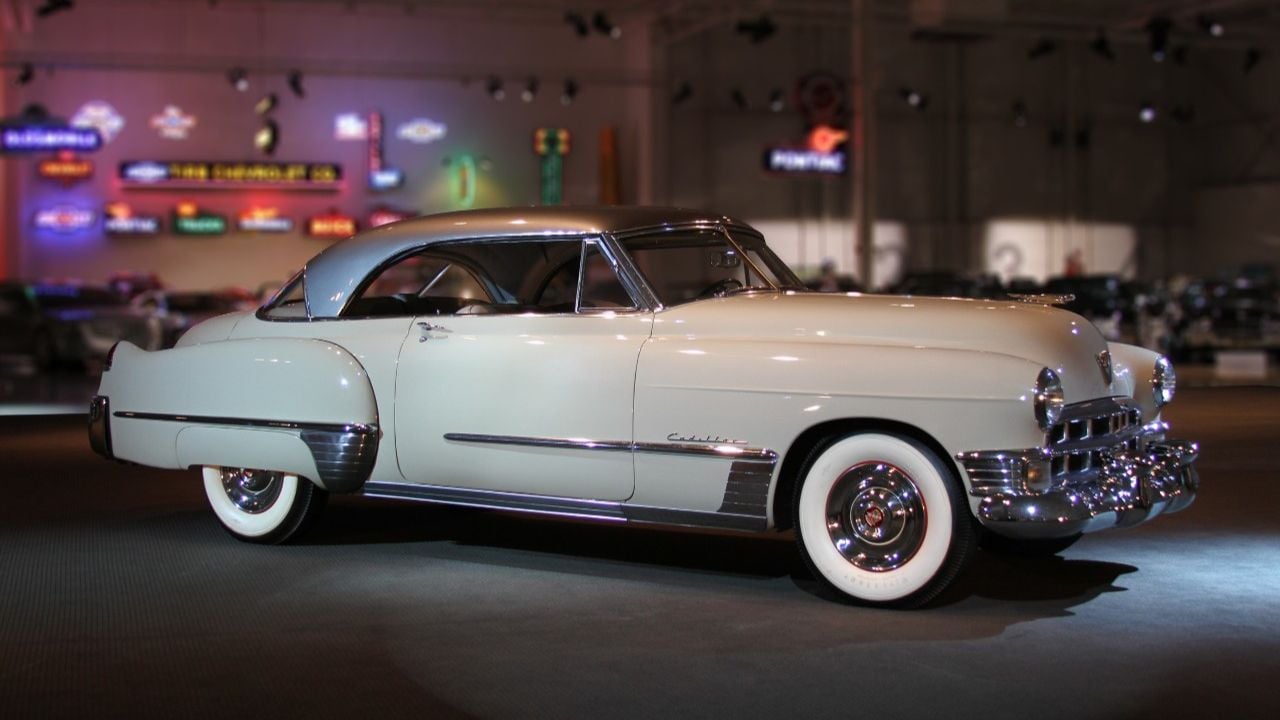
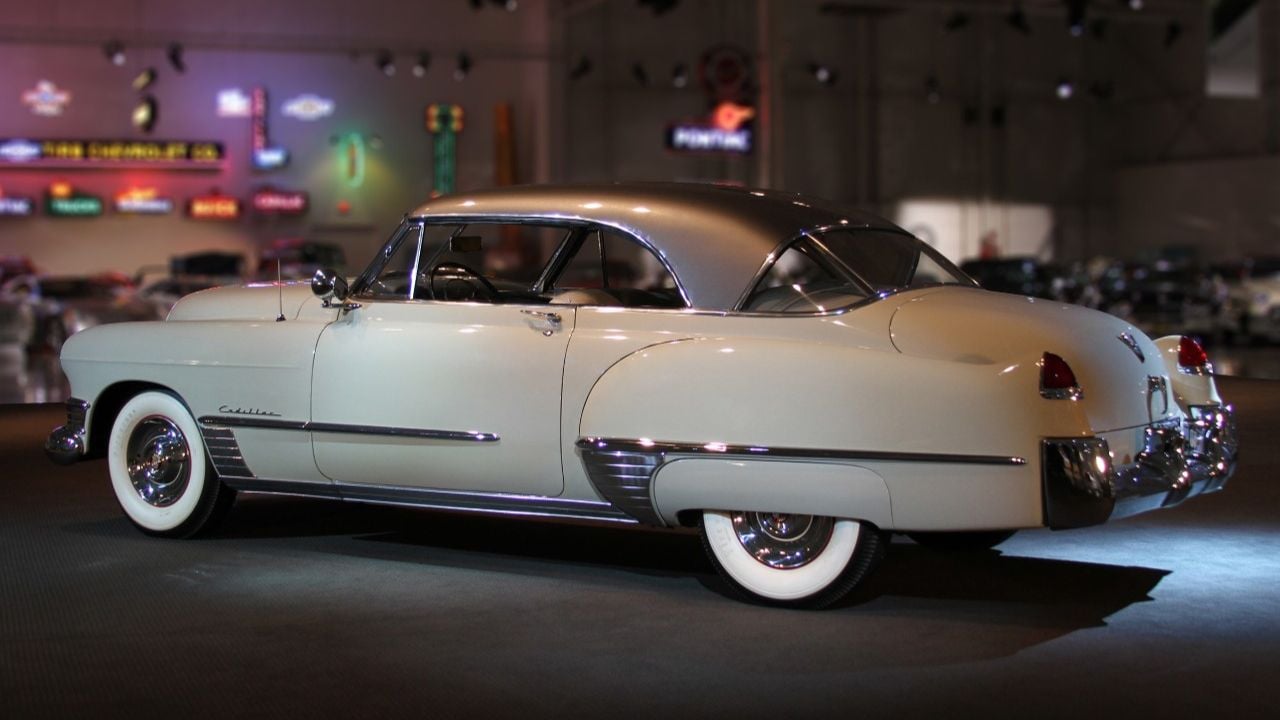
The 331-cubic-inch overhead-valve V8 is one of the most important Cadillac engines many modern drivers rarely think about. It arrived for 1949 and helped launch Cadillac into the postwar horsepower era with a modern, lighter, high-compression, short-stroke design.
General Motors says the 1949 Coupe de Ville used a 331-cubic-inch V8 with 160 hp. Cadillac’s 120th-anniversary material also describes the 1949 engine as a modern overhead-valve V8 that helped kick off the coming horsepower wars.
In the Coupe de Ville, the engine matched Cadillac’s new hardtop elegance with genuine mechanical progress. It gave the car the smoothness buyers expected, but it also made Cadillac feel modern at the exact moment postwar American luxury was becoming more powerful.
This engine matters because it showed that performance in a Cadillac did not need to be loud or theatrical. It could feel effortless, refined, and quietly advanced.
429-Cubic-Inch V8: 1965 Cadillac Sedan de Ville
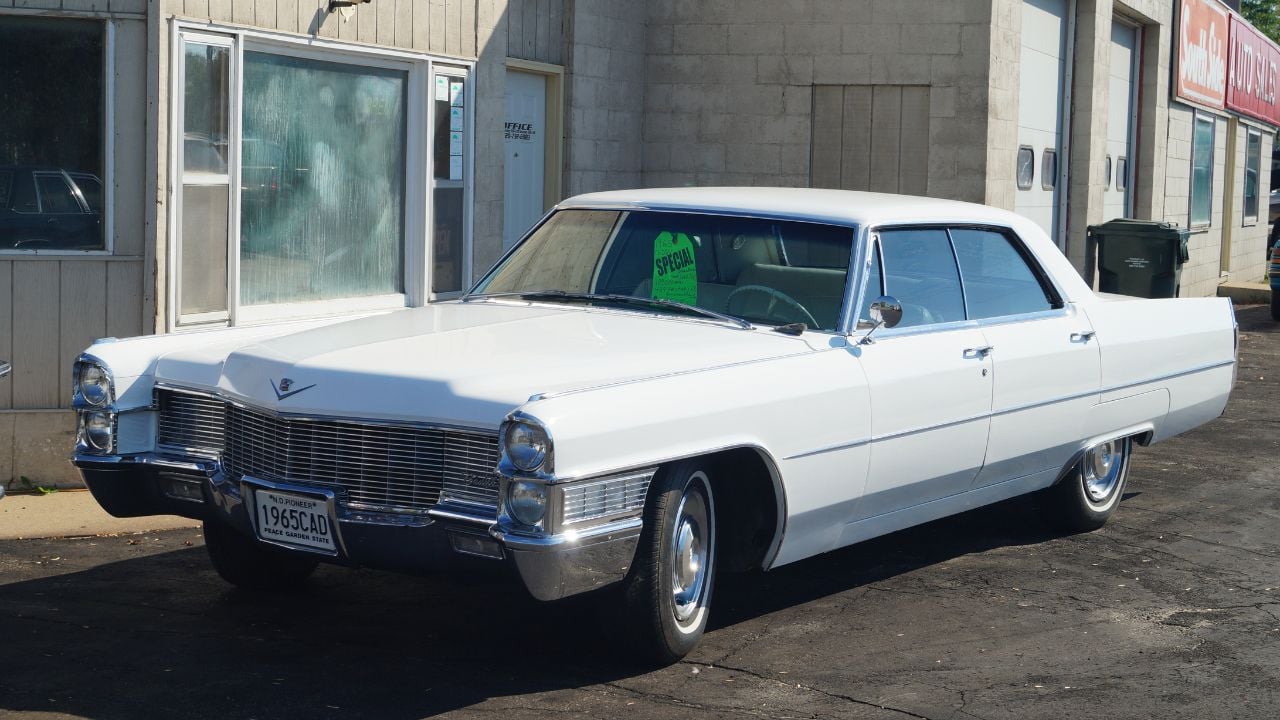
The 429-cubic-inch V8 sits in a strange place in Cadillac history. It was strong, smooth, and widely used, but it often gets overlooked between the earlier 390 and the later giant 472 and 500 engines.
That is unfair, because the 429 represented Cadillac at a time when full-size American luxury still expected big displacement and easy torque as standard equipment.
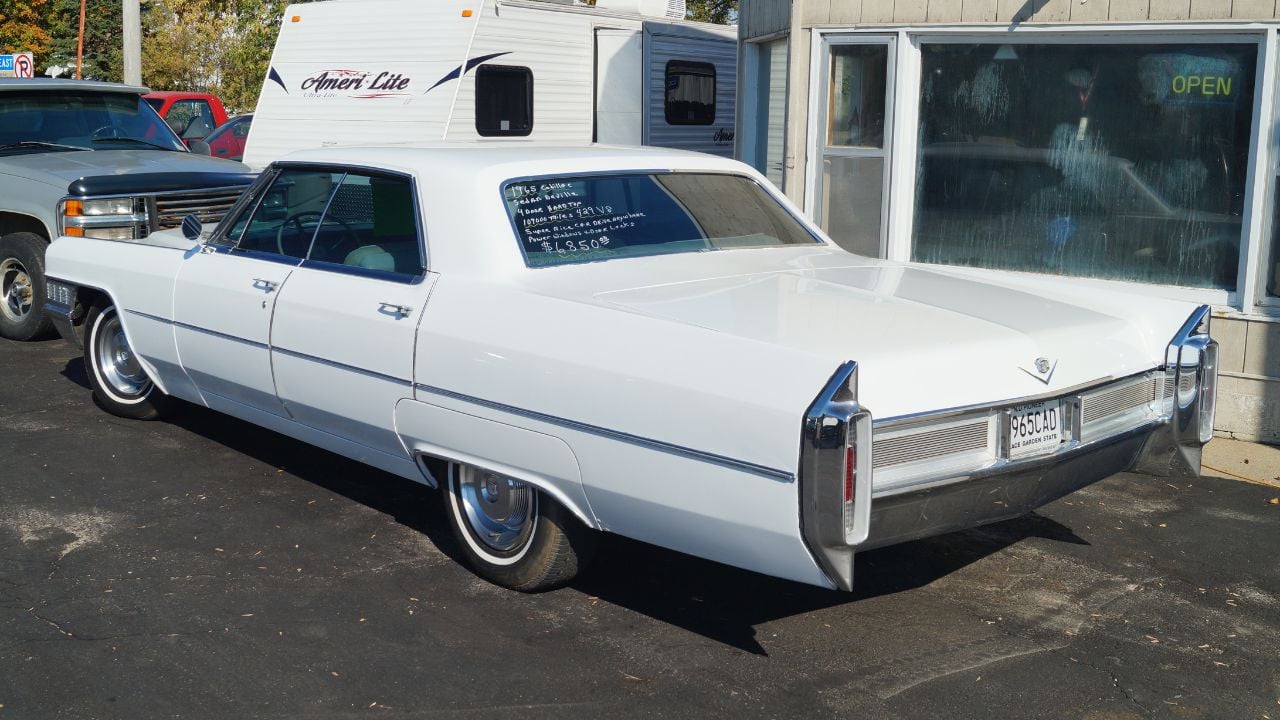
A 1965 Cadillac Sedan de Ville road test listed the overhead-valve 429 with 340 hp at 4,600 rpm and 480 lb-ft of torque at 3,000 rpm, paired with a Turbo Hydra-Matic 3-speed automatic.
In the Sedan de Ville, that engine gave a large, formal Cadillac the quiet push buyers expected. It was not dramatic. It was confident, and that was exactly the point.
500-Cubic-Inch V8: 1970 Cadillac Eldorado
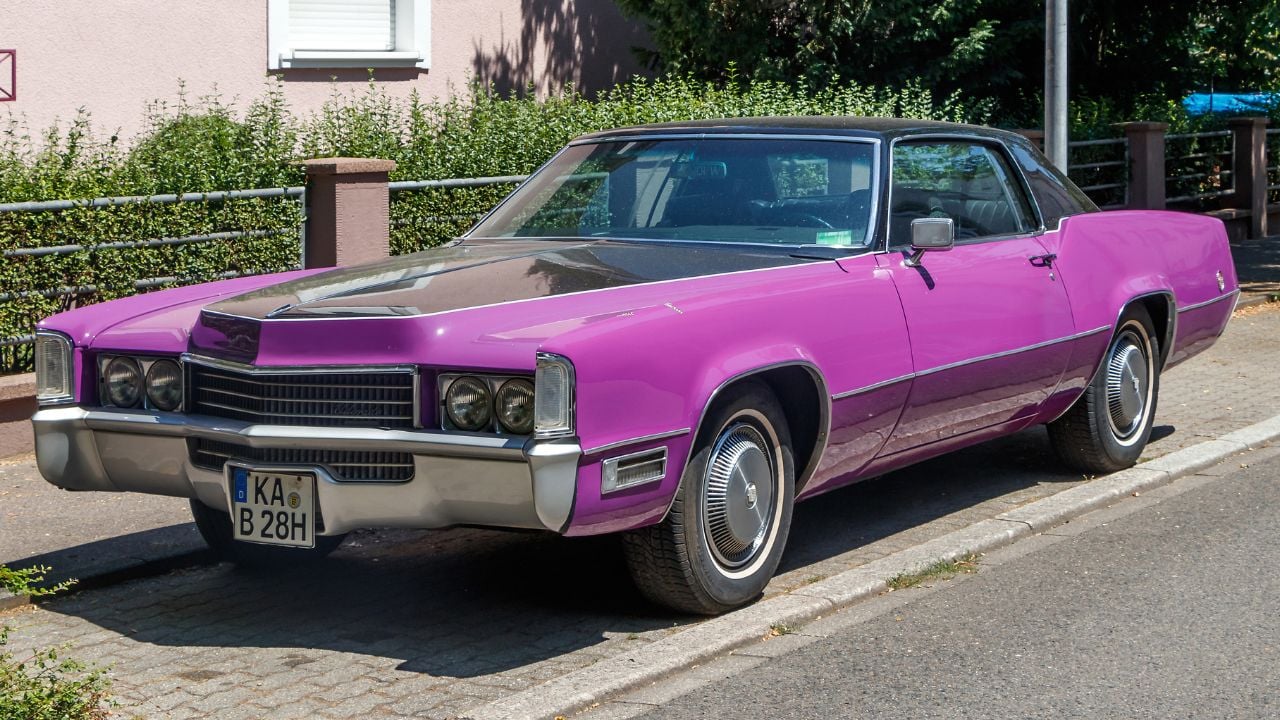
The 500-cubic-inch Cadillac V8 remains famous among Cadillac loyalists, yet many ordinary drivers forget that one of America’s largest-displacement production passenger-car V8s once lived in a front-wheel-drive luxury coupe.
The 1970 Eldorado carried the 8.2-liter engine at its most impressive early rating, with factory data showing 400 hp and 550 lb-ft of torque.
That kind of displacement feels almost unreal now, especially in a personal luxury car built for quiet cruising rather than muscle car theater.
The Eldorado made the engine feel grand instead of crude. It pulled with enormous authority, matched the car’s long hood and formal style, and showed Cadillac’s belief that luxury should never feel strained.
This was not a high-revving performance engine. It was American excess translated into smooth motion.
368-Cubic-Inch V8-6-4: 1981 Cadillac Eldorado
The 368-cubic-inch V8-6-4 is one of Cadillac’s most fascinating imperfect experiments. The idea was bold: let the engine operate on eight, six, or four cylinders depending on driving conditions to save fuel without abandoning V8 smoothness.
The 1981 Eldorado used this 6.0-liter engine with 140 hp and 265 lb-ft of torque. Those numbers sound modest today, but they came from a period shaped by emissions rules, fuel-economy pressure, and changing luxury expectations.
The technology arrived before engine computers were ready to make cylinder deactivation feel seamless, so the system developed a reputation for frustration.
Still, the concept was ahead of its time. Modern cylinder deactivation became common decades later, and Cadillac had already tried to bring that idea to luxury buyers in 1981. The execution arrived too early, but the thinking pointed toward the future.
HT4100 249-Cubic-Inch V8: 1985 Cadillac Eldorado
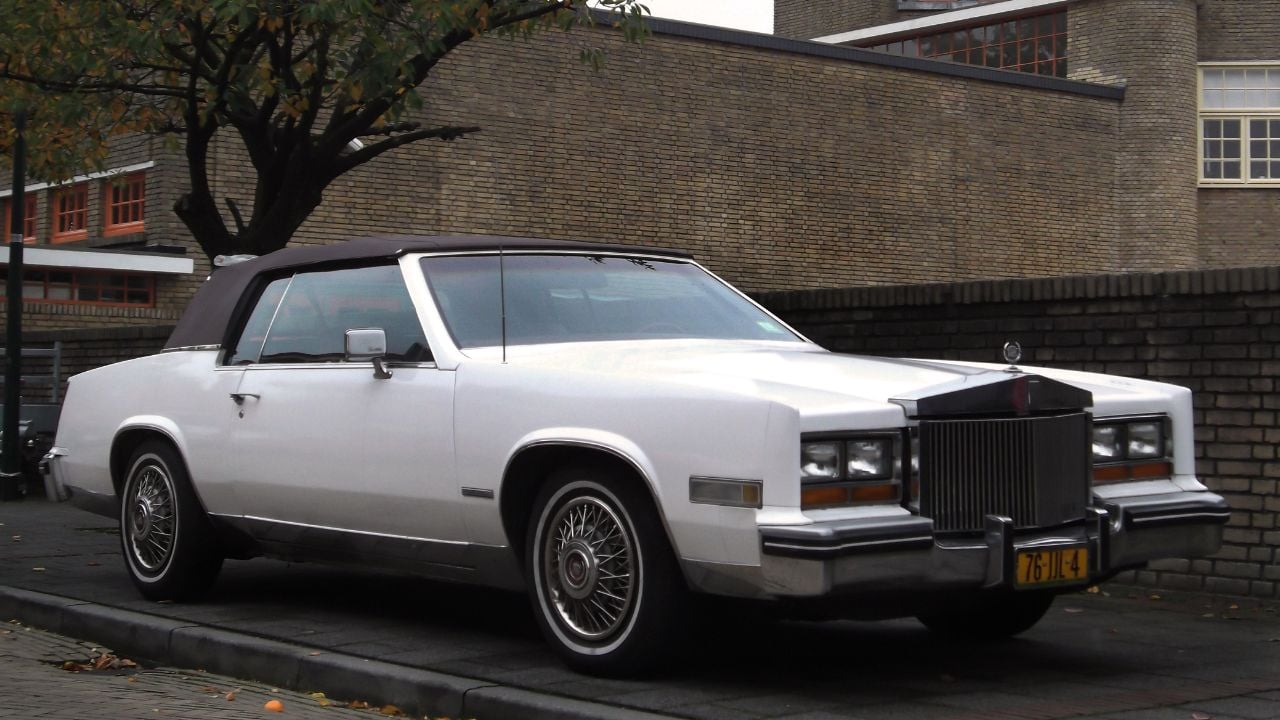
The HT4100 may not be loved, but it absolutely belongs in Cadillac history. Introduced for the early 1980s, the 4.1-liter V8 reflected a brand trying to survive a new world of smaller cars, stricter efficiency demands, and front-wheel-drive packaging.
In the 1985 Eldorado, the HT4100 is commonly listed at 135 hp and 200 lb-ft of torque, numbers that showed how far Cadillac had moved from the massive-displacement years.
It used aluminum construction ideas and was intended to feel modern, efficient, and technically sophisticated. Cadillac was trying to preserve the V8 identity while shrinking the engine around a very different luxury market.
The problem was reputation. Many owners remember the HT4100 for durability concerns rather than innovation, and that memory is difficult to separate from the engine’s place in Cadillac history.
That is exactly why it belongs here. The HT4100 tells the uncomfortable part of the story: Cadillac wanted a modern V8 future, but the transition from old displacement to new efficiency was not clean.
4.6-Liter Northstar V8: 1993 Cadillac Allanté
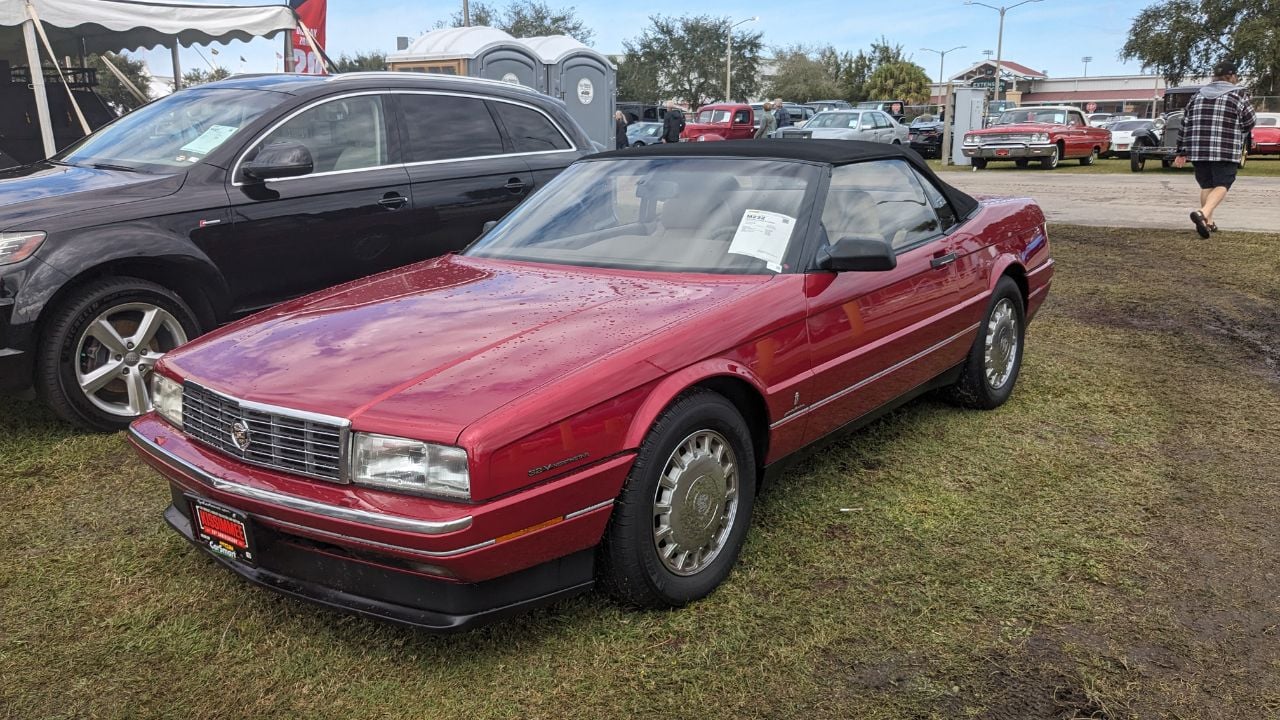
The 4.6-liter Northstar V8 was Cadillac’s major technological reset for the 1990s. It brought dual overhead cams, 32 valves, aluminum construction, and a far more modern personality than the brand’s older pushrod luxury engines.
The 1993 Allanté gave the Northstar an especially interesting stage because Cadillac’s Pininfarina-bodied roadster needed stronger performance to match its price and image.
Contemporary Allanté material lists the 1993 model with a 4.6-liter Northstar V8 producing 295 hp and 290 lb-ft of torque. Cadillac history material also notes that the Allanté received the 4.6-liter Northstar V8 with 32 valves during this period.
The engine made the Allanté feel more credible as a luxury performance convertible. It was smooth, advanced, and ambitious, even if later Northstar maintenance stories complicated its legacy.
For Cadillac, the Northstar mattered because it showed the brand wanted to be seen as high-tech again, not merely traditional.
The Forgotten Thunder Beneath the Crest
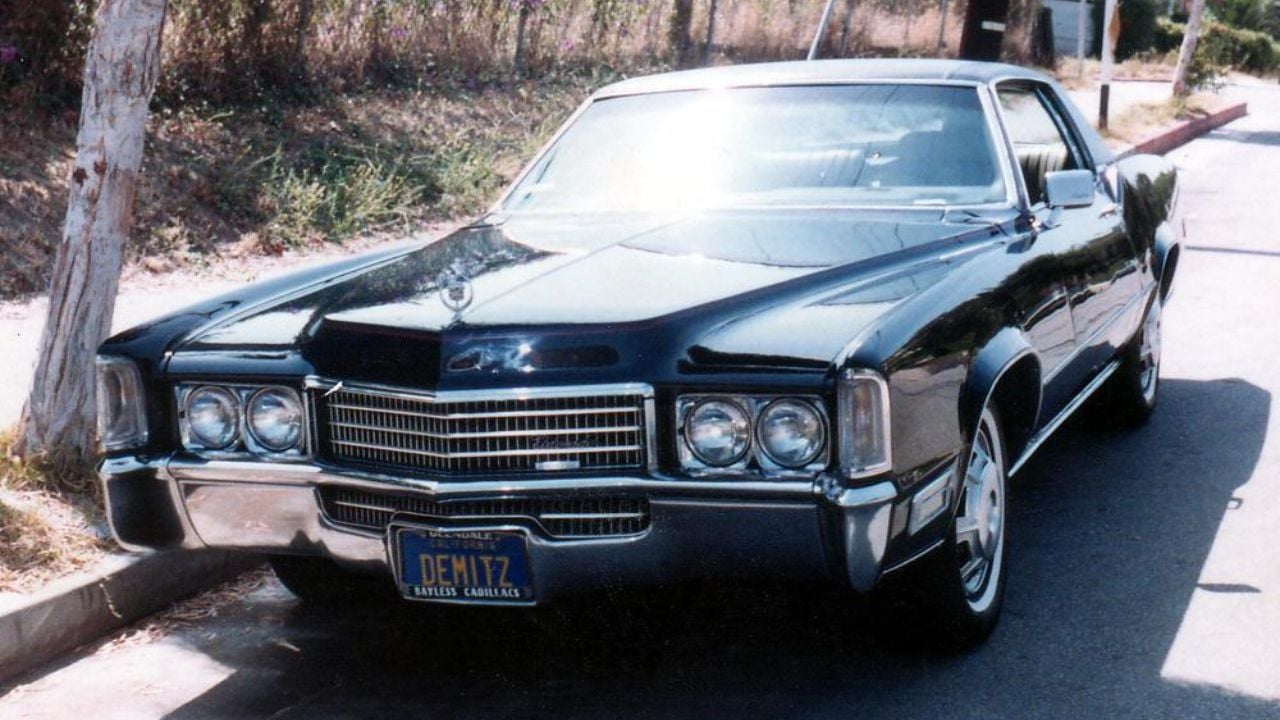
Cadillac’s V8 history is not one straight line. It is a story of ambition, confidence, overreach, reinvention, and occasional brilliance.
The 331 helped define postwar Cadillac power. The 429 kept the brand’s big luxury cars moving with quiet authority. The 500 turned displacement into a symbol of effortless American confidence.
The V8-6-4 tried to predict a fuel-saving future before the technology was ready. The HT4100 showed how difficult downsizing could be. The Northstar brought Cadillac into a high-tech era.
That variety is what makes the story worth remembering. Cadillac’s forgotten V8s were not only engines. They were reflections of what American luxury was trying to become at each moment in time.
Some made the brand stronger. Others became cautionary tales. All of them carried the same old promise in different ways: a Cadillac should move with confidence, carry itself with authority, and feel like something more substantial than ordinary transportation.