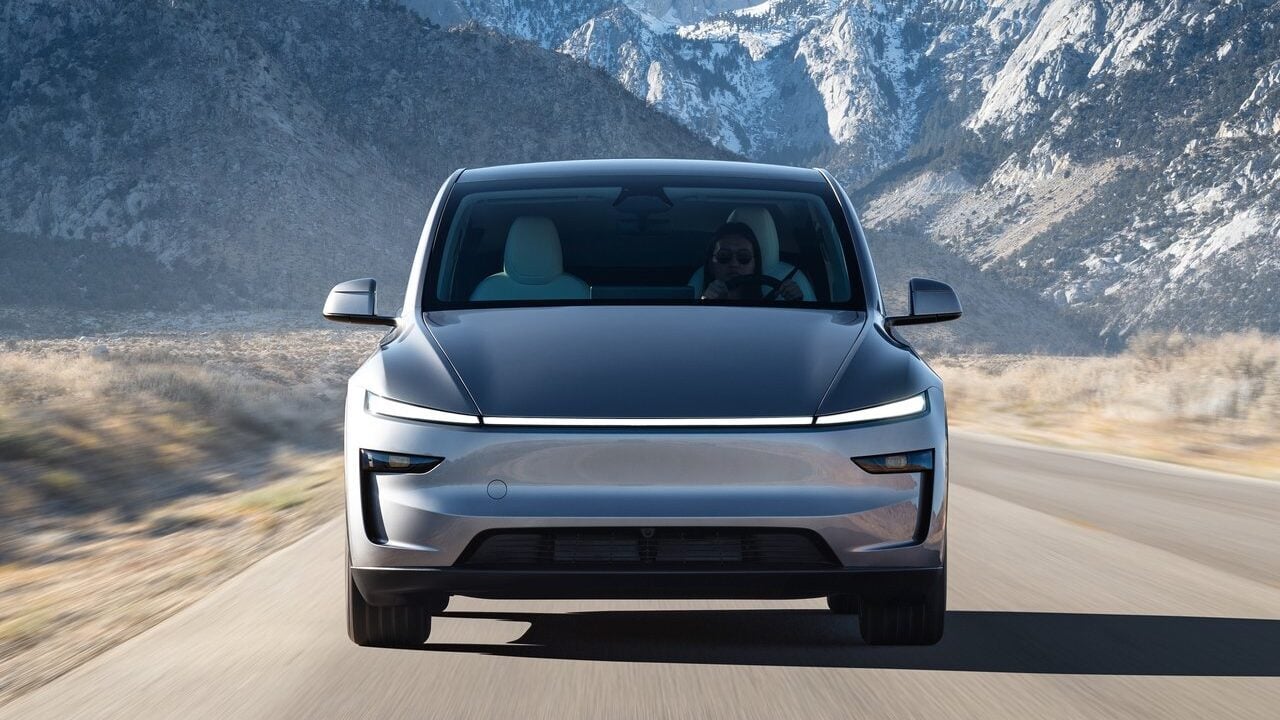
Tesla has reached a major milestone in vehicle safety technology after the National Highway Traffic Safety Administration confirmed that the 2026 Tesla Model Y is the first vehicle to pass the agency’s newly expanded Advanced Driver Assistance Systems evaluations.
The updated testing program is part of NHTSA’s evolving New Car Assessment Program, which now places greater emphasis on crash-avoidance technology rather than focusing solely on crash survivability. The agency says the new evaluations are designed to help consumers better understand how modern driver-assistance systems perform in real-world situations.
According to NHTSA, later-production 2026 Model Y vehicles built on or after November 12, 2025, successfully met all requirements for four newly introduced ADAS safety tests. Those evaluations included pedestrian automatic emergency braking, lane keeping assistance, blind spot warning, and blind spot intervention.
The Model Y also passed the agency’s existing ADAS evaluations covering forward collision warning, crash imminent braking, dynamic brake support, and lane departure warning.
NHTSA Says The New Tests Raise Safety Standards
Unlike traditional crash-test ratings that assign stars or scores, the updated ADAS evaluations use a pass-or-fail system. Vehicles either meet the agency’s minimum performance standards or they do not.
NHTSA Administrator Jonathan Morrison described the Model Y’s performance as an important step toward improving road safety through advanced driver-assistance technology.
The agency says expanding ADAS testing is part of a larger effort to encourage automakers to invest in systems capable of preventing crashes before they happen. That focus comes as distracted driving and pedestrian fatalities remain persistent concerns across the United States.
Tesla reportedly submitted its own testing data for the evaluations, which regulators reviewed as part of the process. NHTSA says it plans to begin independently conducting these newer ADAS evaluations starting with the 2027 model year.
Tesla’s Safety Recognition Comes During Federal Investigation
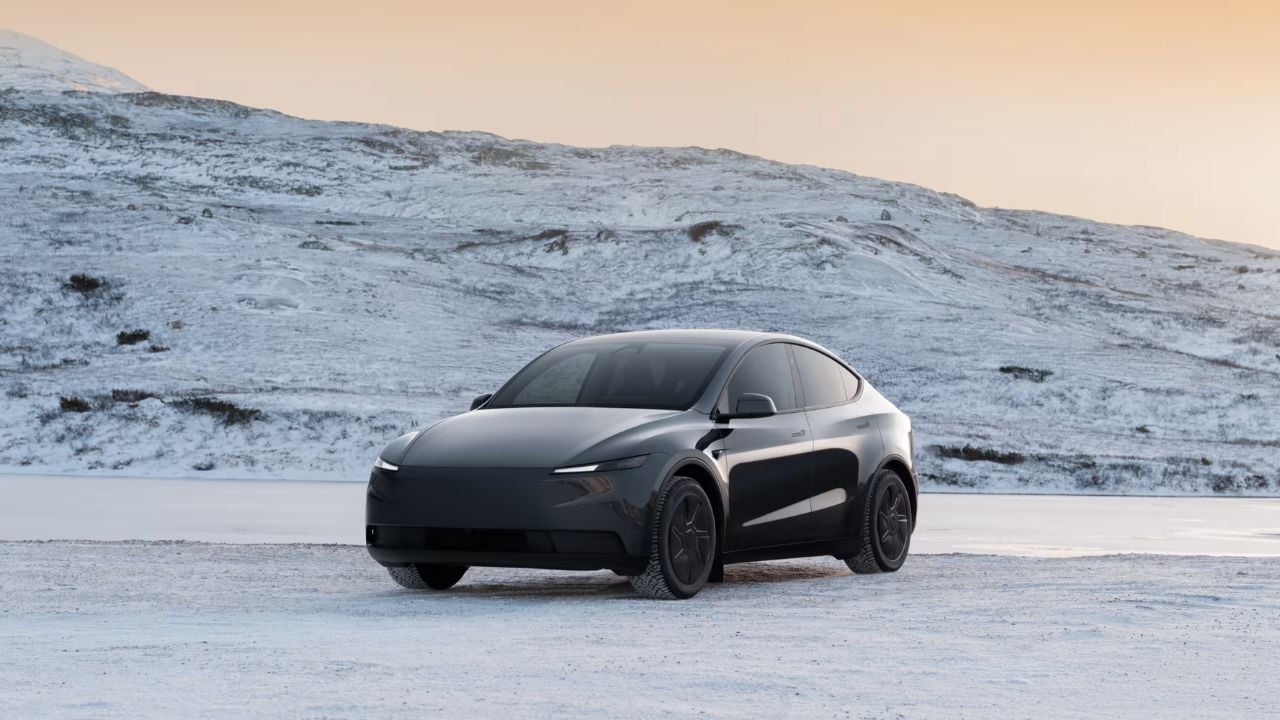
The timing of Tesla’s latest recognition is notable because the company’s Full Self-Driving technology remains under active federal investigation.
Earlier this year, NHTSA escalated its probe into Tesla’s Full Self-Driving system from a Preliminary Evaluation to a more serious Engineering Analysis stage. The investigation now covers an estimated 3.2 million Tesla vehicles spanning Model S, Model X, Model 3, Model Y, and Cybertruck vehicles equipped with FSD technology.
Regulators are specifically examining whether Tesla’s camera-based Tesla Vision system can properly detect reduced-visibility conditions such as sun glare, fog, dust, and other environmental obstructions. Investigators want to determine whether the system adequately warns drivers when visibility limitations affect the vehicle’s ability to operate safely.
The probe currently involves at least nine documented crashes, including one fatal pedestrian collision and another crash resulting in injury.
Questions Remain About Real-World Performance
While the new ADAS recognition applies specifically to updated 2026 Model Y vehicles, many of the federal concerns focus on older hardware and earlier versions of Tesla’s software systems.
Even so, the situation highlights the ongoing tension surrounding Tesla’s driver-assistance technology. The company has long positioned itself at the center of the industry’s push toward software-driven vehicle automation, but it has also faced repeated criticism, lawsuits, and regulatory scrutiny over how its systems are marketed and used.
NHTSA continues emphasizing that Tesla’s Full Self-Driving system remains a driver-supervised assistance feature rather than a fully autonomous driving system. Drivers are still expected to remain attentive and maintain control of the vehicle at all times.
For Tesla, becoming the first automaker to satisfy NHTSA’s new ADAS standards provides an important validation of its latest safety technology. At the same time, the broader investigation into Full Self-Driving shows regulators are still carefully examining how those systems behave outside controlled testing environments.
The latest Model Y may have passed the lab-based evaluations, but the larger debate surrounding Tesla’s self-driving ambitions is far from settled.