
Toyota Motor Corp. reported a sharp drop in quarterly profits as rising tariffs, higher research and development spending, and rising global costs continue to take their toll on the world’s largest automaker.
The company said operating profit in the fourth quarter fell nearly 50 percent from a year earlier to 569.4 billion yen ($3.7 billion), well below analyst expectations. Toyota had earned roughly 1.1 trillion yen ($7.2 billion) during the same period a year earlier, making this its weakest quarterly operating result in more than three years.
Toyota also trimmed its forecast for operating income for the current financial year, predicting operating profit of about 3 trillion yen ($19.5 billion) through March 2027. The figure is well below analyst estimates and highlights mounting worries over climbing costs across the automotive industry.
Toyota’s overall revenue, however, was largely unchanged at 12.6 trillion yen ($82 billion) in the quarter, but shrinking profits, falling vehicle sales, and increasing external pressures continue to present big challenges for the company.
Tariffs And Global Conflict Are Driving Costs Higher
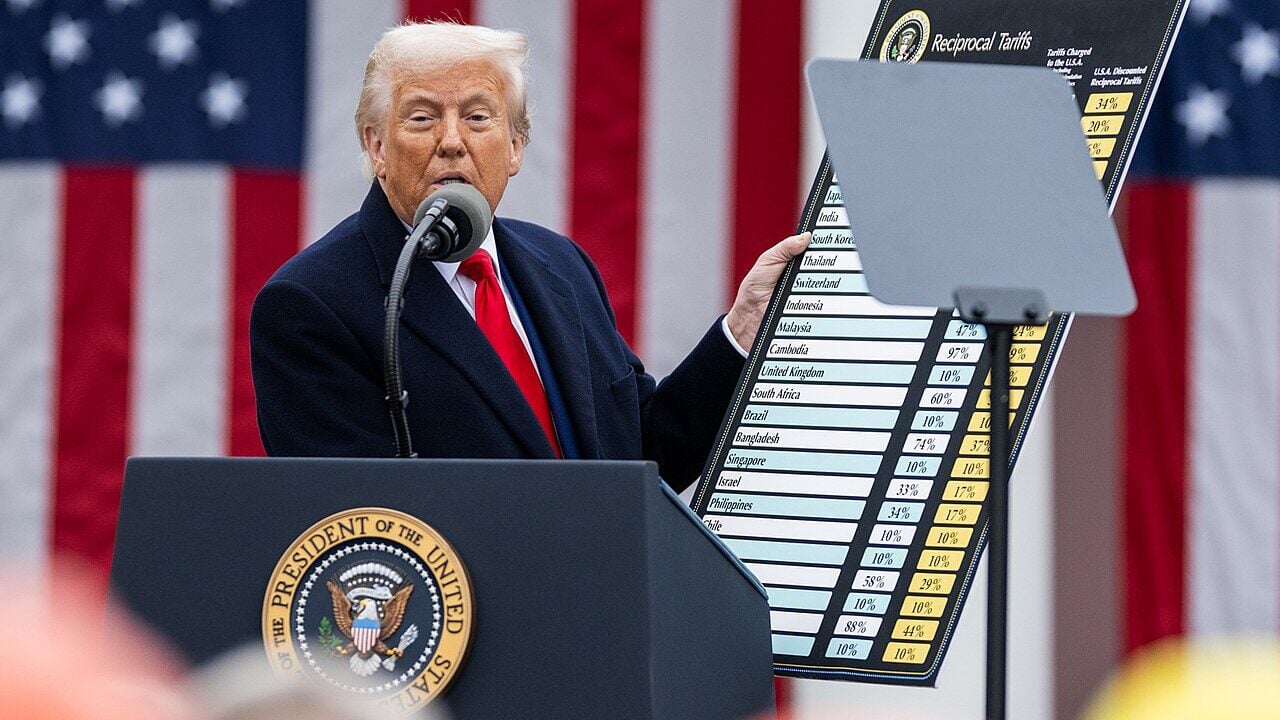
Toyota says much of the financial pressure comes from U.S. tariffs and increasing costs tied to the ongoing conflict in the Middle East. The automaker estimates the impact of the Iran-related conflict alone could cost the company roughly 670 billion yen, or about $4.3 billion, during the current financial year.
According to Toyota accounting group officer Takanori Azuma, rising fuel prices, transportation expenses, and material costs are all contributing to the financial hit.
The company also said supply disruptions and shipment delays have affected sales volumes in several regions, including the Middle East. Toyota’s regional deliveries reportedly fell sharply after shipping routes and logistics networks faced disruptions earlier this year.
At the same time, tariffs linked to U.S. trade policy continue adding major costs to Toyota’s operations. The company says tariffs alone cost it approximately 1.4 trillion yen during the previous financial year.
Higher R&D Spending Is Also Pressuring Margins
In addition to tariffs and material costs, Toyota says research and development expenses reached record highs during the fiscal year. The company pointed to certification-related issues, future product investments, and capacity constraints as major contributors to increased spending.
Toyota has been investing heavily across multiple technologies, including hybrids, battery-electric vehicles, software systems, and manufacturing improvements. Those investments come at a time when automakers are facing growing competition from Chinese brands and rapidly changing global regulations.
The company also acknowledged that its breakeven point has risen significantly due to increased spending on future technologies and workforce investments.
New CEO Kenta Kon, who recently took over leadership duties, said Toyota will continue aggressively identifying waste and controlling unnecessary spending as the company navigates a difficult global environment.
Hybrid Demand Remains Strong For Toyota

One major bright spot for Toyota continues to be hybrid vehicle demand. The automaker expects hybrid sales to surpass 5 million units globally for the first time this year as consumers increasingly look for fuel-efficient alternatives amid rising energy prices.
Toyota’s hybrid dominance has helped soften some of the pressure facing the industry. However, the gains have not been large enough to fully offset rising production costs, inflation, and weakening margins.
Vehicle sales during the quarter also declined slightly, falling from 2.36 million units to 2.29 million year-over-year.
Meanwhile, Toyota continues battling mounting competition in China’s EV market while simultaneously trying to expand battery-electric vehicle operations in North America, Europe, and China.
Toyota Is Navigating A Difficult Industry Transition
Toyota’s latest earnings reflect the challenges currently facing the global auto industry. Automakers are balancing expensive electrification investments, geopolitical instability, changing trade policies, and slowing demand in certain markets all at the same time.
The company recently committed to investing up to $10 billion in U.S. operations over the next five years, including a previously announced $1 billion investment across two American plants.
Even so, Toyota’s profitability has steadily declined since margins peaked during fiscal year 2024. While the company still remains highly profitable overall, the latest results show how quickly rising costs and global instability can affect even the industry’s largest manufacturers.
For now, Toyota appears focused on controlling expenses, expanding hybrid sales, and carefully managing its long-term EV transition while navigating one of the most uncertain periods the automotive industry has faced in years.