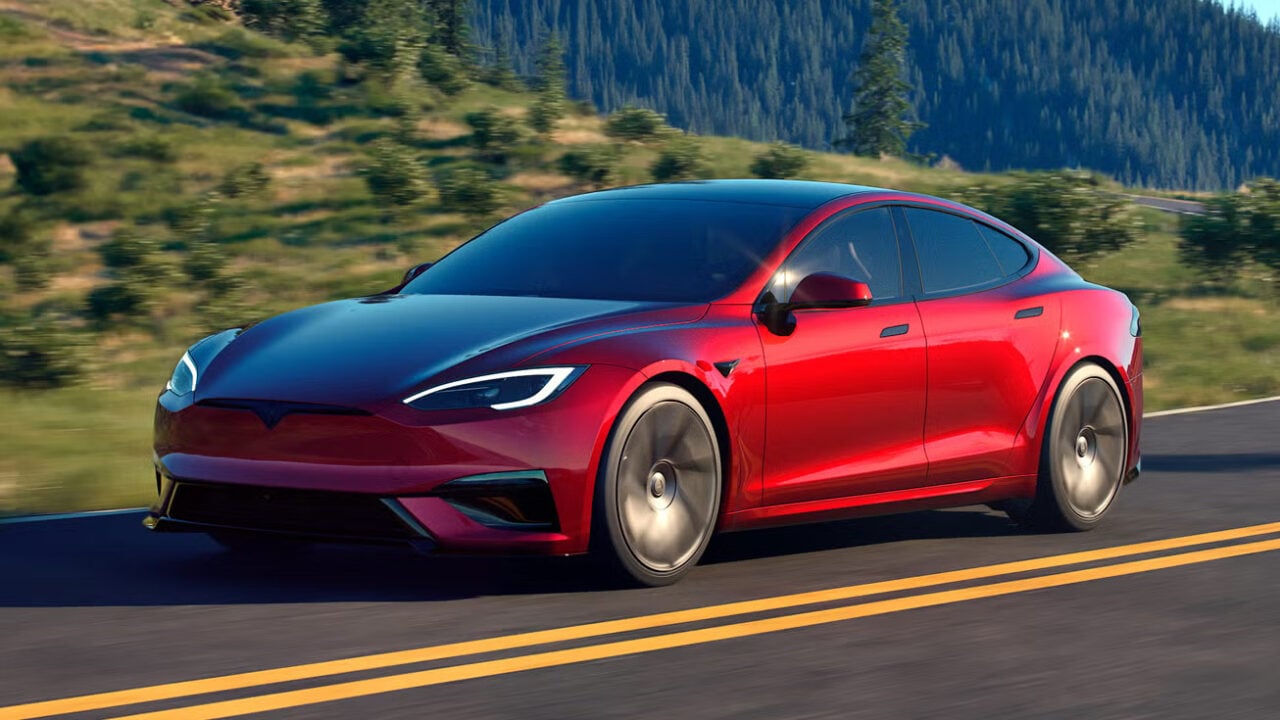
Tesla has produced its 10 millionth electric vehicle, reaching a manufacturing milestone that few companies could have imagined when the original Roadster entered production. The landmark vehicle was a Diamond Black Model Y assembled at the company’s Fremont factory in California.
The achievement shows just how quickly Tesla expanded after years of early production difficulties. The company needed roughly 12 years to build its first million vehicles, a figure reached in 2020, before adding another nine million in approximately six years.
Much of that growth came from the Model 3 sedan and Model Y crossover, which transformed Tesla from a niche luxury manufacturer into a global volume brand. New factories in China, Germany, and Texas gave the automaker the capacity to serve major markets without relying entirely on its original California operation.
Reaching 10 million vehicles is worth celebrating, although repeating the feat may prove considerably harder. Tesla now faces stronger competition, pricing pressure, changing government incentives, and the challenge of keeping an aging core lineup attractive.
Fremont Produces the Milestone Model Y
10 million vehicles produced globally.
Congrats to all Tesla teams! pic.twitter.com/JkcraR63bs— Tesla Manufacturing (@gigafactories) July 30, 2026
Tesla’s 10 millionth vehicle rolled off the line at Fremont, the same factory where Model S production began in 2012. The California plant has played a central role in the company’s development, producing the Model S, Model 3, Model X, and Model Y over its history.
Choosing the Model Y as the milestone vehicle was appropriate because the crossover has become Tesla’s primary volume product. Alongside the Model 3, it has provided the scale required to support expansion into battery storage, artificial intelligence, autonomous driving, and robotics.
Tesla’s production methods have also evolved considerably since its early days. Greater use of large castings, simplified vehicle structures, centralized software, and highly integrated factories helped the company increase output while reducing the number of components and assembly steps.
Nine Million Vehicles in Around Six Years
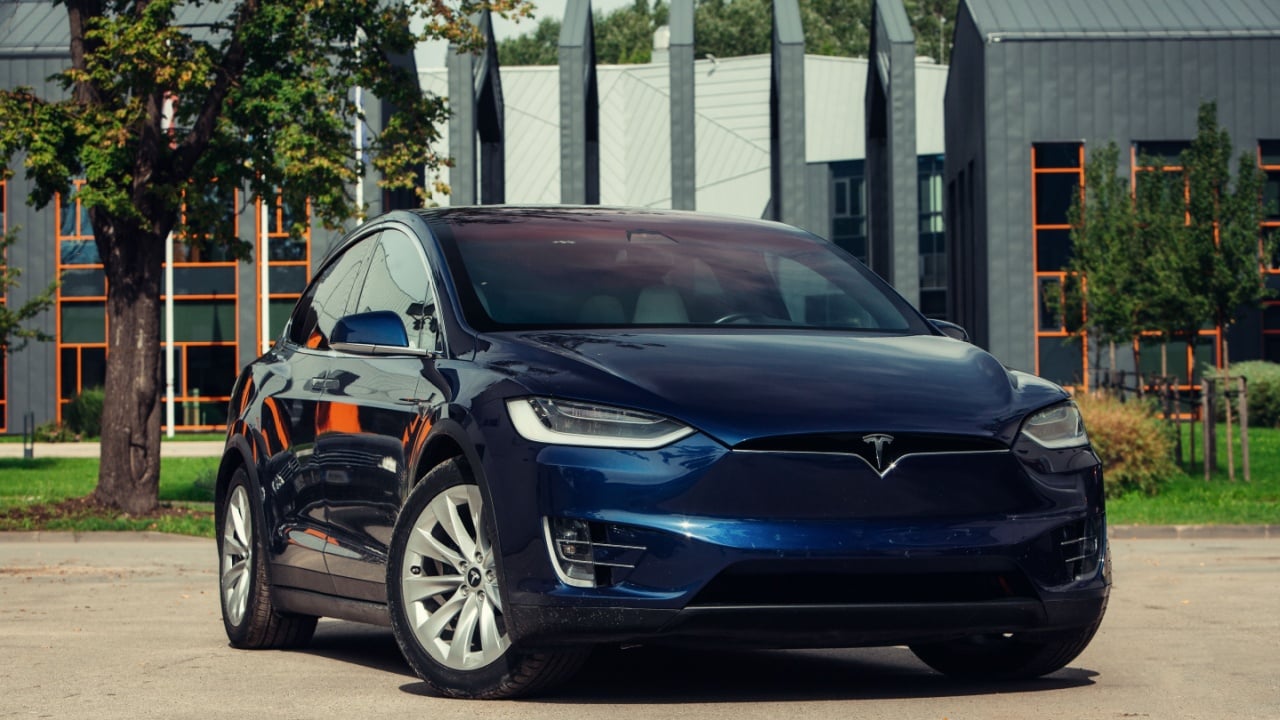
The speed of Tesla’s expansion after its first million vehicles demonstrates how dramatically its manufacturing network changed. Fremont was joined by the Shanghai factory in 2019, followed by additional production sites in Berlin and Texas.
Shanghai has become especially important, serving customers across China and several export markets. The plant has an annual production capacity exceeding 950,000 vehicles and accounted for more than half of Tesla’s worldwide deliveries in 2025, according to Reuters.
Tesla’s output has not grown in a perfectly straight line, however. Deliveries weakened during 2025 before rebounding in the second quarter of 2026, when the company delivered 480,126 vehicles and produced 451,758.
That recovery suggests demand remains substantial, particularly for the Model 3 and Model Y. It does not eliminate the longer-term question of whether Tesla can maintain growth without a broader selection of affordable, high-volume vehicles.
Competition Is Closing the Gap
Tesla now operates in a very different EV market from the one it helped create. As reported by Reuters, Chinese manufacturers including BYD, Xiaomi, Xpeng, Nio, and Li Auto are developing new models rapidly while competing aggressively on price, range, charging performance, technology, and interior features.
Legacy automakers are also improving their electric platforms, even if many continue to struggle with profitability and uneven demand. Customers now have far more alternatives across the sedan, crossover, pickup, luxury, and entry-level segments than they did when the Model 3 began reaching meaningful production volumes.
As the Model S and Model X are being phased out as Fremont space is repurposed for Optimus robot production, Tesla’s current passenger-car range remains heavily dependent on the Model 3 and Model Y, with the Cybertruck positioned as a more niche choice.
Software Cannot Carry the Entire Load

Tesla continues to argue that autonomous driving, robotaxis, artificial intelligence, and robotics will become increasingly important to its future. Investors are watching those programs closely as profit margins in the conventional vehicle business face pressure.
Over-the-air software updates remain one of Tesla’s strongest advantages, allowing the company to add features and adjust vehicle behavior without traditional dealership visits. Software alone, however, may not be enough to persuade buyers who are comparing newer designs, lower prices, faster charging, and more varied body styles from competitors.
The next stage of growth will likely depend on Tesla successfully combining its software ambitions with fresh and attainable vehicles. A smaller, less expensive model could expand the customer base, while meaningful updates to existing products would help defend market share.
Tesla’s 10 millionth EV confirms that the company has already changed the automotive industry. Producing the next 10 million will require it to prove that the manufacturing momentum behind its rise can survive a market where Tesla is no longer the only company setting the pace.