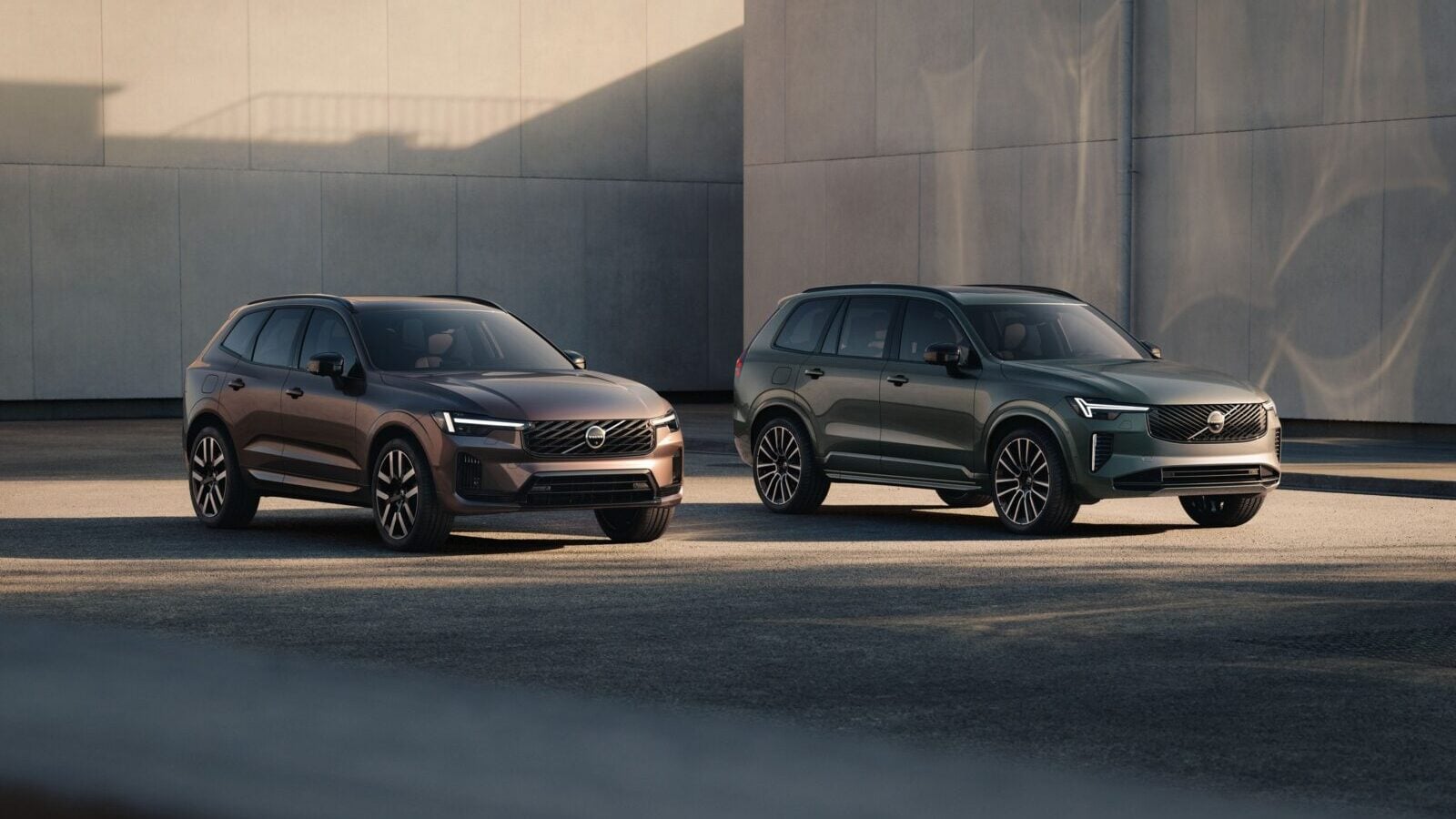
Volvo’s lineup is about to change significantly. After spending the past several years expanding its electric portfolio and updating familiar SUVs, the Swedish automaker is preparing its biggest product offensive yet.
Volvo has already backed away from its previous ambition of becoming an EV-only automaker by 2030, recognizing that customers in different parts of the world aren’t transitioning away from combustion engines at the same pace.
That doesn’t mean Volvo is retreating from electrification. Instead, its next generation of vehicles will combine fully electric models with new hybrids designed to give buyers another option when an EV doesn’t suit their needs.
According to Volvo, the transformation will happen remarkably quickly. The company plans to introduce 13 all-new vehicles globally between now and the end of 2030, describing it as the largest product push in its 99-year history.
Seven New Volvos Are Coming To Western Markets
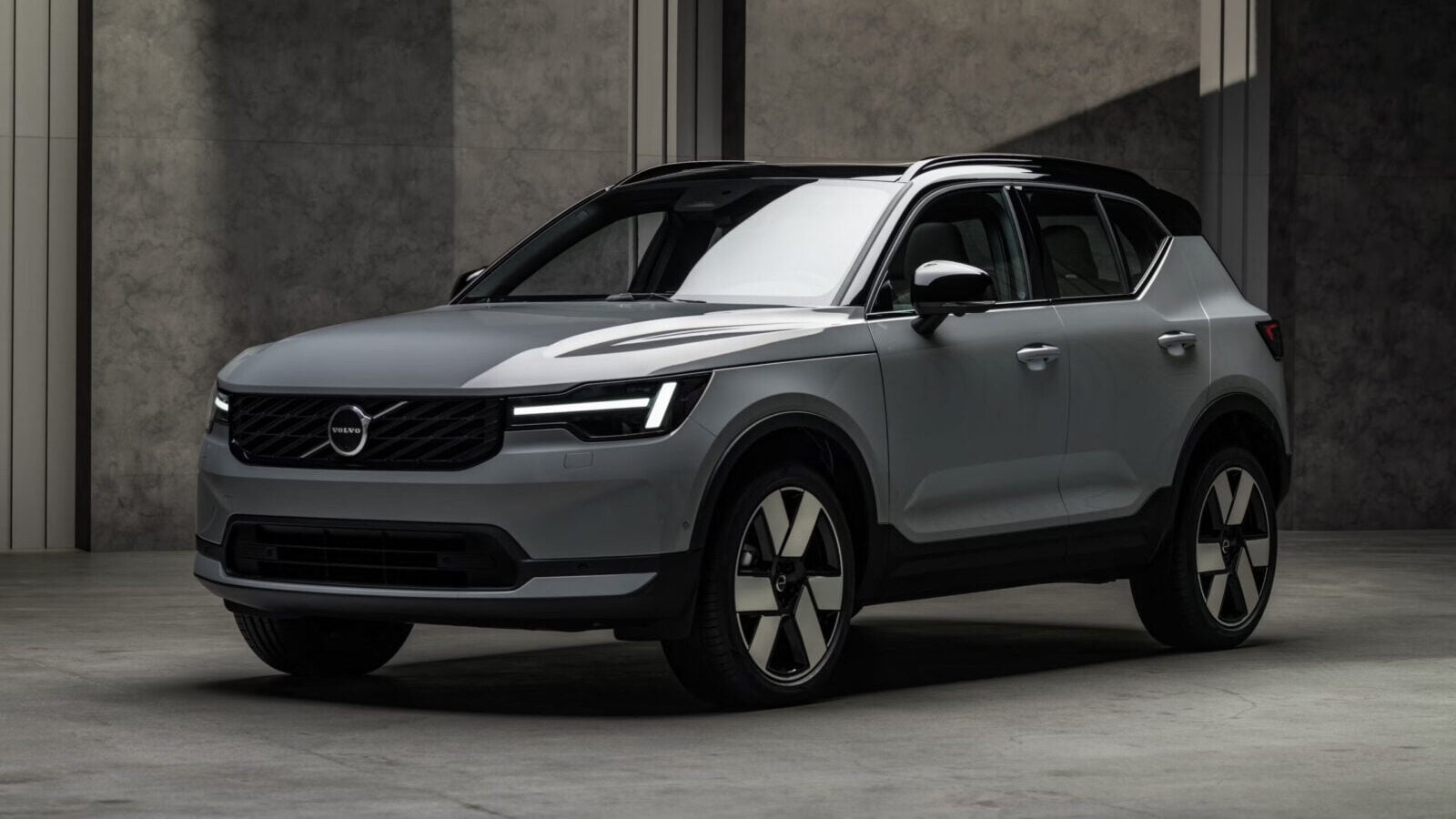
Volvo isn’t developing one universal lineup for every country. Of the 13 new vehicles, seven are being created for Western markets, including Europe and North America, while another six will be tailored specifically for China.
The Western-market vehicles will use Volvo’s SPA2 and newer SPA3 architectures together with its HuginCore computing platform. Volvo says sharing these technologies across multiple vehicles should help reduce future spending on engineering and manufacturing.
China will follow a somewhat different strategy. Volvo plans to work closely with parent company Geely on shared platforms, components, supply chains, and a dedicated technology stack intended specifically for Chinese customers.
Volvo ultimately wants the new products to help double its market share. CEO Håkan Samuelsson says the company’s showrooms will “look very different in 2030.”
Sedans And Wagons Could Make A Comeback
Exactly what those showrooms will contain is still secret, but Volvo has confirmed that it intends to enter new segments, suggesting its current SUV-heavy lineup could become much broader.
Company presentations have referenced both new “low” and “high” body styles, which has fueled expectations that sedans and, perhaps more interestingly for longtime Volvo fans, station wagons could return alongside future SUVs.
Reports have previously pointed toward potential electric sedan and wagon models for Western markets, although Volvo hasn’t officially confirmed their names or specifications. A concept arriving in 2027, Volvo’s centenary year, is expected to provide the first look at the company’s next design direction.
Volvo Isn’t Going EV-Only Yet
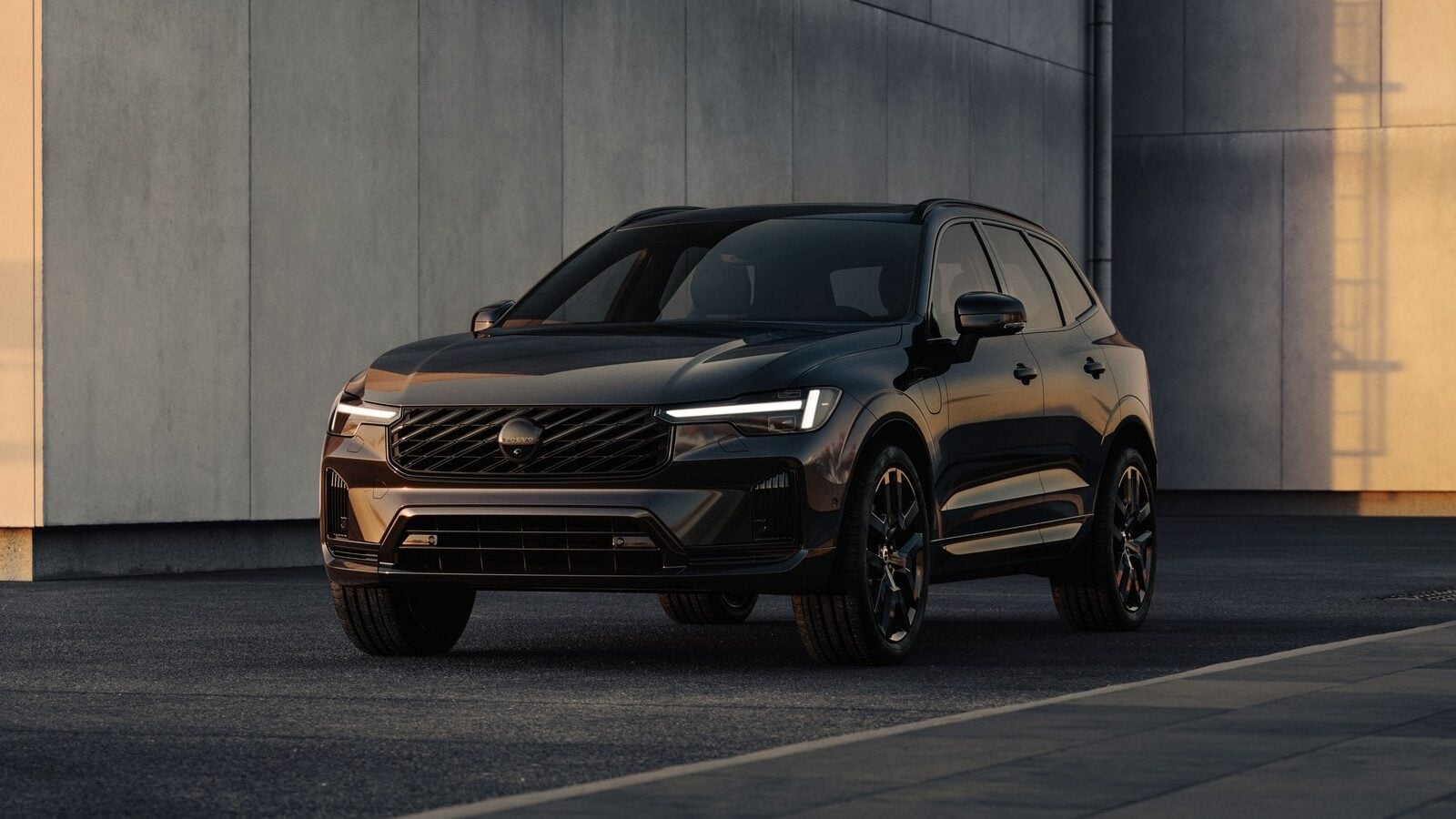
The product offensive also reflects Volvo’s revised approach to electrification. Instead of relying exclusively on battery-electric vehicles, the company plans to offer EVs alongside what it calls third-generation hybrids.
That strategy is already becoming visible, as Volvo recently revealed longer-range plug-in hybrid systems for the XC60 and XC90, giving customers more electric-only driving without eliminating the combustion engine.
By 2030, Volvo expects to have a lineup tailored far more closely to individual regions rather than trying to sell essentially the same mix everywhere. With 13 completely new cars arriving in roughly four years, there won’t be much time between introductions either.