When most people hear “HEMI,” they picture a Charger or Challenger tearing up the quarter-mile, or maybe a Ram truck hauling serious payload. Chrysler’s hemispherical combustion chamber design has become synonymous with American muscle, and for good reason.
But the HEMI story goes way deeper than the modern Mopar lineup that dominated the 2000s and 2010s. From luxury sedans to family SUVs, and even some oddball collaborations you’d never expect, the HEMI engine found its way into some genuinely surprising places.
Here are the vehicles that prove HEMI power wasn’t just reserved for the usual suspects.
2006-2010 Jeep Commander

The boxy Jeep Commander might not scream performance, but under that family-hauler exterior lurked an available 5.7L HEMI V8. This three-row SUV offered the same 330-horsepower engine found in much sportier applications, giving soccer practice runs a little more excitement than necessary.
Jeep sold around 220,000 Commanders in the U.S. alone during its short production run, and those with the HEMI option could tow up to 7,400 pounds while still seating seven. The Commander proved that HEMI power could handle school pickups and Home Depot runs just as well as burnouts, even if it looked more sensible than savage.
For 2009-2010, Chrysler bumped power to 357 horsepower with the addition of variable valve timing, making the later models even more capable.
2005-2008 Dodge Magnum
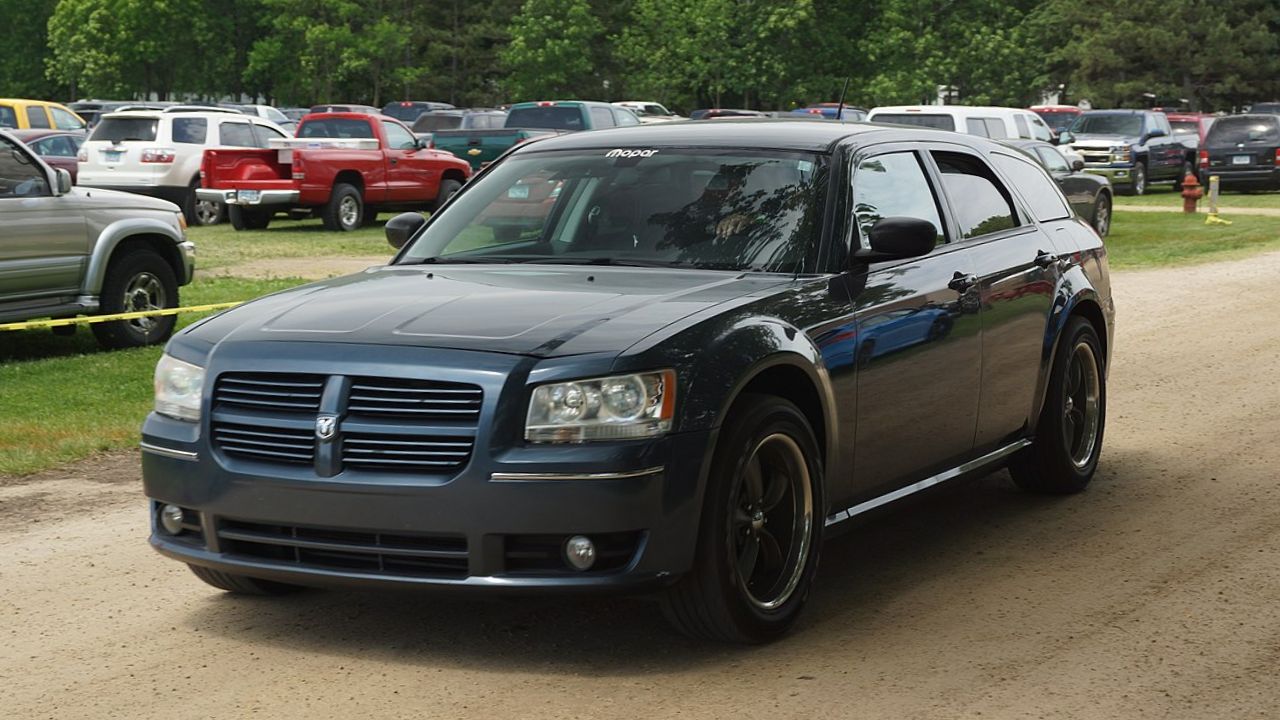
Station wagons aren’t supposed to be cool, but somebody forgot to tell Dodge when they dropped a HEMI into the Magnum! The aggressive, forward-leaning design borrowed styling cues from concept cars, and the available 5.7L or 6.1L HEMI turned this grocery-getter into a legitimate sleeper.
The SRT8 version cranked out 425 horsepower and could hit 60 mph in under five seconds, numbers that embarrassed plenty of sports cars. With 27 cubic feet of cargo space behind the rear seats, you could haul mulch and humiliate Mustangs on the same Saturday afternoon.
The Magnum remains one of the most underappreciated HEMI vehicles, proving practicality and performance could coexist.
2005-2008 Chrysler 300C SRT8

While the standard 300C with its 5.7L HEMI turned heads, the SRT8 variant took things to another level with a 6.1L HEMI producing 425 horsepower. This luxury sedan looked like something a mob boss would drive, but it ran like a proper muscle car with a 0-60 time around 4.7 seconds.
Chrysler built this generation to compete with European sports sedans, and the SRT8 delivered genuine performance at a fraction of the German price tag. The 300C proved that four doors and executive styling didn’t mean you had to sacrifice straight-line speed.
It became an unlikely icon, showing up in music videos and earning respect from enthusiasts who appreciated its bold approach.
2008-2010 Chrysler Aspen
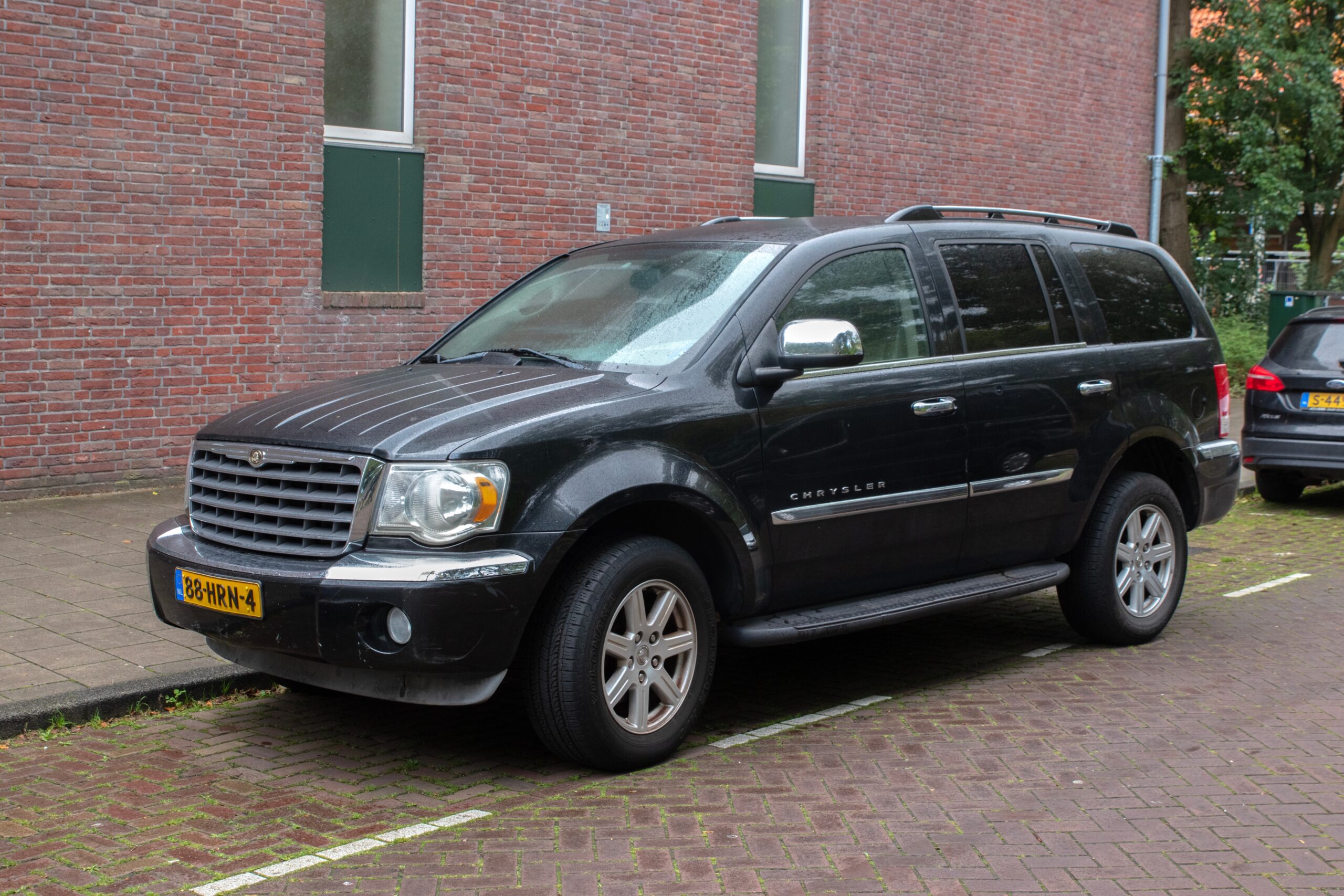
The Chrysler Aspen was essentially a fancier Dodge Durango, but its short two-year production run makes it a forgotten member of the HEMI family. The available 5.7L HEMI V8 produced 335 horsepower and gave this luxury SUV respectable performance alongside its upscale interior.
Chrysler positioned the Aspen as a premium alternative to the Durango, with more chrome, nicer materials, and a hefty price tag to match. Unfortunately, timing couldn’t have been worse, as the Aspen launched just before gas prices spiked and the economy collapsed.
Only around 60,000–65,000 were built before Chrysler pulled the plug, making the HEMI-powered Aspen an obscure footnote in automotive history.
2012-2014 Jeep Grand Cherokee SRT8
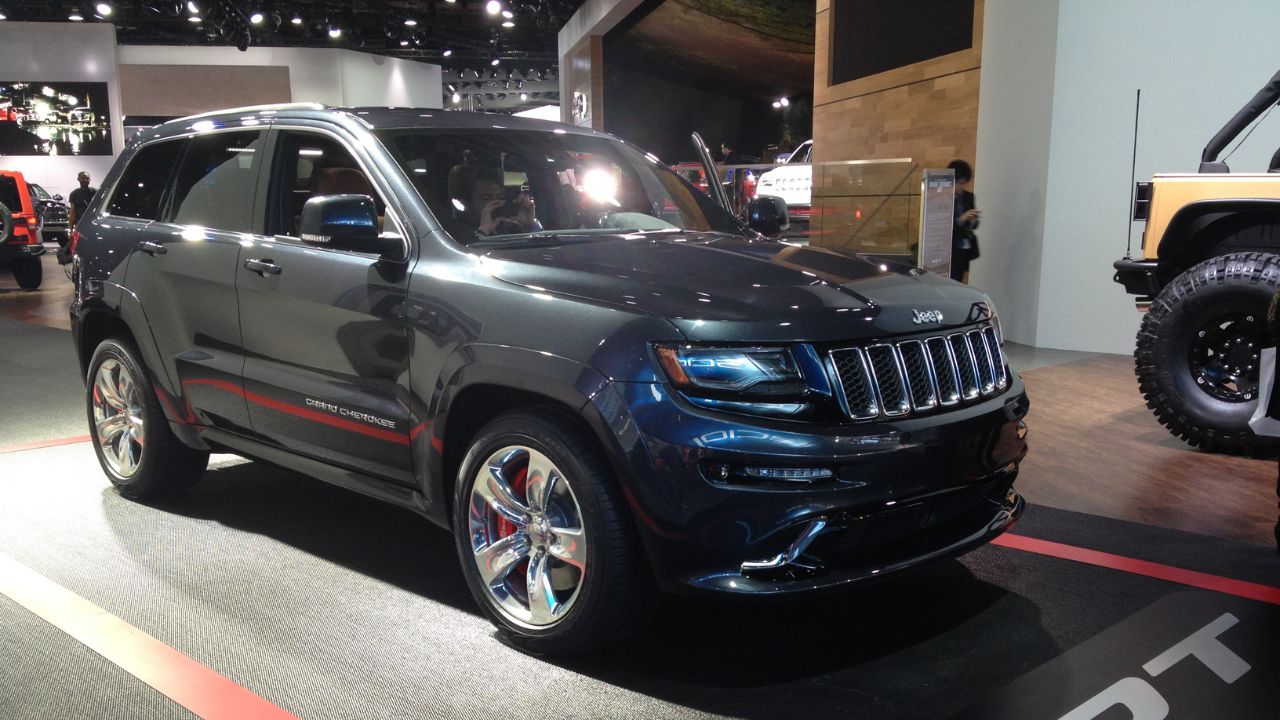
The Grand Cherokee SRT8 packed the 6.4L HEMI into Jeep’s premium SUV, creating something that could haul families and embarrass sports cars with equal effectiveness. With 470 horsepower on tap, this SUV could hit 60 mph in under five seconds despite weighing over 5,100 pounds.
The SRT8 featured performance-tuned suspension, massive Brembo brakes, and aggressive styling that clearly separated it from standard Grand Cherokees. Jeep sold thousands of these performance SUVs to buyers who wanted practicality without sacrificing power.
It proved the HEMI could make even a capable off-roader into a pavement-scorching machine.
2018–2023 Dodge Durango SRT 392
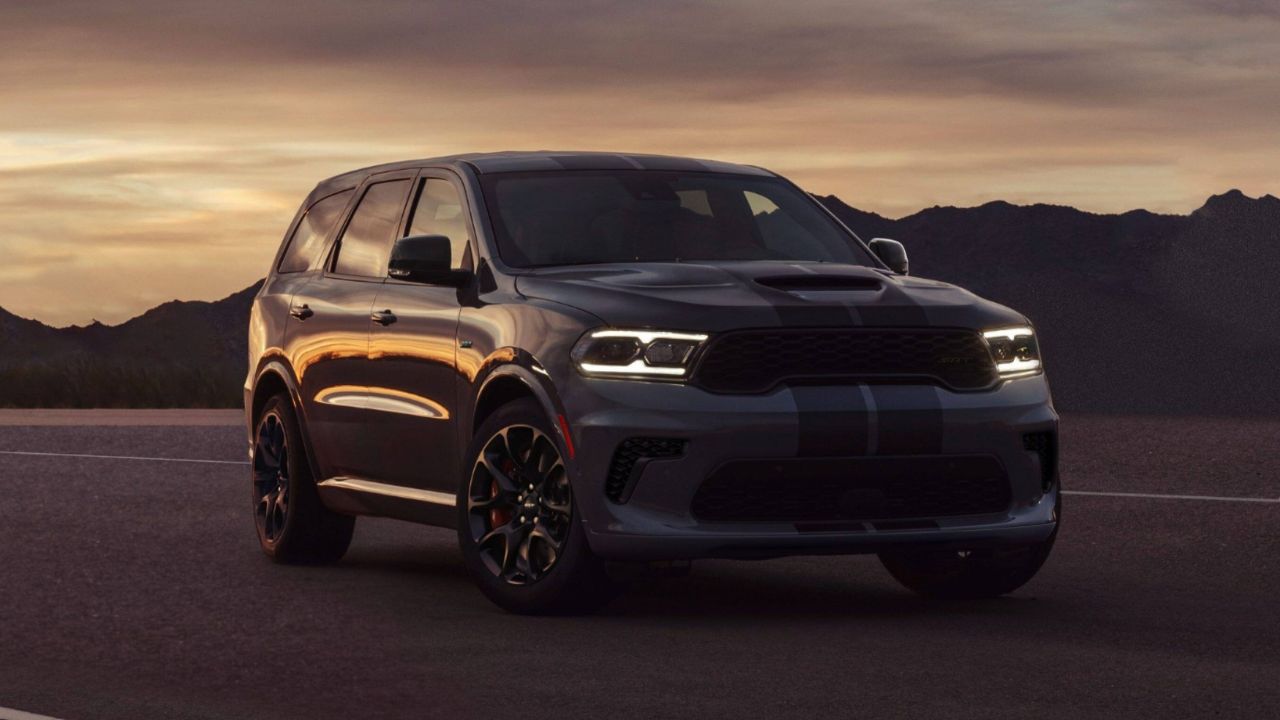
The Durango SRT brought three-row seating and 475 horsepower together in a package that shouldn’t work but absolutely does. This family hauler could carry seven passengers and still run to 60 mph in 4.4 seconds, making it one of the quickest three-row SUVs ever built.
The 6.4L HEMI gave the Durango genuine performance credentials while maintaining its utility, with up to 8,700 pounds of towing capacity when properly equipped. During its run, the Durango SRT found buyers who needed space but refused to give up on driving excitement.
It represented the perfect example of having your cake and eating it too, even if that cake consumed premium fuel at an alarming rate.
2018-2021 Jeep Grand Cherokee Trackhawk

The Trackhawk takes the HEMI story to its absolute zenith with a supercharged 6.2L engine producing an outrageous 707 horsepower. This modified HEMI, borrowed from the Hellcat program, launched this SUV to 60 mph in just 3.5 seconds, making it the most powerful production SUV in the world when it debuted.
The Trackhawk could run the quarter-mile in 11.6 seconds at 116 mph, numbers that would have embarrassed dedicated sports cars just a generation earlier. Jeep installed heavy-duty components throughout to handle the power, including a strengthened transmission and upgraded all-wheel-drive system.
It proved that HEMI engineering had evolved far beyond its original muscle car roots.
2021-2023 Ram 1500 TRX
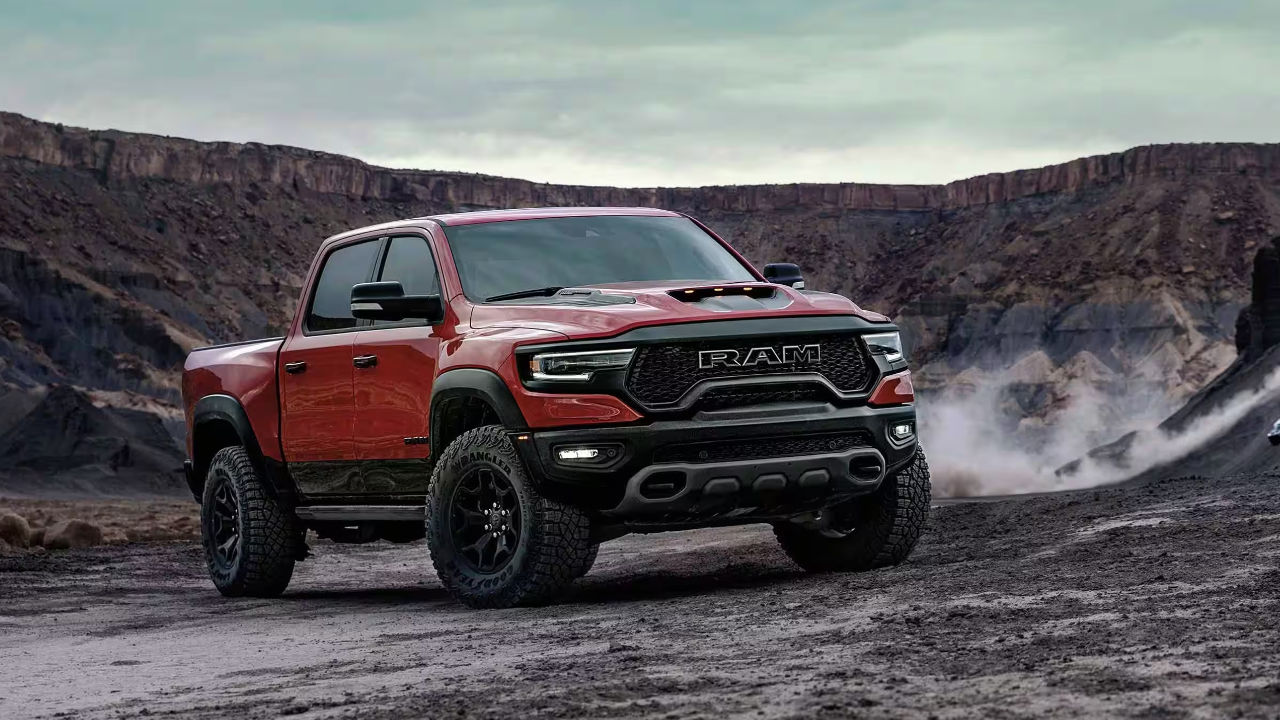
The Ram TRX deserves mention for putting the supercharged 6.2L Hellcat HEMI into a full-size pickup truck, creating the most powerful production pickup ever built up to that moment. This desert-running monster produced 702 horsepower and 650 lb-ft of torque, allowing it to sprint to 60 mph in just 4.5 seconds despite weighing nearly 6,400 pounds.
The TRX featured a sophisticated suspension system with over 13 inches of travel, making it as capable off-road as it was quick on pavement. Ram built this truck to directly challenge Ford’s Raptor, and it succeeded by offering significantly more power and acceleration.
The TRX represented the ultimate expression of putting a massive HEMI in something that absolutely didn’t need it but absolutely benefited from it.
2006 Dodge Charger Daytona
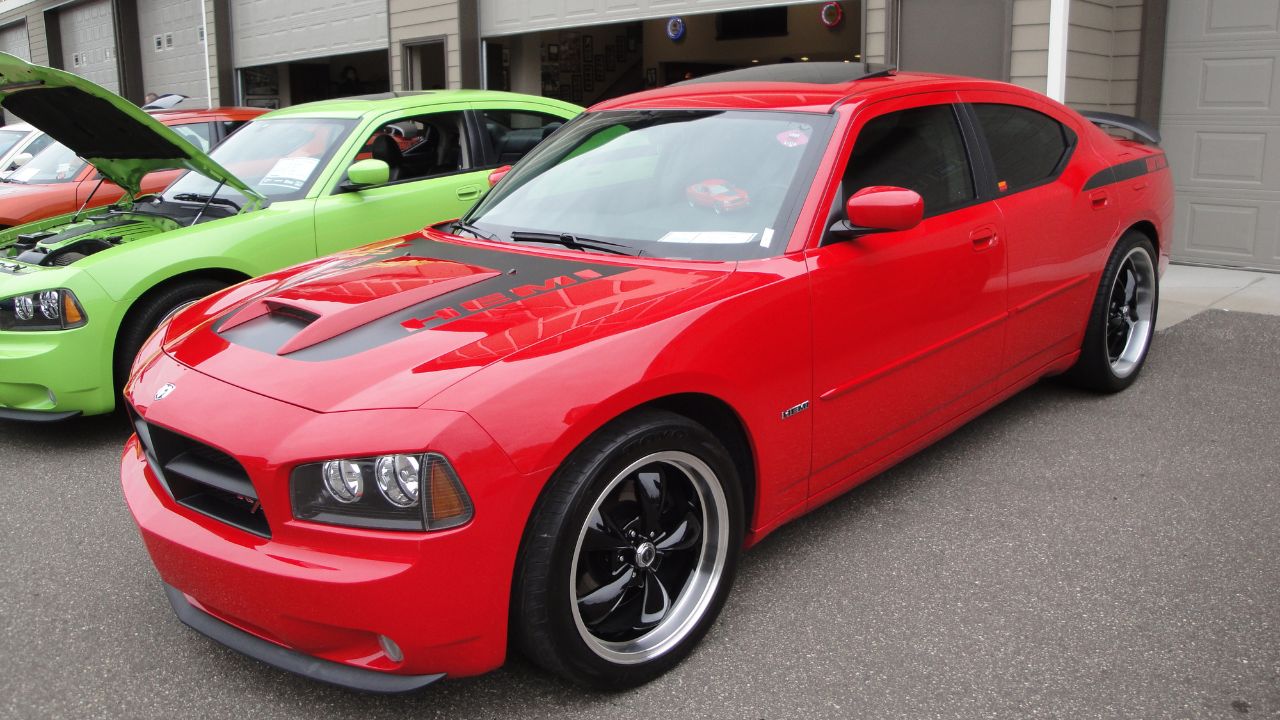
The 2006 Charger Daytona was a limited-edition model that celebrated Dodge’s NASCAR heritage with unique styling and HEMI power. Dodge built 10,000 2006 Charger Daytona models in total, including 4,000 in Go ManGo orange plus additional cars in other special colors. Under the hood sat the 5.7L HEMI producing 350 horsepower, paired with exclusive Go Mango Orange paint and special graphics package.
The Daytona featured performance suspension, specific 18-inch wheels, and unique interior trim that set it apart from standard Chargers. This special edition proved that HEMI power could still evoke the golden age of muscle cars while offering modern reliability and daily drivability.
Conclusion

The HEMI engine’s versatility shines through when you look beyond the obvious muscle cars and see where Chrysler decided to drop this legendary powerplant. From luxury sedans to family SUVs, and even limited-production special editions, the hemispherical combustion chamber design proved adaptable to nearly any application.
These surprising HEMI vehicles show that performance and practicality aren’t mutually exclusive, and that sometimes the best sleepers are the ones nobody expects. Whether hauling kids, towing trailers, or just enjoying spirited driving, these vehicles proved the HEMI could do it all.
The legacy of these unexpected HEMI applications reminds us that automotive enthusiasm comes in many forms, and sometimes the most memorable vehicles are the ones that dare to be different.