
Building a supercar is like playing poker with million-dollar chips: sometimes you win big, sometimes you lose everything. While we love to admire these incredible machines for their screaming engines and jaw-dropping performance, the reality behind the scenes is often less glamorous.
From spiraling development costs to production nightmares, some of the most exciting supercars in history ended up draining their makers’ bank accounts.
These are the cars that proved passion doesn’t always make for good business, and sometimes the pursuit of automotive perfection comes with a price tag that’s just too high.
Lexus LFA: The Billion-Dollar Statement
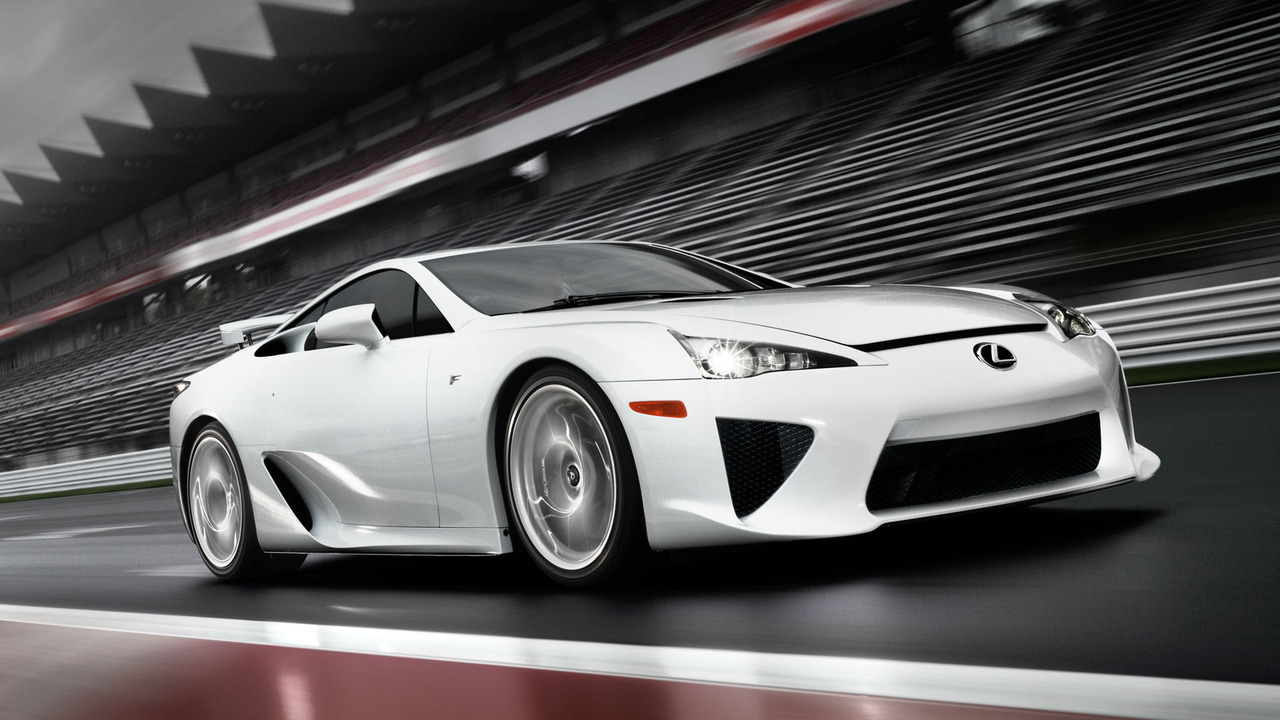
When Toyota set out to build the Lexus LFA, they weren’t just creating a car — they were making a statement. The problem? That statement reportedly cost around $1 billion to make.
Development started in 2000, and by 2006, engineers realized their aluminum chassis was too heavy, forcing them to redesign everything around carbon fiber. This wasn’t just a setback; it was essentially starting over. Each of the 500 LFAs produced cost approximately $750,000 to build, but they sold for just $375,000, meaning Lexus lost money on every single car.
The V10’s scream might be one of the most beautiful sounds in automotive history, but it was an incredibly expensive symphony to compose.
BMW M1: The Supercar That Never Raced

The BMW M1 had one job: beat Porsche at Le Mans. Instead, it became a cautionary tale about partnerships and timing. When Lamborghini went bankrupt midway through production, BMW had to scramble, dividing manufacturing across multiple Italian companies before final assembly in Germany.
By the time they sorted out this logistical nightmare and built the required 400 cars for racing homologation, the rules had changed. The M1 was suddenly obsolete before it even hit the track. With only 453 cars built and prices that exceeded a Ferrari’s, the M1 cost far more than expected and sold fewer units than hoped.
BMW had to discount remaining cars just to move them, and the motorsport division’s budget was slashed by 75 percent as a result.
Bugatti EB110: When Ambition Meets Recession

Romano Artioli wanted to honor Ettore Bugatti’s philosophy that “nothing is too beautiful, nothing too expensive.” Unfortunately, he took that a bit too literally.
The EB110 featured a quad-turbo V12 and carbon fiber construction from an aerospace company, pushing the price to over $600,000 in the early 1990s. Then Artioli bought Lotus for around $50 million and started developing the EB112 sedan — all while Europe tumbled into recession. The timing couldn’t have been worse. Bugatti filed for bankruptcy in 1995 after producing just 139 cars.
The abandoned factory in Campogalliano still stands today as a monument to automotive dreams that couldn’t survive economic reality.
Jaguar XJ220: The Deposit Disaster
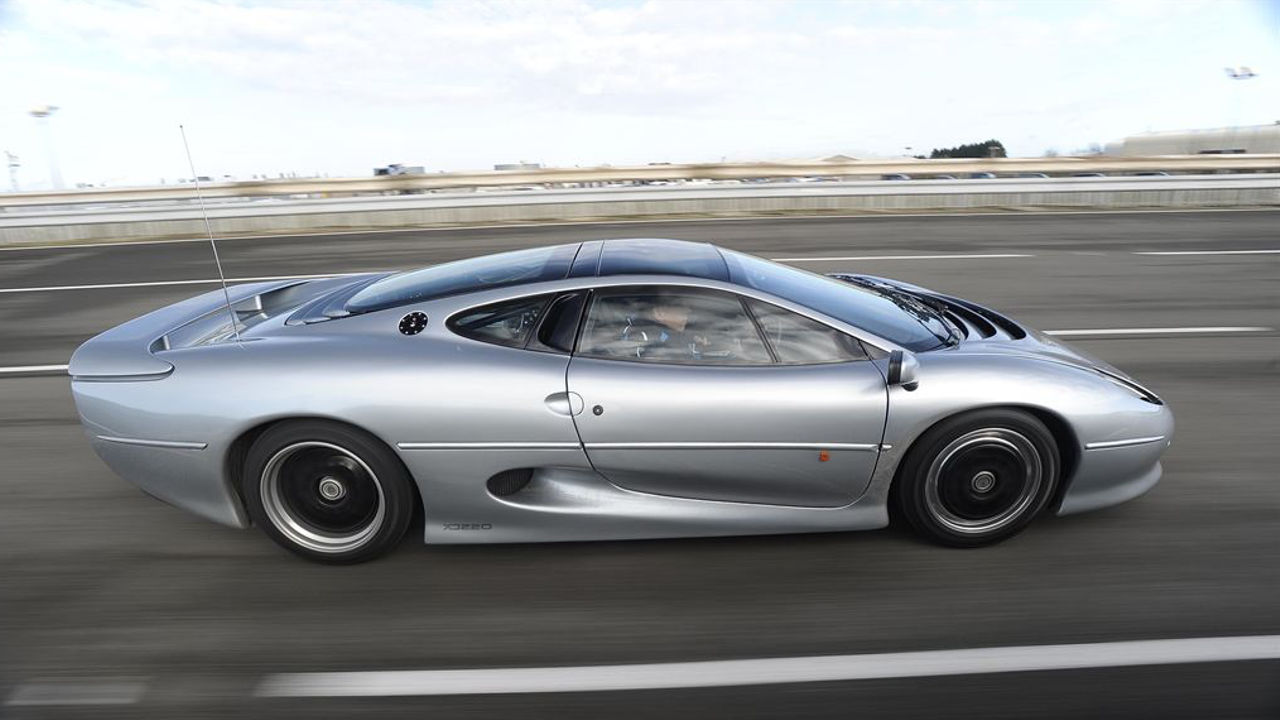
Picture this: you unveil a concept car and 1,400 people immediately put down $50,000 deposits. Success, right? Not quite. When Jaguar’s XJ220 finally arrived for production, the promised V12 had become a V6, and the price had ballooned from $348,000 to nearly $565,000 due to contract indexing.
Meanwhile, the supercar market crashed harder than a badly timed downshift. Buyers canceled in droves, and Jaguar ended up building just 282 cars, with some still unsold as late as 1997. The development costs were enormous, the production process was complex, and the return on investment was basically nonexistent.
It was the fastest production car of its time, but speed doesn’t pay the bills when customers back out.
Vector M12: The American Dream That Wasn’t
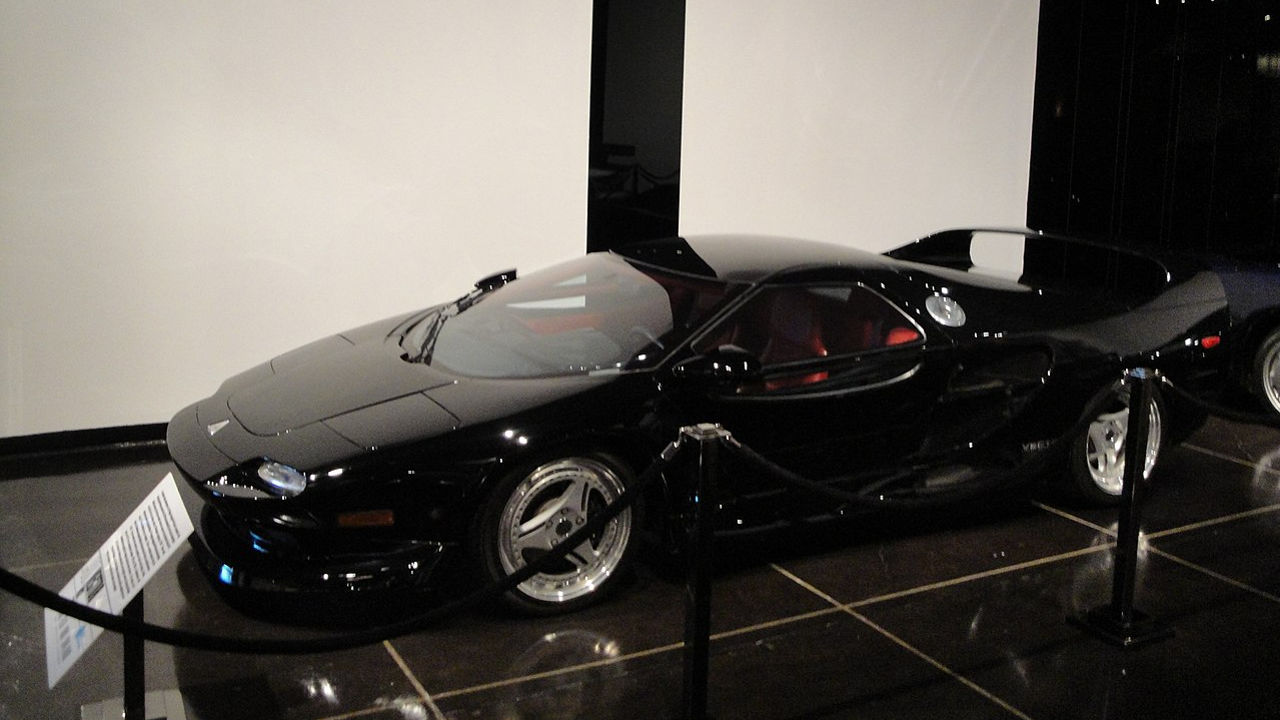
Vector spent decades promising American supercars but rarely delivered actual cars. When they finally produced the M12 in significant numbers, it turned out to be a rebodied Lamborghini Diablo due to budget constraints.
That’s not what buyers wanted: they’d been promised an all-American exotic. The irony is painful; one of the few times Vector actually manufactured a car, nobody bought it. The company collapsed under the weight of its own broken promises, proving that in the supercar world, you can’t fake authenticity.
Budget limitations forced compromises that killed the very appeal the car was supposed to have.
Cizeta V16T: The V16 That Couldn’t

The Cizeta V16T had one of the most outrageous engines ever fitted to a road car: a transversely-mounted 6.0-liter V16 (basically two Lamborghini V8s joined together). It looked wild, sounded glorious, and would hit nearly 200 mph.
The problem? At over $600,000 in the early 1990s, it was astronomically expensive, and investor Giorgio Moroder got cold feet when the numbers didn’t add up. The company filed for bankruptcy after producing fewer than a dozen cars.
Claudio Zampolli tried to revive the brand years later in California, but the dream was effectively over. Today, the surviving Cizetas are some of the rarest exotics in existence: rare because almost nobody could justify the cost.
Gumpert Apollo: Too Extreme for Its Own Good

Roland Gumpert wanted to build a street-legal car that was genuinely track-ready, and the Apollo delivered on that promise with 800 horsepower and race-car handling. The problem was that most buyers didn’t actually want a race car for the street.
With almost no interior space and handling that demanded total concentration, the Apollo was intimidating rather than inviting. The styling was controversial, and the pricing was steep. Despite setting a Nürburgring record, Gumpert filed for bankruptcy in 2013 after building only about 150 units.
The Apollo was a victim of its own purity — sometimes being the best at something isn’t enough if people don’t want that particular thing.
De Tomaso Guara: The Overreach

De Tomaso had already achieved success with the Pantera, but ambition drove them to create the Guara in the 1990s. Built on a bespoke chassis with either a BMW or Ford V8 (an unconventional choice that raised eyebrows), the Guara represented an unusual approach to supercar building.
Unfortunately, very few people liked it. Only around 50 were made before the company sank into bankruptcy in the early 2000s. The Guara wasn’t the sole cause — De Tomaso had a pattern of overreaching across multiple projects — but it exemplified the problem.
Even with decades of experience, the company couldn’t turn its vision into viable sales.
Wiesmann MF5: Same Design, Different Name

German boutique manufacturer Wiesmann had been building hand-crafted cars for over 15 years when the MF5 arrived. The trouble was that each new model looked virtually identical to the previous ones, and that lack of evolution hurt them.
When you’re operating in such a niche market, standing still is moving backward. Sales couldn’t keep pace with operational costs, and Wiesmann filed for insolvency in 2013, sliding into bankruptcy the following year after disagreements with creditors.
The MF5 wasn’t a bad car — it was beautifully crafted — but in a market where exclusivity matters, familiarity can be fatal.
Weber Faster One: Big Claims, No Customers

Swiss startup Weber debuted the Faster One in 2008 with audacious claims: it would be the world’s fastest production car, beating the Bugatti Veyron, and cost around $1.68 million. For a company with no track record, these were bold statements — perhaps too bold.
Nobody believed them, or if they did, they didn’t believe enough to actually write a check. Only one example of the Faster One was built before the company collapsed.
It stands as a reminder that in the supercar world, your reputation matters as much as your specifications, and you can’t bootstrap credibility with press releases alone.
Marussia B1/B2: Formula One Dreams, Supercar Reality

Russian manufacturer Marussia burst onto the scene in 2007 with big plans: mass-produce the B1 supercar, limit the higher-spec B2 to 500 units, launch a Formula One team, and open showrooms in London and Monaco. For a few years, it actually looked like they might pull it off.
They delivered their first cars in 2009 and even got their F1 team on the grid. But the operation was burning money faster than they could raise it, and the company went bankrupt in 2013.
The ambition was admirable — they wanted to create a Russian supercar brand with global recognition — but the costs of both F1 racing and low-volume car production proved unsustainable.
Joss JP1: Australia’s Lost Supercar

Joss seemed to have all the right ingredients for Australia’s first supercar company. The JP1 looked promising, the engineering appeared sound, and there was genuine enthusiasm for an Australian-made exotic. But enthusiasm doesn’t pay the bills.
When orders didn’t materialize in sufficient numbers, Joss attempted a crowdfunding campaign in 2014 to keep the lights on. It failed. The company that wanted to put Australia on the supercar map couldn’t generate enough sales momentum, and without that revenue, there was no way forward.
Sometimes having the right ingredients isn’t enough — you also need the right timing and market conditions.
Conclusion

These supercars prove that automotive passion and engineering brilliance don’t always translate to business success. Whether it was bad timing, production nightmares, unrealistic pricing, or simply building a car nobody wanted to buy, each of these manufacturers learned the same hard lesson: in the supercar business, the margin between legendary success and financial catastrophe is razor-thin.
Some of these companies recovered, others didn’t, but they all contributed something to automotive history — even if that contribution came at an enormous cost. Their stories remind us that behind every supercar is a team of people who risked everything to build something extraordinary, even when the spreadsheets said they shouldn’t.